The place is also smaller and calmer than its reputation. There are fewer touts than at Agra or Jaipur, the market is a short walk from the gates, and a single full day is enough to cover every group if you plan the order. Here is how that order works.
Who built the temples and what survives
The Chandela dynasty built the temples between about 950 and 1050 CE, according to MP Tourism. The twelfth century had 85 of them spread over some 20 square km; today 20 or 25 stand, and even the tourism board does not settle on which number is right.
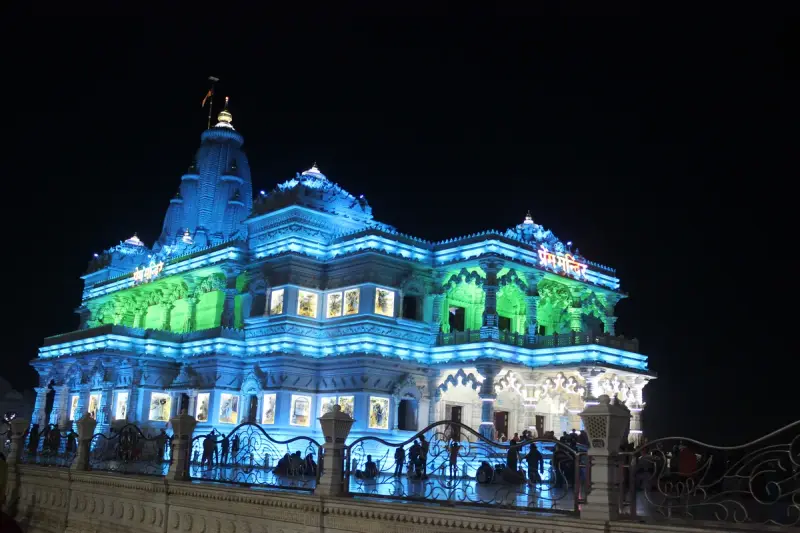
The temples are grouped by compass direction, not by age, which is why a first look at the map can be confusing. Think of three clusters: Western, Eastern and Southern, with the Jain temples sitting inside the Eastern one.
The Western Group first, and early
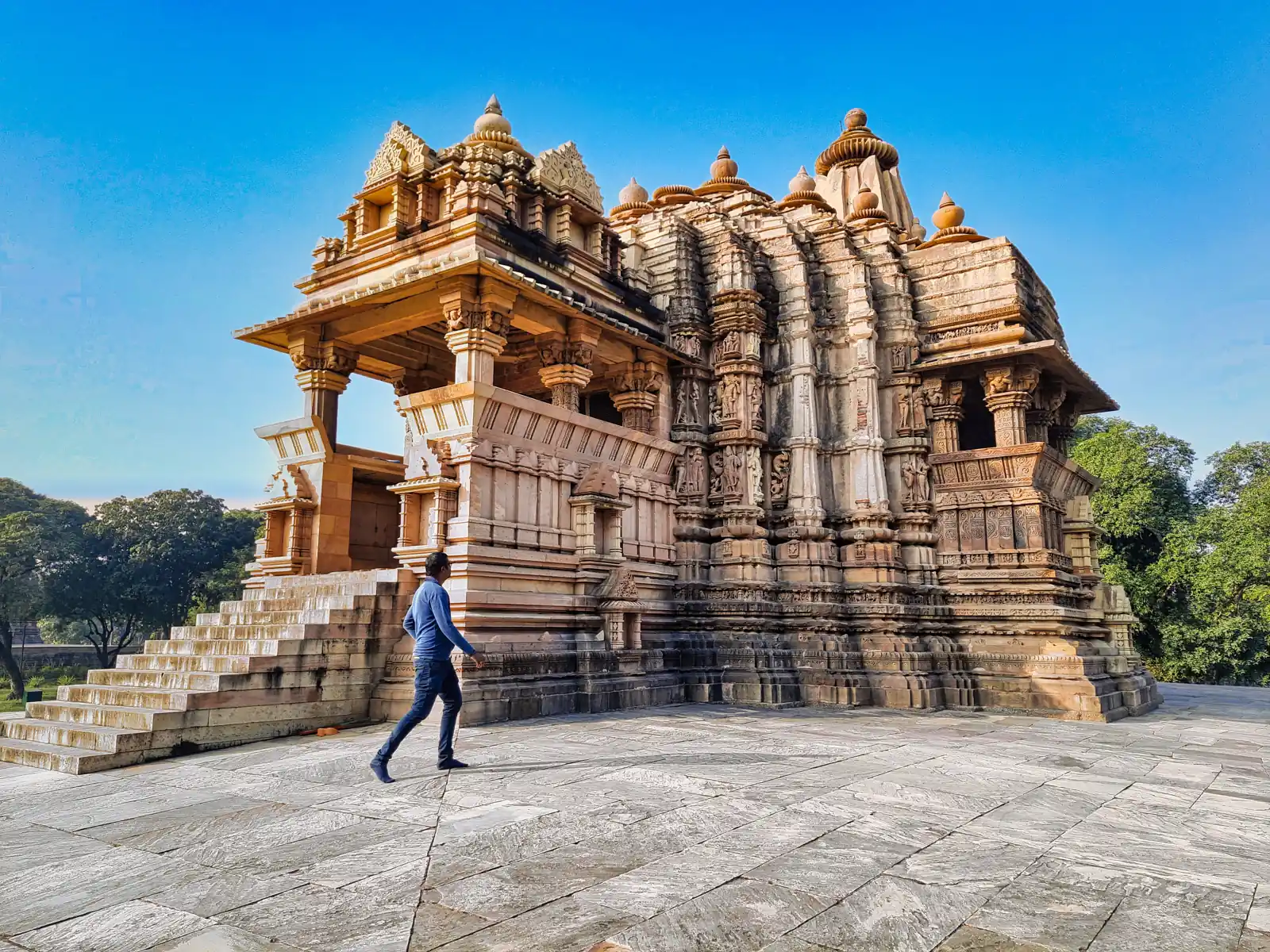
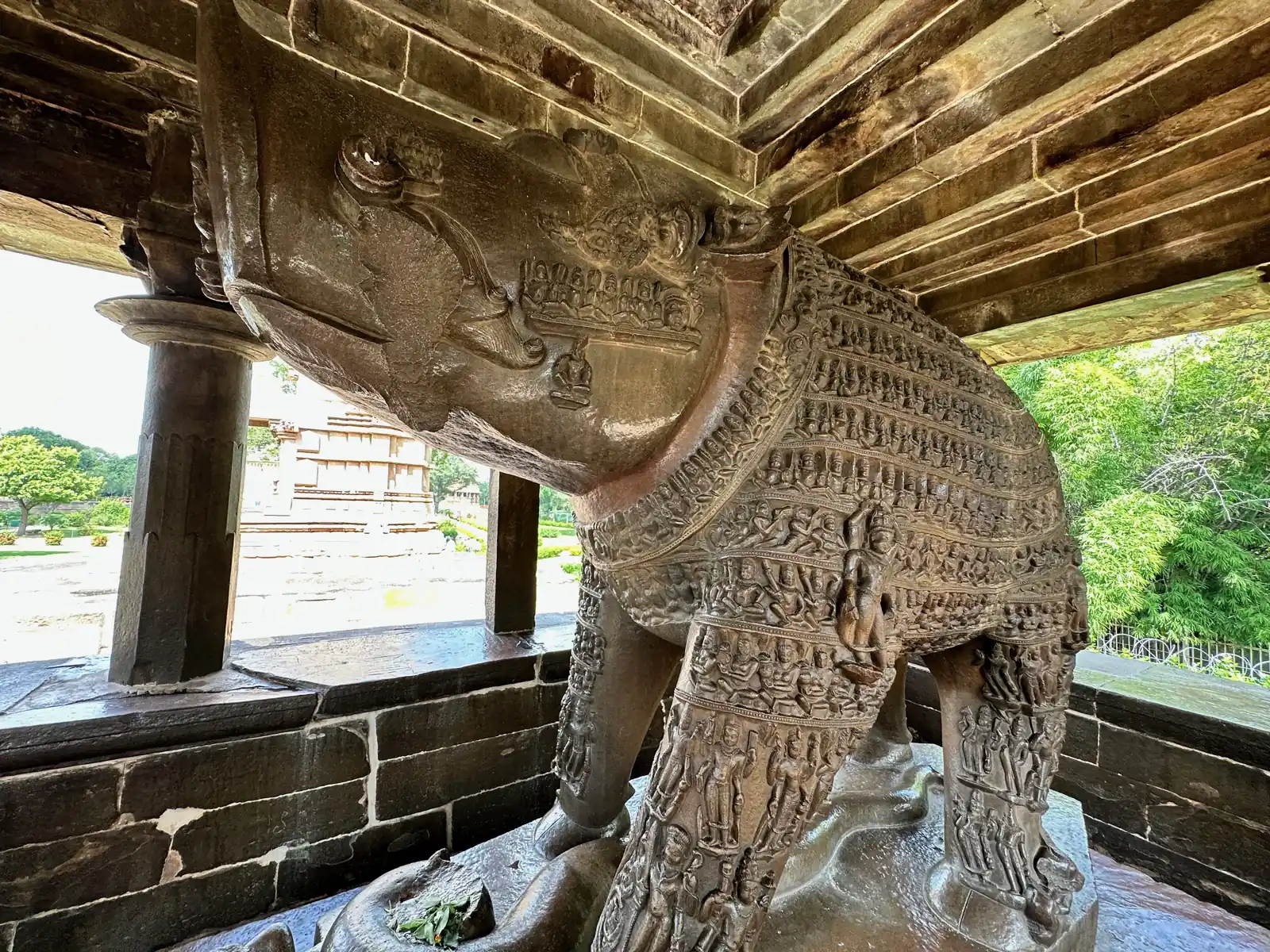
This is where the ticket counter is and where the famous names sit: the Kandariya Mahadeva for Shiva, the Lakshmana for Vishnu, the Vishvanatha, the Chitragupta for the sun god, the Devi Jagadambi, and the small boar shrine of Varaha with its enormous carved animal under a pillared roof. The Kandariya Mahadeva, completed under King Vidyadhar around 1029, carries about 900 sculptures on sandstone laid over a granite base, rises some 30 m, and is the one that makes you stop mid-step. Walk the path around its platform to see the outer walls.
Opening hours are quoted from 8 am to 6 pm by several guides, though a few say 6 am, so ask when you buy the ticket. The Western Group fee is quoted at about Rs 40 for Indian visitors and Rs 600 for foreigners, but the sources conflict, so take the number at the counter as final. Queues are short except on a holiday or when a tour bus arrives.
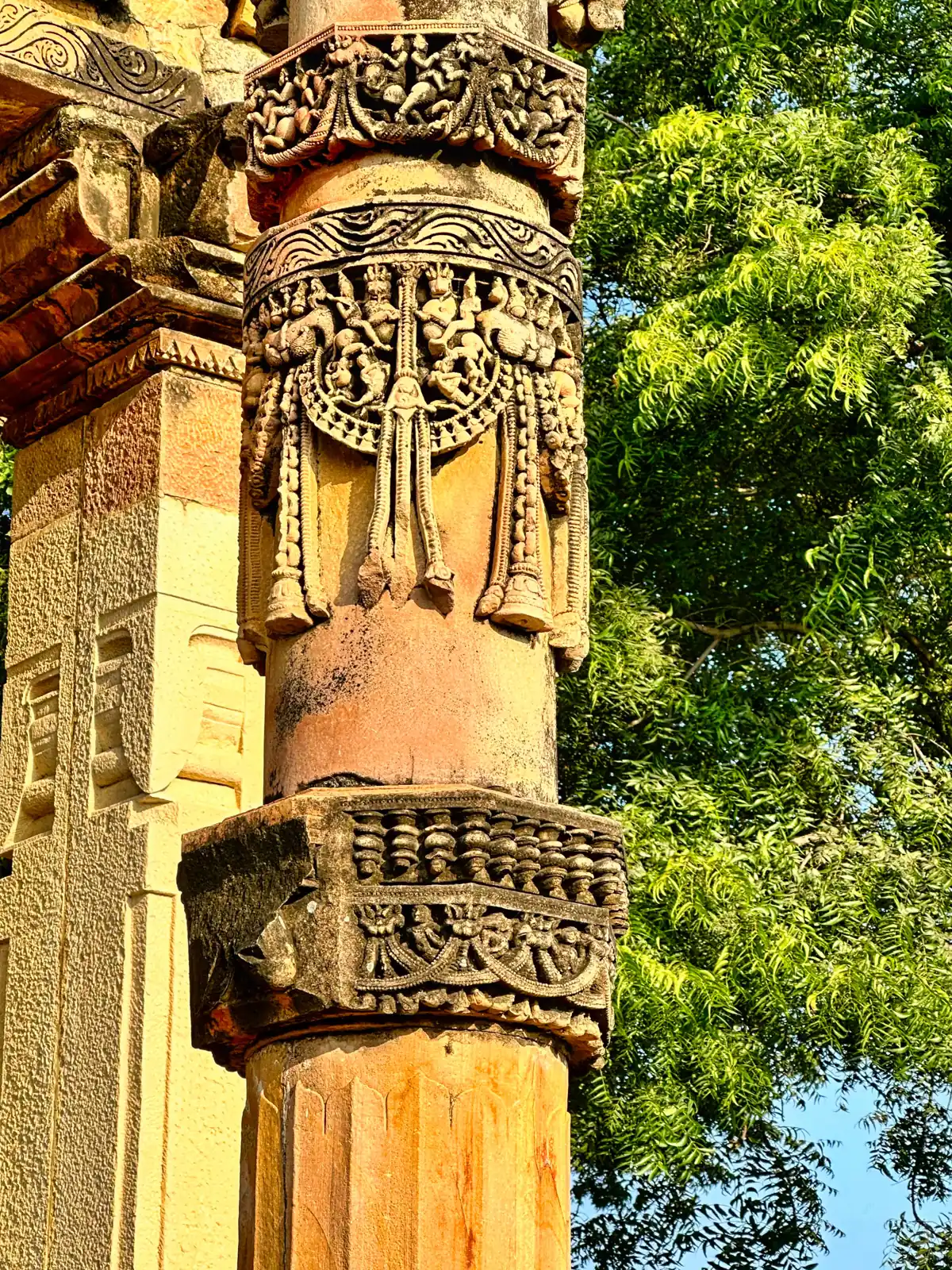
Go at opening time or in the late afternoon, and leave midday free. Allow three hours if you simply walk and look, and up to five or six if you read each wall band by band. Approved guides wait near the entrance, and a guide earns the fee here, since the carving rewards a reader. Ask what a panel shows before you decide it is something else; most of it is musicians, soldiers, craftsmen and gods, a whole town in relief.
Eastern, Southern and Jain groups by auto or cycle
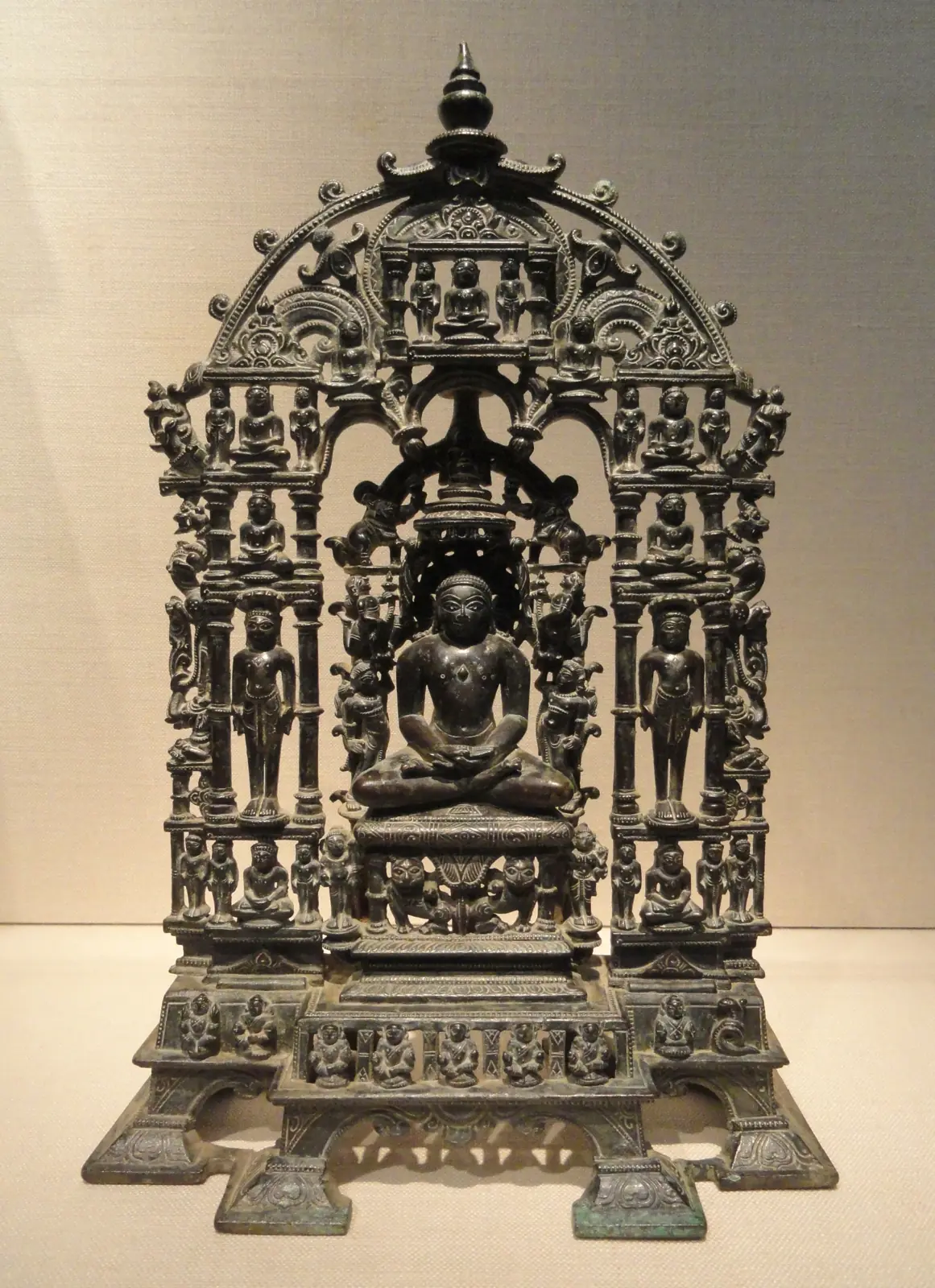
The Eastern Group lies about 1.5 km away and includes the Brahma, Javari and Vamana temples alongside the Jain cluster of Adinath, Ghantai, Parsvanatha and Shantinath. Take your shoes off at the Jain temples. A traveller's account notes that the Jain compound has been spruced up recently, with shops and a small museum inside. The Southern cluster, Duladeo and Chaturbhuj, is the quietest, with villages, bikes and goats among the stones.
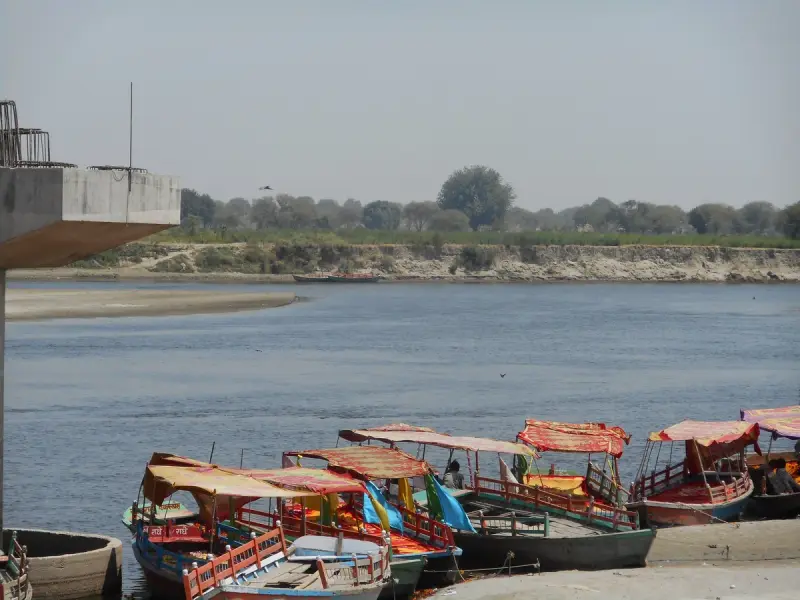
Entry to the Eastern and Southern groups is reported free, though this is not consistent between guides. Autos are faster than cycle rickshaws for the longer hop, and bicycles are cheap for the short ones. Settle the fare before you climb in, and ask your hotel what is normal. Rates are higher in front of the Western Group, so walk a block before you bargain.
The evening show, and the February festival
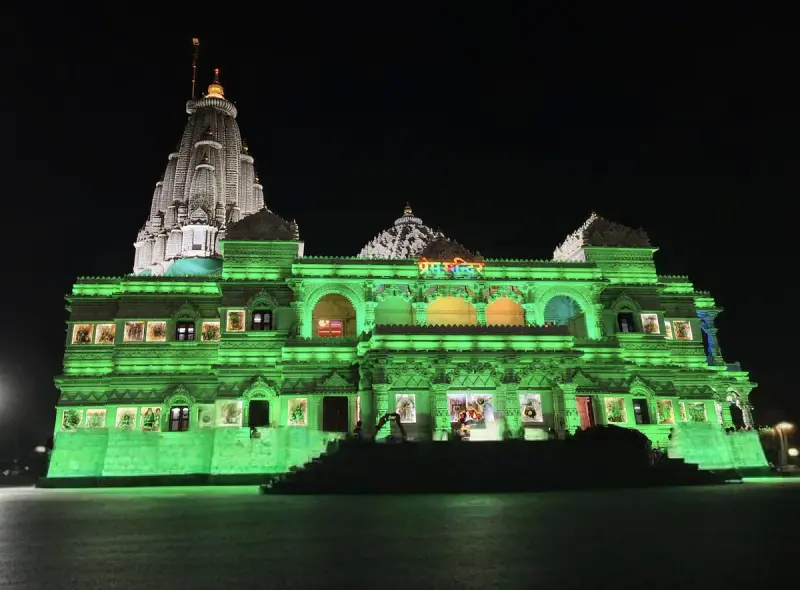
A sound and light show is staged on the Western Group lawns every evening with one English and one Hindi session. The show was relaunched in January 2025 with projection mapping and now runs about 35 minutes. A January 2025 press report gave English at 6:30 pm and Hindi at 7:25 pm, with adults at Rs 300, though the hour can move seasonally. At least one traveller calls it a must-do after the day's walking.
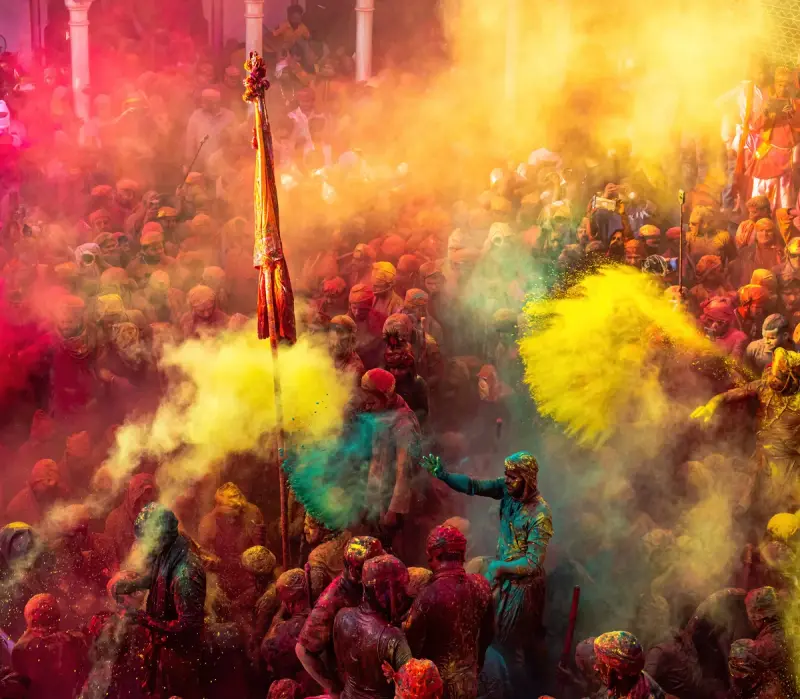
The Khajuraho Dance Festival is held around February on an open-air stage near the Western Group, with classical dance from across India under the lit-up temples. Hotels near the market fill months ahead for those dates.
When to go, and when not to
October to March is the sweet spot, the window Outlook Traveller calls ideal. Once summer sets in, the sandstone gets uncomfortable by ten in the morning. The monsoon turns the district green but brings humidity and sudden downpours.
If you add Panna National Park, book safari permits ahead in peak season and share the jeep, since the fee is per vehicle. Raneh Falls, where the Ken river drops over rocky cliffs, makes a short drive out, but check conditions in the dry months.
The road from Jhansi
Jhansi is the usual rail gateway, and buses and cabs run the road from there to Khajuraho; Orchha is a short detour on the way, about half an hour from Jhansi station. Khajuraho's own station is about 5 km from town with limited trains, and the Khajuraho-Nizamuddin Express takes 10 to 11 hours from Delhi. The airport, 2 km from the temples, has flights to Delhi, Mumbai, Bhopal and Varanasi.
Where to stay and eat
Stay near the main market, which is walkable from the Western Group gate; a cheaper room usually means a longer auto ride at night. Restaurants cater to visitors with pasta, pizza and dessert next to thalis, and after a full day on your feet that menu is welcome.
Let Laladham run it
Laladham picks you up in Delhi, at the airport, station, home or hotel, and runs the whole trip: the Jhansi leg, an Orchha stop, stays at Khajuraho, a guide for the big cluster and drivers who know when to move. Ask for a quote on the book page.
Questions, answered
How much time do the Khajuraho temples need?
One full day covers everything. The main cluster alone is a three to six hour job, depending on how closely you read the panels.
What is the best time of year for Khajuraho?
October to February, in the cool part of the year. Summer afternoons are punishing.
Is the evening light and sound show worth it?
Yes on a first visit, in English or Hindi sessions on the lawns. Sessions come in English and Hindi, so pick the language you want.
How far is Khajuraho from Jhansi?
It is the nearest big junction, with Orchha an easy stop between the two. Ask for a current drive time before you fix the day.
Do I need a guide?
It helps at the biggest cluster, where approved guides wait at the gate and explain the panels. Elsewhere you can wander alone.