Incredible India makes a point that surprises first-timers: Goa does not have one best season, only different ones. This guide sorts the coast and the heritage, and then the calendar.
North Goa and South Goa are different holidays
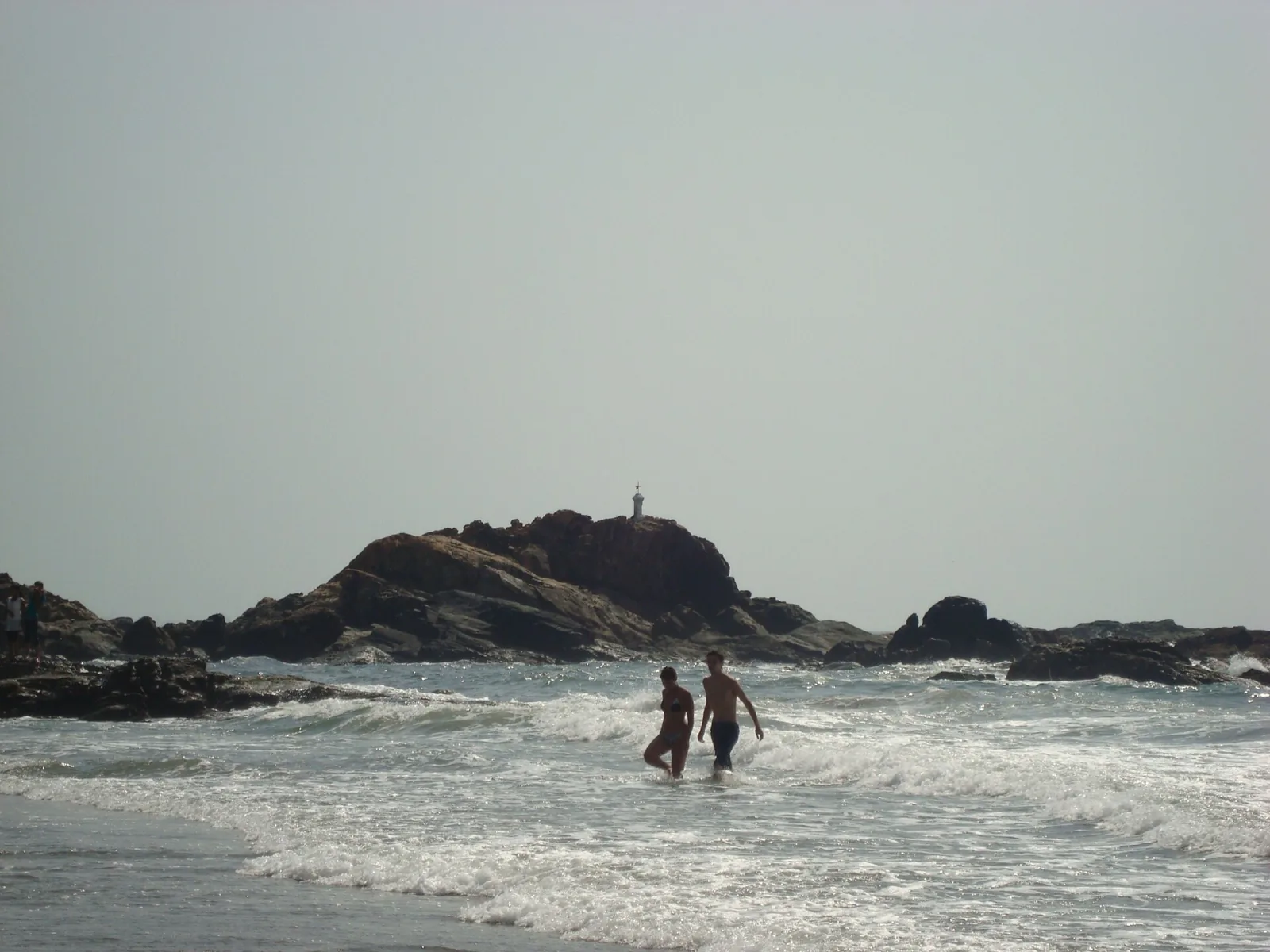
The tourism portal lists the main beaches: Baga, Calangute, Anjuna, Vagator and Candolim in the north, Colva, Benaulim, Palolem and Agonda in the south, with Miramar close to Panaji. Baga is known for water sports and beach shacks, and Anjuna for its flea market and nightlife.

Palolem is described as a crescent beach with a calmer, laid-back pace, and Patnem, next to it, is quieter again. If you want sunsets, walks and quiet, base in the south. If you want music, markets and choice at midnight, stay north. Do not try to do both from one hotel.
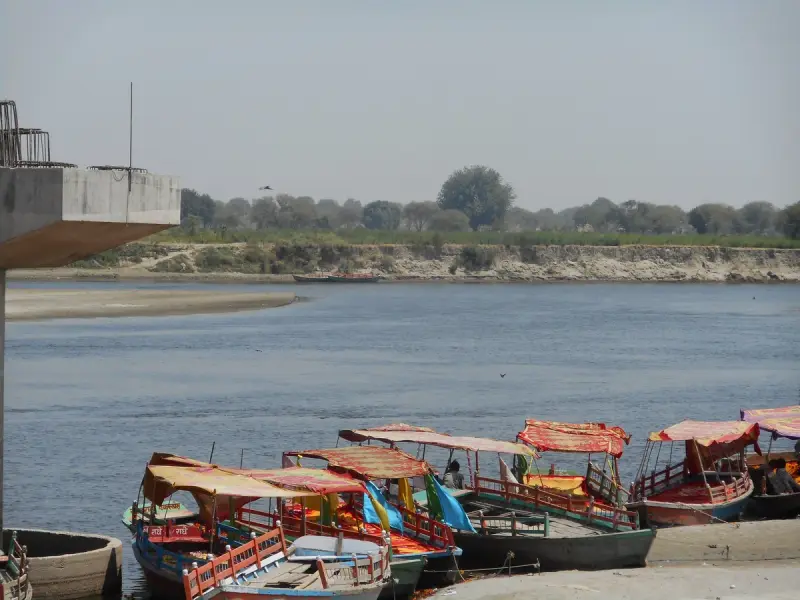
Old Goa: the Portuguese capital
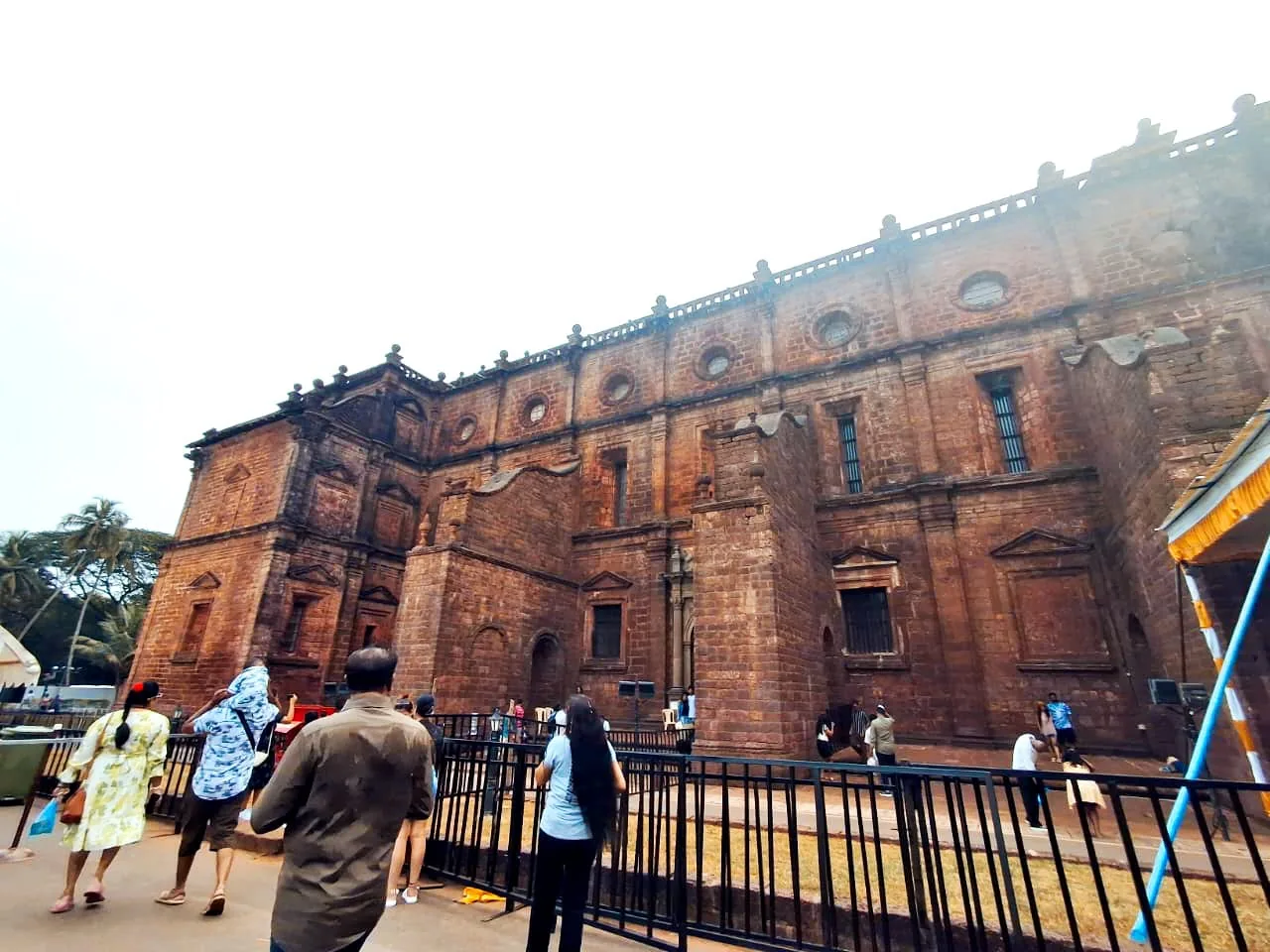
Old Goa was the Portuguese capital until the middle of the eighteenth century and is now a UNESCO World Heritage Site. The Jesuits built the basilica of Bom Jesus in 1594, and it holds the remains of St Francis Xavier. Next to it stand the cathedral and the Holy Hill churches, and half a day covers the lot.
Dress with shoulders and knees covered, since these are working churches, and avoid the hottest hours. Go early or in the late afternoon and take a guide for an hour if you want the stories behind the altars.
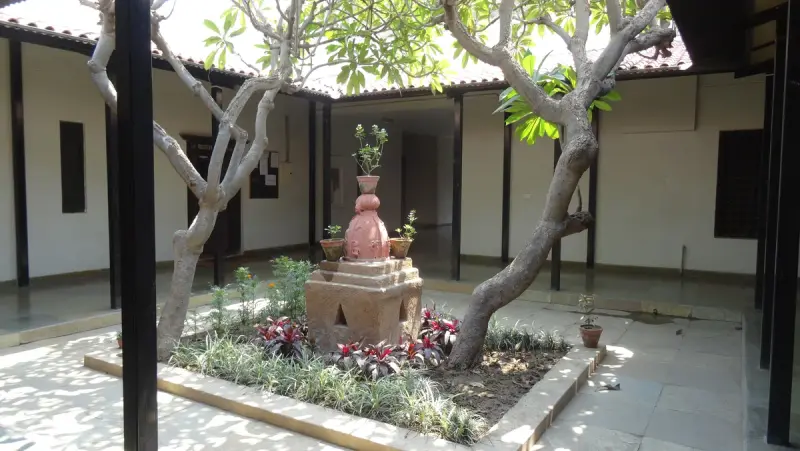
A further fort worth knowing is Cabo de Rama, a sixteenth-century fort above the sea in the south, and the Goa Chitra Museum, which Outlook Traveller lists for its tools and vehicles from Goan village life.
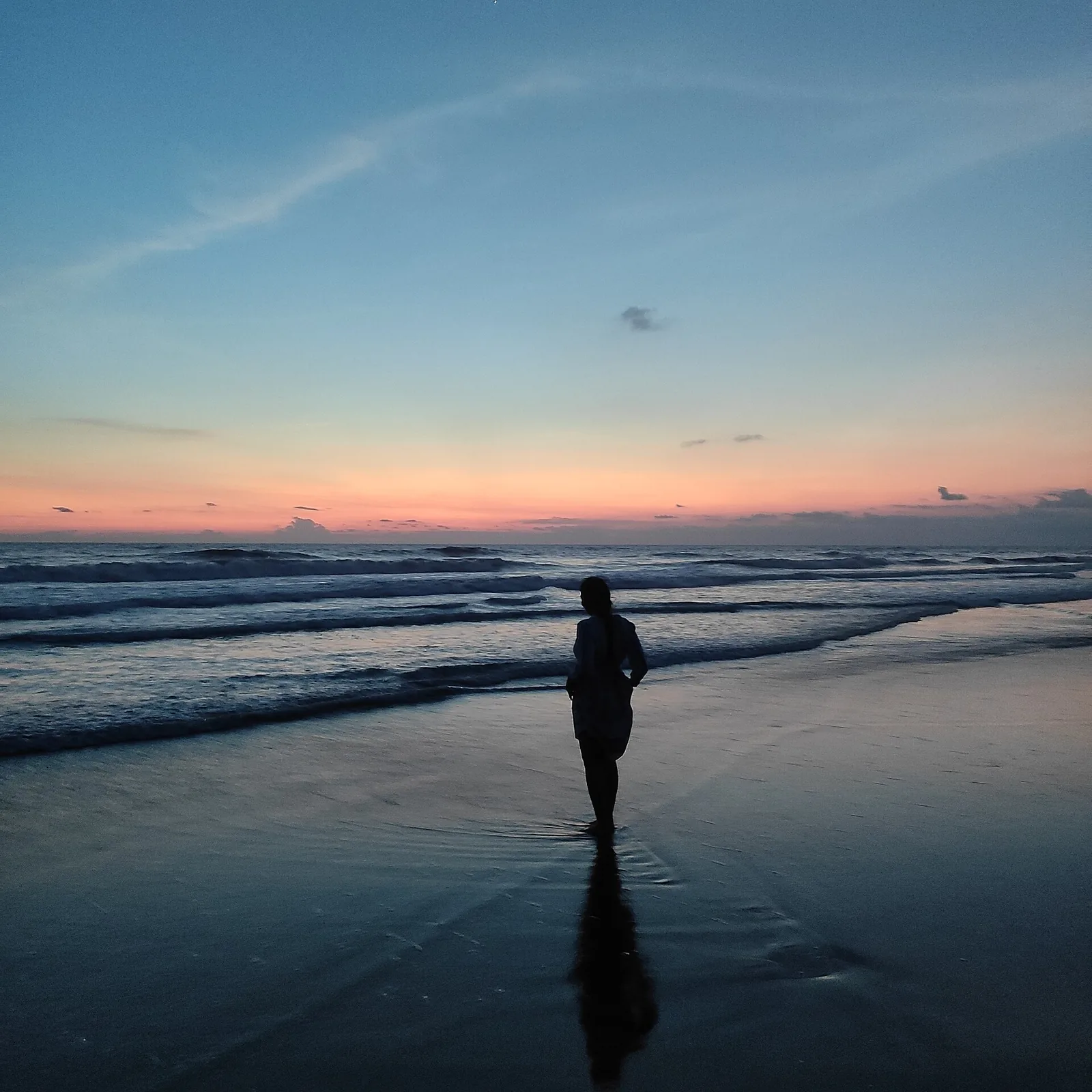
Panaji and Fontainhas
The state capital has the Church of Our Lady of the Immaculate Conception above its main square, and Fontainhas, a quarter of painted, tile-roofed houses that the portal's itinerary calls Asia's oldest and largest Latin quarter. It is a walk, not a drive.
Reis Magos Fort and Dona Paula are nearby. The Dr Salim Ali Bird Sanctuary on Chorao Island is the green option if you have time left.
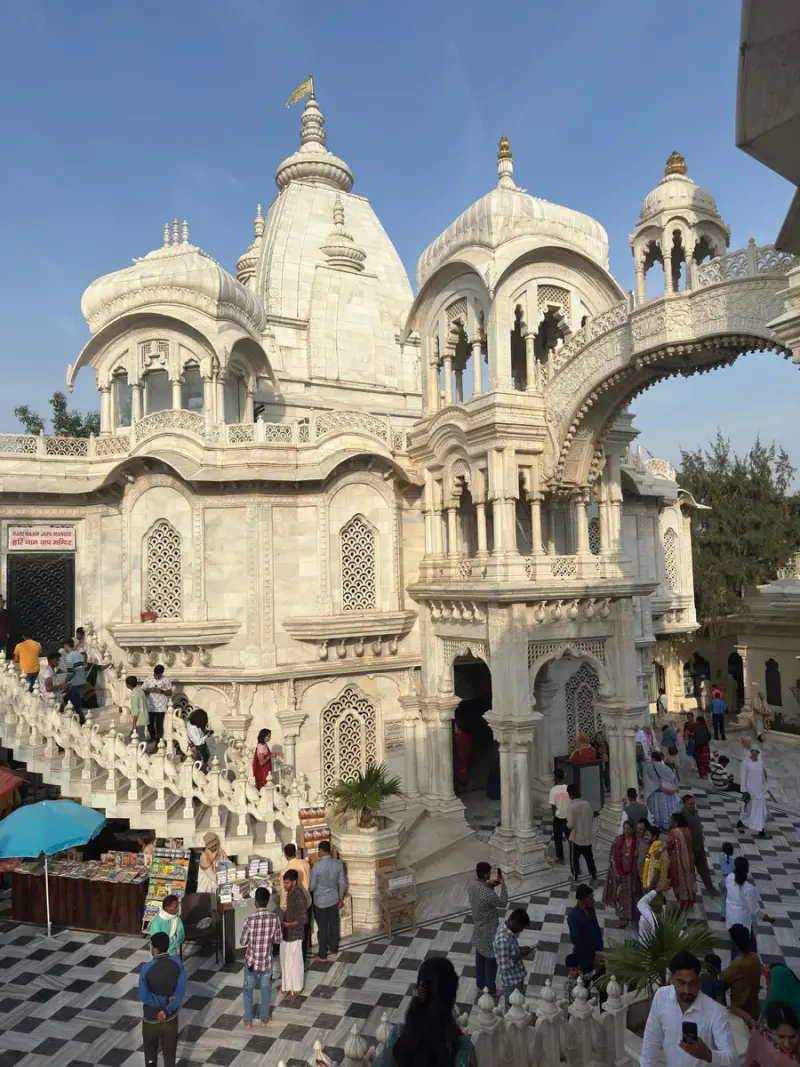
Forts with sea views
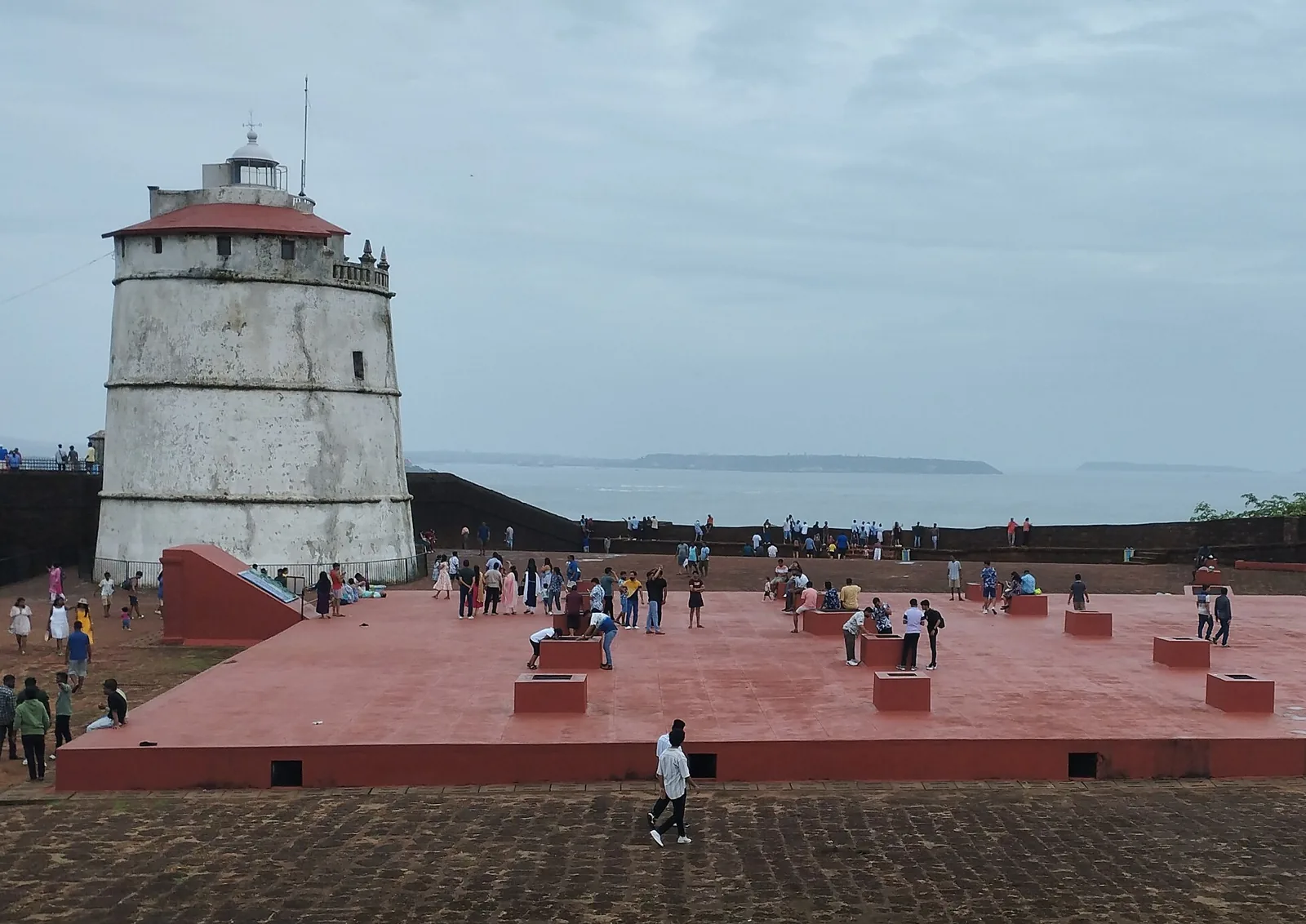
Aguada Fort is a seventeenth-century Portuguese fort near Sinquerim Beach, with a lighthouse and wide sea views. Chapora Fort, above Vagator, dates to 1717 according to the portal. Both reward a late visit, when the light softens and the climb cools.
Wear shoes with grip; fort walls and steps are uneven, and the sea wind is stronger than it looks.
Markets, temples and the green interior
Mapusa has a Friday market and Anjuna has a Wednesday flea market. Inland, Shri Manguesh and Shanta Durga are the temples the portal names, while Mollem National Park, Bondla Wildlife Sanctuary and the Salim Ali sanctuary give wildlife options.
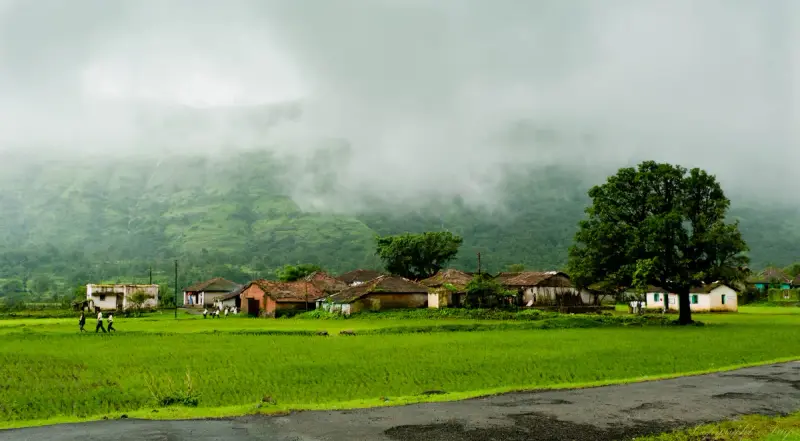
The Ponda belt is the green answer to the beach: the Outlook guide describes the Sahakari Spice Farm, a 24-hectare plantation inside a 52-hectare forest, with guided tours and a local meal. Rivona's Buddhist caves, dated to about the seventh century, and the Arvalem caves and waterfall offer a quieter heritage day for people who have had enough sand.
Dudhsagar Falls are at their best in the monsoon, says the portal. Outlook Traveller describes a four-tiered, 310 m fall inside the 240 sq km Bhagwan Mahavir Wildlife Sanctuary, reached by trek or by car, with Tambdi Surla Temple and a guide-only set of hiking trails nearby. Ask about access for the season before you plan around it.

What to eat
The portal's list reads like a menu: fish curry rice, prawn balchao, xacuti and vindaloo, with bebinca for dessert and feni, the cashew spirit, for those who drink. Order it at a local place at lunchtime, when it is freshest, and save the beach shacks for sundown.
Vegetarians do well too, with plenty of thalis and coconut-based curries, but ask whether a dish is cooked in fish stock.
Choosing a season
Incredible India's season note is generous: the monsoon is lush and misty with rain in bursts and Dudhsagar at its best; winter is the classic beach season, with Christmas, New Year and the Sunburn festival; summer is hot by day, with evening music and Sao Joao in June. Dev Deepawali, Tripurari Purnima, falls about two weeks after Diwali.
The monthly temperature figures run from lows near 17 degrees in January to highs of about 36 in February, and stay in the mid-thirties through May. Outlook Traveller advises asking lifeguards before swimming, even at calmer beaches such as Betalbatim.

Getting to Goa from Delhi, and Laladham
Goa has two airports, Dabolim and Manohar International in the north, and Madgaon is the main railway station. From Delhi you fly or take a long train. Laladham collects you in Delhi, at the airport, a station, your home or a hotel, and plans the complete trip: flights or train, a driver, the right beach base and a day for Old Goa. Ask for a quote on the booking page.
Questions, answered
What are the airports for Goa?
Dabolim Airport and Manohar International Airport in North Goa. The main station is Madgaon.
What is the best season for Goa?
There is no single one: winter for beaches, monsoon for greenery and waterfalls, summer for evenings and water sports.
What is in Old Goa?
A UNESCO cluster of Portuguese-era churches, including the one holding St Francis Xavier.
Which beach is quieter?
Palolem in the south is calmer, and Patnem beside it is quieter still.
What should I eat?
Start with the local fish thali and finish with bebinca.