The trick is to pick which of the five or six sights you actually care about and leave the rest.
Start at the fort
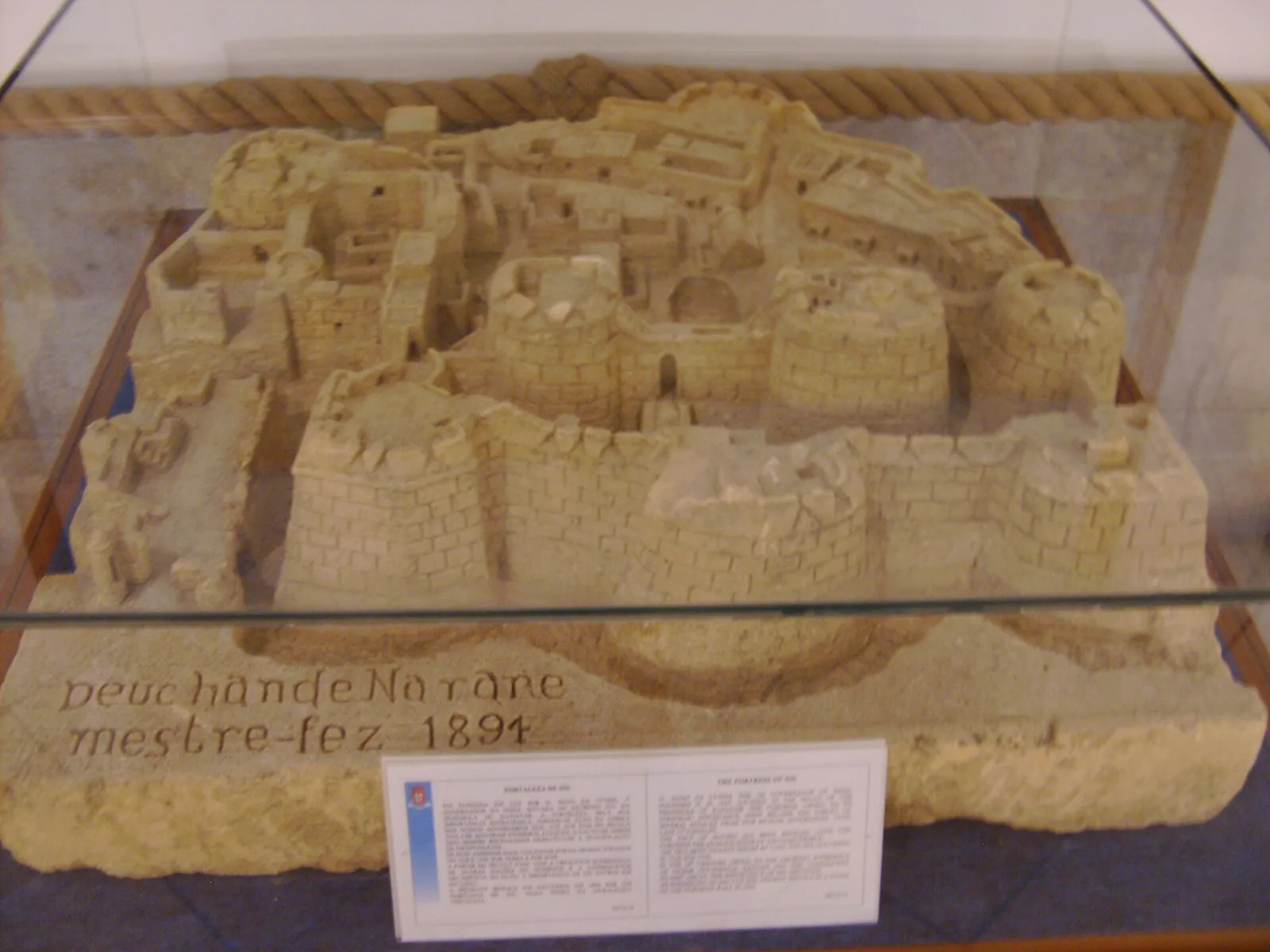
The state's tourism listing describes the Fort of Diu as sitting at the extreme eastern coast of the island, with the sea on three sides and a canal on the fourth. It was begun in 1535 by Nuno da Cunha and rebuilt in 1546 by Joao de Castro, covers about 5.6 hectares and rises roughly 26 metres above the sea. The site names ten bastions, including St George, which it believes to be the oldest, and says broad ramparts still carry cannons and iron shells lying about.
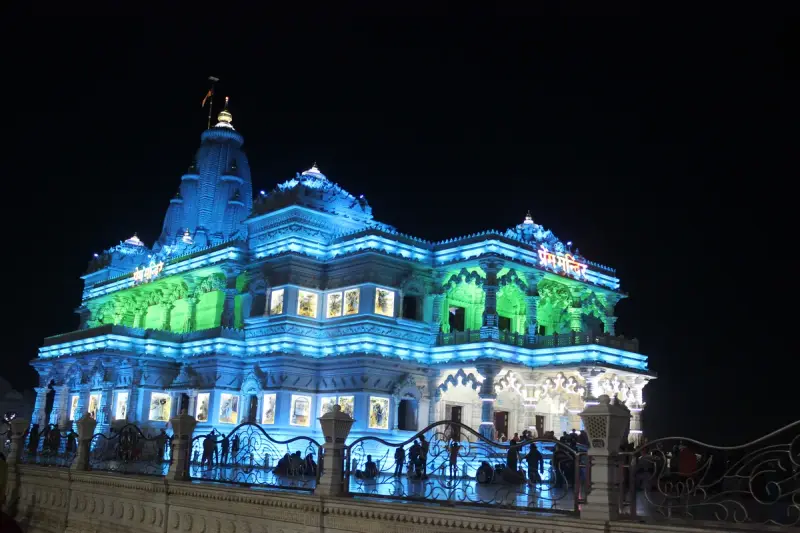
Go early or late. The walls are open stone and the afternoon sun on them is hard. The view from the top is the reason to climb, and Incredible India recommends it as the place to see the sea and sky meet.
Panikotha, the fort in the water
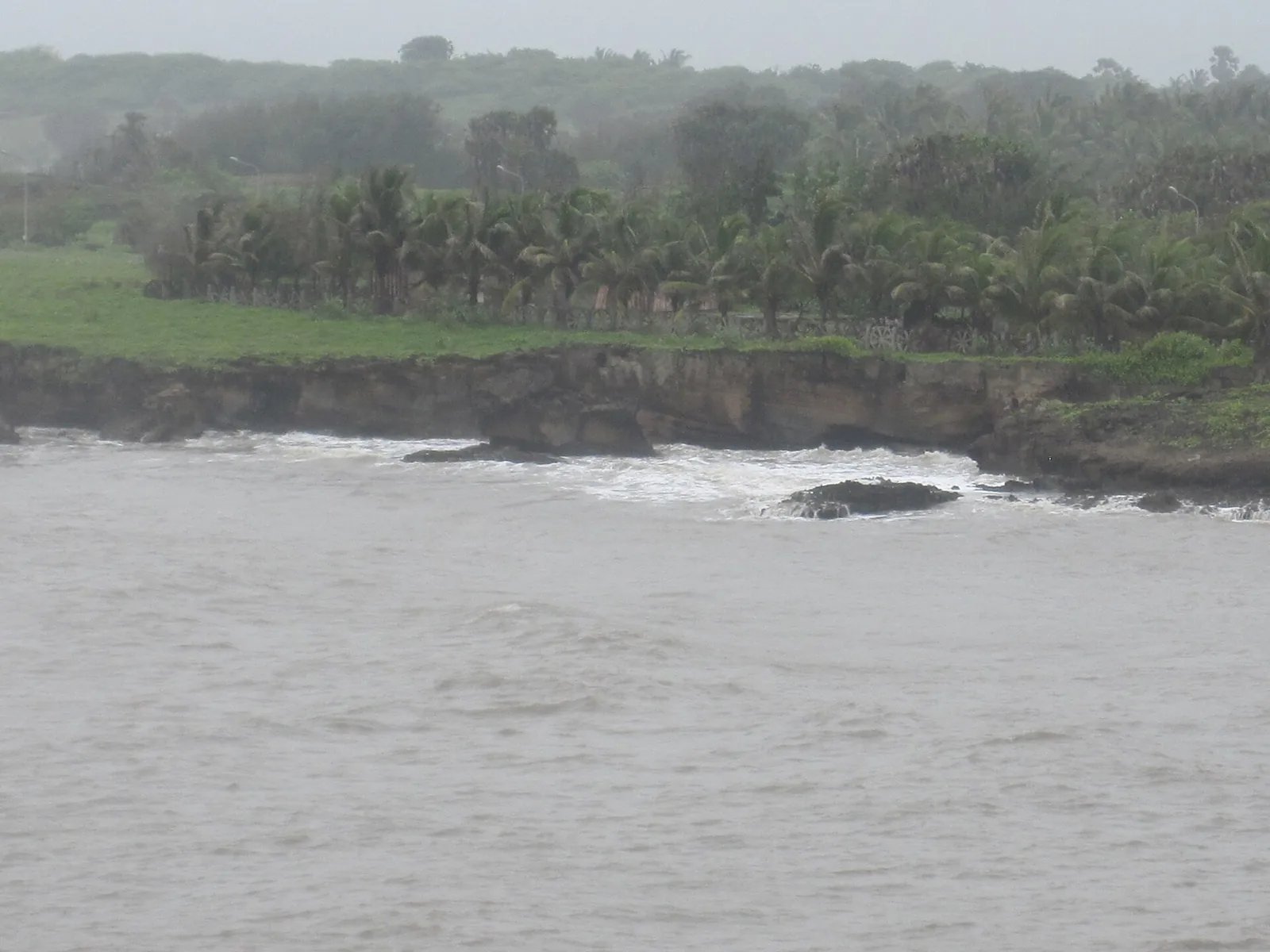
Panikotha is a small sea fortress at the mouth of the creek. The district page says it was built by Malik Aiyaz, and that an iron chain once ran across the river bed to block hostile ships. The Portuguese strengthened it in 1588, and an inscription naming Captain Aires Falcao is still fixed inside. Incredible India puts it about a nautical mile from Diu jetty, reached by motorboat. Keep it for a calm morning or evening when the boat is easy to find and the light is gentle.
Churches and the museum
St Paul's is the one to see. Incredible India says its foundation stone was laid on 7 April 1601, that it was meant as a Jesuit seminary, and that it has two bell towers, a carved wooden door, a stone dome and three altars and a pulpit in black wood said to come from Mozambique. Weekly mass is still held, so be quiet if you arrive during a service. St Thomas Church, built in 1598, is now a museum, and the Diu Museum sits in a 16th century Portuguese mansion with coins, pottery, textiles and old weapons. The page adds that the building served as a hospital for Indian soldiers in 1961.
Naida Caves, the maze
Naida Caves are open from 8 am to 6 pm according to Incredible India. They are a maze of tunnels with square hewn steps, believed to be where stone for the fort was cut. Follow the red arrows on the rock and keep your phone torch ready, because the ground is uneven and the light comes in from gaps. The legend that soldiers hid here in 1961 is folklore, not a documented fact, so treat it as a good story.
Which beach
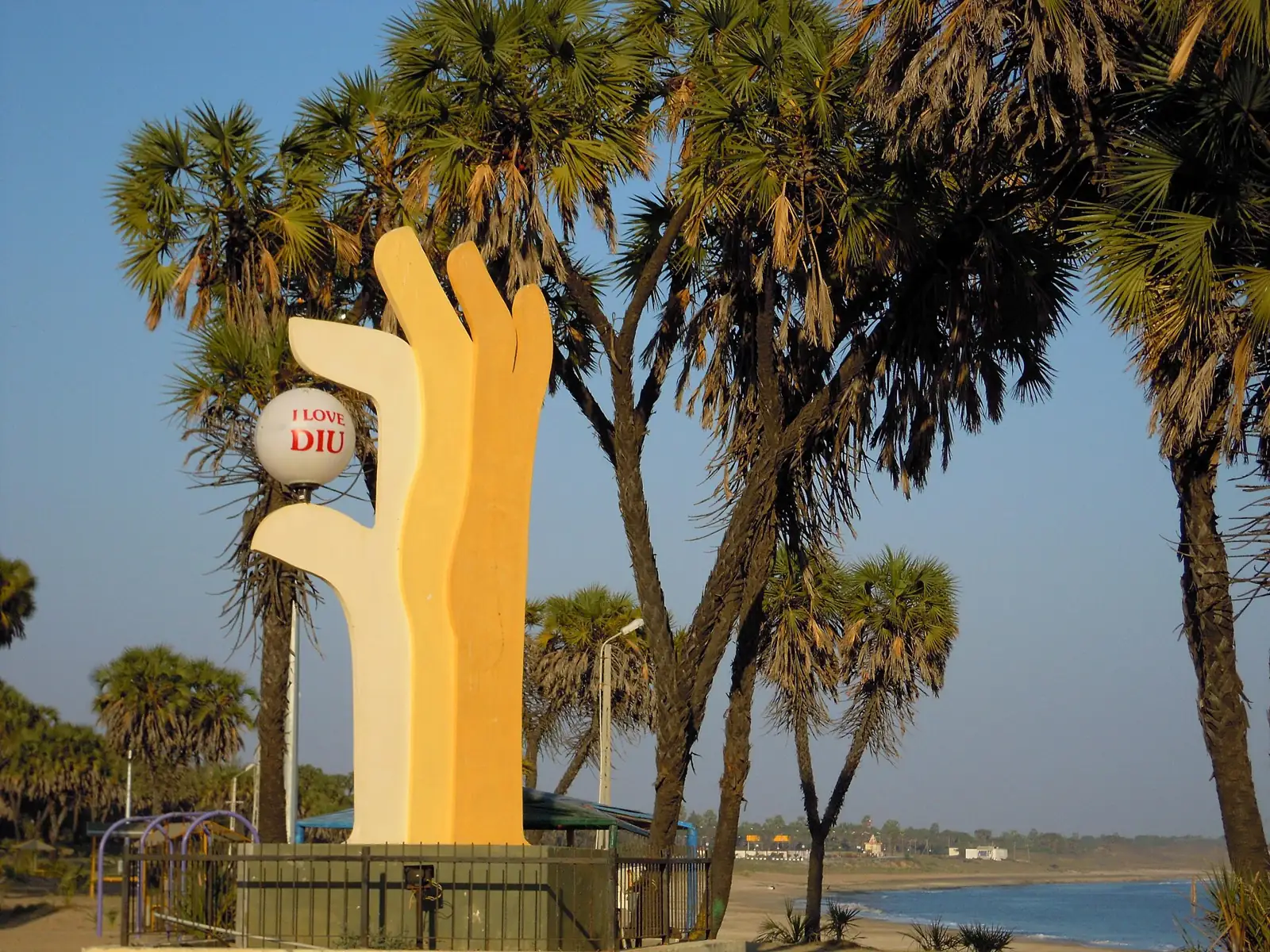
Diu has five beaches and they are quite different. Nagoa, about 8 km from town, is the one the district site calls the most beautiful and most popular, a semicircle with palm trees. The Times of India describes it as a two kilometre horseshoe with coconut groves, jet skiing and parasailing, with food kiosks nearby.
Ghoghla is the largest and, per the same article, calm enough to swim and remote enough to be quiet. Jallandhar is rocky, with a shrine and a Chandrika temple, and not good for swimming. Chakratirth is rocky too and tied to the Krishna and Jalandhar legend. If you want to swim, pick Nagoa or Ghoghla and check the sea before you go in.
Shiva by the sea
Gangeshwar Mahadev temple stands on the shore, about 3 km from town according to the district page, with five Shivalingas. It is a short stop, easy to pair with the beaches. The Jallandhar shrine on the hill nearby is where the story of Shiva and the demon Jalandhar is placed.
What to eat
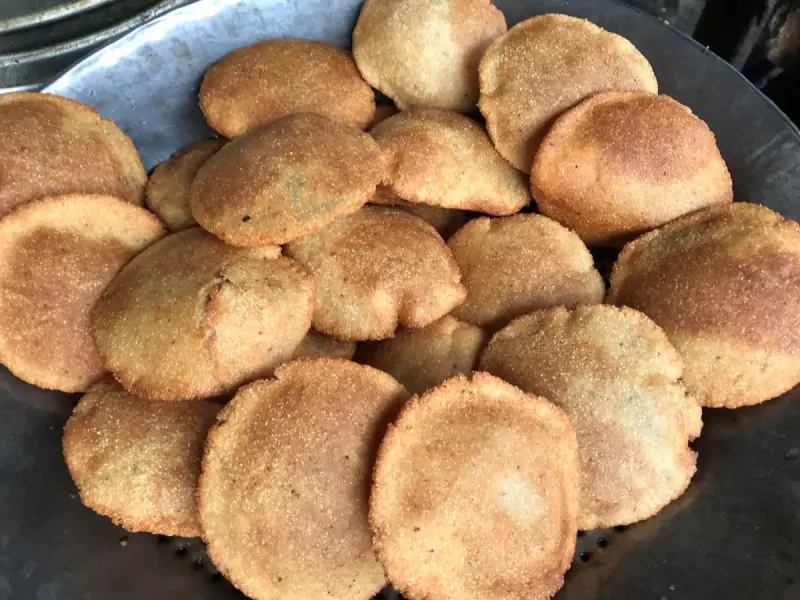
Incredible India describes Diu's food as Gujarati with a Portuguese streak. Seafood leads: prawn curry, fried bangda fish. Vegetarians are well served by kadhi and local vegetables. For souvenirs, look for paintings on seashells and pottery. Ask locally about the Festa de Diu and the Kite Festival, both named on the tourism page.
When to go
The tourism page says the cooler months from October to March are best, with December highs around 33 degrees and nights near 10. April to June is hotter, with April highs around 39. The district page gives average rainfall as 55 cm.
Getting there from Delhi
Diu is a long way from Delhi, so this is a fly or a train-and-road trip. The official how-to-reach page lists a Mumbai flight, so Delhi to Mumbai to Diu is the air route, but check the schedule first, since it is a single daily service. By rail, Veraval is the junction 90 km away and Delvada station is 8 km from Diu. By road, the page gives Ahmedabad at 370 km and Mumbai at 950 km, and says buses from Ahmedabad take around 10 hours.
Day 1: Delhi pickup and flight or train to Gujarat, then road to Diu. Day 2: Fort and Panikotha. Day 3: churches, caves and Nagoa. Day 4: Gangeshwar at sunrise, then onward to Gir (about 45 km per Incredible India) or Somnath (about 85 km).
Planning it with Laladham
Laladham picks you up in Delhi, from the airport, a station, your home or a hotel, and plans the complete trip including the Gujarat stretch to Diu. Share your dates on the [book page](/book) and ask for a quote.
Questions, answered
Which airport and railway station serve Diu?
Diu Airport, with a Mumbai service on the district site, and Delvada railway station, which Incredible India gives as the nearest. Veraval junction is 90 km away.
Which beach is best for swimming?
Ghoghla is described as calm and good for swimming. Nagoa is the most popular, with water sports.
What are the Naida Caves timings?
Incredible India lists 8 am to 6 pm.
What is the best season for Diu?
October to March is the cooler window named by the tourism page.
Can I combine Diu with Gir and Somnath?
Yes. Incredible India puts Gir National Park about 45 km and Somnath about 85 km from Diu.
How far is Diu from Ahmedabad by road?
370 km, and buses from there take around 10 hours.