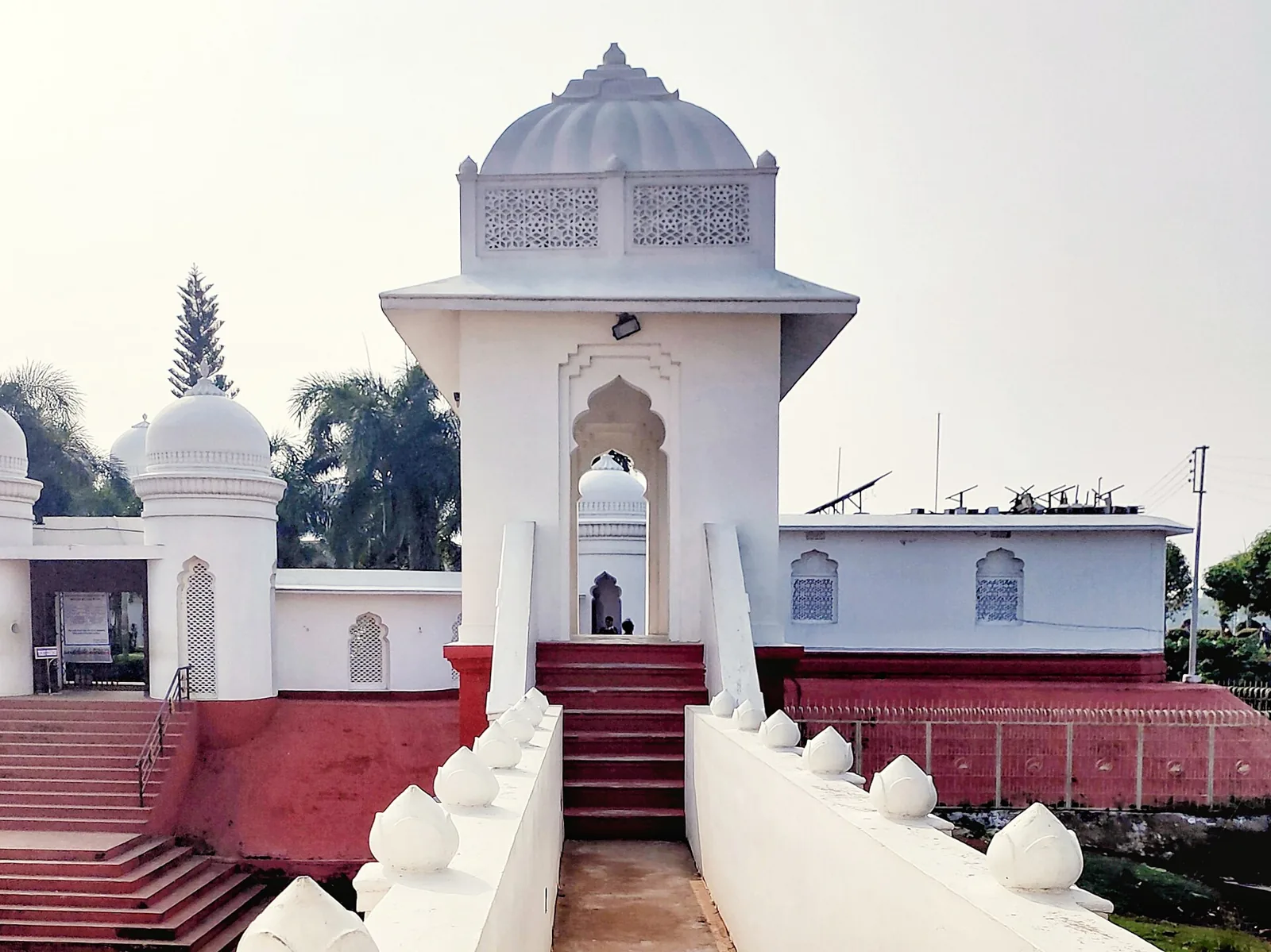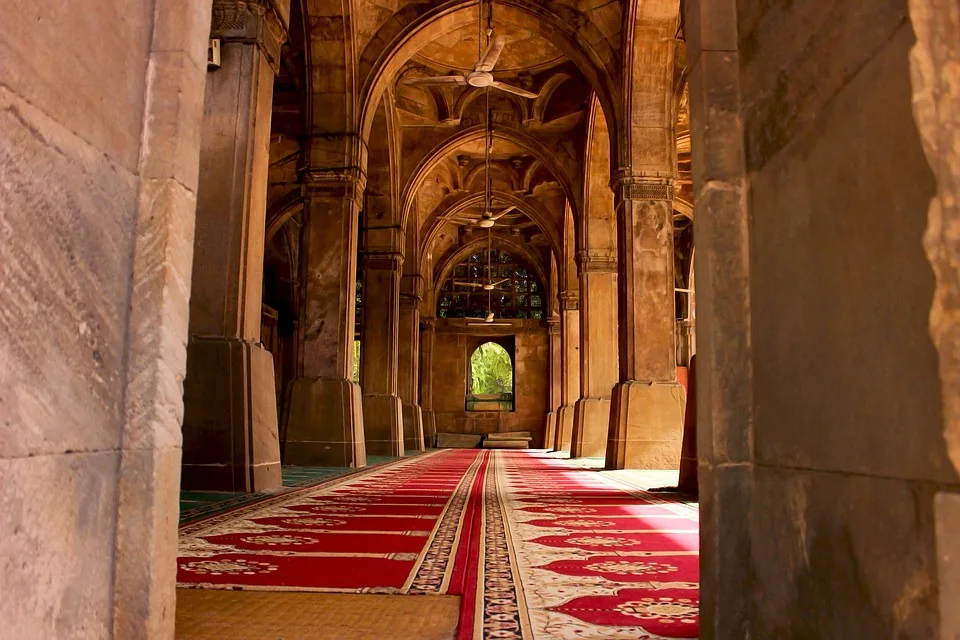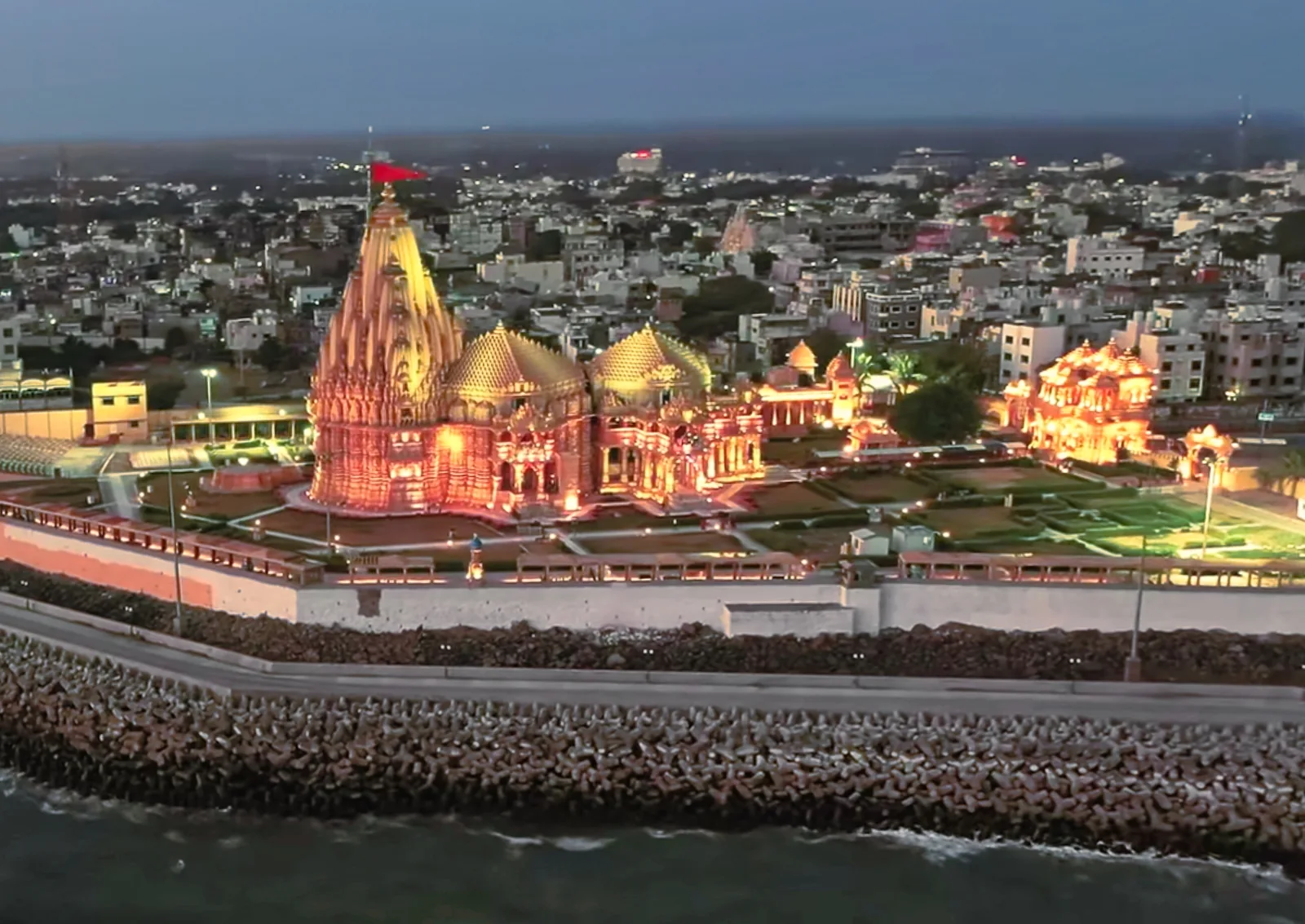
The visit itself is simple and well run, but a few rules decide whether it goes smoothly: phones stay out, shoes come off early, and the hour you arrive changes everything.
What the gate expects of you
Entry is free, and darshan runs from about 6 in the morning to 10 at night, paused only for the aartis and any special puja. Some listings close the day at 9:30, so treat the last half hour as uncertain.
Nothing electronic goes in. Mobiles, cameras, smartwatches, laptops and even calculators are refused, and the trust keeps free lockers at the cloak room. Shoes go into a free shoe house nearby. The trust does not allow photography inside the temple at all, so the only pictures are from the outer wall and the sea side, and a counter sells framed prints if you want one.
Dress plainly: for men no shorts, for women no sleeveless or short outfits. Sarees, kurtas, pants and jeans with a long top are all fine. If anyone with you cannot manage the walk, wheelchairs and golf carts wait at the main gate and there is a lift within the premises.
Which hour to choose
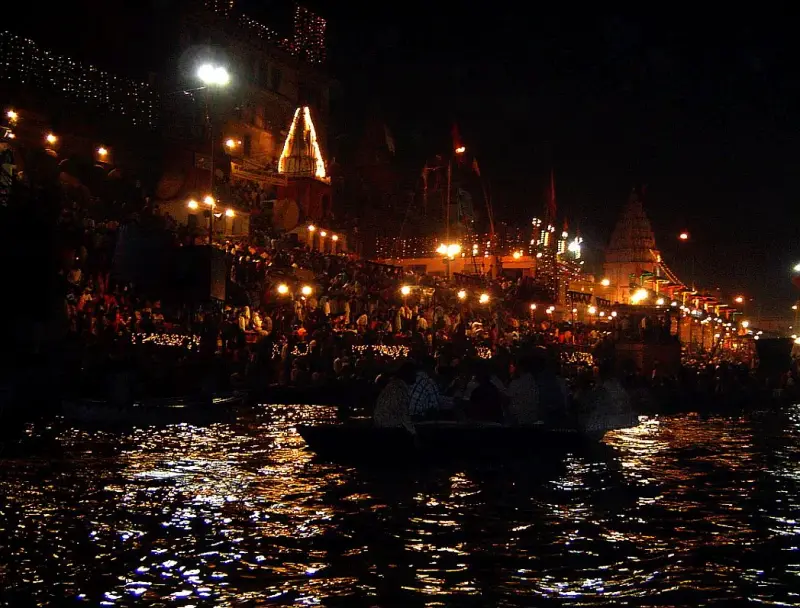
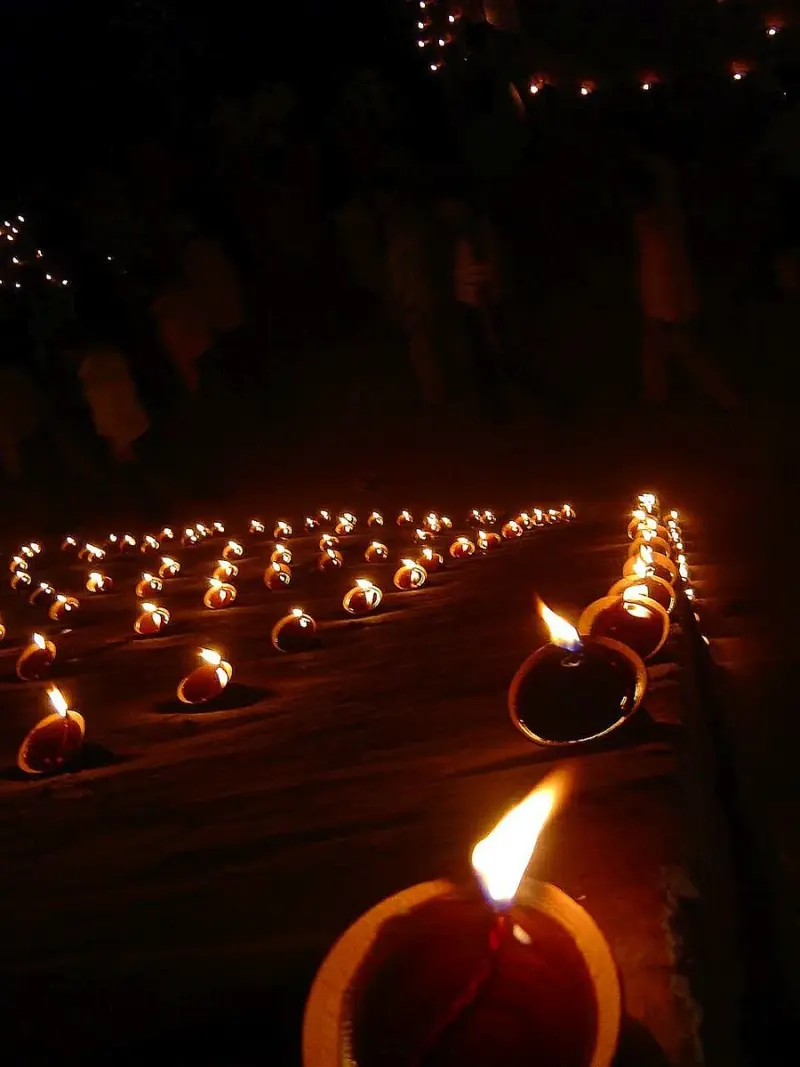
Three aartis are listed each day: around 7 in the morning, 12 noon and 7 in the evening. The early one is the quietest, with the sky still soft over the sea. The evening one is the busiest and the most photographed, even though you cannot photograph it.
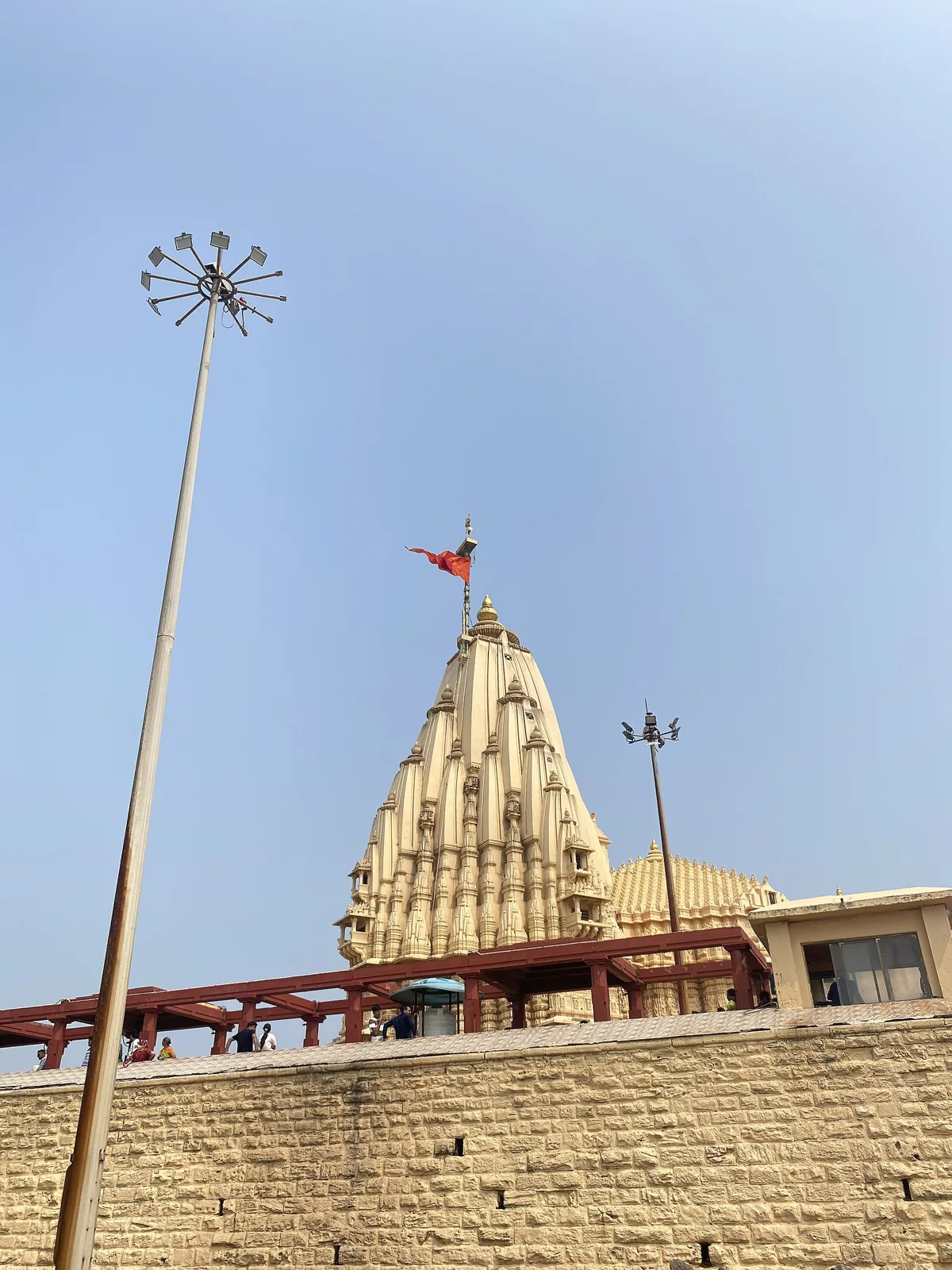
The official tourism page says the temple is most striking at sunrise and sunset, which matches what the stone does: the cream spire turns copper and then goes dark against a lit sea wall. Weekday mornings in the cool months are the shortest queues. Shravan, Shivratri and the five-day Kartik Purnima fair are the opposite, so plan around them or accept a long line.
The evening show
A sound and light show, called Jay Somnath, retells the temple's story on the premises. Sources give the slot as either 7:45 or 8 in the evening, tickets sit around Rs 30 to 50, and it does not run through the monsoon or on days of heavy rain. Buy only at the official counter or website; the trust warns against paying agents or private numbers.
It is worth the hour if you are already staying the night, and not worth a special trip.
Triveni, Bhalka and the short circuit
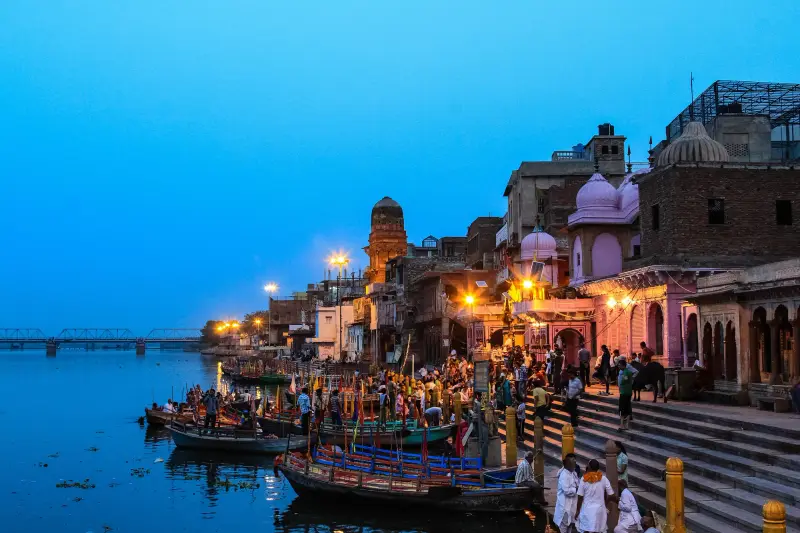
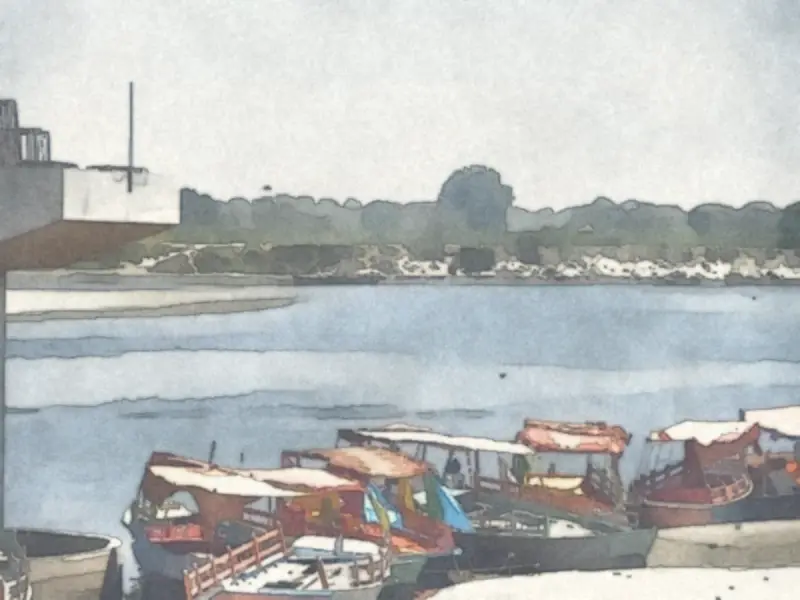
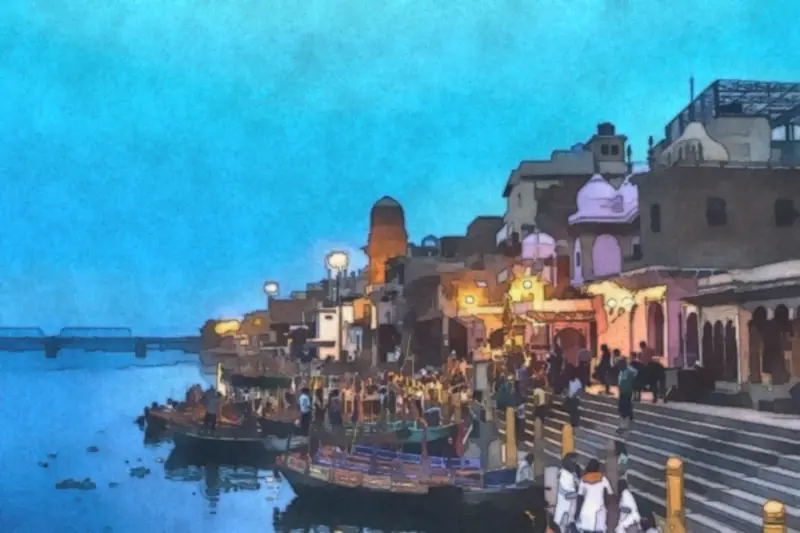
Triveni sangam is where the Hiran, Kapila and Saraswati meet the sea, a short hop away (accounts range between 1.5 and 2 km). The ghats are stepped, ancestral rites are done here, and it is calmest early morning or late afternoon.
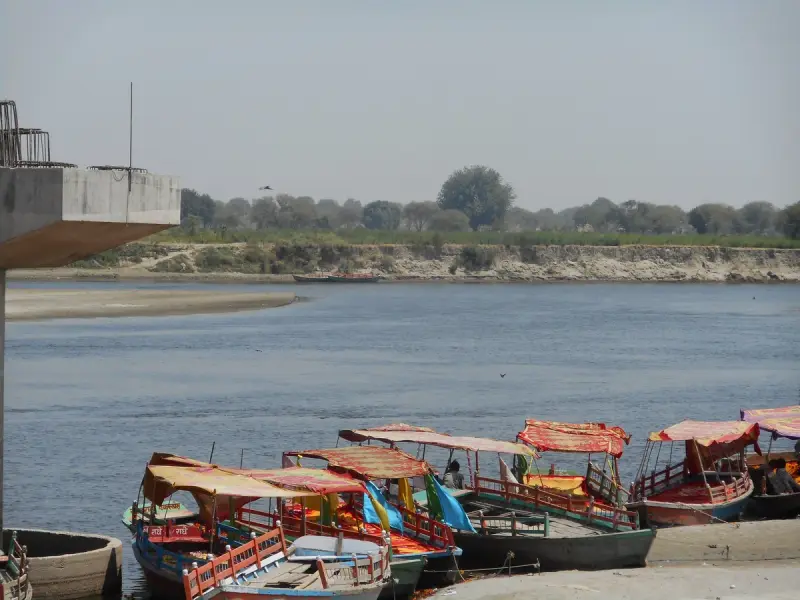
Bhalka Tirth, about 4 km out, is the spot tied to Krishna's last hours, and the Prabhas Patan museum nearby holds carved fragments from the region. Dehotsarg Tirth and Suraj Mandir on the Hiran river make up the rest of the circuit. The trust runs a Tirth Darshan bus from the main gate at 8:30 and 3:30 for a small fare, which is the easy way to see these without arranging a car.
Why the stone looks so new
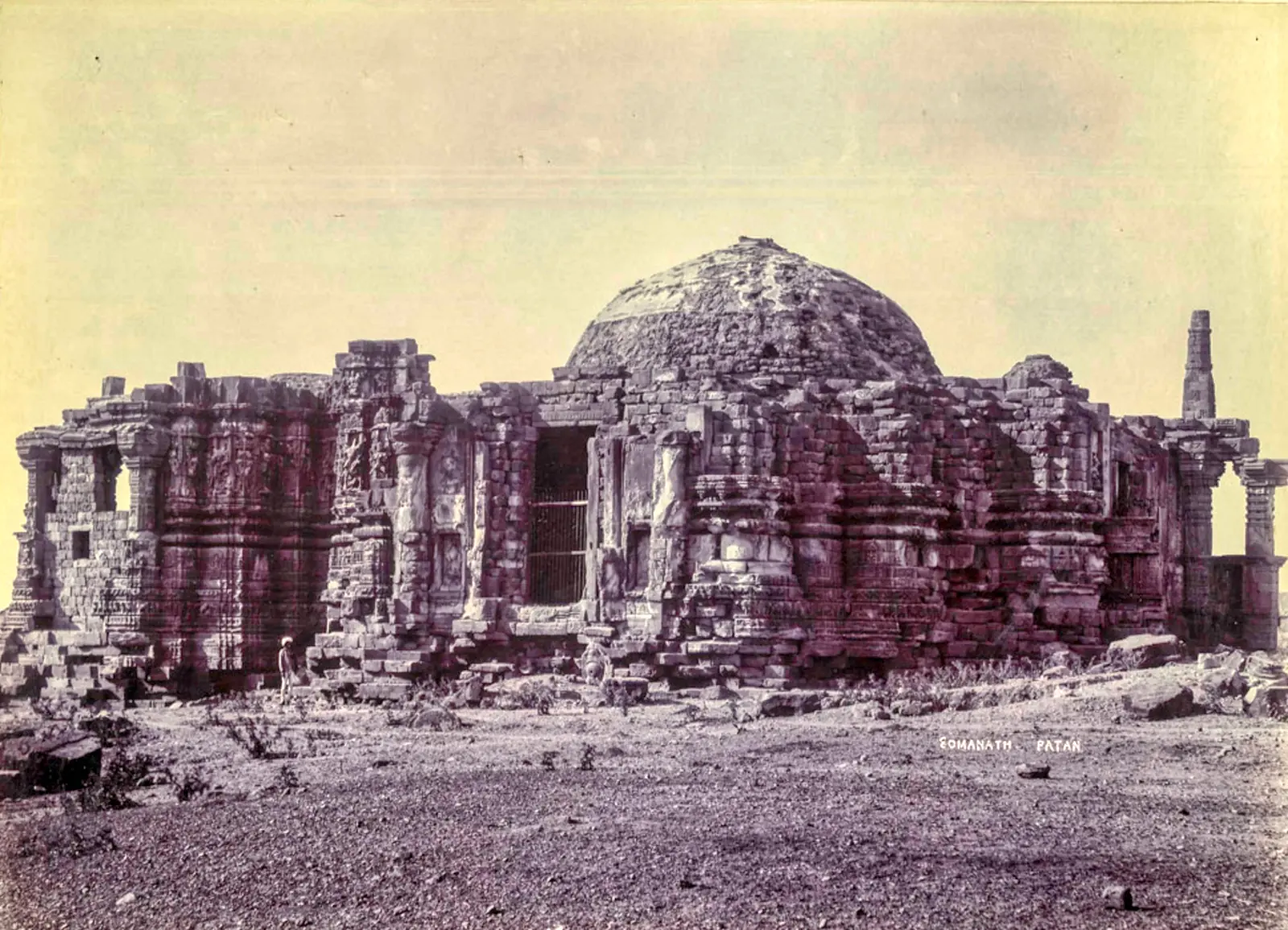
The shrine was attacked and rebuilt many times, from the raid of 1026 through later centuries. The present temple is a Chalukyan-style structure finished in 1951, rebuilt under Sardar Patel's lead and consecrated by Rajendra Prasad. That is why the sandstone is clean and the lines are crisp, and why the old ruin in the photograph above looks like a different place.
Reaching Somnath and staying
Somnath has its own station about half a kilometre from the temple, and Veraval junction lies 7 km off. The nearest airports are Diu (60 to 85 km depending on who is counting), Rajkot at 200 km and Ahmedabad at 390 km. From Delhi, honestly, you fly or take a train to Rajkot or a nearby city and cover the last stretch by road; a driving trip makes sense only as a long Gujarat circuit.
The guest houses run by the trust, Sagar Darshan, Lilavati and Maheshwari Atithi Bhavan, are plain, near the shrine and bookable online, and each has a restaurant serving Gujarati and Punjabi thalis.
From Somnath onward
Sasan Gir is about 65 km away, Junagadh and Girnar about 90, Diu 85 and Dwarka 230. Chorwad, 35 km up the coast, is a quiet beach stop. Most people take one night at Somnath, a morning for Gir, and then turn toward Dwarka.
Let Laladham run it
Laladham picks you up in Delhi, from the airport, station, your home or hotel, and plans the whole Gujarat run end to end: flights or trains to the nearest city, a driver on the ground, rooms near the temple and darshan timings that avoid the worst queue. Ask for a quote on the [book page](/book).
Questions, answered
What are the Somnath temple darshan timings?
The trust lists darshan from 6 am to 10 pm daily, with aartis around 7 am, 12 noon and 7 pm. A few listings show closing at 9:30 pm, so confirm on somnath.org on the day.
Can I take my phone or camera inside?
No. Phones, cameras and smartwatches stay in the free lockers outside, and photography is not allowed in the sanctum area.
Is there a dress code?
Yes. Wear modest clothes: no shorts for men, nothing sleeveless or short for women. Sarees, kurtas, trousers and a modest jeans-and-kurti pairing all pass.
Does the light and sound show run all year?
No. It is not held in the monsoon and may be cancelled on heavy-rain days. Evening slots are quoted as 7:45 or 8 pm and tickets are roughly Rs 30 to 50.
How long should I allow?
Two to three hours for darshan and the main complex, and at least half a day if you add Triveni, Bhalka Tirth, the museum and the evening aarti.
Which is the nearest airport and station?
The Somnath halt is about 0.5 km from the shrine; Veraval is 7 km. The closest airstrip is Diu; Rajkot is 200 km off and Ahmedabad 390.