The trick here is to give each day one big idea. Day one belongs to the old walled city, where the lanes and the fort tell the Mughal story. Day two belongs to the south and the centre, where tombs, gardens and a tower tell the older and newer ones.
First, the closing days
The Red Fort now opens on Mondays too, under an ASI order of February 2026, but Akshardham is closed that day, while some museums and the flower-shaped Bahai temple rest too according to their usual timings. Gandhi Smriti and a few museums have their own weekly closures. Check each stop for your dates, and if your two days include a Monday, keep the closed places for the other day. The fort also shuts for about a month before Independence Day.
Day 1, 8:30: the Red Fort
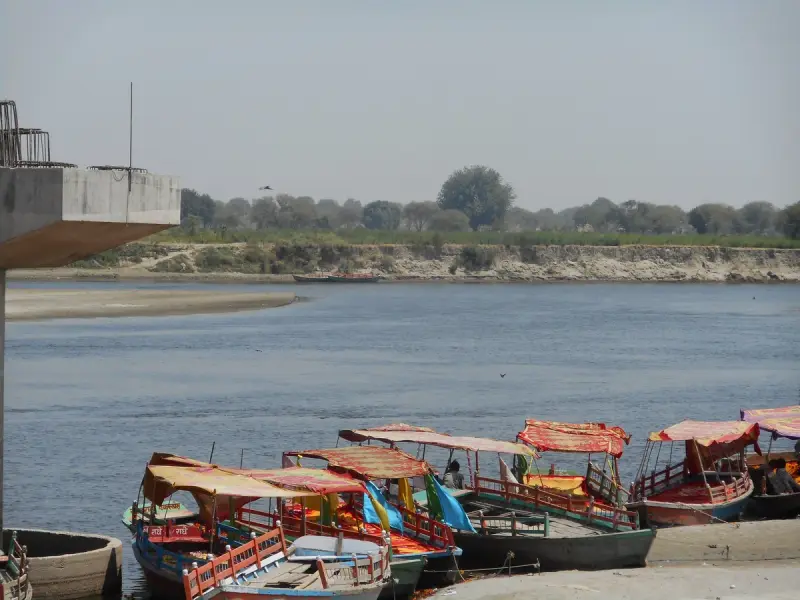
Reach the fort when it opens. Metro to Lal Qila, a short walk and then through the Lahori Gate and the old covered market. Allow about two hours for the audience halls and the pavilions along the old riverbank. Carry water, as the courtyards are open and hot, and expect a bag check at the gate.
Day 1, 11:00: Chandni Chowk, on foot
Walk the old market avenue, with a stop at a cart for a hot jalebi and one more for a plate of chaat. The Gauri Shankar temple, the Sisganj Gurudwara and the Fatehpuri mosque stand within a short walk of each other. If your feet are tired, a cycle rickshaw covers the lanes for a small fare. Lunch is a paratha in the lane known for them.
Eating well across both days
Breakfast on day one is parathas in the old lanes, lunch is a thali near the Connaught Place gurudwara, and dinner is anything you like. Day two begins with a simple hotel breakfast, then a light lunch of chaat or a south Indian plate near Lodhi Road, and ends with a rooftop dinner. In every season, drink bottled or filtered water and carry fruit or nuts for the car. Vegetarians are very well served in Delhi, and many restaurants mark pure vegetarian clearly. Go easy on heavy fried food on day two, since you will walk a lot on hot stone.
Day 1, 3:00: Jama Masjid, then a rest
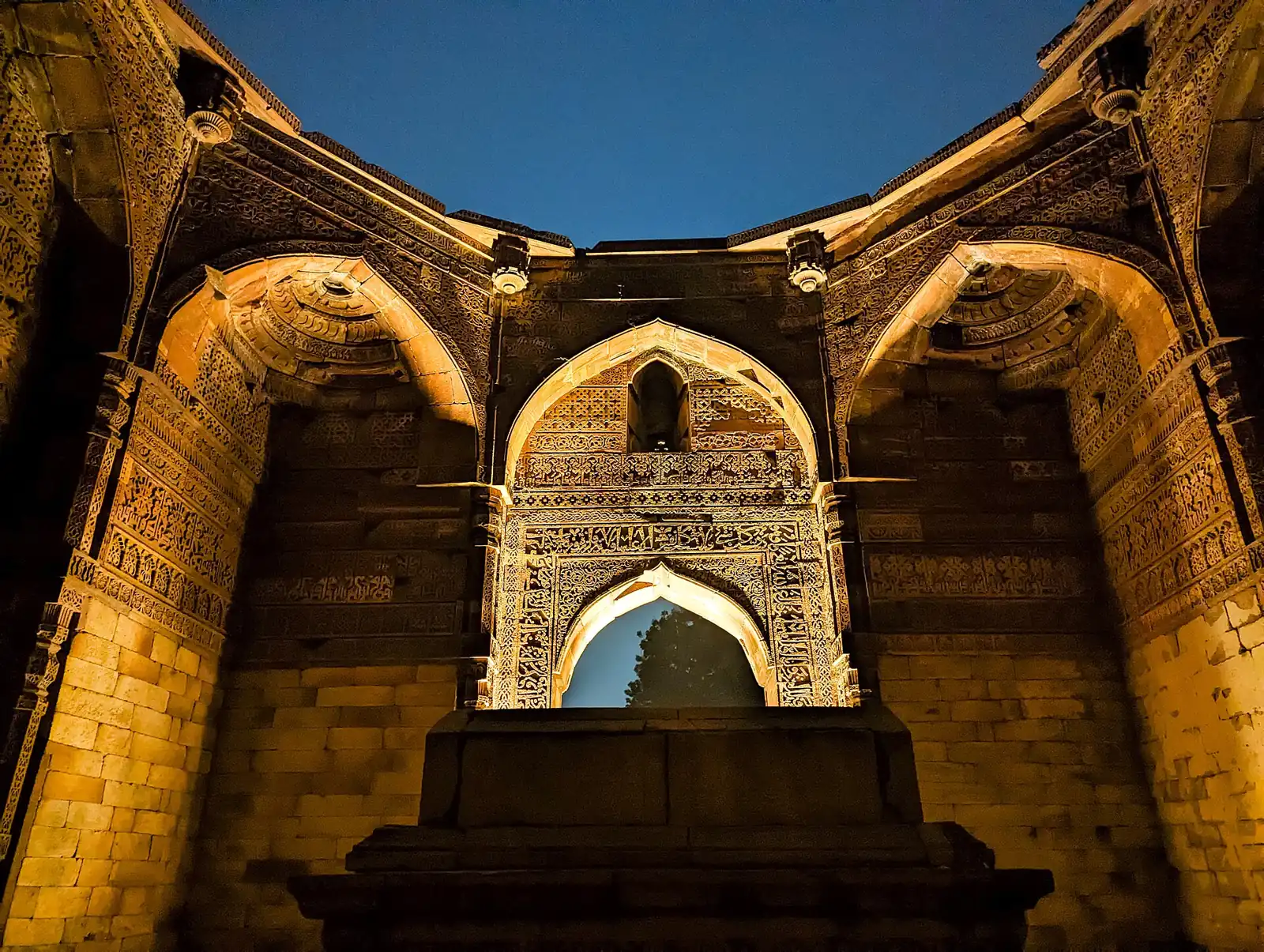
Visit the great mosque for the courtyard and the view from the minaret, with scarves for covering and a quiet manner. Afterwards, ride back to the hotel and rest. The old city is tiring and an hour off your feet will help.
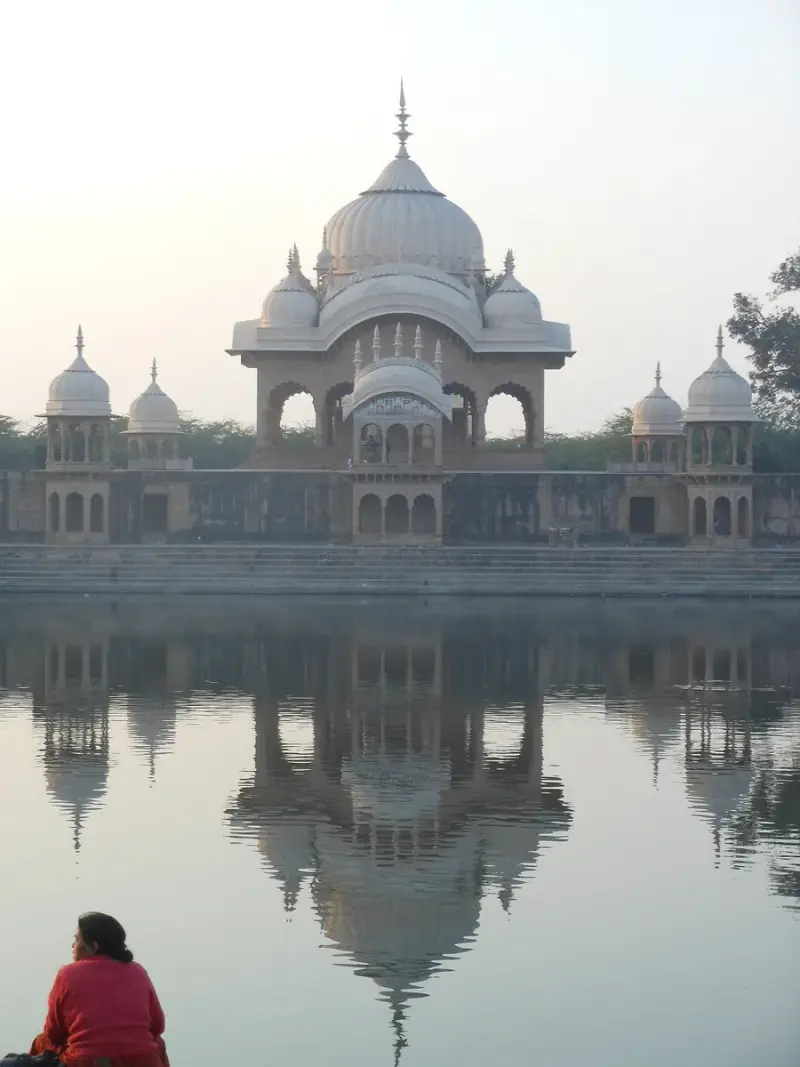
Day 1, 6:00: Bangla Sahib in the evening
Gurudwara Bangla Sahib, near Connaught Place, is the right way to close a hard day. Cover your head, wash your feet, and sit by the pool listening to the evening kirtan. Take the free langar if you feel like it, and then dinner at a rooftop restaurant nearby.
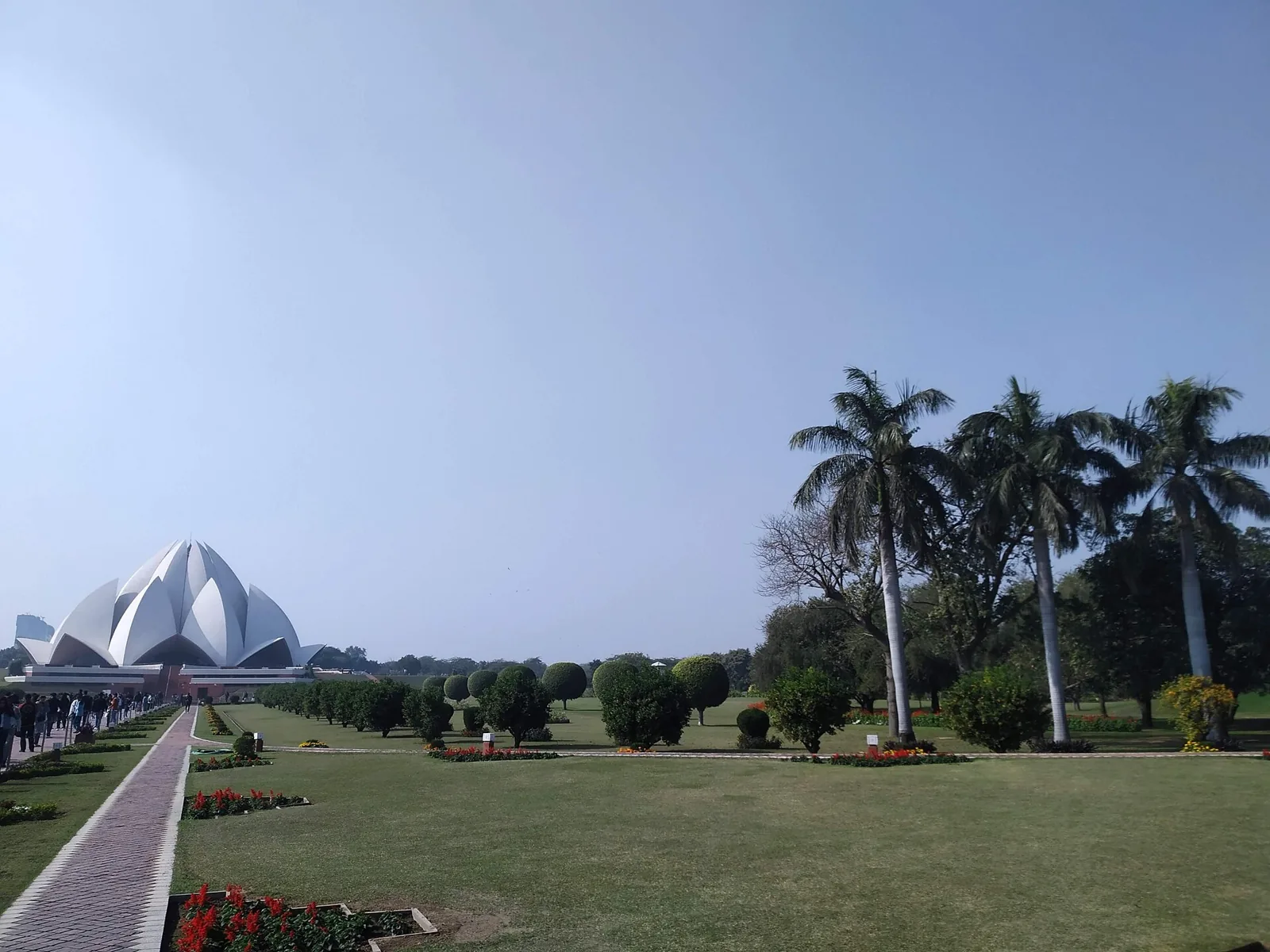
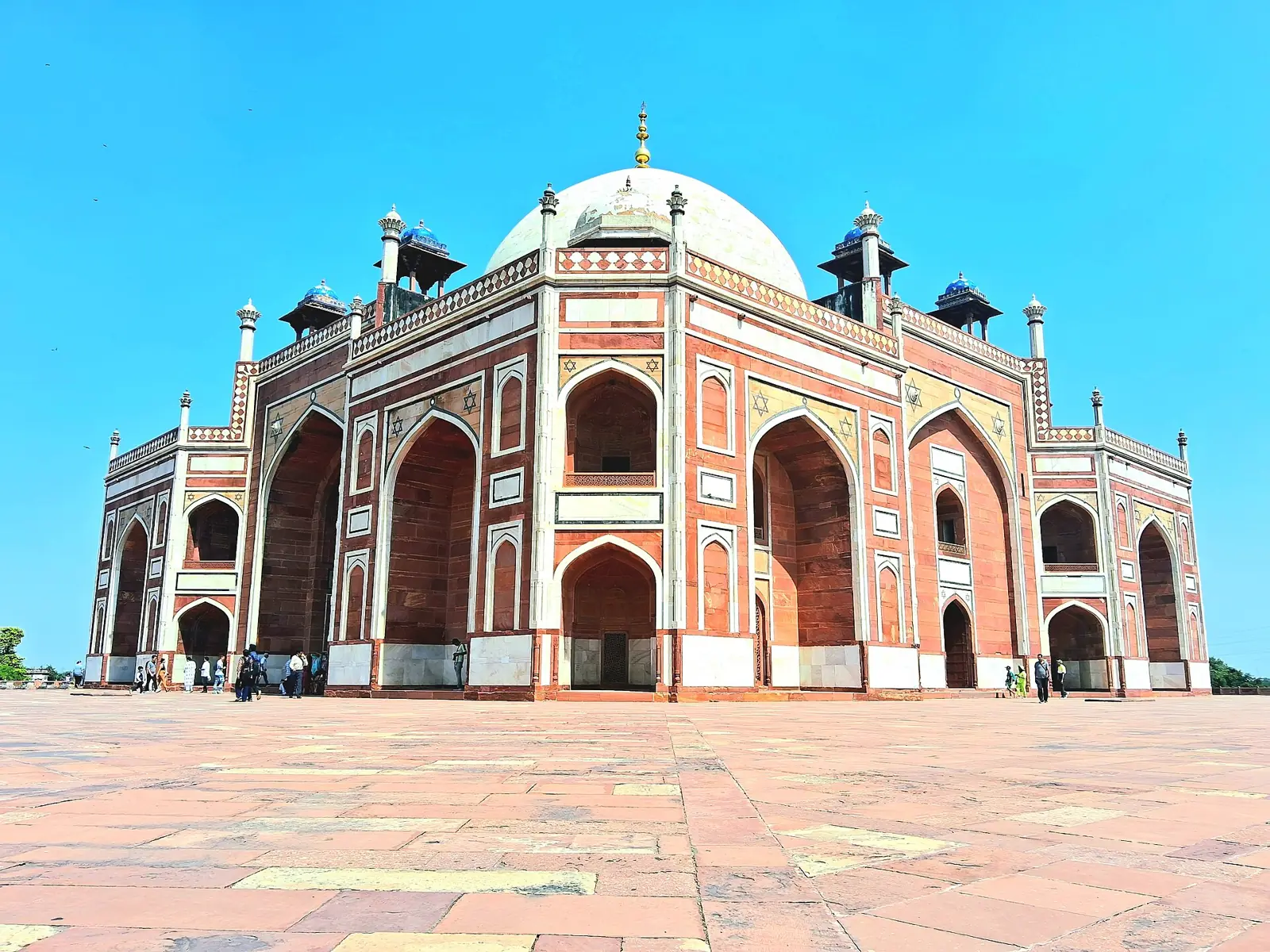
Day 2, 8:30: Humayun's Tomb and Safdarjung
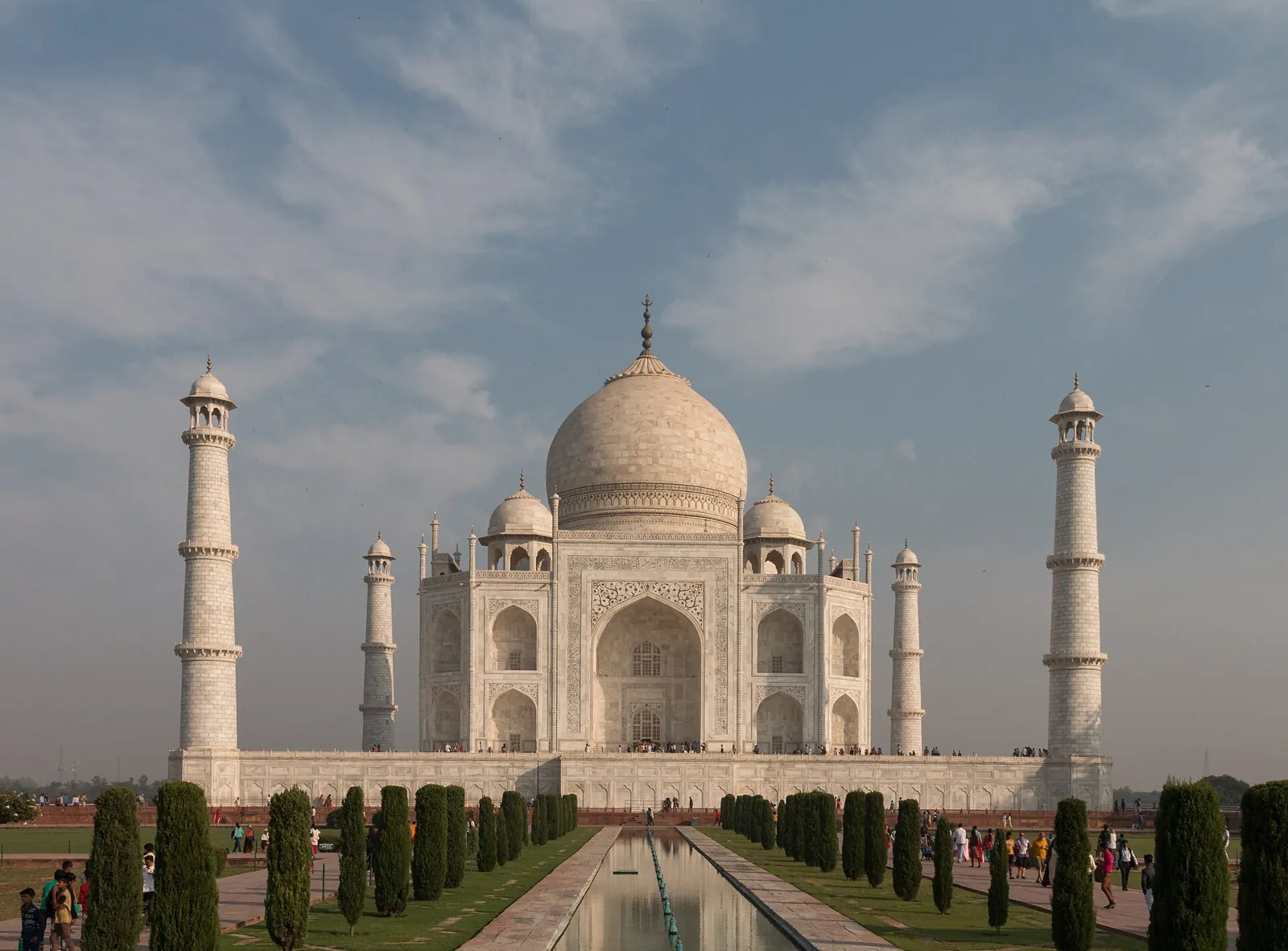
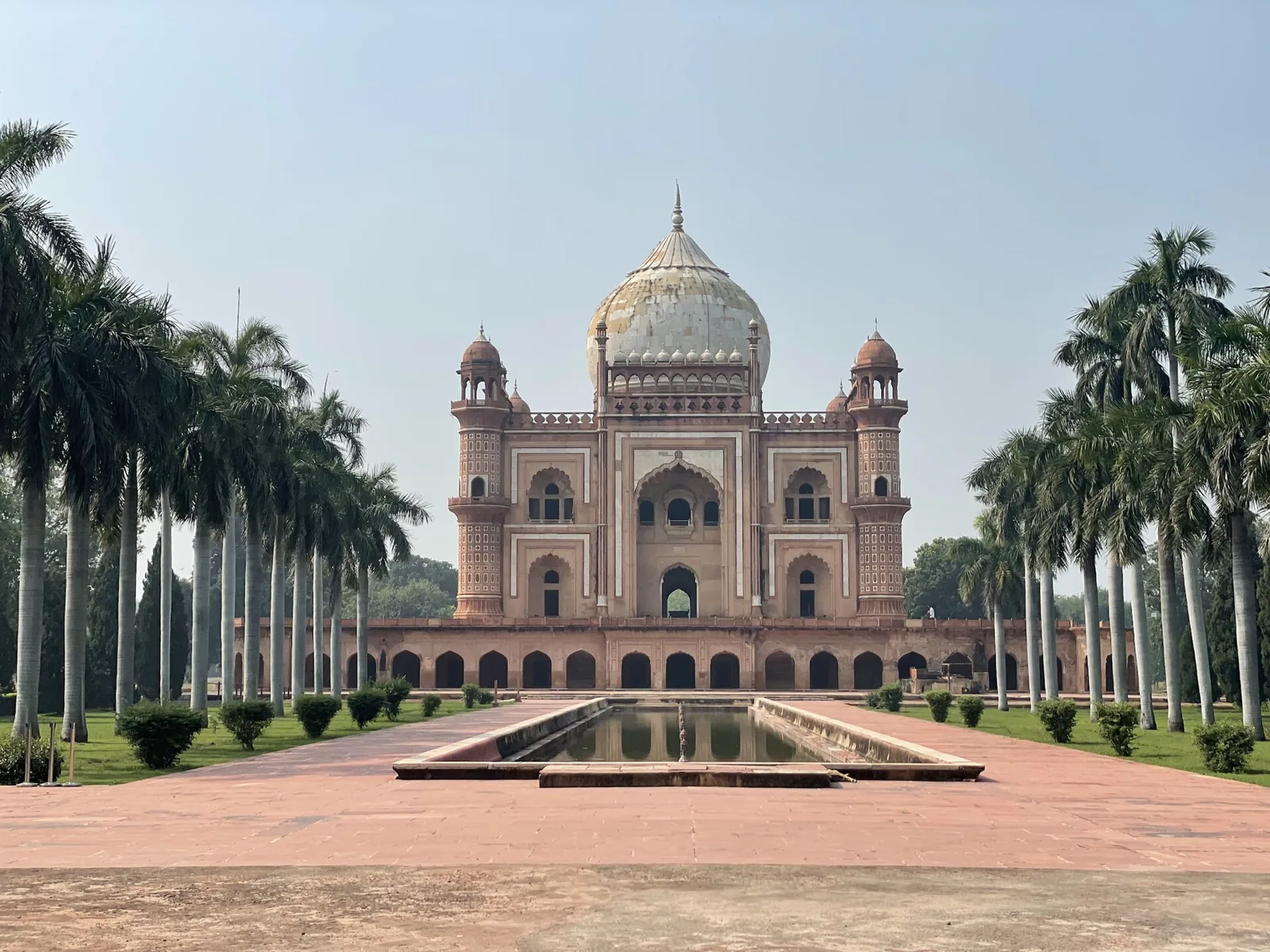
Begin at Humayun's Tomb when it opens, in the soft light, and give it an hour and a half. It is the garden tomb that many consider the forerunner of the Taj. Then drive ten minutes to the Safdarjung Tomb, the last great garden tomb of the Mughal era, which is far quieter.
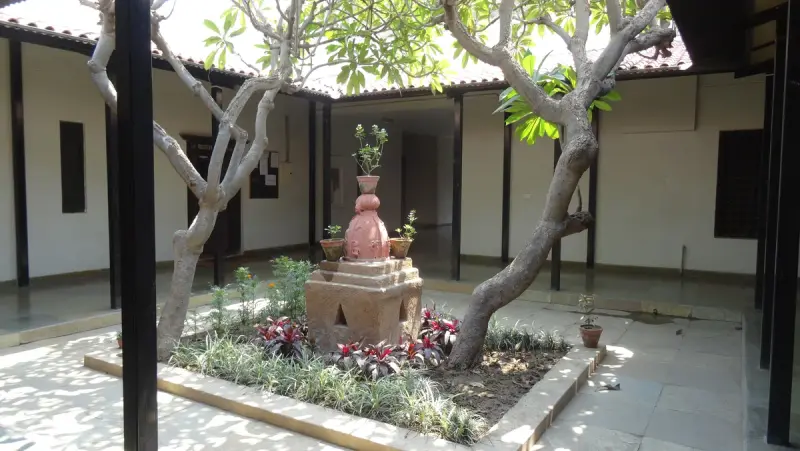
Day 2, 12:00: Lodhi Garden and India Gate
Take a picnic style lunch near the Lodhi Garden, where the Sayyid and Lodi tombs rise from the lawns. Then drive to India Gate and the avenue of Kartavya Path, and walk to the War Memorial if energy remains. A cold drink at the lawn is a good local habit.
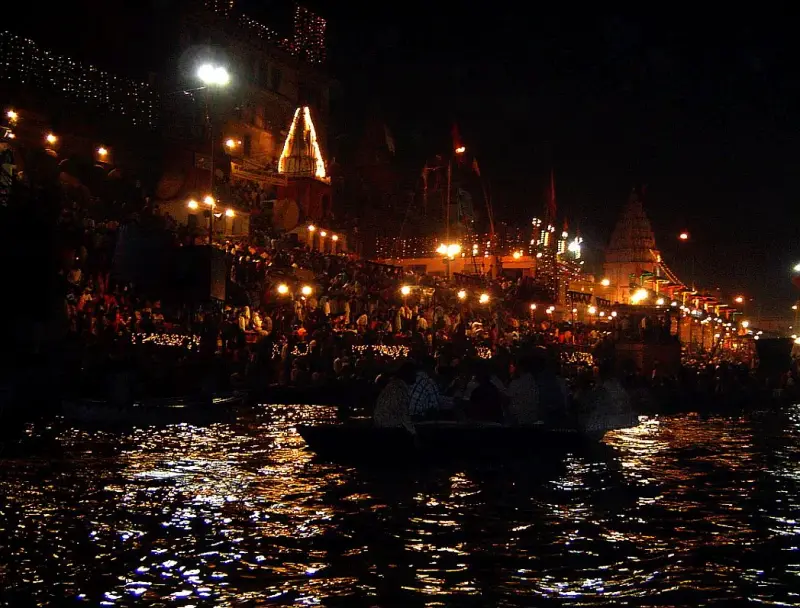
Day 2, 4:30: Qutub Minar or the Lotus Temple
Choose one. The Qutub complex in Mehrauli has a tall victory tower you can admire from the ground, an iron pillar and ruined arches, and is lovely in late afternoon. The Lotus Temple, in Kalkaji, is calm, free to enter and shaped like a flower. Neither suits a tired family if you try to see both.
If you have a half day extra at the end
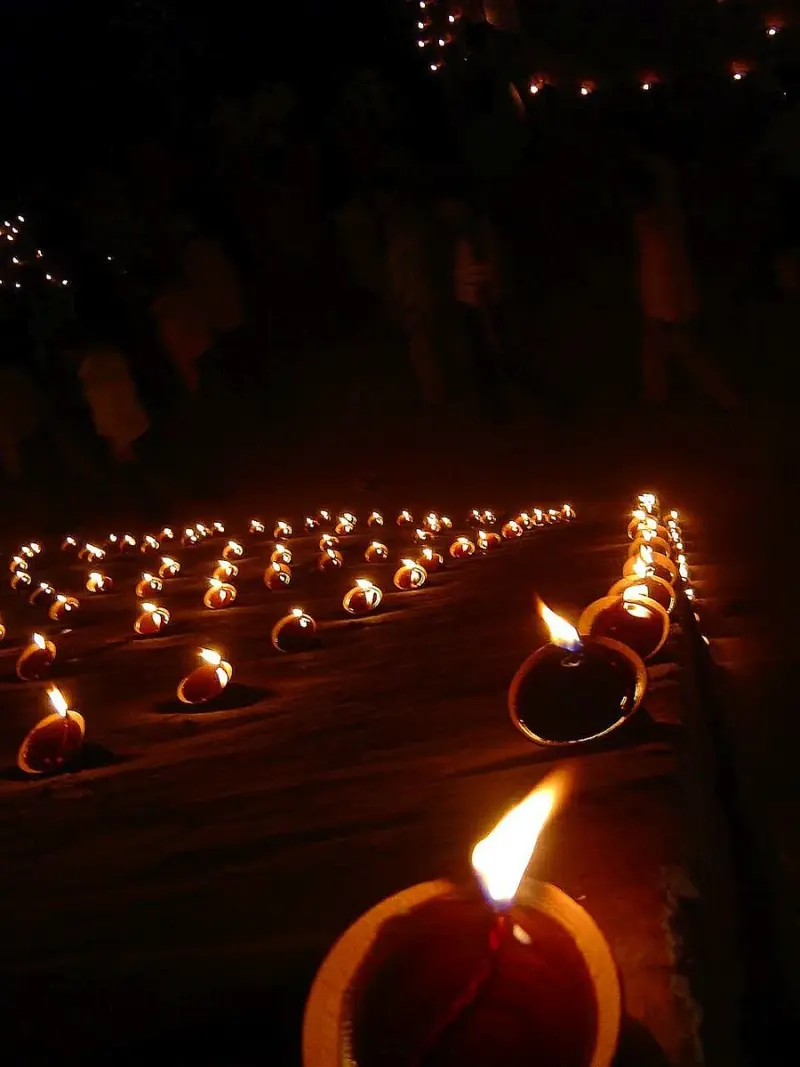
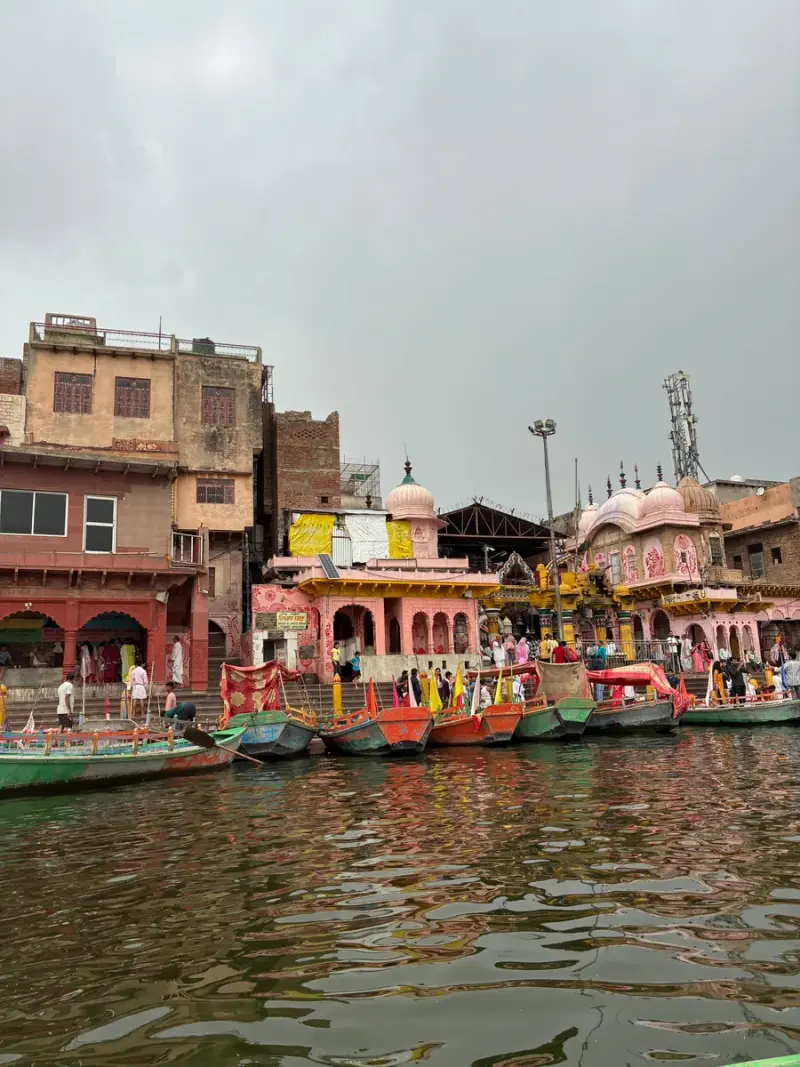
Use it for Mathura. Drive down the expressway after lunch, reach by dusk, and see an evening aarti at Vishram Ghat or the lights of Prem Mandir in Vrindavan, then sleep in Braj. Or go to Agra for the Taj at sunrise the next morning. Either way, leave Delhi before the afternoon traffic builds, and tell your hotel about checkout so your bags are kept safe.
What to skip
Add Akshardham, the National Museum and Hauz Khas as well, you will reach the airport exhausted. Pick a slow lunch over a third monument. Anything cut from this plan can be done on a longer trip, or on a third day with a Mathura or Agra run.
Laladham, doorstep to doorstep
We pick you up at the airport, a station or your hotel, drive the plan in the right order and wait at each stop, so no time is lost in parking and queues. Ask for a quote on the book page, and tell us if you wish to carry on to Agra, Jaipur or Mathura after the second day.
Questions, answered
Is two days enough for Delhi?
Yes, the highlights fit. Three days adds museums and a slower pace.
Which day should I avoid?
Monday, when Akshardham and several museums are closed, and the Bahai temple usually is too. The Red Fort has been open on Mondays since February 2026, but it closes for a month around Independence Day.
Can I use the metro for this plan?
Yes for the old city. Day two is easier by car, since monuments are spread out.
What is the best season?
October to March. Summer afternoons are too hot for open monuments.