This plan groups the city by neighbourhood. It assumes you land early, sleep in the centre and want to finish the third evening ready to turn towards Agra or Braj.
Day 1: arrival, Lutyens Delhi and the garden of tombs
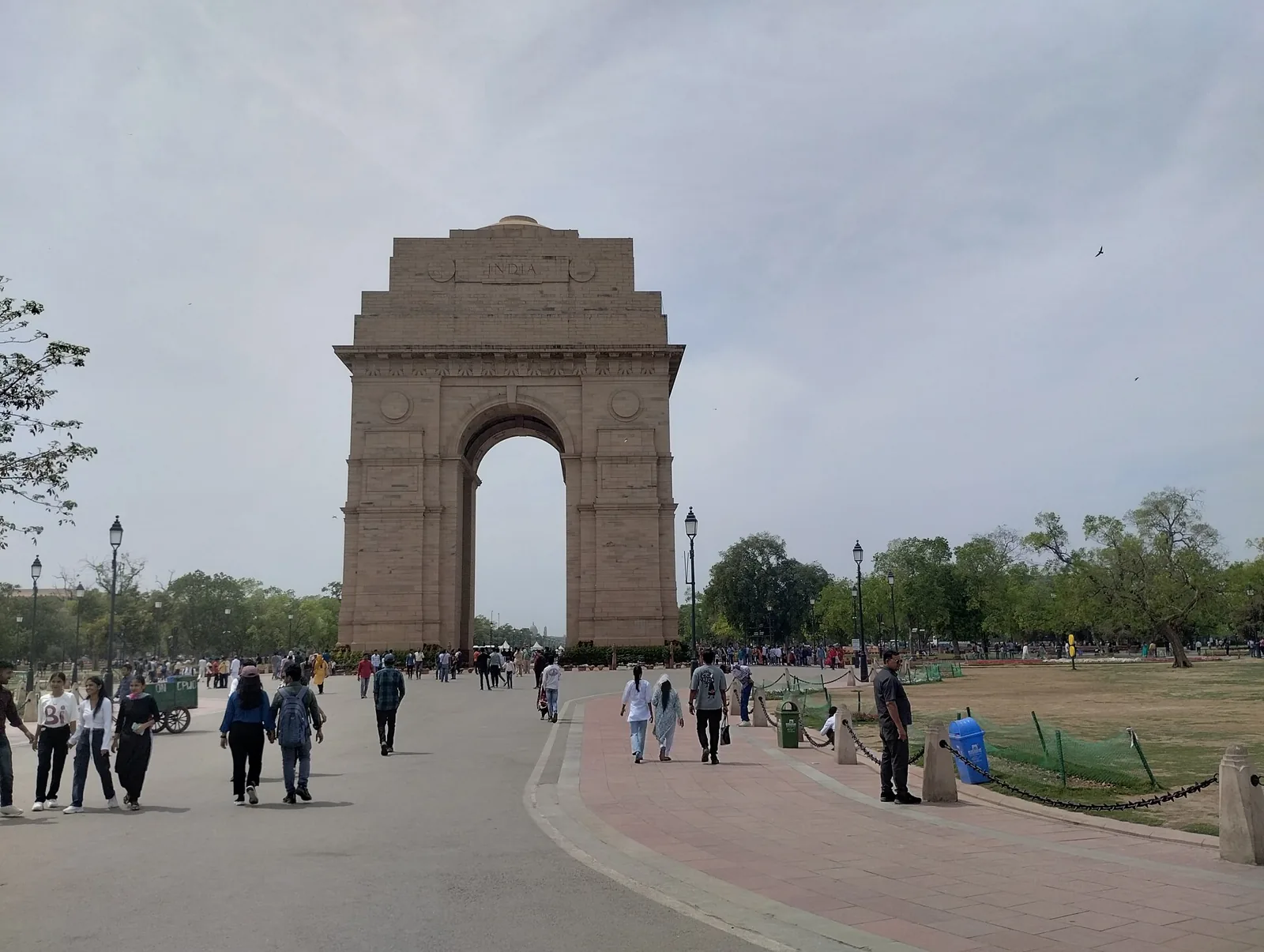
Begin with the airport or station pickup, drop bags at the hotel and take the broad avenues of New Delhi at an easy pace. Rashtrapati Bhavan is seen from the road, and the long lawn path leading to India Gate, now called Kartavya Path, is lovely in the late afternoon when families bring picnic blankets. The National War Memorial beside it is quiet and worth ten minutes.
Before that, if the morning is free, Lodhi Garden is the city's favourite walking park, with fifteenth century tombs rising out of lawns and joggers going round them at dawn.
Day 2 morning: Humayun's Tomb and the south
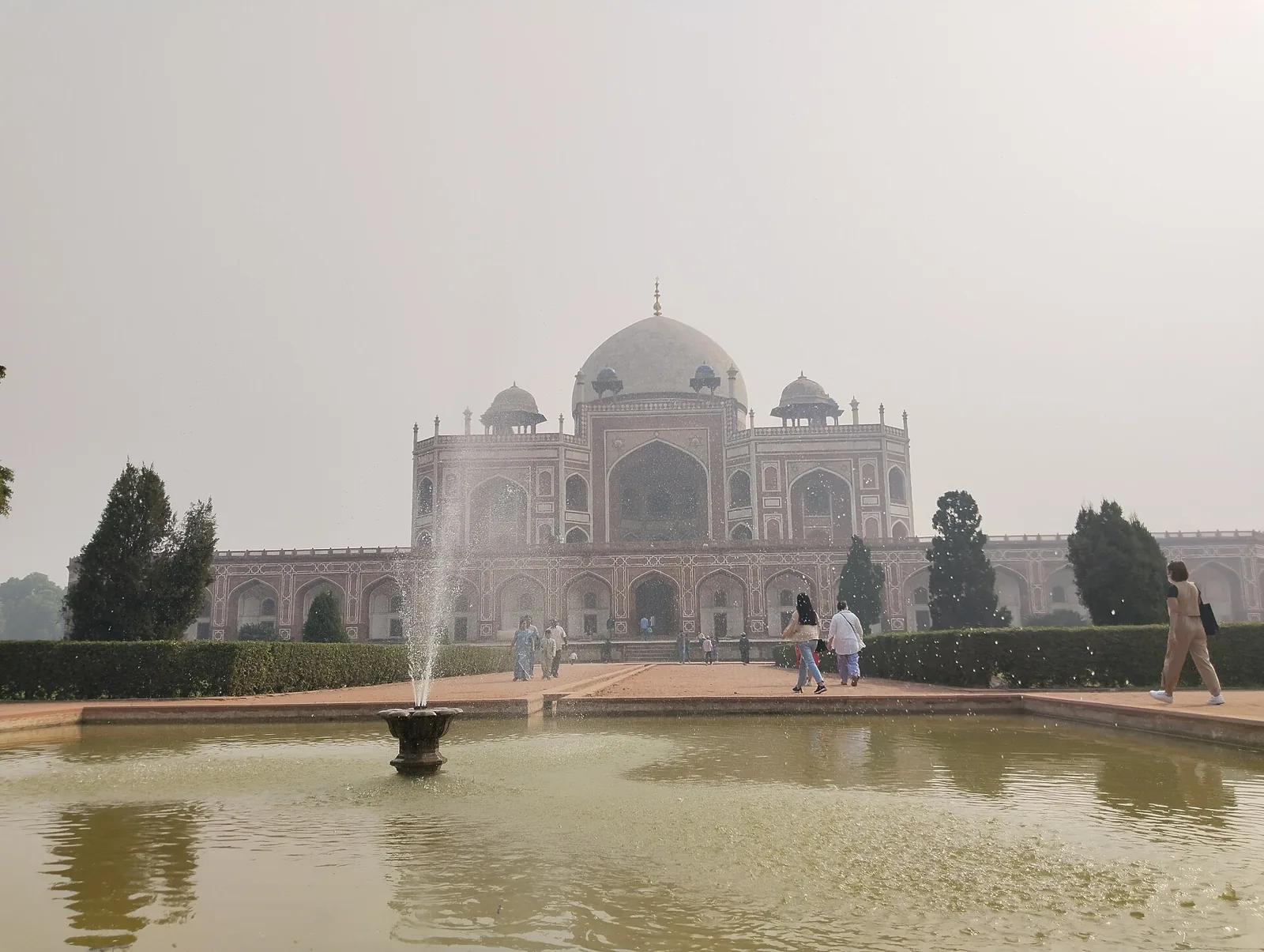
Humayun's Tomb, completed in 1572 and paid for by Bega Begum, the widow of the second Mughal emperor, is a rehearsal for the Taj Mahal in red sandstone and white marble, set in a four part garden. Go as it opens, when the light is gold on the dome. Sources generally list it as open every day.
From there it is a short drive to the Qutub complex in Mehrauli, with its victory tower, iron pillar and ruined mosque. Hauz Khas Village, with a reservoir and a medieval madrasa, makes a fine late afternoon stop, and the deer park next to it is a pleasant walk if the sun has softened.
Day 2 afternoon: a temple of lotus petals
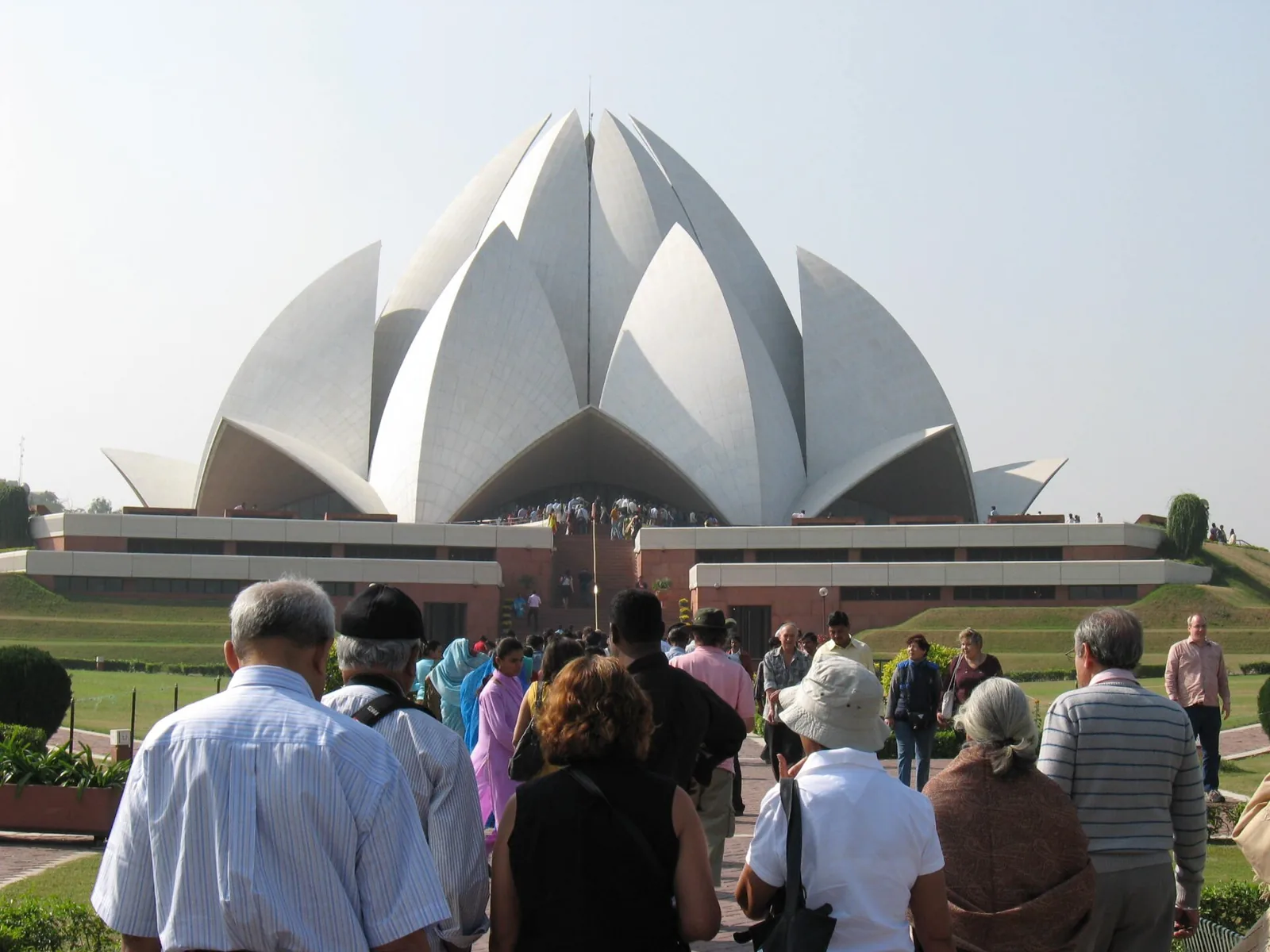
The Bahai House of Worship in Kalkaji is shaped like a lotus opening, open to people of all faiths and silent inside. Check its weekly closing day before you go; timings pages give Monday as its day off.
End the day with a plain vegetarian dinner in a south Delhi market, or visit the Gurudwara Bangla Sahib near Connaught Place, where the evening kirtan fills the courtyard and the langar feeds anyone who sits down. Cover your head and remove shoes.
Day 3 morning: Old Delhi, early and on foot
Take the metro to the old city and see the Red Fort, Chandni Chowk and Jama Masjid in a loop, with a paratha breakfast in the lanes. Our separate Old Delhi guide has the walking order, and Monday is no longer its rest day, but the fort does shut for a month around Independence Day, so check the dates.
Leave the mosque by early afternoon. The old lanes are exhausting after the sun climbs, and a cold lassi or a nap at the hotel resets the day. Dinner on this night can be anywhere, since you have no early start for a while, and many travellers choose the rooftop restaurants near Connaught Place or a quiet thali in Greater Kailash.
Day 3 afternoon: Akshardham, or shopping
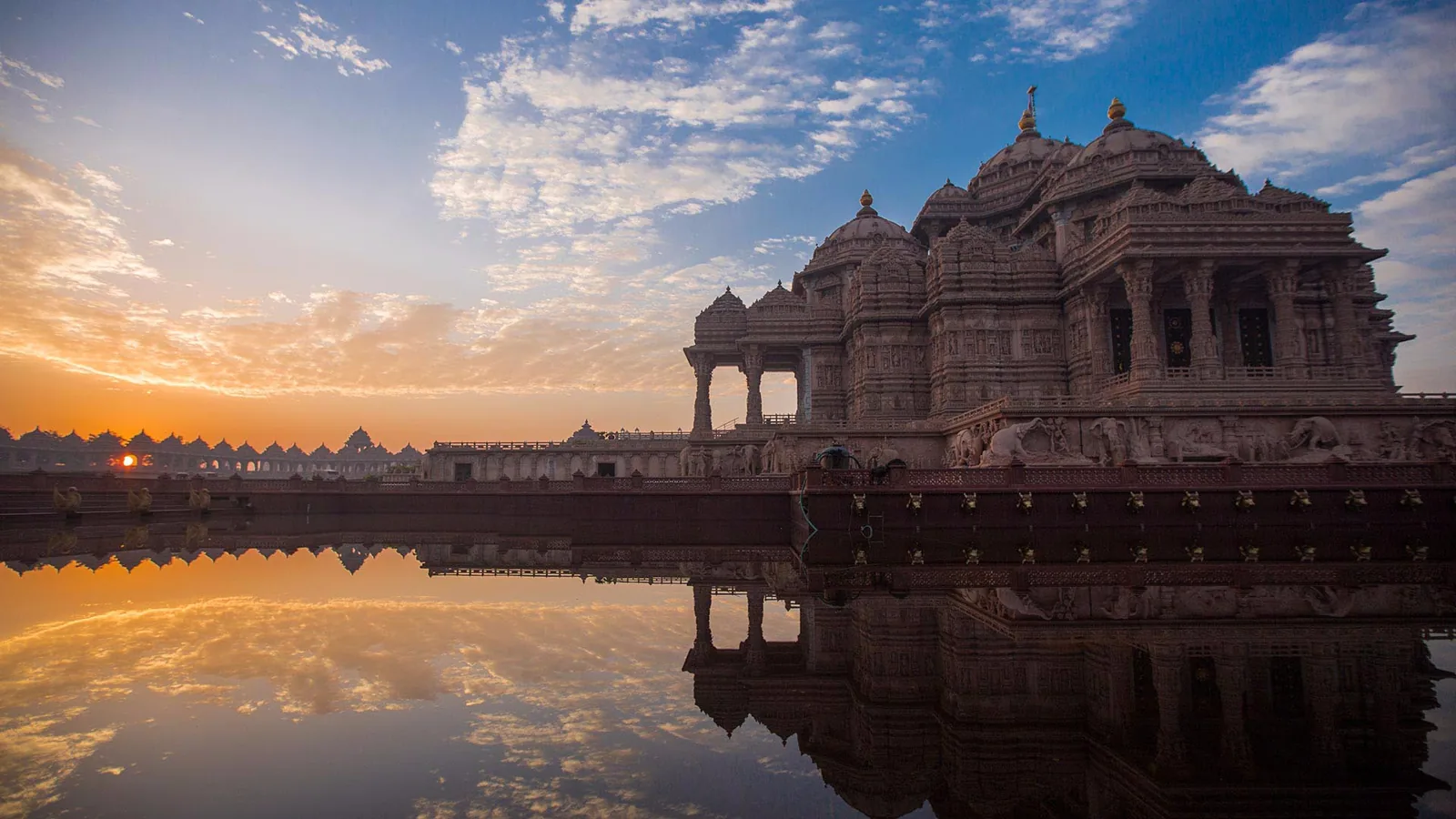
The BAPS Akshardham complex on the east bank of the Yamuna is a modern stone temple covered in carving, with exhibitions and an evening water show. It is closed every Monday and otherwise opens Tuesday to Sunday, with first entry at 10 am and last entry at 6:30 pm. Mobile phones, cameras, electronics and luggage are not allowed inside, and a free cloakroom at the gate keeps them (but not money or valuables), so leave those at the hotel. Mandir darshan is free, the exhibitions and the evening water show are ticketed, and the water show currently starts at 7:30 pm.
If temples have filled your quota, spend the hours in Dilli Haat or Sarojini Nagar instead, for handloom shawls and souvenirs, then pack for the road.
Two small adjustments
Travelling with elders: keep the Qutub visit short, since the tower itself has been closed to climbing for decades, and give the saved time to Lodhi Garden. Monsoon or fog days: swap the open air monuments for the National Museum on Janpath, which has a fine collection of bronzes and miniatures.

In winter, fog often delays morning flights and trains, so keep the first morning free and do not book a tight connection straight after landing. Delhi winter mornings can start with a white blanket of fog that lifts only by ten or eleven. Dress in layers, as monuments are shaded and cool, while the afternoon sun is surprisingly warm.
Leaving Delhi, in the right direction
The expressway to Agra is about 230 km and to Mathura roughly 150 km. Most visitors end this plan with the Taj and then Vrindavan, or the reverse. If you only have a few extra hours at the end, a short Braj visit is worth the drive.
Let Laladham run the whole thing
We receive guests at the Delhi airport, station or hotel and run the full trip: a driver who knows the parking lots near each monument, the order that avoids the worst traffic, a lunch stop that suits your diet and, if you want, the onward drive to Agra, Jaipur or Mathura. Share your dates on the book page and ask for a quote.
Questions, answered
Is three days enough for Delhi?
Yes for the main sights. Two days feels rushed if you also want food lanes and one museum, and a fourth day is nice for a day trip to Agra or Mathura.
Which day is worst for sightseeing in Delhi?
Monday. Akshardham is closed, the Bahai temple is generally listed as shut, and some museums rest too. Only the Red Fort has been spared since February 2026. Check each monument before you commit.
Which season is best?
October to March has the gentlest weather. Summer afternoons are very hot and the monsoon brings heavy showers.
Can I do Delhi and Mathura in one trip?
Yes. Mathura is roughly 150 km from Delhi, so it fits as a day trip on day 4 or as the natural end of the journey.