Nothing in Delhi is as loud, crowded or generous as this district. It rewards people who arrive early, wear shoes they do not mind getting dusty and let a rickshaw wallah decide half the route.
Start at the Red Fort, before the buses arrive
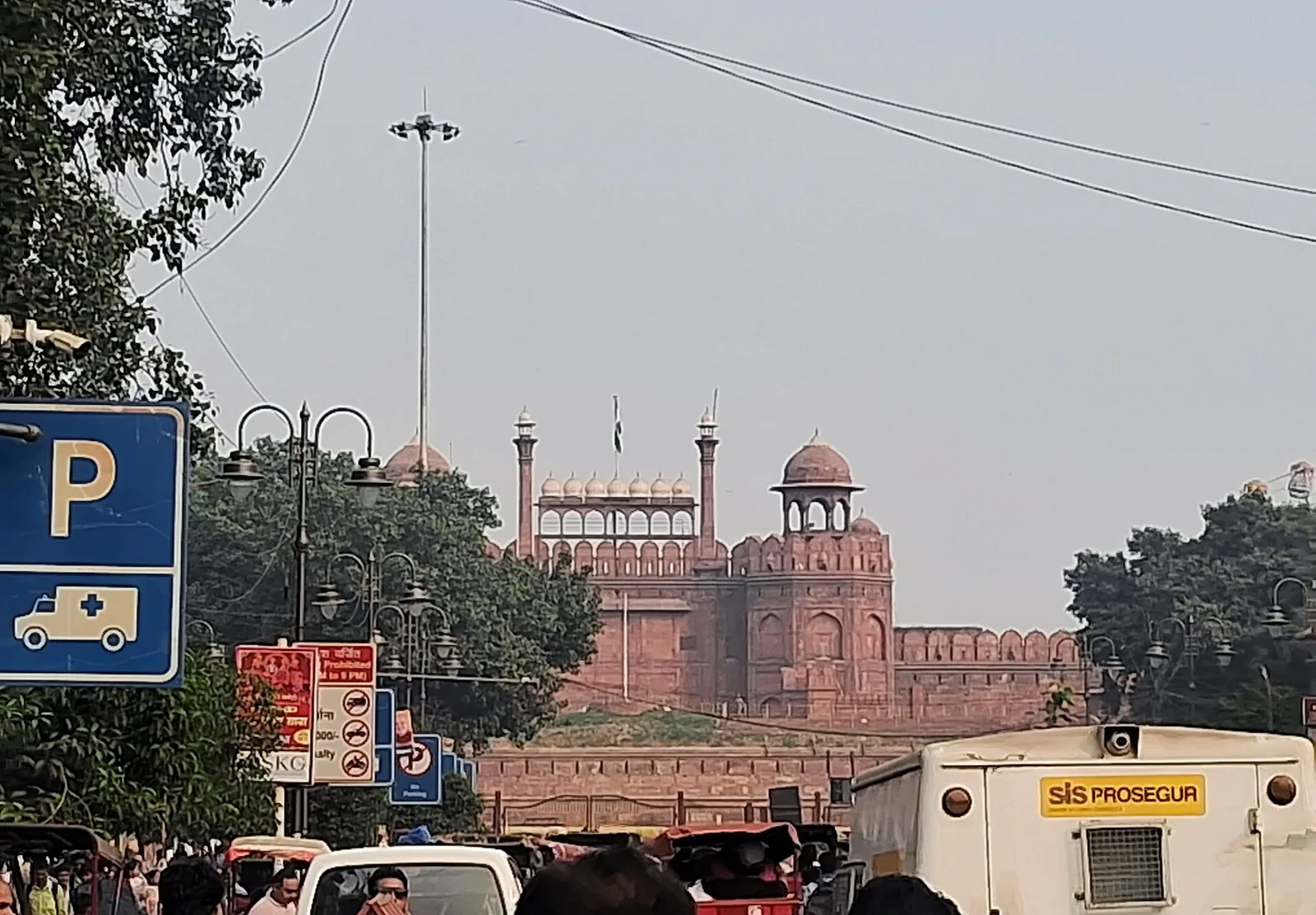
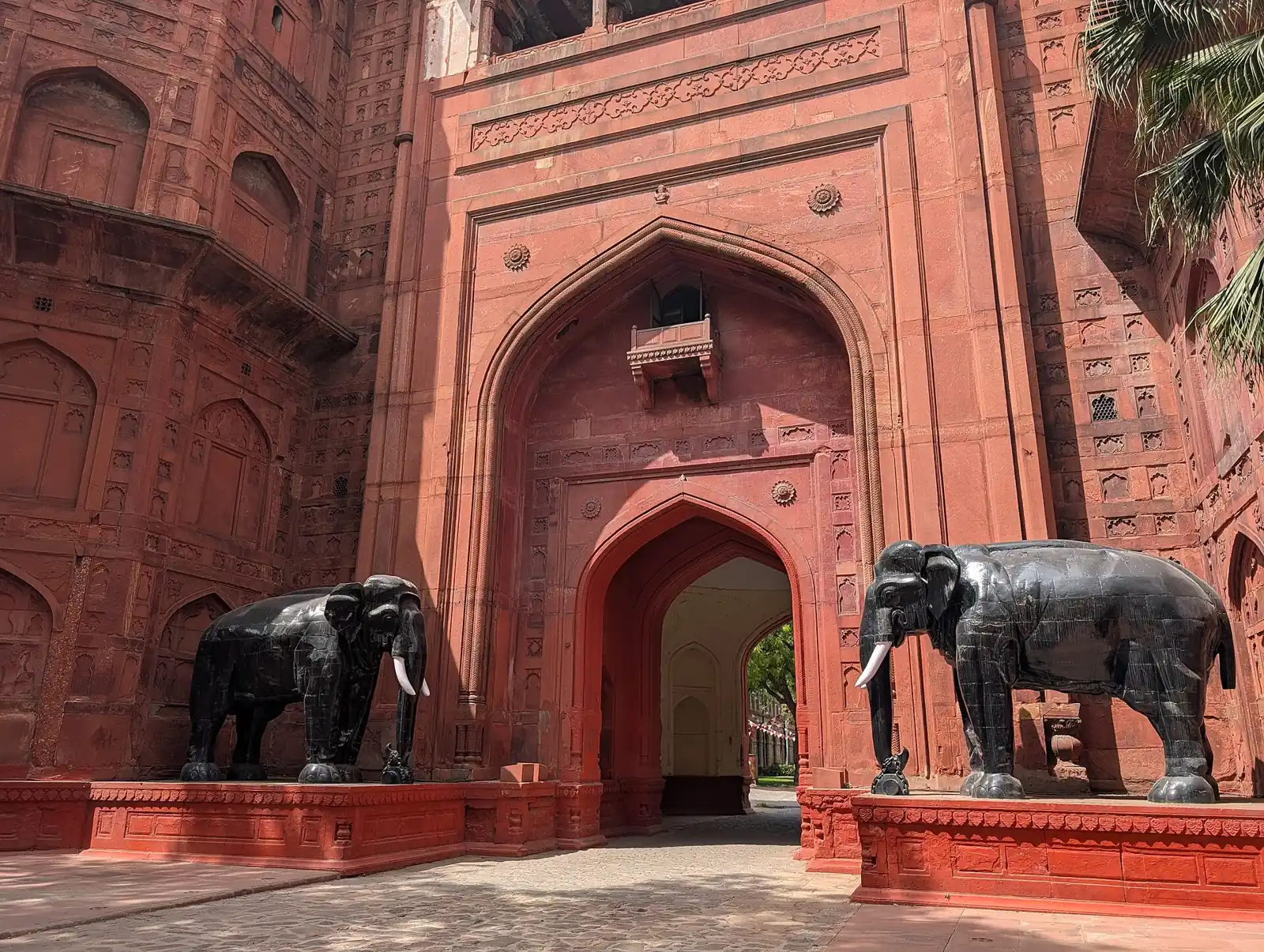
Lal Qila was home to the Mughal emperors for almost two centuries, and the complex is a UNESCO World Heritage site. The walls are red sandstone, the main entrance is Lahori Gate, and before the fort proper you pass through the covered Meena Bazaar and the drum house, whose upper floor is now a war memorial museum. Beyond it come the hall of public audience, the private apartments strung along the old Stream of Paradise, the white marble hall of private audience, and the baths and stepwell. Incredible India's own page still gives nine thirty to four thirty and carries an old Monday closure, but the Archaeological Survey of India ordered on 13 February 2026 that the fort stay open all seven days, so Monday is no longer a dead day. Check the ASI notice for the date you travel, since annual closures are announced there.
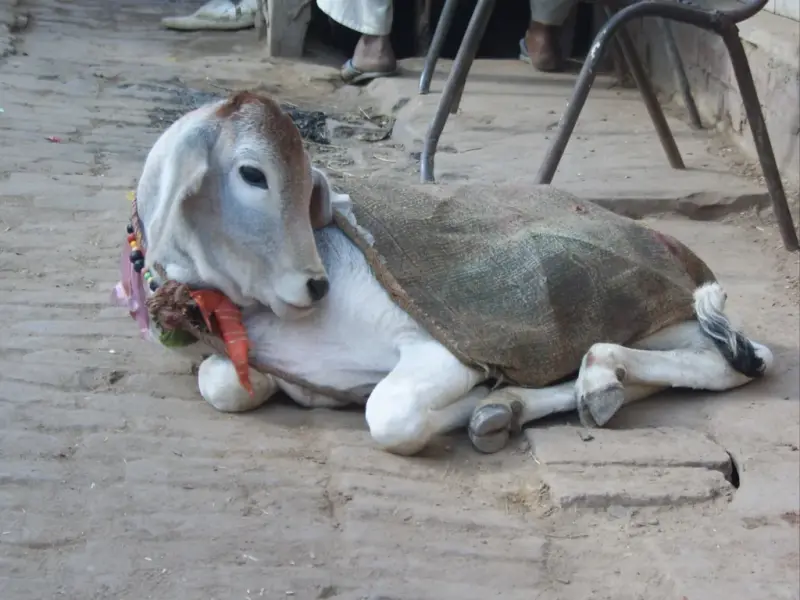
Tuesday to Sunday mornings are far calmer than weekends. Allow two hours inside, and carry water, because the open courtyards have little shade. The evening sound and light show inside the walls is listed as a nightly event, so ask at the gate whether it is running before you plan dinner around it.
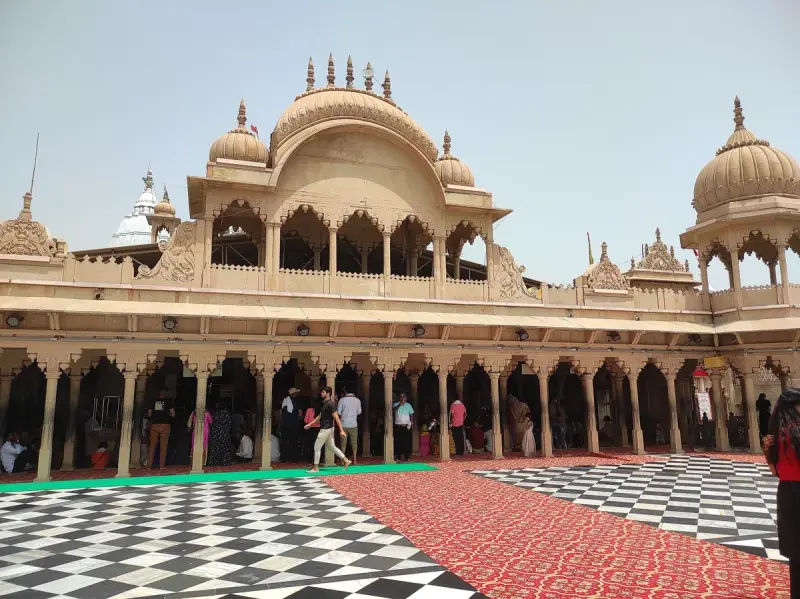
Walking Chandni Chowk
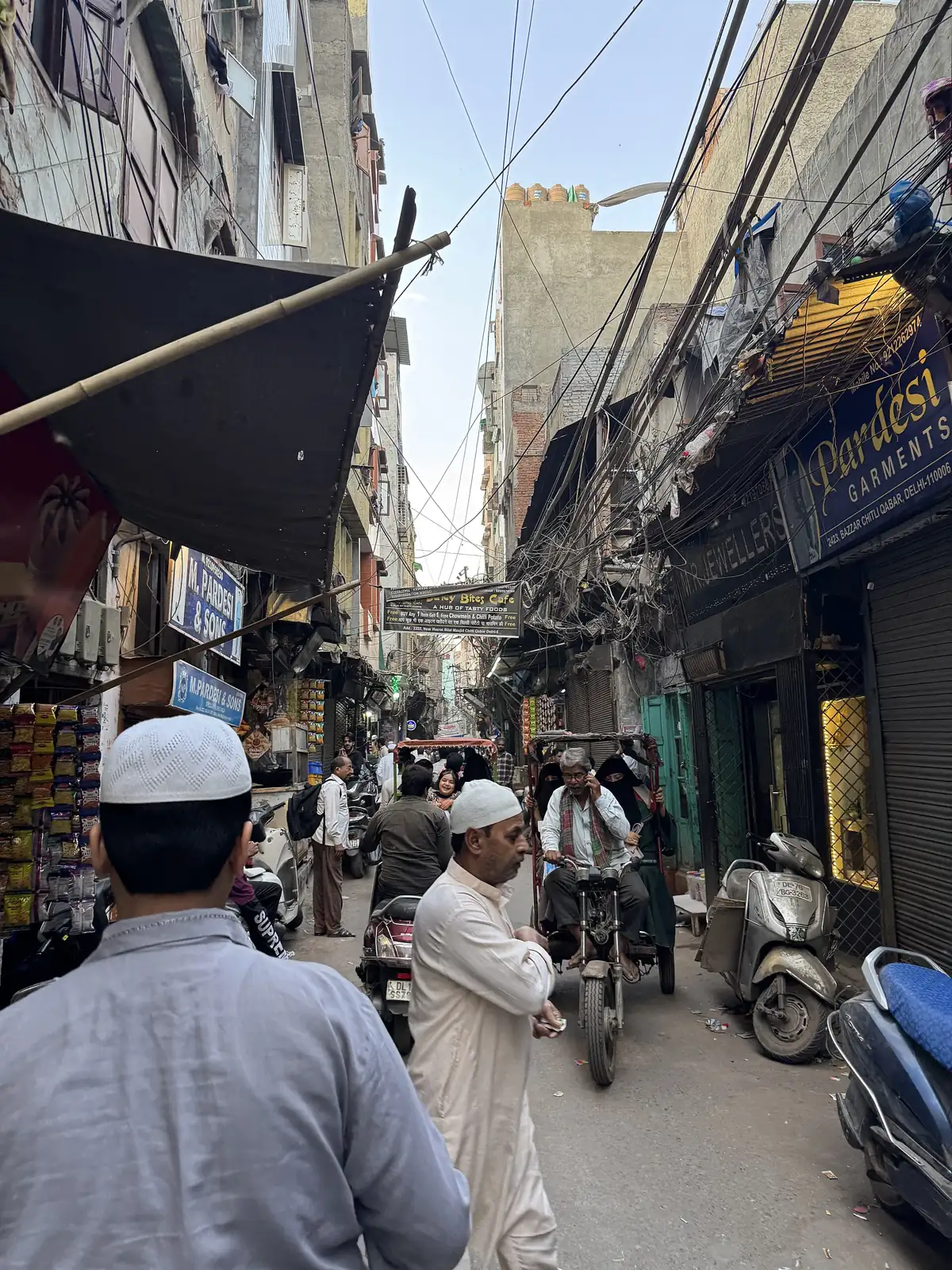
The avenue running west from the fort was laid out as a half-moon square with a canal and a pool, and the name means Moonlight Square. Princess Jahanara Begum, Shah Jahan's favourite daughter, is recorded as designing and founding the market in 1650, and the silversmiths who settled here gave it the nickname Silver Street. Today it carries rickshaws, handcarts and people shoulder to shoulder. Do not try to drive it. Take the metro to Chandni Chowk or Lal Qila station, then walk or hire a cycle rickshaw for the narrow side lanes.
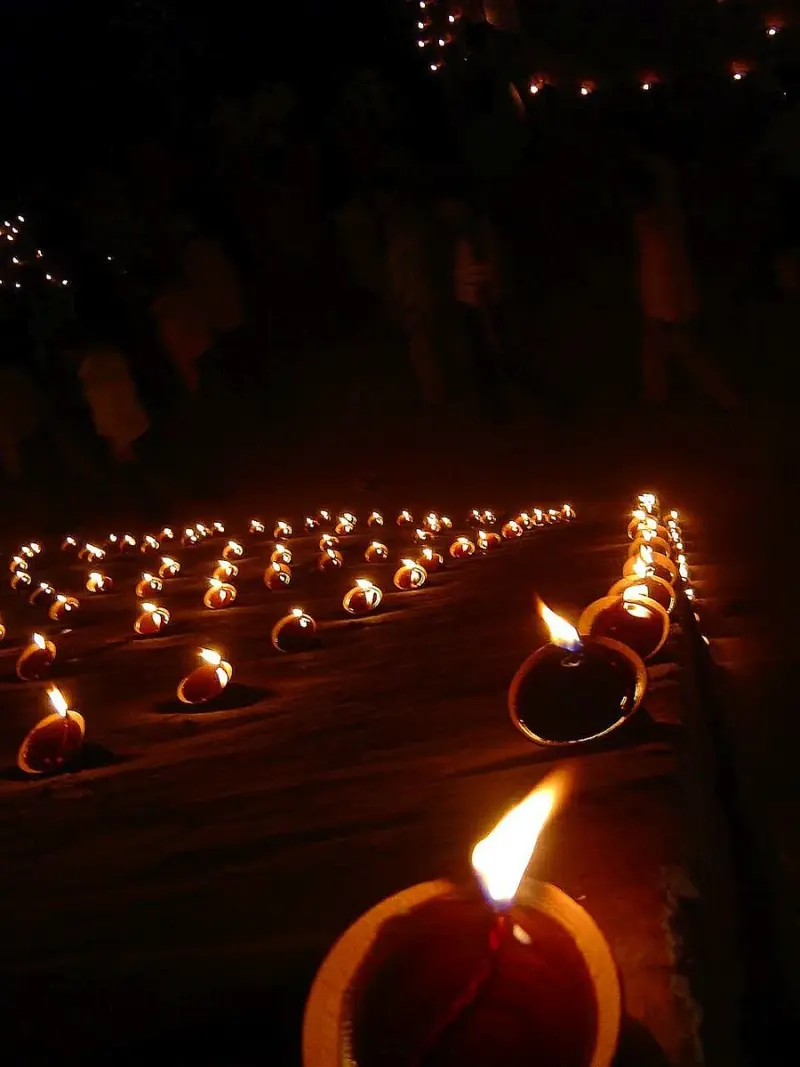
Along the main road you pass the Gauri Shankar temple, the Sis Ganj Sahib gurdwara, the Sri Digambar Jain Lal Mandir, the Fatehpuri mosque and the Central Baptist Church. Five faiths within a short walk is not a slogan here, it is simply the street. The Jain temple is the one with the birds' hospital, easy to miss if you are following the crowd to the fort.
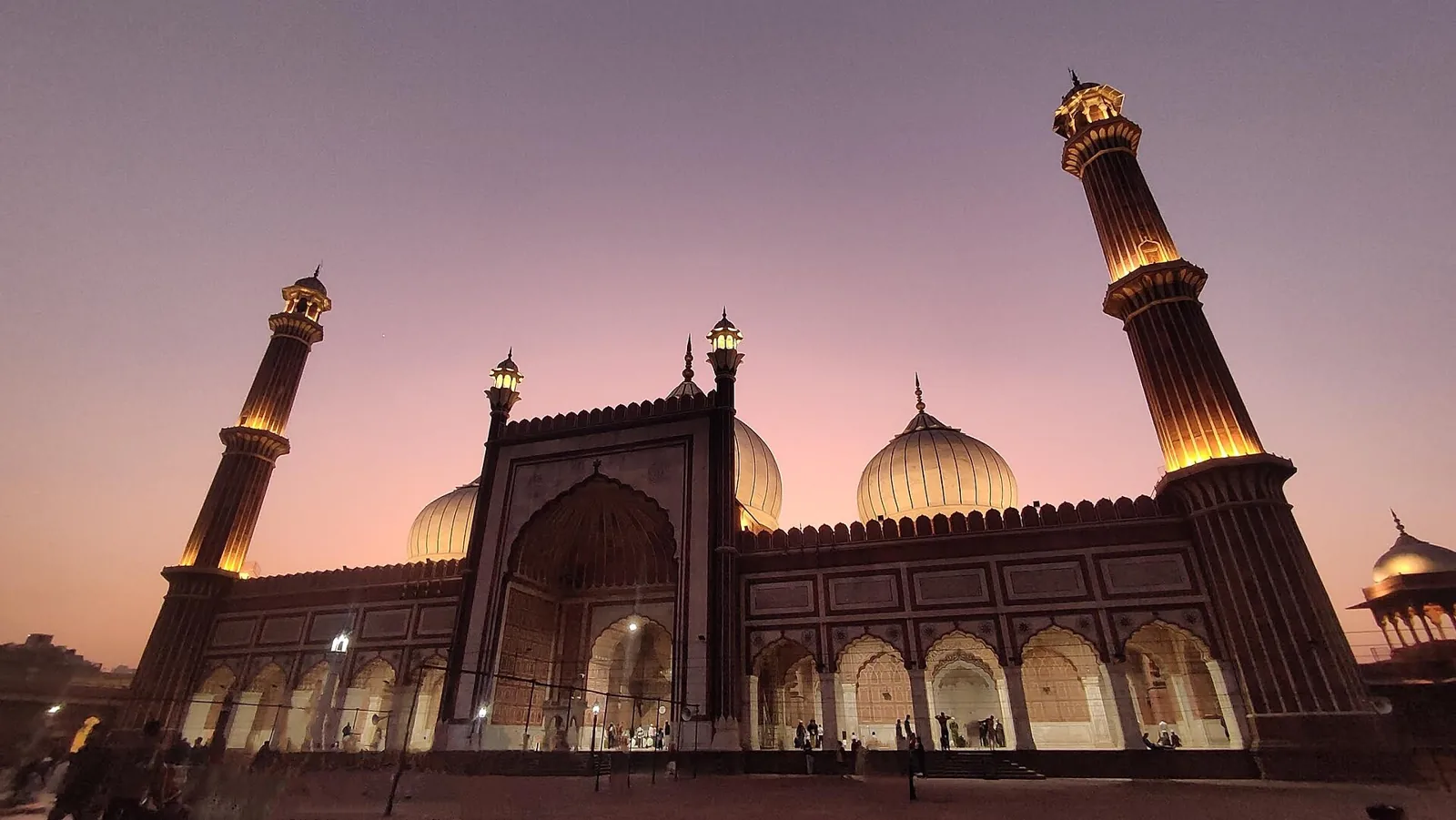
Jama Masjid, up the steps
Built for Shah Jahan between 1650 and 1656 with about five thousand workers, it is among the largest mosques in India, and the courtyard takes up to twenty-five thousand people. Visitors of all faiths can go in outside prayer times, with covered shoulders and knees. The official listing gives seven to noon and half past one to half past six, but prayer times and Friday crowds change the day, so confirm at the gate.
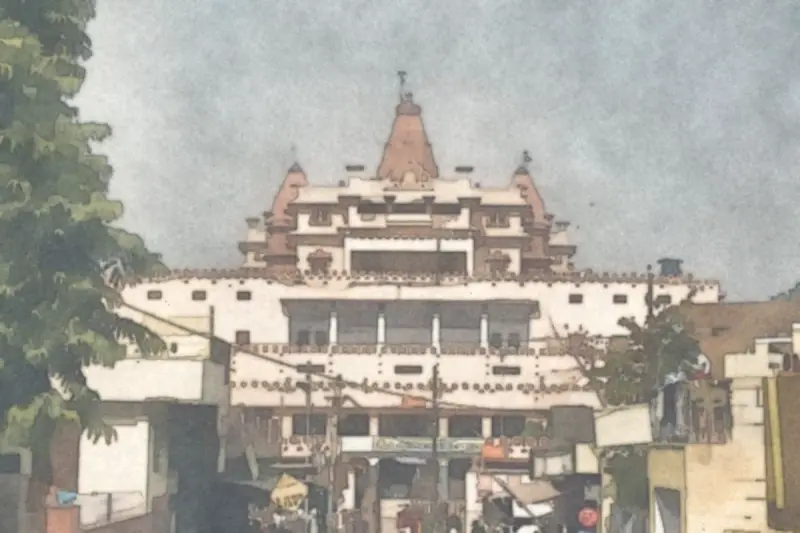
The southern minaret climb is the best view of the rooftops and kite strings, and the official page recommends it. Access rules for the minaret change from time to time and are enforced at the stairs, so ask before you queue and keep a companion near.
What to eat in the lanes
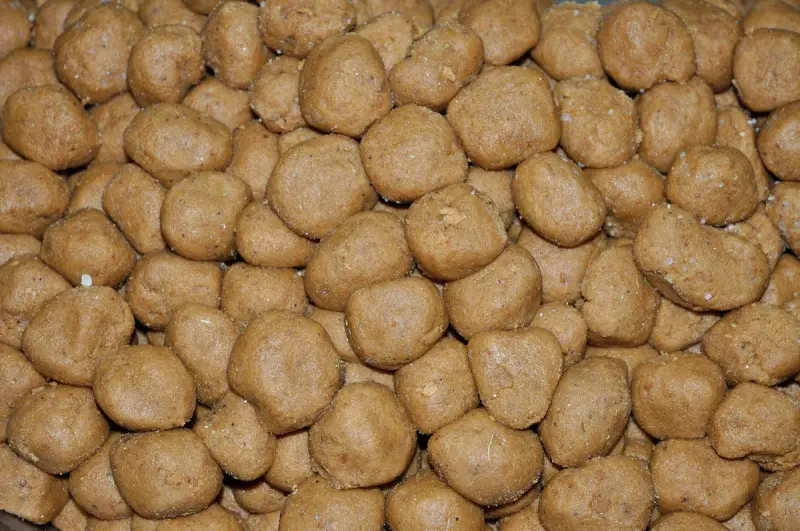
Parathas, chaat, tikkis, gol gappe and chole bhature are the street food Incredible India itself puts at the top of Delhi's list, and Old Delhi is where most people go to eat them. Vegetarians do well in the lanes off Chandni Chowk, and a lassi in a kulhad fills any gap between stops.
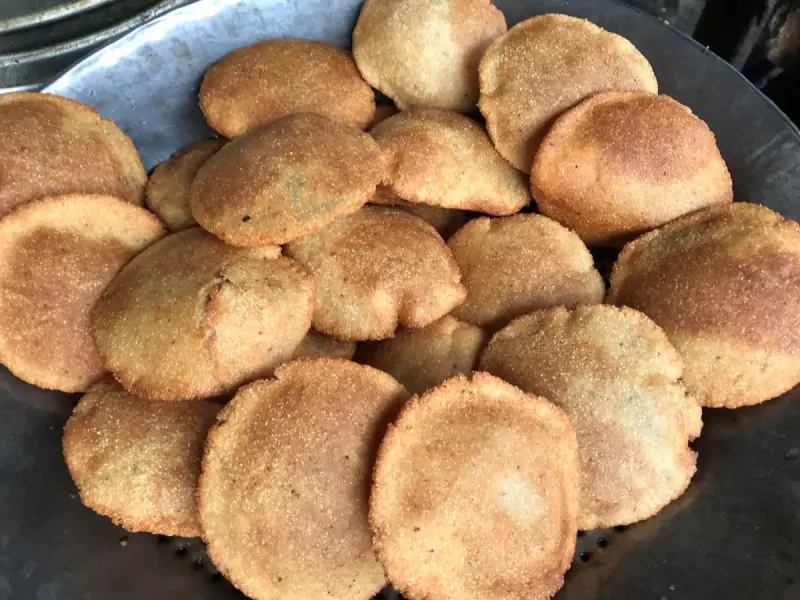
Several well-known kebab houses near Jama Masjid are nonveg only. If your group is vegetarian, say so to your guide at the start and he will steer you to the right gali. Opening days vary from shop to shop, so do not plan a single meal around one stall.
Spice, silver and wedding cards
Khari Baoli is described officially as Asia's largest wholesale spice market, a sneeze-inducing lane of sacks and sellers. Kinari Bazaar is the street of trimmings, borders and wedding embellishments, Dariba Kalan was the jewellers' lane for pearls, ittar perfumes and silver, and Nai Sarak is where the books and stationery are. You do not need to buy anything, since the sight is the point, but a bag of dried fruit or whole spices travels well.
A half day shape that works
Reach Lal Qila station around nine, spend the fort until noon, stroll the main avenue for a paratha lunch, visit the temples and the gurudwara in the early afternoon, and finish at Jama Masjid before sunset. Take a cycle rickshaw back to the metro. If you still have energy, the evening lights at the mosque steps make a good photograph, though the crowd is thick.
Stay or move on?
Old Delhi has a few heritage havelis for the night, but most travellers sleep in Connaught Place or near the airport and come in for the day. Agra and Mathura both lie south of Delhi, so the next morning can already be Braj. Road time shifts with traffic, so we confirm it for your date.
Starting from Delhi with Laladham
We pick guests up from the airport, a station or a hotel in Delhi, drive them to the fort gate at the right hour and wait with the car outside the crowded zone. When the day is done, the same driver can carry on to Mathura or Vrindavan, or turn it into a longer trip. Tell us the dates on the book page and we will plan it end to end.
Questions, answered
Is the Red Fort open on Monday?
Yes. An ASI order dated 13 February 2026 ended the Monday closure, and the fort now welcomes visitors every day. Annual or special closures are announced by the ASI, so check its notice for your dates. Jama Masjid is usually open on Mondays too.
How much time does Old Delhi need?
A half day covers the fort, the market avenue on foot and Jama Masjid. A full day lets you add Khari Baoli and a slow lunch.
Which metro station should I use?
Chandni Chowk on the Yellow Line and Lal Qila or Jama Masjid on the Violet Line are all within walking distance.
Can I go from Old Delhi to Mathura the same day?
Yes, if you start early. Mathura lies south of Delhi on the expressway, so a late afternoon start can still reach Braj by evening. We confirm the drive time for your date.