Getting here from Delhi
Incredible India names Bodh Gaya Airport (GAY) in Gaya as the nearest airport, so from Delhi the usual routes are a flight to Gaya, or a train into Gaya Junction and a short road leg. Gaya, with Varanasi and Allahabad, is regarded as one of the three holiest places in Hinduism for funeral rites, so you may see devotees of different faiths on the same road. The pages we read do not give the road time between Gaya and Bodh Gaya, so ask your driver and allow a flexible arrival.
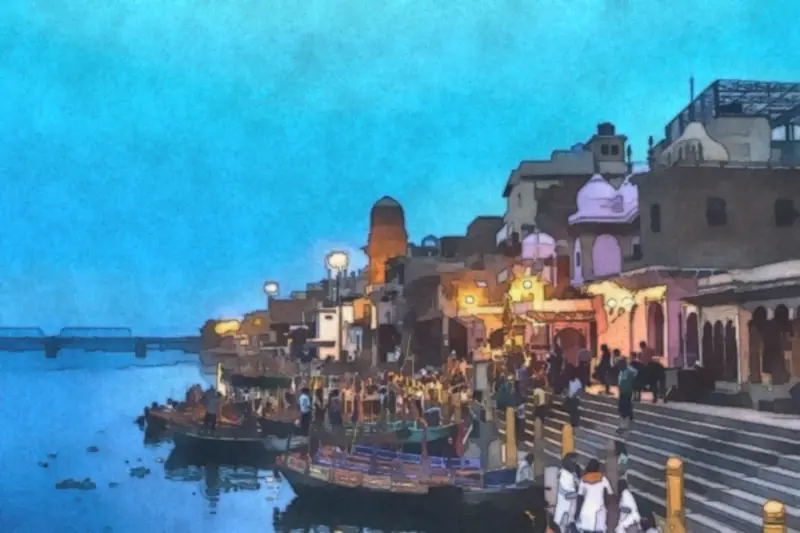
The hours at Mahabodhi Temple
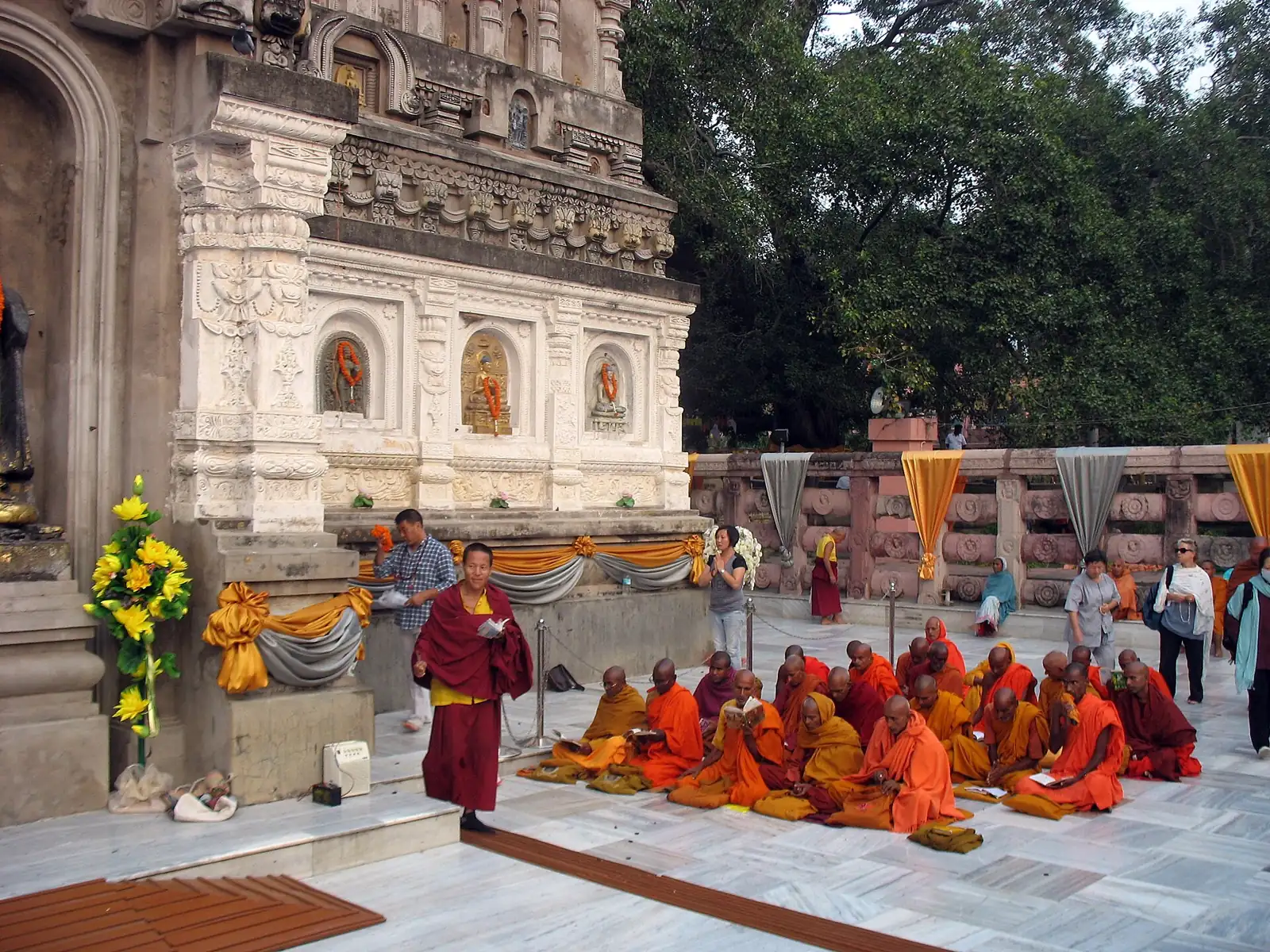
The temple management's own site gives the daily rhythm. The temple is open every day of the week. At 5 am the main shrine opens; sutta chanting and meditation run from 5:30 to 6:00; kheer, a rice pudding of rice, milk and sugar, is offered at 10 am; Mahayana chanting follows from 6:00 to 6:30 pm and Pali chanting from 6:30 to 7:00; the shrine closes at 9 pm. Treat it as a framework and verify on arrival.
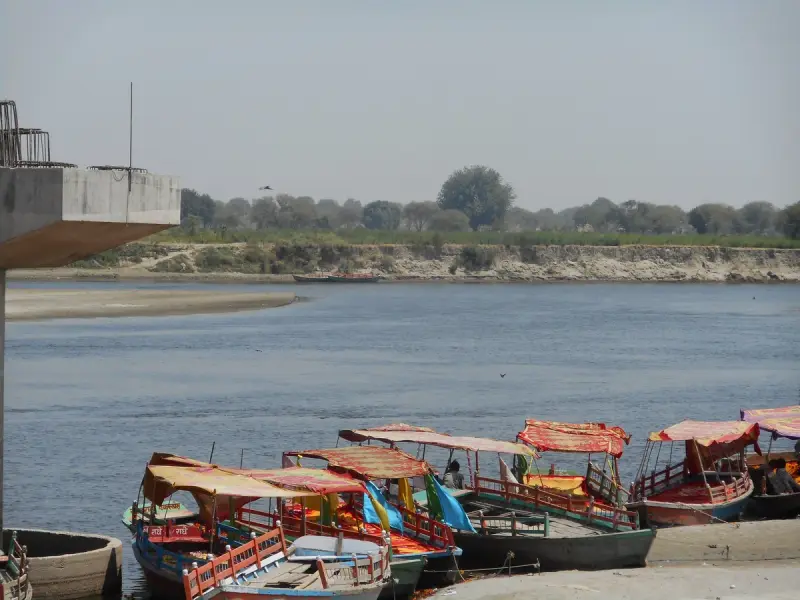
Go once at dawn and once in the evening. Early on, the chanting in the shrine sets the tone for the town. In the evening the complex has a night view listed on the temple site, so you can see the spire lit up.
What stands in the complex
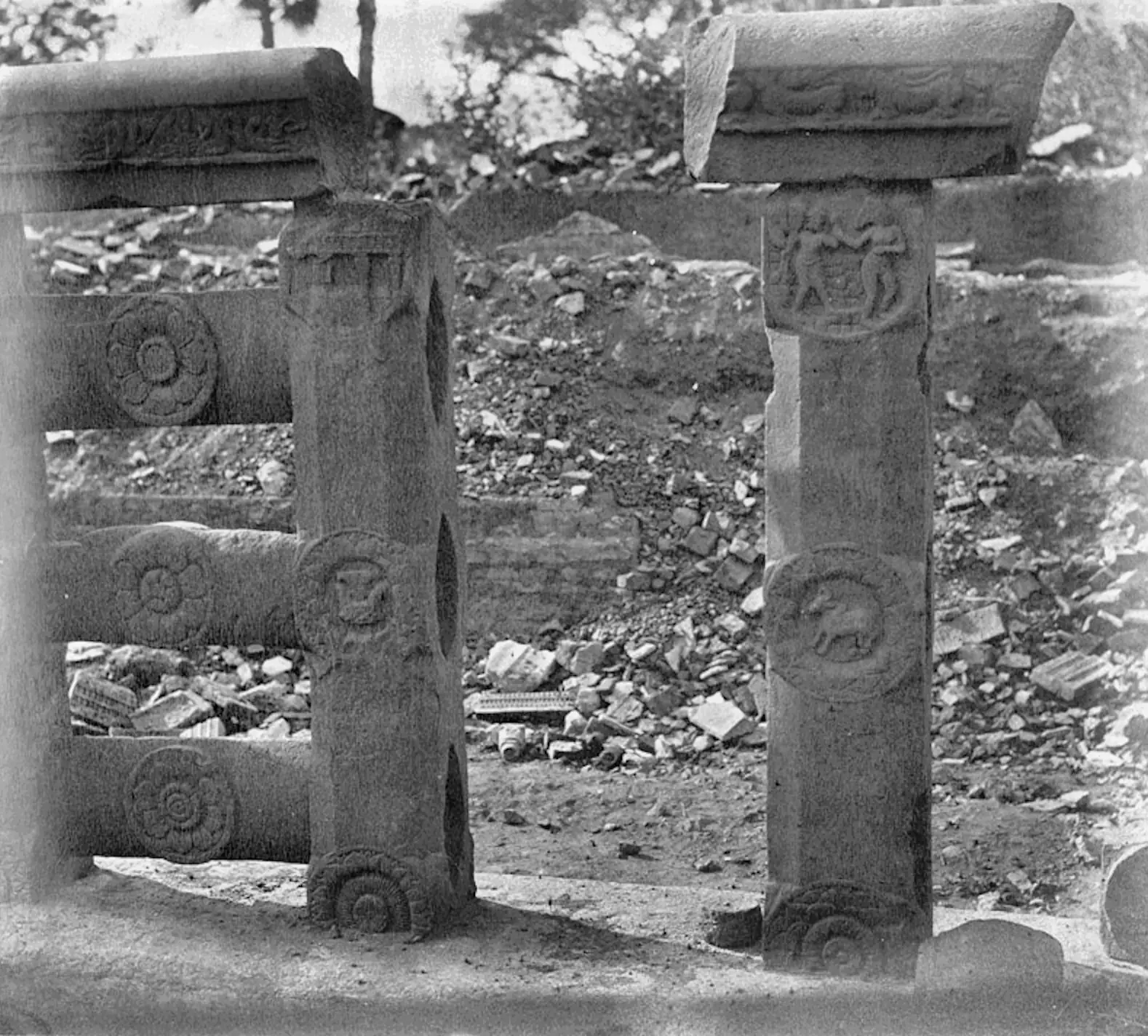
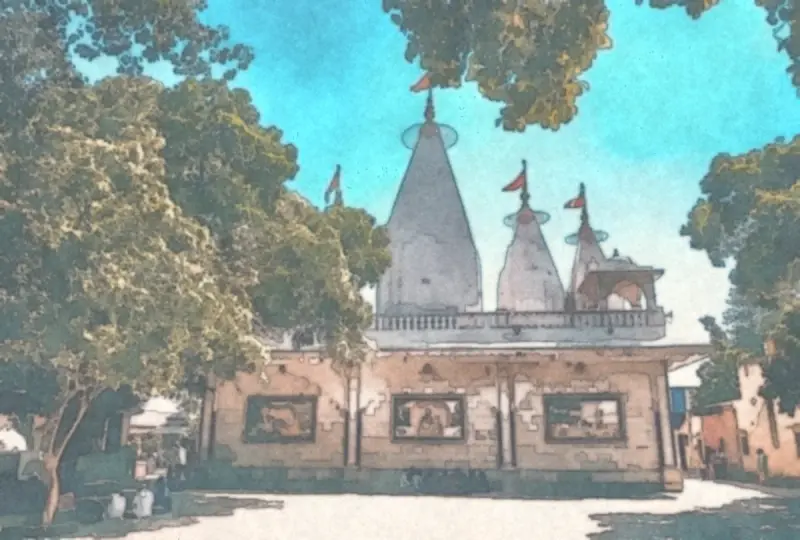
Incredible India describes the soaring pyramidal spire of the Mahabodhi Temple dominating the landscape, with a stone railing from the 1st century BC carved with lotus medallions and scenes from the Buddha's life. The Bodhi Tree beside it is the point of the whole visit: the spot under which Prince Siddhartha meditated more than 2,500 years ago before he attained enlightenment, as the page puts it. The temple site started as a circular stupa built by the Mauryan king Ashoka in the 3rd century BC, received its present form in a 7th century rebuilding, was damaged in the 12th century, restored by Burmese kings in the 14th and rediscovered by Burmese Buddhists in the late 19th. It is a UNESCO World Heritage monument.
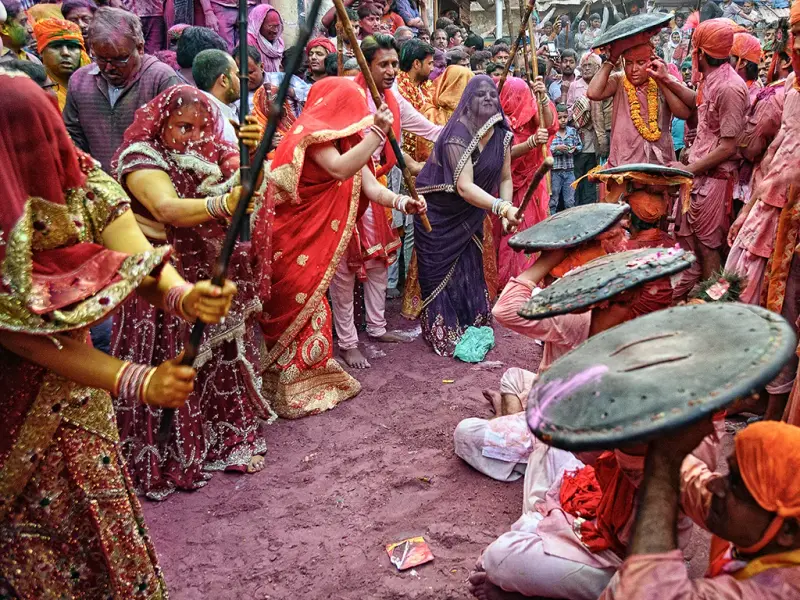
The temple management site also lists the places around the shrine: the Vajrasana, the Animesh Lochana Chaitya, the Ajpala Nigrodha Tree, the Cankamana walk, the Muchalinda Sarovar and the Rajayatna Tree. Walk them in order and the complex stops looking like a single building and starts reading as a set of stations.
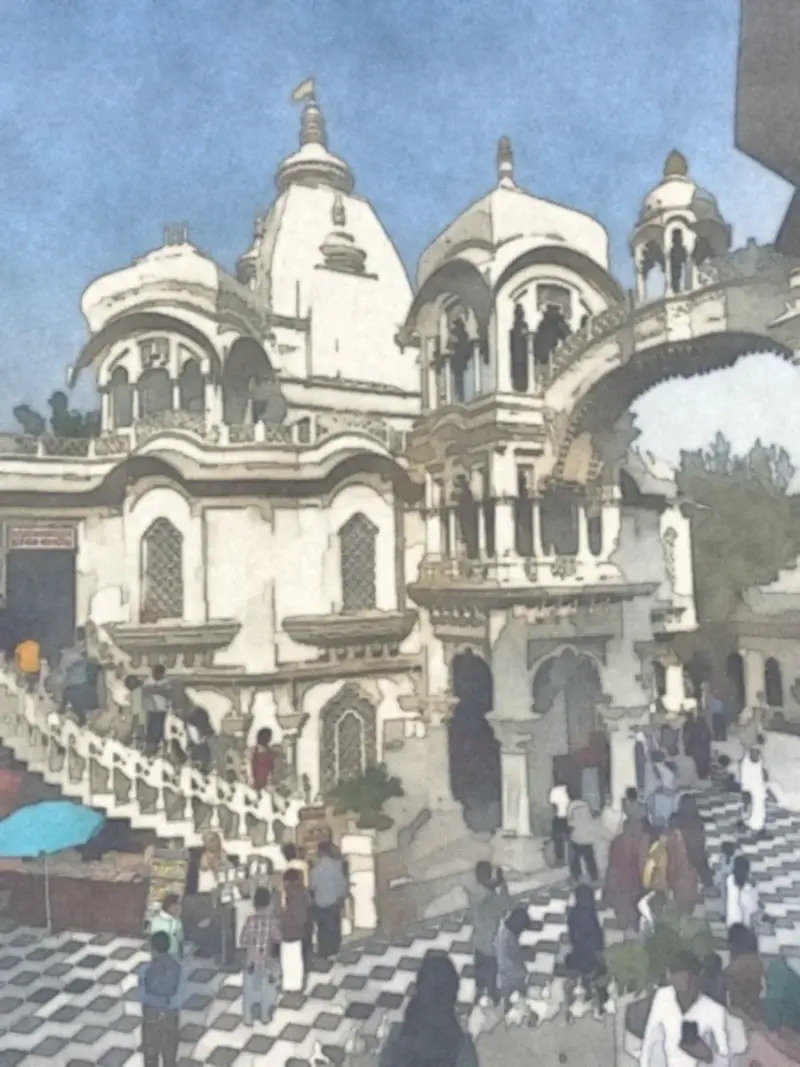
The monasteries and the Great Buddha
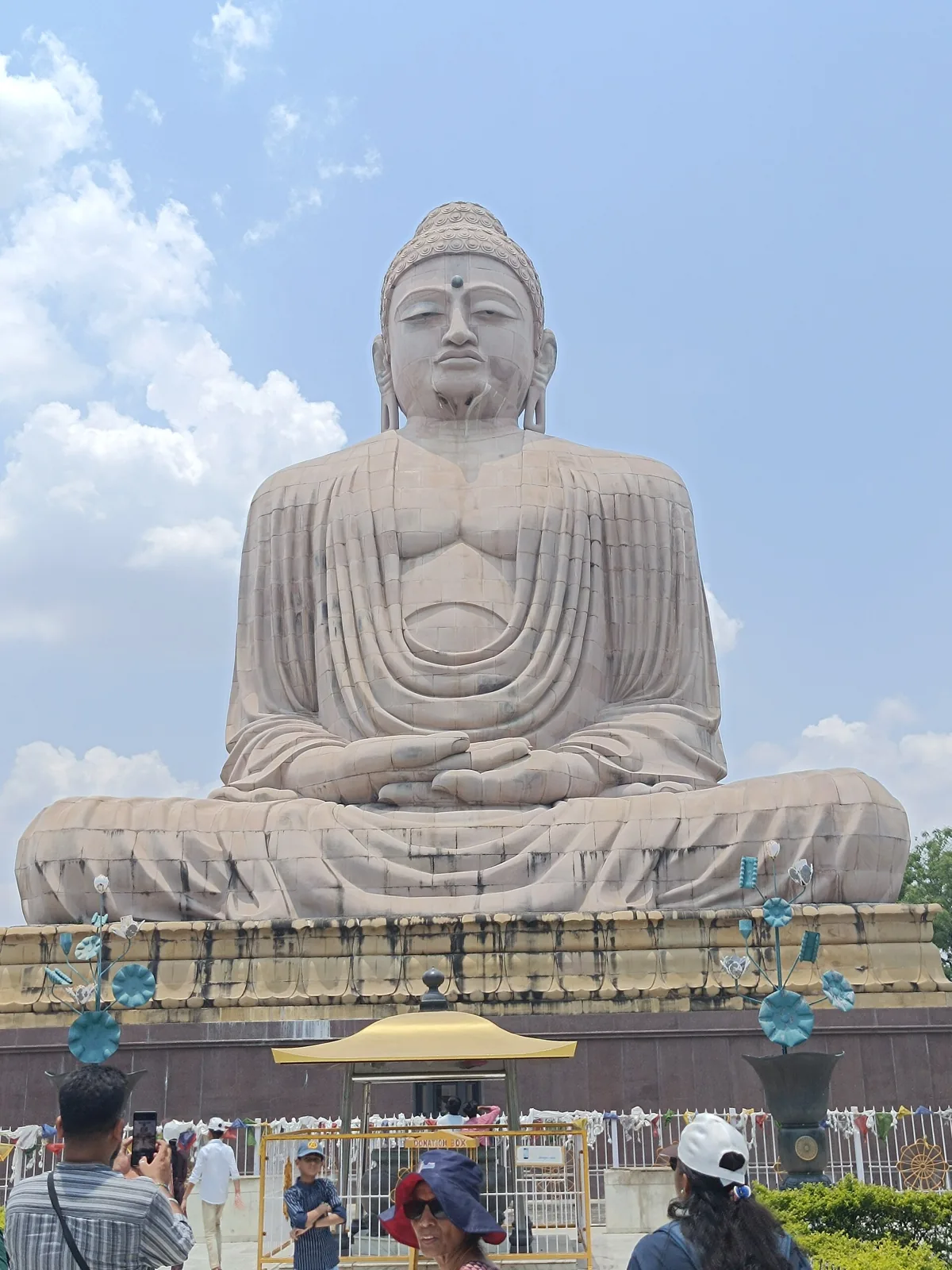
Temples and monasteries built by Buddhist countries line the roads: China, Japan, Sri Lanka, Vietnam, Thailand, Taiwan, Korea, Bhutan and Nepal. The Thai Temple is called the most picturesque, the Japanese temple is known for its 25 metre Buddha statue, and the Bhutanese and Tibetan monasteries are full of colourful murals and prayer wheels. Treat them as a slow walk, with a rickshaw only for the long gaps, and dress modestly in each.
The winter prayers
Winter brings the Monlam Chenmo prayers: a tented city springs up around the temple for three weeks, often presided over by the Dalai Lama and other senior figures. Incredible India notes the thousands of monks who gather, and the temple site also refers to an annual Bodh Mahotsav. For the full spectacle, plan for winter and book rooms very early; for quiet, avoid those weeks.
Across the road, and beyond
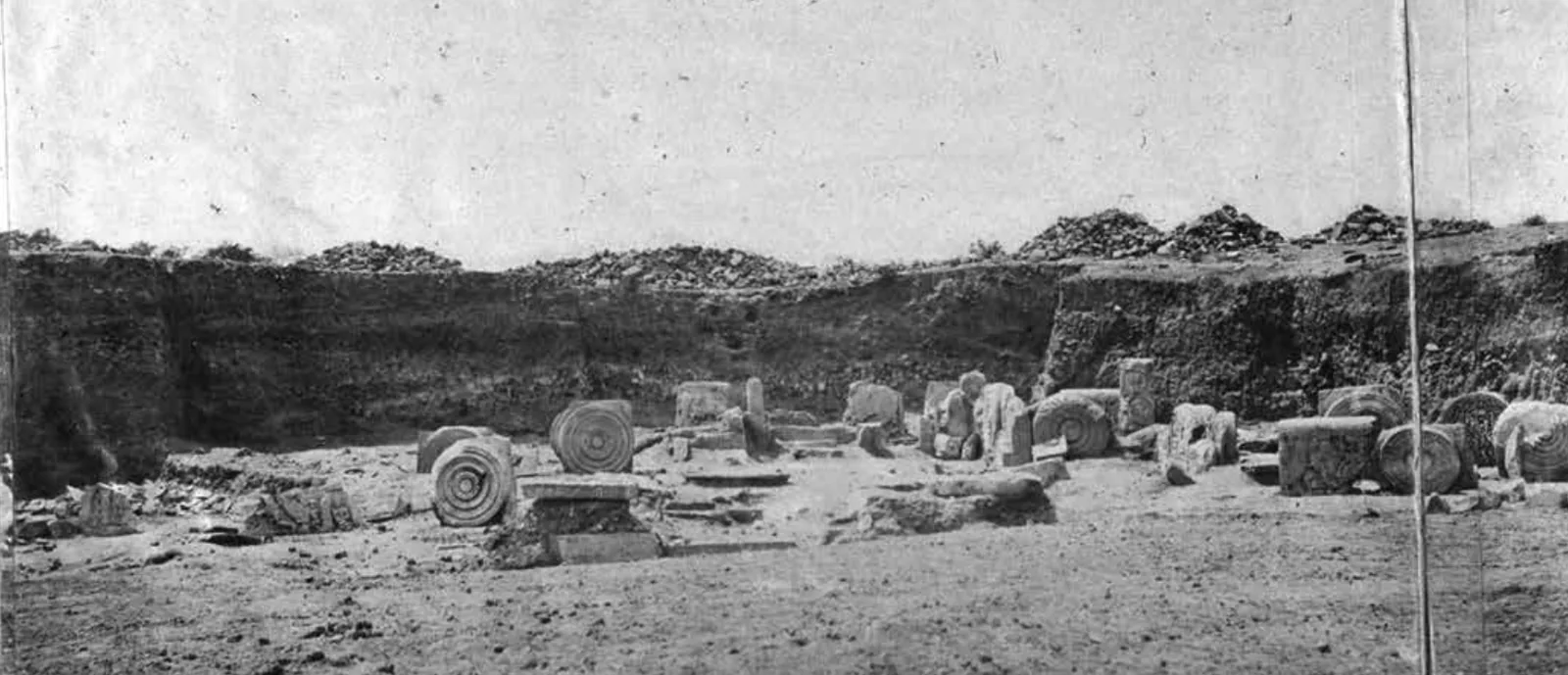
The Archaeological Museum across the street holds fragments of the original 3rd century BC railing and bronze and stone images from the 8th to 12th centuries, found during the restoration of the temple. Further afield, the Dungeshwari Hills, 12 to 15 km from Gaya, hold caves where the Buddha is said to have meditated for six years before reaching Bodh Gaya. The Barabar Caves, 24 km north of Gaya on a bumpy road, are Ashoka's rock-cut caves of the 3rd century BC, polished to a shine; the Sudama and Lomas Rishi caves are the two to see.
Gaya, a note on etiquette
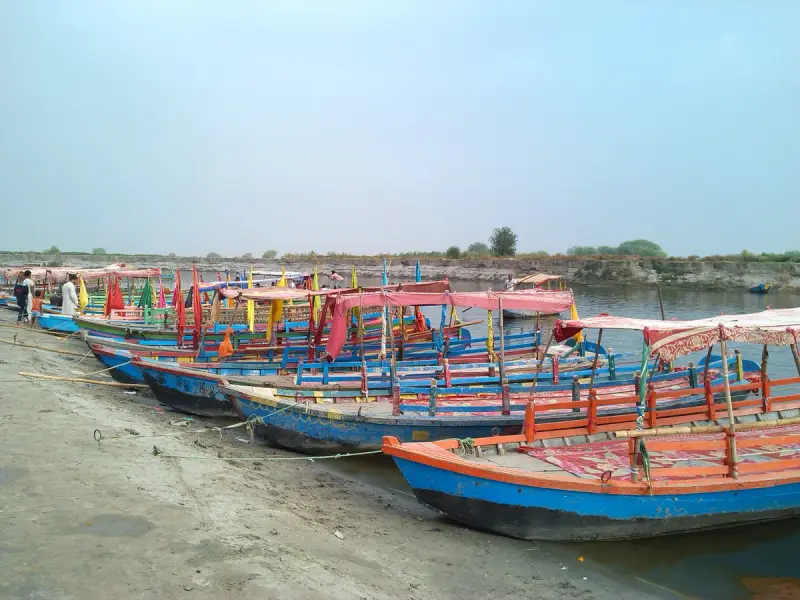
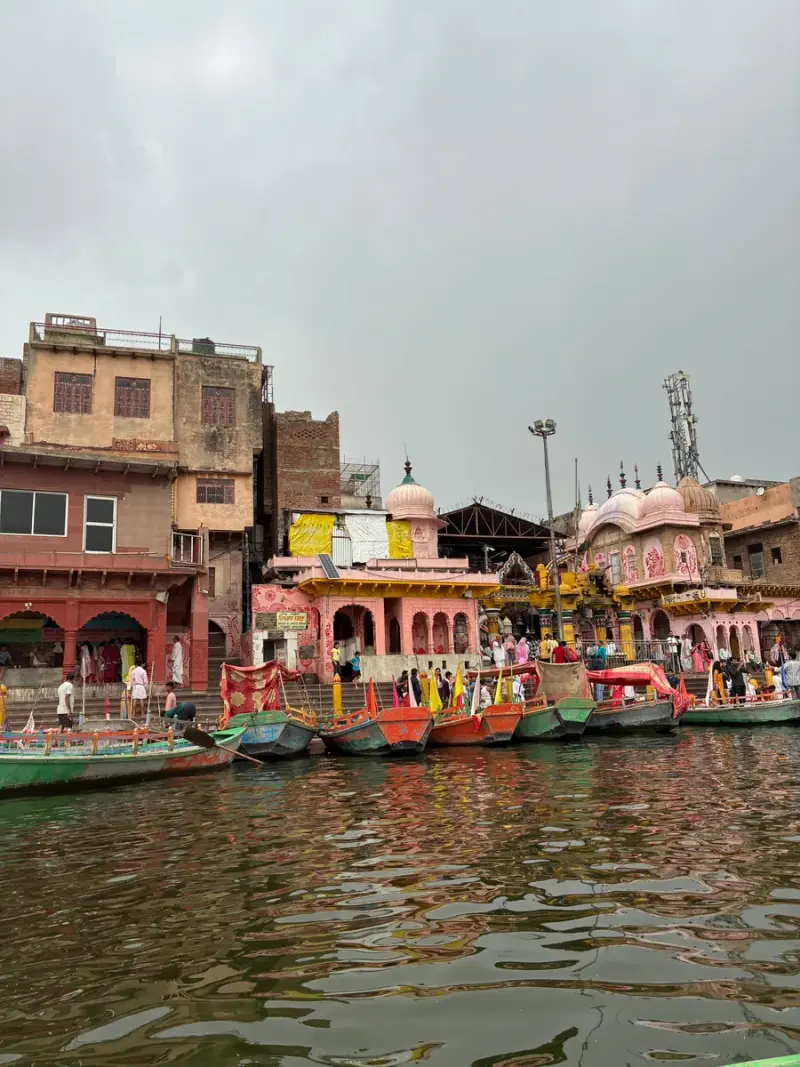
The Vishnupad Temple in Gaya is not open to non-Hindus, though the riverfront ghats and shrines along the Phalgu stay open to everyone. At Bodh Gaya switch your phone to silent, remove shoes where asked and keep your feet away from statues.
When to go and what to carry
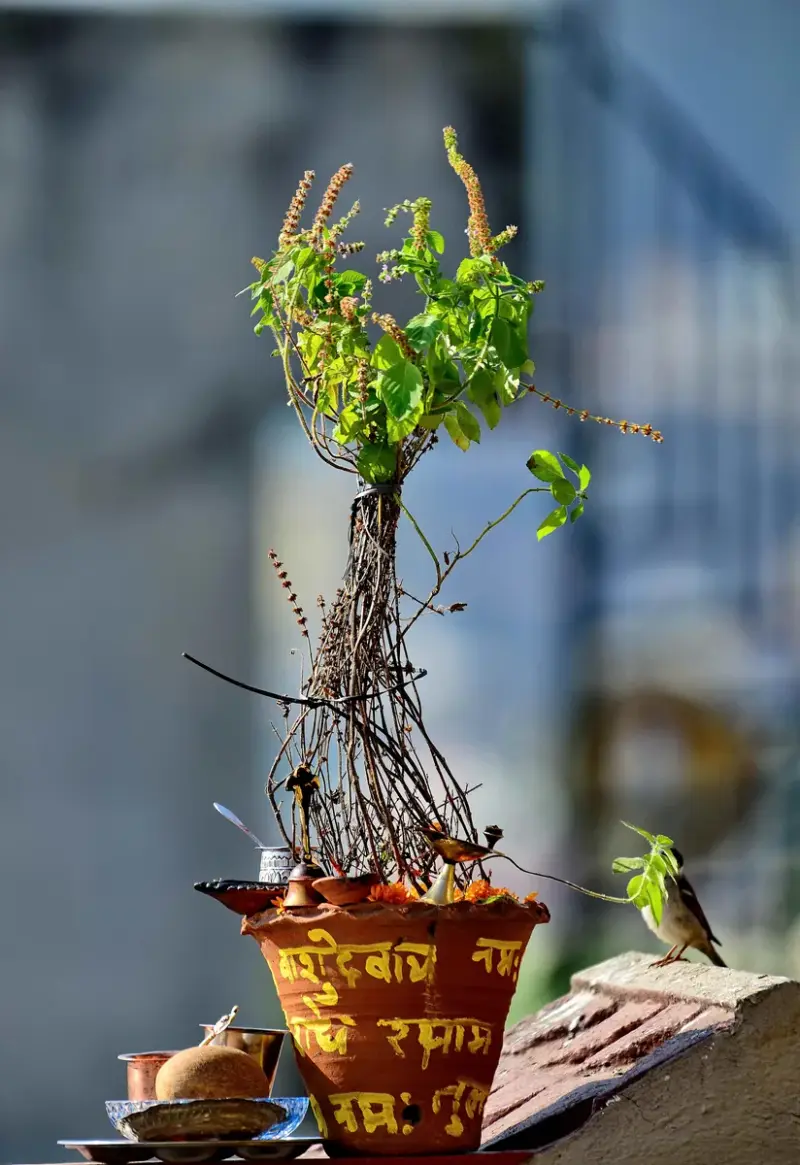
Winter is the comfortable season, and the busiest. A hat, a scarf, sandals that slip off, a refillable bottle and a small cushion for sitting on stone are the useful carries. Keep a few small notes for offerings.
Let Laladham run it from Delhi
Laladham can pick you up in Delhi, at the airport, station, home or hotel, and run the complete trip: the flight into Gaya or the rail booking, a driver for the temple and the caves, a stay near the shrine and a plan built around the chanting hours. No price is published for this route, so ask for a quote on the book page with your dates and group size.
Questions, answered
What are the temple hours?
Per the temple's site, it opens at 5 am and closes at 9 pm, with chanting at set times. Confirm on arrival.
Which airport is nearest?
Bodh Gaya Airport at Gaya, per Incredible India.
Is Mahabodhi a UNESCO site?
Yes, it is a World Heritage monument.
Can non-Hindus enter the Vishnupad Temple?
No, but the riverfront steps are open to all.
When are the Monlam prayers?
Over three weeks in winter, with tented camps around the temple. Check dates locally.