This guide is for the Buddhist and temple town on the river, not for the new capital project. It assumes you are coming from Delhi, which means a long journey south, so the plan below is built around one clear day on the ground.
What is actually left of the stupa
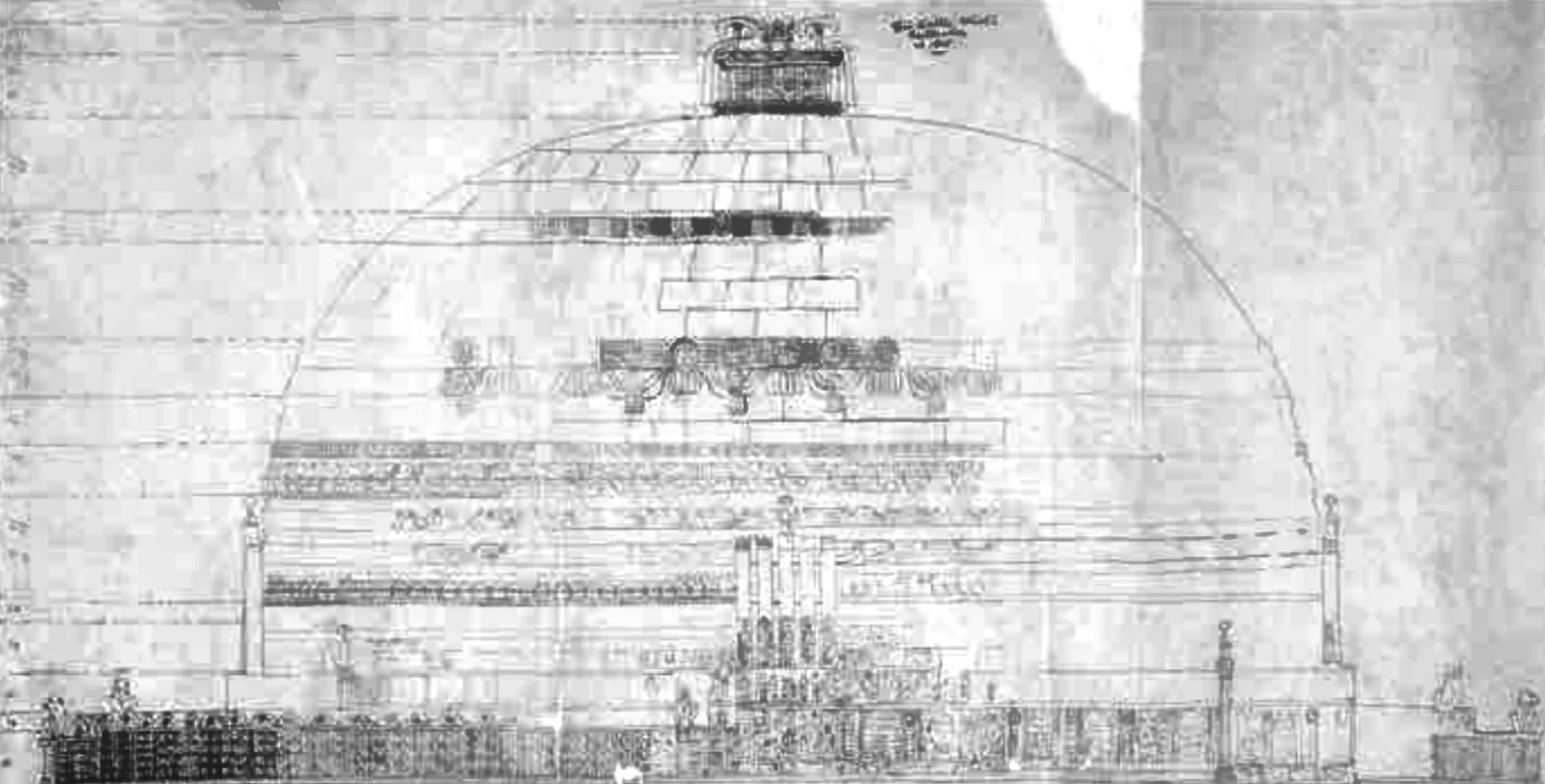
Incredible India describes the Mahachaitya as a stupa begun in the 2nd century BCE, once white and now showing its red brick, inside the grounds of a former monastery. Later rulers kept adding to it: the Satavahanas, Ikshvakus, Chalukyas and Pallavas all left railings, pillars and friezes. The Archaeological Survey of India looks after it.
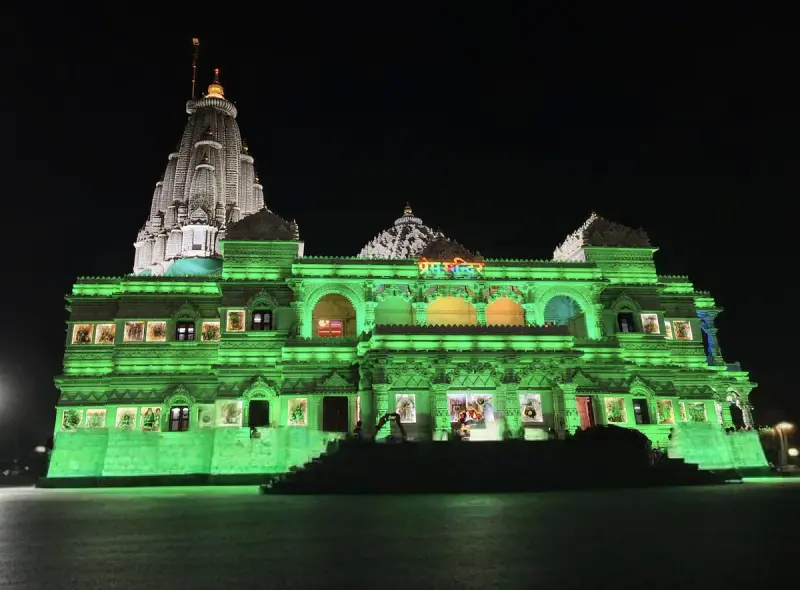
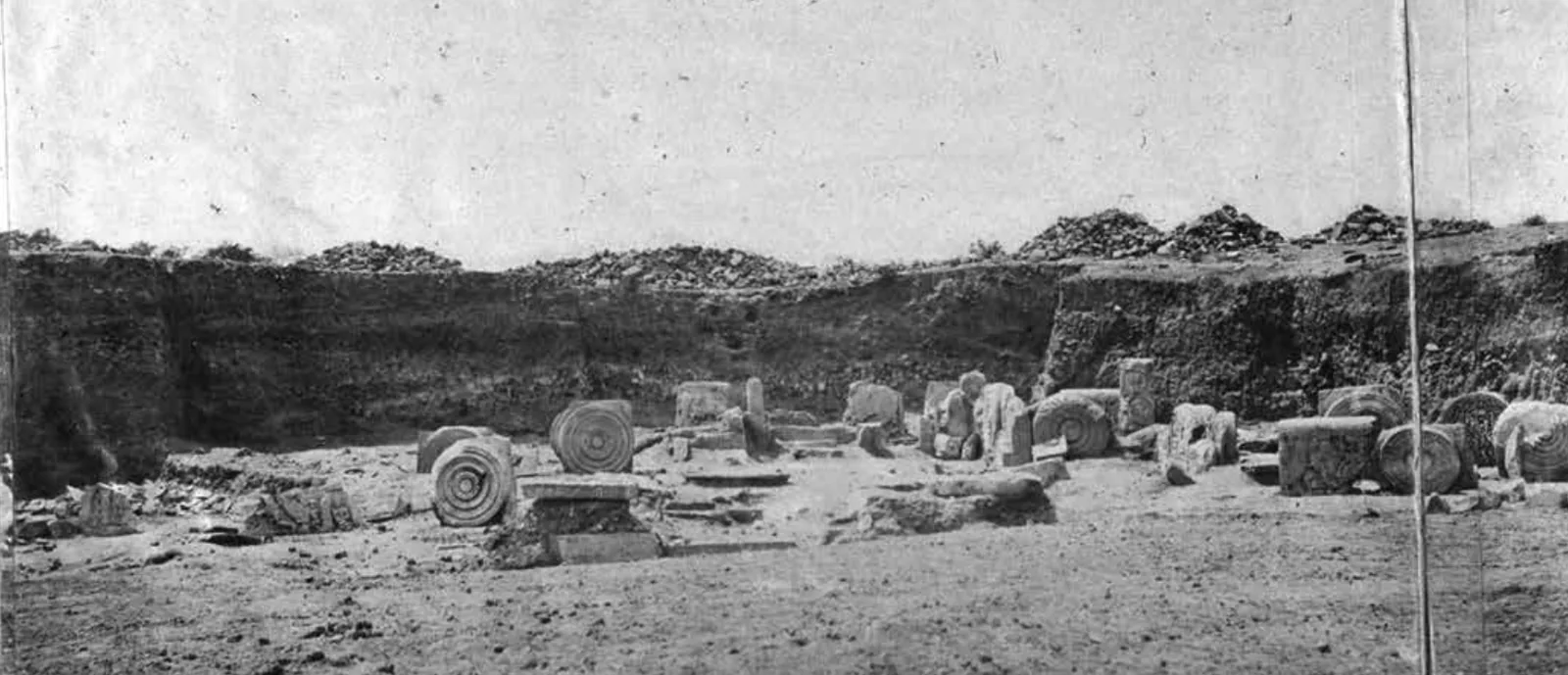
Do not expect a dome. Expect a circular base, a path around it and the shape of where gateways stood. The page lists the opening hours as 8 am to 6 pm and says it is shut on Fridays, so a Friday arrival is a wasted drive.
How the stupa was lost and found
Madras Musings tells the story in some detail. In 1797 Colin Mackenzie of the Survey of India found the remains of a mound the locals called Dipaldinne, the hillock of lamps. A local landholder had it dug up looking for treasure and found none, but the carved slabs were hauled away and reused. Mackenzie came back in 1816, and slabs ended up in Masulipatnam, Calcutta, Madras and England. In 1830 a collector used a few to decorate a market.
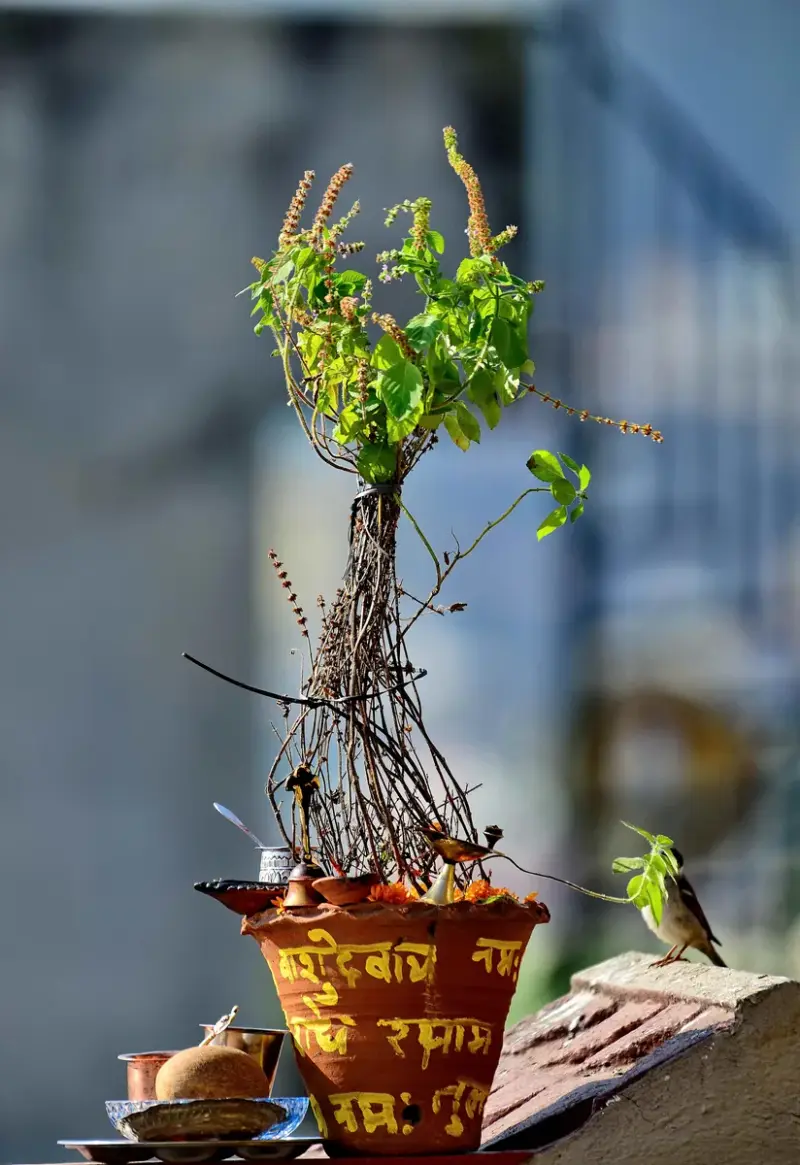
Walter Elliot dug here again in 1845, and his drawings of the reconstructed stupa are the best way to picture what you are not seeing. Read this before you go. It turns an empty field into a crime scene.
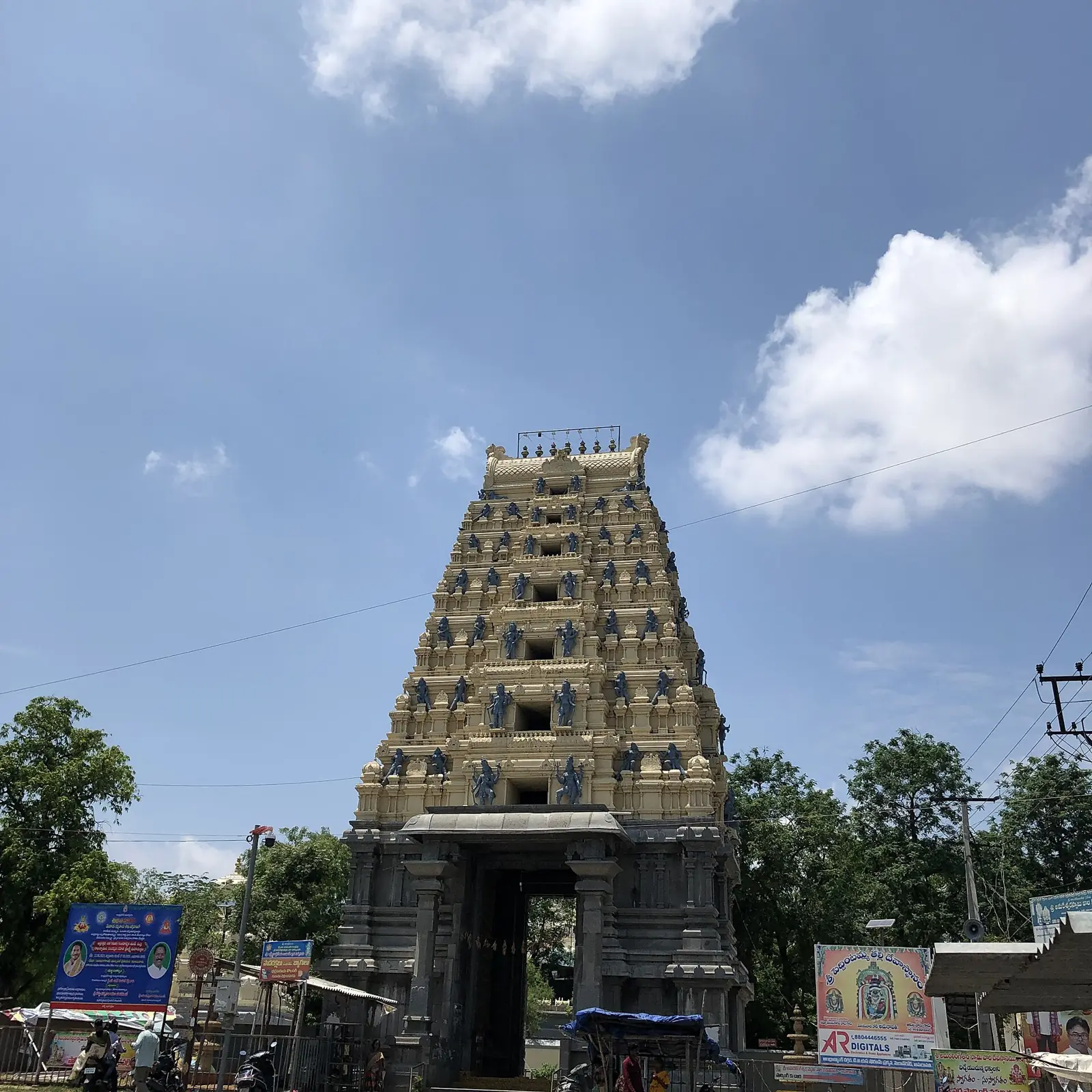
The museum next door
Right beside the stupa stands the archaeological museum. Incredible India lists it as open 9 am to 5 pm, closed Fridays, and says it holds sculptures, reliefs, inscriptions, pottery and coins from the site, centred on Buddhist art. Those panels show the Buddha through symbols and Jataka stories told in round medallions, and the survivors here are worth the entry ticket.
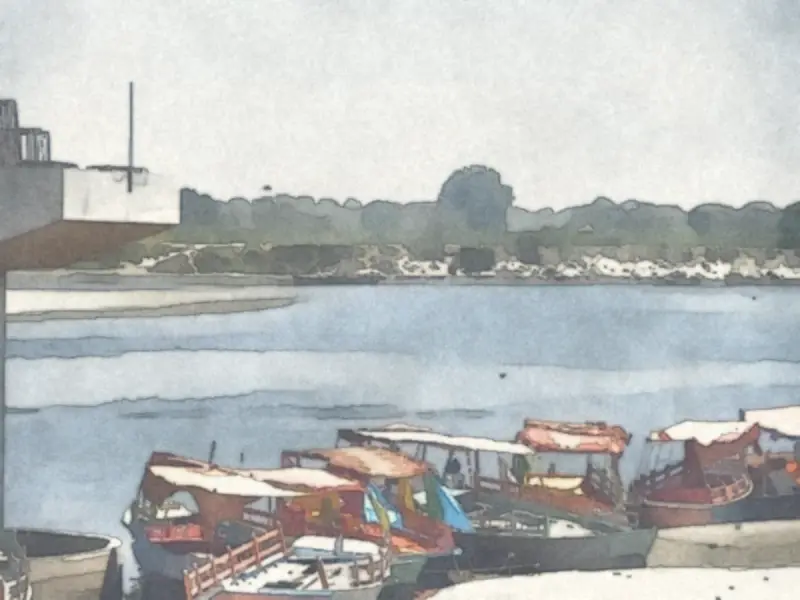
The bigger collection sits in the Government Museum in Chennai, in a gallery built for these sculptures. If you are already planning a southern trip, treat the two as halves of one visit. Fees are not printed on the official pages, so carry cash for the counter.
The giant Buddha and the Krishna
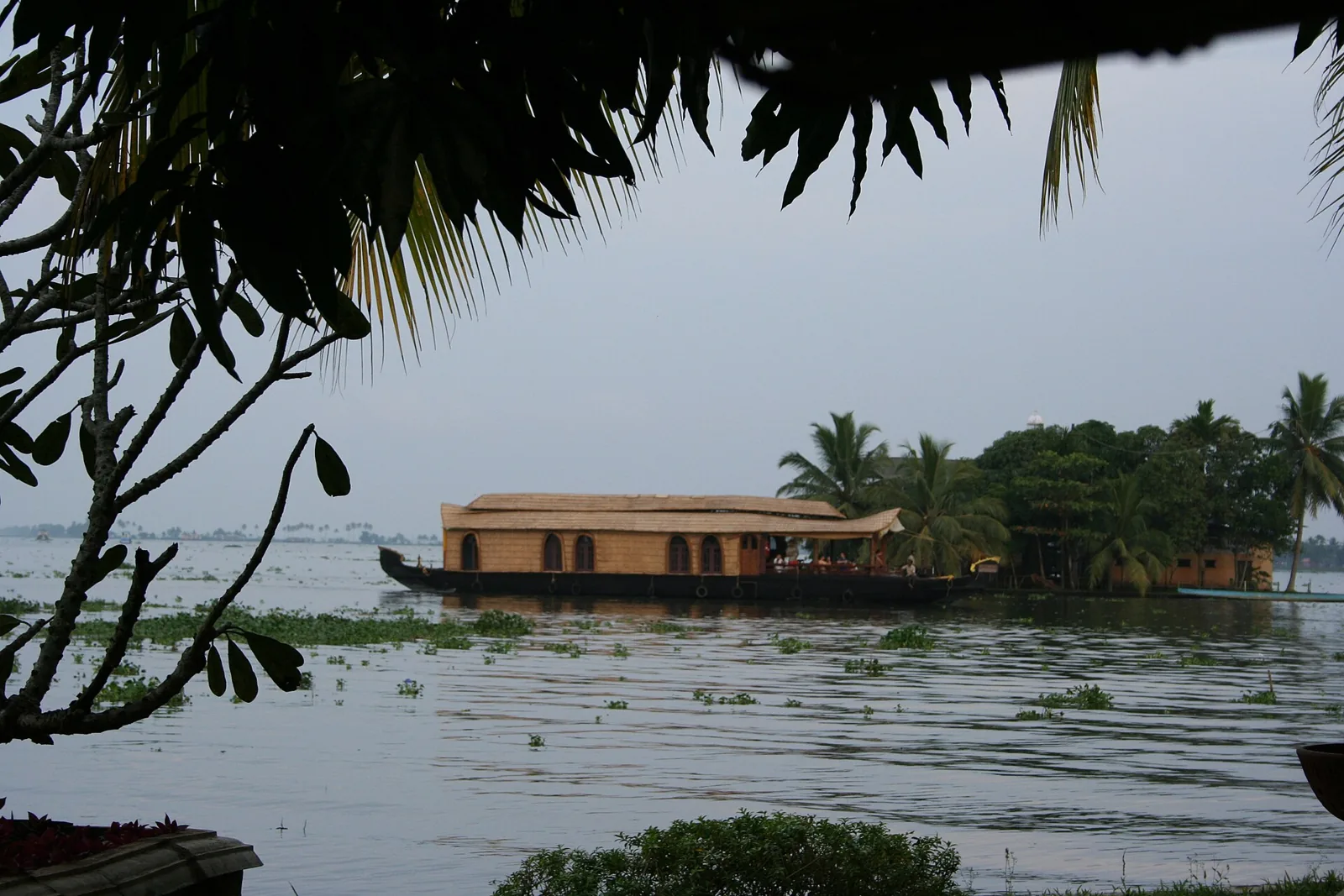
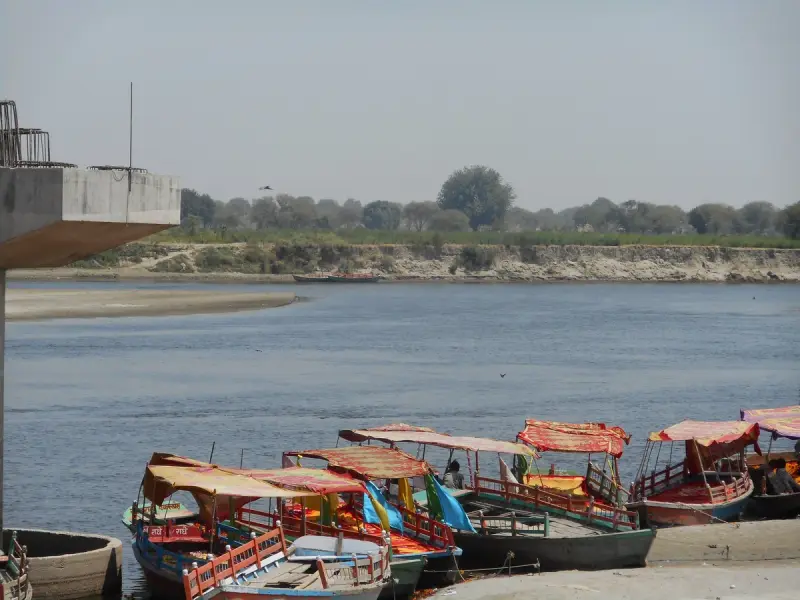
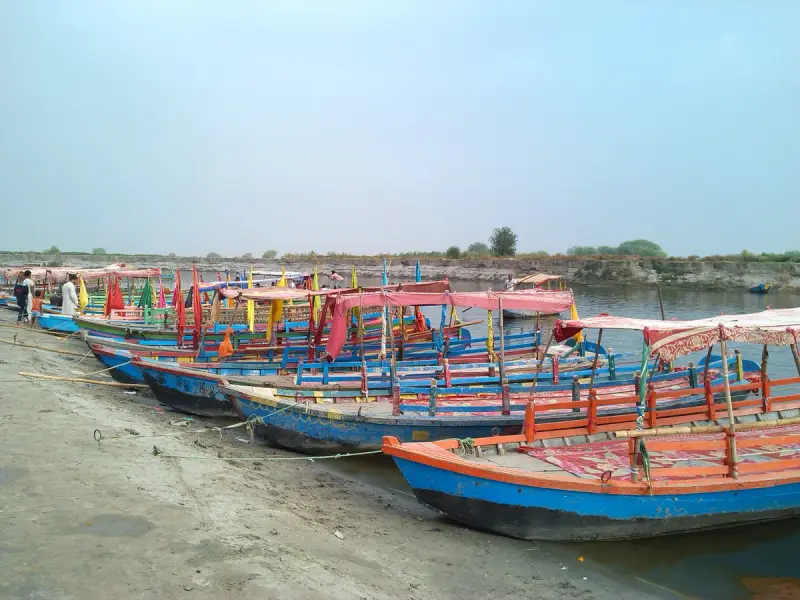
A 125 foot seated Buddha was raised at Amaravati to bring the town back onto the Buddhist circuit, and Incredible India also mentions a river boat ride on the Krishna. Late afternoon, when the heat drops and the river catches the light, is the hour for it.
Amareswara, the temple that is still alive
The Amaralingeswara or Amareswara temple is dedicated to Shiva, and the tourism page says it is believed to date from the 5th century. Unlike the stupa, it has crowds, bells, a tall gateway and daily worship. Timings differ across sources, with many listings giving roughly 6 am to 1 pm and 4 pm to 8 pm, so check at the gate before you plan lunch around it. Dress modestly and take your shoes off outside.
Eat the Andhra way
The tourism page names the dishes worth looking for: pesarattu, the green moong dosa, gongura pachadi made from sorrel leaves, pulihora tamarind rice, and sweets such as bobbatlu and the paper-thin pootharekulu. Guntur is the chilli country, so ask how hot a thing is before you order it. Buttermilk and filter coffee are the safe relief.
Getting here from Delhi
Delhi to Amaravati is a long way and there is no sensible single-day road trip. Fly to Vijayawada, the nearest airport according to Incredible India, or take a train to Vijayawada. One official page gives Vijayawada as the nearest station for the town and another gives Guntur Junction for the Buddhist site, so ask which end is closer for your day. The site is described as about 26 km from the city on the river bank.
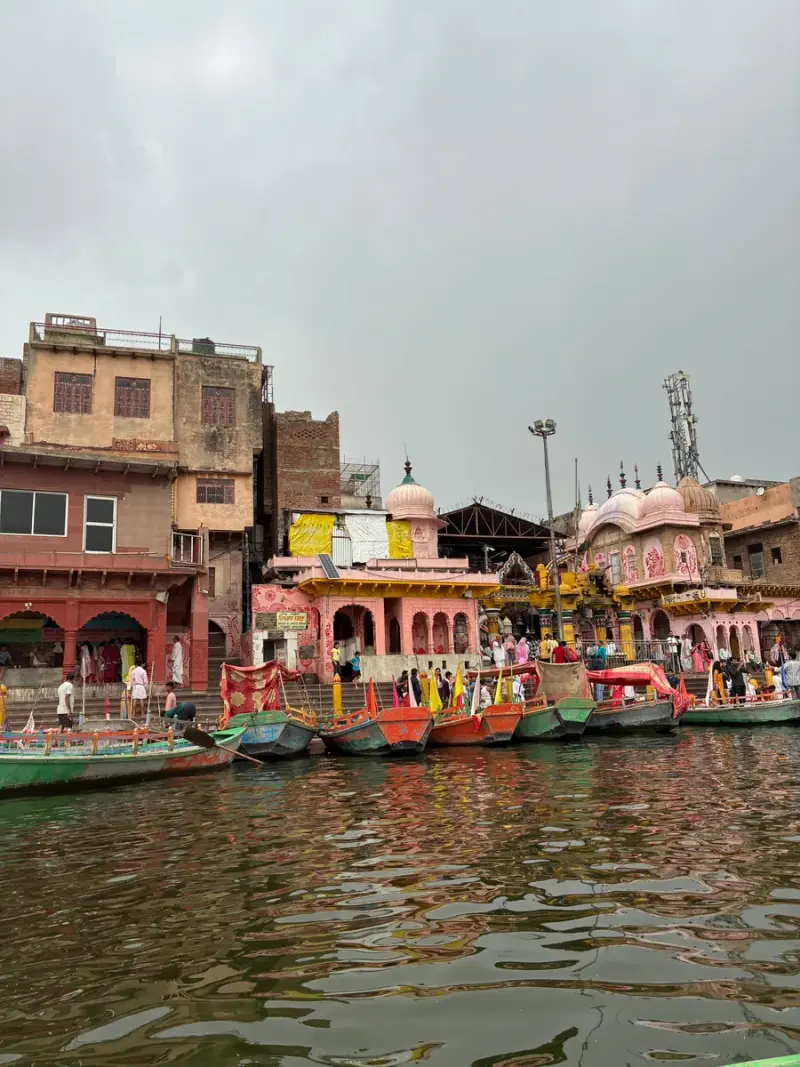
A workable plan: arrive in Vijayawada the evening before. Day one, drive out early, see the stupa, the museum before lunch, Amareswara in the afternoon, the river at dusk. Do it Saturday to Thursday, never on a Friday.
When to go
The tourism page shows December to February with lows around 10 to 12 degrees, and April to June climbing to the low forties and above. Winter mornings suit open-air ruins. In the hot months, start at opening time and be out of the sun by noon.
Planning it with Laladham
Laladham picks you up in Delhi, from the airport, a station, your home or your hotel, and builds the whole trip around the long leg south, with a driver on the ground at the other end. Share dates and the number of people on the [book page](/book) and ask for a quote.
Questions, answered
Is Amaravati stupa open on Fridays?
No. Incredible India lists both the Mahachaitya and the museum as closed on Fridays.
What are the stupa and museum timings?
The stupa page lists 8 am to 6 pm and the museum page 9 am to 5 pm. Some other listings say 10 am, so confirm at the gate.
Will I see the original carved panels?
Some are in the museum beside the stupa. The main collection went to Chennai and some pieces to England in the 1800s.
Which airport is nearest?
Vijayawada International Airport, per Incredible India.
How long should I spend?
About one full day for the stupa, museum, temple and river. Add a second for Undavalli caves and Vijayawada.