It suits travellers who like a city with two moods. In one day you can stand in lacquered royal halls, share a floor with thousands of sacred rats, and finish with a snack the whole country knows by this city's name.
Junagarh: a fort on flat ground
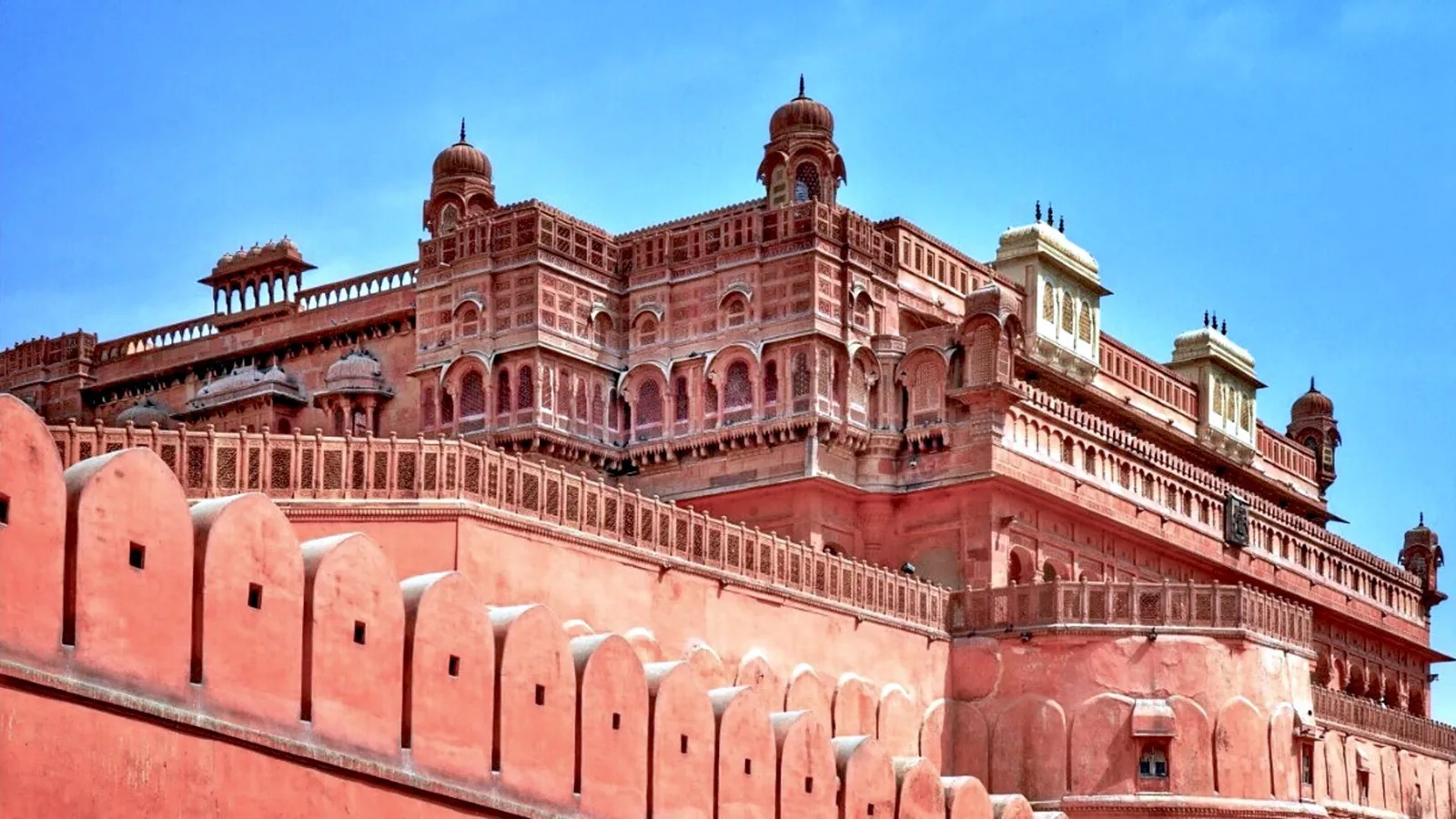
Most Rajasthan forts sit on a hill. Junagarh stands on the plain, a rose-red sandstone fort raised in the sixteenth century by Raja Rai Singh, a general of Akbar. Incredible India notes that it has never been conquered, and the outer face is plain enough to believe it. A moat and a pair of entrances tell you it was built to be defended.
Inside, the mood flips. The Anup Mahal, where the ruler held court, is covered in red and gold lacquer, glass inlay and pillars wrapped in gold leaf. The Phool Mahal glitters with mirrors, the Badal Mahal paints Krishna and Radha among rain clouds, and the zenana is known for its carved stone screens. Look at the screens up close; the fine work is easy to walk past.
The museum is unusually good for a fort. Palanquins, medieval weapons, paintings and a restored First World War aeroplane sit alongside textiles, manuscripts and royal costumes. Give the whole complex two to three hours, take an audio device or a licensed guide at the entrance, and carry a little cash for camera fees.
Lallgarh Palace and the Sadul museum
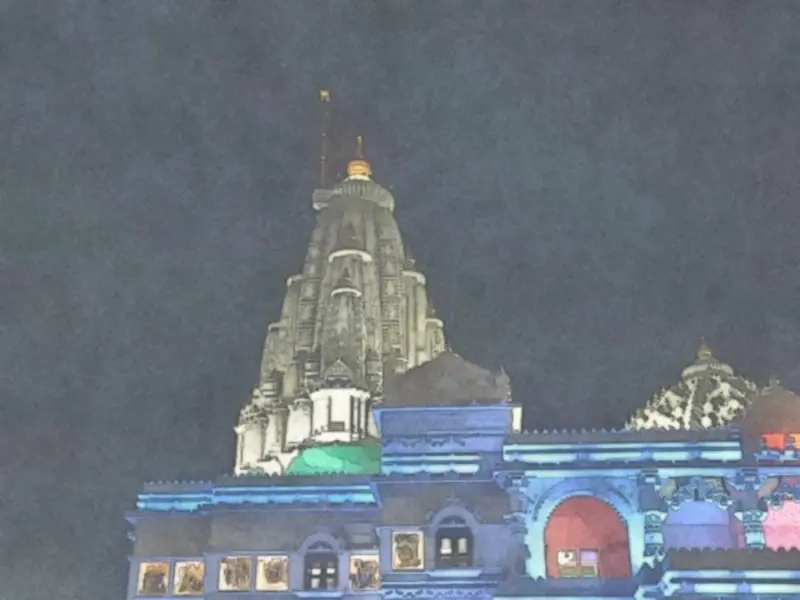
The royal family still lives at Lallgarh Palace, so only part of it is open. The museum section opens with a royal railway coach parked at the entrance, then moves through family portraits, paintings and personal objects. It is a gentler visit than Junagarh and works as an unhurried hour before lunch.
Rooms close for private use without notice, so ask at the gate which wing is open that day rather than arriving with a fixed idea.
Lanes of carved stone
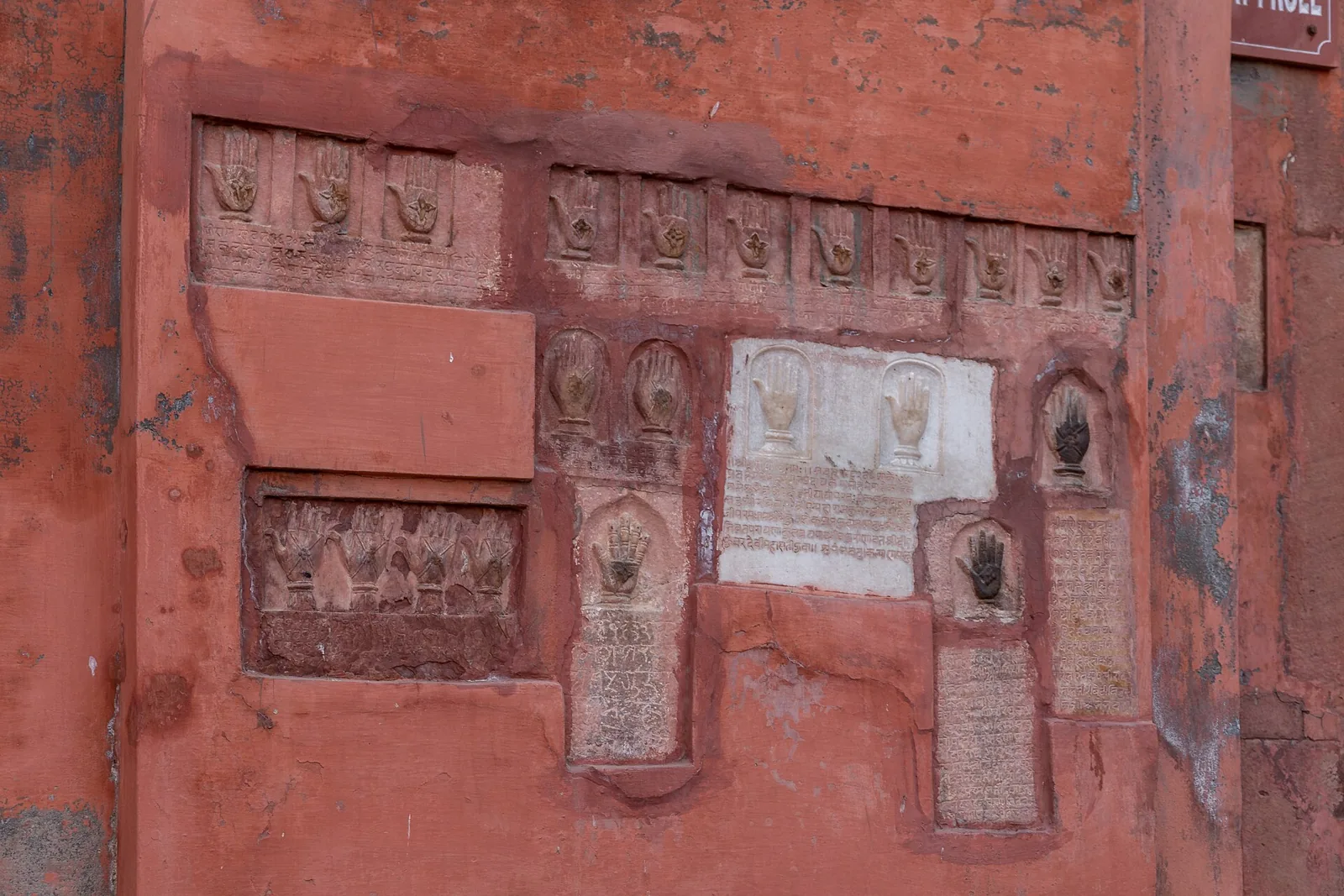
The old city is where Bikaner is most itself. The Rampuria havelis are known for their jharokhas, the overhanging enclosed balconies that masons carved in red sandstone like lace. Walk with your eyes above the shop signs; the best work sits at first-floor height.
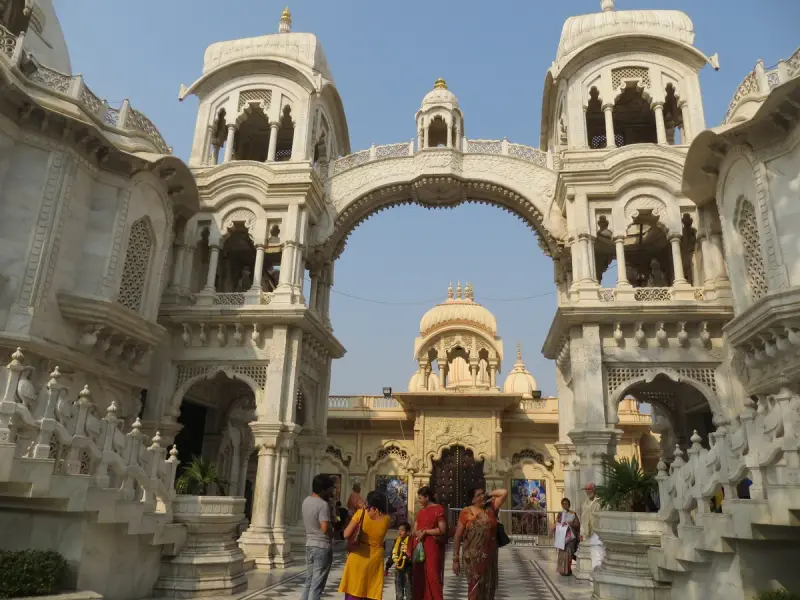
The Seth Bhandasar Jain temple dates to 1428, which is older than the city itself, since Rao Bika only founded Bikaner in 1488. The Archaeological Survey of India looks after it, and the paintings inside are the reason to climb the steps. Devikund Sagar, on the edge of town, holds royal cenotaphs with domed chhatris and carvings of Krishna in a blend of Rajput and Mughal styles; the low evening light is the time to go.
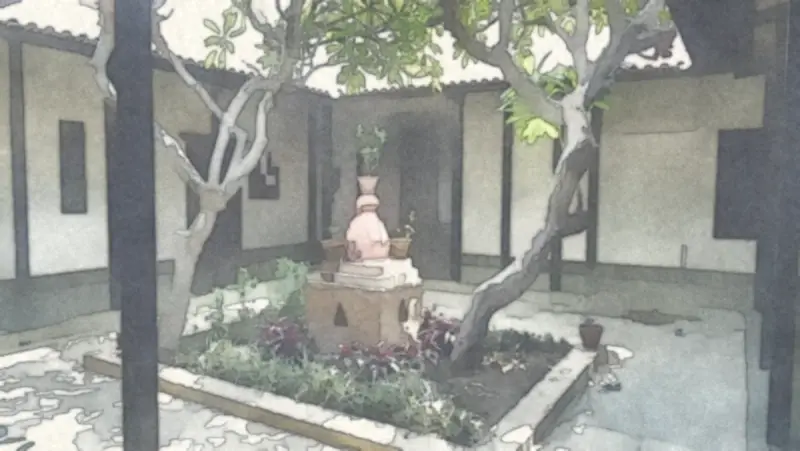
Deshnoke and the rat temple
The shrine at Deshnoke lies south of the city and is the stop most people remember longest. Over 25,000 rats, called kabbas, live inside it. Karni Mata, a fourteenth-century mystic worshipped as an incarnation of Durga, is said to have persuaded Yama to let her drowned stepson return, though as a rat. The rats are therefore treated as her family and followers.
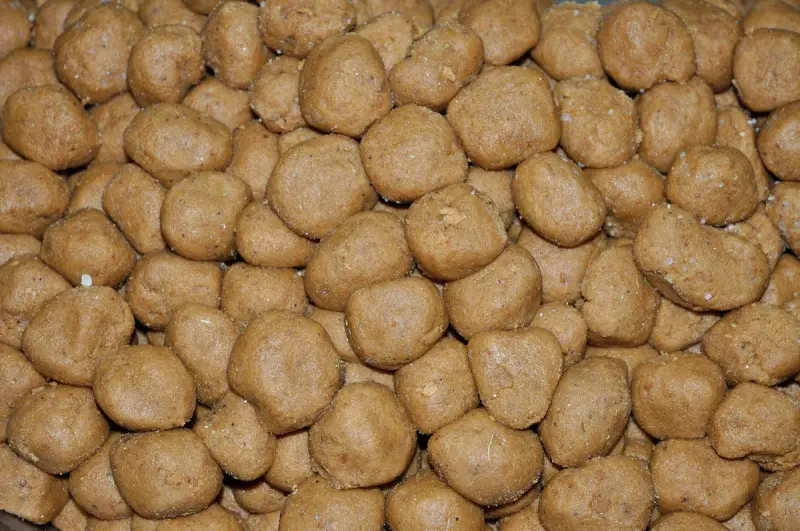
On the ground this means you shuffle rather than stride, because a careless step is the one real offence here. Visitors bring milk, grain and sweets, and the rats share the prasad. A few albino rats live among the dark ones, and spotting one is held to be lucky. Killing a rat is sacrilege, and tradition asks for a solid silver rat in atonement.
The temple has a white marble face and silver-plated doors, extended in the early twentieth century by Maharaja Ganga Singh. Expect to go shoeless, so wear socks you do not mind, and expect crowds at the fairs held during Navratri in March and October.
Camel country
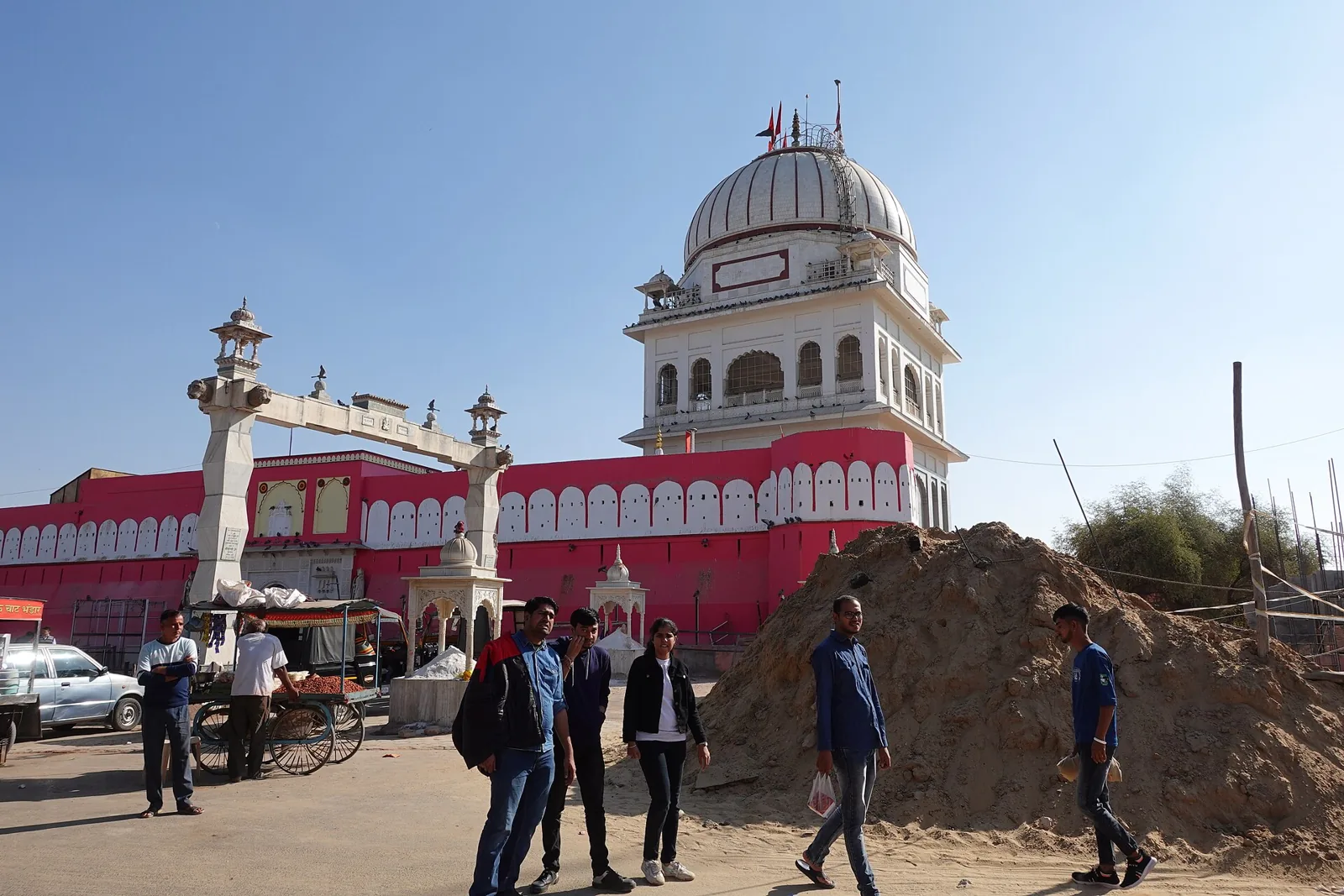
Bikaner grew rich as a camel trading post on the caravan roads to Central Asia. The National Research Centre on Camel works on conserving the breed, and Incredible India lists desert camel safaris between October and March. Outlook Traveller adds that the Ganga Risala camel regiment served in both world wars and that a Bikaner contingent still rides in the Republic Day parade.
The Camel Festival, run by Rajasthan Tourism in January, opens with decorated camels parading from Junagarh Fort through the city to the stadium. Day one has milking contests, fur-cutting designs and an evening camel dance; day two brings tug-of-war, a women's water-pot race and a turban-tying contest for visitors, ending with Kal Belia and Ghoomar dances. Book rooms early if your dates fall near it.
Eat the city
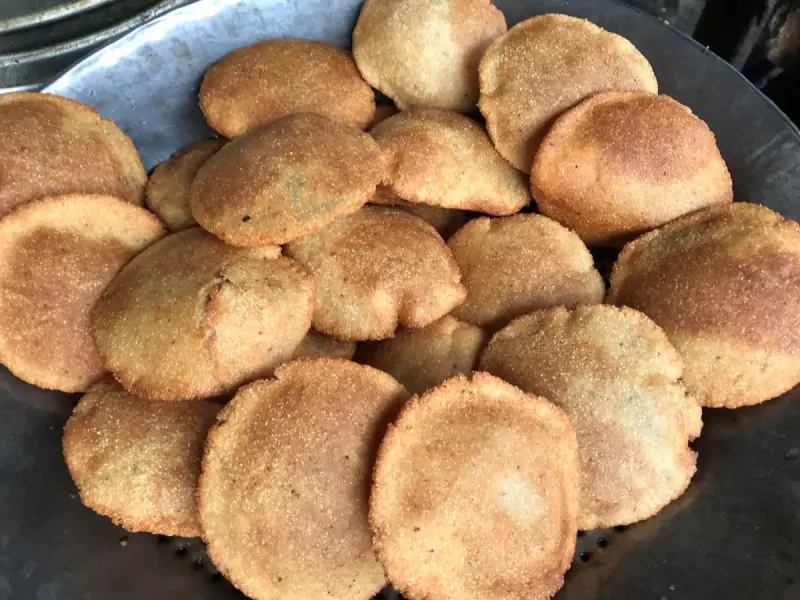
Bikaneri bhujia is the snack that made the name travel. Raj kachori, kachori and samosas follow, then ghewar, kesar kulfi and rasgulla for dessert. Local cooking uses little water, so lentils and vegetables such as sangri and ker are cooked in milk or buttermilk, and camel-milk tea turns up on more menus than you would expect.
Kote Gate is the place for leather and handicrafts, Bada Bazaar for textiles and jewellery, and Khari Bazaar for spices, where you smell the shops before you see them.
A two day plan
Arrive by lunch and spend the afternoon in the old city, ending at Junagarh when the stone turns a deeper red. Next morning head out to Deshnoke before the tour buses, come back for Lallgarh and bhujia, and leave in the afternoon.
With a third day, Gajner and Tal Chhapar sanctuaries, both named by Incredible India, give you wildlife between the palaces, or you can push on west to Jaisalmer.
From Delhi and when to go
Bikaner is roughly 450 km from Delhi, a full day across flat, dry country, so leave early and plan two breaks. Overnight trains also run, and the Bikaner Junction and Lalgarh stations are about 6 km from the city centre.
October to March is the season. Winter nights are cold in the desert, summer afternoons are punishing, and January is the busiest month because of the Camel Festival.
Let Laladham run it
Laladham picks you up in Delhi, at the airport, a station, your home or a hotel, and runs the complete trip: the drive to Bikaner with the stops you want, a stay in or near the old city, and the same driver for Deshnoke and onward legs. Send dates and group size on the [booking page](/book) and ask for a quote.
Questions, answered
How many days do I need in Bikaner?
Two days with one night at least. That covers Junagarh, the old city lanes, Lallgarh and Deshnoke without rushing.
What is special about the Karni Mata temple?
More than 25,000 rats live there and are treated as the family of the goddess. Spotting a white one is considered lucky, and you walk among them without shoes.
How far is Bikaner from Delhi?
About 450 km, a full day with breaks, or an overnight train. Ask Laladham to plan the pickup from your door.
When is the Camel Festival?
It is held in January and opens with a parade from Junagarh Fort. Confirm the exact dates before booking.
What should I buy in Bikaner?
Bikaneri bhujia, papad and sweets from the old city shops, plus leather and handicrafts around Kote Gate.