Five days is tight but honest. It works because the three cities sit close together and you do the long drive on the first day and not the last. Below is the plan day by day, with the reasoning behind each choice.
Day 1: Delhi pickup, and the long road east
We collect you in Delhi at about five in the morning, from your hotel, home or the airport. The Ram Janmabhoomi Trust and the Ayodhya district site both put the city about 636 km from Delhi by road, so this is a full day behind the wheel, with an evening arrival at best. Lucknow lies 130 to 135 km short of Ayodhya, which makes it the natural lunch stop for kebabs or a vegetarian thali. Keep your first night simple.
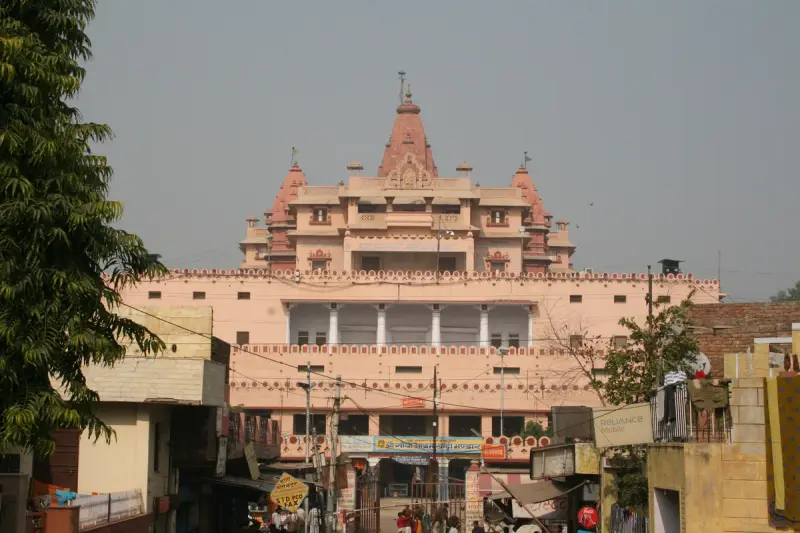
If a full day in a car is too much, Ayodhya now has its own airport about 10 km from the city, with flights from major cities, and Lucknow is another option for the train or flight leg. The driver meets you on the ground. Tell us at planning stage, since it changes the days that follow.
Day 2: Ayodhya at your own speed
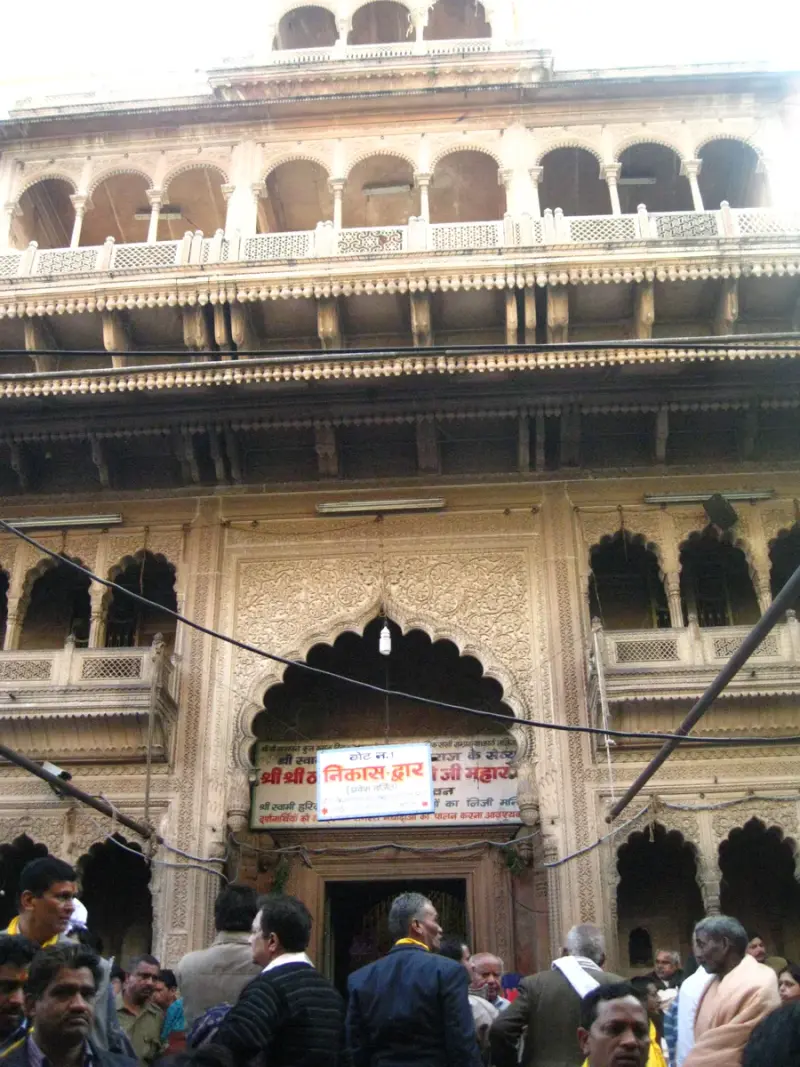
Rise early for the Saryu. A walk along the ghats before the sun is high is worth the effort, and Ram ki Paidi is the riverfront that most visitors head to. Visit Hanuman Garhi first, the hilltop temple built like a four-sided fort and reached by a long, steep flight of steps. The listing runs from 4 am to 10 pm, so you can go at the quiet end of the day. Next comes Kanak Bhawan, the ornate temple of Ram and Sita.
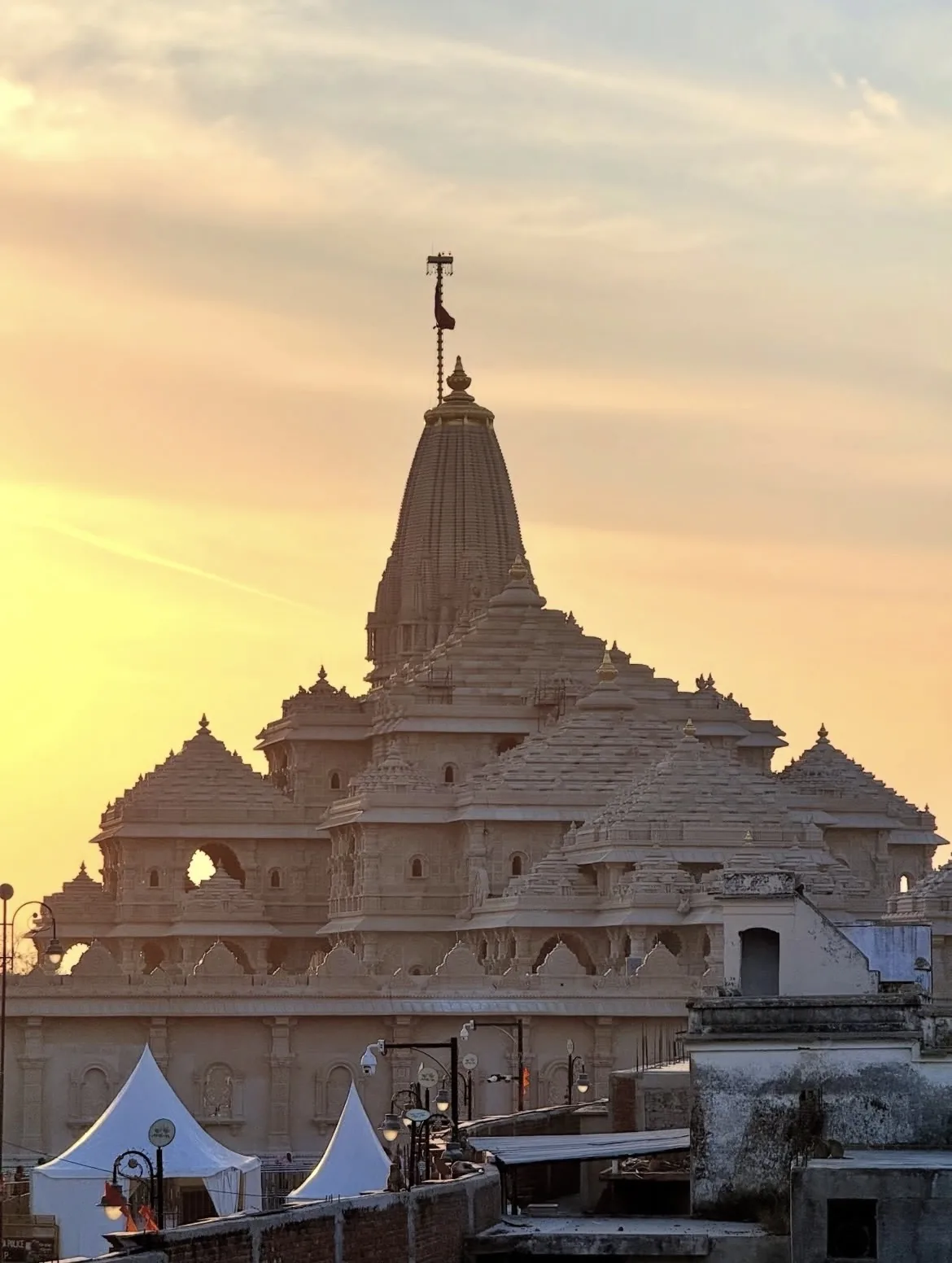
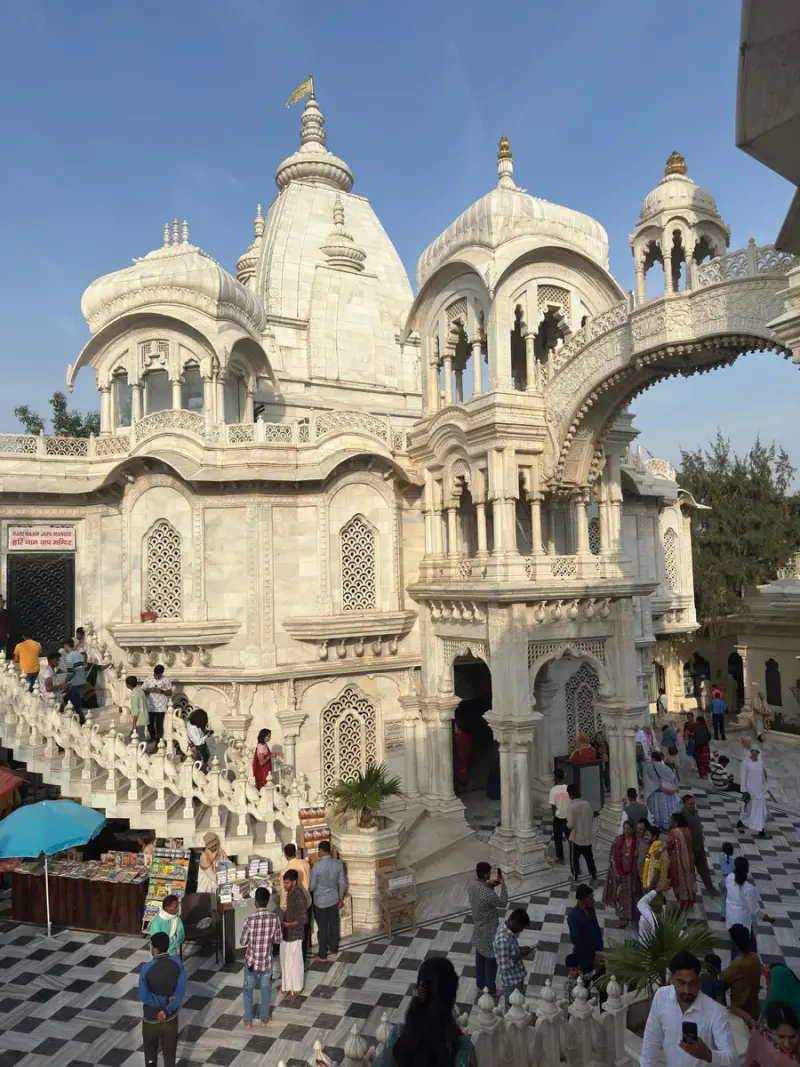
The Ram temple needs its own morning or afternoon and its own patience. The trust issues free passes for aarti and darshan, booked online with no fee, and lists darshan slots through the day starting at 7 am and ending at 8:30 pm, with Mangal aarti at 4:30, Shringar at 6:30 and Shayan at 9:30 in the evening. Follow the instructions printed on your pass on what you may carry in, because the rules are strict and the trust changes timings by season. Dusk at the ghat is the best hour for the river.
Day 3: Ayodhya to Prayagraj, the meeting of rivers
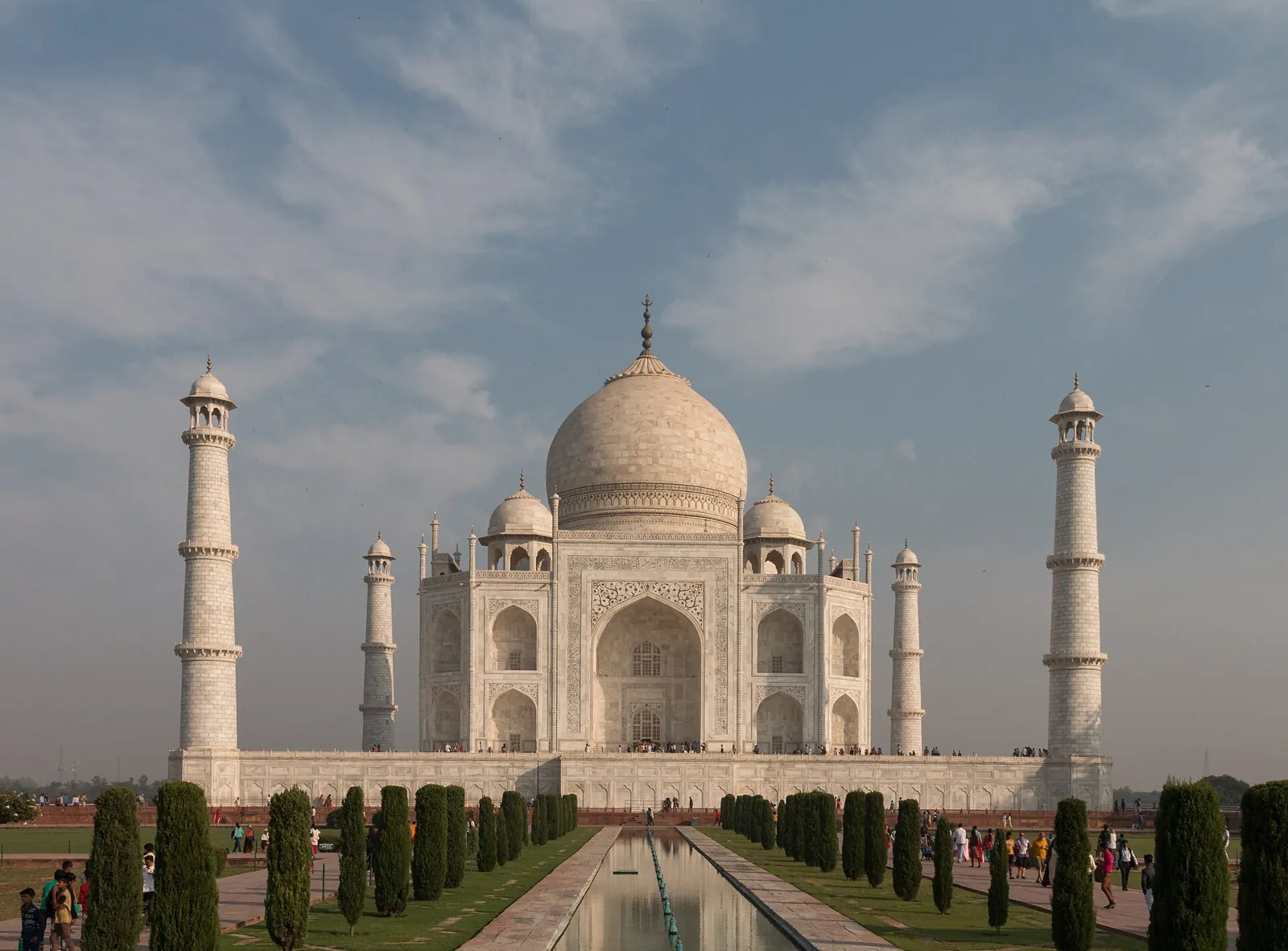
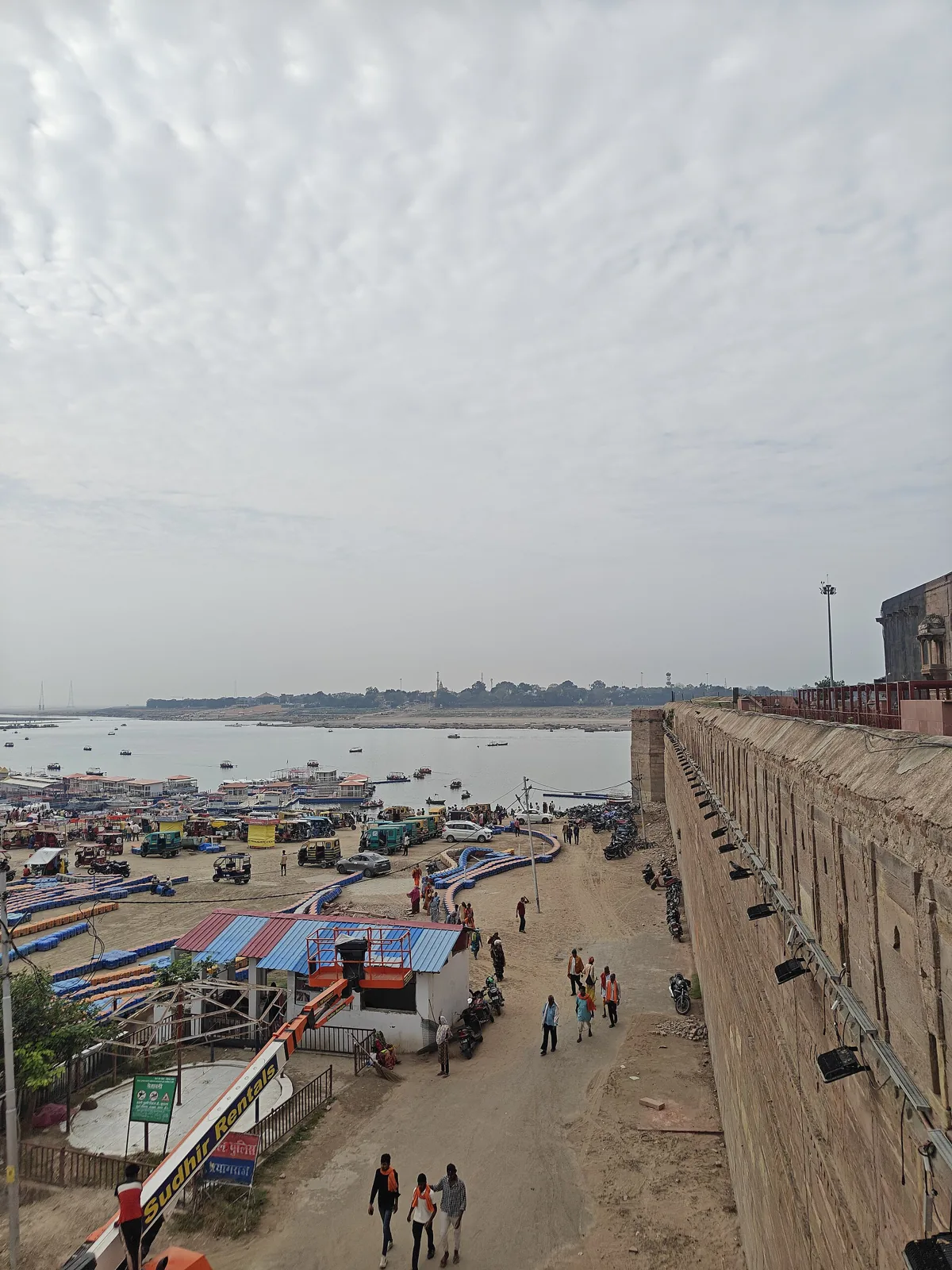
Leave after breakfast. Official pages put Prayagraj 157 to 160 km from Ayodhya, so the drive takes most of the morning, depending on the traffic at the river crossings. Check in, rest and walk to the fort wall above the Sangam in the afternoon, when the light on the water is kind. The fort was built by Akbar in the sixteenth century and holds an Ashoka Pillar and the Patalpuri temple.
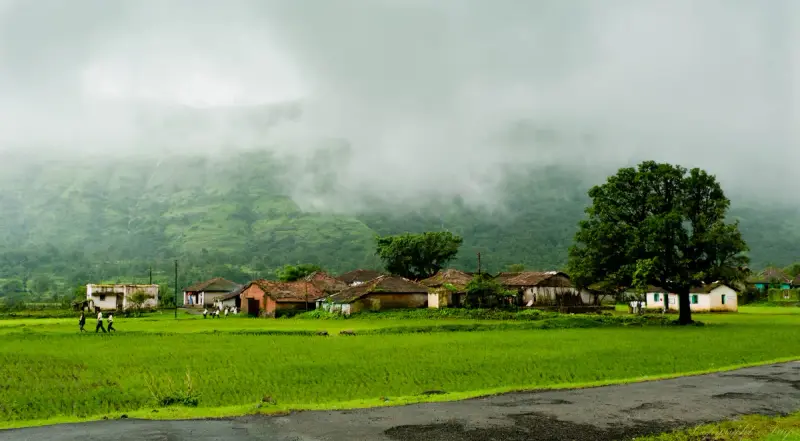
Take a boat to the point where the Ganga and Yamuna meet; the Saraswati is the third, unseen river of the Triveni Sangam. The ritual dip is traditional, but water levels and safety rules change, so go by what the boatman and local police advise. Before dinner visit the Lete Hue Hanuman Ji temple in Daraganj on the Ganga bank, where the deity is shown reclining.
Day 4: Prayagraj to Varanasi, arriving for the evening lamps
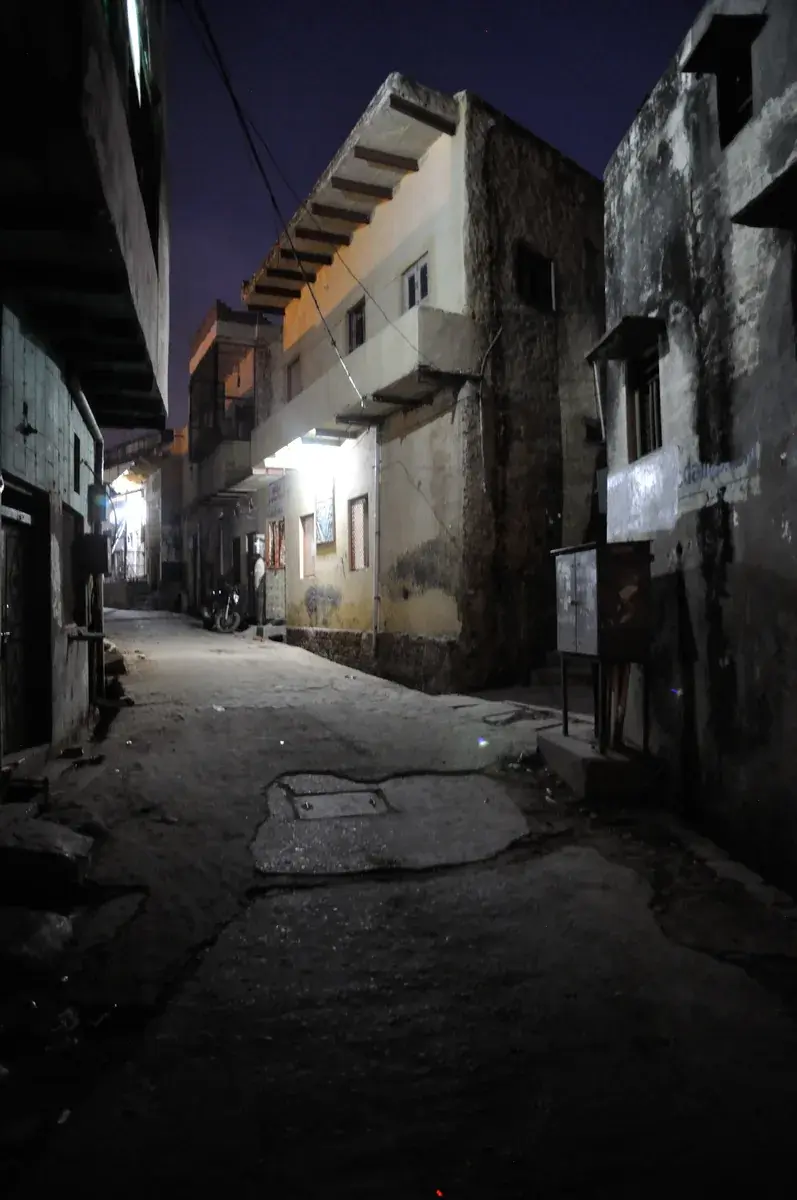
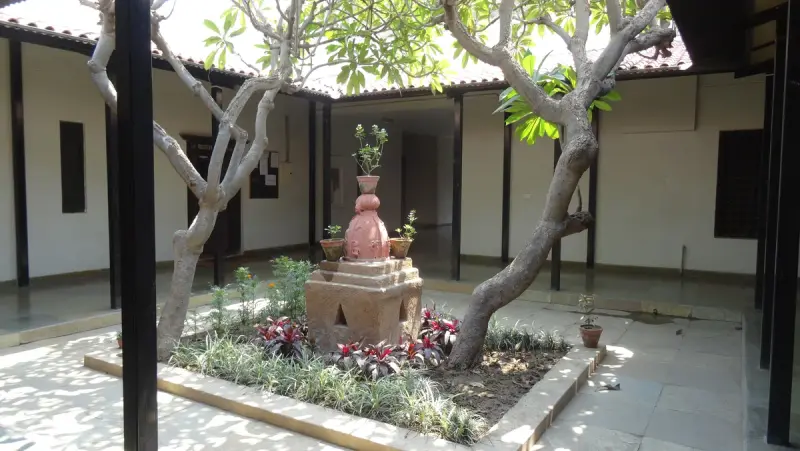
Spend a quiet morning at Anand Bhawan, the Nehru family house now a museum of the freedom story, and at Swaraj Bhawan beside it, or simply have a long breakfast. Drive to Varanasi after lunch, a hop of about 128 km by the Varanasi district's own list of road distances. Reach the old city and leave the car at the edge, since the lanes near the ghats wind and narrow.
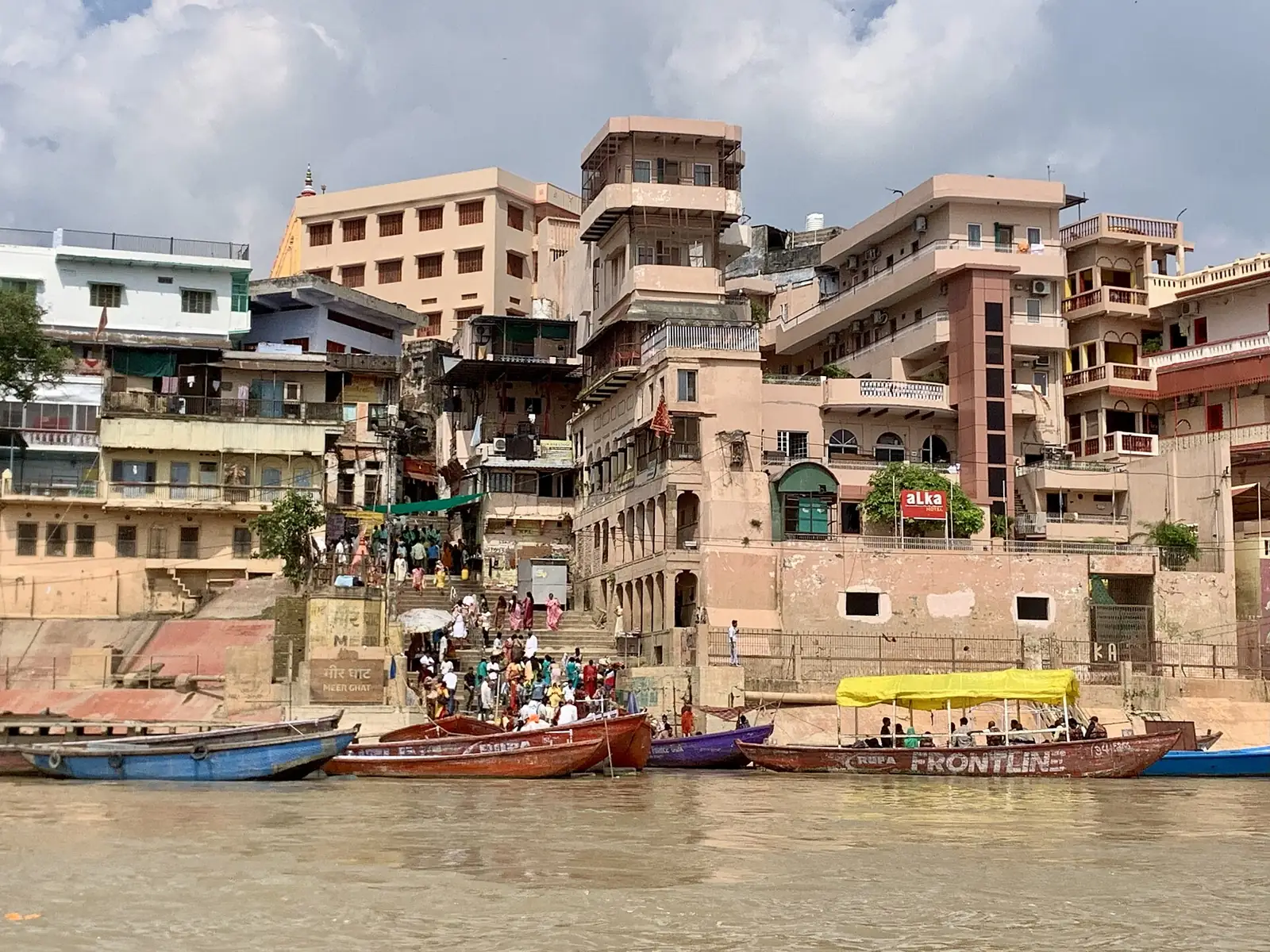
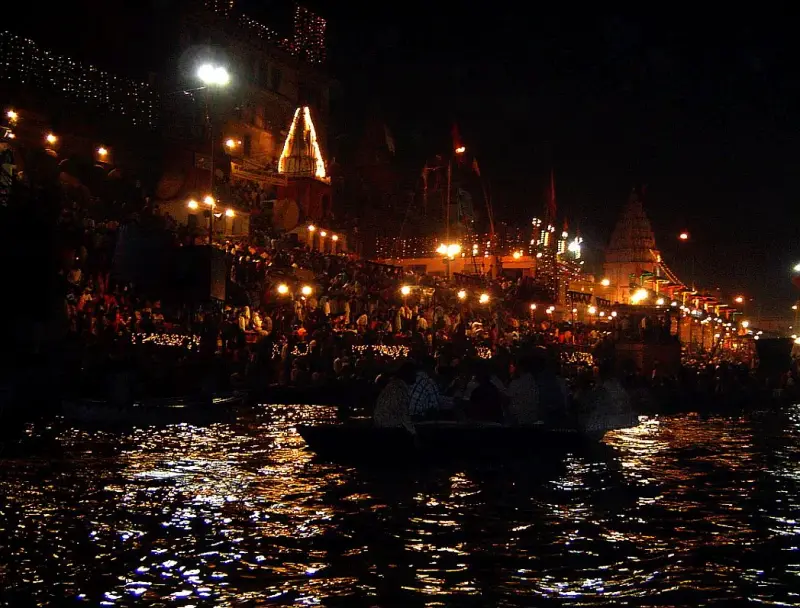
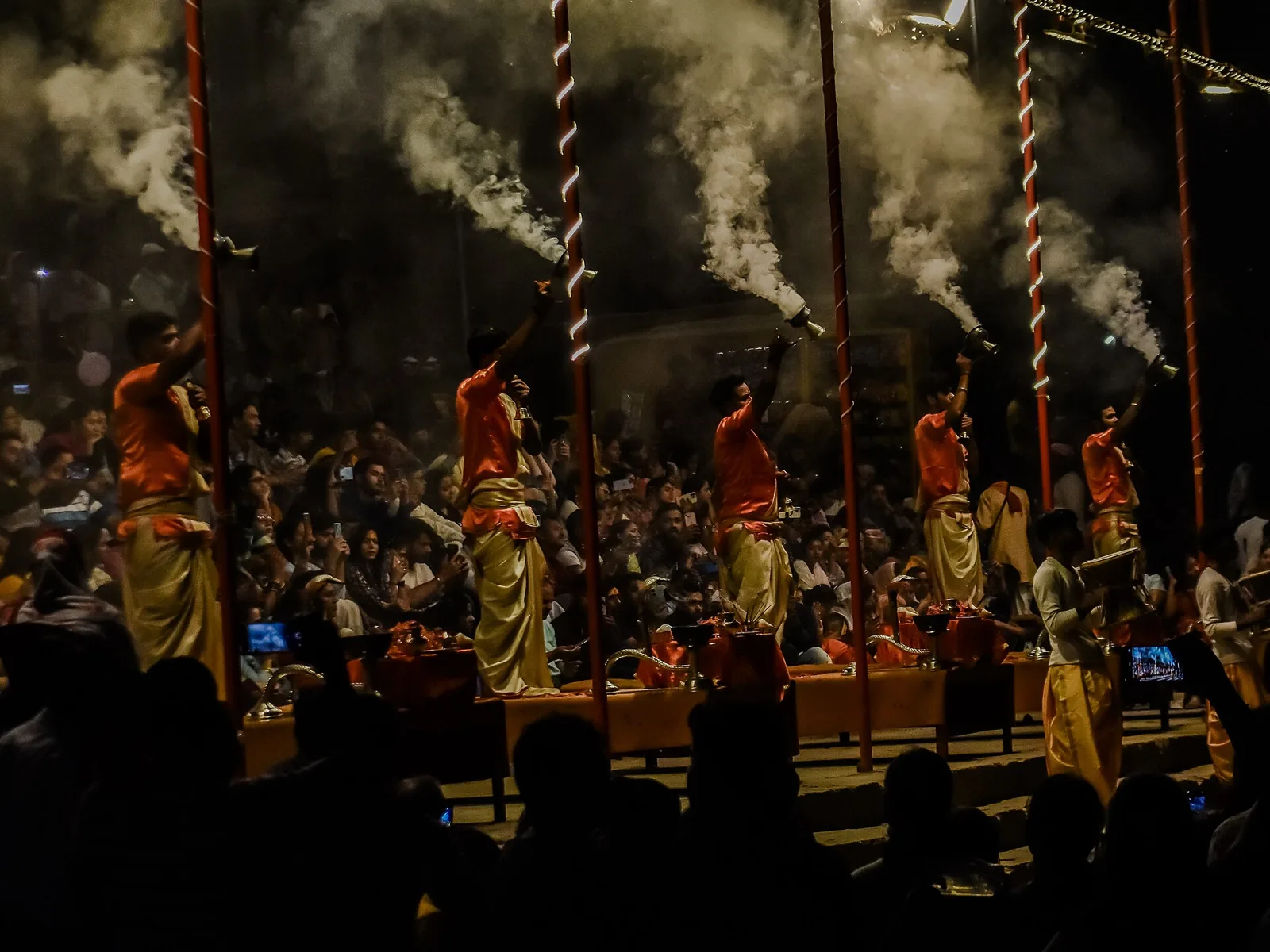
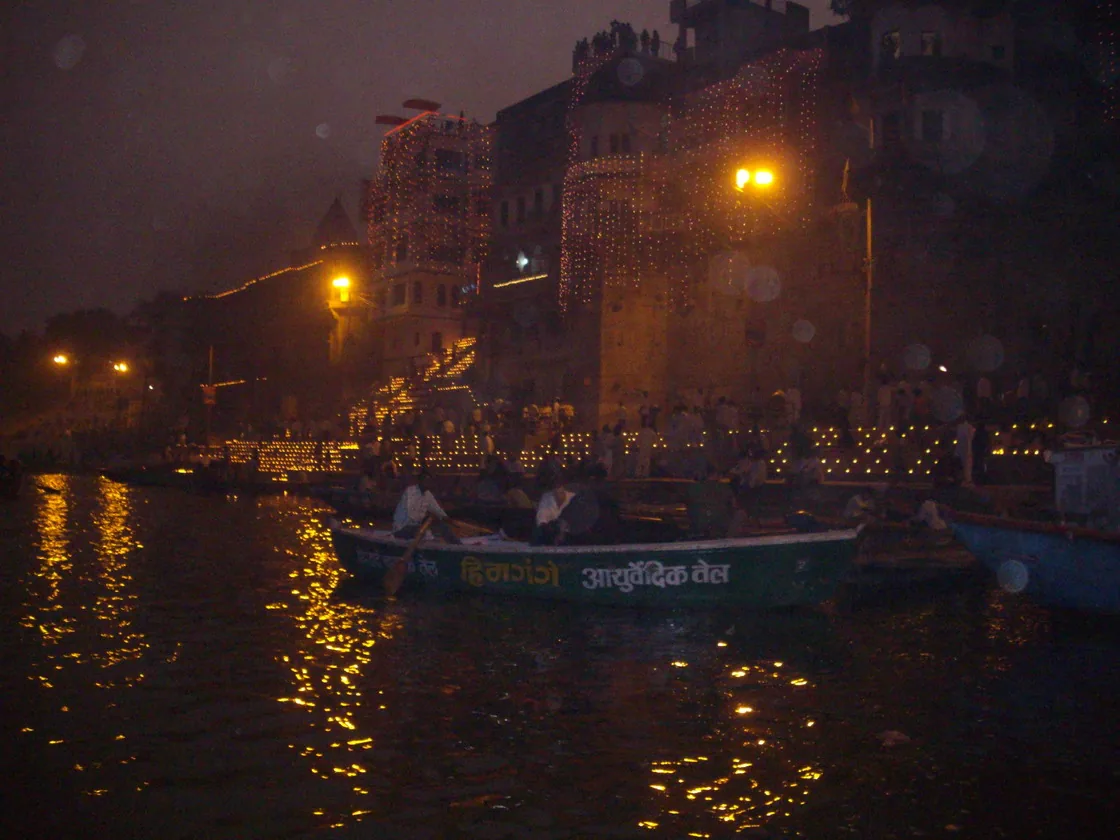
Walk to Dashashwamedh Ghat for the Ganga aarti, held every evening. The ghat gets very busy, so go early to find a step, or watch from a boat. Dinner afterward is kachori in Kachauri Gali, one of the lanes the tourism board names along with Vishwanath Gali.
Day 5: Kashi at sunrise, then home
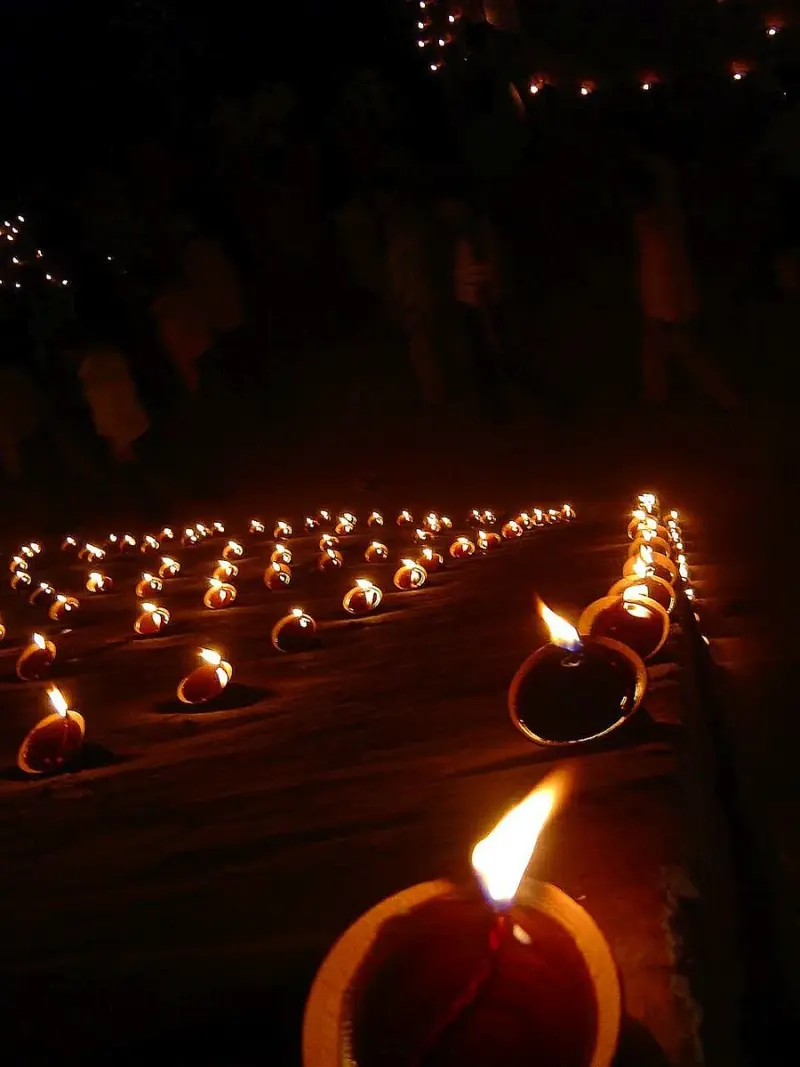
Ask for a boat before dawn. The river at this hour is a gentler Varanasi, with bathers, priests and the lamps of the ghats glowing in the first light. Assi Ghat has its own sunrise gathering of yoga and music, Subah-e-Banaras, if you want to start there. Visit Kashi Vishwanath with the earliest slots, then walk back through the lanes for breakfast. The temple trust runs a Sugam Darshan service with a guide, a free locker and prasad, which suits anyone short on time or knees.
If your flight is in the evening, you have time for Sarnath, where the Buddha gave his first teaching, a short hop of 10 km. The Dhamekh Stupa there stands 42 metres tall, and the site keeps hours of 8 am to 6 pm. Otherwise take the flight from the airport at Babatpur, 22 km away, or one of the trains to Delhi such as the Kashi Vishwanath Express.
Why this order, and not another
The usual instinct is to start at Varanasi because it is the most famous. Starting at Ayodhya instead means you do the longest haul first and end at the city that most deserves a slow morning. It also puts the two temple cities with timed entry, Ayodhya and Varanasi, at either end with room to move if a queue is long.
What to pack and when to go
October to March is comfortable, with cold early mornings by the rivers. Pack a shawl, shoes that slip off, a small waterproof pouch for your phone near the water and cash for boatmen and temple offerings. Festival weeks such as Ram Navami in Ayodhya, Chhath in Varanasi and the Magh Mela at Prayagraj raise crowds sharply, so book stays well ahead.
Beyond the five days
If you have two more days, add Lucknow on the way out, with its imambaras and the kebabs of Chowk, or give Sarnath a full morning. The same route can turn into a Buddhist loop if you add Kushinagar, which the state tourism pages list among the Buddhist sites.
Let Laladham run it
We pick you up in Delhi, plan the stays and darshan slots, keep one driver for the whole route and sort out the return by train or air. Ask for a quote on the book page with your dates and group size.
Questions, answered
Is five days enough for Ayodhya, Prayagraj and Varanasi?
Yes, if you travel on day one and keep a day each for Ayodhya and Varanasi. Six days is more relaxed.
How far are the cities from each other?
By the official figures, Ayodhya is about 157 to 160 km from Prayagraj, and Varanasi is about 128 km from Prayagraj. Ayodhya to Varanasi is around 191 to 200 km. We confirm the drive times for your date.
Do I need a pass for the Ayodhya Ram temple?
Yes, free passes for darshan and aarti are booked online through the trust, which charges no fee. Confirm the slots and the rules close to your date.
Can I do this by train?
Yes. All three cities are on the main rail network and a driver can meet you at each station.