It is a free show, but it is a show with logistics: a long road, a security line and a seat you have to win. This is how to get all three right, and what to put around it in the same day.
What it looks like now
The Border Security Force halted public entry on 8 May 2025 and brought the ceremony back, for the public, from 21 May. The two changes that stuck in reports were simple: no handshake across the line, and the gates between the two sides stay closed through the flag-lowering. The BSF had first scaled the ceremony down in April 2025, a day after the border-closure recommendation, keeping the roughly 30-minute display and the simultaneous flag lowering but suspending the guard commanders' handshake. Reports from the August crowd still described the same format.
I could not find a later notice reversing either point, so treat both as the working rule and ask your hotel the same morning. The marching, the high kicks, the shouting and the synchronized lowering of the flags are all still there.
The clock and the road
The retreat is set by sunset. Guides put the summer start between about 5:15 and 6:30 in the evening, and the winter start near 4:00 to 4:30, with the whole thing lasting 45 minutes or so. Because the figures differ by source, ask for the current time rather than trusting a printed one.
The border is about 28 to 32 km from Amritsar, one hour or a little more by road. A tourist double-decker leaves from near the Maharaja Ranjit Singh statue roundabout for about Rs 350 return, shared autos cost Rs 100 to 150, and a taxi that waits for you runs roughly Rs 800 to 1,800 round trip. Hotels advise leaving by 2 or 2:30 for a winter show.
Carry cash only. Vendors do not take cards, and you will want water.
Security and what it takes away
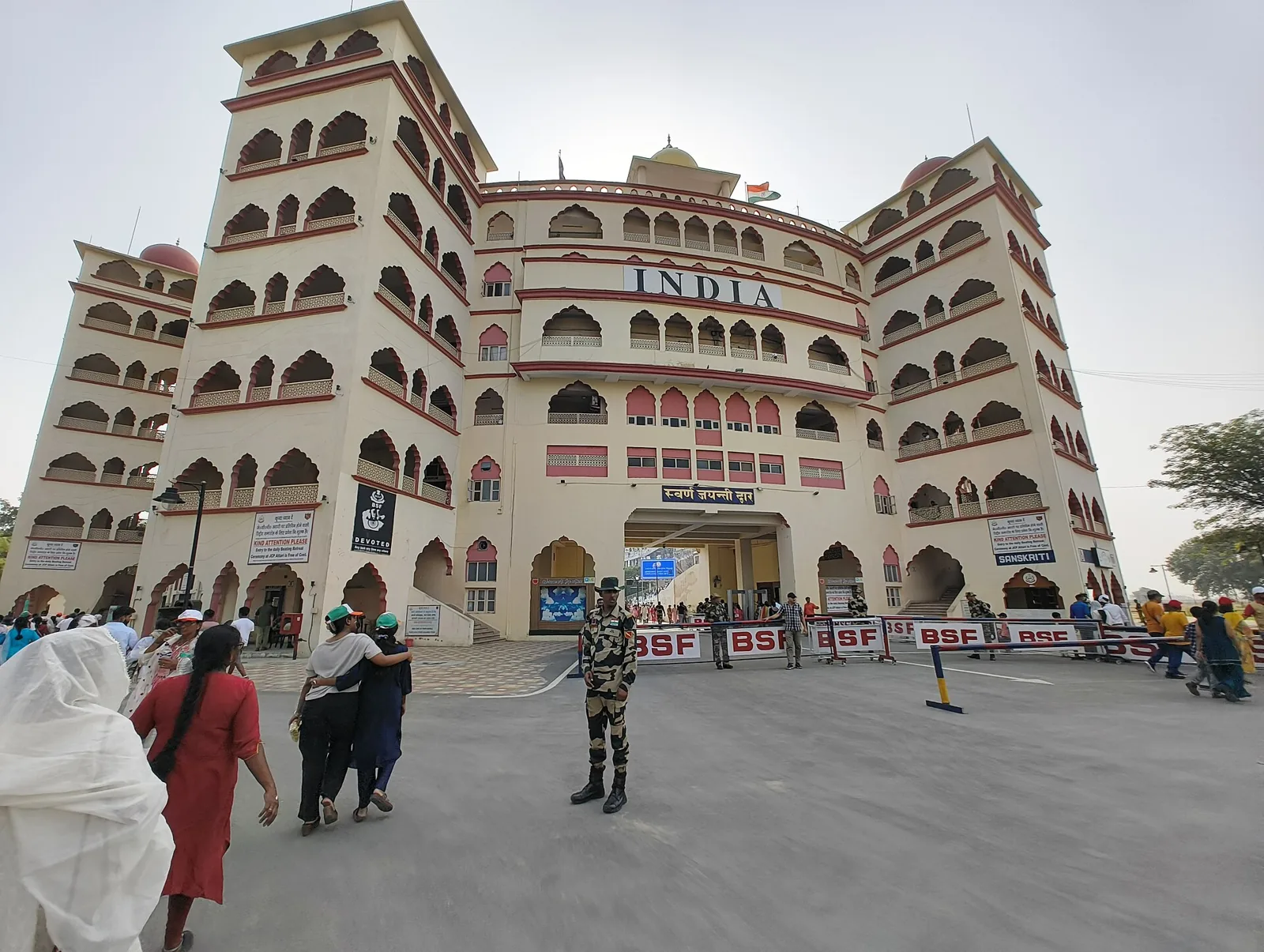
Expect bag checks, body screening and a line that moves slowly. Large bags and backpacks are turned back, with a cloakroom at about Rs 50 a bag. Power banks do not pass, so charge your phone before you leave. Tripods and professional camera gear are generally refused. A phone is fine, and photographs from the stands are allowed.
Do not point a camera toward the Pakistan stands or the military posts. Dress with covered shoulders and knees, and wear shoes you can stand in.
Winning a seat
The gate costs nothing, and open seating goes to whoever arrives first, on concrete tiers on each side. The front rows and covered sections fill first. On a weekday plan to be in the queue 90 minutes ahead; on a weekend, 2 hours; on 15 August or 26 January, 3 hours or more, or be ready to stand.
A paid reserved section exists for those who want one, though sources give no fixed price, so ask a local operator instead of a stranger at the gate. If you have children with you, the volume is the main thing to warn them about, since the crowd chants from the first minute.
Order of the day
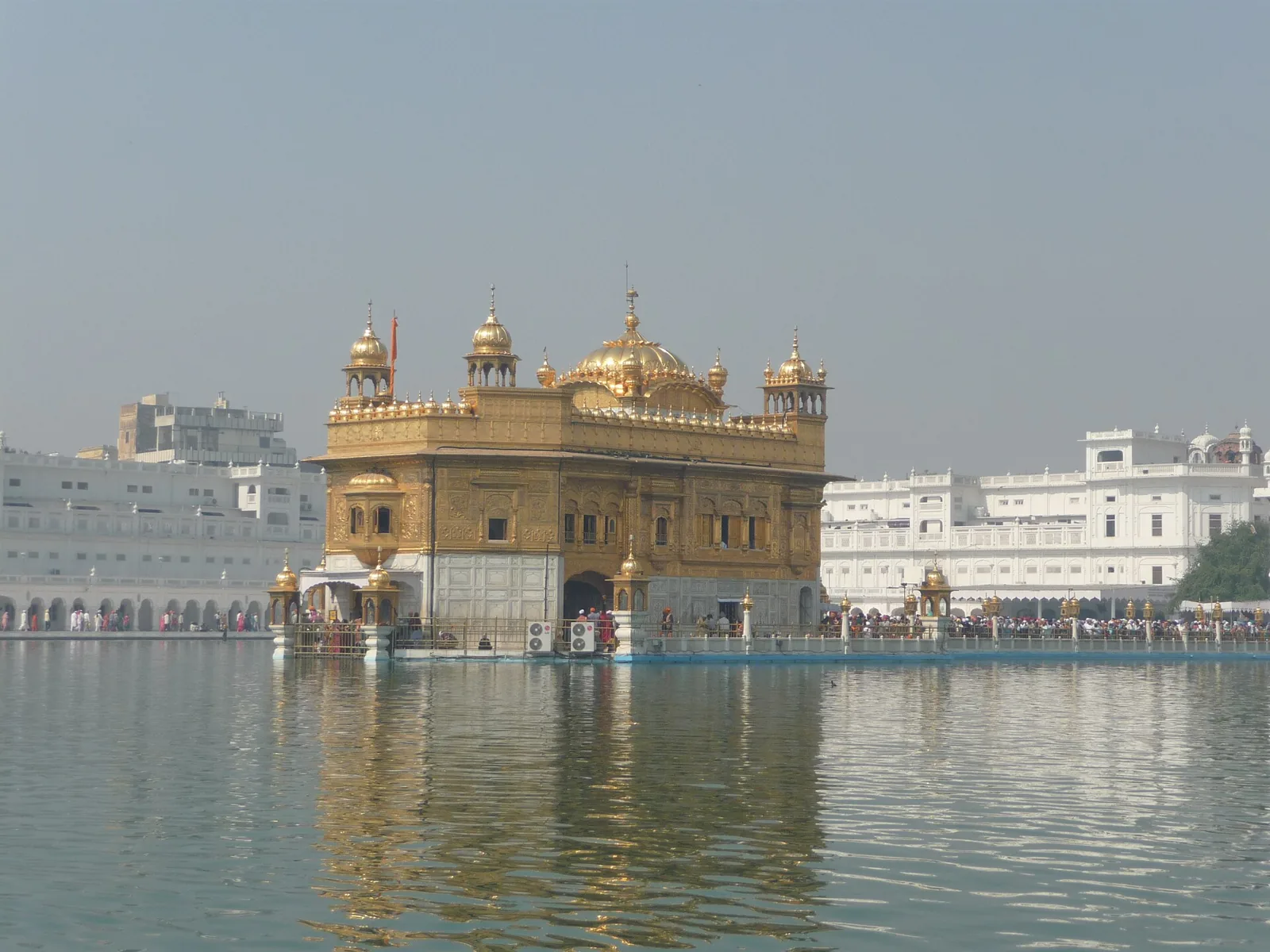
The cleanest plan starts early with the Harmandir Sahib, then Jallianwala Bagh, lunch, a rest, then the border. The Harmandir Sahib is open from about 4 in the morning to 10 at night, and the official tourism page advises evening for the shortest queue to the inner sanctum, so give it two separate visits if you can. Stand at the north gate for the classic dome reflected in the sarovar, and eat in the free langar, where everyone sits on the floor in rows.
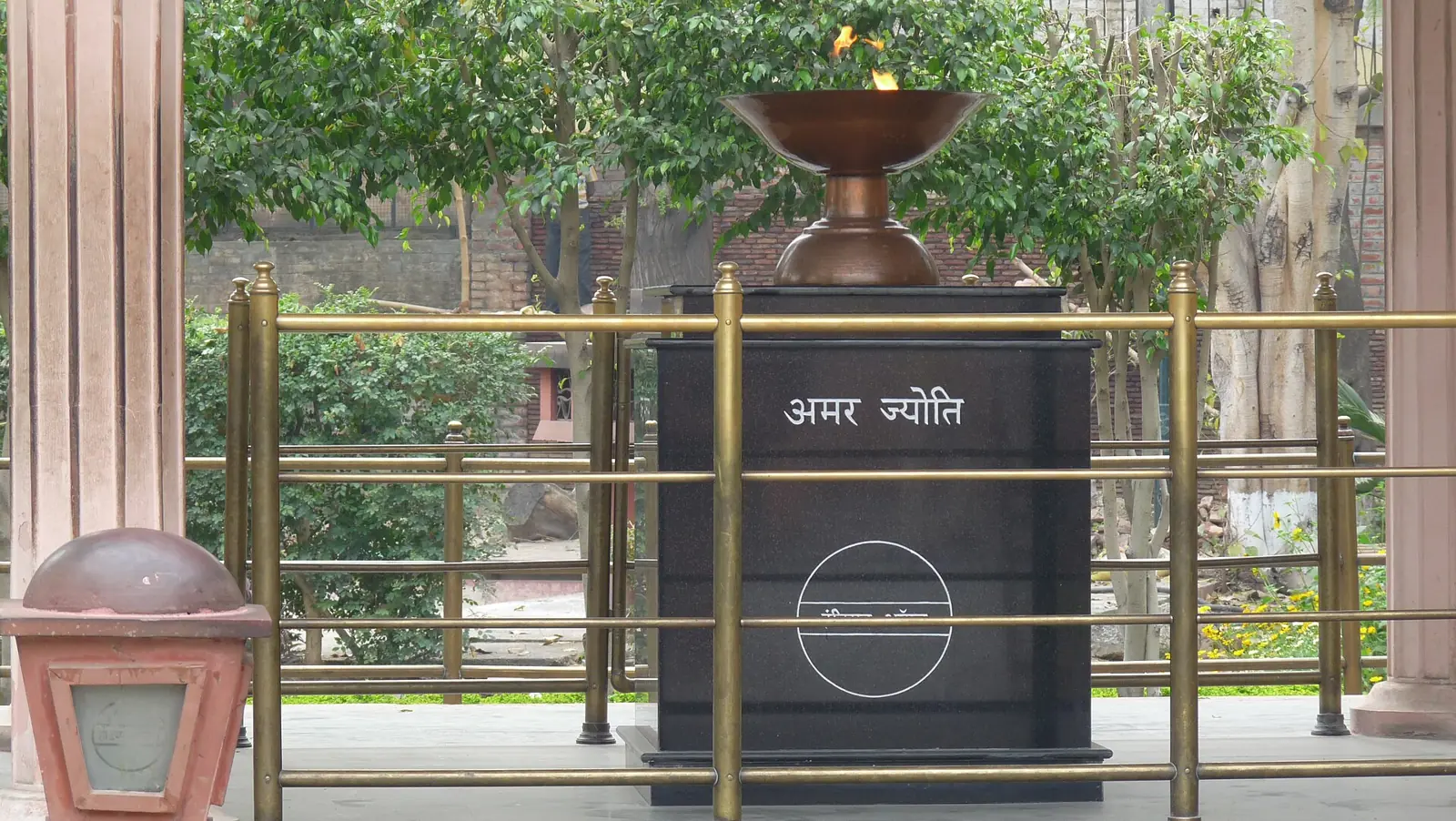
Jallianwala Bagh is a short walk away. Its eternal flame and narrow entrance lane are quiet after the loudness of the border, and one traveller listing gives hours of roughly 6:30 to 7:30. Leave the Partition Museum for another day. The late kulcha dinner back in the city is the reward.
When not to go
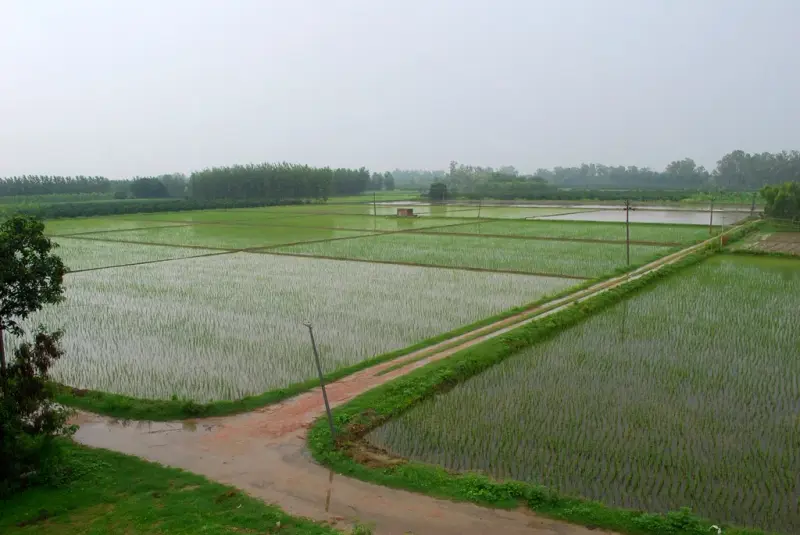
July and August are the poor months: heat, rain and humid grandstands. October to March suits the border far better, with a jacket for the long wait after sunset.
Getting to Amritsar from Delhi
The road is about 450 km on NH-44, roughly 7 to 8 hours on a normal day. The Shatabdi takes about 6 to 6.5 hours and the Vande Bharat about 5.5, so most visitors take the train in and use a car locally.
Let Laladham run it
Laladham picks you up in Delhi, from the airport, station, home or hotel, and plans the whole Amritsar stay: the drive or train, a driver who knows the afternoon route to the Attari gates, a stay near the shrine and the timing of every stop. Ask for a quote on the [book page](/book).
Questions, answered
What time does the Wagah border ceremony start?
Around 5:15 to 6:30 pm in summer and 4:00 to 4:30 pm in winter, set by sunset. Sources differ by a few minutes, so confirm the day's time with your hotel.
Do I need a ticket?
No. It is free, and general seats go to early arrivals. Some paid reserved sections exist.
Is the handshake and the gate opening still part of the ceremony?
Not since the 2025 changes. The BSF dropped the handshake and keeps the gates shut during flag-lowering, as announced when public entry returned on 21 May 2025.
What can I not carry?
Large bags, power banks and tripods are turned away. A phone is allowed. There is a cloakroom for roughly Rs 50 a bag.
How far is Wagah from Amritsar?
About 28 to 32 km, one hour or slightly more by road, so leave 2 to 2.5 hours before the winter start.
Can I do the Golden Temple and the border in one day?
Yes. Go to the shrine first thing, take the memorial garden next, rest after lunch and set off for the border around 2 pm in winter.