What follows is built as a working schedule with the awkward parts left in: the Monday closure, the cloakroom rule at Wagah, the way the border timings keep moving. Read it with a pen, because a few lines here are meant to be rewritten by you after you check the day's news.
Day 1, early: Delhi to the city of the sarovar
The road from Delhi is about 450 km and takes seven to eight hours with stops, so the usual plan is a night drive or an early train that drops you in the morning. Laladham can collect you from your home, hotel, the airport or the station in Delhi and drive straight through. If you choose a train instead, take a cab or auto from the station to the old city.
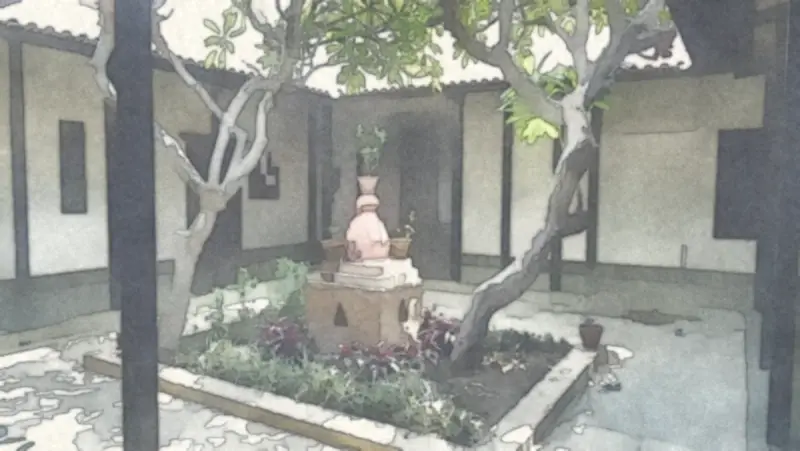
Drop the bags at your room, take a short rest, and head out on foot. Cars cannot go all the way in, and the walk from a parking area to the temple is ten to fifteen minutes, which is fine, because you want to arrive on foot.
Day 1, midday: Harmandir Sahib without rushing
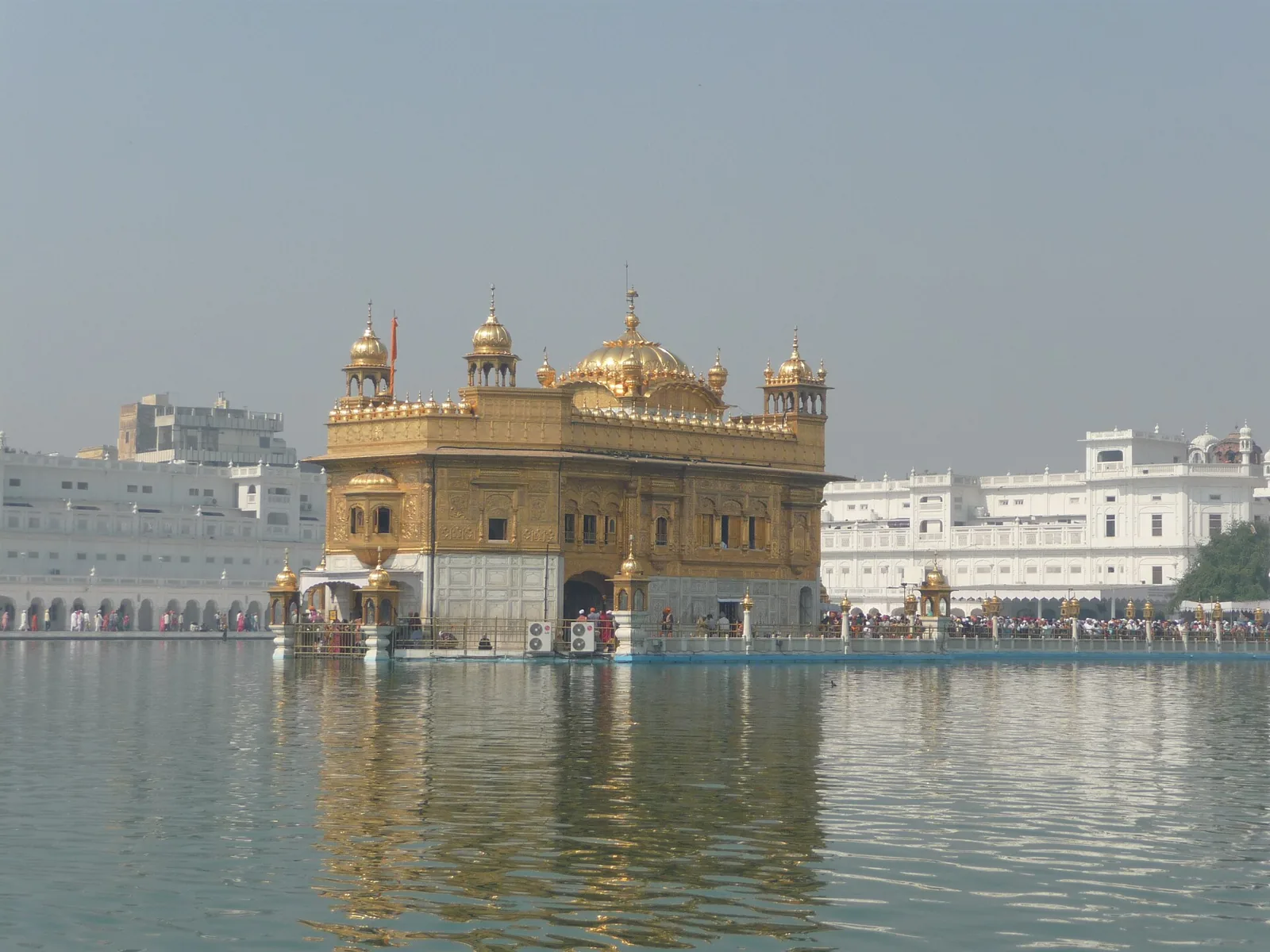
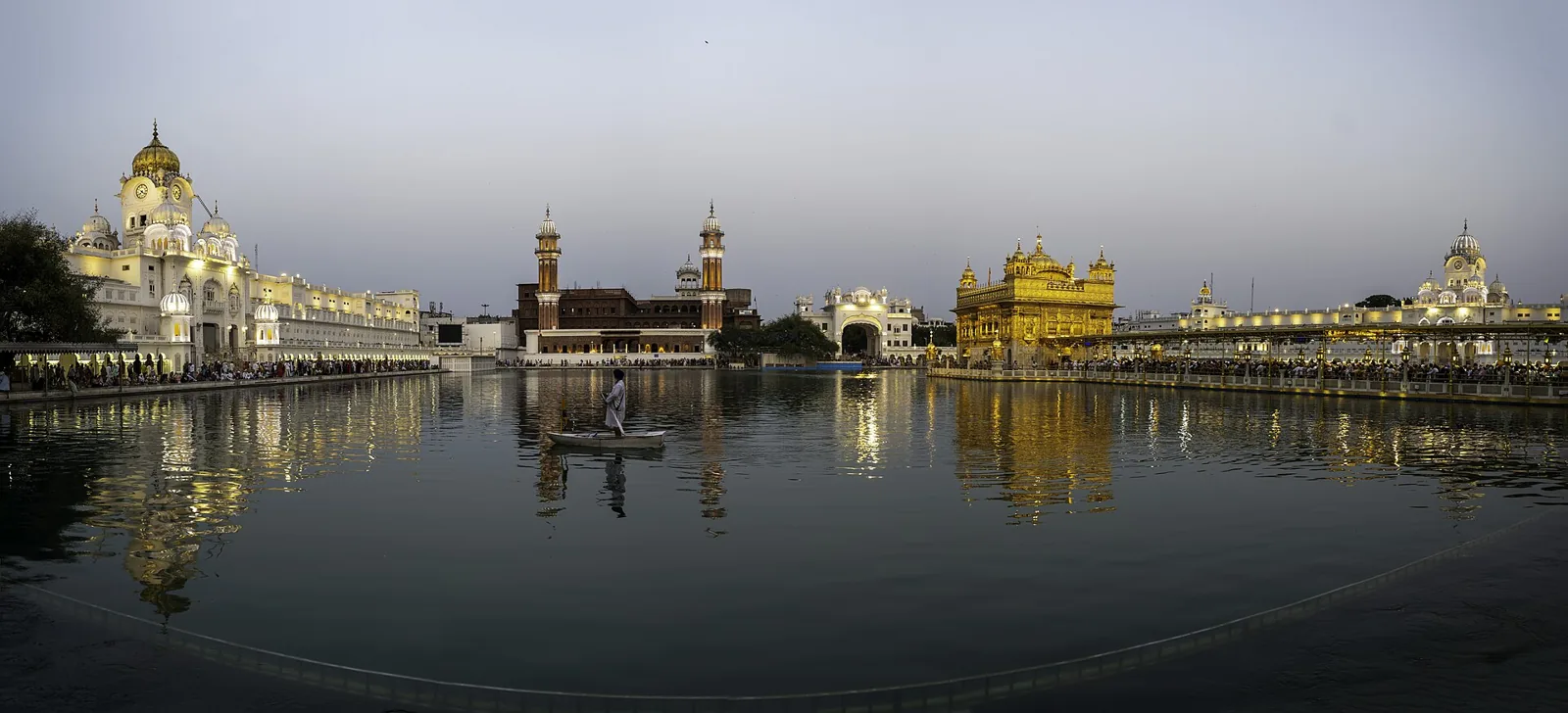
Footwear, socks included and leather too, goes to the free counter and you are given a token. Hands and feet are washed at the channel, heads are covered from the entrance onward, and legs and shoulders should be covered. Walk the marble parikrama slowly with the water on your right; the marble can be scorching at noon in summer and cold in winter, so socks help. Photography is banned in the sanctum, and you should not dip your feet in the sarovar.
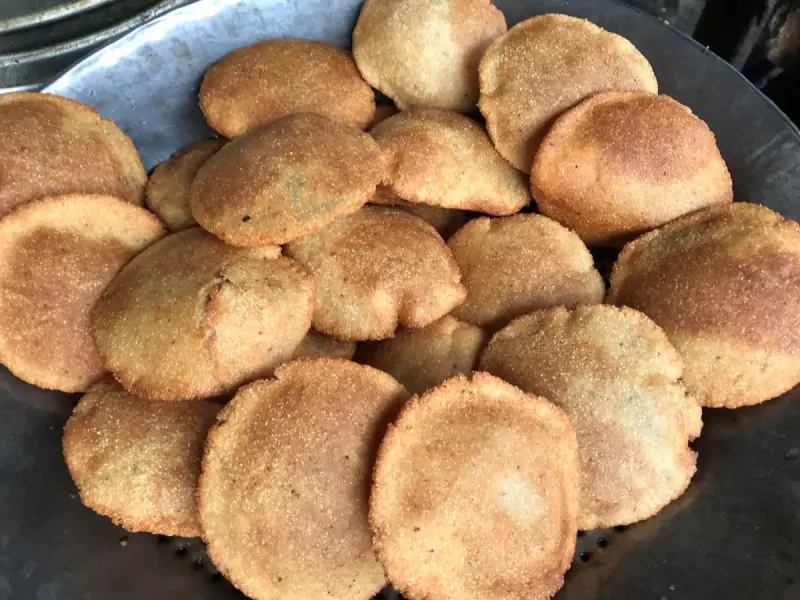
The queue to the sanctum can be 20 to 60 minutes. Once you are through, you get karah prashad at the exit. Then eat in the langar hall, a floor meal for tens of thousands a day, free and vegetarian, adding about half an hour with the wait. It is one of the few meals in India where the whole room sits at the same level.
Day 1, afternoon: two hours of history
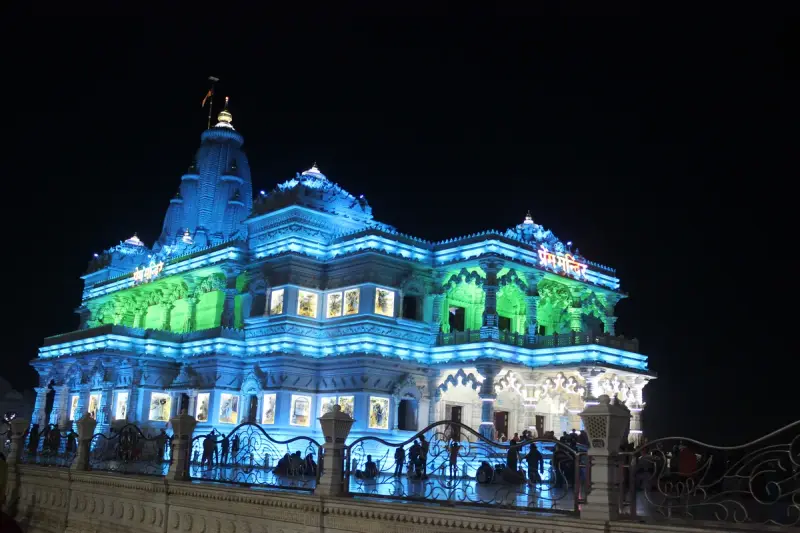
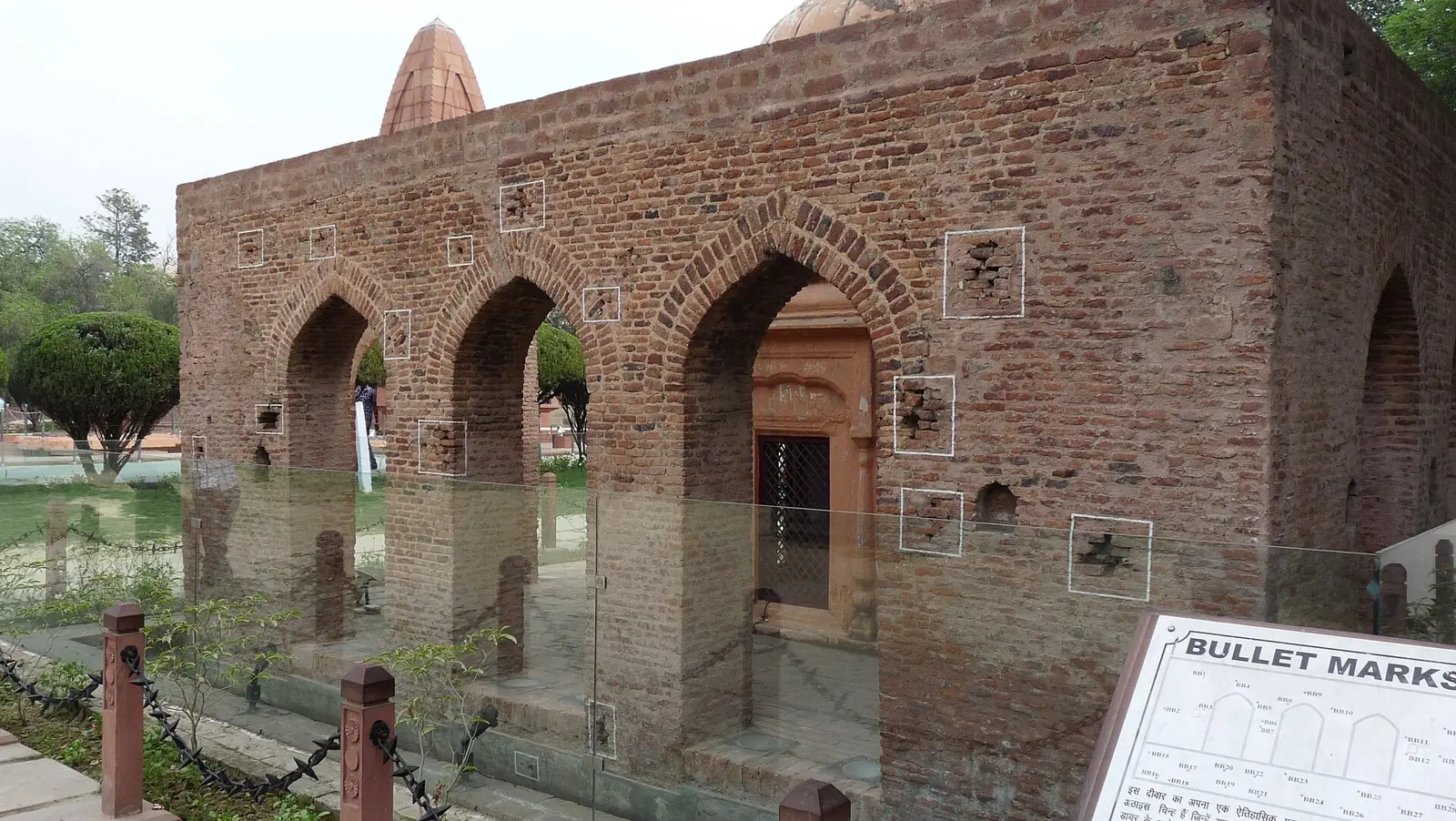
Jallianwala Bagh is a short walk from the temple, free, and an hour or two is enough. The narrow entry lane, the memorial well and the preserved bullet marks do the telling for you. Do not rush it to fit more in.
The Partition Museum sits inside the old Town Hall, once a British headquarters and a jail. It runs 14 galleries with objects donated by survivors, trunks, utensils, rope beds, family photographs and more than 100 oral interviews, ending with a Tree of Hope where visitors write on green leaves. Hours are 10 am to 6 pm, and the doors stay shut on Mondays and public holidays, so if your two days include a Monday, schedule the museum for the other day.
Day 1, night: the temple after dark
The gold lights up the water after dark. The better hour is late, from about 9 pm to 10:30, when crowds thin and the temple moves toward the night rest of the scripture around 9:30 to 10. Keep the day bag light and do not plan a late dinner far away.
Day 2: old city lanes, then Wagah
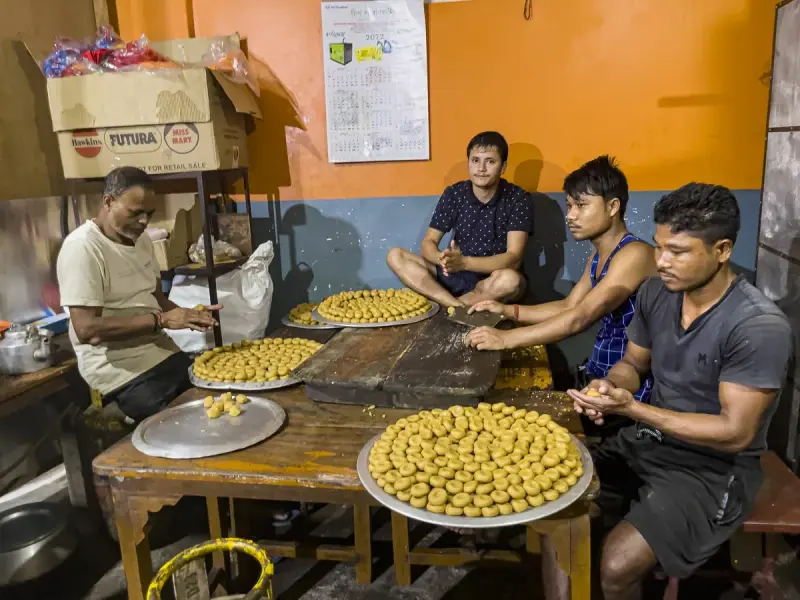
Start with the food everyone talks about: Amritsari kulcha with chole, makki di roti with sarson da saag in winter, and thick lassi at the old shops on Lawrence Road. Bharawan Da Dhaba and Kesar Da Dhaba come up repeatedly for lunch or dinner. If you want a quieter sit-down after the temple's weight, the silver-doored Durgiana Temple sits across a pool and keeps long hours.
Leave for Wagah around 2 pm in winter, a little later in summer. The border is about 30 km out, roughly an hour to an hour and a half from the centre. Taxis run about Rs 800 to 1,800 round trip, shared autos are far cheaper, and the double-decker tourist bus leaves from near the Ranjit Singh statue.
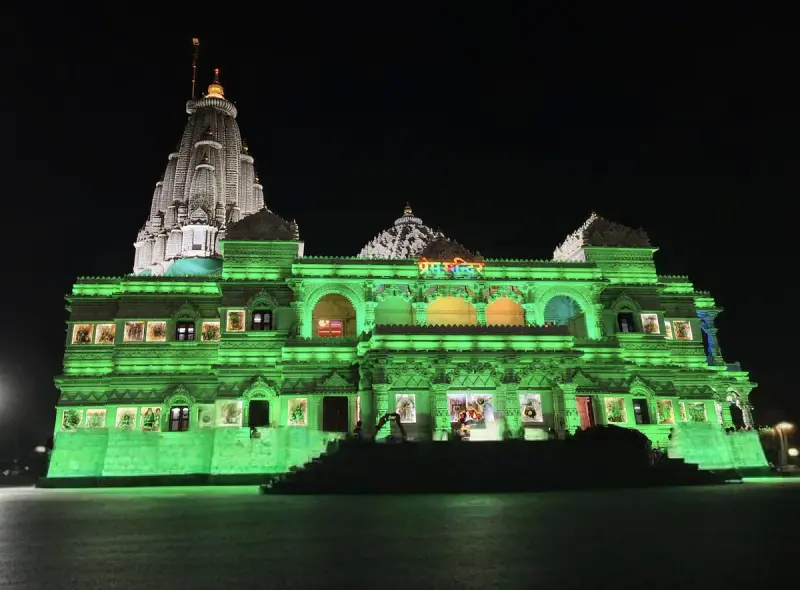
The border ceremony, step by step
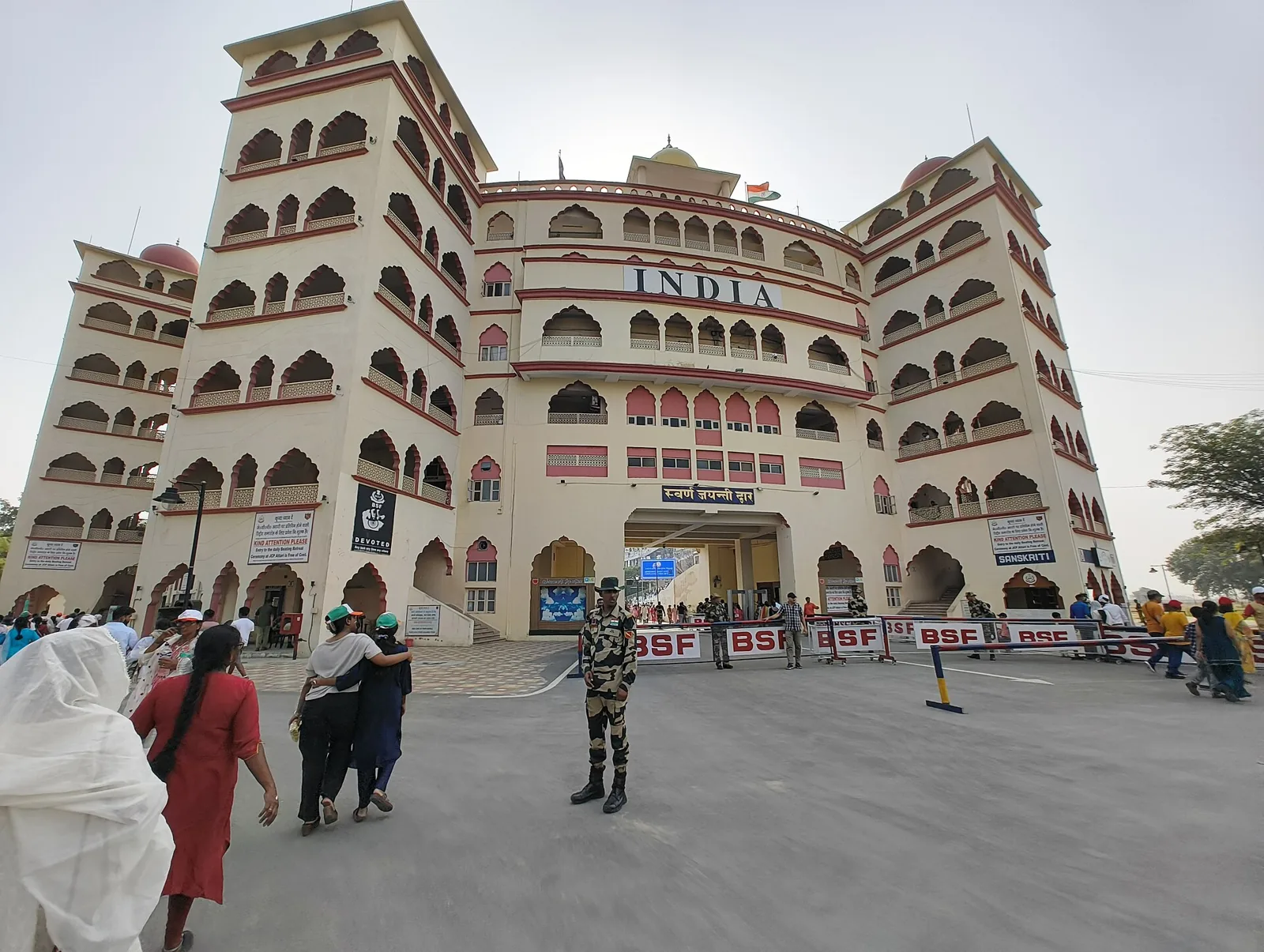
The Beating Retreat has shifted time more than once: one report gave a 5:30 to 6 pm slot from April, another announced a 30-minute advance in mid-October, so treat any time you read, including this one, as provisional. Entry is free and seating in the concrete grandstands is first come first served. Arrive one to one and a half hours early on a weekday, two on a weekend, three or more on Independence Day or Republic Day.
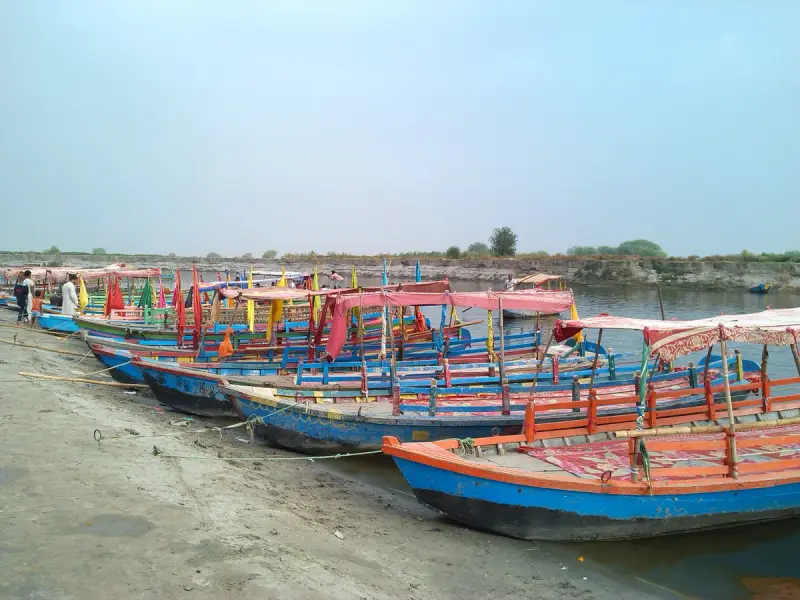
Large bags, backpacks, power banks and tripods are not allowed, so leave them in the cloakroom for roughly Rs 50 a bag, and carry cash because the area is cash only. Phones and personal cameras are fine, but do not point them at the Pakistani stands. Inside there is patriotic music, then parade drills, the flags coming down together and the gate closing. The handshake was reduced from May 2025, so do not count on it.
What to skip and what to add
Do not try to add Anandpur Sahib or Chandigarh to these two days. Gobindgarh Fort has a museum and evening shows if your group has energy left. A third day, if you have one, is better spent on a long breakfast and a slow walk than on another district.
For the drive home, aim to leave on the evening of day two only if you are happy with a night road. Otherwise sleep in the city and go back after breakfast.
Let Laladham drive it
Laladham picks you up in Delhi from the airport, a station, your home or your hotel and runs the whole Amritsar trip: the road, a stay within walking distance of the temple, the Wagah timing checked on the day, and homecooked food on request in the days before you leave. Ask for a quote on the [book page](/book).
Questions, answered
Is two days enough for Amritsar?
Yes for the Golden Temple at dawn and night, Jallianwala Bagh, the Partition Museum and the Wagah ceremony. It does not leave room for side trips outside the city.
How far is Amritsar from Delhi?
About 450 km by road, with stops it is a long day.
What time is the Wagah ceremony?
The start time follows daylight and has changed several times, with one report giving 5:30 to 6 pm. Confirm the same day with your hotel or the border force.
Can I take a bag to the Wagah border?
Large bags and backpacks stay outside, and so do power banks.
Is the Partition Museum open on Mondays?
No, plan it for another weekday or the weekend.
When is the Golden Temple quietest?
Early morning before sunrise and late evening between about 9 pm and midnight.