Ashtak · Hanuman
Sankat Mochan Hanumanashtak संकटमोचन हनुमानाष्टक
Eight verses, each a small story of Hanuman rescuing someone, and the last line of the first verse asks the question that holds the whole hymn together: who in the world does not know you as the remover of trouble?
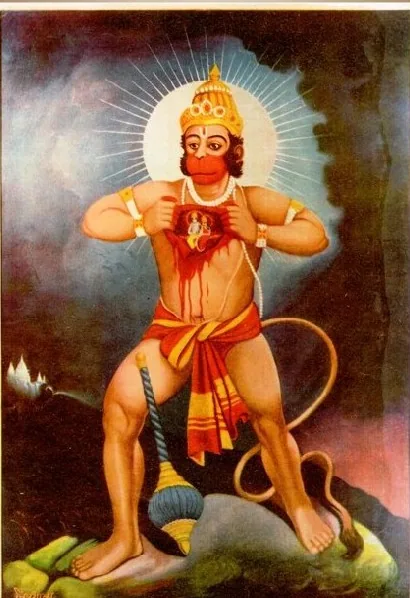
बाल समय रवि भक्षि लियो तब तीनहुँ लोक भयो अँधियारो।
ताहि सों त्रास भयो जग को यह संकट काहु सों जात न टारो।
देवन आनि करी बिनती तब छाँड़ि दियो रवि कष्ट निवारो।
को नहिं जानत है जग में कपि संकटमोचन नाम तिहारो॥
बालि की त्रास कपीस बसै गिरि जात महाप्रभु पंथ निहारो।
चौंकि महामुनि साप दियो तब चाहिए कौन बिचार बिचारो।
कै द्विज रूप लिवाय महाप्रभु सो तुम दास के सोक निवारो॥
अंगद के संग लेन गए सिय खोज कपीस यह बैन उचारो।
जीवत ना बचिहौ हम सों जु बिना सुधि लाए इहाँ पगु धारो।
हेरि थके तट सिंधु सबै तब लाय सिया-सुधि प्रान उबारो॥
रावन त्रास दई सिय को तब राक्षसि सों कहि सोक निवारो।
ताहि समय हनुमान महाप्रभु जाय महा रजनीचर मारो।
चाहत सीय असोक सों आगि सु दै प्रभु मुद्रिका सोक निवारो॥
बान लग्यो उर लछिमन के तब प्रान तजे सुत रावन मारो।
लै गृह बैद्य सुषेन समेत तबै गिरि द्रोन सु बीर उपारो।
आनि सजीवन हाथ दई तब लछिमन के तुम प्रान उबारो॥
रावन जुद्ध अजान कियो तब नाग कि फाँस सबै सिर डारो।
श्रीरघुनाथ समेत सबै दल मोह भयो यह संकट भारो।
आनि खगेस तबै हनुमान जु बंधन काटि सुत्रास निवारो॥
बंधु समेत जबै अहिरावन लै रघुनाथ पताल सिधारो।
देबिहिं पूजि भली बिधि सों बलि देउ सबै मिलि मंत्र बिचारो।
जाय सहाय भयो तब ही अहिरावन सैन्य समेत संहारो॥
काज किए बड़ देवन के तुम बीर महाप्रभु देखि बिचारो।
कौन सो संकट मोर गरीब को जो तुमसे नहिं जात है टारो।
बेगि हरो हनुमान महाप्रभु जो कछु संकट होय हमारो॥
लाल देह लाली लसे अरु धरि लाल लंगूर।
बज्र देह दानव दलन जय जय जय कपि सूर॥
What it means
Eight verses, each a small story of Hanuman rescuing someone, and the last line of the first verse asks the question that holds the whole hymn together: who in the world does not know you as the remover of trouble? The stories run in the order of the Ramayana. He swallows the sun as a child and the gods plead for its release. He brings Ram to Sugriv, who is hiding on the hill from Bali. He finds Sita in Lanka when the search party has given up. He fetches the Sanjivani mountain to save Lakshman, calls Garuda to cut the serpent ropes, and goes down to the underworld to free Ram and Lakshman from Ahiravan. The eighth verse turns it around, saying that if you did all this for the gods, what trouble of mine could be too hard for you. A short doha praising the red body and thunderbolt strength closes it.
How it is sung
It is read slowly and as a plea, one verse at a time, with the line who does not know your name as Sankat Mochan sung or spoken after each verse. Tuesday and Saturday are the common days, and it is a favourite in Hanuman temples in the evening. People who recite it daily usually pair it with the Hanuman Chalisa.
Questions, answered
Who composed the Sankat Mochan Hanumanashtak?
Popular tradition gives it to Tulsidas, and many sites say he composed it in Varanasi. The text itself does not name its author, so it is described here as traditional and attributed to him.
What does Sankat Mochan mean?
Sankat is trouble or a tight spot and mochan is the one who frees you from it. It is the name by which Hanuman is called in Varanasi's famous Sankat Mochan temple, and the refrain of this hymn.
How many verses does the Hanumanashtak have?
Eight verses plus a closing doha. Printed copies often show the refrain line only after the first verse, but many singers return to it after every verse.