Stotra · Other deities
Rin Mochan Mangal Stotra (Mangalo Bhumiputrash cha) ऋणमोचक मंगल स्तोत्र
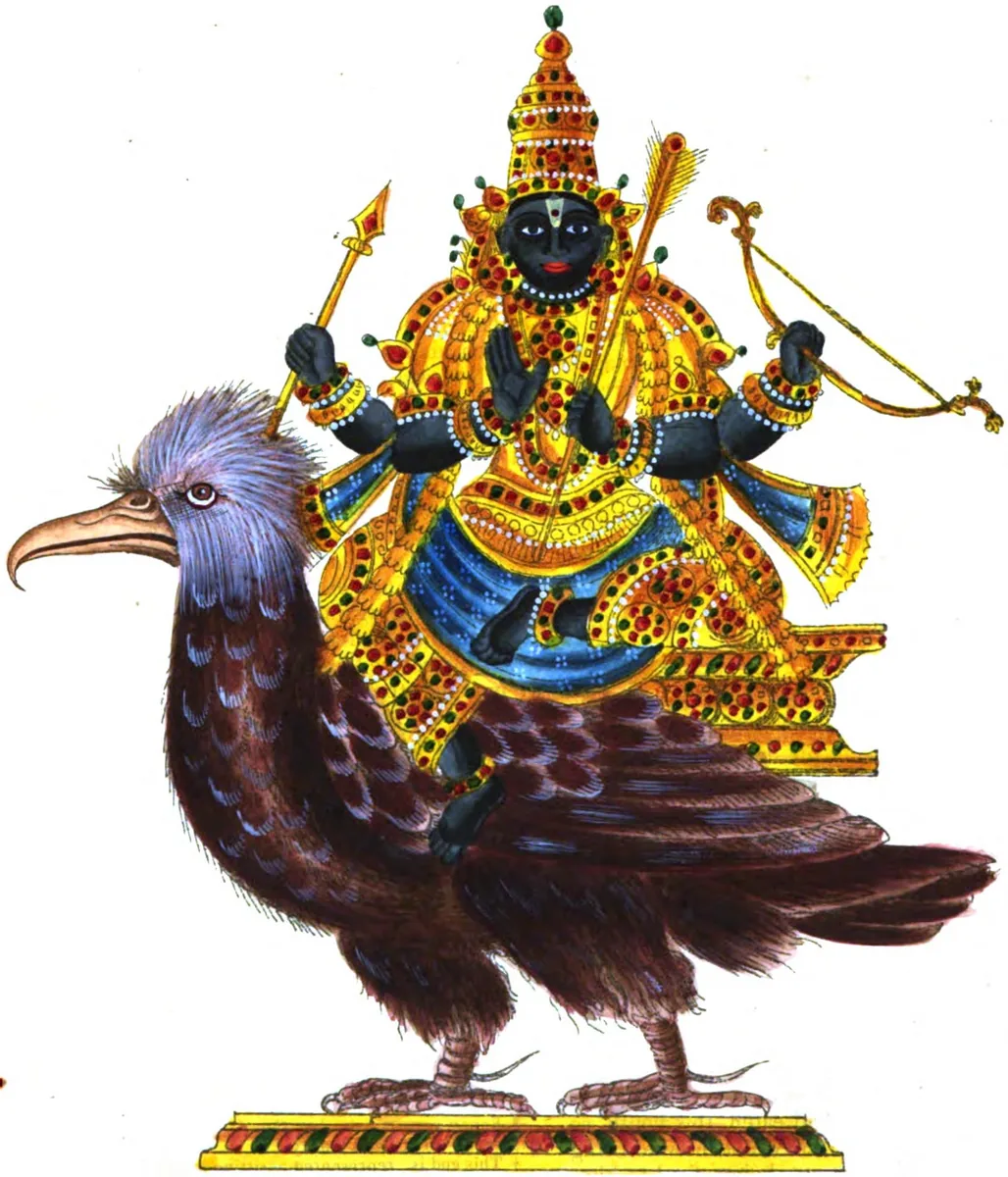
A prayer to Mars, Mangala, as the one who can lift a person out of debt.
श्रीगणेशाय नमः ॥
मङ्गलो भूमिपुत्रश्च ऋणहर्ता धनप्रदः ।
स्थिरासनो महाकायः सर्वकर्माविरोधकः ॥ १॥
लोहितो लोहिताक्षश्च सामगानां कृपाकरः ।
धरात्मजः कुजो भौमो भूतिदो भूमिनन्दनः ॥ २॥
अङ्गारको यमश्चैव सर्वरोगापहारकः ।
वृष्टेः कर्ताऽपहर्ता च सर्वकामफलप्रदः ॥ ३॥
एतानि कुजनामानि नित्यं यः श्रद्धया पठेत् ।
ऋणं न जायते तस्य धनं शीघ्रमवाप्नुयात् ॥ ४॥
धरणीगर्भसम्भूतं विद्युत्कान्तिसमप्रभम् ।
कुमारं शक्तिहस्तं च मङ्गलं प्रणमाम्यहम् ॥ ५॥
स्तोत्रमङ्गारकस्यैतत्पठनीयं सदा नृभिः ।
न तेषां भौमजा पीडा स्वल्पाऽपि भवति क्वचित् ॥ ६॥
अङ्गारक महाभाग भगवन्भक्तवत्सल ।
त्वां नमामि ममाशेषमृणमाशु विनाशय ॥ ७॥
ऋणरोगादिदारिद्र्यं ये चान्ये ह्यपमृत्यवः ।
भयक्लेशमनस्तापा नश्यन्तु मम सर्वदा ॥ ८॥
अतिवक्र दुराराध्य भोगमुक्त जितात्मनः ।
तुष्टो ददासि साम्राज्यं रुष्टो हरसि तत्क्षणात् ॥ ९॥
विरिञ्चिशक्रविष्णूनां मनुष्याणां तु का कथा ।
तेन त्वं सर्वसत्त्वेन ग्रहराजो महाबलः ॥ १०॥
पुत्रान्देहि धनं देहि त्वामस्मि शरणं गतः ।
ऋणदारिद्र्यदुःखेन शत्रूणां च भयात्ततः ॥ ११॥
एभिर्द्वादशभिः श्लोकैर्यः स्तौति च धरासुतम् ।
महतीं श्रियमाप्नोति ह्यपरो धनदो युवा ॥ १२॥
इति श्रीस्कन्दपुराणे भार्गवप्रोक्तं ऋणमोचकमङ्गलस्तोत्रं सम्पूर्णम् ।
What it means
A prayer to Mars, Mangala, as the one who can lift a person out of debt. The first three verses are a string of his names: son of the earth, the red one, the one who slays debt and gives wealth, steady seated, the lord who also brings rain. The fourth verse makes the promise that anyone who reads these names with faith will not run into debt and will come into money soon. Verse five is the familiar salute to the young spear-bearer born of the earth. From verse seven the tone turns personal: a plain request to destroy all my debt, to clear fear and sorrow, to give sons and wealth. The final verse says that praising Mars with these twelve verses brings great prosperity. The colophon places it in the Skanda Purana, as said by Bhargava.
How it is sung
It is read slowly on Tuesdays, which belong to Mars, usually in the morning after a bath. Many readers repeat it on twenty-one Tuesdays one after another, which is a common household practice rather than a rule of the text. It is spoken, in an even Sanskrit rhythm, one verse at a time.
Questions, answered
Why is it called Rin Mochan?
Rin means debt and mochan means release. The hymn is read in the hope that Mars will release the reader from debt.
Which day is it read?
Tuesday, the day of Mars.
Who composed it?
The closing line says it is from the Skanda Purana, spoken by Bhargava. We list it as traditional.