Stotra · Durga and Devi
Jai Jai Giribar Raj Kishori जय जय गिरिबरराज किसोरी
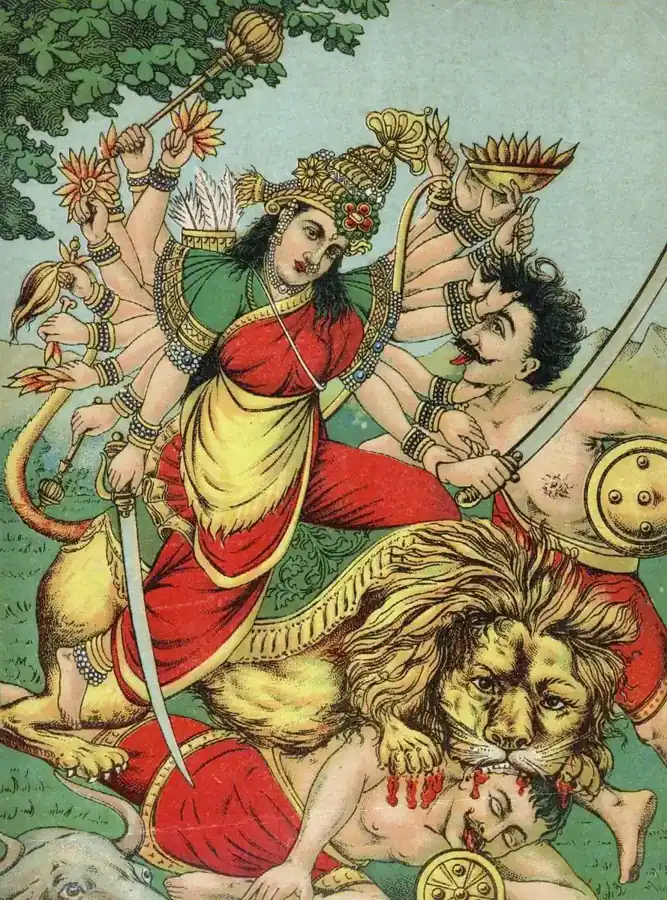
This is the prayer Sita makes to Parvati in Tulsidas's Ramcharitmanas, in the garden of Janakpur before the bow ceremony.
जय जय गिरिबरराज किसोरी।
जय महेस मुख चंद चकोरी॥
जय गज बदन षडानन माता।
जगत जननि दामिनि दुति गाता॥
नहिं तव आदि मध्य अवसाना।
अमित प्रभाउ बेदु नहिं जाना॥
भव भव बिभव पराभव कारिनि।
बिस्व बिमोहनि स्वबस बिहारिनि॥
सेवत तोहि सुलभ फल चारी।
बरदायनी पुरारि पिआरी॥
देबि पूजि पद कमल तुम्हारे।
सुर नर मुनि सब होहिं सुखारे॥
What it means
This is the prayer Sita makes to Parvati in Tulsidas's Ramcharitmanas, in the garden of Janakpur before the bow ceremony. She first greets the goddess as the daughter of the mountain king and as the one whom Shiva looks at as the chakor bird looks at the moon. She is mother to Ganesha, who has an elephant's face, and to Kartikeya, with six faces, and her body shines like lightning. Sita says Parvati has no beginning, middle or end, and even the Vedas do not know her full power. She creates, keeps and ends the world, yet moves freely as she wishes. Anyone who serves her can reach the four fruits of life, and gods, men and sages all find joy by worshipping her lotus feet.
How it is sung
These lines are sung during Navratri, and young women who pray for a good match often recite them. Keep a calm, steady recital tone and take each line of the chaupai metre in a single breath. In the Manas the prayer goes on for a few lines past the ones given here.
Questions, answered
Where is this prayer in the Ramcharitmanas?
It is in the Bal Kand, in the scene where Sita goes to the garden temple of Gauri before the bow ceremony. This is why it is called the Gauri Stuti.
Who is the poet?
Tulsidas, who composed the Ramcharitmanas in the sixteenth century.
Who are the chakor and the moon in the second line?
The chakor is a bird said to gaze at the moon all night. The comparison is to Parvati's love for Shiva.