Stotra · Durga and Devi
Annapurna Stotra श्री अन्नपूर्णा स्तोत्रम्
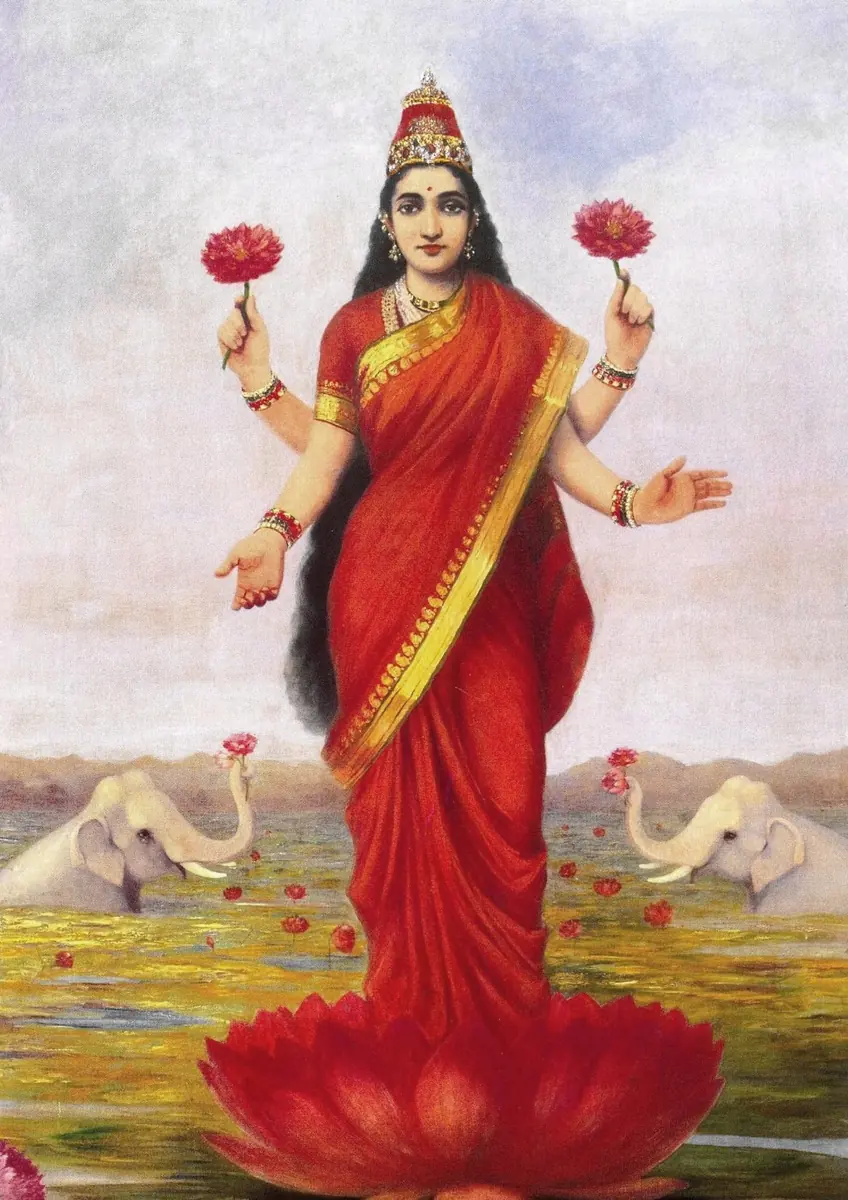
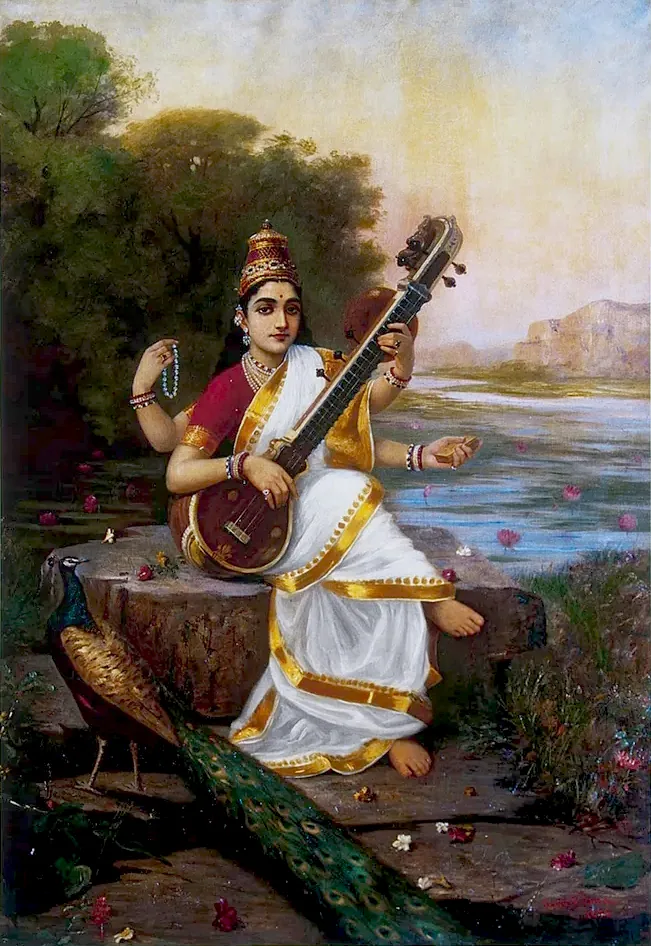
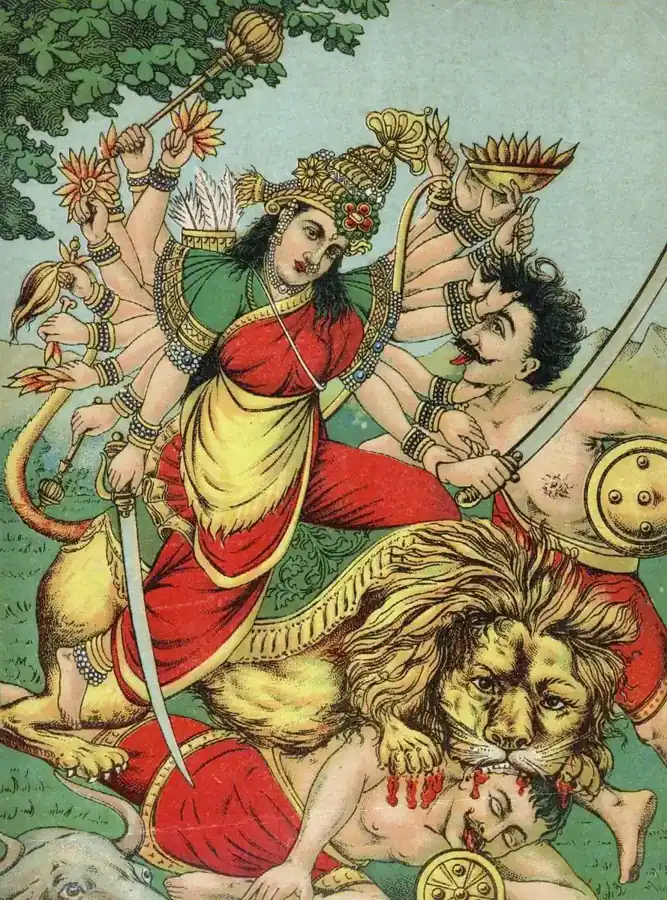
Ten verses sing the Goddess of food, Annapurna, queen of the city of Kashi, and each of the ten ends with the same begging line: give me alms, O mother, hold me up with your mercy.
नित्यानन्दकरी वराभयकरी सौन्दर्यरत्नाकरी
निर्धूताखिलघोरपावनकरी प्रत्यक्षमाहेश्वरी ।
प्रालेयाचलवंशपावनकरी काशीपुराधीश्वरी
भिक्षां देहि कृपावलम्बनकरी माताऽन्नपूर्णेश्वरी॥
नानारत्नविचित्रभूषणकरी हेमाम्बराडम्बरी
मुक्ताहारविलम्बमान विलसत् वक्षोजकुम्भान्तरी ।
काश्मीरागरुवासिता रुचिकरी काशीपुराधीश्वरी
भिक्षां देहि कृपावलम्बनकरी माताऽन्नपूर्णेश्वरी॥
योगानन्दकरी रिपुक्षयकरी धर्मार्थनिष्ठाकरी
चन्द्रार्कानलभासमानलहरी त्रैलोक्यरक्षाकरी ।
सर्वैश्वर्यसमस्तवाञ्छितकरी काशीपुराधीश्वरी
भिक्षां देहि कृपावलम्बनकरी माताऽन्नपूर्णेश्वरी॥
कैलासाचलकन्दरालयकरी गौरी उमा शङ्करी
कौमारी निगमार्थगोचरकरी ओङ्कारबीजाक्षरी ।
मोक्षद्वारकपाटपाटनकरी काशीपुराधीश्वरी
भिक्षां देहि कृपावलम्बनकरी माताऽन्नपूर्णेश्वरी॥
दृश्यादृश्य विभूतिवाहनकरी ब्रह्माण्डभाण्डोदरी
लीलानाटकसूत्रभेदनकरी विज्ञानदीपाङ्कुरी ।
श्रीविश्वेशमनः प्रसादनकरी काशीपुराधीश्वरी
भिक्षां देहि कृपावलम्बनकरी माताऽन्नपूर्णेश्वरी॥
उर्वी सर्वजनेश्वरी भगवती माताऽन्नपूर्णेश्वरी
वेणीनीलसमानकुन्तलधरी नित्यान्नदानेश्वरी ।
सर्वानन्दकरी सदाशुभकरी काशीपुराधीश्वरी
भिक्षां देहि कृपावलम्बनकरी माताऽन्नपूर्णेश्वरी॥
आदिक्षान्तसमस्तवर्णनकरी शम्भोस्त्रिभावाकरी
काश्मीरा त्रिजलेश्वरी त्रिलहरी नित्याङ्कुरा शर्वरी ।
कामाकाङ्क्षकरी जनोदयकरी काशीपुराधीश्वरी
भिक्षां देहि कृपावलम्बनकरी माताऽन्नपूर्णेश्वरी॥
देवी सर्वविचित्ररत्नरचिता दाक्षायणी सुन्दरी
वामे स्वादुपयोधरा प्रियकरी सौभाग्य माहेश्वरी ।
भक्ताभीष्टकरी सदाशुभकरी काशीपुराधीश्वरी
भिक्षां देहि कृपावलम्बनकरी माताऽन्नपूर्णेश्वरी॥
चन्द्रार्कानलकोटिकोटिसदृशा चन्द्रांशुबिम्बाधरी
चन्द्रार्काग्निसमानकुण्डलधरी चन्द्रार्कवर्णेश्वरी ।
मालापुस्तकपाशसाङ्कुशधरी काशीपुराधीश्वरी
भिक्षां देहि कृपावलम्बनकरी माताऽन्नपूर्णेश्वरी॥
क्षत्रत्राणकरी महाऽभयकरी माता कृपासागरी
साक्षान्मोक्षकरी सदा शिवकरी विश्वेश्वरी श्रीधरी ।
दक्षाक्रन्दकरी निरामयकरी काशीपुराधीश्वरी
भिक्षां देहि कृपावलम्बनकरी माताऽन्नपूर्णेश्वरी॥
अन्नपूर्णे सदापूर्णे शङ्करप्राणवल्लभे ।
ज्ञानवैराग्यसिद्ध्यर्थं भिक्षां देहि च पार्वति॥
माता च पार्वती देवी पिता देवो महेश्वरः ।
बान्धवाः शिवभक्ताश्च स्वदेशो भुवनत्रयम्॥
॥ इति श्रीशङ्करभगवतः कृतौ अन्नपूर्णास्तोत्रं सम्पूर्णम् ॥
What it means
Ten verses sing the Goddess of food, Annapurna, queen of the city of Kashi, and each of the ten ends with the same begging line: give me alms, O mother, hold me up with your mercy. The verses pile up her names. She is the giver of joy and fearlessness, the daughter of the snow mountain, the one in golden cloth and pearl garland, the guardian of the three worlds, the dweller in the cave on Mount Kailash, the one who holds the whole universe in her belly and the small lamp of knowledge. She carries a rosary, a book, a noose and a goad. After these ten, the eleventh verse asks for alms of knowledge and renunciation, and the twelfth is the line almost everyone knows by heart: my mother is Parvati, my father is Maheshwar, my kin are the devotees of Shiva, and my country is the three worlds.
How it is sung
Kitchens are a common place for it, and some families say it before a meal or before cooking for guests. Others read it on Friday and through Navratri. The refrain is said by everyone together while one voice reads the verse.
Questions, answered
Who wrote the Annapurna Stotra?
It is credited to Adi Shankaracharya in the closing line of the printed text. As with many stotras, that is the tradition, and the hymn has no certain date, so it is labelled traditional here.
Why is it called both Stotra and Ashtakam?
Because the same text circulates under both names, though it holds more than eight verses. Eight verses are sometimes counted as the main body, and the extra ones follow as a conclusion.
What is the last verse about?
The twelfth verse says Parvati is my mother, Shiva my father, his devotees my family, and the three worlds my home. People sing it on its own as a short prayer of belonging, even apart from the hymn.