Stotra · Durga and Devi
Durga Saptashloki सप्तश्लोकी दुर्गा
These seven verses are lifted from the Devi Mahatmya, the great text of the Goddess, and have long been read as a short stand-in for the whole thirteen chapters.
शिव उवाच ।
देवि त्वं भक्तसुलभे सर्वकार्यविधायिनि ।
कलौ हि कार्यसिद्ध्यर्थमुपायं ब्रूहि यत्नतः ॥
देव्युवाच ।
शृणु देव प्रवक्ष्यामि कलौ सर्वेष्टसाधनम् ।
मया तवैव स्नेहेनाप्यम्बास्तुतिः प्रकाश्यते ॥
अस्य श्रीदुर्गासप्तश्लोकीस्तोत्रमन्त्रस्य नारायण ऋषिः । अनुष्टुप् छन्दः ।
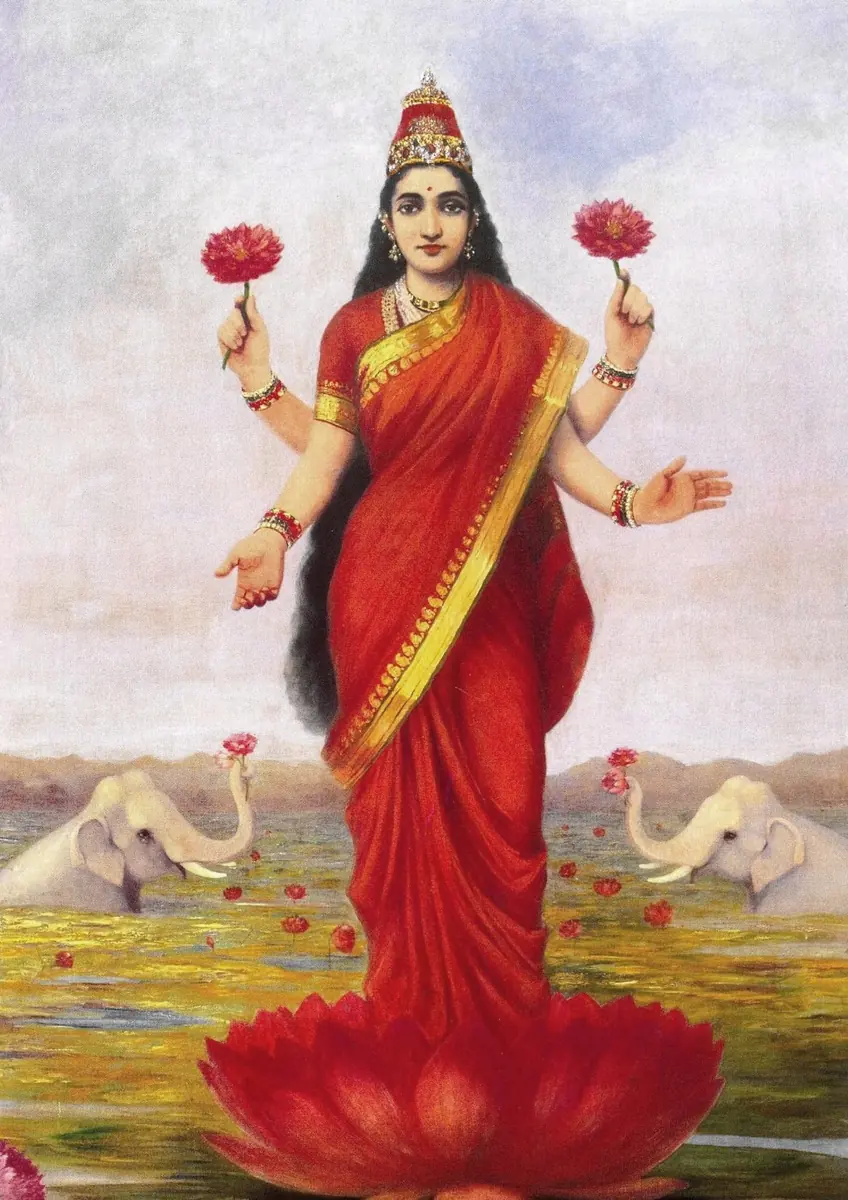
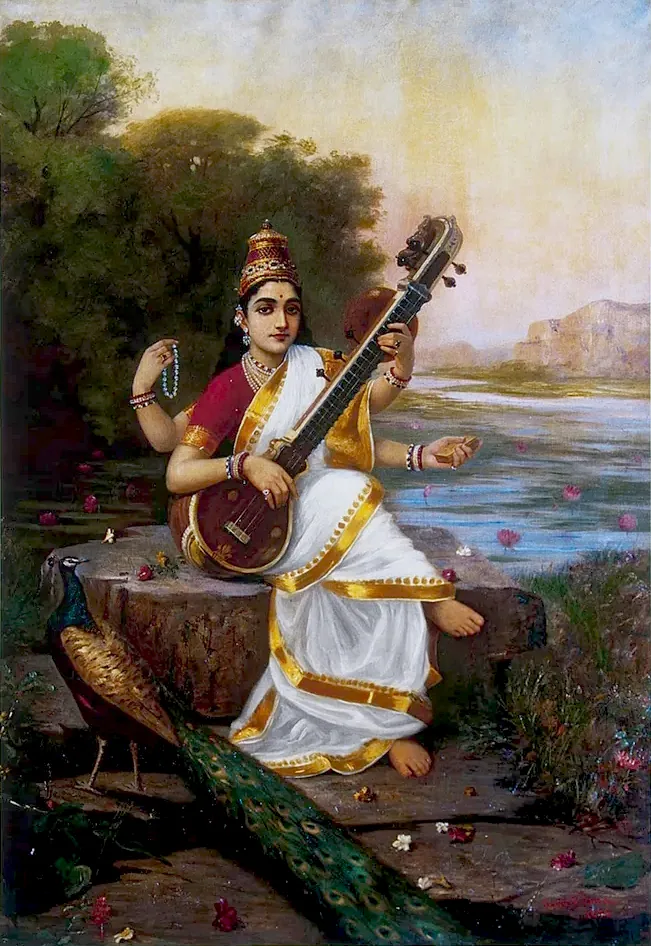
श्रीमहाकालीमहालक्ष्मीमहासरस्वत्यो देवताः ।
श्रीदुर्गाप्रीत्यर्थं सप्तश्लोकीदुर्गापाठे विनियोगः ॥
ज्ञानिनामपि चेतांसि देवी भगवती हि सा ।
बलादाकृष्य मोहाय महामाया प्रयच्छति ॥
दुर्गे स्मृता हरसि भीतिमशेषजन्तोः
स्वस्थैः स्मृता मतिमतीव शुभां ददासि ।
दारिद्र्यदुःखभयहारिणि का त्वदन्या
सर्वोपकारकरणाय सदार्द्रचित्ता ॥
सर्वमङ्गलमाङ्गल्ये शिवे सर्वार्थसाधिके ।
शरण्ये त्र्यम्बके गौरि नारायणि नमोऽस्तु ते ॥
शरणागतदीनार्तपरित्राणपरायणे ।
सर्वस्यार्तिहरे देवि नारायणि नमोऽस्तु ते ॥
सर्वस्वरूपे सर्वेशे सर्वशक्तिसमन्विते ।
भयेभ्यस्त्राहि नो देवि दुर्गे देवि नमोऽस्तु ते ॥
रोगानशेषानपहंसि तुष्टा रुष्टा तु कामान् सकलानभीष्टान् ।
त्वामाश्रितानां न विपन्नराणां त्वामाश्रिता ह्याश्रयतां प्रयान्ति ॥
सर्वबाधाप्रशमनं त्रैलोक्यस्याखिलेश्वरि ।
एवमेव त्वया कार्यमस्मद्वैरिविनाशनम् ॥
॥ इति श्रीदुर्गासप्तश्लोकी सम्पूर्णा ॥
What it means
These seven verses are lifted from the Devi Mahatmya, the great text of the Goddess, and have long been read as a short stand-in for the whole thirteen chapters. A small frame comes first. Shiva asks the Goddess for a way to get things done in the Kali age, and she answers that she will give a praise of Ambika that does it. The first verse admits her power over even the wise, since the great Maya drags the minds of the knowing toward delusion. The second says that when remembered by those in fear she takes the fear away, and when remembered by the well she gives a kinder mind, with no one else who ends poverty, sorrow and dread. The next four are bows to her as the good of all that is good, as refuge of the fallen and the troubled, as the form of all with all powers, and as the one who removes all disease and is kind to those who take shelter in her. The last verse asks her to quell every obstacle in the three worlds and to destroy our enemies.
How it is sung
It is chanted at a calm, even pace, starting with the short dialogue between Shiva and the Goddess and then the seven verses, which usually take under five minutes. People read it during the nine nights of Navratri, on Fridays, and at the start of any day when they want her help. Often a lamp is lit before the reading and a flower offered after.
Questions, answered
Where do the Saptashloki verses come from?
They are drawn from different chapters of the Devi Mahatmya, also called Durga Saptashati, which sits inside the Markandeya Purana. They were gathered into one short text for those who cannot read the full seven hundred verses.
Can I read the Saptashloki instead of the Durga Saptashati?
That is the very purpose of the dialogue at the start, where the Goddess herself gives it as the easy way for this age. Many people read it on days when the longer text is not possible.
What does Narayani in the verses mean?
It is a name of the Goddess, the power of Narayana. Three of the verses end by bowing to her with that name, so you will hear it often when the Saptashloki is recited.