Bhajan · Guru
Man Lago Mero Yaar Fakiri Mein मन लागो मेरो यार फकीरी में
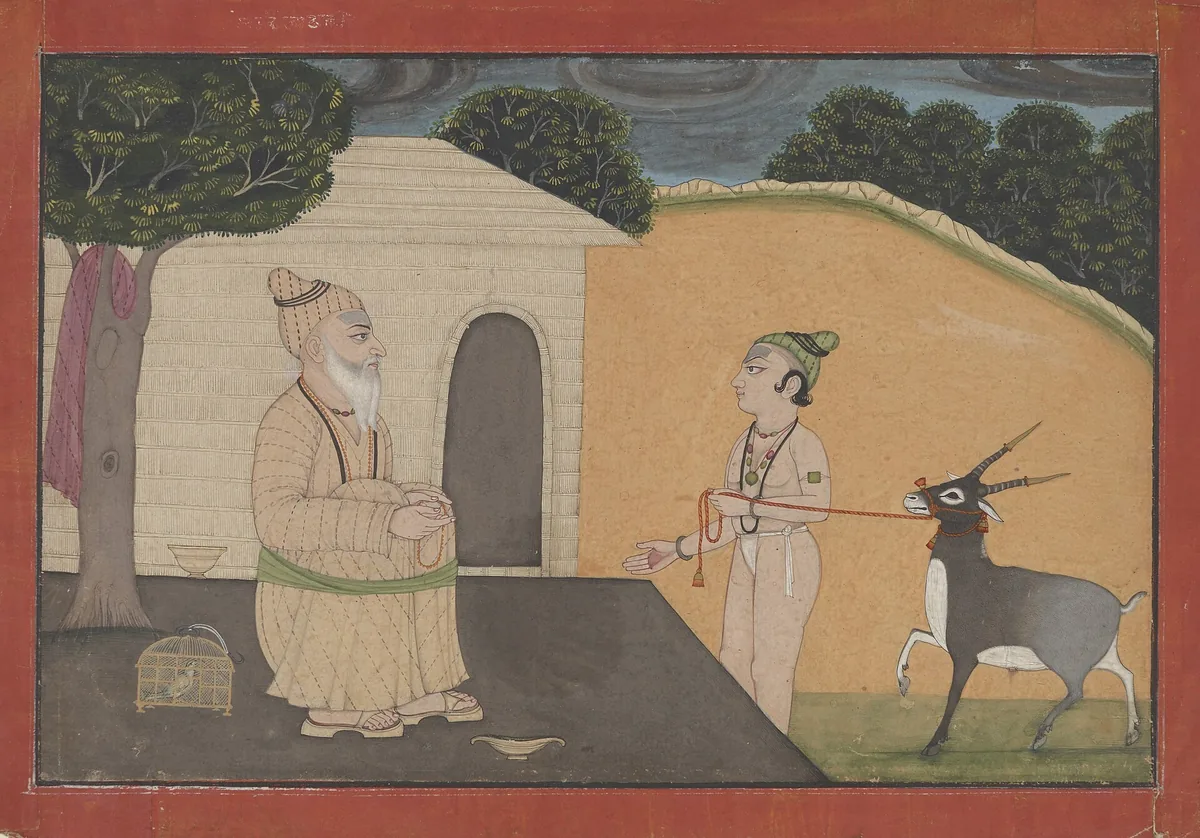
Kabir tells his friend that his heart is happy being a fakir.
मन लागो मेरो यार फकीरी में॥
जो सुख पावो राम भजन में,
सो सुख नाहिं अमीरी में॥
भला बुरा सब को सुनि लीजै,
करि गुजरान गरीबी में॥
प्रेमनगर में रहनि हमारी,
भलि बनि आई सबूरी में॥
हाथ में कूँड़ी, बगल में सोंटा,
चारों दिसा जगीरी में॥
आखिर यह तन खाक मिलेगा,
कहा फिरत मगरूरी में॥
कहत कबीर सुनो भाई साधो,
साहब मिलै सबूरी में॥
What it means
Kabir tells his friend that his heart is happy being a fakir. The joy he gets in singing Ram's name is something wealth cannot buy. He asks you to listen to everyone, good and bad, and get by on little. He lives in the city of love, where patience has done him good. With a begging bowl in his hand and a staff under his arm he feels the whole world is his land. In the end the body turns to dust, so there is nothing to be proud of. Those who are patient will find the Lord.
How it is sung
A cheerful, rolling tune with a simple clap, and the first line repeating after every couplet. It suits an early morning when the day is still unhurried. In many places people sing it with a dholak and a pair of cymbals, and the last line is sung louder than the others.
Questions, answered
What does fakiri mean here?
It means a simple life of renunciation, with few possessions and much contentment. Kabir does not mean poverty as pain, he means freedom from wanting.
Which version of the lyrics is this?
It follows the six-couplet pad printed in the Parmarth-Sopan collection. The Kavitakosh page has a shorter form that repeats the last line, and the middle couplet with the begging bowl is missing there.
Is it by Kabir?
Yes, the closing line names Kabir, as in other pads attributed to him.