Vishnu · एकादशी
परमा एकादशी व्रत कथा
Parama Ekadashi Vrat Katha
Parama Ekadashi comes only in an Adhik maas. Read the katha of the poor brahmin Sumedha and his wife Pavitra of Kampilya, sage Kaundinya's five-day fast, plus the vidhi and parana.
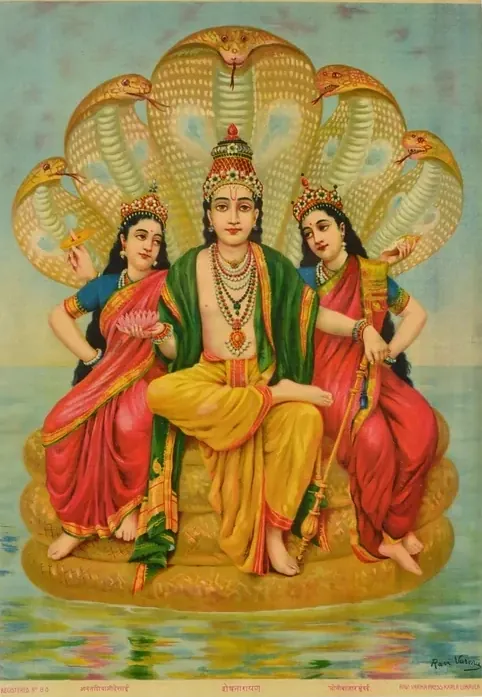
The dark-fortnight (Krishna Paksha) Ekadashi of the extra month, Adhik maas, also called Purushottam maas. It comes about once in thirty-two months and, in that month, follows Padmini Ekadashi by a fortnight. Fast on Ekadashi, keep the night vigil, and break the fast on Dwadashi. Check a panchang (drikpanchang.com) for your city to see if it falls this year and for the parana time.
Vishnu · Krishna Paksha Ekadashi of Adhik maas
अधिक मास (Adhik maas)
व्रत कथा The katha
Sources differ on who asks Krishna: Yudhishthira in the English translation and Arjuna in the Hindi book version. The wife's name Pavitra appears in one source. The five-day rules also differ: one source lists a single seat, feeding brahmins, gifts of water, sesame or ghee and celibacy, while the Hindi book version describes a waterless fast with a sattvic meal in the evening. We give both and mention that.
कथा (हिंदी)
अर्जुन ने कृष्ण से अधिक मास के कृष्ण पक्ष की एकादशी के बारे में पूछा। भगवान ने कहा कि इसे परमा एकादशी कहते हैं, और इसे कार्तिक की शुक्ल एकादशी की तरह ही पूरे प्रेम और भक्ति से रखना चाहिए। फिर उन्होंने एक पुरानी कथा सुनाई, जो काम्पिल्य नगरी की है।
कहते हैं कि काम्पिल्य में सुमेधा नाम का एक धर्मात्मा ब्राह्मण रहता था। पिछले जन्म के किसी पाप के कारण वह बहुत गरीब था। उसे खाने, पहनने और सिर ढकने तक का ठिकाना मुश्किल से मिलता था। उसकी पत्नी पवित्रा पतिव्रता थी। जब घर में अतिथि आते तो वह अपना हिस्सा उन्हें खिला देती और खुद भूखी रह जाती, फिर भी उसका चेहरा खिला रहता।
एक दिन सुमेधा ने कहा कि मैं धन कमाने परदेश जाऊँगा। पवित्रा ने उसे रोका। उसने कहा कि धन पिछले जन्मों के दान से मिलता है, और जो भाग्य में लिखा है वह यहीं मिलेगा। पति के पास रहना ही पत्नी का मान है, और पति की सेवा उसका सबसे बड़ा धर्म है। सुमेधा ने उसकी बात मानी और रुक गया।
कुछ दिन बाद उनके घर कौण्डिन्य ऋषि पधारे। पति पत्नी ने उनका स्वागत किया और जितना हो सका, भोजन कराया। तब पवित्रा ने हाथ जोड़कर पूछा कि हम इस दरिद्रता से कैसे छूटें। ऋषि प्रसन्न हुए और बोले कि अधिक मास के कृष्ण पक्ष की परमा एकादशी का व्रत करो। इससे पाप, दुख और गरीबी सब नष्ट होते हैं।
उन्होंने उदाहरण भी दिए। देवताओं के कोषाध्यक्ष कुबेर ने यही व्रत किया था, और शिव उनसे इतने प्रसन्न हुए कि उन्हें स्वर्ग का खजांची बना दिया। राजा हरिश्चंद्र ने भी यह व्रत किया, तो बिछुड़े हुए पत्नी और पुत्र उन्हें फिर मिल गए।
कौण्डिन्य ने विधि बताई। एकादशी का उपवास रखो और शाम से भगवान के गुण गाना और नाचना शुरू करो, रात भर जागो। द्वादशी को सवेरे नहाकर पति पत्नी अपने माता पिता के साथ पाँच दिन का पंचरात्रि व्रत शुरू करें। इसे अपनी सामर्थ्य के अनुसार करें, और जो नियम बताए जाएँ उनका पालन करें।
पाँच दिन में यह करना चाहिए। एक ही आसन पर बैठें, योग्य ब्राह्मणों को भोजन कराएँ, किसी ब्राह्मण को जल से भरा घड़ा दान करें, किसी विद्वान को तिल या घी का पात्र दें और ब्रह्मचर्य रखें। कुछ लोग इन पाँच दिनों में निर्जल रहने और शाम को केवल सात्त्विक भोजन करने की बात भी कहते हैं। ऋषि ने कहा कि इससे इस लोक में टिकने वाली सुख सामग्री मिलती है और अंत में वैकुंठ।
सुमेधा और पवित्रा ने दोनों व्रत किए। थोड़े ही दिनों में ब्रह्माजी की प्रेरणा से राजमहल से एक राजकुमार आया। उसने उन्हें रहने को अच्छा घर और जीवन चलाने को एक गाँव दिया। दोनों का दुख दूर हो गया। कुछ समय सुख भोगकर वे विष्णुलोक को गए।
कृष्ण ने इस व्रत की महिमा बताई। यह पुष्कर सरोवर और गंगा में नहाने, गायों के दान और गया में पिंडदान के बराबर कहा गया है। जैसे ब्राह्मण सब वर्णों में श्रेष्ठ है, वैसे ही अधिक मास सब महीनों में श्रेष्ठ कहा गया है। इस मास में स्नान और इन व्रतों की उपेक्षा करने वाला चौरासी लाख योनियों में दुख पाता है।
दानों के भी फल बताए गए हैं। ब्राह्मणों को भोजन कराने से पूरे संसार को खिलाने का, अच्छे ब्राह्मण को तिल देने से तिलों की गिनती के बराबर वर्ष विष्णुलोक में रहने का, और घी के पात्र के दान से सूर्यलोक का फल मिलता है। कृष्ण ने कहा कि युधिष्ठिर और उनके भाइयों ने द्रौपदी के साथ यह व्रत किया, और आगे चलकर वे भगवान के धाम को गए।
The katha (English)
Arjuna asked Krishna about the Ekadashi of the dark half of the extra month. The Lord said it is called Parama Ekadashi, and that it should be kept with full love and devotion, like the bright Ekadashi of Kartik. Then he told an old story from the city of Kampilya.
It is said that in Kampilya lived a righteous brahmin named Sumedha. Because of a sin from an earlier birth he was very poor, and he could barely find food, clothing or a roof. His wife Pavitra was devoted to him. When guests came she gave them her own share and went hungry herself, and still her face stayed bright.
One day Sumedha said he would go abroad to earn money. Pavitra begged him not to. Wealth, she said, comes from gifts made in past lives, and whatever is written in one's fate will come right here. A wife's standing rests on her husband's presence, and serving him is her highest duty. Sumedha heard her out and stayed.
Some days later the sage Kaundinya came to their door. The couple received him and fed him as well as they could. Then Pavitra folded her hands and asked how they might escape their poverty. The sage was pleased and said: "Keep Parama Ekadashi, the dark-fortnight one that falls in Adhik maas. It destroys sin, sorrow and want."
He gave examples. Kubera, the treasurer of the gods, had kept this vow, and Shiva was so pleased that he made him the treasurer of heaven. King Harishchandra kept it too, and the wife and son he had lost came back to him.
Kaundinya laid out the rule. Fast on Ekadashi, begin in the evening to sing the Lord's praises and dance, and stay awake the whole night. On Dwadashi morning, after bathing, the husband and wife, together with their parents, should begin the five-day Pancharatrika fast, keeping it as far as they can and following the rules given.
Over the five days one should use a single seat, feed worthy brahmins, give a full pot of drinking water to a brahmin, offer a vessel of sesame or ghee to a learned man and keep celibacy. Some books add that the five days should be waterless, with only a simple sattvic meal in the evening. The sage promised lasting comfort in this world and, in the end, entry into Vaikuntha.
Sumedha and Pavitra kept both fasts. Before long, prompted by Brahma, a prince came from the royal palace and gave them a good house and a village to live on. Their sorrow was over. After a time of happiness they reached the world of Vishnu.
Krishna spoke of the glory of the vrat. It equals a bath in Lake Pushkar and in the Ganga, the gift of cows, and offerings made at Gaya. As the brahmin is the highest of the social orders, so the extra month is called the best of months, and one who neglects bathing and these fasts in it is said to suffer through eighty-four lakh births.
The fruits of giving were listed as well. Feeding brahmins brings the merit of feeding the whole world; sesame given to a good brahmin earns a stay in Vishnu's world for as many years as there are seeds; a vessel of ghee wins the world of the sun. Krishna added that Yudhishthira and his brothers kept this fast with Draupadi and later went to the Lord's abode.
Traditional source: Puranic account, Krishna to Yudhishthira or Arjuna, as told in common vrat-katha books
क्या खाएँ · What to eat
- On Ekadashi: fruit, milk, water-chestnut or buckwheat flour, according to the level you keep
- Some keep the five-day Pancharatrika with only a sattvic evening meal
- Dwadashi: normal food after parana
क्या छोड़ें · What to avoid
- Rice, wheat, other grains and pulses on Ekadashi
- Onion, garlic, meat and intoxicants
- Skipping the daily bath during Adhik maas
- Anger and idle talk
नियम How the day is kept
- Fast on Ekadashi and stay awake at night singing the Lord's glories
- Worship Vishnu with incense, lamp, flowers and naivedya
- Take the Pancharatrika vow, using a single seat for the five days
- Give a pot of water, sesame or ghee, and feed worthy brahmins
- Keep celibacy for the five days
पारण और उद्यापन Breaking the fast
Break the fast on Dwadashi after a morning bath and puja, inside the parana time in your city's panchang and outside Hari Vasara. Feed a brahmin or someone in need first and then eat a simple meal. The Pancharatrika vow continues for the five days that follow if you have taken it.
आरती और पूजा Aarti and puja
Sing Om Jai Jagdish Hare at the end of each evening's puja through the five days, if you take the Pancharatrika vow.
In this extra month many families take a holy bath at Pushkar or Gaya, and Laladham can pick you up in Delhi and take you there for the complete trip. Plan this trip
प्रश्न Questions, answered
When does Parama Ekadashi come?
Only in an Adhik maas, the extra month that comes about once in thirty-two months. It is the dark-fortnight Ekadashi of that month, a fortnight after Padmini Ekadashi.
What is the Pancharatrika fast?
A five-day vow that begins on Dwadashi after Parama Ekadashi. Kaundinya told Sumedha to use a single seat, feed brahmins, give water, sesame or ghee, and keep celibacy for the five days.
Who were Sumedha and Pavitra?
A poor brahmin couple of Kampilya. Pavitra stopped her husband from leaving to earn money, and after sage Kaundinya taught them the vrat they received a house and a village.
Which famous people kept this fast, according to the katha?
Kubera, who became the treasurer of heaven, King Harishchandra, who got his wife and son back, and Yudhishthira with his brothers and Draupadi.
Is it a fast for wealth?
The katha ties it to the end of poverty and the gift of lasting comfort, with liberation as the final reward. Treat it as devotion first and a request second.
तिथि और पारण का समय हर शहर में अलग होता है; अपने शहर का पंचांग (drikpanchang.com) देखें। कुल की परंपरा सर्वोपरि है। Dates change every year, so check a panchang for your city. If you are unwell, pregnant or on medicine, keep the fast in a lighter way.
Hear it in Braj. Laladham picks you up in Delhi and runs the complete trip, so you can keep your vrat where the stories happened.
Plan my trip