Vishnu · एकादशी
पद्मिनी एकादशी (कमला एकादशी) व्रत कथा
Padmini (Kamala) Ekadashi Vrat Katha
Padmini or Kamala Ekadashi comes only in an Adhik maas. Read the katha of King Kartavirya and Queen Padmini, Anasuya's advice, Vishnu's boon of a son, plus the vidhi and parana.
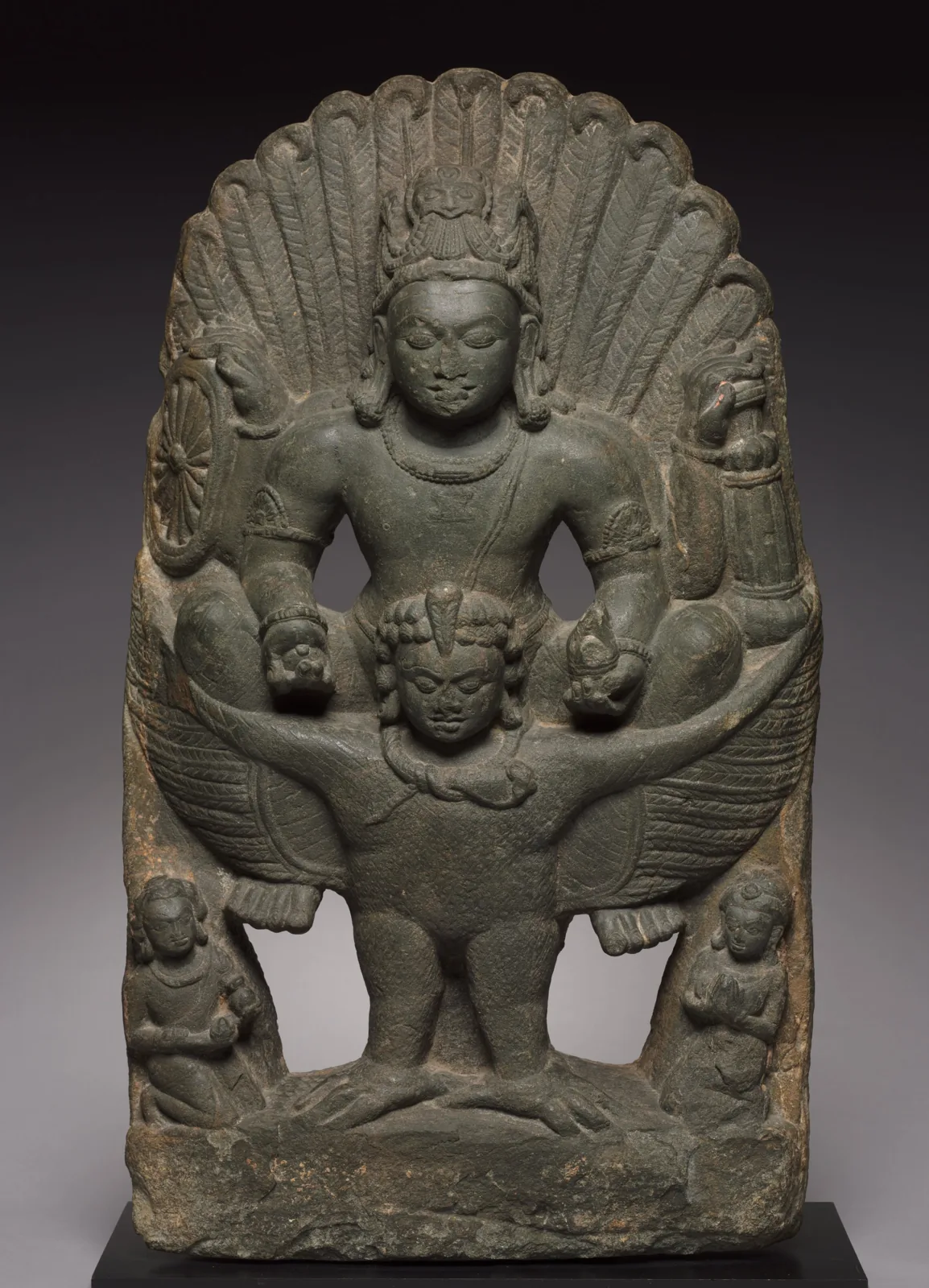
The bright-fortnight (Shukla Paksha) Ekadashi of the extra month, Adhik maas, also called Purushottam maas or Malmas. The extra month comes about once in thirty-two months, so this Ekadashi does not come every year. Keep it with a night vigil and break the fast on Dwadashi. Check a panchang (drikpanchang.com) for your city to know whether it falls this year and the parana time.
Vishnu · Shukla Paksha Ekadashi of Adhik maas
अधिक मास (Adhik maas)
व्रत कथा The katha
Sources differ on names: one calls the king Kartavirya and his son Kartavirya Arjuna, another calls the king Kritavirya and the son Kartavirya. Anasuya is called daughter of Kardama in one source and only a sage's wife in another. We give the fuller account. The day is named Padmini after the queen and is also called Kamala; the sources we read differ on whether Kamala is used. Printed lists of foods to avoid differ between traditions.
कथा (हिंदी)
युधिष्ठिर ने श्रीकृष्ण से पूछा कि अधिक मास की शुक्ल पक्ष की एकादशी का क्या नाम है और उसका व्रत कैसे किया जाए। भगवान ने कहा कि इसे पद्मिनी एकादशी कहते हैं, और कुछ लोग इसे कमला एकादशी भी कहते हैं। यह पाप हरने में उतनी ही सामर्थ्य रखती है जितना स्वयं भगवान। इसी मास की कृष्ण पक्ष की एकादशी परमा कहलाती है। फिर यह कथा पुलस्त्य मुनि ने नारद को इस तरह सुनाई।
कहते हैं कि त्रेता युग में हैहय वंश का एक राजा था, कार्तवीर्य, जो महिष्मती नगरी से राज करता था। उसकी एक हजार रानियाँ थीं, पर कोई पुत्र नहीं था जो राज्य सँभाले। उसने देवताओं, पितरों, सिद्धों और वैद्यों तक से सहायता माँगी, पर कोई उपाय काम न आया।
आखिर उसने तपस्या करने की ठानी। राज्य का भार मंत्रियों को सौंपकर वह गंधमादन पर्वत पर चला गया। उसकी प्रिय रानी पद्मिनी, जो इक्ष्वाकु वंश की थी और राजा हरिश्चंद्र की कन्या थी, पति धर्म निभाने के लिए गहने उतारकर उसके साथ वन में चली गई। दस हजार वर्ष तप करने पर भी उन्हें संतान नहीं मिली।
राजा को दुर्बल होते देखकर पद्मिनी ने सती अनसूया से पूछा, जो ऋषि कर्दम की कन्या थीं, कि कोई ऐसा व्रत बताइए जिससे भगवान प्रसन्न हों और हमें पुत्र मिले। अनसूया ने कहा कि हर बत्तीस महीने में एक अधिक मास आता है। उसमें पद्मिनी और परमा, दो एकादशियाँ आती हैं। उनका उपवास और रात का जागरण पुत्र देता है।
अनसूया ने यह भी बताया कि शुक्ल पक्ष की जो एकादशी द्वादशी से जुड़ी हो, उसे विधि से रखा जाए। पद्मिनी ने वैसा ही किया। उसने निराहार रहकर, जल तक छोड़कर, भगवान के भजन में रात भर जागरण किया।
उसकी भक्ति से भगवान केशव गरुड़ पर सवार होकर प्रकट हुए। उन्होंने कहा कि यह मास और इसकी एकादशियाँ मुझे बहुत प्रिय हैं। उन्होंने पद्मिनी को पुत्र का वर दिया। राजा को भी उन्होंने वर दिया कि उसका पुत्र ऐसा होगा जिसे नारायण के सिवा कोई न हरा सके।
पद्मिनी गर्भवती हुई, और समय आने पर कार्तवीर्य अर्जुन का जन्म हुआ। माता के व्रत के पुण्य से वह इतना बलवान हुआ कि तीनों लोकों में उसकी बराबरी करने वाला कोई न रहा। उसने रावण तक को बंदी बना लिया, और बाद में पुलस्त्य मुनि ने उसे वहाँ से छुड़ाया।
कृष्ण ने कहा कि जो इस एकादशी को श्रद्धा से करता है, वह मेरे धाम को पाता है। उसकी इच्छाएँ पूरी होती हैं। जो इसे केवल पढ़ता या सुनता है, उसे भी यश मिलता है और मृत्यु के बाद वह श्रीहरि के लोक में जाता है। युधिष्ठिर ने भी यह व्रत किया और वे बड़े आनंद से भर गए।
व्रत के नियम भी बताए गए हैं। दशमी को एक बार हल्का भोजन करें, भूमि पर सोएँ और ब्रह्मचर्य रखें। एकादशी को ब्राह्ममुहूर्त में उठकर स्नान करें और सफेद वस्त्र पहनकर विष्णु मंदिर जाएँ। दिन में निराहार रहें, रात को जागरण करें और कथा सुनें। रात के चारों पहरों में क्रम से नारियल, बेल, संतरा और सुपारी चढ़ाने की विधि कही गई है। अगली सुबह नहाकर भगवान की पूजा करें।
The katha (English)
Yudhishthira asked Krishna for the name of the bright-fortnight Ekadashi of the extra month and how to keep it. The Lord said it is called Padmini Ekadashi, and some also call it Kamala Ekadashi. In its power to remove sin, he said, it is as strong as he himself. The dark-half Ekadashi of the same month is Parama. Then he told the tale as Pulastya Muni once told it to Narada.
It is said that in the Treta Yuga a king of the Haihaya line named Kartavirya ruled from Mahishmati. He had a thousand queens but not a single son to hold the kingdom. He asked the gods, the ancestors, the siddhas and even physicians for help, but nothing worked.
At last he resolved to do penance. He left the kingdom with his ministers and went to Mount Gandhamadana. His beloved queen Padmini, an Ikshvaku princess and daughter of King Harishchandra, took off her ornaments and followed him into the forest, as a wife's duty. After ten thousand years of tapas they still had no child.
Seeing her husband grow frail, Padmini went to the chaste Anasuya, daughter of the sage Kardama, and asked for a vow that would please the Lord and bring a son. Anasuya told her that every thirty-two months an extra month arrives, with two Ekadashis, Padmini and Parama. Fasting and keeping vigil on them, she said, gives a son.
Anasuya added that the Shukla Ekadashi joined with Dwadashi should be kept by the rule. Padmini did exactly that. She fasted without food, giving up even water, and stayed awake through the night in praise of the Lord.
Pleased by her devotion, Keshava appeared riding Garuda. He said that this month and its Ekadashis were very dear to him, and he granted Padmini a son. To the king he gave a boon too: his son would be one that nobody could defeat except Narayana himself.
Padmini conceived, and Kartavirya Arjuna was born. By the merit of his mother's fast he grew so strong that no one in the three worlds matched him. He even took Ravana prisoner, and the sage Pulastya later had Ravana released.
Krishna told Yudhishthira that whoever keeps this Ekadashi with faith will reach his own abode, and that desires are fulfilled for those who observe it. Even one who only reads or hears it gains fame and, after death, goes to Hari's world. Yudhishthira kept the fast himself and was filled with joy.
The old account praises the vigil in particular. Staying awake through each watch of the night is said to give the merit of a great sacrifice, the Agnistoma, the Vajapeya and the Ashvamedha in turn, and a full night awake adds the Rajasuya. The text says no fasting day in the year is better than this one, and that it equals bathing at every holy ford.
The rules are described too. On Dashami take one light meal, sleep on the ground and keep brahmacharya. On Ekadashi rise at the brahma muhurta, bathe, wear white and go to a Vishnu temple. Fast through the day, stay awake at night and hear the katha. In the four watches of the night, coconut, bel fruit, orange and betel nut are offered one by one. Bathe at sunrise next day and worship the Lord.
Traditional source: Puranic account (Pulastya to Narada, Krishna to Yudhishthira), as told in common vrat-katha books
क्या खाएँ · What to eat
- Dashami: one simple meal, no salt as some books say, in a clean vessel
- Ekadashi: water only, or fruit and milk if you cannot keep a full fast
- Offerings in the four watches: coconut, bel, orange and betel nut
- Dwadashi: first food after parana
क्या छोड़ें · What to avoid
- Grain and pulses on Ekadashi
- Honey, spinach, urad, chickpea and eating in others' homes on Dashami (as the ISKCON account lists)
- Brushing with paste and idle talk on Ekadashi morning
- Weddings and sacred-thread ceremonies in Adhik maas
नियम How the day is kept
- Bathe at sunrise, ideally in a river, in white clothes
- Visit a Vishnu temple or set up a Vishnu image
- Hear the katha and chant Vishnu's names
- Keep the night vigil in four watches with an offering in each
- Give a pot of water or the Deity image to a worthy brahmin next morning
पारण और उद्यापन Breaking the fast
Break the fast on Dwadashi after sunrise, bathing first and worshipping Vishnu, inside the parana time in your city's panchang and outside Hari Vasara. Give a little to a brahmin or a poor person and eat a simple meal.
आरती और पूजा Aarti and puja
Close the night vigil, and the morning puja after it, with Om Jai Jagdish Hare in front of the Vishnu image.
प्रश्न Questions, answered
Why does Padmini Ekadashi not come every year?
It belongs to Adhik maas, the extra month added about every thirty-two months to keep the lunar and solar years together. In an Adhik maas there are two extra Ekadashis, Padmini and Parama.
Is Padmini the same as Kamala Ekadashi?
Many Hindi sites treat the two names as one for the Shukla Paksha Ekadashi of Adhik maas. The Padmini name comes from the queen in the katha.
What does the katha promise?
A son for Kartavirya and Padmini, and for those who keep the fast faithfully, fame, fulfilment of desires and Vishnu's abode after death.
Who told this story?
Krishna tells it to Yudhishthira, and inside it the sage Pulastya tells it to Narada. The vrat was taught to Padmini by Anasuya.
Is a waterless fast required?
Padmini kept a waterless fast. The texts allow those who cannot do so to take only water or milk, and the unwell should take a doctor's advice.
What should one offer during the night?
The ISKCON account lists coconut, bel fruit, orange and betel nut in successive quarters of the night, along with singing and dancing.
तिथि और पारण का समय हर शहर में अलग होता है; अपने शहर का पंचांग (drikpanchang.com) देखें। कुल की परंपरा सर्वोपरि है। Dates change every year, so check a panchang for your city. If you are unwell, pregnant or on medicine, keep the fast in a lighter way.
Hear it in Braj. Laladham picks you up in Delhi and runs the complete trip, so you can keep your vrat where the stories happened.
Plan my trip