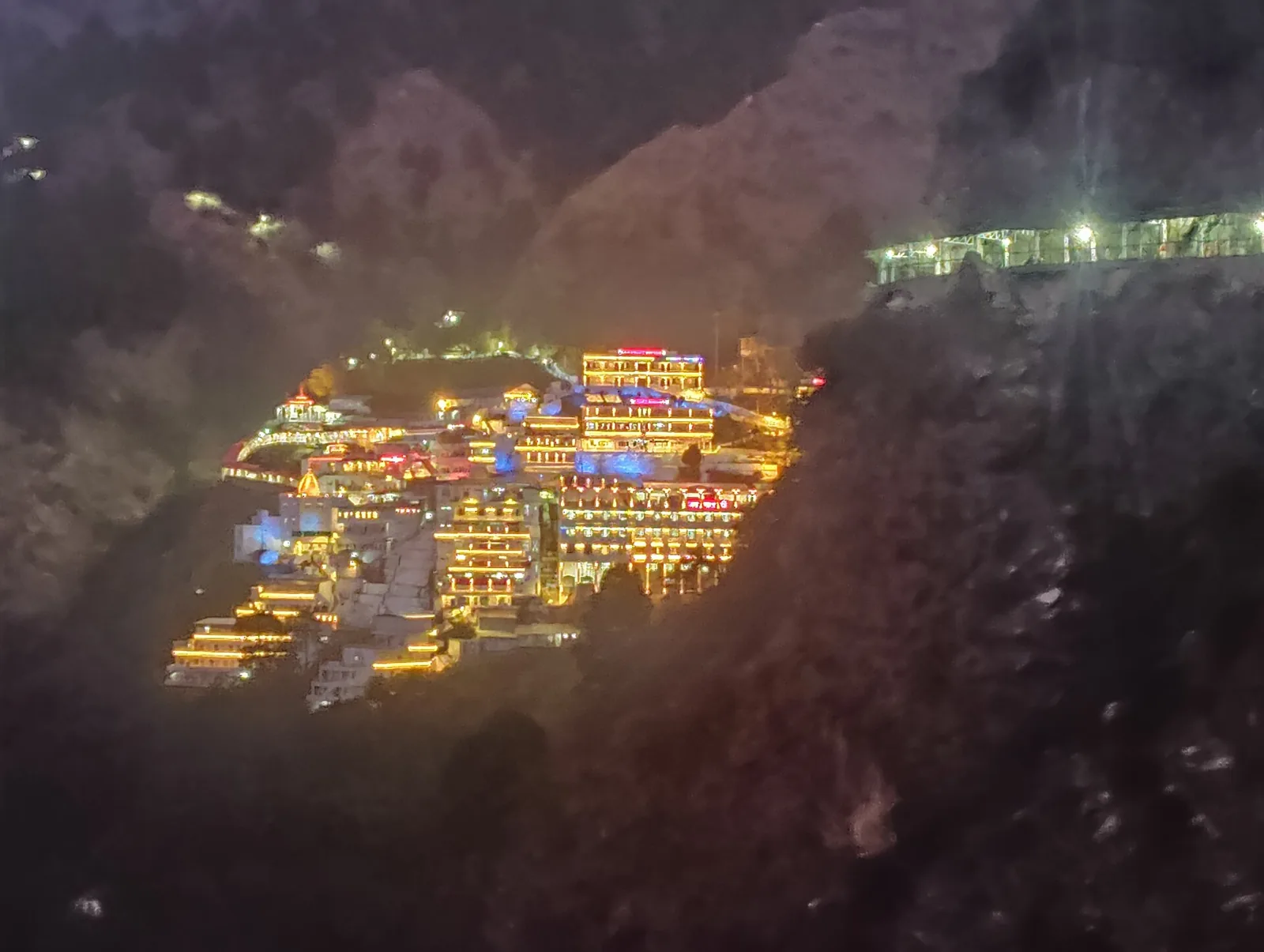
The climb to Vaishno Devi is about thirteen kilometres from Katra, and nearly everyone who writes about it says the distance is not the hard part. The hard part is the clock: registration, the card, the queue at the cave, the closing of the gates for morning aarti, and your own legs at three in the morning. This plan gives you three days so that none of those things has to be rushed on the same afternoon you land.
The sequence is deliberately gentle. You fly into Jammu and drive to Katra, sort out registration without a flight to catch, climb on the second day with the right amount of daylight or darkness for your group, and keep the third day for sleep, the town and the airport. Families with a grandparent, or parents in their fifties, do best with this pacing.
The shrine is open every day of the year and the route is paved, lit and covered for much of its length, so this is not a mountaineering trip. It is a long walk with a queue at the end, and the people who enjoy it most are those who planned the queue, the rest stops and the descent as seriously as the ascent. Flights are not included: book your flight into Jammu yourself; the first day starts at landing.
From your pickup
Same trip, four starting points. Road times are real driving times; a long drive becomes its own travel day so nobody arrives wrecked.
Day by day
Day 1 · night in Katra
Landing at Jammu and settling into Katra
Jammu airport to Katra, around 50 km, roughly two hours
Your driver meets you at the airport and the road to Katra takes about two hours. Use it to sleep or to eat a proper lunch at the hotel rather than rushing. Katra is the base town at the foot of the Trikuta hills, a busy, friendly stretch of shops, sweet counters and hotels, and the walking route starts at its edge.
Registration is the one errand to get right. The Shrine Board requires online registration and an RFID card for everyone going up, and a registration centre at Katra railway station stays open until midnight. A rule announced on 24 December 2025 says you must begin within twelve hours of receiving the card and be back at the Katra base inside a day. So do the registration online first, but collect the physical card only on the day you actually start climbing; one family wrote that the card queue on the Tarakote side was almost empty.
Eat early and sleep as much as the hotel allows. Travellers who started after dinner from Katra say the first hour is the easy part. Those who arrived at midday and tried to climb the same evening on no rest were the ones who described the descent as a blur.
- Katra
- Banganga check post
- RFID registration
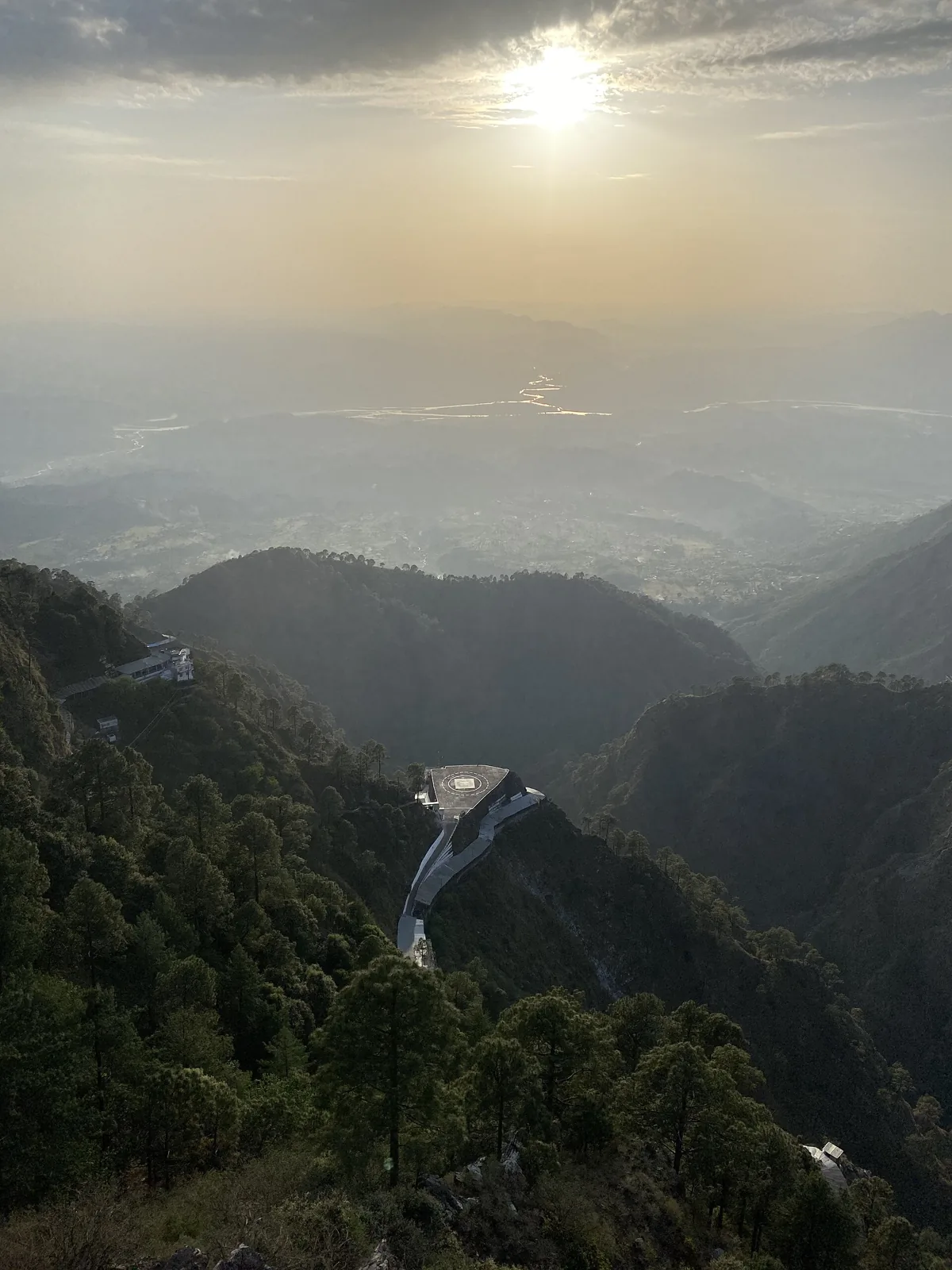
Day 2 · night in Katra
The climb, the cave, and the long way down
Katra to Bhawan, about 13 km on foot or by ride
Choose your start by the weather and your group. A mother and father in their mid fifties who left Katra around seven in the evening, because the day had been hot and humid, called the cool evening the best decision of their trip. A couple of friends who set off at ten at night reached the Bhawan about half past four and found the darshan queue one to two kilometres long.
Two routes cover the first stretch. The older road via Banganga and Charan Paduka has ponies, porters and palanquins. The newer Tarakote Marg is longer, gentler, wide and clean, and has no ponies, but it has battery cars between Ardhkuwari and the Bhawan that you can book online. Two different family accounts liked it for small children and seniors, and the hardest part for a group of three generations was catching the battery car slot they had booked. Plan to arrive early for it.
At the Bhawan you leave phones, watches and bags in the cloakroom or the free lockers, join the group line, and the actual darshan takes only a few minutes inside the cave. Queues at night have been reported at two to three hours. The gates close for morning aarti around six, so do not assume you can wait out a long line and still enter; one walker did not get in for exactly that reason.
Afterwards, Bhairon temple sits roughly two kilometres up, and travellers disagree on its difficulty: one found it steeper and rougher than the entire climb from Katra, while a Bhawan to Bhairon ropeway runs in about three minutes. Morning lines for the ropeway have run to a couple of hours, so decide before you leave the cave. Then descend and rest. Knees and thighs are what people mention afterwards, so take the way down slowly.
- Banganga
- Ardhkuwari
- Tarakote Marg
- Bhawan
- Bhairon temple
Day 3 · night in Jammu
Sleep, Jammu's old temples and the flight out
Katra back to Jammu, a shade under two hours by road
Do nothing before ten. Almost every account of this trip describes the morning after as the day you cannot get out of bed, and a hotel breakfast taken slowly is the correct start. Sweets from the shops at the Katra bus stand travel well and make better gifts than anything at the airport.
Then the road back to Jammu. If your flight leaves late, the Raghunath temple complex in the old town is the sensible stop, a cluster of shrines with a calm courtyard, and the Shankaracharya temple among the other sites listed by the tourism department. Neither is demanding, and both suit stiff legs.
Leave plenty of time for the airport. The driver leaves you at the terminal door and the trip is over.
- Raghunath Temple
- Jammu
- Jammu airport
Registration and the twelve hour clock
Registration is online and free, through the Shrine Board, with a government ID such as Aadhaar, voter card or passport. The RFID card tracks you through the route and the ropeway needs it too. Because of the twenty four hour return rule, do not collect the card the evening before, then sleep late. Collect it only when your real start is close, and carry the same ID you registered with.
The rules have been changing quickly, with some press reports quoting a different start window, so read the Shrine Board's own page the week you go.
When to go, and when not to
March and April and October and November are mild, though Navratri weeks bring heavy crowds with darshan lines of ten hours or more reported. May and June are hot, so people climb at night. July to September can mean slippery paths and landslides. Winter is cold, with snow near the Bhawan and helicopter flights sometimes suspended.
What to carry and what to leave
Comfortable shoes you have already walked in, a rain cover, a power bank, tissues, and a small bag only. The cave does not allow large bags, phones or cameras, and lockers fill up. Liquor, non-veg food and smoking are prohibited on the route, so pack accordingly. Leave anything heavy in the hotel in Katra.
What the price covers
- Car and driver from your pickup to the airport, and again from arrival to departure
- 2 nights in hand-picked stays
- Breakfast and dinner every day
- Local guide at the main sights
- Tolls, parking and fuel
- Flights and trains (we book them with you at the fare of the day)
- Lunches
- Monument tickets, permits and activity fees
- Personal shopping
Questions people ask
Is Vaishno Devi doable for a 60-year-old?
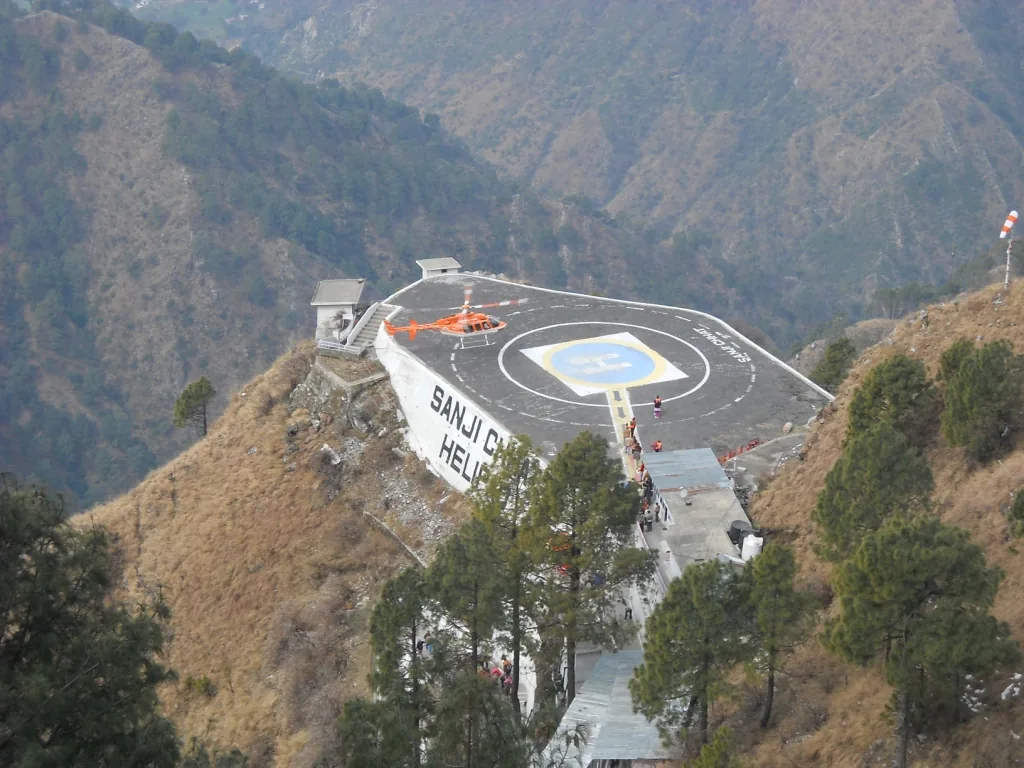
Yes for most healthy people, with help. The path is paved with rest stops and food at regular intervals. One mother and father, both fifty five, walked part of it and then took a horse. Battery cars, ponies, palanquins and a helicopter to Sanji Chhat exist, but the helicopter does not take you to the cave.
How long does the climb take?
Reports vary with fitness and crowds. One group took about seven and a half hours from Katra to the Bhawan with a long wait for a battery car. Another walked up in the night in about six hours from the check post. Coming down takes around three hours.
Do we need to register before arriving?
Yes. Registration is compulsory and the RFID card is collected in Katra. The December 2025 rule gives you twelve hours to begin and a day to return.
Can this start from Delhi, Agra, Mathura or Jaipur?
Yes, Laladham can collect you from any of those four. The drive to the airport is arranged, and your driver is waiting when you land in Jammu. Flights are yours to buy.
Should we visit Bhairon temple as well?
Many people do, since it is traditionally part of the visit. It is about two kilometres above the Bhawan and tiring after a night climb. The ropeway makes it easy for most, if you can handle the queue.
Can I take a camera or phone inside?
No. Phones, watches and cameras are left in lockers or the cloakroom before the cave. Plan to be unreachable for an hour or two.
Is it safe in winter?
The path stays open, but cold is real and snow can interrupt helicopter and battery car services. Dress in layers, and expect the plan to bend with the weather.
- Shrine Board registration and RFID rules: the 12 hour start and 24 hour return rule was reported on 24 December 2025; some reports quote other windows
- Battery car, helicopter and ropeway timings and booking windows change with season and weather
- Darshan and morning aarti closing times, and Navratri crowd advisories
- Weather and snow closures on the track in winter and monsoon
 6 days
 3 days
 4 days