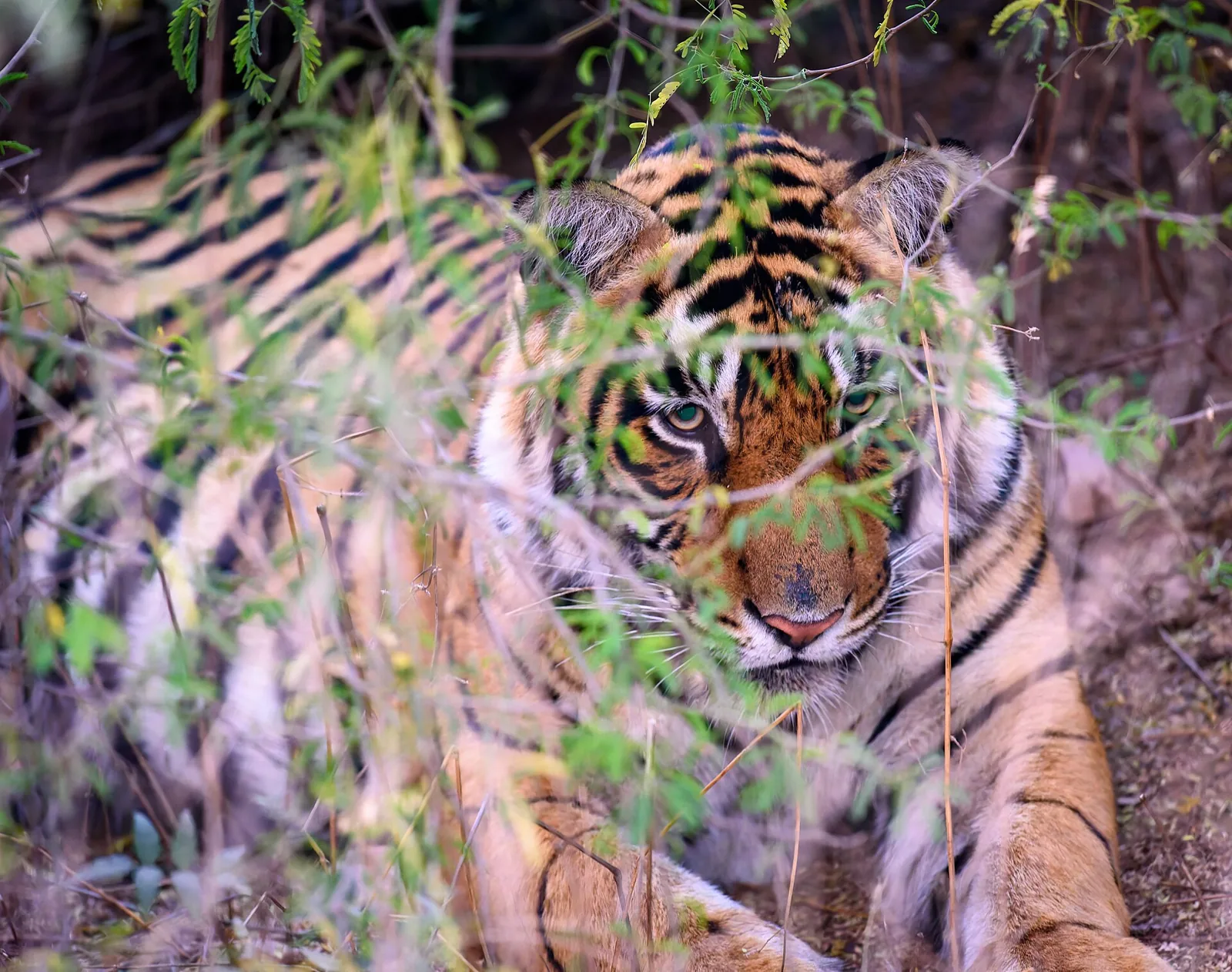
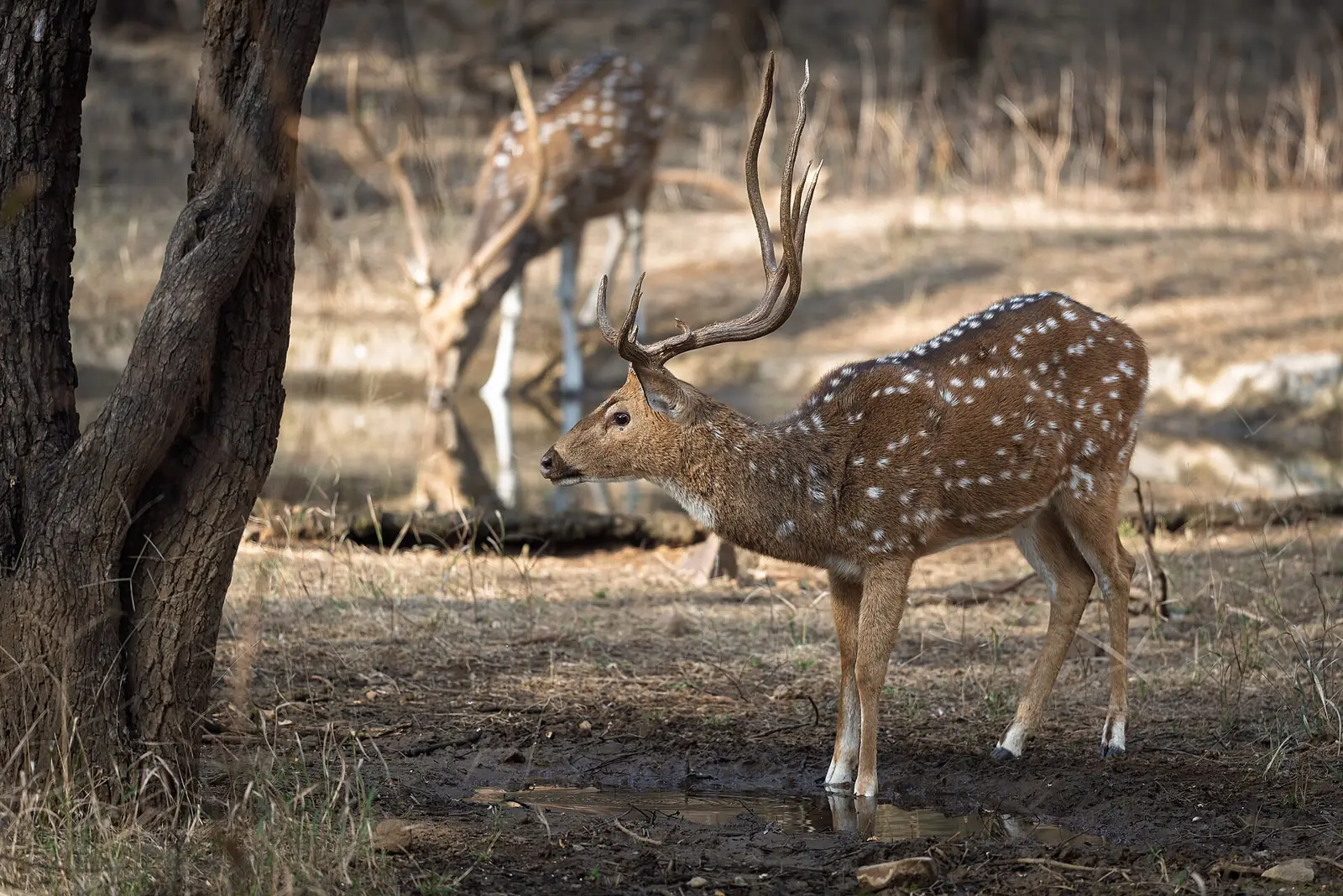
A tiger safari has a way of reorganising a holiday around itself. You are woken in the dark, handed a blanket, driven to a forest gate and then spend three hours bouncing through dry woodland, listening for the sharp bark of a spotted deer. Sometimes the tiger walks out onto the track. Often it does not. Anyone planning Ranthambore should hold both of those outcomes in mind.
What makes Ranthambore different from most reserves is the open landscape, the lakes and, in the middle of it all, a tenth-century hill fort with crumbling gateways and stepwells. Outlook Traveller counts about eighty tigers that are active in daylight, which is why so many Golden Triangle itineraries end up here. The second half of this trip swaps the forest for Jaipur and its crowded, glowing old city.
It works for couples, groups of friends and families with children who can sit still for a whole morning. It is a poor fit for anyone who needs a guaranteed sighting, because nobody can promise one, and several writers say as much.
From your pickup
Same trip, four starting points. Road times are real driving times; a long drive becomes its own travel day so nobody arrives wrecked.
Day by day
Day 1 · night in Sawai Madhopur
The fort on the hill, then the first drive
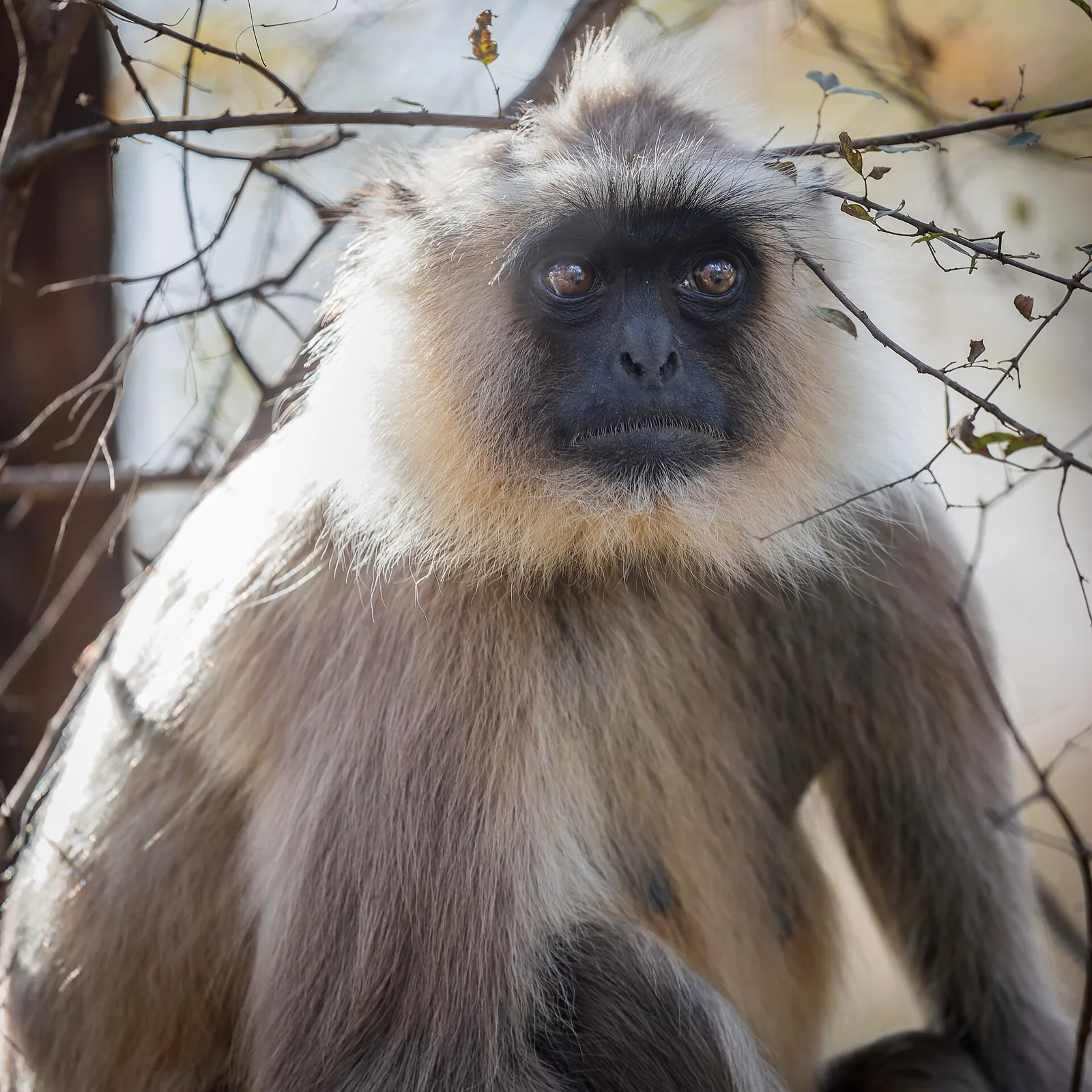
Spend the morning at Ranthambore Fort, which sits inside the reserve and also carries UNESCO listing. It is a steep walk along the ramparts, with temples, gates and stepwells along the way, and the views over the forest are the reason to climb. Travellers warn about langurs and monkeys, so keep food in a bag and do not wave a camera around.
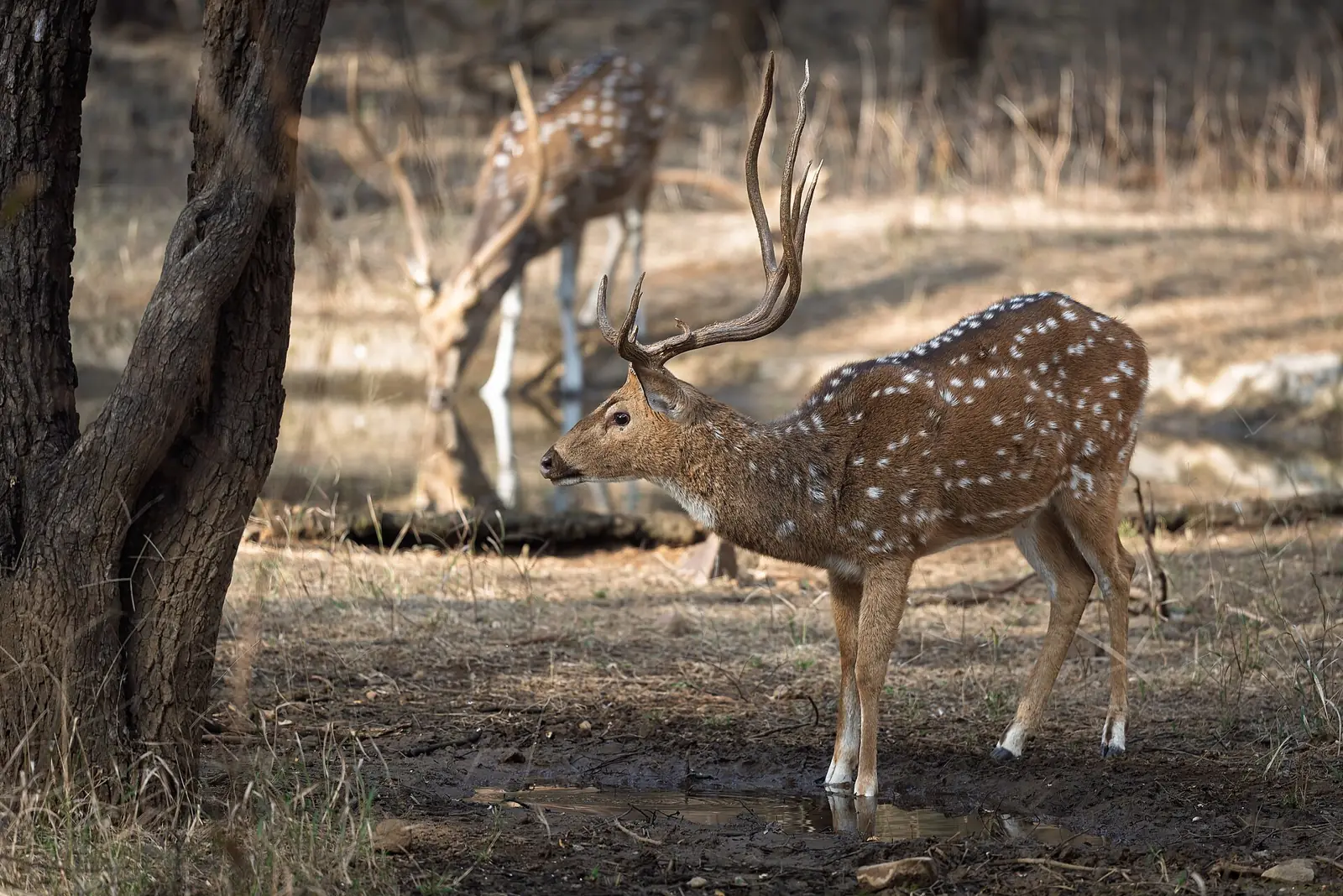
Eat a light lunch and rest. Hotel pickup for the afternoon drive is around two thirty. Afternoons run hotter than mornings, according to one couple that did both. Whichever zone is allotted, keep your expectations in the right place: you may see peacocks, sambar and langurs for the first hour and a tiger only at the very end, or not at all.
Be back at your stay by dusk. The town is crowded at that hour, according to a writer who went in March, so do not plan an evening outing.
- Ranthambore Fort
- Afternoon safari
Day 2 · night in Sawai Madhopur
Two more drives and the art of waiting
Wake before six. A typical morning goes like this: hotel pickup at about seven, a half-hour run to the gate, entry near seven thirty and exit before ten. On a March morning, one canter passenger waited around half an hour for a tigress that was mostly hidden in the foliage and then rose briefly. That is a typical sighting, a few good minutes after a long wait.
The zone allocation is random unless you reserve ahead, and it matters. Zones 1 to 5 are the core, and the lake-side zones 3 and 4 are commonly called the best. But zones are not destiny: one group got nothing in a core zone and then found a ten-year-old male tiger in sector six after being reassigned. Another had a gypsy morning in zone 6 in which a tigress rested for thirty minutes after a deer's alarm call.
Go back to your stay for lunch and sleep. For the evening drive, take the vehicle you did not use in the morning if you can: the open jeep rattles harder but turns and chases sightings with ease, whereas the big bus is the budget choice that still delivers deer, birds and the odd surprise.
- Core zones
- Morning safari
- Evening safari
Day 3 · night in Jaipur
Dausa road to Jaipur, then the pink city at dusk
Sawai Madhopur to Jaipur, about 3.5 hours by the Dausa road
The drive north to Jaipur takes about three and a half hours. A tiger-safari writer recommends the Dausa road over the Tonk road, and your driver will know which is flowing better that day. Leave after breakfast so you reach Jaipur by lunchtime.
Spend the afternoon in the walled city. The Hawa Mahal, built in 1799 with its 953 windows, is best seen from the street opposite in late light. Nearby, Johari Bazaar is for jewellery and textiles and Bapu Bazaar for mojari shoes. Eat something local at dinner: the national tourism page lists dal bati churma, mirchi bada and laal maas, and the choice depends on how adventurous your group is.
The pink paint is not an accident. The city was painted that colour in 1876 to welcome the Prince of Wales, and building owners are still required to keep it that way.
- Hawa Mahal
- Johari Bazaar
- Bapu Bazaar
Day 4 · night in Jaipur
Amer Fort, the City Palace and the stone sundial
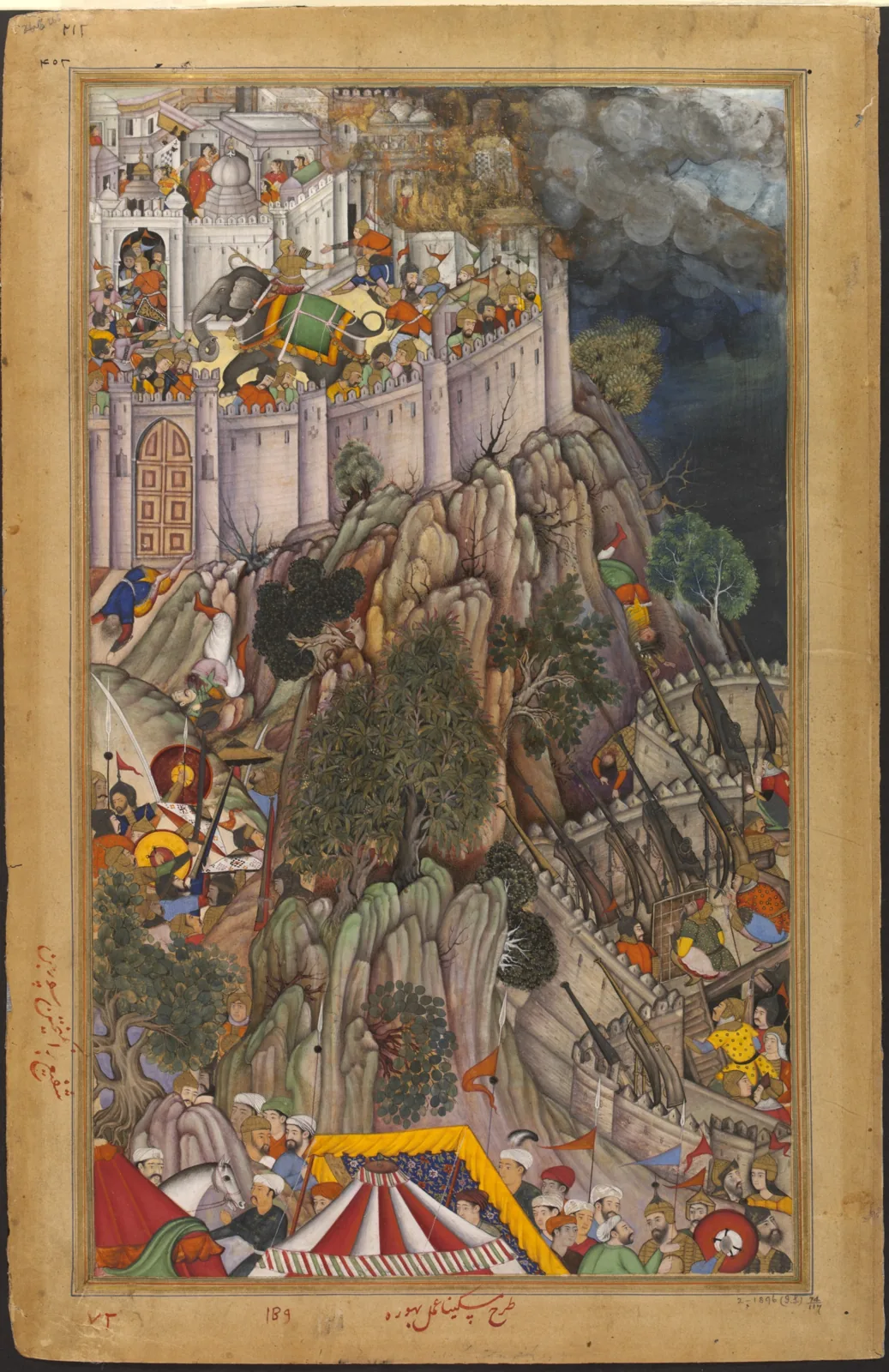
Go to Amer Fort first, early, with a guide. The visits that travellers describe most happily are the ones that began before the tour groups arrived. The fort is a World Heritage listing, and one visitor caught by a May heatwave above 42 degrees said she would not repeat it, so in the warmer months the earlier the better. Allow two to three hours.
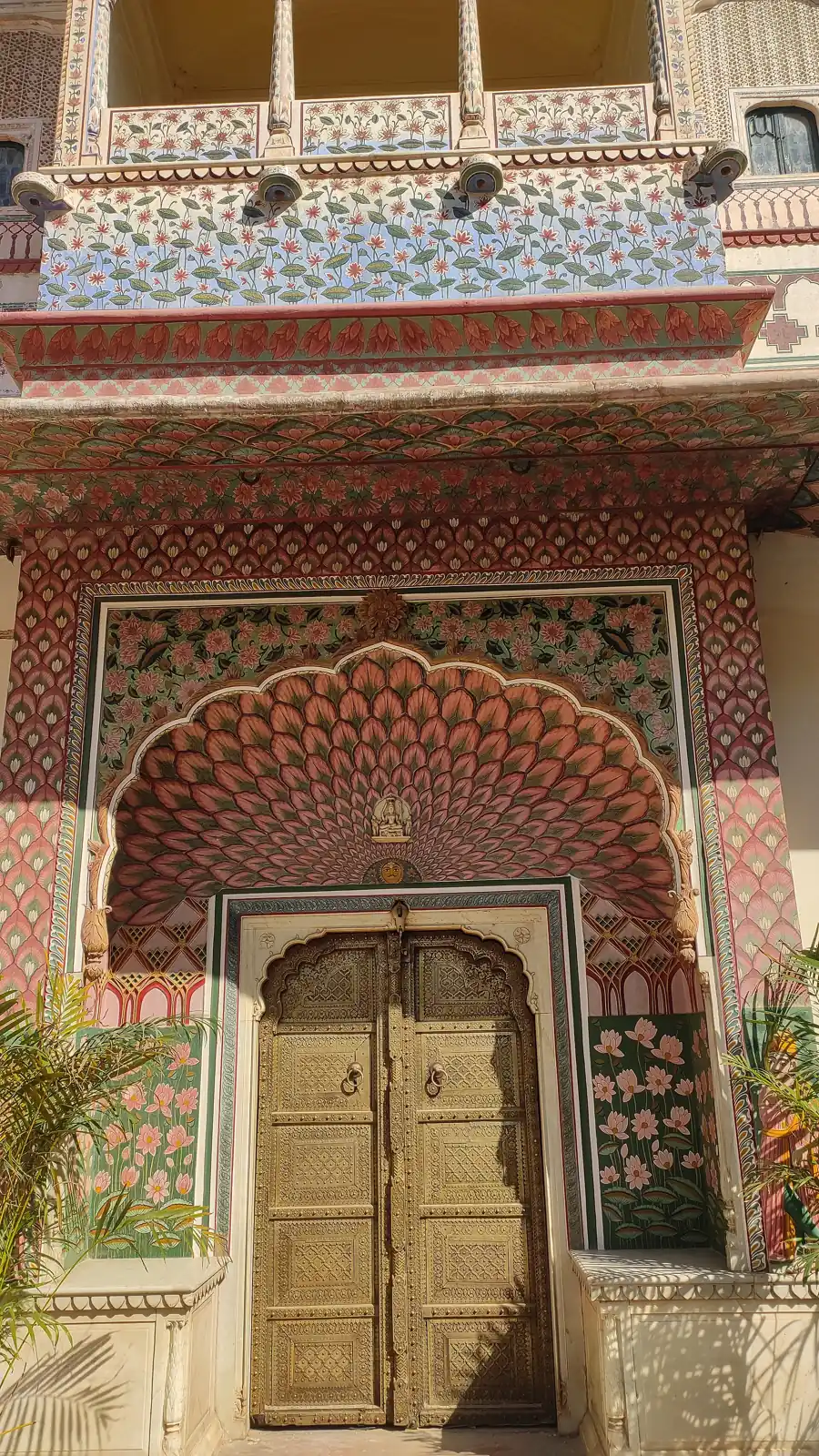
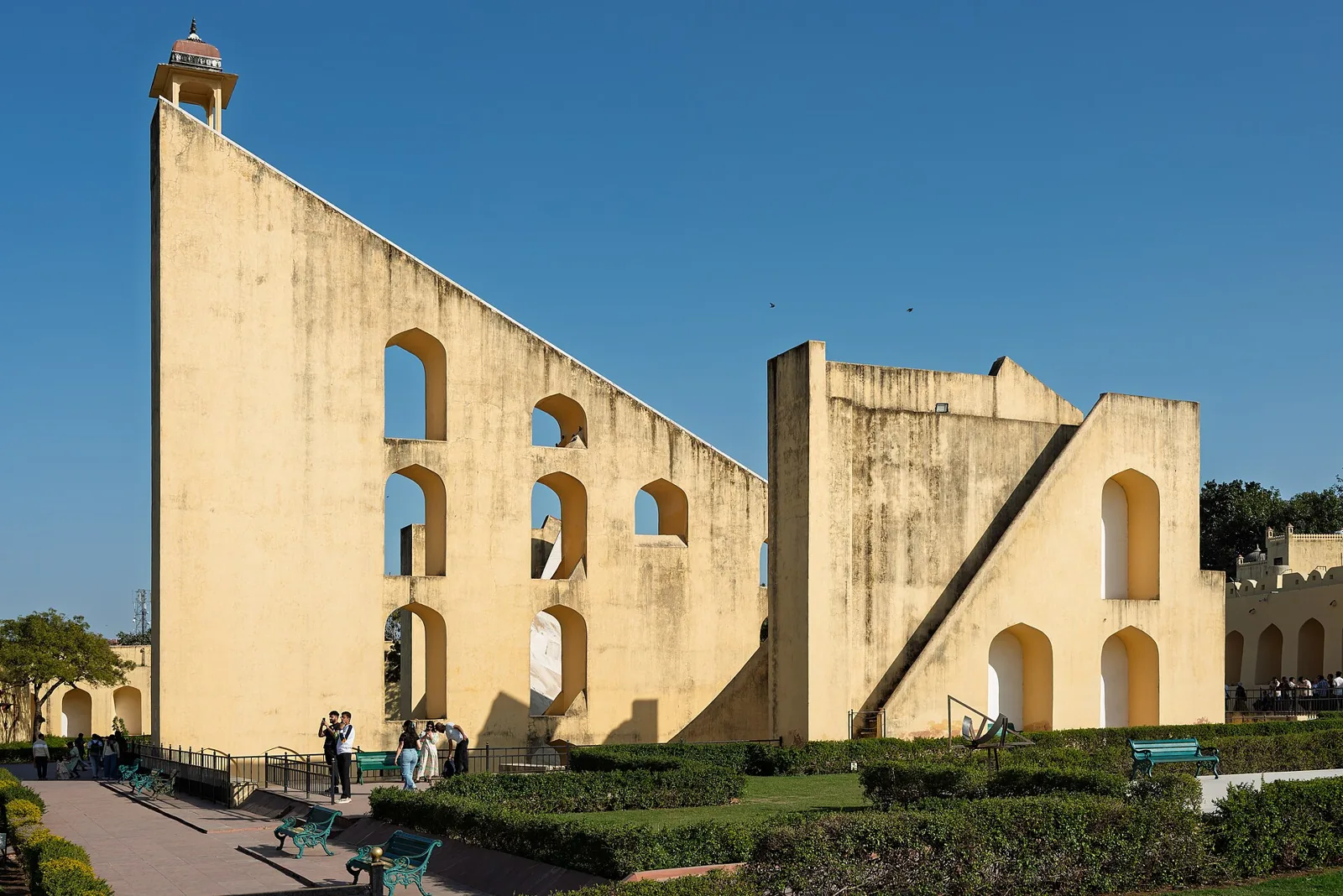
After lunch the car moves into town for the City Palace, a mix of Rajasthani and Mughal styles with the famous Peacock Gate, and then Jantar Mantar next door. The observatory holds nineteen instruments built between 1728 and 1734, including the largest stone sundial in the world, and it is much better with a guide who can explain how to read them.
The trip ends in Jaipur. If you have an evening flight or train, leave a generous margin; the roads around the old city can crawl at five.
- Amer Fort
- City Palace
- Jantar Mantar
Luck, zones and the vehicle question
Ranthambore has ten zones, and the first five are the core of the reserve. Travellers who have done three or four drives describe the same thing: tracking depends on luck even with experienced guides, and some guides keep a hopeful story going about a zone that is not producing. If you are hoping to improve your odds, book more than one drive, as this trip does, and ask the hotel to arrange the vehicle type.
Canters seat about twenty and gypsies about six. Canters are cheaper, and travellers say the front seats are best. Gypsies rattle more, move quicker and turn more easily when a tiger appears. Several writers also warn that vehicles crowd in whenever a tiger appears, and one called the jams and selfie-hunting the least pleasant part of the experience. Forest rules apply throughout: stay seated, no flash, no feeding and no drones.
When the park is open
Sources agree the park closes for the monsoon but disagree on the exact dates; Outlook Traveller says October to May and The Tribune says the busy period runs October to June. Check the dates before you pick a week. Tigers are generally easier to see towards March, when many trees have lost their leaves and waterholes shrink. Mornings in winter are cold; one stay in tents dropped to 8 degrees at night.
What to wear and carry
Layers for the open vehicle, in neutral colours, plus a hat, sunscreen, water and a face covering for dust. Binoculars help more than a long lens on most drives, and the guide spotted a first tiger through binoculars for one couple. Keep a small bag for the fort, where monkeys are persistent, and tie back loose scarves before you climb. A light jacket matters even in a warm week, because the vehicle in the first hour after dawn feels much colder than the forecast suggests, and the return drive at dusk is chilly again once the sun leaves the trees.
What the price covers
- One car and driver from your pickup to the final drop
- 5 nights in hand-picked stays
- Breakfast and dinner every day
- Local guide at the main sights
- Tolls, parking and fuel
- Lunches
- Monument tickets, permits and activity fees
- Personal shopping
Questions people ask
Will we definitely see a tiger?
No, and honest reports say so. A group might see one on the first drive or go several drives without one. Three safaris in two days give a fair chance, but the best preparation is patience.
Canter or gypsy?
The canter is the cheaper and sociable option; the gypsy gives speed and freedom. One traveller who tried both liked the gypsy better for tracking, another found the canter fine. Zone luck matters more than the vehicle.
How early do the safaris start?
Mornings begin before sunrise, with hotel pickup around seven in winter reports and entry near half past seven. Afternoon pickups are around half past two. Timings change by season, so the booking confirmation is the authority.
Can this start from Delhi or Agra?
Yes, with a separate travel day first. The ride down to Sawai Madhopur from Delhi, Agra or Mathura is added before day one, which then opens at the fort.
Is the fort hard to climb?
It involves a steady uphill walk with steps. Take water, wear shoes with grip, and expect monkeys near the gates.
Is this trip suitable for children?
If they can sit quietly for a few hours and dress in layers in winter, yes. Many families find the fort and the town of Jaipur easier on short attention spans than the long wait for a tiger.
- Park open and closing dates and weekly closures: sources disagree, so confirm on the Rajasthan Forest Department booking portal.
- Safari timings and zone allocation shown on the booking confirmation.
- Amer Fort and City Palace opening hours and ticket rules.
- Safari vehicle type and any hotel pickup arrangement.
 3 days
 5 days
 5 days