It is said that the land of Braj calls those it wants. This guide is for those who have heard the call and need the plain facts: when to go, how to fly, what to pack and how the days can run.
Who this is for
It is written for visitors from the USA, including families who have not been to India for years and first-timers who have never left their country. The USA is the largest foreign source of arrivals to India, with about 18 lakh arrivals in 2024 by Ministry of Tourism figures. Searches for Mathura and Vrindavan from the USA run to about 31,000 a month in English.
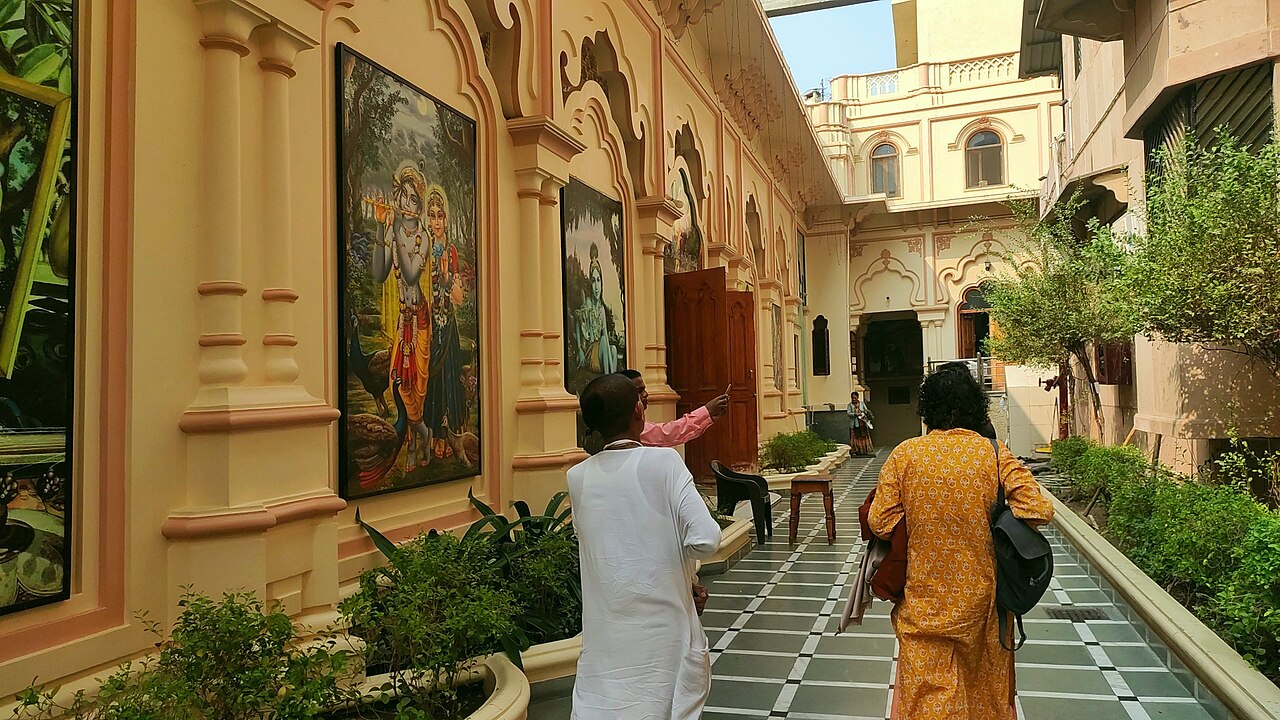
Most American searches are informational: Banke Bihari, Prem Mandir, ISKCON and stays near ISKCON, such as the MVT guest house. If that sounds like your list, read on.
What to know before you fly
You will fly into Delhi, which is about 170 to 175 km from Vrindavan, a drive of roughly three hours via the Yamuna Expressway. Flights from the USA to Delhi are long, so plan the first day as rest. Check current airlines and routes yourself, as we cannot vouch for timetables.
Visas change, so confirm on the official Indian government e-visa site and with your airline before you buy a ticket. Carry a passport valid well beyond your stay. Arrange travel insurance, and ask your doctor about vaccinations and stomach medicine.
Time zone and jet lag
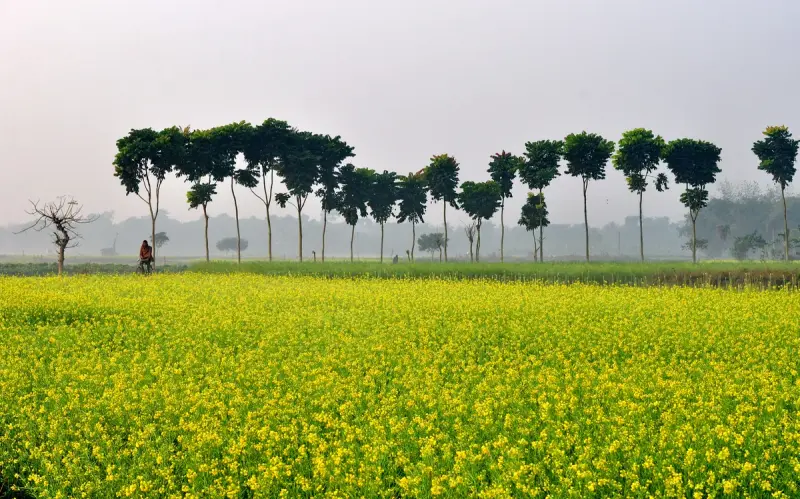
India is on UTC+5:30 all year. The east coast of the USA is 9.5 hours behind India in daylight saving time and 10.5 hours behind in winter, and the west coast is about 3 hours further. This is a large shift, and the first two nights can be broken.
The good news is that Braj starts early. Mangala aarti at ISKCON is about 4:30 am, so waking at dawn matches the place. Keep the first morning light, walk in daylight and sleep early.
The best months and the Holi window
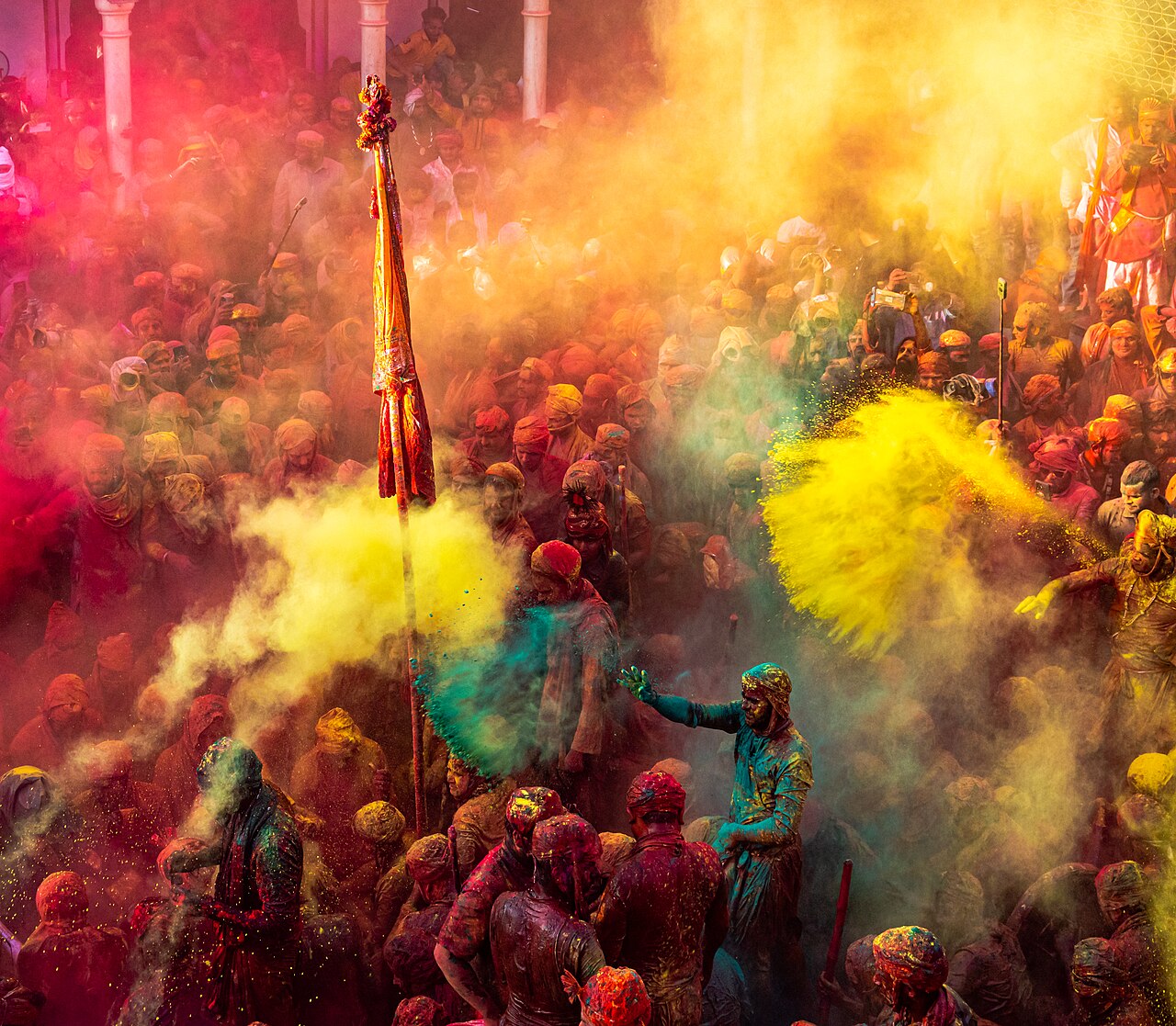
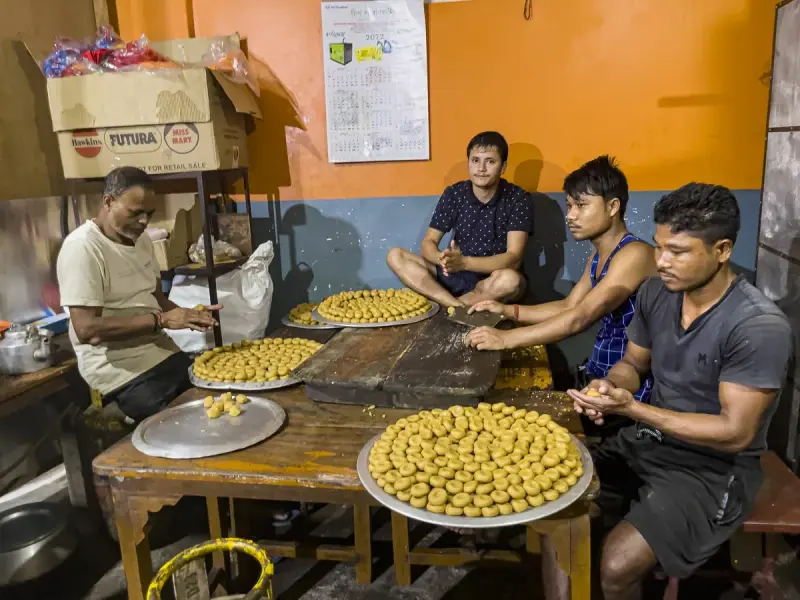
The cooler months, October to February, are comfortable. Hotel searches from the USA peak in December and January. Searches for Holi spike in March, when American interest is highest, and the 2027 Holi (Dhulandi) falls on 22 March by the panchang sources we found. Lathmar Holi in Barsana and Nandgaon comes around 16 to 17 March, confirm locally, with Laddu Holi the day before.
Kartik, from late October to late November in 2026, is the seeker's month and is calm and devotional. Summer, from April to June, is very hot. July is the quietest month for searches, and the monsoon is green but humid.
On the ground: etiquette, food and money
Dress modestly with shoulders and knees covered. Shoes are removed at temple gates. Phones, cameras and electronics are not allowed inside Krishna Janmabhoomi, and a paid cloakroom is outside. Banke Bihari questions big bags and phones, so carry little.
For food, begin with a trusted sattvik meal, such as Govinda's at ISKCON, which is described as sattvic with no onion or garlic. Drink sealed water, eat hot food cooked in front of you and move to street food from day two. Carry some small cash for parking, shoe stands and tea. Cards work in hotels and larger places, but small shops and temples prefer cash.
What to pack
Light cotton clothes in modest cuts, a shawl or scarf, slip-on shoes, socks for winter, a hat, sunscreen, a refillable bottle, hand sanitiser and a small stomach kit. A power adapter and a small day bag are useful. Bring any prescription medicines in their original packs.
A SIM or eSIM that works on arrival helps with maps and calls to your driver. Keep copies of your passport and visa in a separate bag.
A sample six-day plan
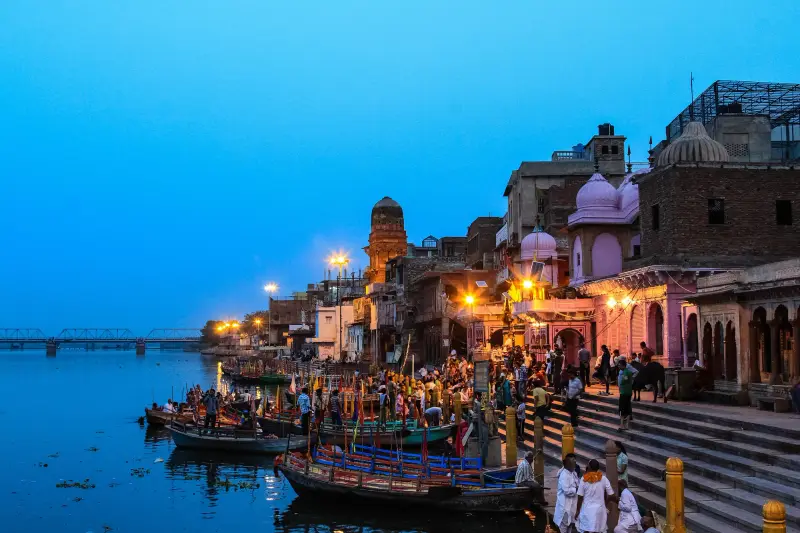
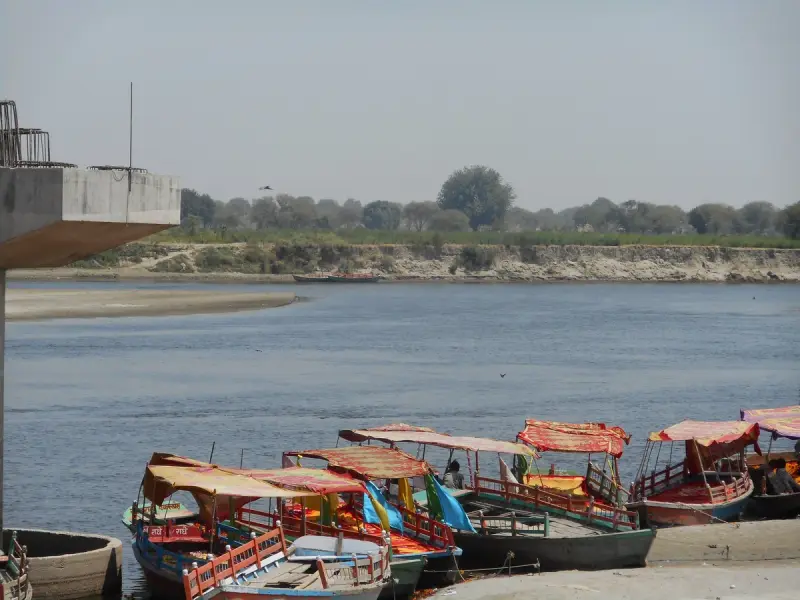
Day 1: land in Delhi, rest and drive to Vrindavan next morning if you arrive late. Day 2: ISKCON, Prem Mandir at dusk. Day 3: Banke Bihari at opening, Radha Raman, Seva Kunj and Kesi Ghat at dusk. Day 4: Mathura, Janmabhoomi, Dwarkadhish, Vishram Ghat, and Gokul. Day 5: Govardhan and Barsana. Day 6: return to Delhi, leaving a full half-day before an international flight.
Laladham can do the airport transfer and the day drives, and the Laladham homestay, in Balajipuram, Mathura, a short drive from the temples and ghats, offers a calm base with home-cooked sattvik food.
Related guides
Read the Delhi airport transfer guide, the first-day guide for jet lag, the fog-season post if you travel in winter, and the temple dress code. They fit together as one preparation.
Questions, answered
How far is Vrindavan from Delhi airport?
About 170 to 175 km, roughly three hours by the Yamuna Expressway.
When is the best time for visitors from the USA?
October to February is cooler. March is Holi, which is vivid but very crowded.
What is the time difference?
India is UTC+5:30. New York is 9.5 hours behind during US summer time, and 10.5 once winter time begins.
Can I eat street food?
Begin with a sattvik meal you trust, and move to hot, freshly cooked street food from the second day.
- Ministry of Tourism, Rajya Sabha answer 1412 of 11 Dec 2025 (arrivals by nationality)
- Indian government e-visa portal
- Laladham guide: ISKCON Vrindavan, Krishna Janmabhoomi