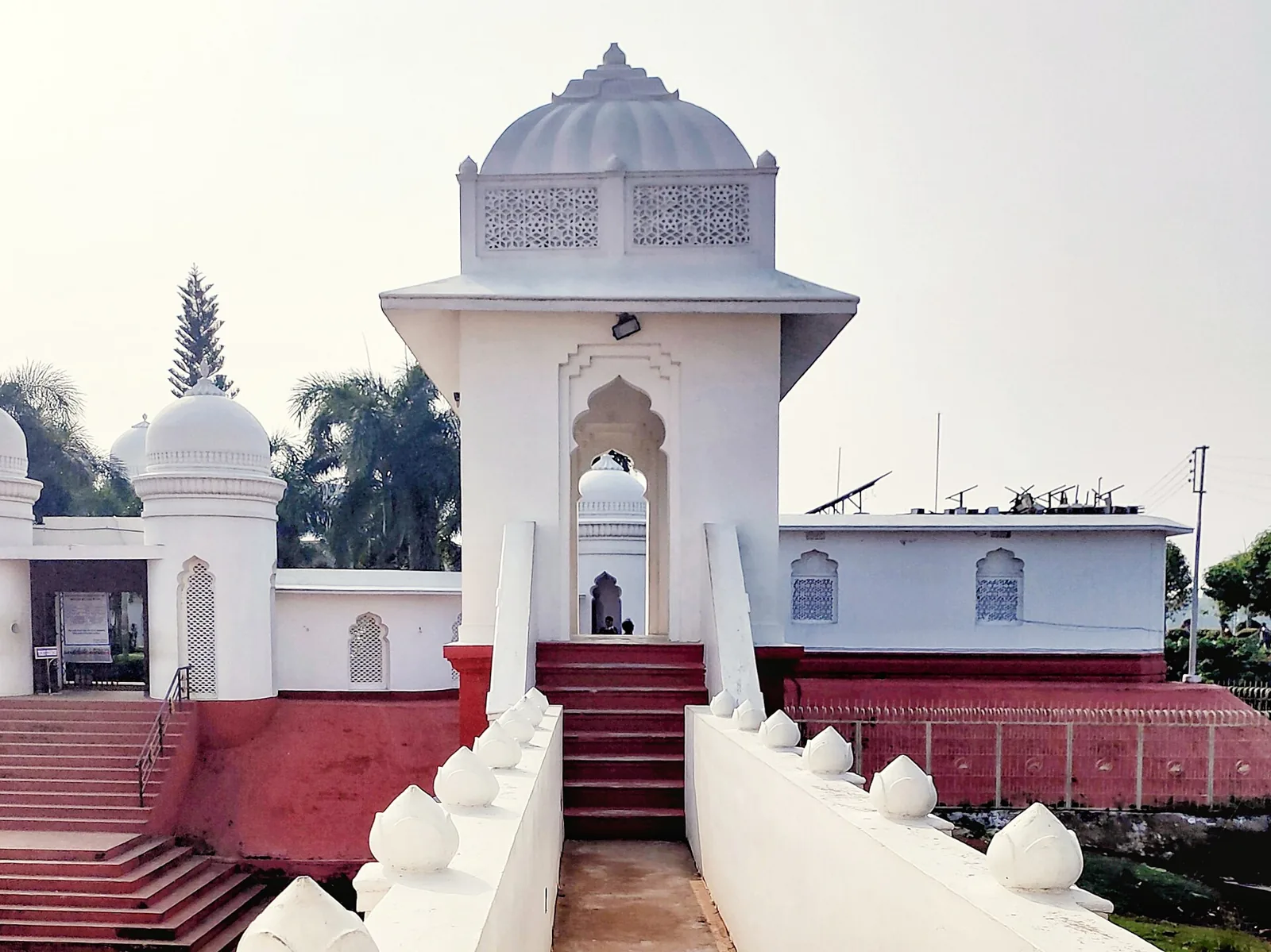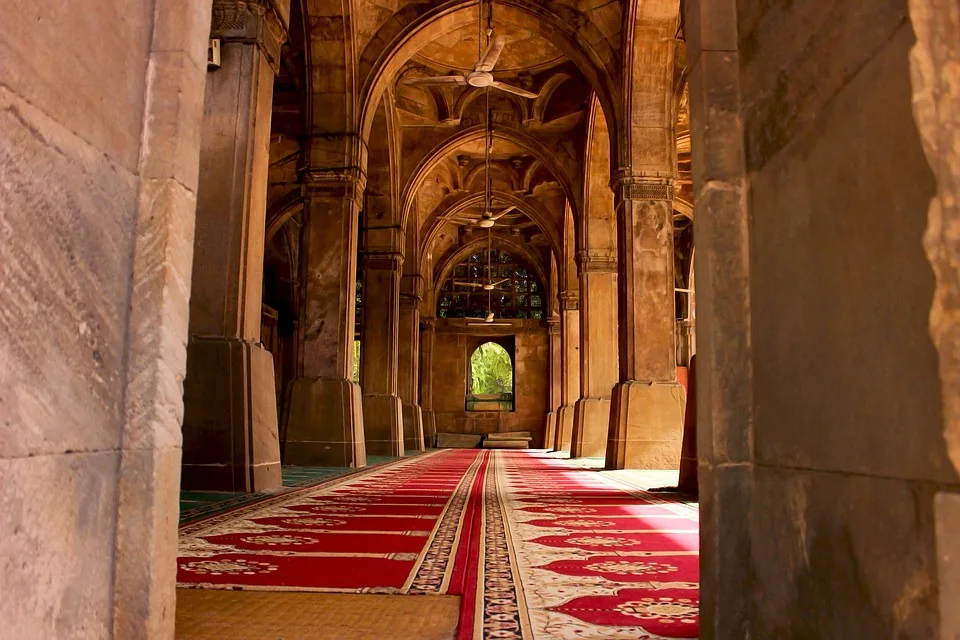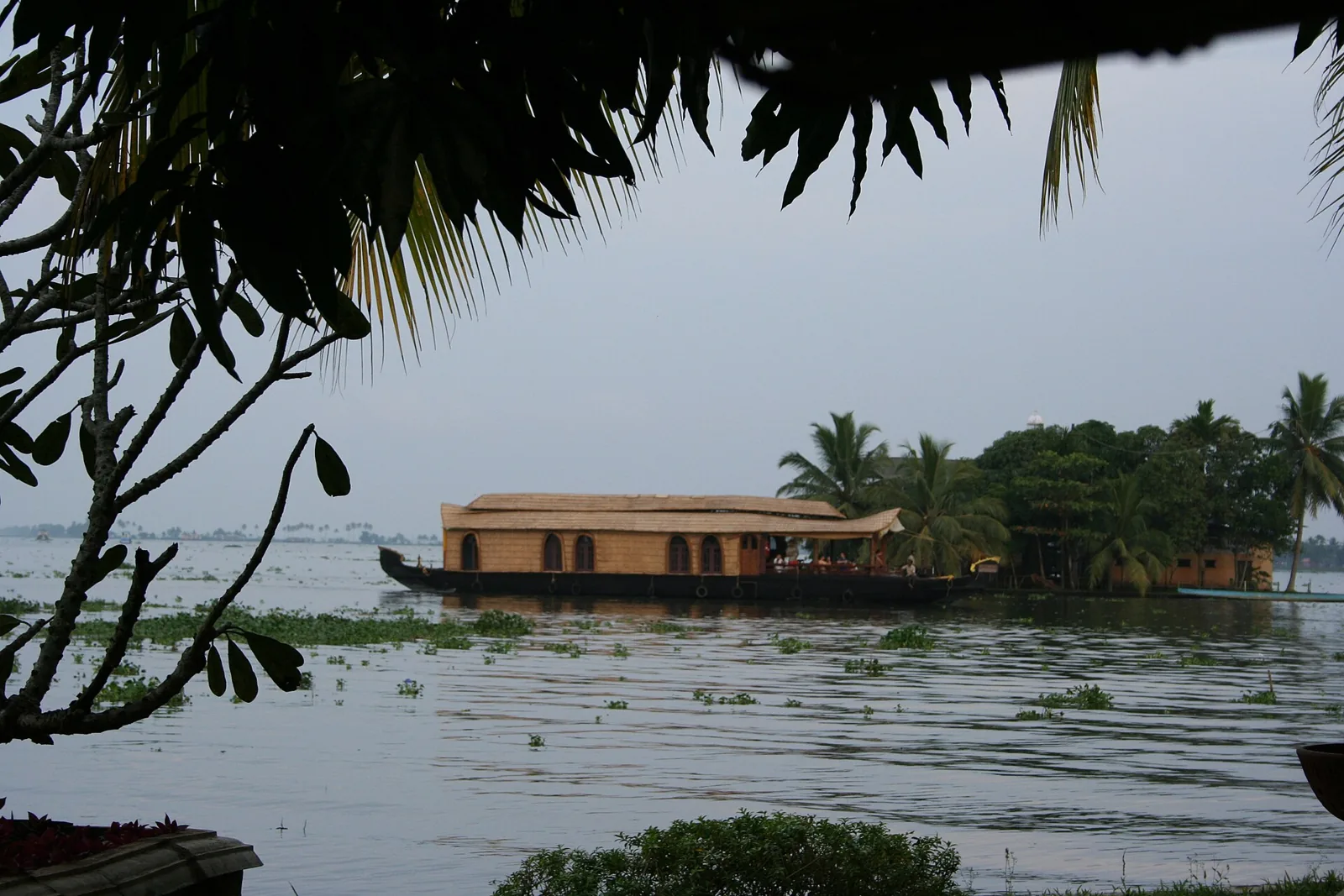
The name means a stack of pebbles, a reference to the boulders that once lined the Mahananda river here. Official tourism copy sums the place up as three Ts: tea, timber and tourism. Think of it as a hinge town with enough character of its own to justify a night.
Where you actually land
Bagdogra airport is the one for Siliguri, and Siliguri Junction is the railway station the tourism portal lists for the town. Plenty of long-distance trains stop at New Jalpaiguri instead, on the outskirts, so check which station is on your ticket before you plan the pickup.
From either, the town is a short drive. What matters more is the direction you leave in: Darjeeling and Kalimpong to the north, Sikkim to the northeast, Mirik about 55 km out and Kurseong about 51 km. Siliguri is the junction where all those roads begin.
The tiger bridge on the Teesta
Stand on the Coronation Bridge at Sevoke and you are standing on the main link between the rest of India and the Northeast. It spans the Teesta, an arched cantilever completed in 1941, and a pair of tiger statues at one end gave it the local name Bagh Pool, or tiger bridge.
Press coverage describes it as part of the narrow Chicken's Neck corridor, which is why trucks, army convoys and your taxi all share the same carriageway. Expect slow traffic and do not expect to linger on the roadway. Pull over at the approach, look at the river, and keep going.
The official page lists three Bengali architects, A.C. Dutt, S.K. Ghosh and K.P. Roy, as the people who solved the problem the British could not. Early morning is the quiet hour for photographs, before the convoys build up.
Elephants at the town's fringe
Mahananda Wildlife Sanctuary begins at Sukna, about 12 km from Siliguri and reachable even by auto-rickshaw. The same portal says around 150 elephants cross the sanctuary each year on their way between West Bengal, Nepal and Assam, mostly in winter and the rains.
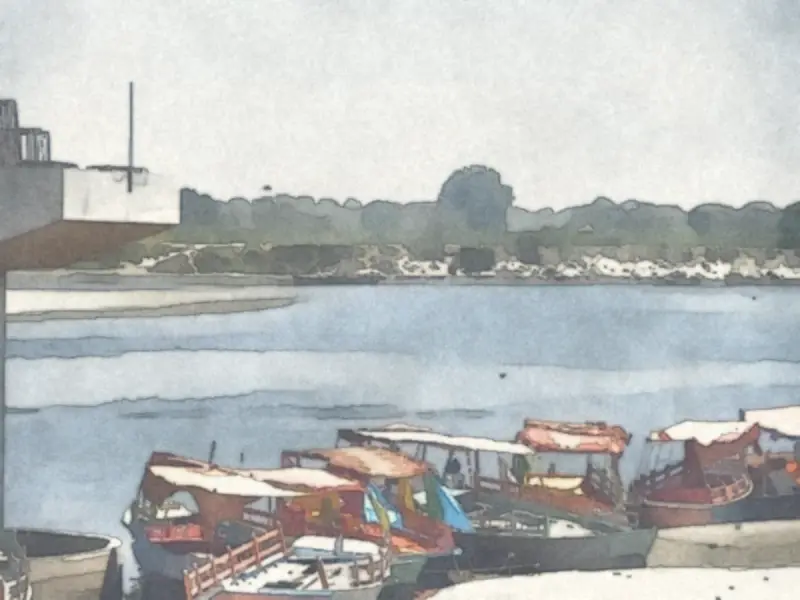
The trick here is to go for the structure of the place rather than a promise of sightings. Artificial salt licks pull animals into the open glades at dawn and dusk. Watchtowers overlook the licks and the river. The Laltong tower on the Teesta is picked out for elephant movements, and the Gulma tower is an old railway cabin that was converted into a lookout where deer and gaur are the usual reward.
The sanctuary runs from about 500 feet at Sukna to over 4,300 feet at Latpanchar, so the forest changes quickly. Entry rules and safari slots change, so confirm them with the forest office on the day.
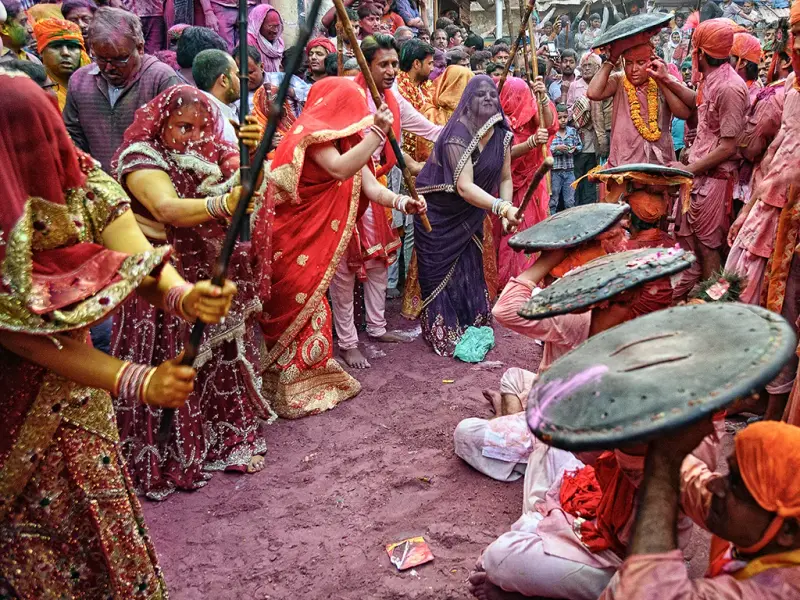
Salugara, and the stupa you can see from the highway
The Great International Tashi Gomang Stupa at Salugara rises about 100 feet and carries fine engraving. Around it are a prayer hall, a large prayer wheel, a library of scriptures, a Kalachakra stupa with a white dome, and a small museum of Buddhist objects.
Go in the early morning when the grounds are quiet. People do sit and meditate here, so keep your voice down and cover your shoulders and knees.
A town for markets
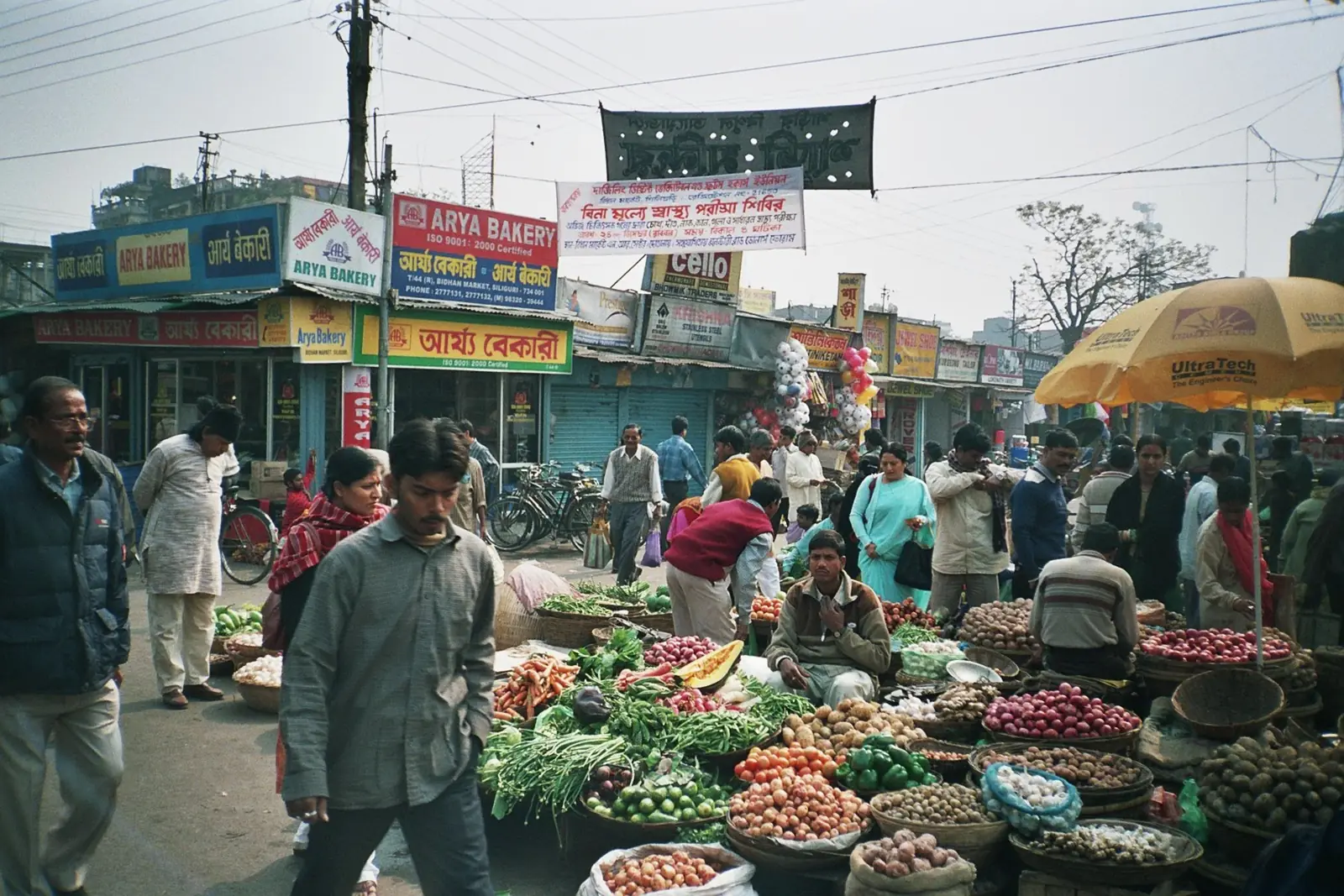
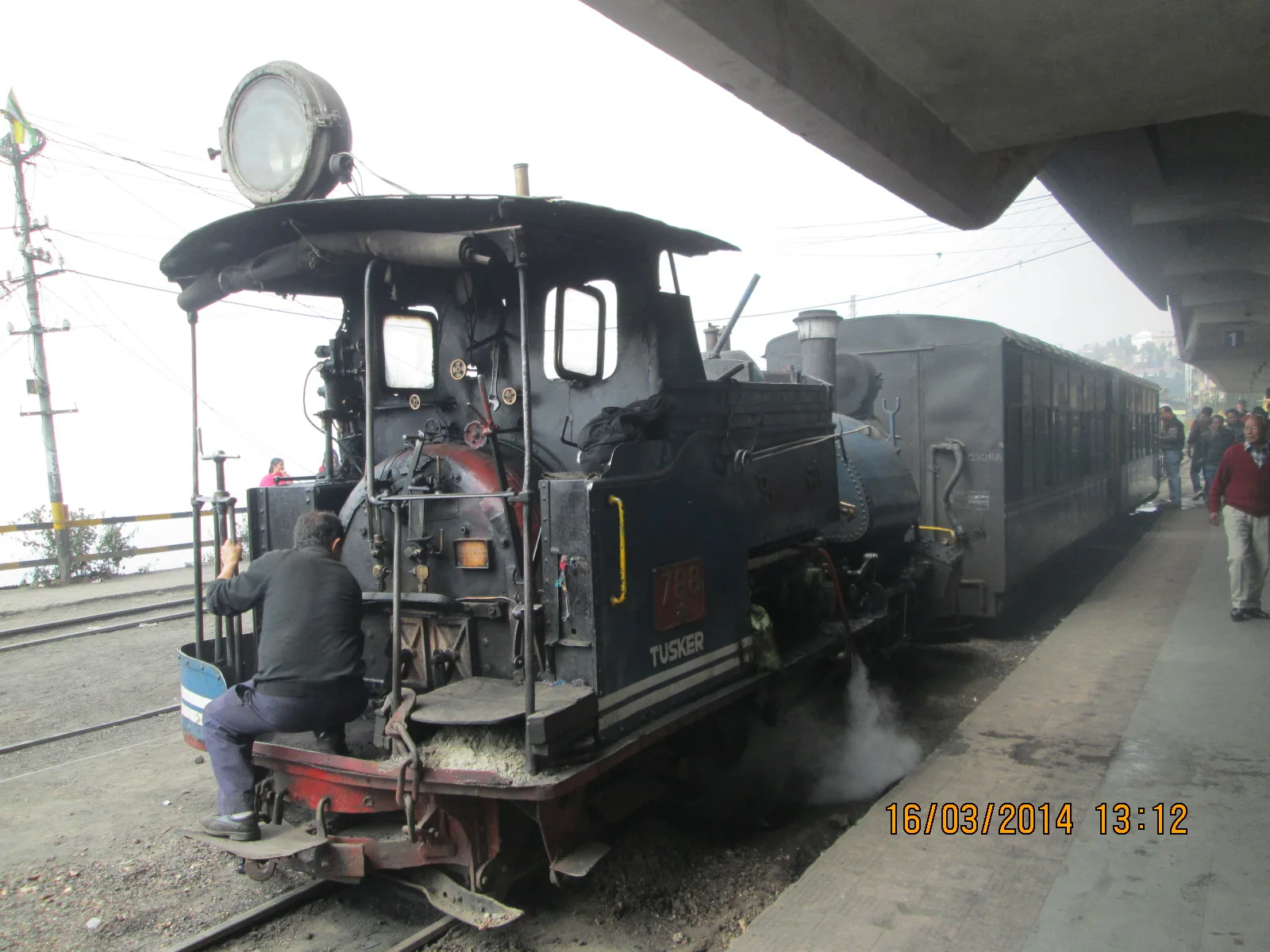
The portal lists a handful of bazaars, each with a specialty. Hong Kong Market is the loud one, with Tibetan trinkets, handicrafts and imported clothes. Mahabirsthan is where to look for fabrics at low prices, Bidhan Market for shawls, bags and carpets, and Seth Srilal Market for silver jewellery.

Eat the local way: sel roti, the ring-shaped rice bread, and phaley, fried stuffed dumplings, with a bowl of thukpa on a cold evening. Siliguri's food is Bengali, Nepali and Tibetan folded into one menu, and the cheapest places are usually the best.
Where the toy train starts
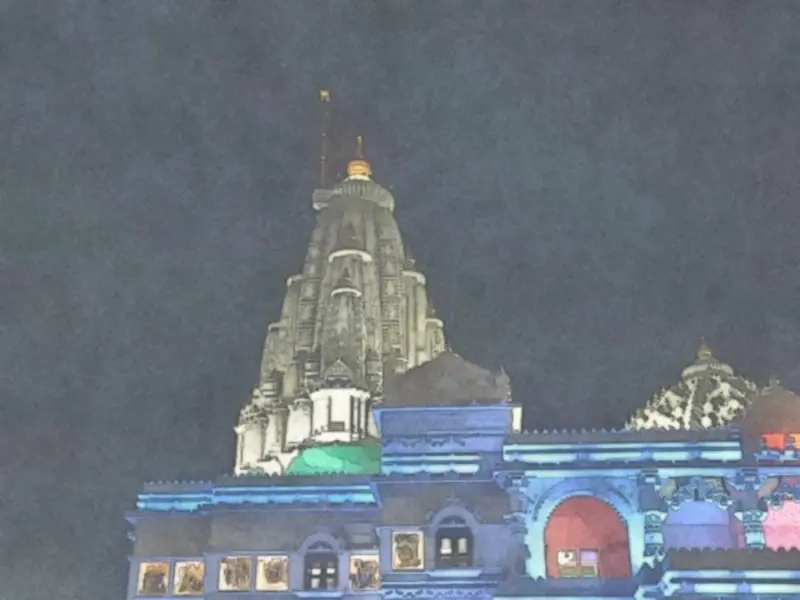
The Darjeeling Himalayan Railway, a UNESCO World Heritage Site, was formally founded on 15 September 1881. It climbs from about 100 m to 2,200 m through six zigzags and five loops, passing Kurseong, Ghoom and the Batasia Loop on the way.
The full run is slow by design. If you only want the atmosphere, take a short ride on the section that suits your timing rather than the whole day to Darjeeling, and keep the road for the rest. Check the current train schedule with the railways before you build a day around it.
How long to stay
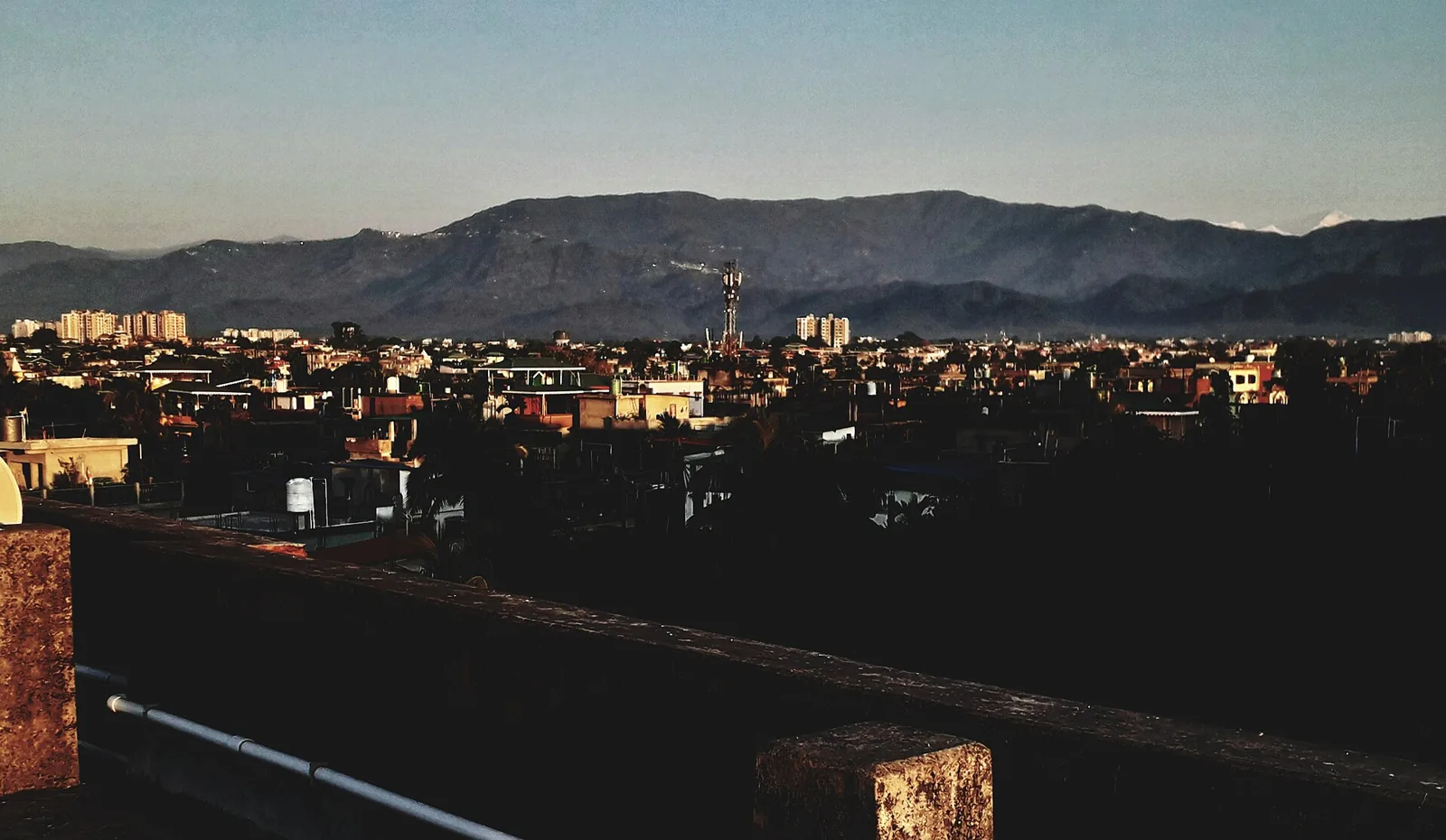
One night is enough for Siliguri itself: Sevoke at sunrise, Salugara, then lunch in the bazaars. Add a second morning for Sukna if you care about wildlife. The best weather runs from November to February according to the national portal, when mornings are crisp and the Himalayan outline stands clear above the rooftops. In the rainy months, roads toward Sikkim can close after landslides, so give yourself slack.
Laladham from Delhi
North Bengal is far from Delhi, so the honest plan is to fly to Bagdogra or take the long train to New Jalpaiguri, and have Laladham plan the rest. We pick you up in Delhi, from the airport, station, home or hotel, and plan the complete trip end to end: tickets, driver and car on the ground, stays and the onward leg to Darjeeling, Kalimpong or Gangtok. Ask for a quote on the [book page](/book).
Questions, answered
Is Siliguri worth a stop or only a transit point?
A day is well spent here. The Sevoke bridge, Salugara stupa, Sukna's sanctuary edge and the bazaars give a full programme before you head into the hills.
Which is the nearest airport to Siliguri?
Bagdogra, per the tourism portal. For trains, the listed station is Siliguri Junction, but some services end at New Jalpaiguri.
When is the best time to visit Siliguri?
November to February, when it is cool and dry. In monsoon months, expect rain and the risk of landslides on roads leading north.
How far are Mirik, Kurseong and Sukna?
The national tourism portal gives about 55 km to Mirik, about 51 km to Kurseong and about 12 km to Sukna.
Can Laladham plan a Siliguri and Darjeeling trip from Delhi?
Yes, Delhi is where it starts. Flights or trains, the car and driver on the ground, and the stays are all part of one plan.