Most people come for cafes and photographs, and both are easy. The better trip is slower: a dawn walk before the traffic wakes, a few real buildings and a long evening on the seafront.
How the quarter is laid out
Incredible India describes the French Quarter, which locals call Ville Blanche, as a blend of Baroque, Rococo, Neoclassical and Indian styles: arched doorways, wrought iron balconies and courtyards and verandas that were built for shade and breeze. Many of the old houses are now heritage hotels, cafes and galleries, which means the lanes look better than the interiors you can actually enter.
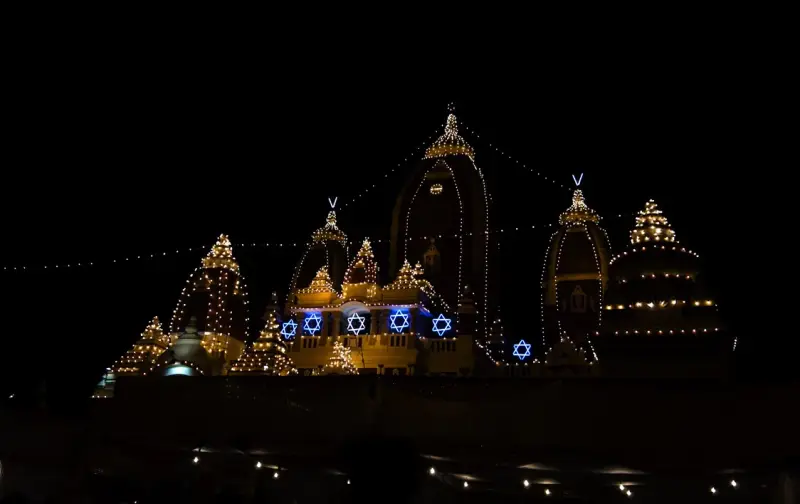
Walk it as a loop. Start at the seafront end, drift inland past Rue Dumas and Rue Suffren, and pass the Governor's Palace, the French Institute and the Romain Rolland Library, which the tourism board counts among the country's largest and oldest. The lanes are quiet before about nine, and the light on the yellow walls is softest then.
The Promenade and the war memorial
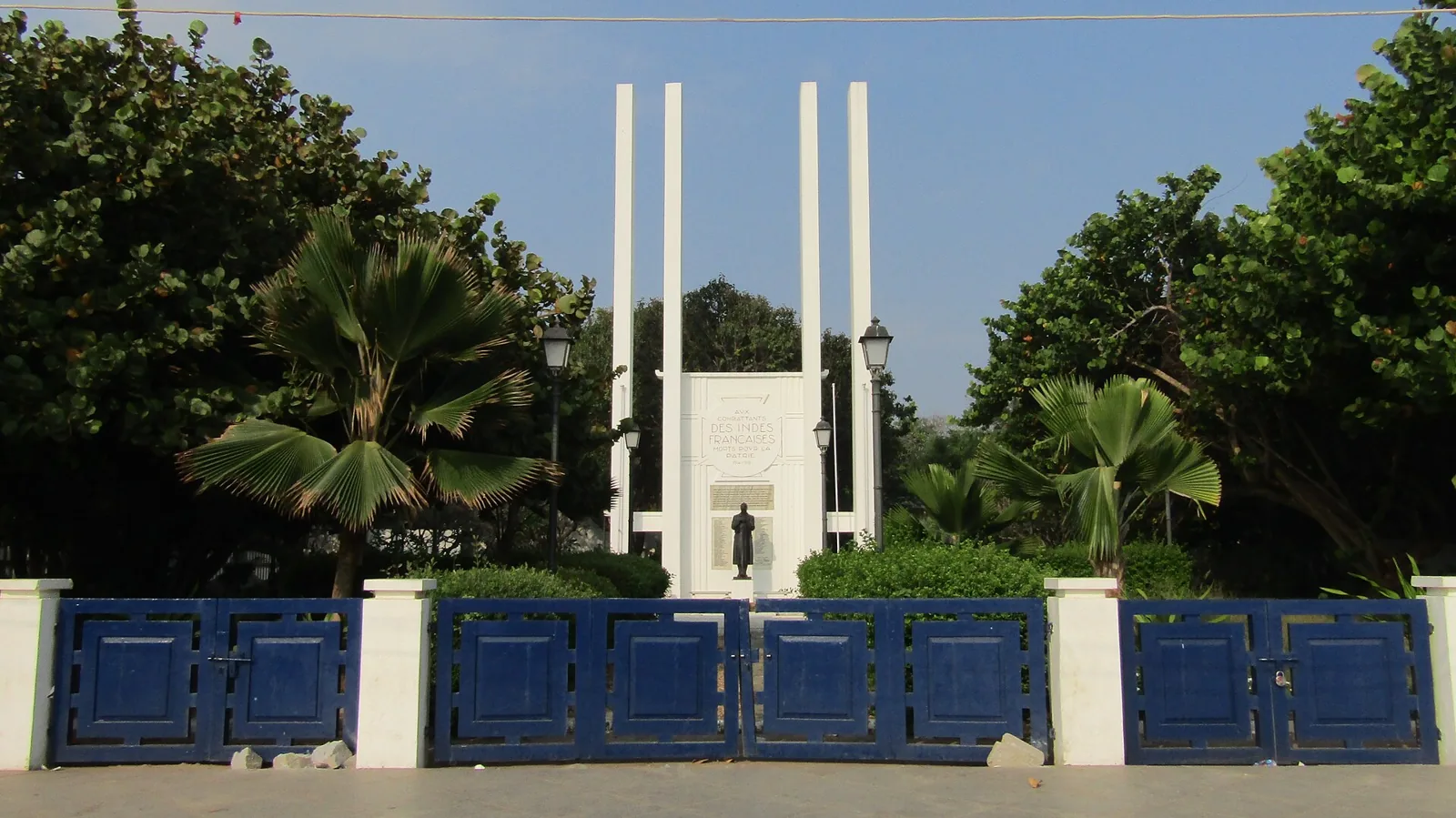
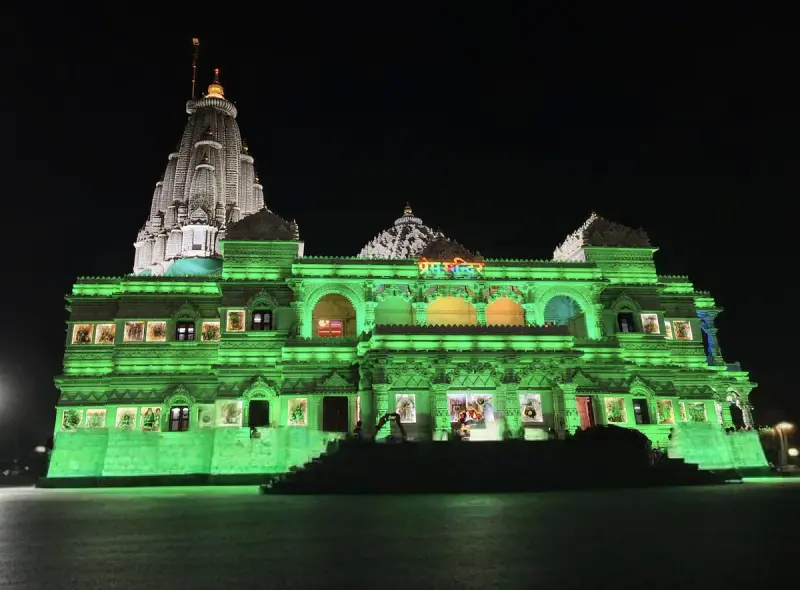
The sea is why the quarter exists, and the Promenade is where the town gathers at dusk. The French War Memorial stands on Goubert Avenue, a set of four tall white columns with a soldier leaning on a rifle. It was inaugurated on 3 April 1938 and rebuilt in 1970, and a bronze plaque names the dead of 1914 to 1918, with later additions.
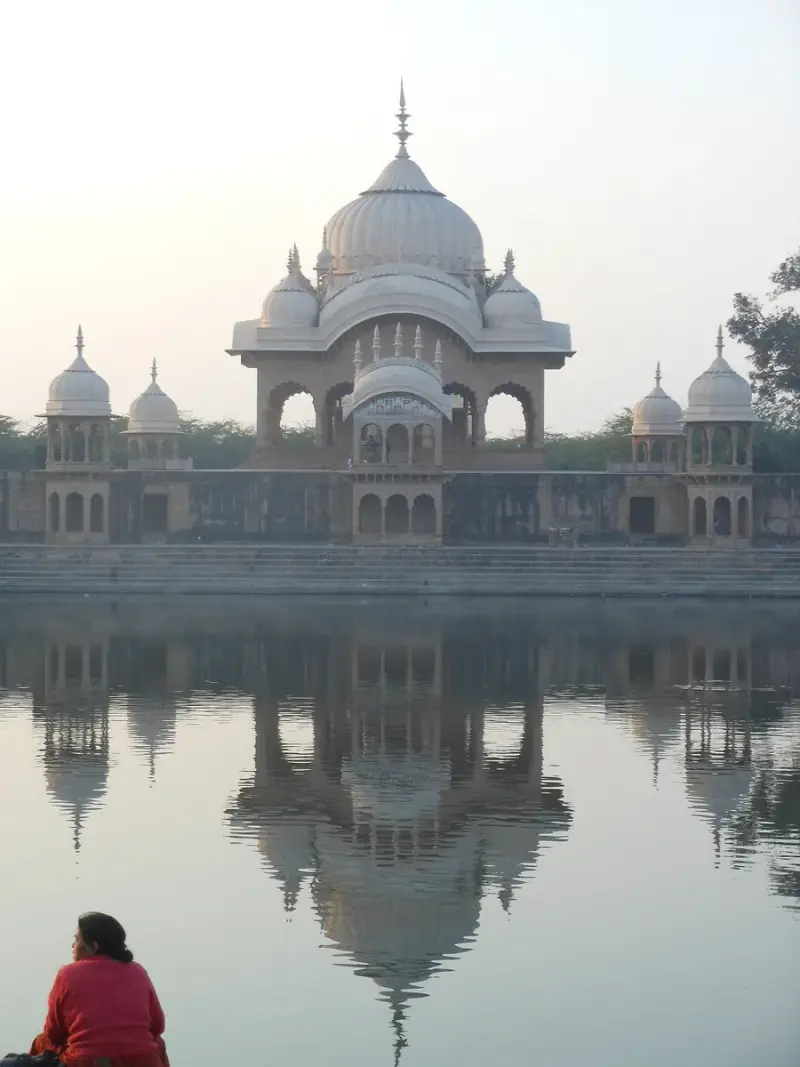
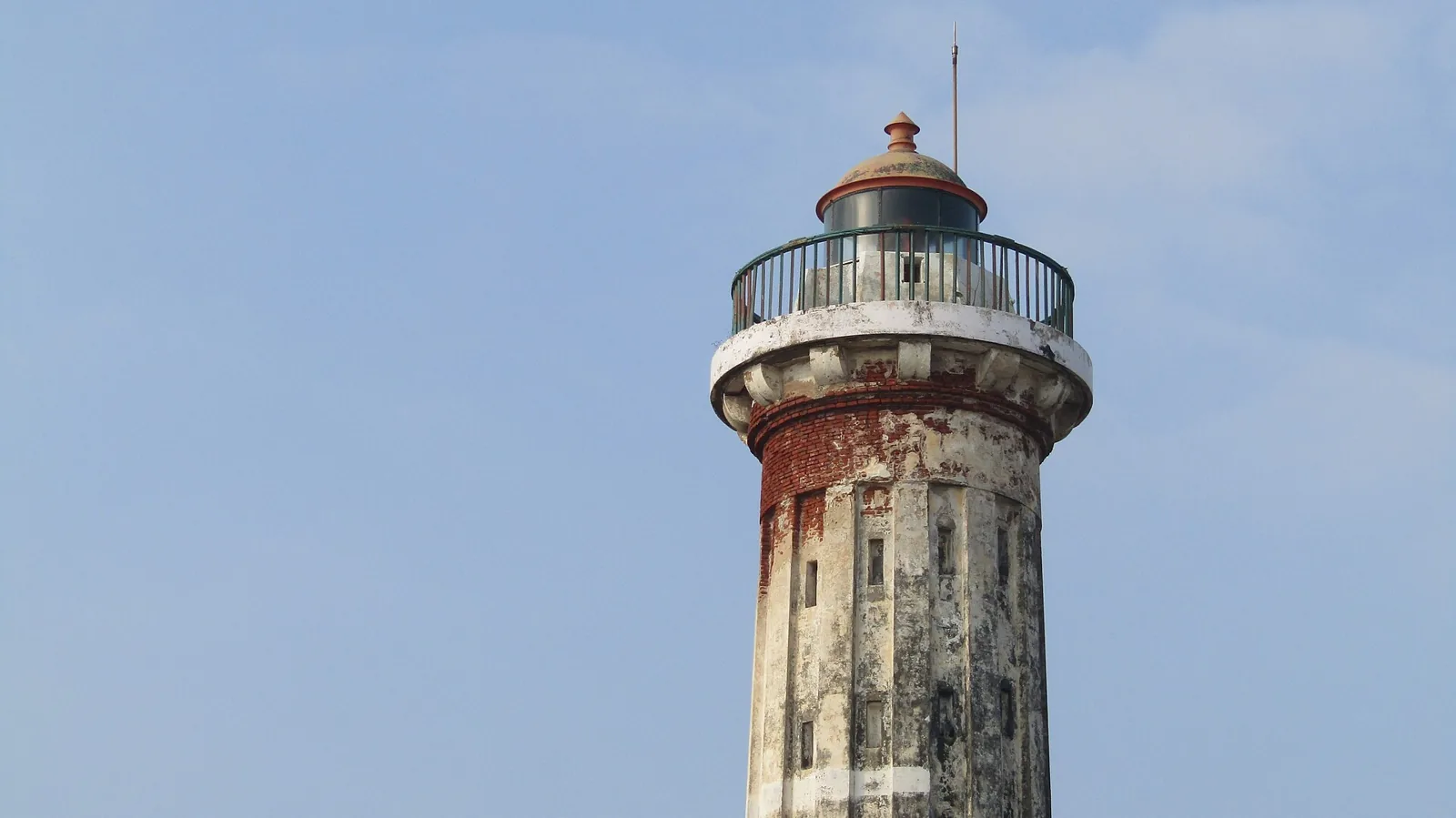
Two dates matter here, 14 July and 11 November, when ceremonies are held at the memorial. Check whether one falls on your trip. The old lighthouse nearby is worth a look from the outside; you cannot assume it is open to climb.
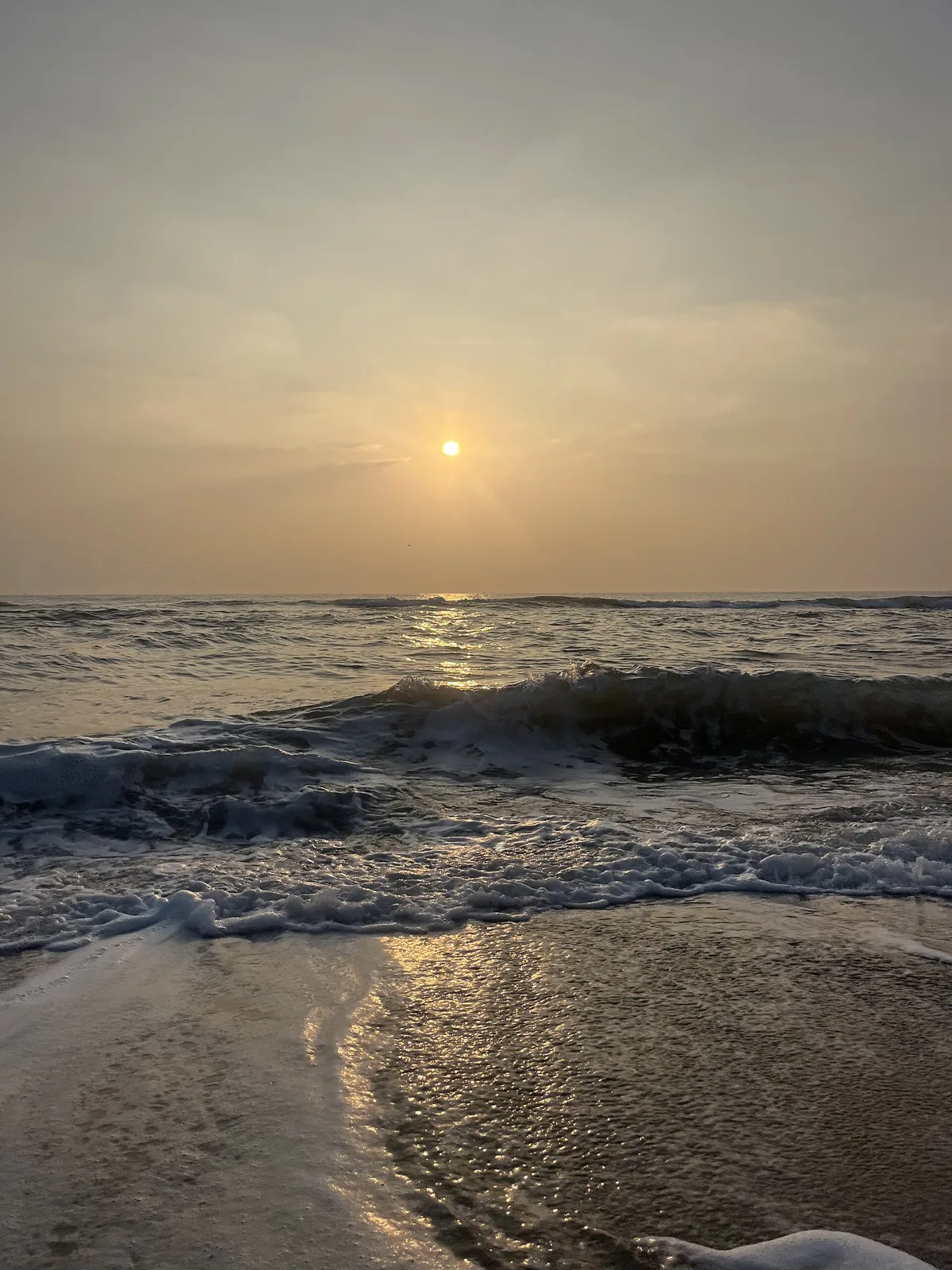
The sea itself is mostly grey, not a postcard blue, and the state portal says as much. Come at first light for the waves and the gold, not at midday.
Three buildings worth going inside
Our Lady of Angels, also called Dumas Church, was built by Louis Guerre in 1855 along the seafront. The tourism board notes its Greco-Roman style, an organ installed in 1871 and prayers held in French, Tamil and English. Weekday visiting is listed as 9 to 12 and 2 to 6, so avoid the lunch gap.
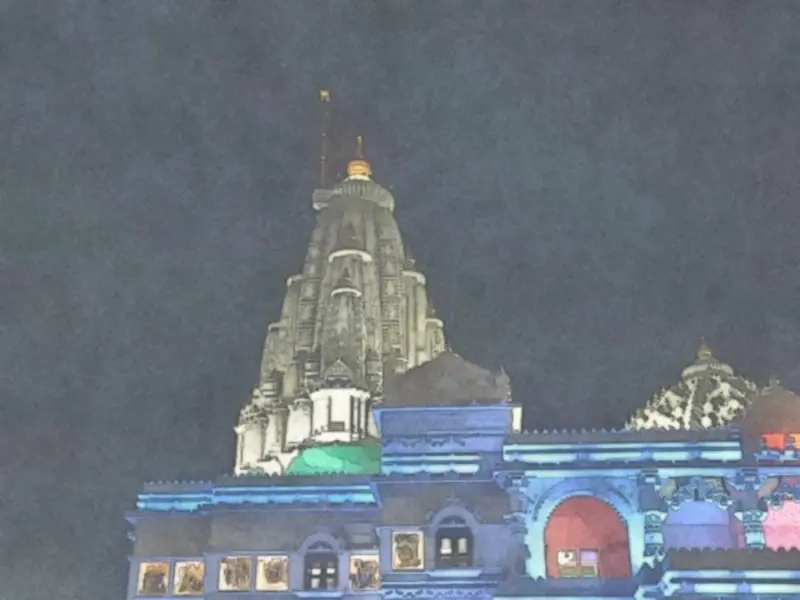
The Basilica of the Sacred Heart of Jesus, with its red and white Gothic front, was founded in 1902 and declared a minor basilica in 2011. A spiral stair beside the altar leads to a gallery above the nave. For a Hindu counterpart, Manakula Vinayagar is a Ganesha temple that the board says is at least 400 years old, its name from manal, sand, and kulam, pond.
The Puducherry Museum adds the part the lanes cannot. Its galleries include French India, archaeology, Chola bronzes, arms and arts and crafts, with finds from Arikamedu, the old trading port of the first and second centuries AD.
Aurobindo's ashram, and the township beyond
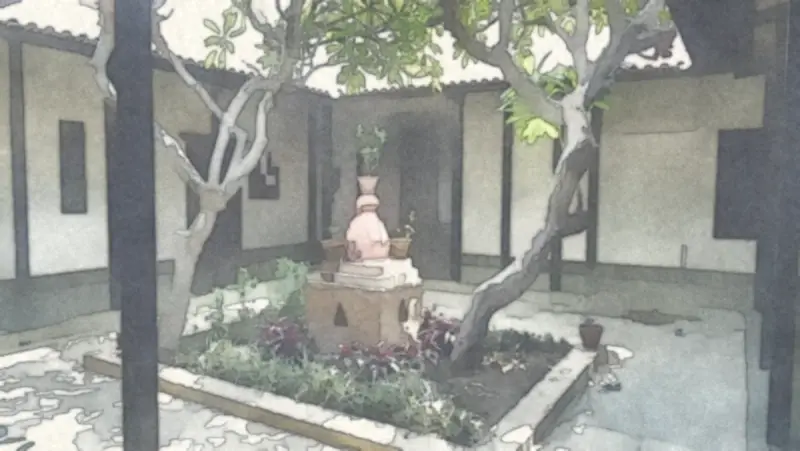
The Sri Aurobindo Ashram, founded in 1926 by Sri Aurobindo and the Mother, Mirra Alfassa, is the quarter's quiet centre. Its library is listed at over 30,000 books. Dress modestly, speak softly and ask before photographing anything.
Auroville, the experimental township begun in 1968, lies a short drive out and has its own [Auroville travel guide](/blog/auroville-travel-guide). Do not squeeze it into the same afternoon as the quarter.
Eating and shopping the Franco-Tamil way
The tourism board calls the local table Franco-Tamil: croissants and pizza in one lane, dosa and seafood in the next, with staff who greet you in Hindi, English, French and Tamil. Take that as a hint to eat at least one meal that is plainly Tamil, away from the seafront.
The galleries and boutiques in the converted houses are the quarter's shopping, and the tourism board mentions markets and boutiques as a theme of its own. Browse for an hour and then leave the lanes for the sea.
Getting here from Delhi
The Puducherry government's portal says the closest large airport is Chennai, around 135 km and about two hours away, with Trichy 220 km and Bengaluru 320 km. Delhi to Chennai is the long haul, by air or by train, and the last leg is by road. Incredible India puts the town about 170 km from Chennai by its own measure, so allow a half-day for the transfer rather than a quick hop.
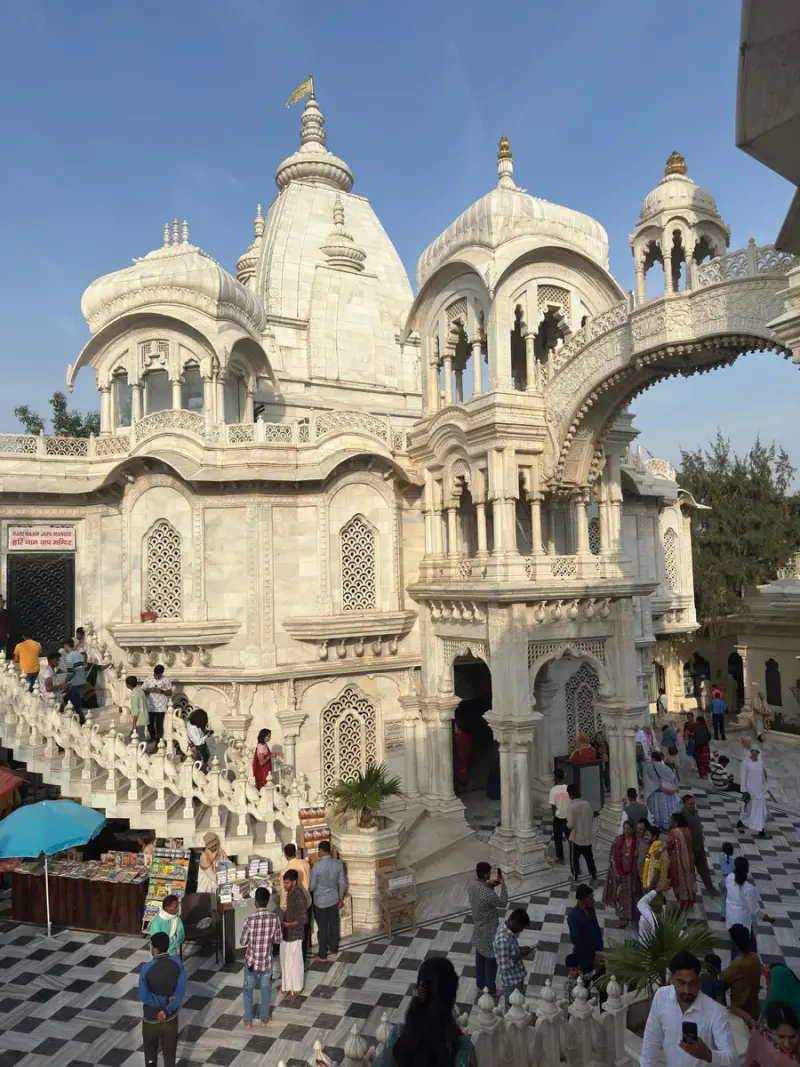
Puducherry also has a railway station and a small airport, so check what is running on your date. Our [Chennai guide](/blog/chennai-travel-guide) is the better base if your flight lands late.
When to go
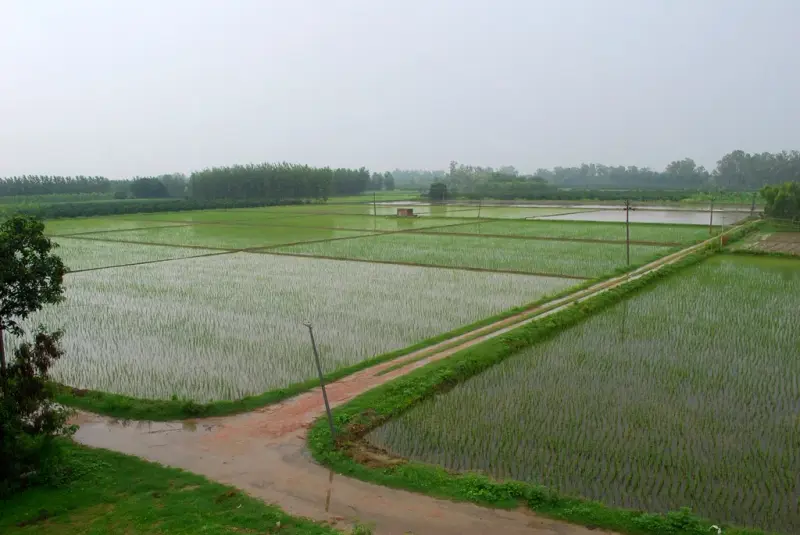
The state portal writes that storms between April and November bring most of the rain, with October and November alone accounting for half of the year's total, and rarely several wet days in a row or a cyclone. March and April skies are clear and bleached. If you want walkable lanes and gentle weather, the cooler months outside that stretch work better.
Whichever month you choose, carry an umbrella, light cotton clothes and shoes you can walk in, since the quarter's pavements are cobbled and uneven in places.
Let Laladham run the trip from Delhi
Laladham picks you up in Delhi, at the airport, the station, your home or your hotel, and plans the complete trip: flights or trains to Chennai, a car and driver for the coastal road, a stay in or near White Town, and the extra days for Auroville and Mahabalipuram. Ask for a quote on the [book page](/book).
Questions, answered
How many days do I need for White Town?
One full day covers the lanes, the memorial, a church and the seafront. Two days leaves room for the museum, the ashram and Auroville.
How far is Pondicherry from Chennai?
The government portal gives about 135 km and a two-hour drive from Chennai airport. Incredible India says about 170 km from the city, so allow longer in traffic.
When are the ceremonies at the memorial?
Ceremonies on 14 July (Bastille Day) and 11 November, per the tourism board, and most days it is simply a quiet place to stand.
When does it rain most?
The northeast monsoon months. The state portal attributes about half the yearly total to October and November.
Can Laladham arrange Pondicherry from Delhi?
Yes. Delhi pickup, transport to Chennai, the coastal drive and stays can be planned as one trip.
- Incredible India, Puducherry
- Incredible India, the French Quarter
- Incredible India, French War Memorial
- Incredible India, Our Lady of Angels
- Incredible India, Puducherry Museum
- Incredible India, Sri Aurobindo Ashram
- Incredible India, Basilica of the Sacred Heart
- Incredible India, Manakula Vinayagar
- Government of Puducherry, tourism