The reward for patience is a short list of very good places: a grain store shaped like a beehive, a Sikh shrine for a guru's birthplace, two museums with an ancient sculpture at the heart of the argument, and a library that holds manuscripts older than most countries. This guide sorts them by how to see them.
Golghar, the silo that never stored grain
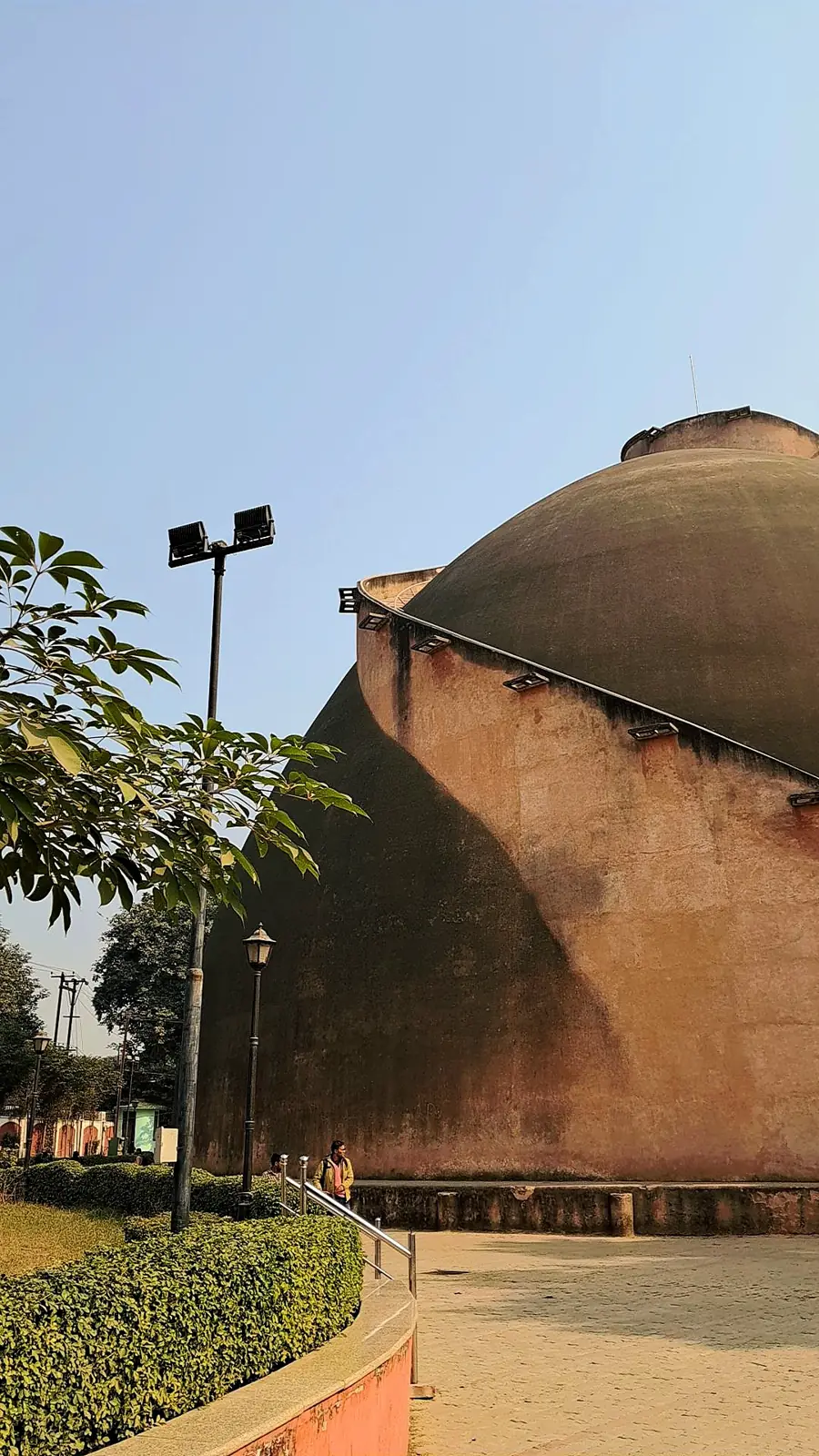
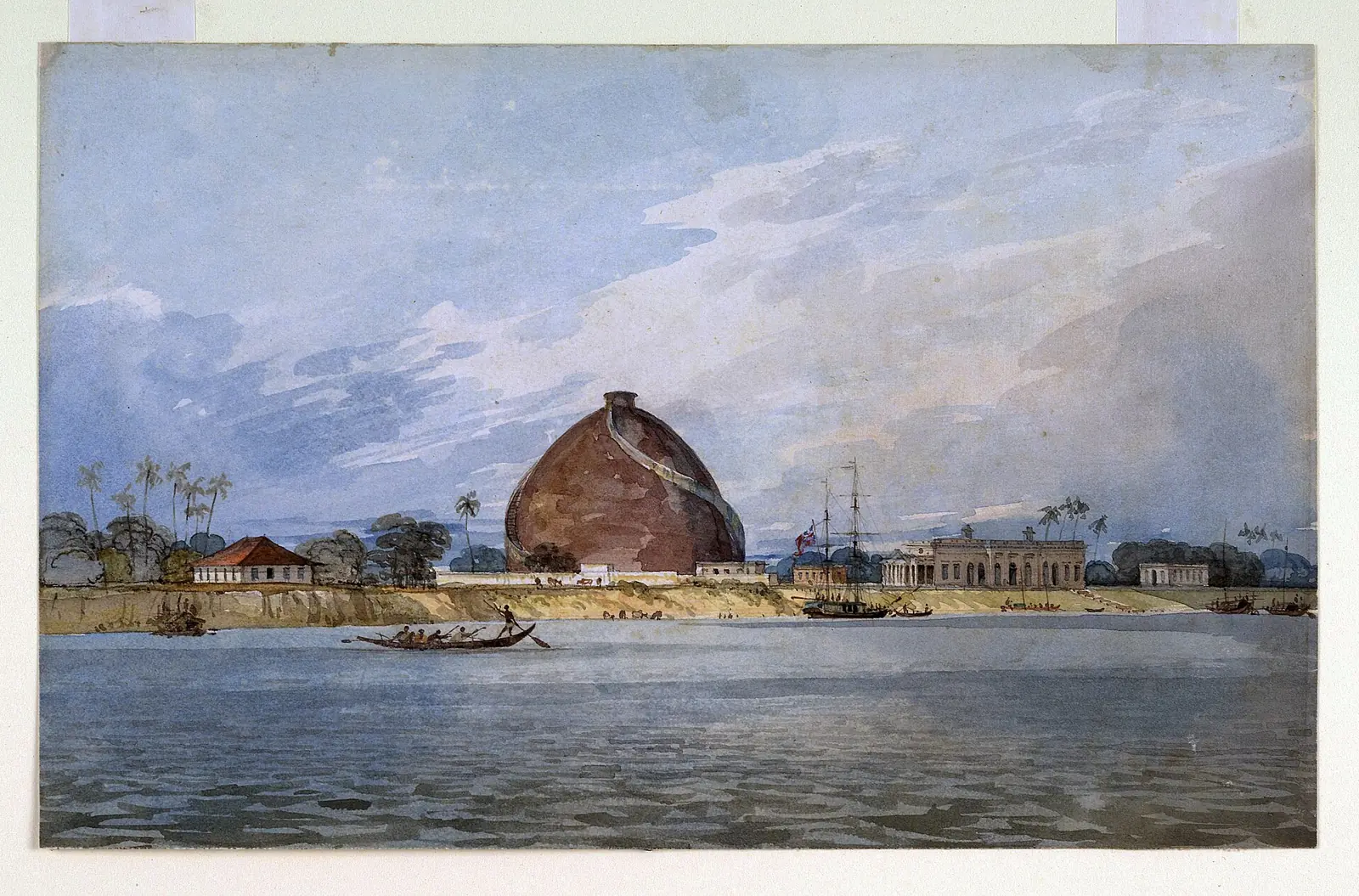
Everyone starts at the Golghar, and it earns the attention. A huge beehive dome, it was put up by Captain John Garstin after the famine of 1770 to hold grain, and Incredible India notes that it was never actually used. It is 29 m high and about 125 m wide at the base, with two staircases spiralling on the outside. The Times of India counts 145 steps and walls 3.6 m thick.

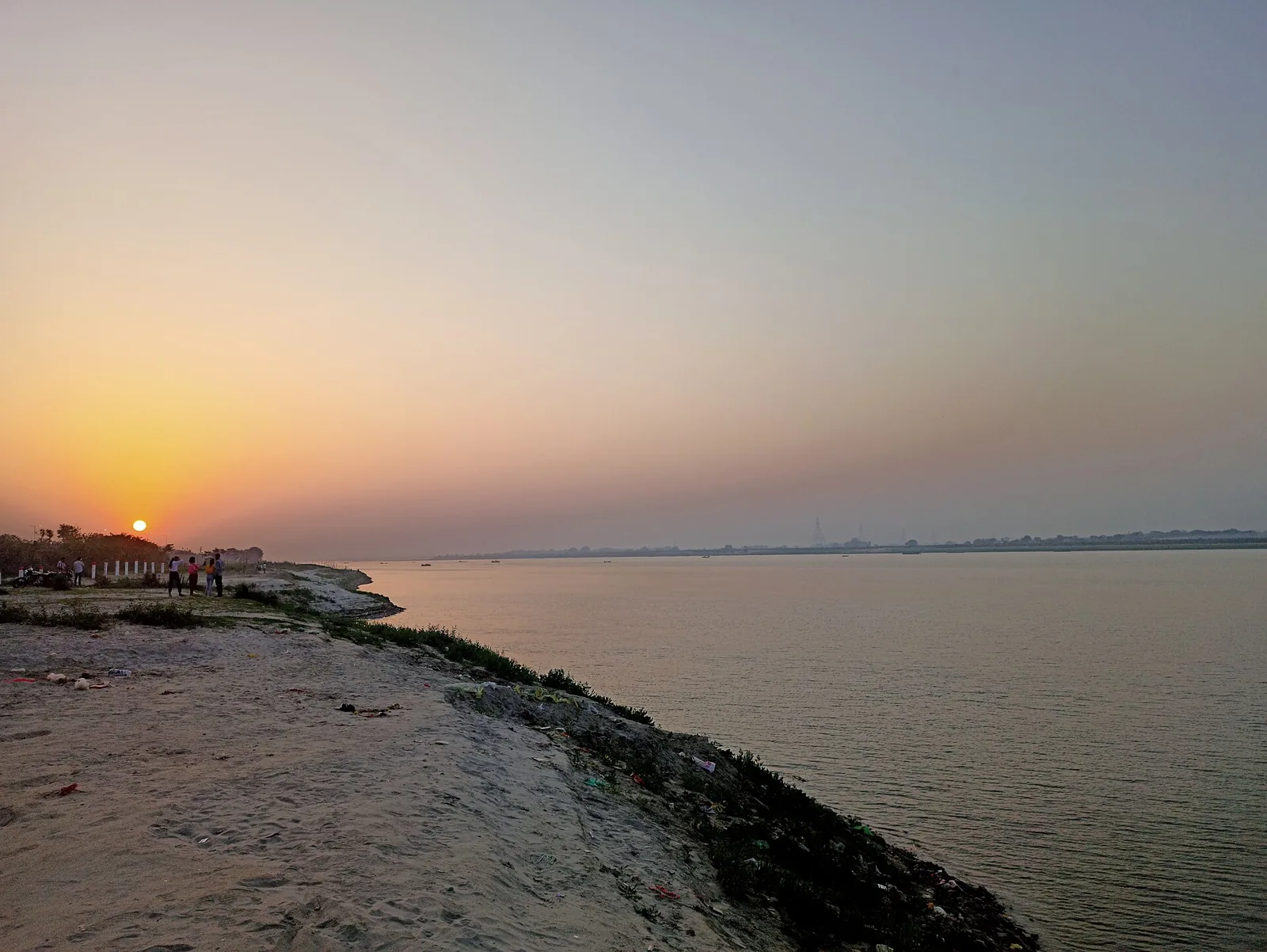
The portal says an echo carries inside the dome, and that from the top you look over the Ganges, which can swell to 8 km across in the monsoon. Timings on the portal run from 9:30 am to 6 pm. A 2018 newspaper report says restoration by the ASI began in 2011, after a vertical crack was found beside the staircase. So check at the gate that the climb is open before you plan a sunset around it.
Takht Sri Patna Sahib
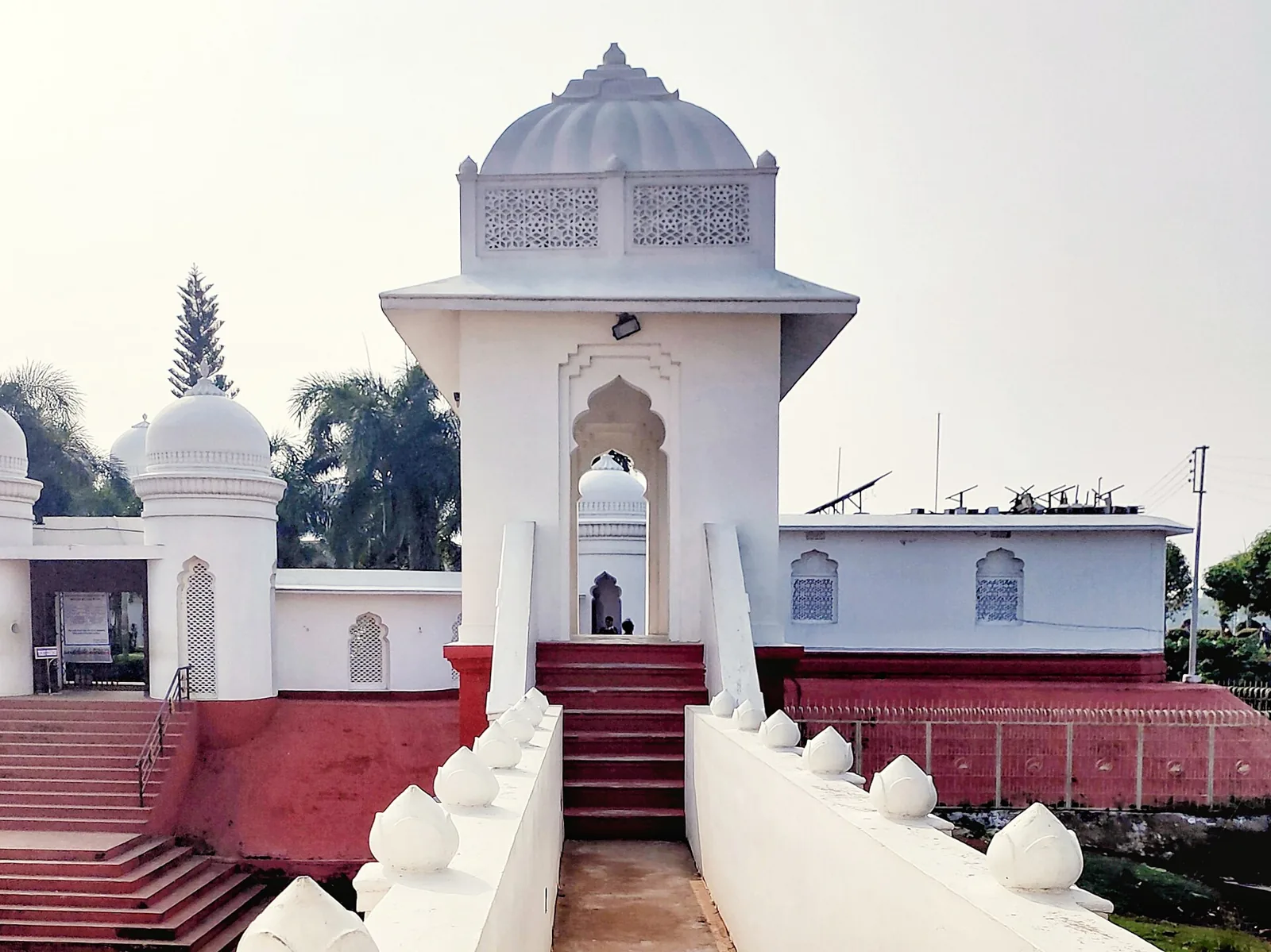
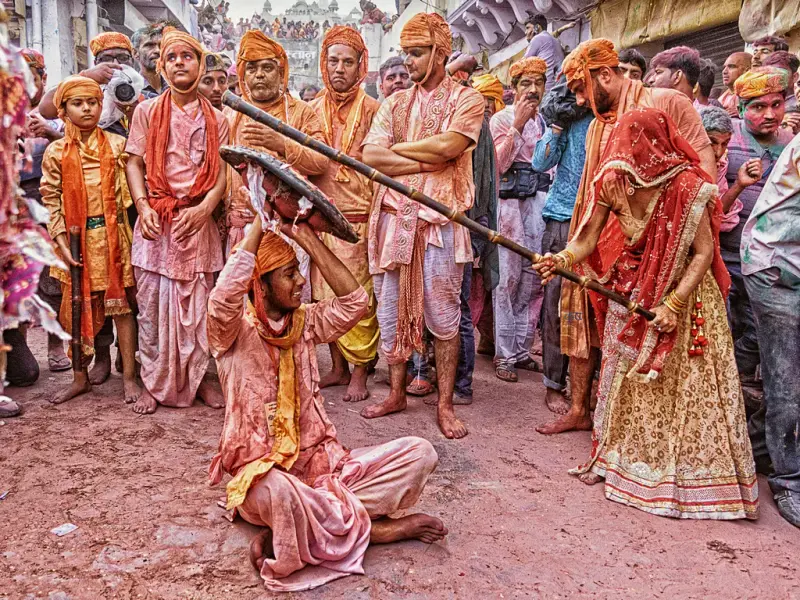
The marble gurdwara marks the birthplace of Guru Gobind Singh, the tenth Sikh Guru, and is counted among the four holiest Sikh shrines. The portal says Maharaja Ranjit Singh commissioned it in the early nineteenth century, and that its upper floor holds a museum with relics of the Guru. Hours are listed from 9 am to 5 pm, though shrines like this keep their own rhythm, so confirm on arrival.
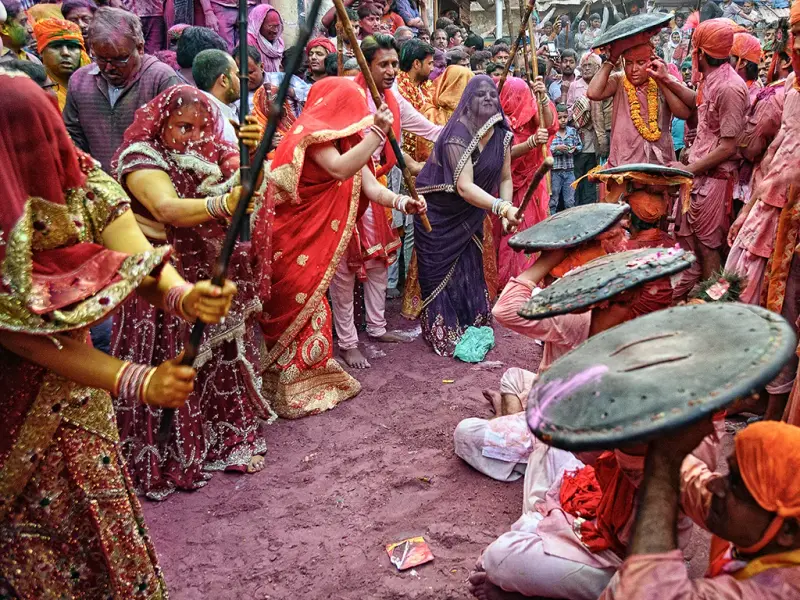
Cover your head, leave your shoes at the counter and plan on slow queues on festival days. Seekers of every background come here, so dress modestly and keep your voice low.
Two museums, one sculpture
The Patna Museum was founded in 1917 and is the oldest in Bihar. The star is the Didarganj Yakshi, a polished sandstone figure that Incredible India dates to the Mauryan period. India Today adds that she was found in 1917 on the Ganges bank at Didarganj, where villagers had been using her submerged back to wash clothes. Beyond her are Gandharan Bodhisattvas, Pala-period bronzes and a 15 m fossilised tree trunk said to be 200 million years old. Listed hours are 10:30 am to 4:30 pm.
The newer Bihar Museum on Bailey Road opened to the public on 2 October 2017 and was designed by Maki and Associates of Japan. India Today reports its historical galleries hold some 25,000 artefacts, and the Yakshi was meant to be its most prized exhibit. Use the older museum for the quiet hour and the new one for architecture and context. If you only have time for one, choose the one where the Yakshi is displayed on the day you visit, and ask at the ticket window.
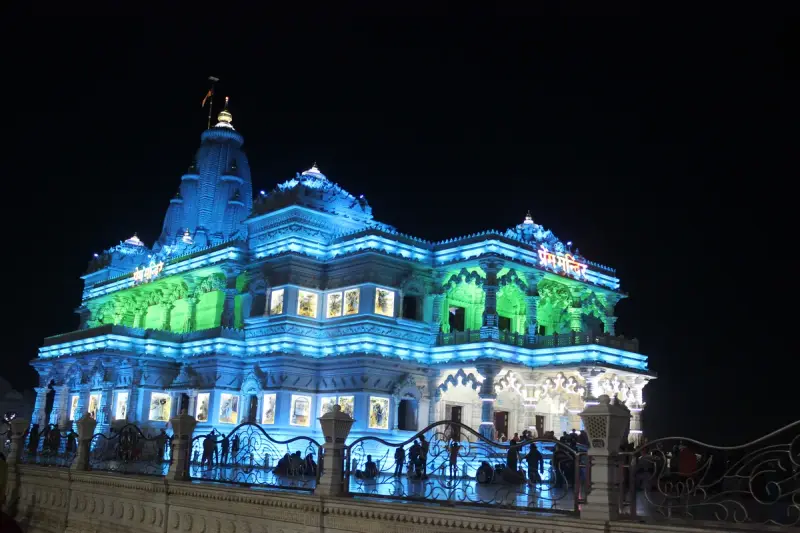
Khuda Bakhsh Library, for people who love manuscripts
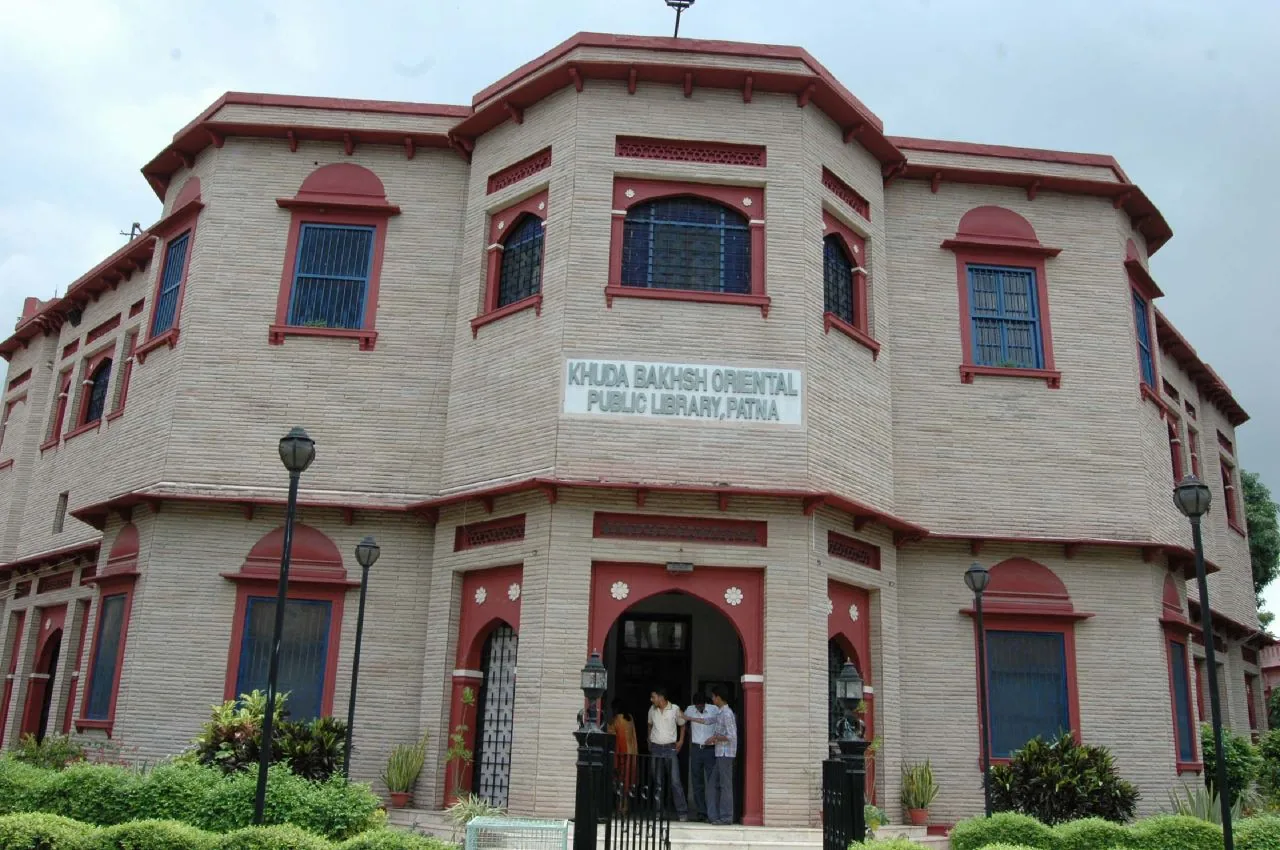
The Ministry of Culture says the library first welcomed readers in October 1891, built on the 1,400 manuscripts Khuda Bakhsh inherited from his father plus his own, 4,000 in all. He donated the whole collection by trust deed. Parliament declared it an Institution of National Importance in 1969. The manuscripts are written on paper, palm leaf, deer skin and cloth, and more than 2,000 have been digitised.
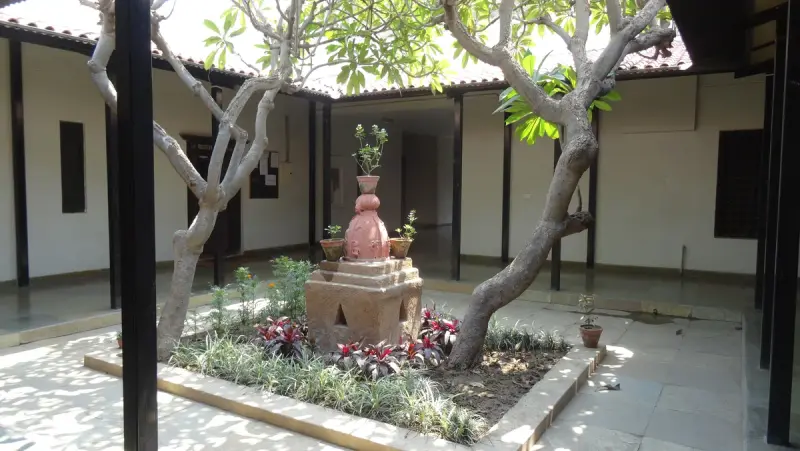
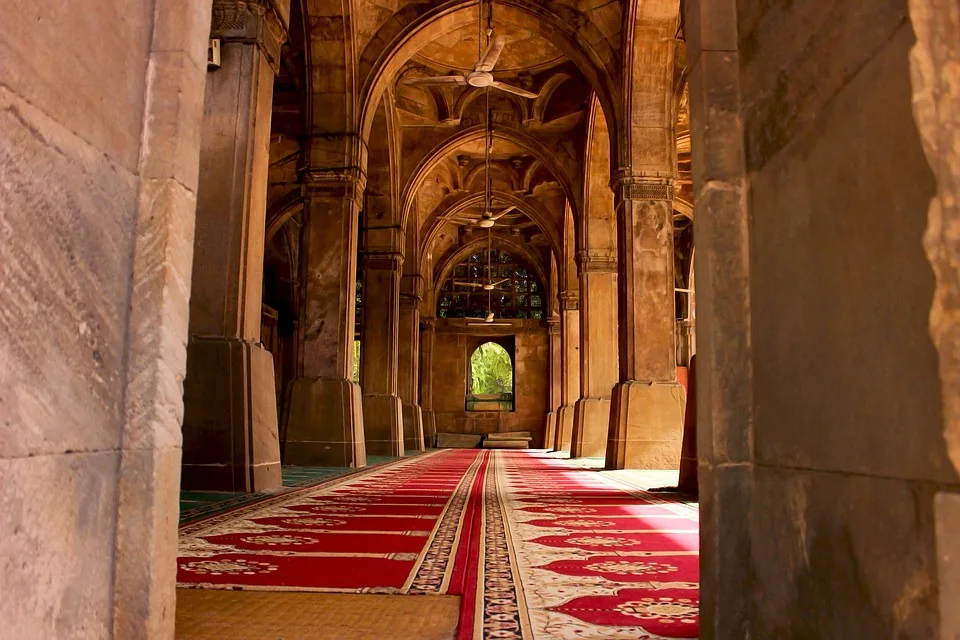
Incredible India singles out illuminated medieval Korans and Mughal miniatures, and says its rarest volumes were salvaged from the sacking of a Moorish university in Cordoba. The building stands by the Ganges in the old city. Go for the exhibits you are allowed to see, not for a tour, and expect a reading room feel.
Kumrahar and the Pataliputra story
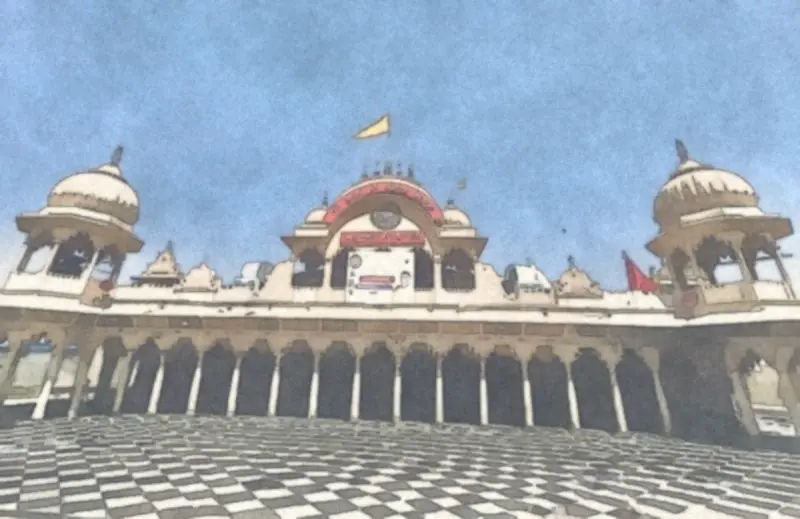
Kumrahar is where the ancient city lies under the modern one. The portal says excavations turned up carved wooden ramparts, polished sandstone pillars and the remains of a vast Mauryan assembly hall from the second century BC, with a small museum for the finds. It quotes the Greek envoy Megasthenes calling the city one where even wooden walls shine as bright as glass. There is not much to see above ground, so bring imagination and a few questions for the museum staff.
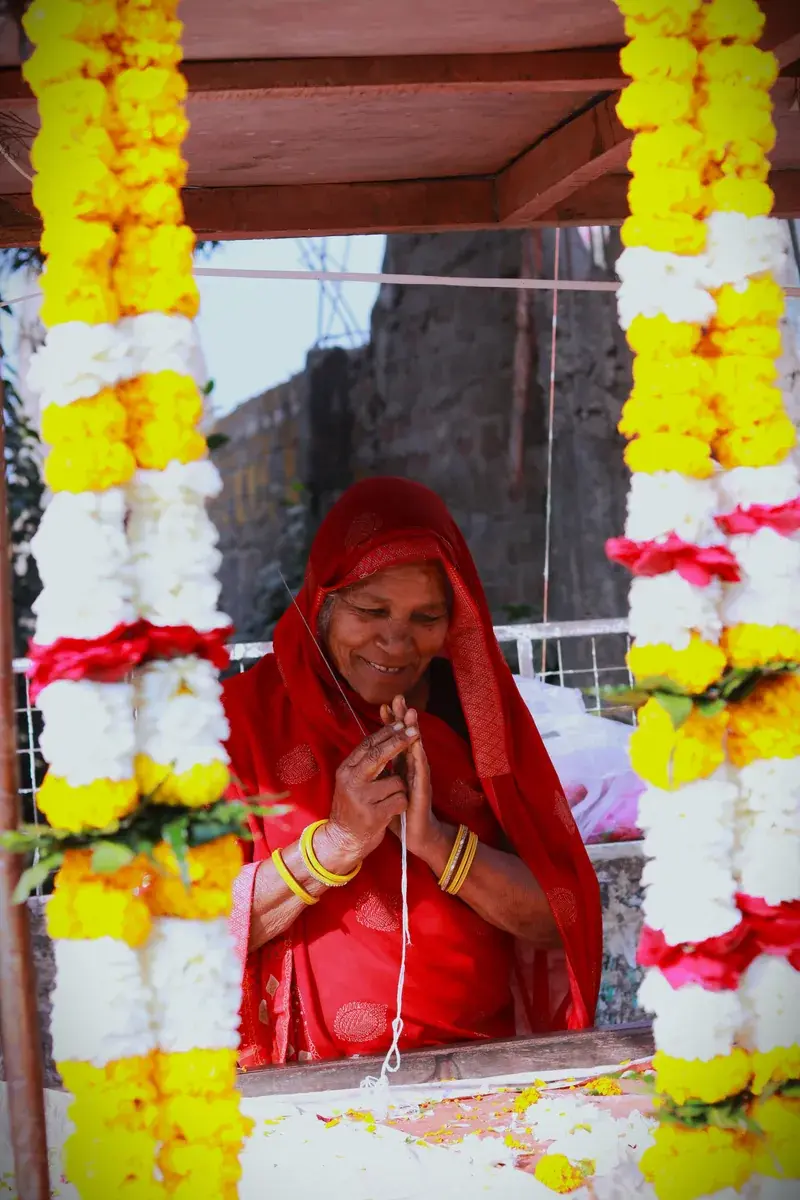
Qila House, and the old city lanes
Qila House, also called the Jalan Museum, sits on the ruins of a sixteenth-century fort built by Sher Shah Suri and holds the collection of a Jalan family ancestor, including Chinese paintings, Mughal jade, and what the portal calls Napoleon's bed and Marie Antoinette's Sevres porcelain. Confirm its opening days before you set out.
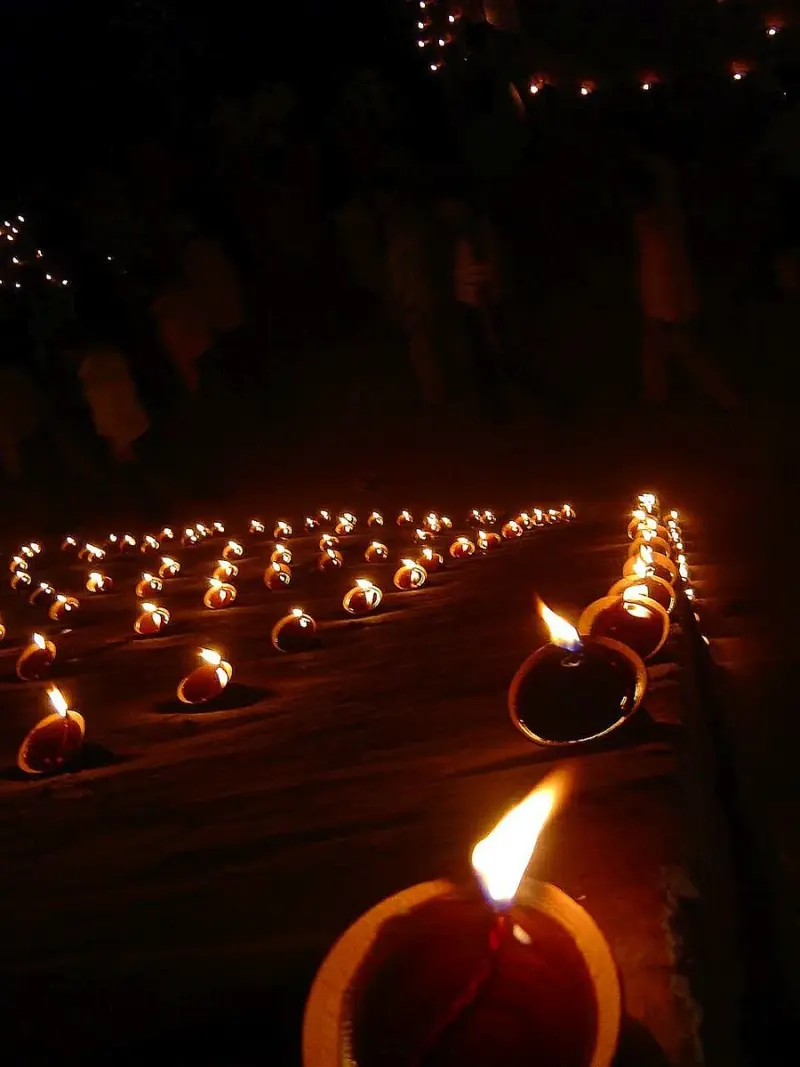
The portal describes the east end of Patna as a warren of crowded lanes around medieval monuments and bazaars. Walk it with a clear destination, such as the library or the gurdwara, and let a rickshaw handle the last stretch.
Day trips: Maner, Sasaram and Sonepur
Maner, 30 km west of Patna, is a centre of Islamic learning with a sixteenth-century mausoleum of the Sufi saint Makhdum Yahya Maneri, and the town is known for its laddoos. Sasaram is a three-hour drive west on the Grand Trunk Road. Its sandstone tomb of Sher Shah rises 45 m in five tiers from the middle of an artificial lake, and the portal quotes Percy Brown on its genius.
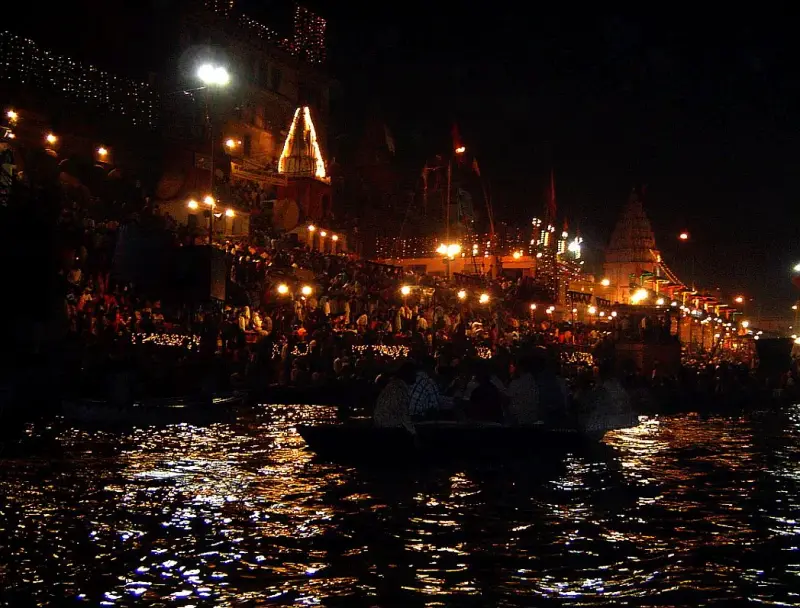
North of the city, across the 7.5 km Mahatma Gandhi Bridge, is Sonepur, whose mela begins on Kartik Purnima. The portal calls it reputedly the largest livestock fair in Asia, with a tourist village set up a week early. Give each of these a half day at least.
When to go
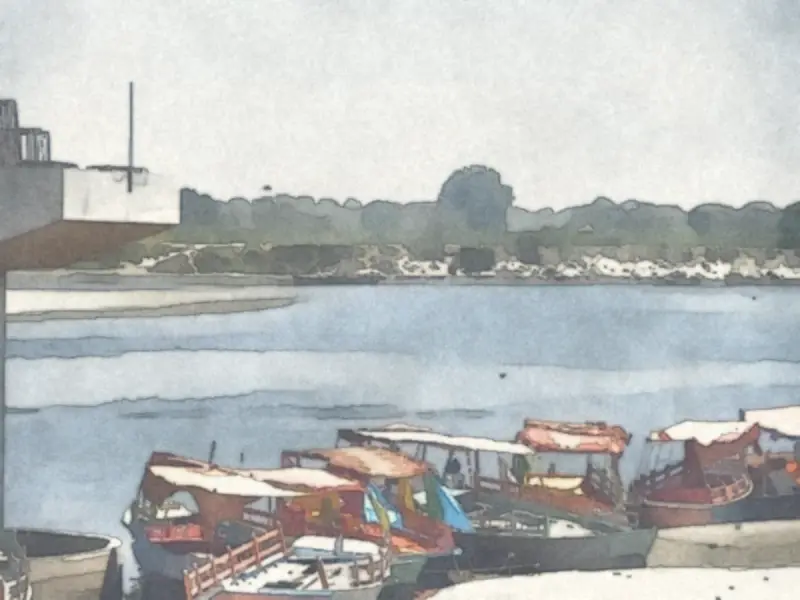
Winter is easiest for walking and for the river air. Monsoon brings a wide Ganges, as the portal notes, and the views from the Golghar, but also mud in the lanes. Sonepur is a reason to time a trip for the autumn full moon.
Laladham for Patna and beyond
Laladham can plan this from Delhi: pickup from the airport, a station, your home or a hotel, a flight or a train to Patna, a driver for the city and for Maner, Sasaram or Sonepur, and rooms to suit your group. Send your dates on the [booking page](/book) and ask for a quote.
Questions, answered
How many days does Patna need?
Two days cover the Golghar, Patna Sahib, a museum and the library. A third day opens up Maner, Sasaram or Kumrahar.
Can I climb the Golghar?
The portal describes a climb up the outside stairs for the river view, but restoration work has been reported, so ask at the gate before planning a sunset there.
Why is the Yakshi famous?
She is the museum's best-loved piece and a Mauryan-era masterpiece, so ask the ticket desk where she is displayed before you pay.
When is the Sonepur fair?
Kartik Purnima marks the start, and the fair runs for about four weeks.
How do I reach Patna from Delhi?
By air or by train. Road is not a sensible option for this distance, so plan your stay around the arrival time.