Here is how to see the city in a day and a half, and what to know about the season, the food and the shopping.
Qila Mubarak, where the city began
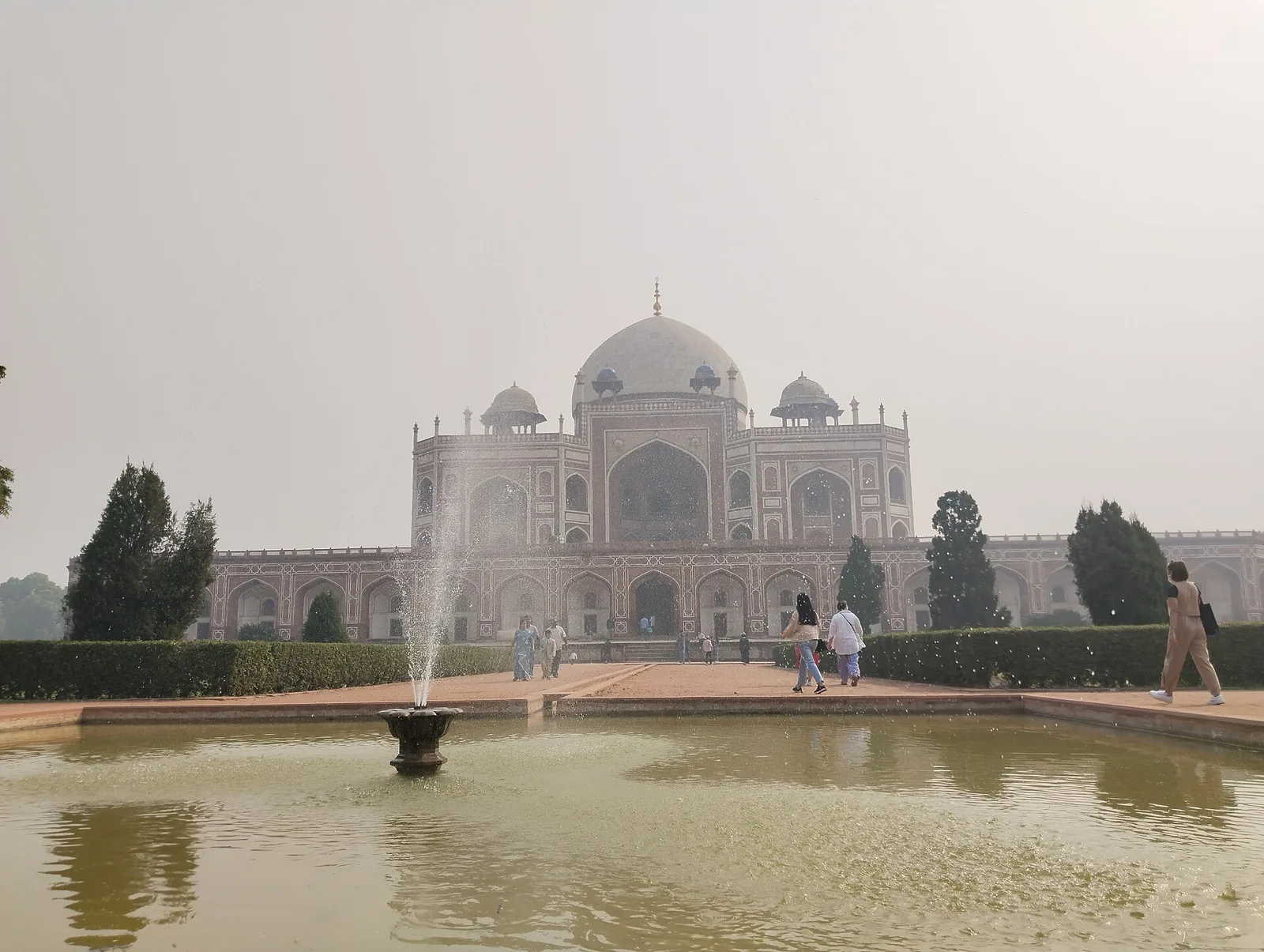
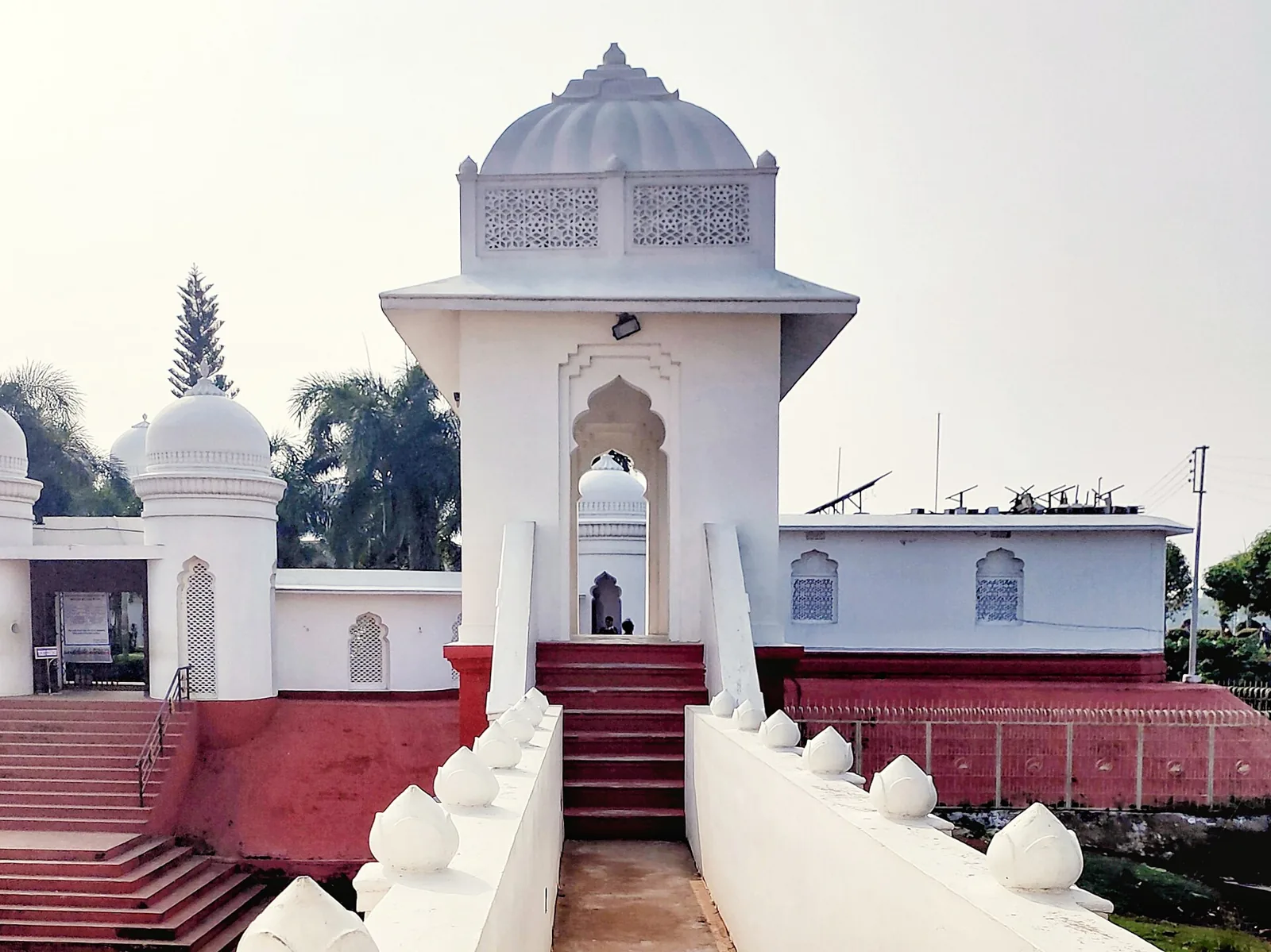
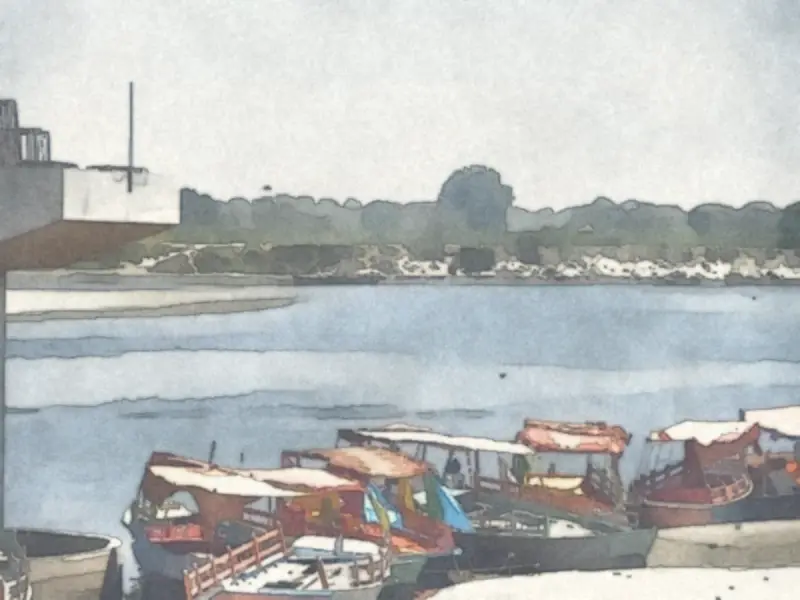
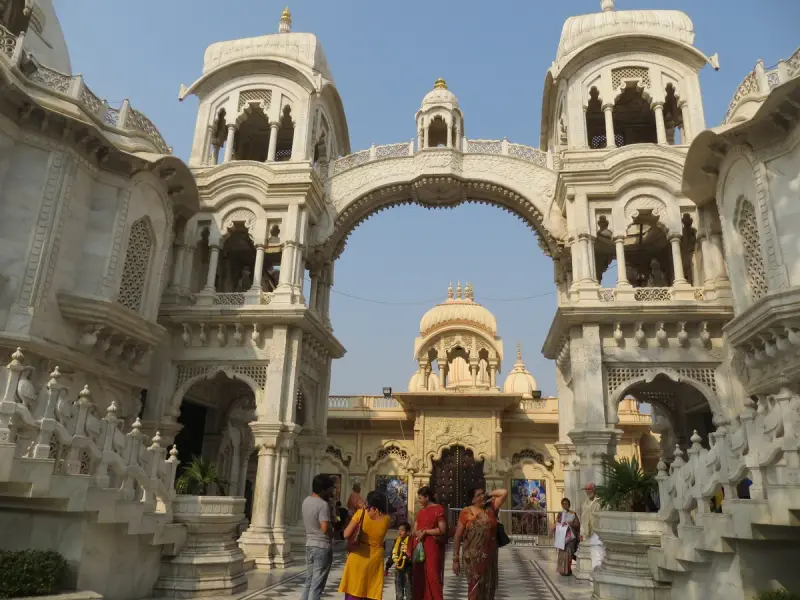
The fort was begun in 1763 by Maharaja Ala Singh and the city grew around it. Incredible India calls the interior an example of Sikh palace architecture, and the complex holds museums on the region's royal past. Go in the morning, when the courtyards are cool and photographs come out clean, and give the old market at its gate half an hour afterwards. The Patiala Heritage Festival is held at the fort, though the official page lists two different months for it, February and December, so confirm the date before you plan around it.
Sheesh Mahal and Moti Bagh Palace
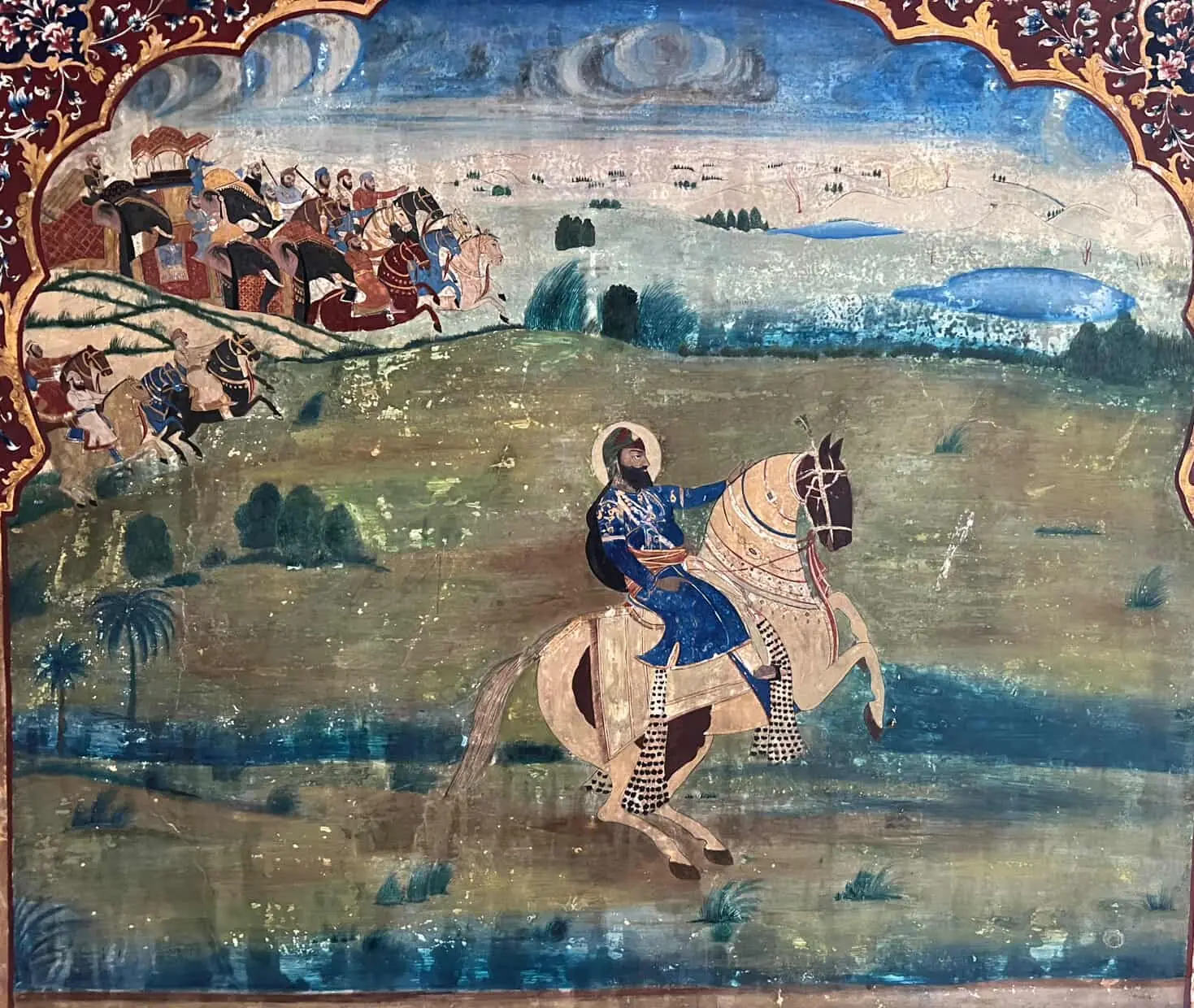
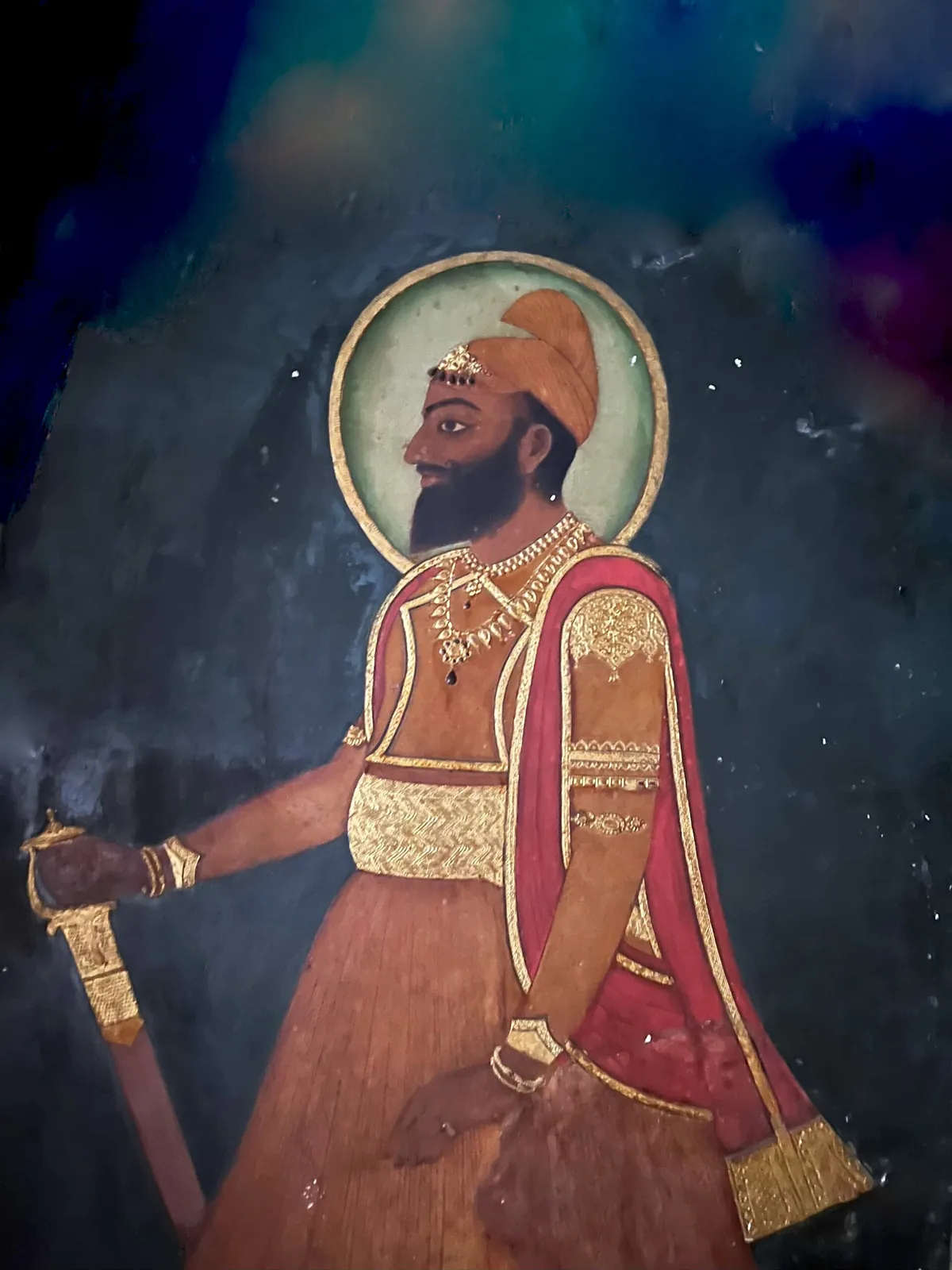
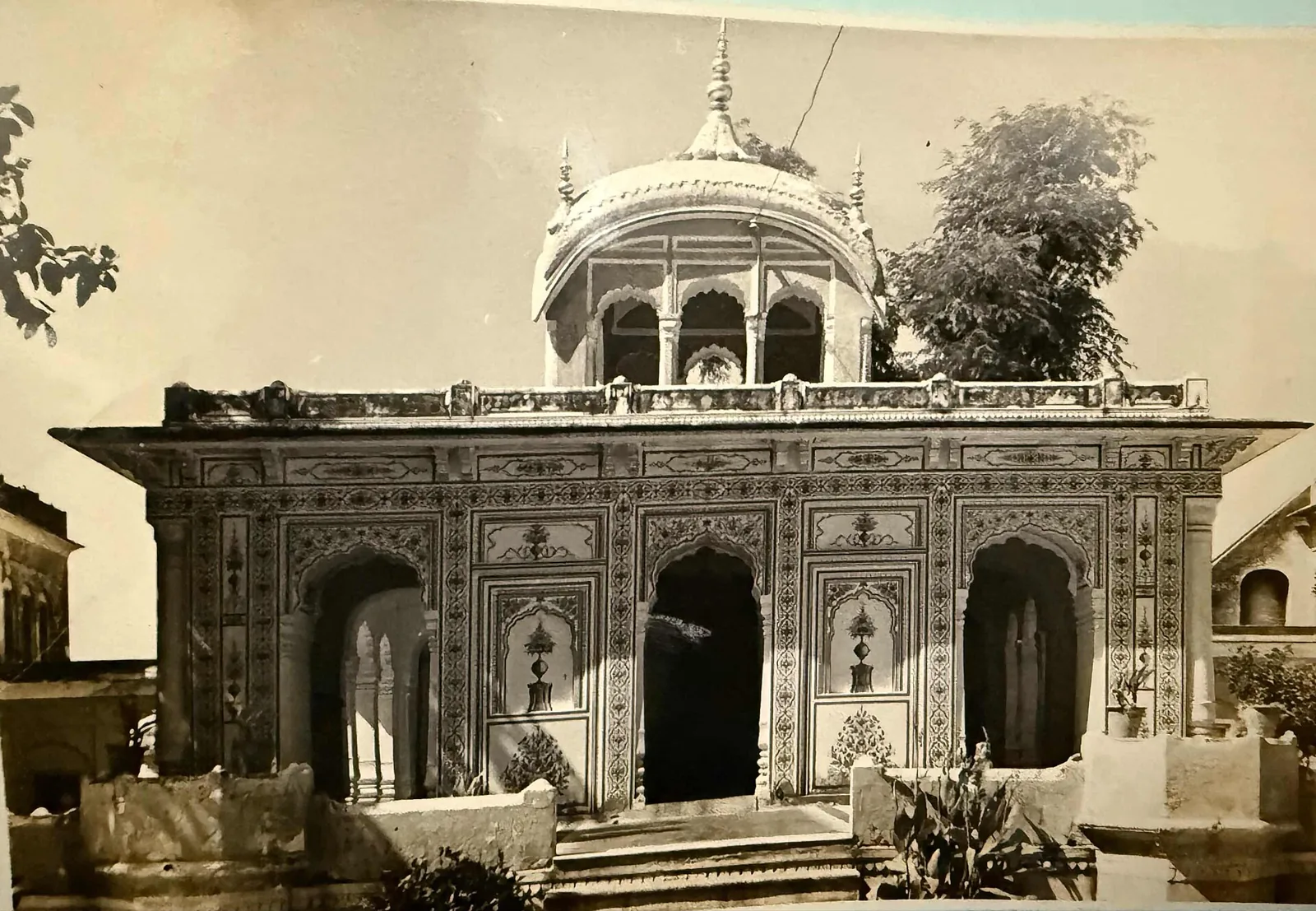
The Sheesh Mahal is the palace of mirrors, built behind the main Moti Bagh Palace as a pleasure complex. The Moti Bagh itself was started under Maharaja Narinder Singh and completed in the early twentieth century under Maharaja Bhupinder Singh. The museum here reportedly holds about 3,200 orders, medals and decorations collected by Bhupinder Singh, and the interiors carry Kangra style miniatures of the Geet Govind. Allow an hour, and check the opening days at the gate, because palace complexes in Punjab often shut on particular days.
Baradari Gardens, an afternoon among old trees
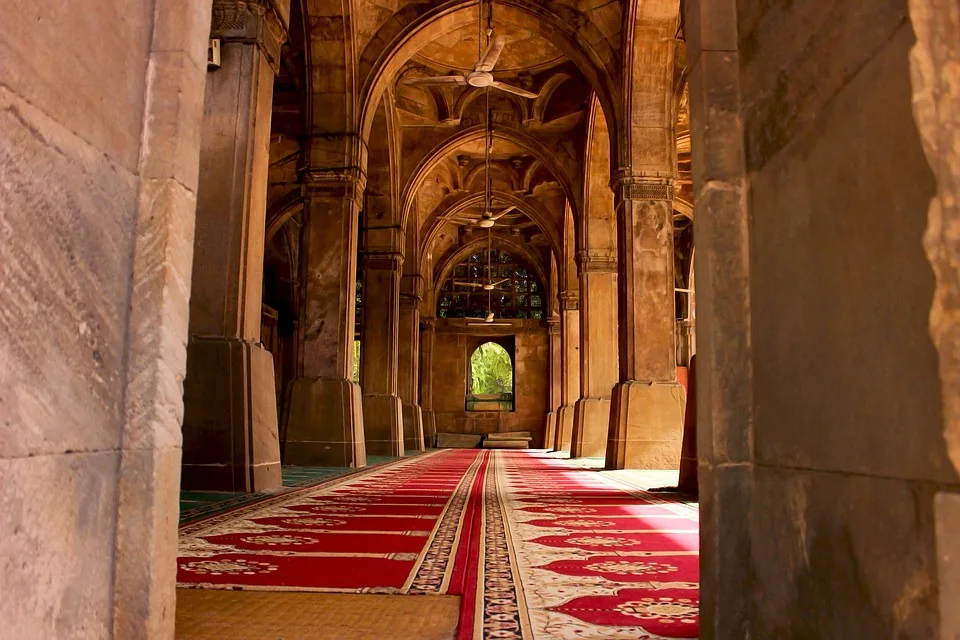
The gardens date to 1876, commissioned by Maharaja Rajinder Singh, and cover about 81 acres on the north side of the old city. The name comes from the twelve arched pavilions. Look for trees that are 60 to 150 years old, the hexagonal Fern House modelled on the botanical garden in Calcutta, with 22 fountains and 32 sprinklers, and the Maharani Club, a nineteenth century building modelled on an English pavilion. There is a pond where you can go boating, and the Baradari Palace is now a heritage hotel. Incredible India lists the gardens as open round the clock, though a formal entry hour is likely, so ask at the gate.
Two shrines, one old, one gentle
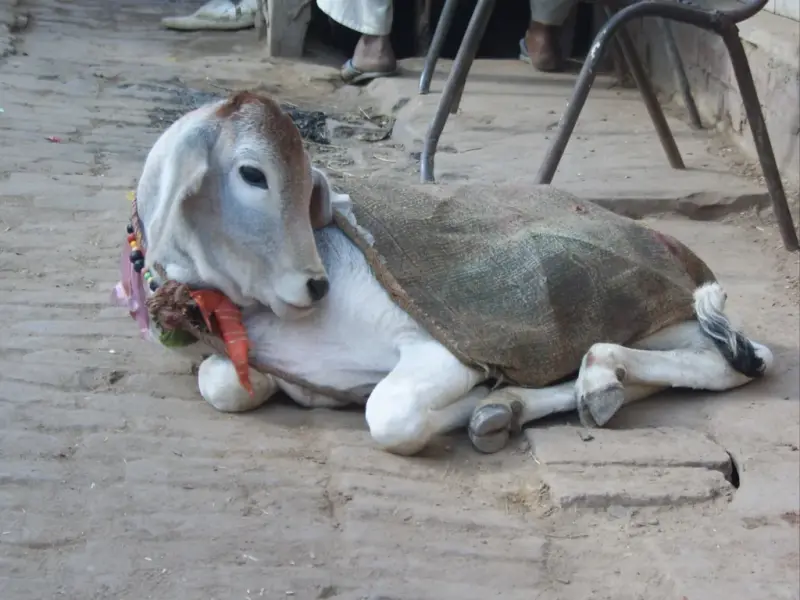
The district site says that at the Kali Mata temple Maharaja Bhupinder Singh installed a six foot statue of the goddess brought from Bengal. The tourism board suggests starting a Patiala day here. Gurudwara Dukh Nivaran Sahib stands on land donated by villagers of Lehal and has a sarovar where visitors can bathe. Cover your head, remove your shoes and wash your feet before entering either shrine.
Shopping: what to buy and where
Patiala's shopping streets are Adalat Bazaar, AC Market, Chhoti Baradari, the old market near Qila Mubarak and Sirhindi Gate. Look for Patiala salwars, dupattas, juttis with embroidery, and phulkari. Patialvi craftwork uses gota, kinari, zari and sitara, and the parandas, the braided hair cords, are a local souvenir that costs little and packs flat. Bargain politely, and check stitching on juttis before buying.
What to eat
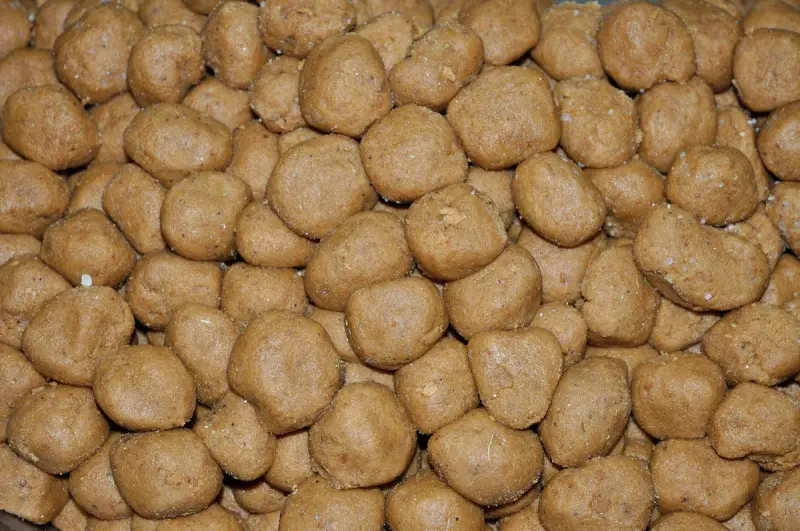
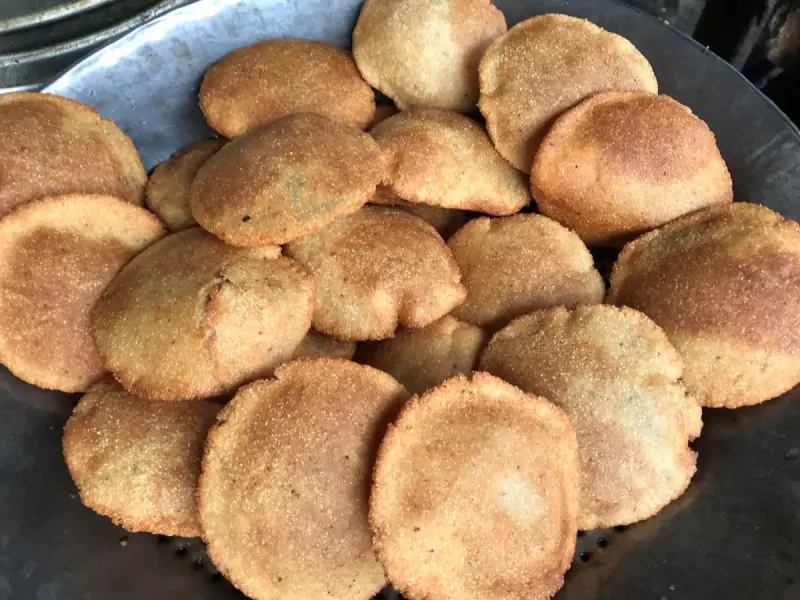
The tourism page calls Punjabi lassi a must-try, and street food such as aloo tikki and jalebi fills the lanes around the gates. Dhabas near the gardens serve the thick, buttery Punjabi meals people travel for. Come hungry, and keep the last hour of the afternoon for a lassi sitting down.
Wild corners and music
Bir Moti Bagh, a former royal hunting ground of about 654 hectares, is a sanctuary on the edge of town with deer, jackals, monkeys and birds, best from October to January. Bir Bhunerheri is about 15 km away. Patiala is also the home of the Patiala Gharana of Hindustani music, so ask your host about a recital during the heritage festival season.
The order that works
The district tourism site and the official Patiala page suggest a natural sequence. Start with Kali Mata's shrine while the morning is cool, walk on to the gardens for a slow loop, then move to Qila Mubarak and the Moti Bagh Palace, and keep the Sheesh Mahal for the afternoon when its mirrors catch the light. The gurdwara stands near both, so it fits at either end. Eat lunch near the old market and return to the shopping lanes for the last hour before dusk, when the shops light their lamps and the lanes turn lively. A second morning could go to Bir Moti Bagh for a walk among the trees.

When to go, and how to reach it
November to February is the comfortable time, with January lows near 3 degrees Celsius. April to June is very hot, with highs of about 40 to 44. Chandigarh and Delhi are the useful airports, and Patiala has its own railway station. From Delhi it is an easy road trip, so many people pair it with Chandigarh or Amritsar.
Laladham to Patiala
Laladham picks you up in Delhi from the airport, a station, your home or hotel, and plans the whole Punjab trip with one driver, from a day in Patiala to a loop with Chandigarh and Amritsar. Share your dates on the [book page](/book) and ask for a quote.
Questions, answered
What is Qila Mubarak?
The 1763 fort around which Patiala grew, with palace interiors and museums.
What is inside the Sheesh Mahal?
A museum of orders and medals gathered by Maharaja Bhupinder Singh, plus Kangra style miniatures.
How big are the Baradari Gardens?
About 81 acres, created in 1876, with a Fern House and old trees.
What should I buy in Patiala?
Patiala salwars, juttis, phulkari and parandas are the classic buys.
Which month is best?
Winter, from November to February. Summer is very hot.
Which airport is closest?
Chandigarh is the usual choice, and Delhi works well by road.