The three battles in one paragraph
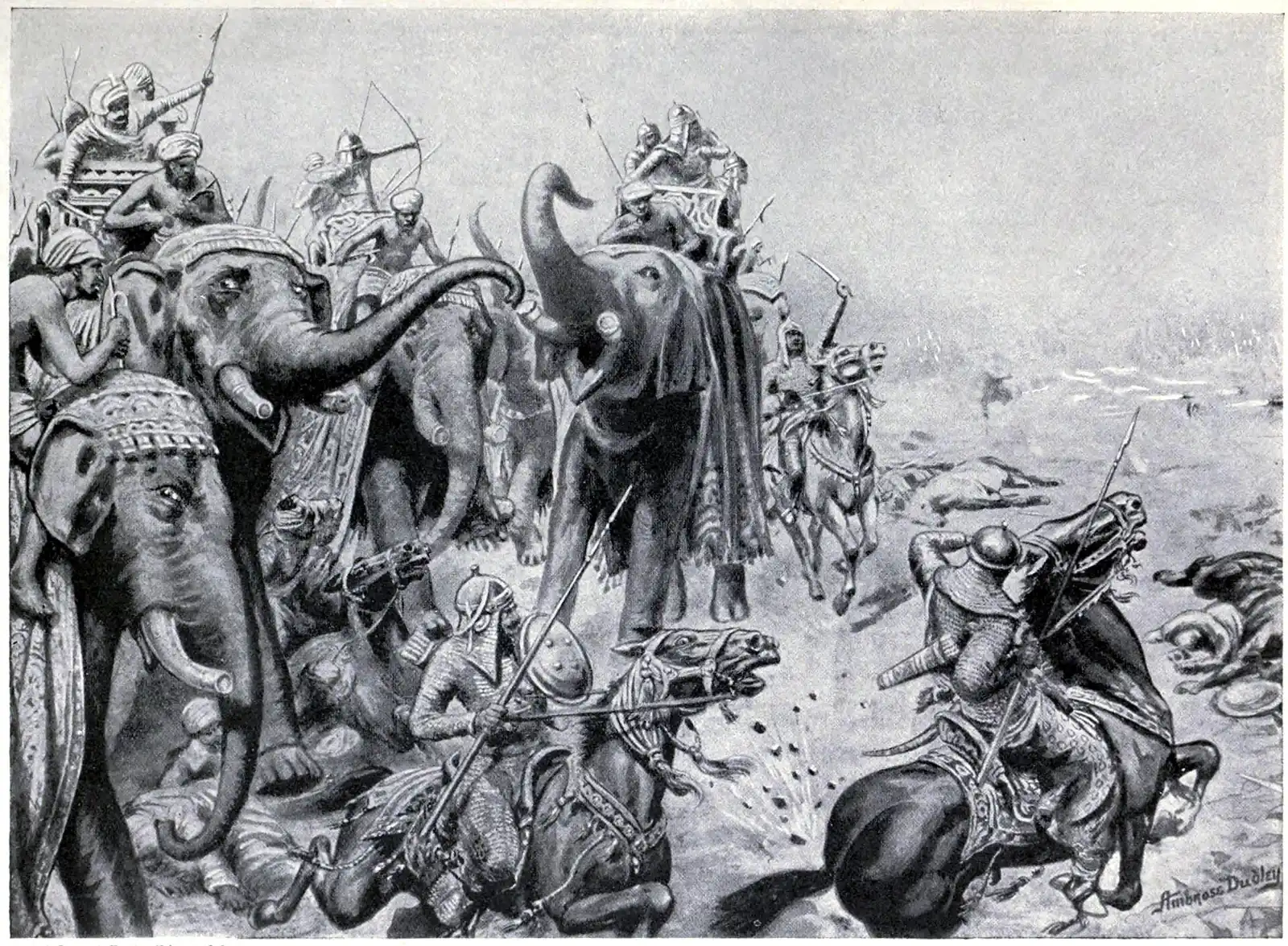
Incredible India lists them as 1526, when Babur defeated Ibrahim Lodi and laid the foundation of the Mughal Empire, 1556, which put Akbar on firm ground, and 1761, when the Marathas met Ahmad Shah Abdali. The town is about 90 km north of Delhi on NH-44, and Panipat Junction ties it to the rail network. Read this paragraph again before you set out, because the sites make more sense in order.
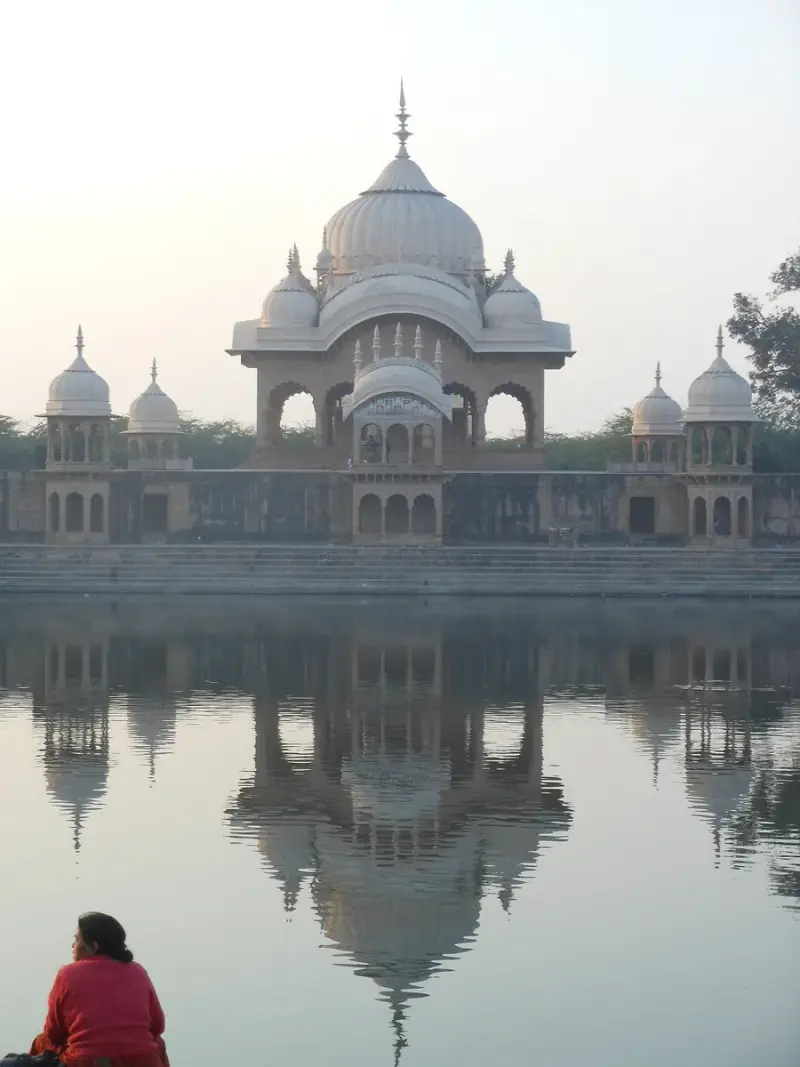
Kala Amb: the third battle
Haryana Tourism places Kala Amb about 8 km from the city centre. The Marathas were surrounded by Afghan forces with their supply lines cut, and casualties are given as high as 75,000, including senior commanders and the Peshwa's son. Today the field is a park where people come for a stroll. In one corner stands a red obelisk marking the spot where the Maratha commander Sadashiv Rao Bhau fell. The name means black mango, after a tree under which, by local tradition, Bhau fought his last action. The tree no longer exists. Walk slowly; the quiet is the point.
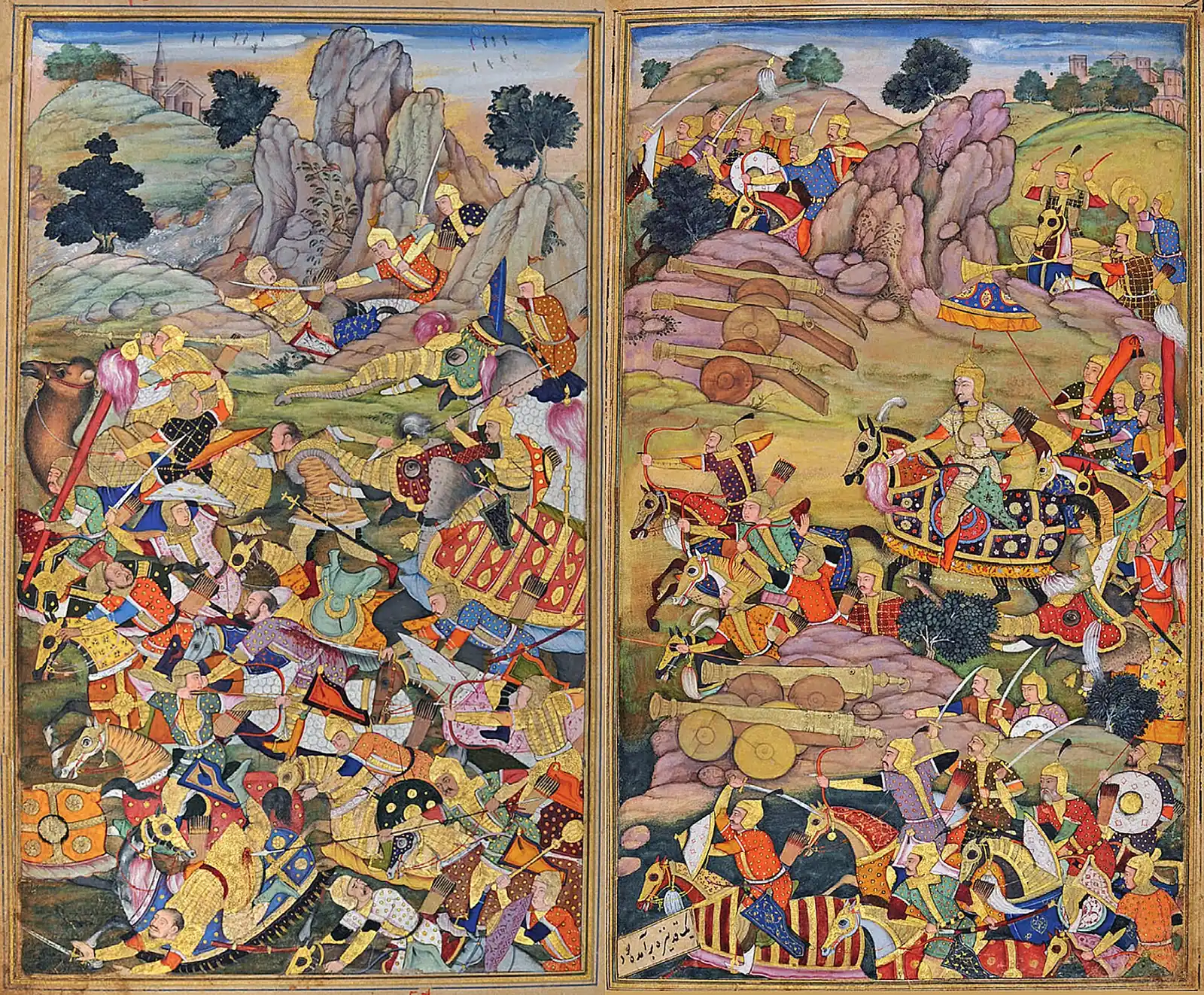
Ibrahim Lodi's tomb
The last Sultan of Delhi was killed on 21 April 1526 fighting Babur. His tomb, in the Camp area behind the Haryana Tourism resort, is a rectangular open grave on a high double-terraced platform, with steps from two sides, built of Lakhauri bricks. Haryana Tourism notes the British district administration rebuilt it in 1867 and says that it has no architectural significance but great historical weight. Expect something plain. The municipal committee maintains it, and it stands close to the dargah of the Sufi saint Bu Ali Shah.
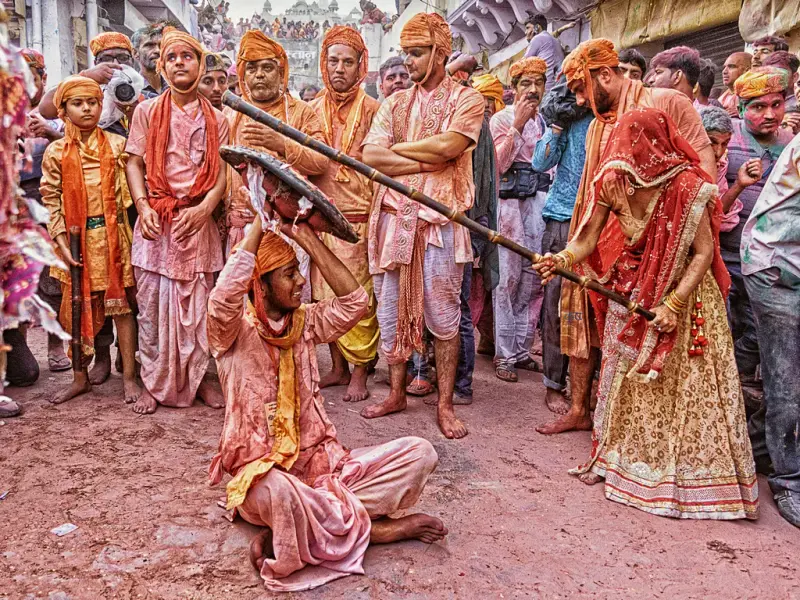
Kabuli Bagh Mosque
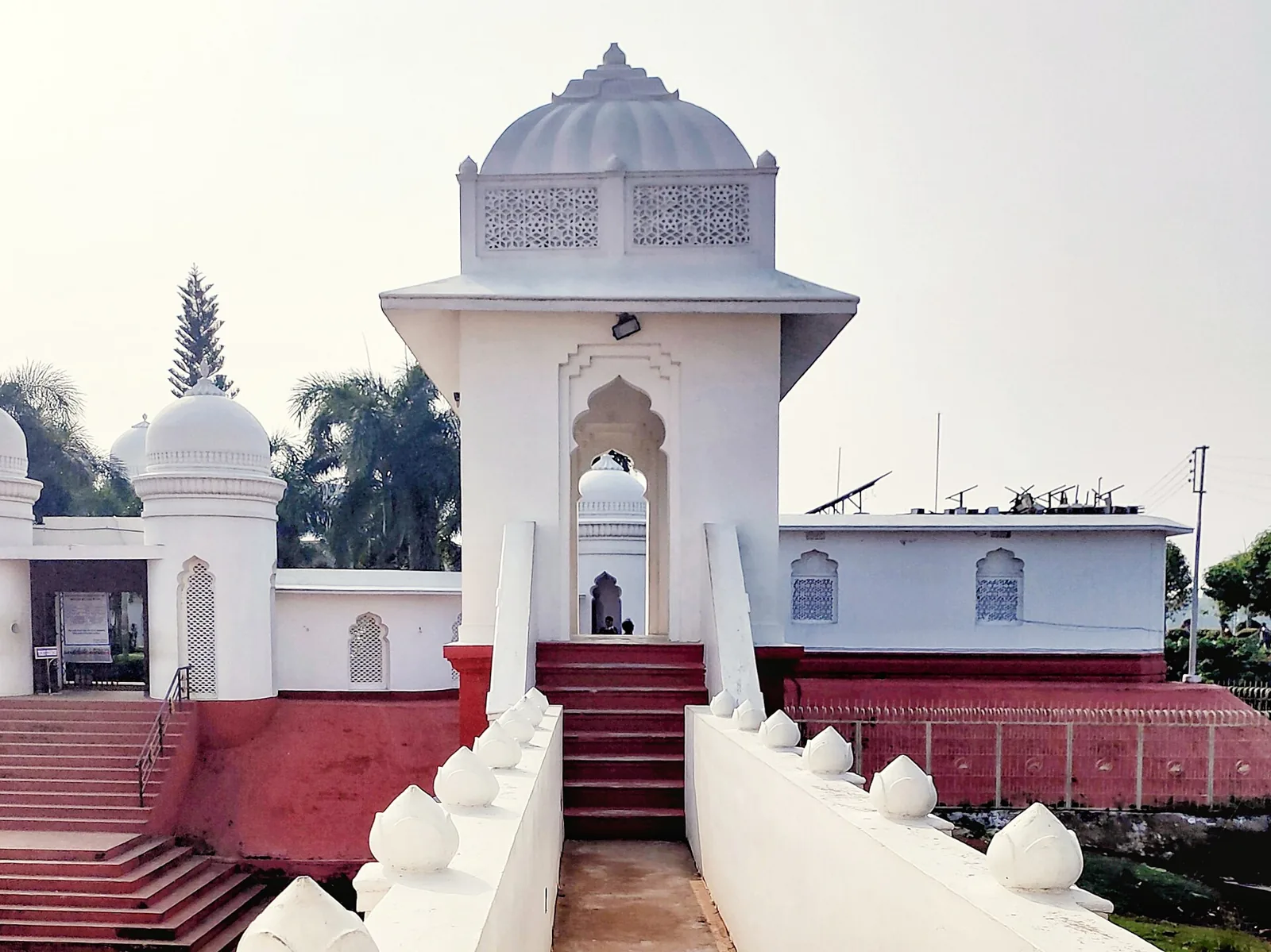
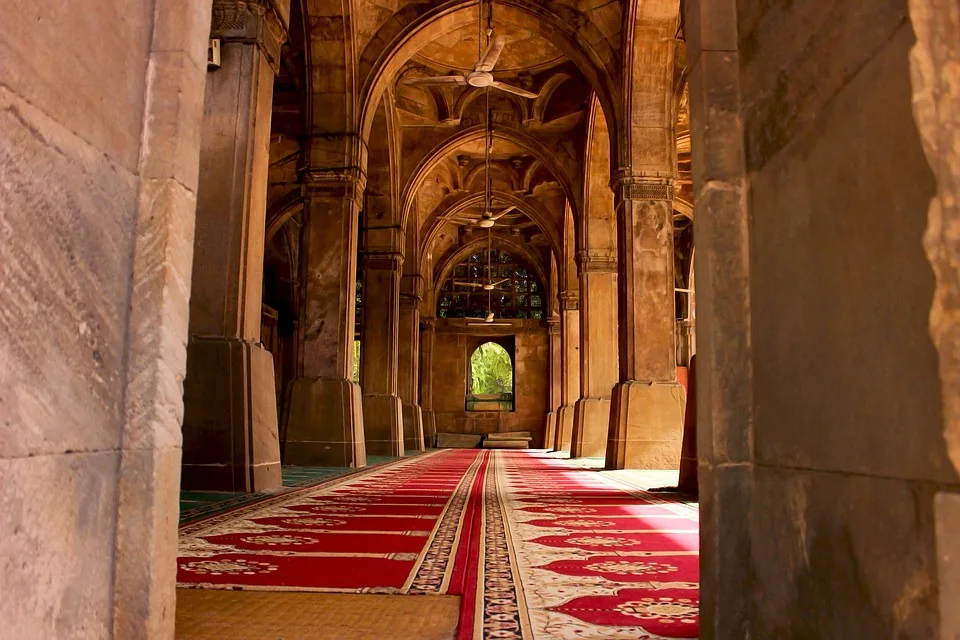
Babur raised this as the first Mughal monument in India to mark his victory over Lodi. It stands inside an enclosure with octagonal towers at the corners and a brick-and-red-sandstone gateway on the north side. The prayer hall is square, with nine-bay annexes crowned by hemispherical domes. Humayun later added a masonry platform, the Chabutra-i-Fateh Mubarak, with an inscription dated 1527. It sits in the Kabul Bagh colony and is protected by the Government of India, so you walk through a residential area to reach it.
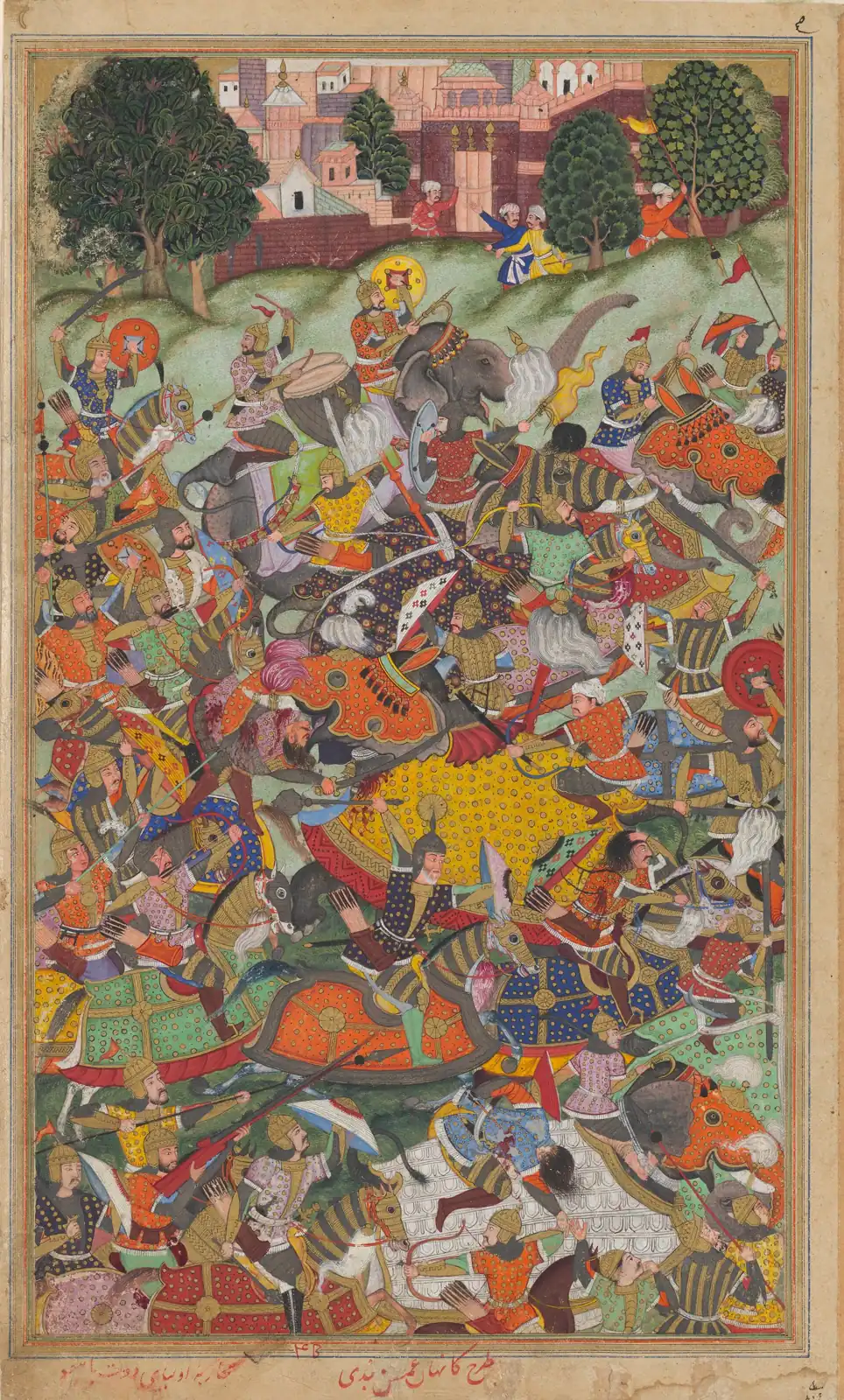
Hemu's samadhi at Sondhapur
Hem Chandra, from Rewari, was crowned at Purana Quila in Delhi on 7 October 1556 after a run of victories that Haryana Tourism counts as 22 battles. He died on 5 November that year at the Second Battle when an arrow struck his eye. His body was taken to Akbar's camp at Saudapur village, the present site, where supporters later raised a chattri. The state government says it plans a larger memorial, so the setting may change; check before you go.
Weavers, a temple and lunch
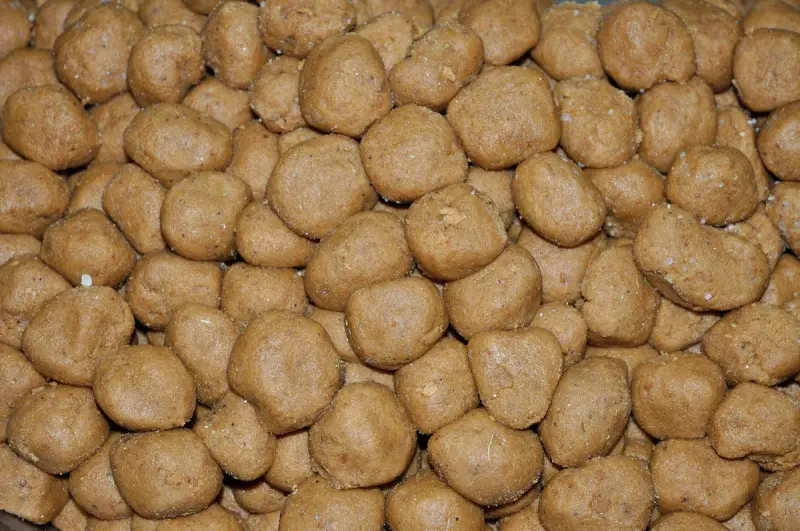
Incredible India calls Panipat the Textile City of India. It is known for carpets, rugs and durries, and visitors can tour small weaving units and buy home furnishings and shawls. A Devi temple on a mound is believed to date back to the Mahabharata age. For food, the same page recommends stuffed parathas with ghee and lassi for breakfast, dal makhani and tandoori at dhabas, and gajar halwa, pinni and jalebis for sweets. Carry cash, as digital payments may not be accepted everywhere.
When to go and how long to stay
October to March is the pleasant window, and summer highs run to 40 to 42 degrees from April to June. The sites are spread over town, so a driver saves time, and Incredible India suggests hiring a local guide. Half a day covers Kala Amb, the tomb and the mosque, and if you start from Delhi by 8 am you can walk all three before the midday sun makes the open sites tiring, since little of Panipat's history sits under a roof; add Hemu's samadhi and a weaving visit and it fills a full day trip. The Panipat Museum, at Binjhol village on the Panipat to Gohana road, is listed by Haryana Tourism, though we did not confirm its hours.
Let Laladham run it
Laladham can pick you up in Delhi, at the airport, station, home or hotel, and run the complete day: a driver up NH-44, a route that links the battle sites in order, a stop at a weaving unit and lunch, then the drive back, or onward to Kurukshetra or Chandigarh. No fixed price is published for this route, so ask for a quote on the book page with your dates.
Questions, answered
How far is Panipat from Delhi?
About 90 km north, along NH-44.
What are the three battles of Panipat?
1526 (Babur and Ibrahim Lodi), 1556 (Akbar's side and Hemu) and 1761 (the Marathas and Ahmad Shah Abdali).
What can I see at Kala Amb?
A park on the edge of town, named for a mango tree that has gone.
Which Panipat monument did Babur build?
Kabuli Bagh Mosque, raised after his win over Lodi.
When should I visit?
October to March. Summer afternoons reach 40 to 42 degrees.