Do not come expecting hills or ruins. Come for water, ritual and a sense of how a legend sits inside a working city of colleges, railway lines and farmland.
Getting there and when to go
Delhi's airport is about 160 km from Kurukshetra, Chandigarh's about 100 km, and Kurukshetra Junction has trains to Delhi, Chandigarh and Amritsar. National Highway 44 connects the town to the big cities nearby, and Haryana Roadways and private operators run regular buses.
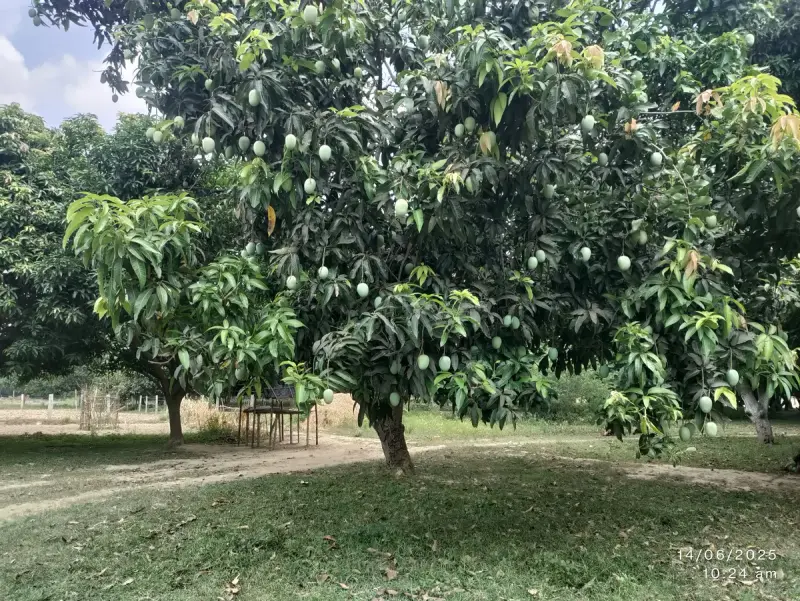
October to March is the sensible window, with Incredible India giving a range of about 5 to 25 degrees Celsius for the cool months. April to June goes above 40 degrees, and the page's own monthly chart puts May at over 46, so avoid summer if you plan to walk between sites.
Brahma Sarovar, the tank at the centre
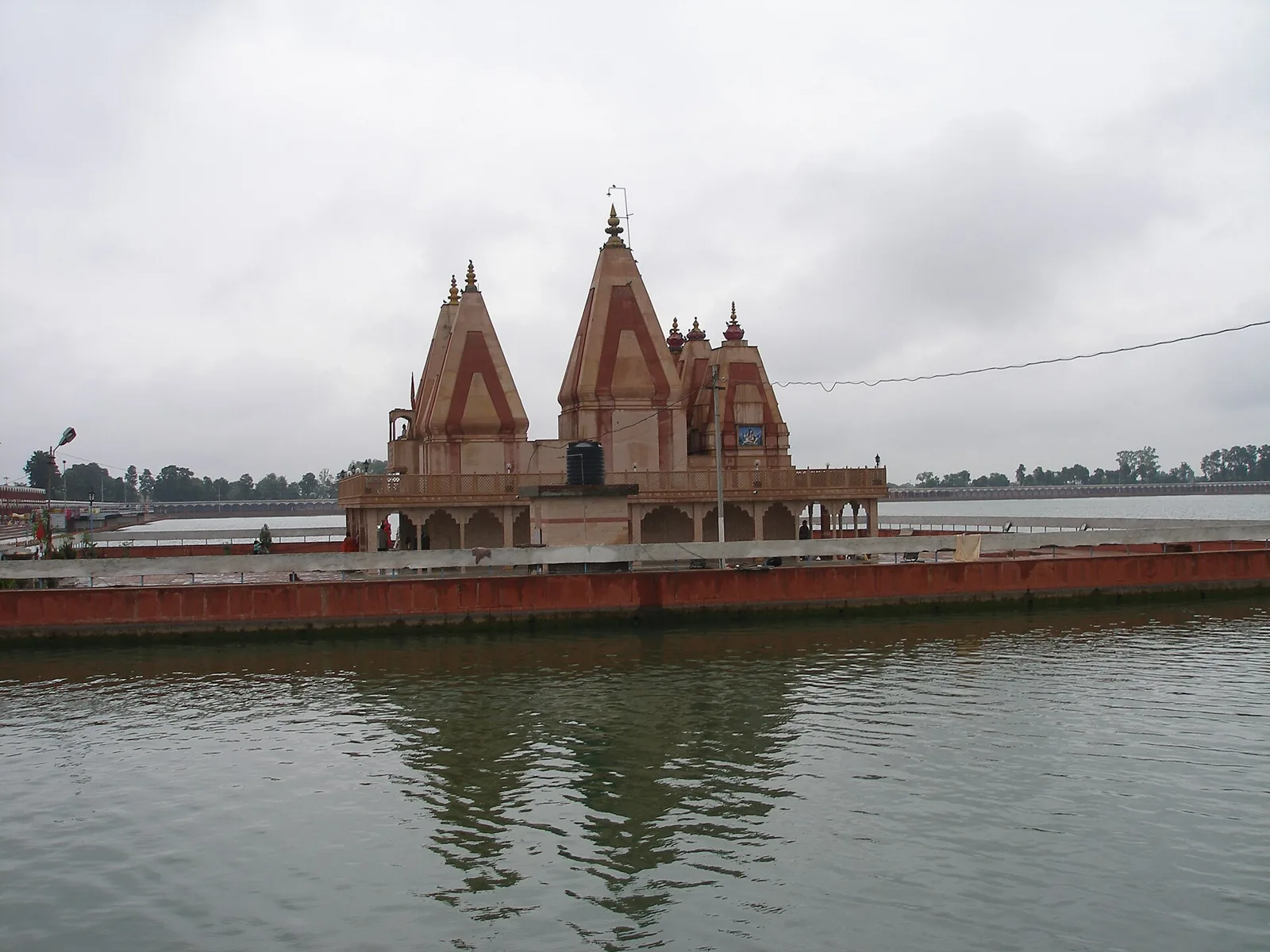
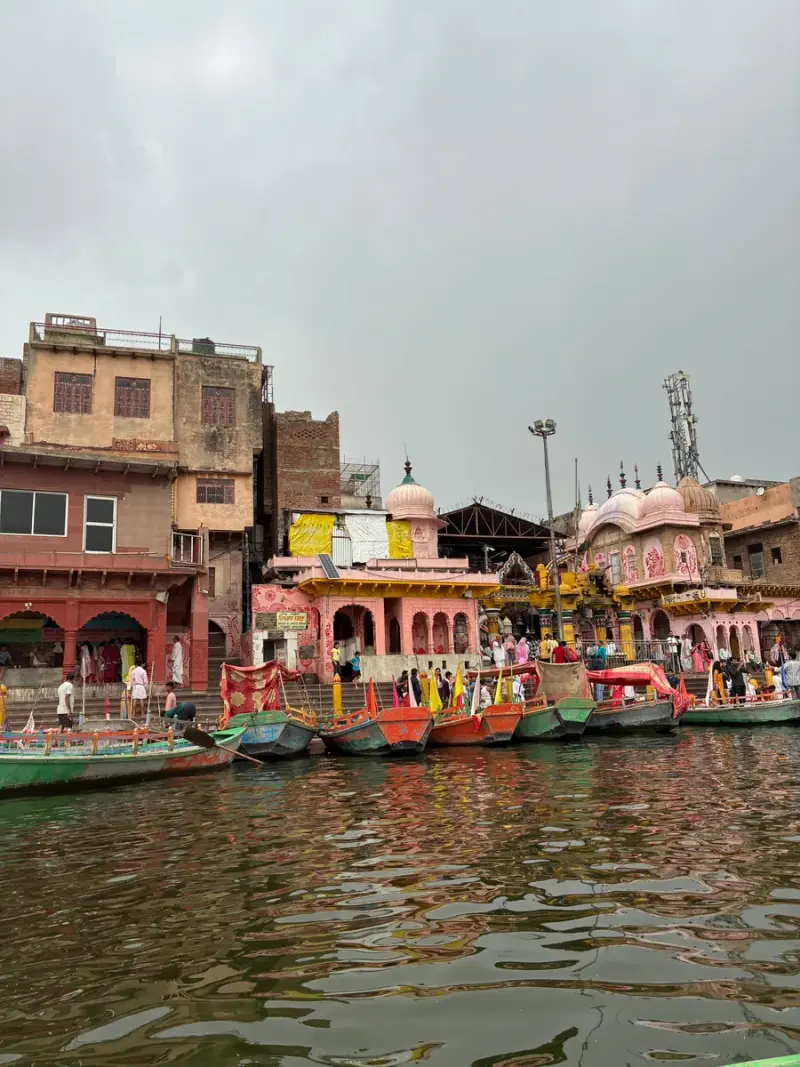
Brahma Sarovar is the town's heart: a large rectangular tank that tradition says Brahma created. Incredible India calls it especially striking at sunrise and sunset, and describes the holy dip taken here as absolving sins. On solar eclipses it becomes a congregation point for devotees.
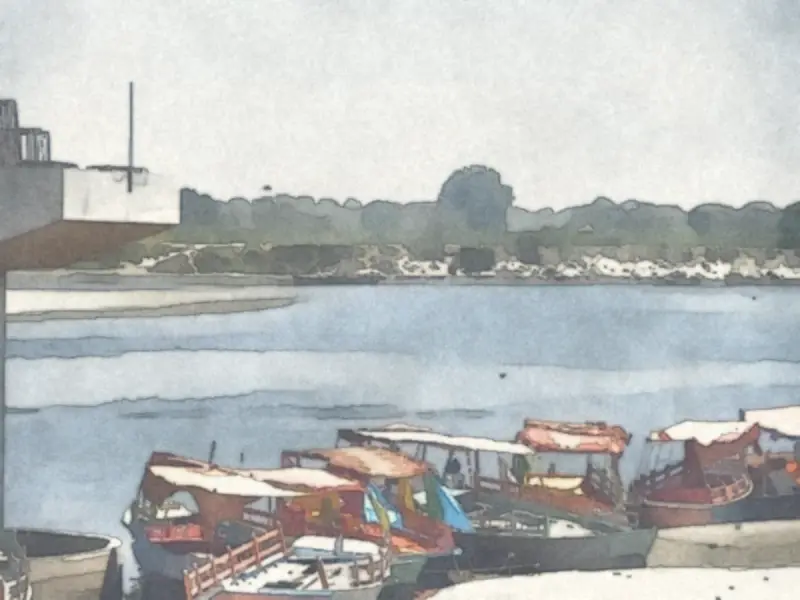
Arrive for the first light or the last hour of the evening, when the temples on the water catch colour and the crowd thins. The Tribune once noted that tourists photograph Lord Krishna's chariot here, a tableau you will notice quickly as you walk the ghats.
Jyotisar and the banyan
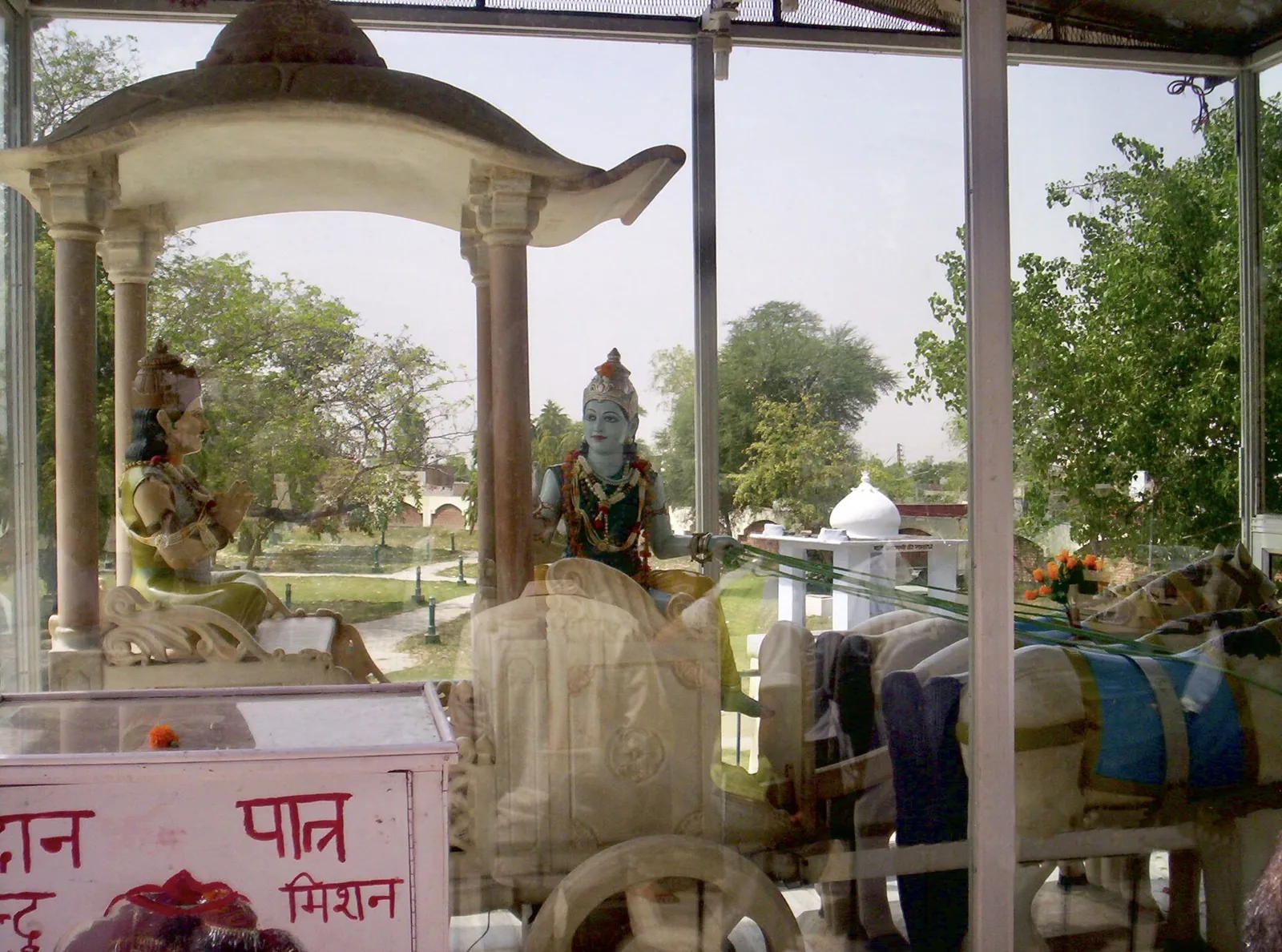
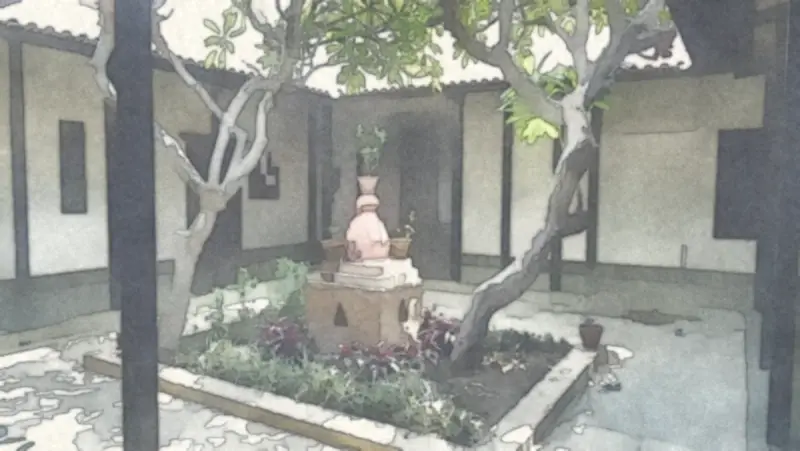
Jyotisar is revered as the place where Krishna taught the Gita to Arjuna, and a large banyan tree stands on the spot. Plan on a quiet half hour under the tree rather than a long visit; the Tribune suggested the place for yoga and spiritual retreats, and the setting suits that mood.
A chariot tableau with Krishna and Arjuna stands nearby, which is the picture most people take home.
Bhadrakali and Sannihit Sarovar
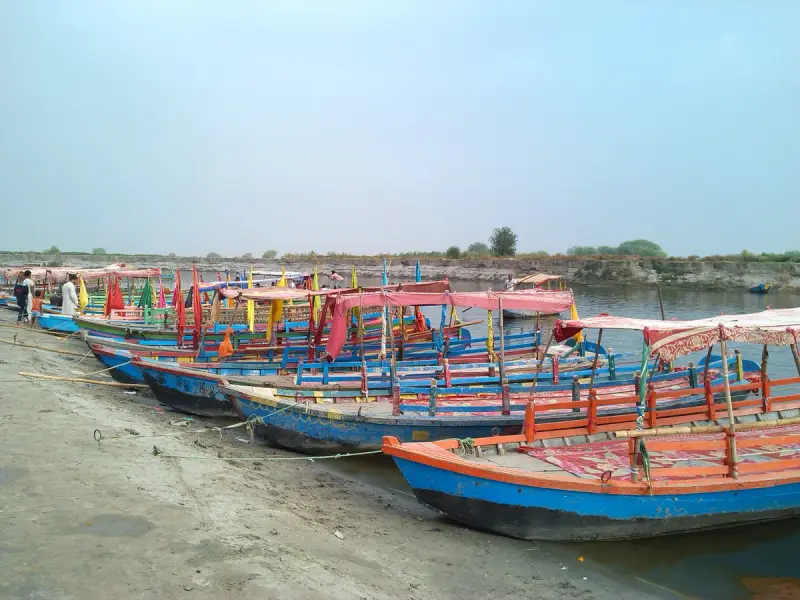
Tradition says Sati's right ankle fell into the well on this site, and a large white marble lotus inside the temple is said to hold it.
Local tradition
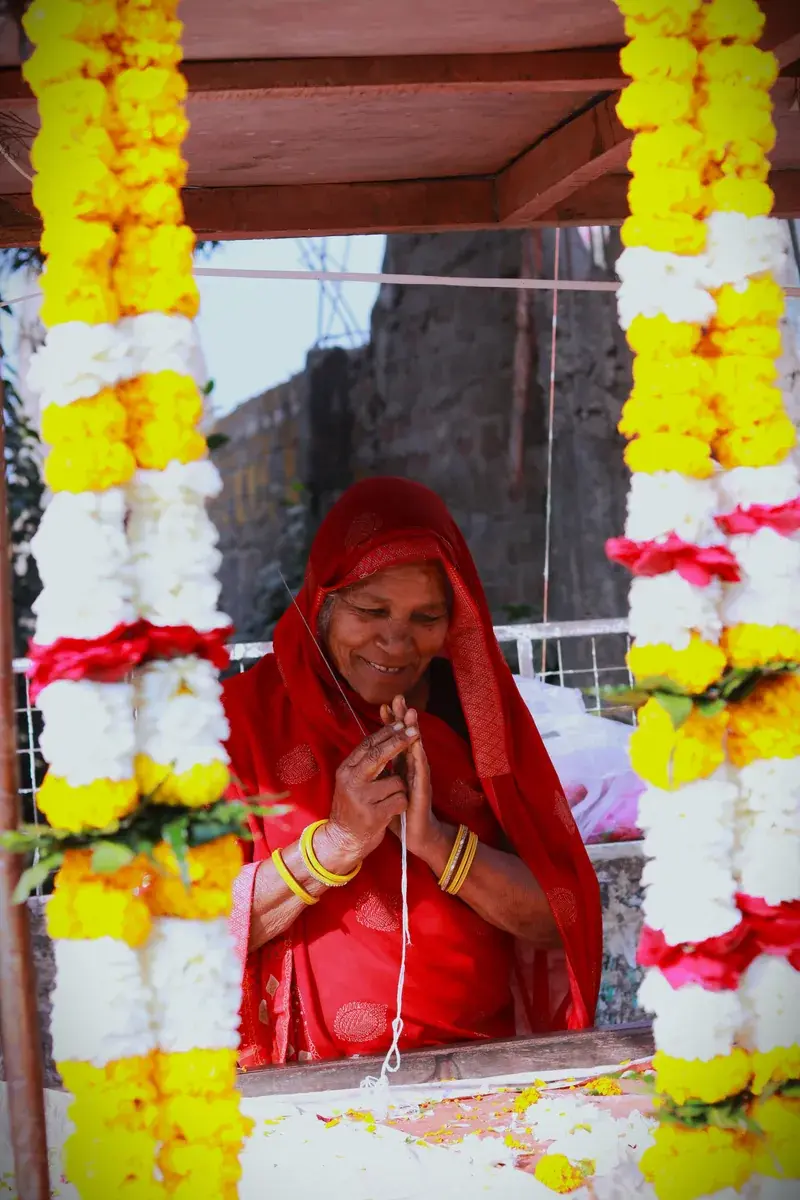
The Bhadrakali Temple is one of the 51 Shakti Peeths. After the Mahabharata war, the Pandavas are said to have offered terracotta and metal horses here, so devotees whose wishes are granted leave miniature horses of every size. Mundan ceremonies are popular here too.
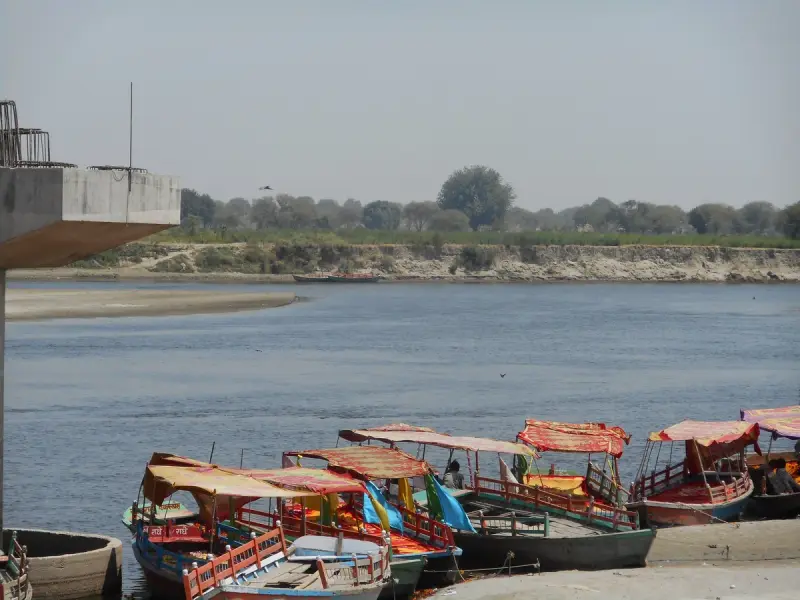
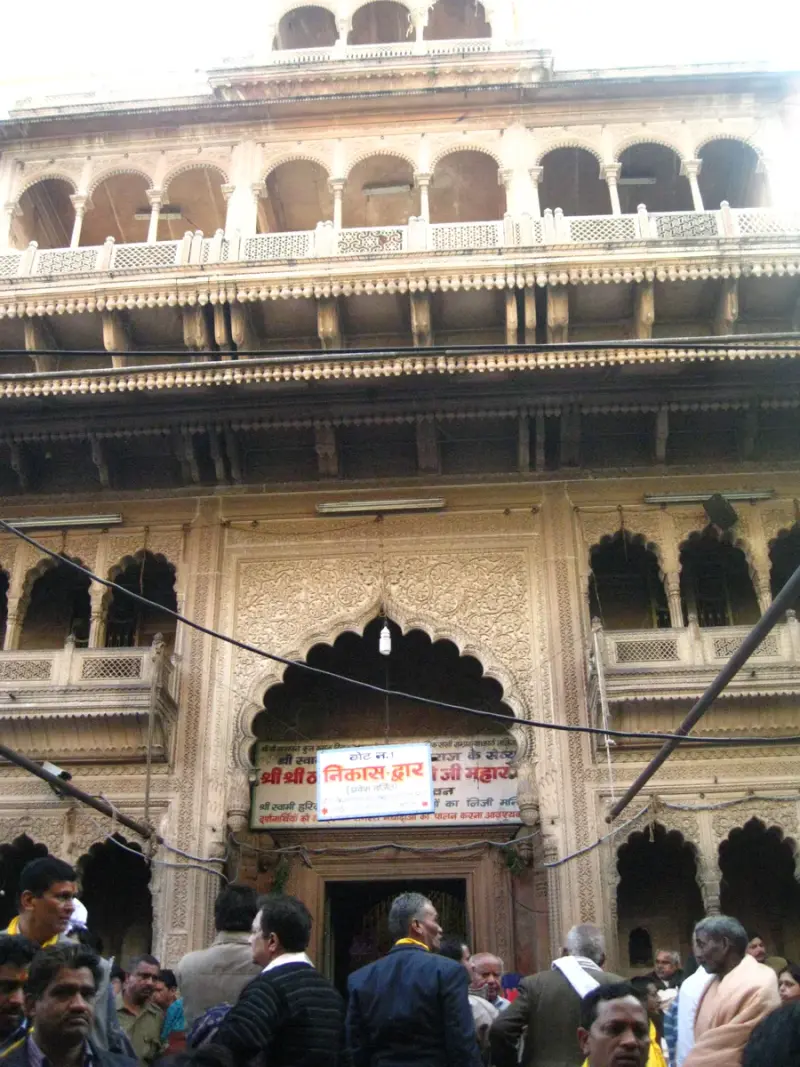
Incredible India gives summer timings of 6:00 AM to 8:00 PM and winter timings of 6:15 AM to 7:30 PM. Saturdays draw a bigger crowd. Sannihit Sarovar, believed to be where seven Saraswati rivers meet, fills up on Amavasya, the new moon night.
The Panorama and Science Centre
This is the surprise of the town, and a welcome one if you are travelling with children. The centre is about 1.5 km from the railway station and opens 9:00 AM to 6:00 PM. The main building has tall cylindrical walls, 34 feet high, painted with Mahabharata scenes, with Gita chants, war cries and lighting effects layered over a lifelike battle panorama.
Beyond the panorama, there is an exhibition on ancient Indian science with working models, a Dinosaur Enclave with animated robotic dinosaurs, and a science park in the garden outside. The page lists no entry fee, so ask at the counter.
Sheikh Chilli's tomb and a quiet hour
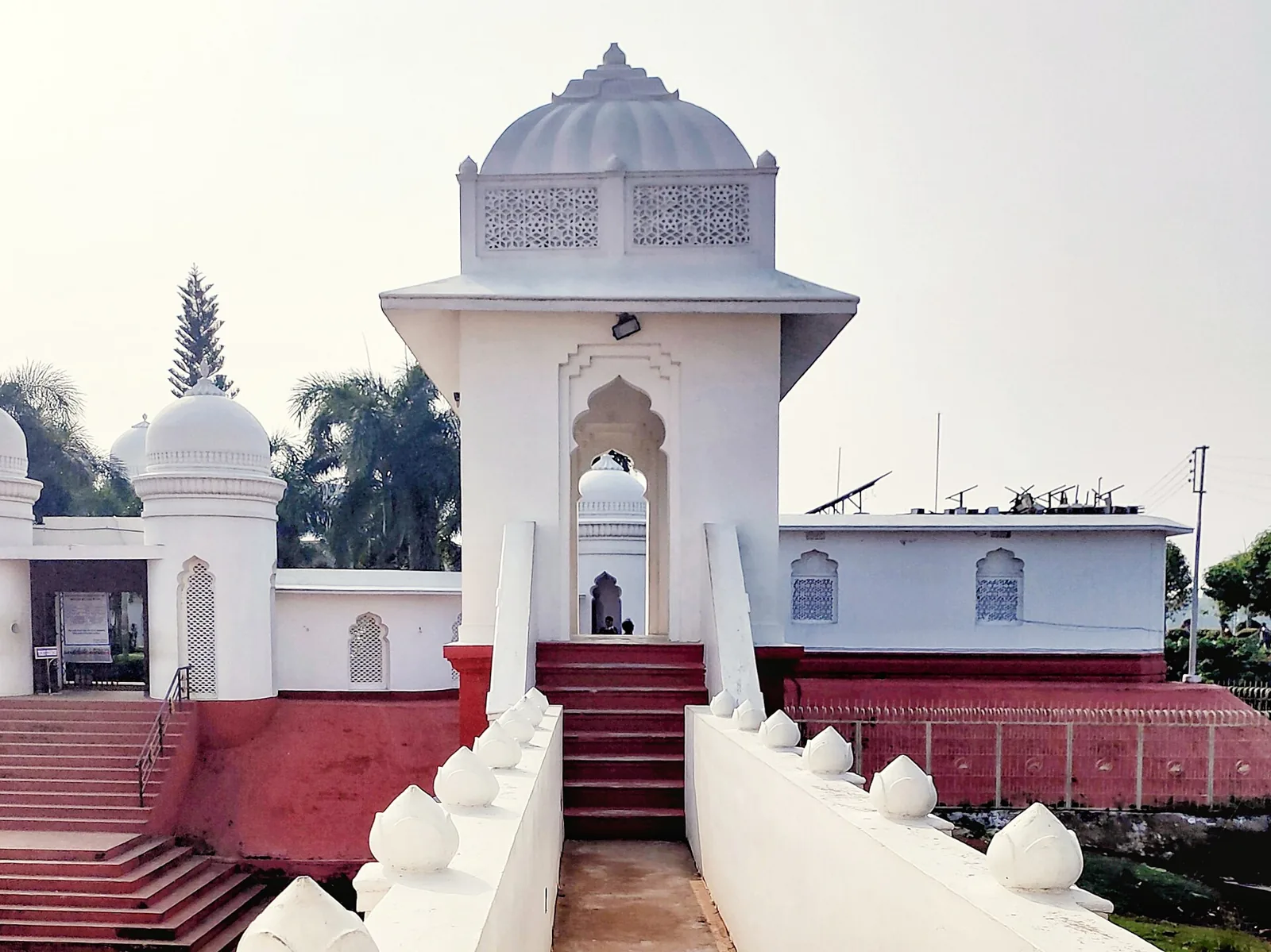
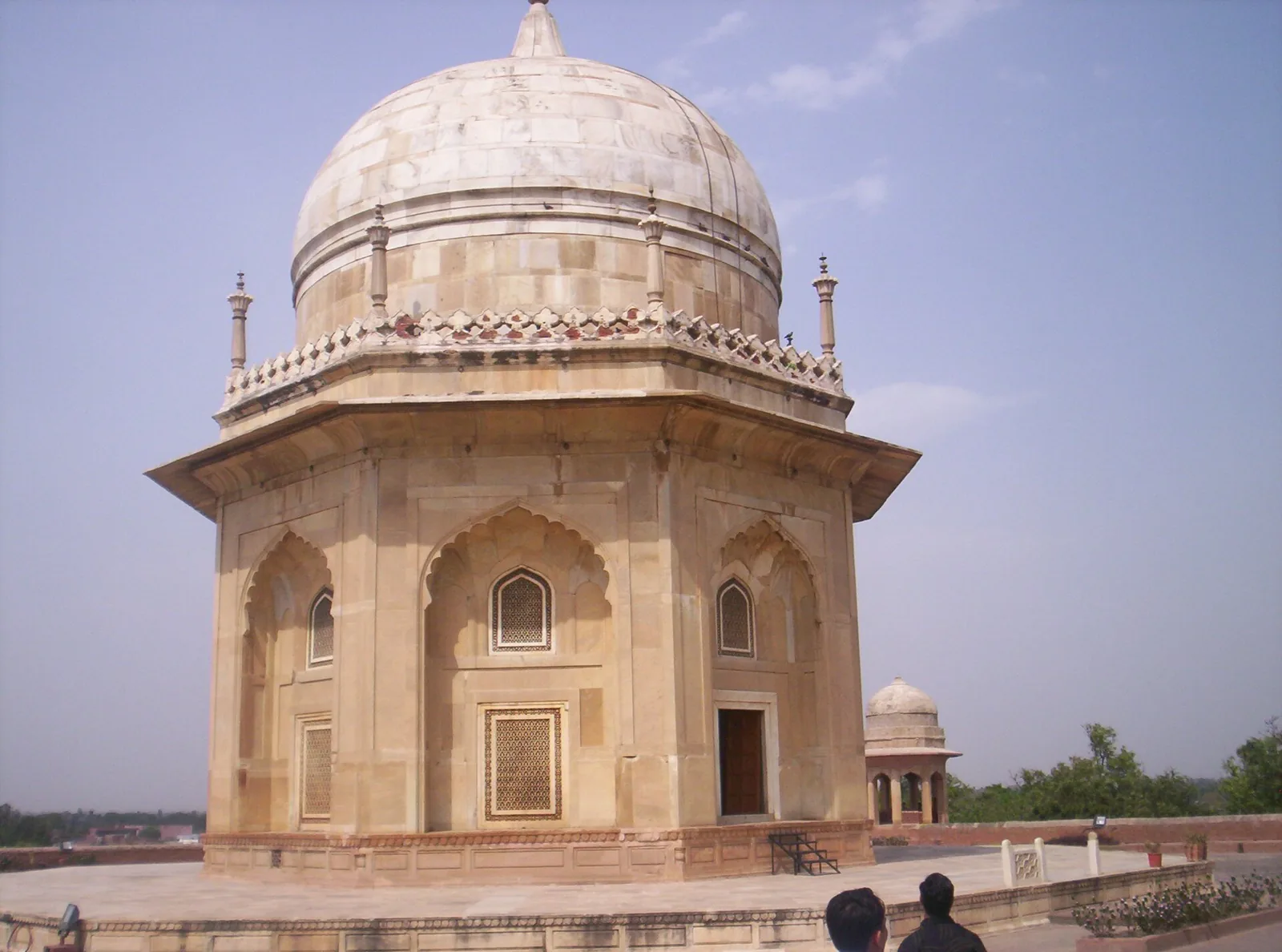
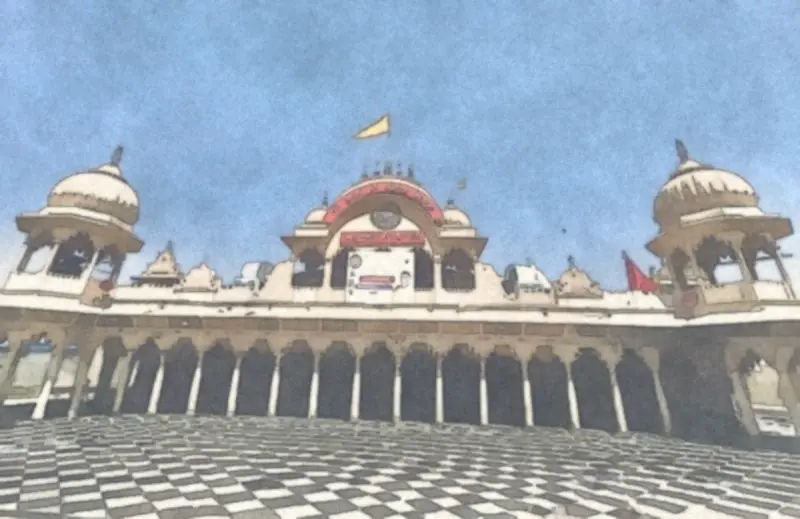
If you want something other than temples, the tomb of the Sufi saint Sheikh Chilli is a Mughal-era mausoleum set in gardens, domed and pale, and a good place to sit when the crowd at the tank becomes too much. The Tribune lists it with the ASI-protected Nabha House, and it adds that officials once said the town had no reliable licensed guides, so go in with a plan.
Gita Mahotsav in December
If you can choose your dates, the International Gita Mahotsav is the best time to feel the town at its busiest. The Tribune reported in October 2026 that the 11th edition runs from 5 to 25 December, with Brahma Sarovar as the main site, some cultural events at Jyotisar, and Saras and craft fairs through the whole period. The main cultural programmes are listed for 14 to 20 December, with chanting of the Gita by 18,000 students, exhibitions by ISRO, the Indian Air Force and the Navy, and a planned laser show.
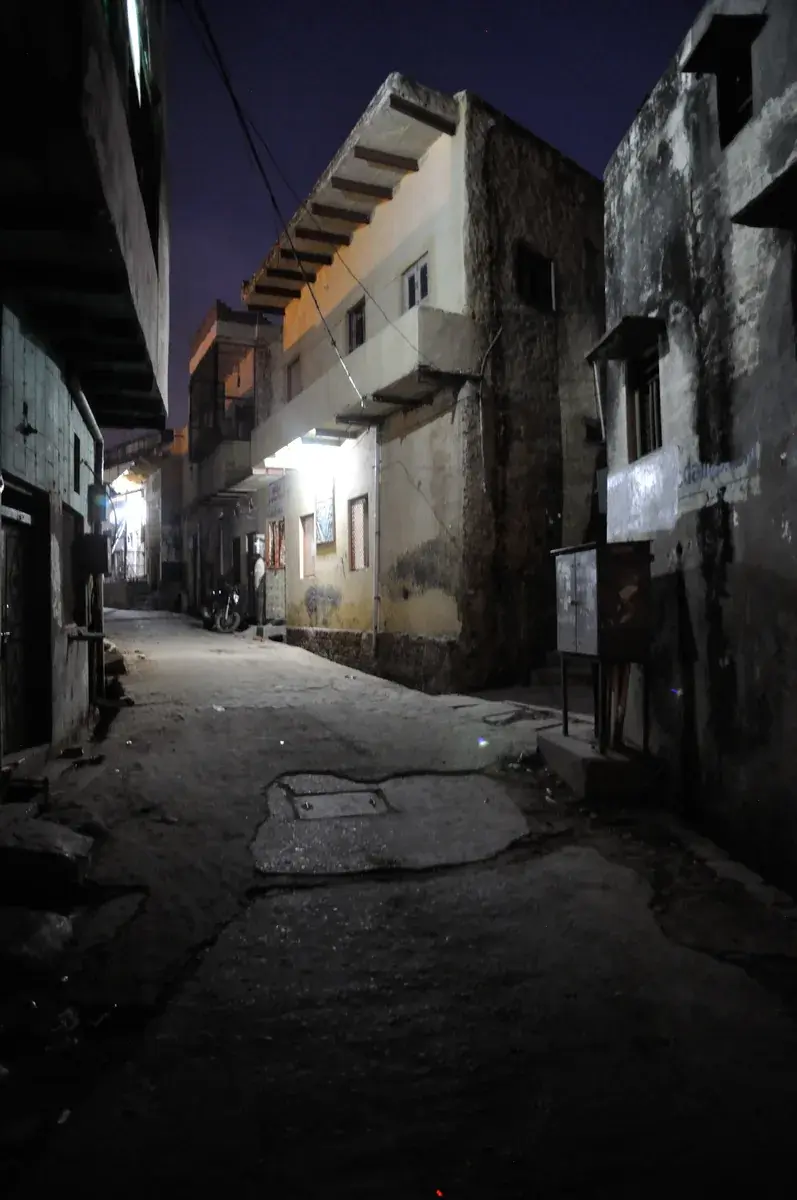
Expect crowds, closed lanes near the tank and full hotels. If you prefer quiet, pick a weekday outside the festival.
What to eat
The local plate includes singri ki sabzi, cholia, kadhi pakora and sarson ka saag, with meethe chawal, churma, ghewar and kheer to follow. Rotis come in wheat or bajra. Handloom textiles, pottery, brassware and terracotta lamps are the usual shopping.
Let Laladham run it
Laladham picks you up in Delhi, from the airport, station, home or hotel, and plans the complete trip: the drive up NH44, a timed route through the tank, Jyotisar and Bhadrakali, and a stay if you want sunrise at the water. Ask for a quote on the [book page](/book).
Questions, answered
How far is Kurukshetra from Delhi?
Incredible India puts Delhi's airport at about 160 km from the town, a straight run on NH44.
Is Kurukshetra a good day trip from Delhi?
Yes. The tank, Jyotisar, Bhadrakali and the panorama centre fit into one long day.
When is the Gita Mahotsav?
The 2026 edition is reported for 5 to 25 December, with the headline cultural evenings on 14 to 20 December.
What is at Jyotisar?
A banyan tree on the spot tradition names for Krishna's teaching, plus a chariot tableau.
Are there entry fees at the panorama centre?
The official page lists none. Check at the ticket window; the centre runs 9 AM to 6 PM.
Which season is best?
October to March. Summers climb above 40 degrees, so the cool months are kinder for walking.