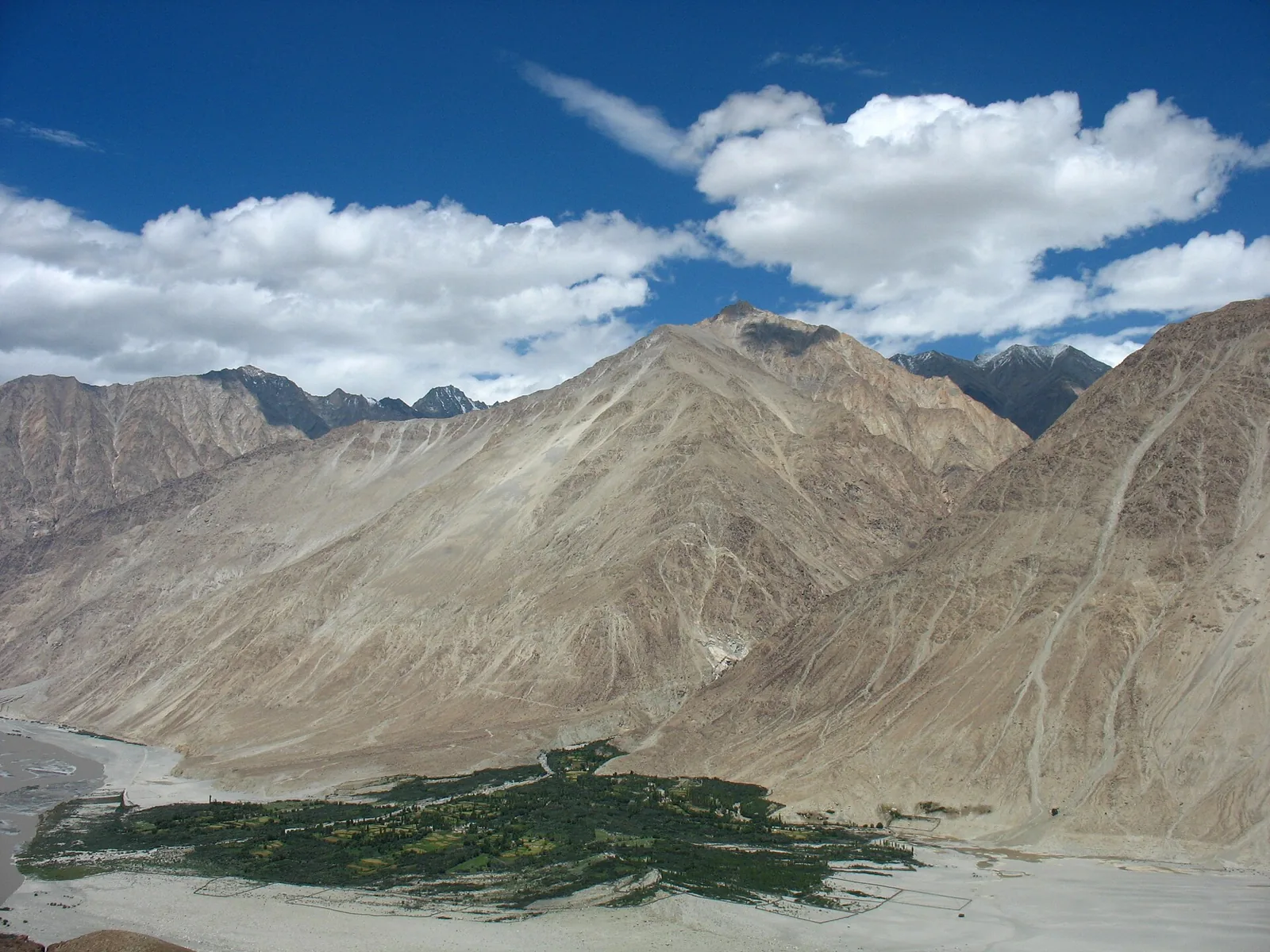
It is also a valley you cannot rush. The way in crosses one of the highest motorable roads in the world, and the body needs time before it. Plan the days in the order below and the valley becomes the easy part.
Acclimatise before you cross anything
UT Ladakh Tourism calls 48 hours of rest in Leh mandatory. Its advisory sets the first day as complete rest, the second as easy walks in town, and the third for nearby sites at a similar altitude such as Shanti Stupa and Leh Palace. Only from the fourth day does it suggest moving to Khardung La and beyond, gaining no more than 500 m a day.
Read that as a plan, not a suggestion. Acute mountain sickness can begin above about 2,500 m, with headache, nausea, poor sleep and dizziness. The advisory says to drink three to four litres of water, avoid alcohol and smoking in the first 48 hours, and skip sleeping pills. Carry a pulse oximeter. Medical help is concentrated in Leh, and the district has emergency oxygen at the SNM Hospital.
The permit and the road
Outlook Traveller says Indian citizens need an ILP for this valley, applied for online. The same guide notes overseas visitors need a different permit. Rules change, so confirm the current process with the Leh administration or the operator who books your vehicle.
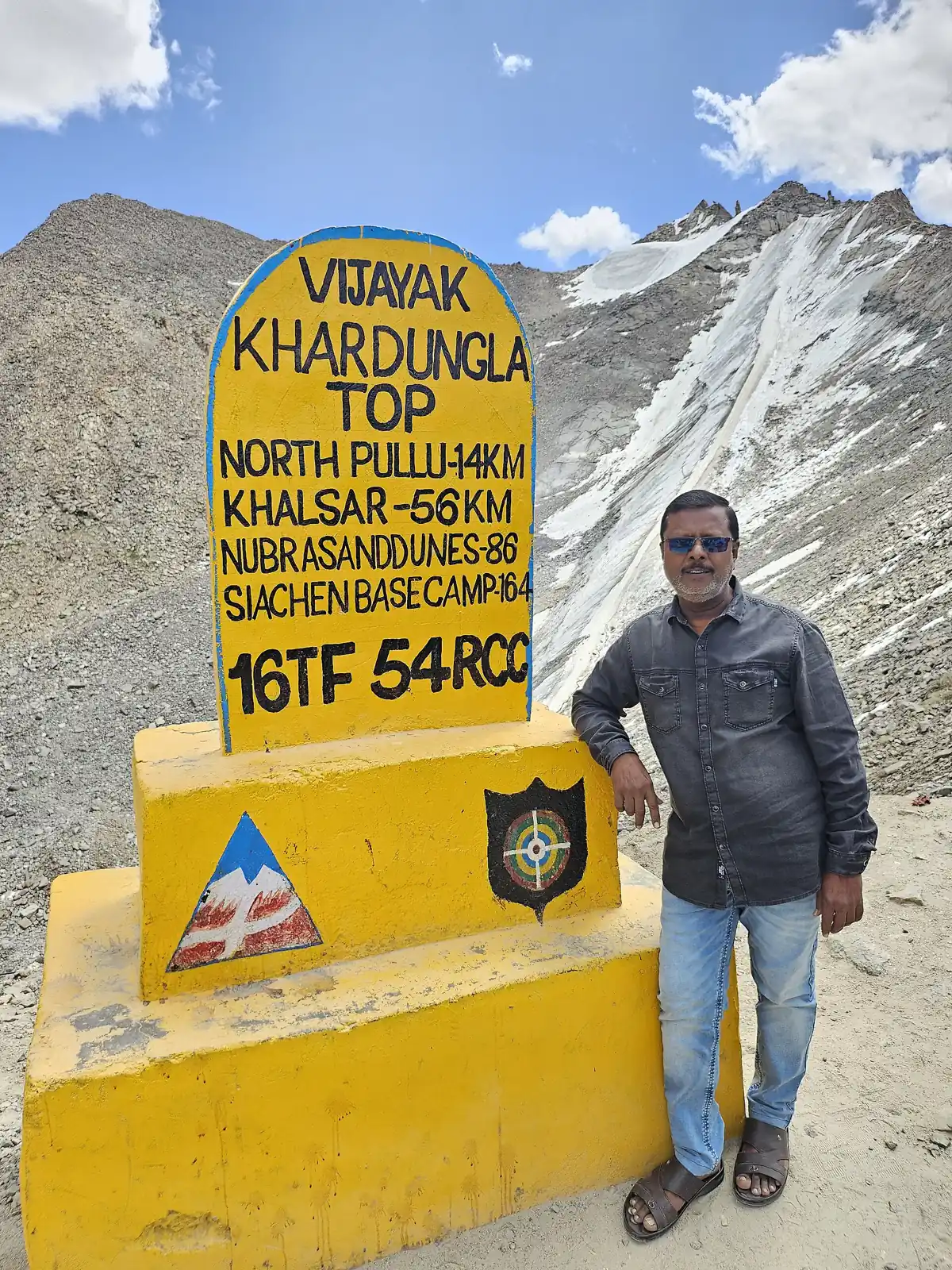
The Leh administration puts Nubra about 120 km north of town, and Incredible India gives about 110 km to Diskit, around five hours across Khardung La. Outlook Traveller says four to five hours, with a taxi from Leh. Public buses run only some days, so most visitors hire a car. Start early. The pass is above 18,000 feet according to the Ladakh guide from Outlook, and the drive is demanding.
Hunder: the dunes and the camels
The sand dunes at Hunder sit beside the Shyok, about 10 km from Diskit. Incredible India says they are best at dawn and dusk, when low light flattens the heat and lengthens the shadows. The double-humped Bactrian camels are the draw. Prices vary: Outlook Traveller quotes about Rs 180 for a 15-minute ride, Incredible India about Rs 500 an hour, so ask before you climb on.

Guesthouses and campsites at Hunder, Diskit, Sumur and Panamik offer tents, meals and bonfires. A night in Hunder lets you see the dunes after the day-trippers have left.
Diskit and its Buddha
Diskit is the largest town. Leh district highlights the Maitreya Buddha statue, which it lists at 108 feet; Outlook Traveller says 32 metres. The monastery sits on a hilltop above the valley. Outlook gives hours of 7 am to 6 pm with a one-hour closure around 1 pm, and says it was founded in the 14th century and inaugurated in its present form by the Dalai Lama in 2010. Morning prayers are the best reason to arrive early.
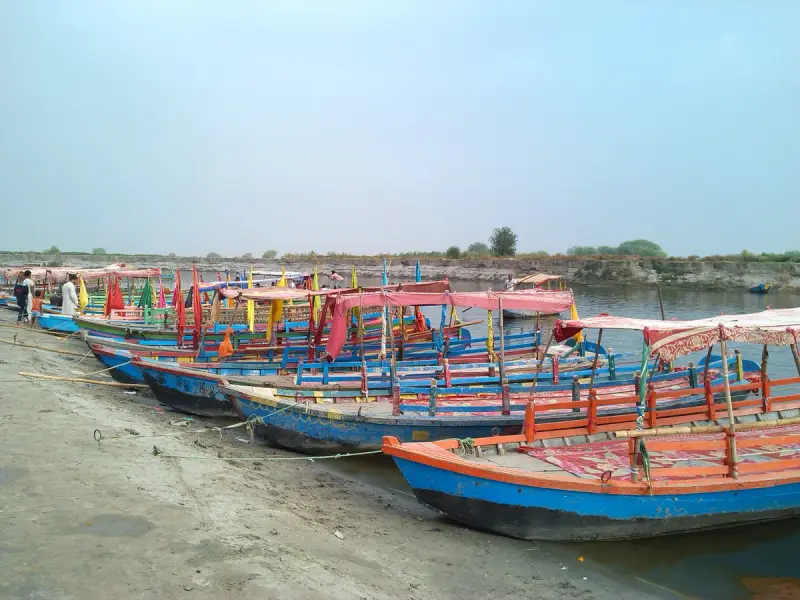
From the terrace you see the Shyok river and the poplar groves. Keep voices low and ask before photographing monks.
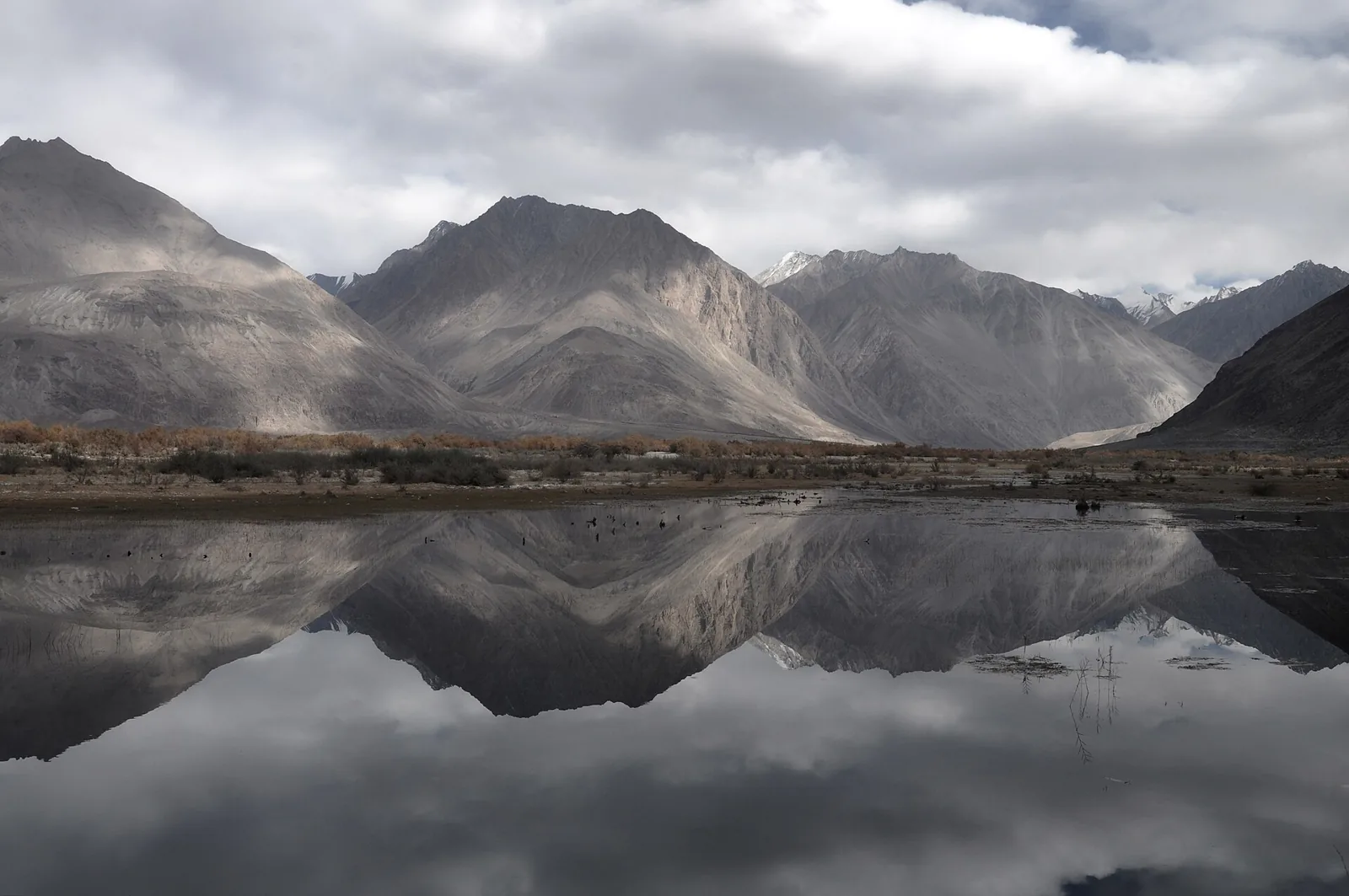
Panamik, Sumur and the quieter end
Panamik is known for its hot spring, and Outlook Traveller notes it sat on the old Silk Route, with remains of caravanserais. Its listing treats it as the end of the valley and points to Terisha Tso nearby.
Across the river at Sumur is Samstanling Gompa, built in the 1840s, and near it a short hike to the lake Yarab Tso, which Outlook describes as clear water among barren hills with rock carvings and stupas. Ensa Gompa, about 250 years old, stands beside a spring on the western bank.

Turtuk, if you have the days
A road of about 90 km from Diskit or Hunder leads to Turtuk, opened in 2010. Incredible India describes apricot orchards and barley fields, a mostly Muslim population and a few guesthouses, and suggests at least a day. Outlook adds that Turtuk was part of Pakistan until 1971 and that its Balti culture and food are distinct.
Turtuk adds a day each way. If you only have two nights in Nubra, spend them on Hunder and Diskit rather than rushing north.
When to go, and how many days
The same guide says June to September suits most travel, and the roads open from May until October. UT Ladakh's advisory warns that winter, from October to March, can reach minus 30 degrees, so carry cold-weather gear if you go then.
A minimum of two nights in the valley is worth the pass, and three if you add Turtuk, and the total trip should include the acclimatisation days before it.
From Delhi with Laladham
Ladakh is not a drive from Delhi in any sensible plan: you fly to Leh, and Outlook Traveller lists flights from Delhi. Laladham picks you up in Delhi, at the airport, a station, your home or a hotel, and plans the complete trip: flights, acclimatisation days, a driver and vehicle for Khardung La, permits and stays. Ask for a quote on the booking page.
Questions, answered
How far is Nubra from Leh?
Between 110 and 120 km depending on the source, roughly five hours over Khardung La.
Do I need a permit for Nubra?
Yes. Citizens apply for the ILP online, and visitors from overseas have their own permit. Check the current process.
How many days do I need to acclimatise?
The UT Ladakh advisory says at least 48 hours in Leh before going higher.
When can I visit?
Mainly June to September, though roads open earlier, in May.
Are camel rides expensive?
Quotes in two guides differ widely, from about Rs 180 for 15 minutes to about Rs 500 an hour, so confirm the price first.