They sit only about 12 to 15 km apart, depending on which official page you read, so a day with a late start and a good driver covers both.
Start at Nalanda, and start early
Bihar's tourism site lists the archaeological site as open from 9 am to 6 pm, with a ticket of Rs 30 a head, and the Archaeological Survey will want to hear before you bring in camera gear, so ask at the gate rather than assuming. Nalanda is about 90 km southeast of Patna.
Heat builds quickly on the open ruins, and there is hardly any shade between the monasteries. Arrive at opening, walk the row of monastery cells first, and save the big stupa for when your legs are warm. The listed etiquette is plain: keep quiet and do not climb on the walls.
What the walls were for
The university was founded in the 5th century CE and flourished for about 700 years. Students came to study Buddhist scripture of both the Mahayana and Hinayana schools, plus philosophy, logic, grammar, astronomy and medicine. The Chinese travellers Hiuen-Tsang and I-Tsing wrote detailed accounts, which is how much of this is known.
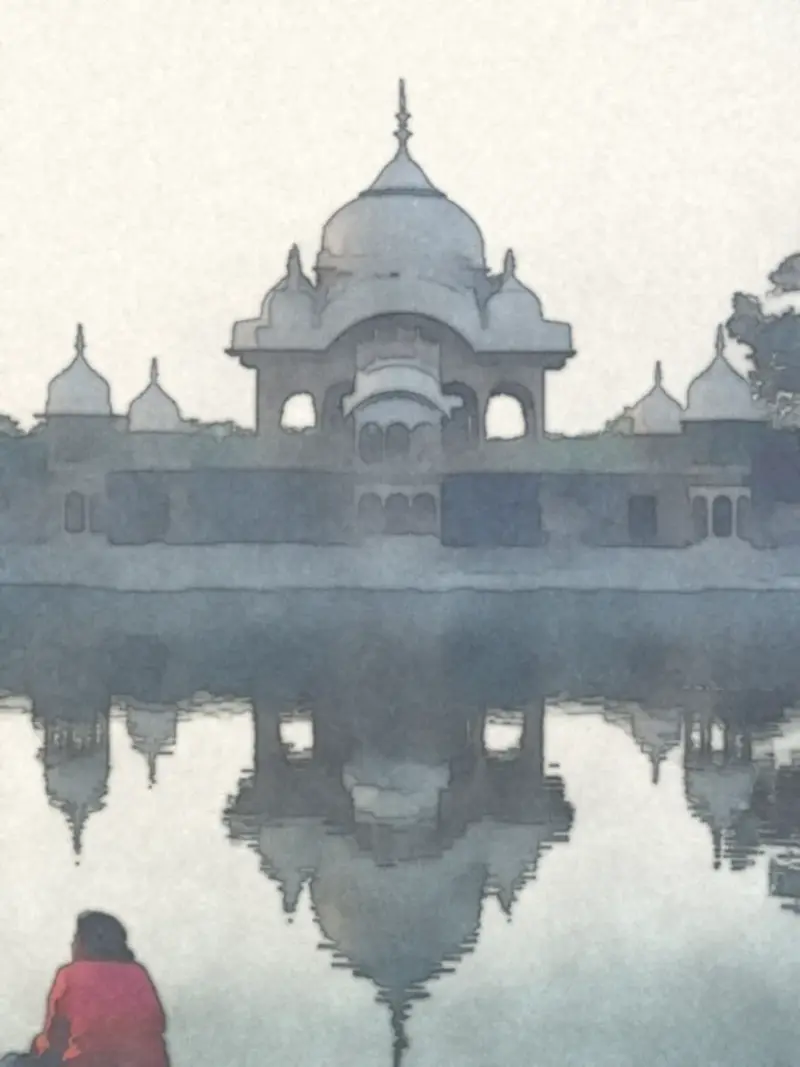
Decline set in during the late Pala period, and the final blow came with the invasion of Bakhtiyar Khilji around 1200 CE. National tourism copy adds that the library, the Dharmaganja, held thousands of manuscripts. Dormitories, lecture halls and stupas are what is left, and excavation continues, so the plan of the place is still being worked out.
The museum next door
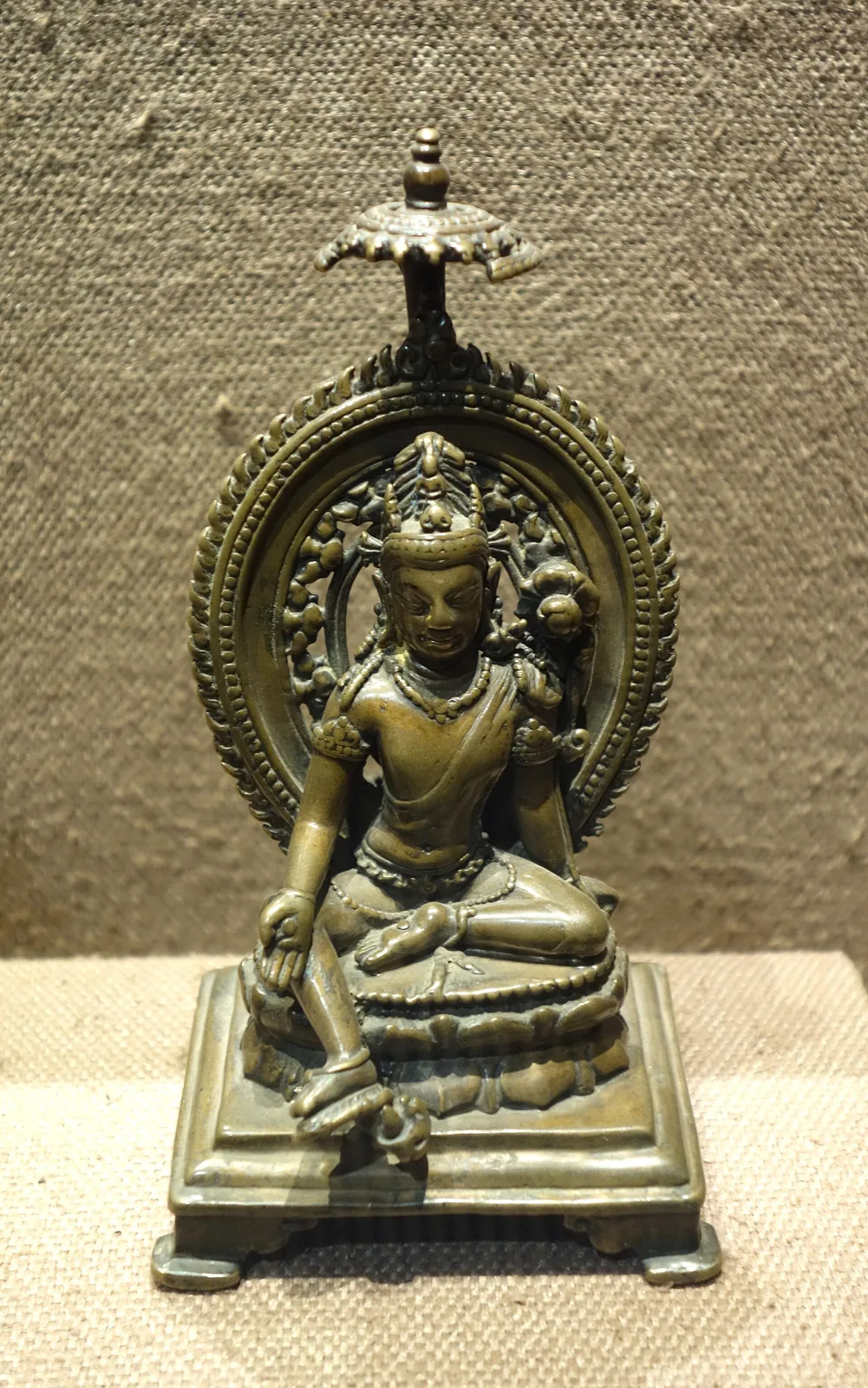
The Nalanda Museum opened in 1917 and is one of the Survey's oldest site museums. Only about 350 objects are on show, while more than 13,000 stay in reserve. Four galleries and a main hall hold stone images, bronzes, stuccos, terracotta, inscriptions and pottery.
Look for the twelve-armed Avalokiteshvara, the two-metre Samantabhadra, a seven-hooded Nagaraj and the colossal Buddha in the teaching gesture. A scale model of the excavated site on a table in the middle makes the ruins outside easier to read, so go there before you leave.
Rajgir: the old capital in the hills
Rajgir was the capital of Magadha before Pataliputra, and the name is said to mean home of royalty. The state tourism corporation lists the places tied to the Buddha: the Venu Vana monastery site that king Bimbisara gave him, the Karanda tank where he bathed, the Jivakamravan gardens, and the Bimbisara jail, where the king could watch the Buddha climb toward Griddhakuta.
Around the town, the Cyclopean Wall, once 40 km long, survives in traces near the exit road. The Sonbhandar caves carry an undeciphered inscription and a treasure legend. Hot-water ponds that locals use for skin ailments give the town its second reputation as a winter resort.
The ropeway to the Peace Pagoda
The Vishwa Shanti Stupa stands on Ratnagiri hill at about 400 m, built of marble with four golden Buddha statues representing birth, enlightenment, preaching and death. You can climb a serpentine staircase, but most people ride.
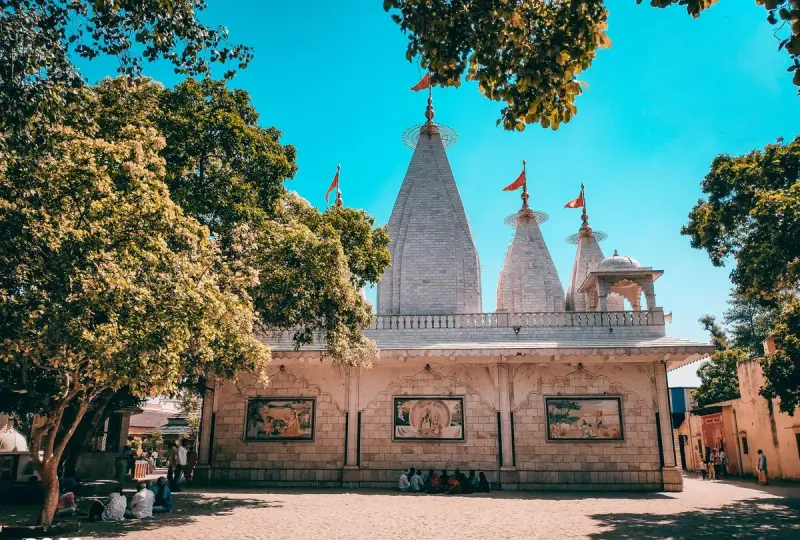
The tourism corporation lists two ropeways. The one-person chairlift costs Rs 100 for Indians and runs 8:30 am to 4:30 pm with a lunch break from 11:45 to 1, and under-eights cannot ride it. The eight-seat cabin costs Rs 120 from age 3 and runs 9:45 to 4:30 with a break from 12:45 to 2. The cabin is shut on the second and fourth Tuesday of each month. Reach the base before the lunch pause, or you will wait.
Vulture Peak and Ghora Katora
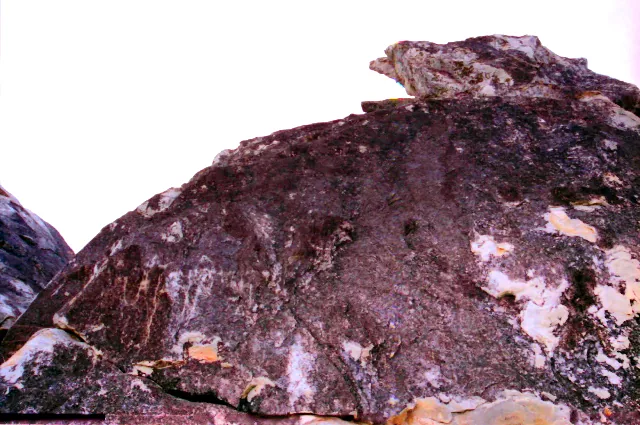
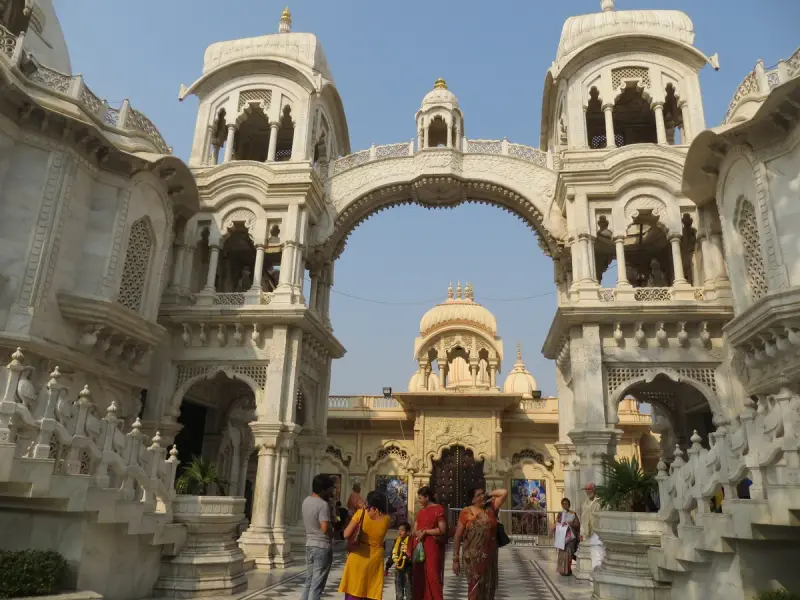
Gridhakut, or Vulture Peak, gets its name from a natural stone formation shaped like a vulture's head. It is described as one of the oldest places where the Buddha is said to have preached the Lotus Sermon. There is no built grandeur at the top, only forest and a long view. The path leads on toward Ghora Katora.
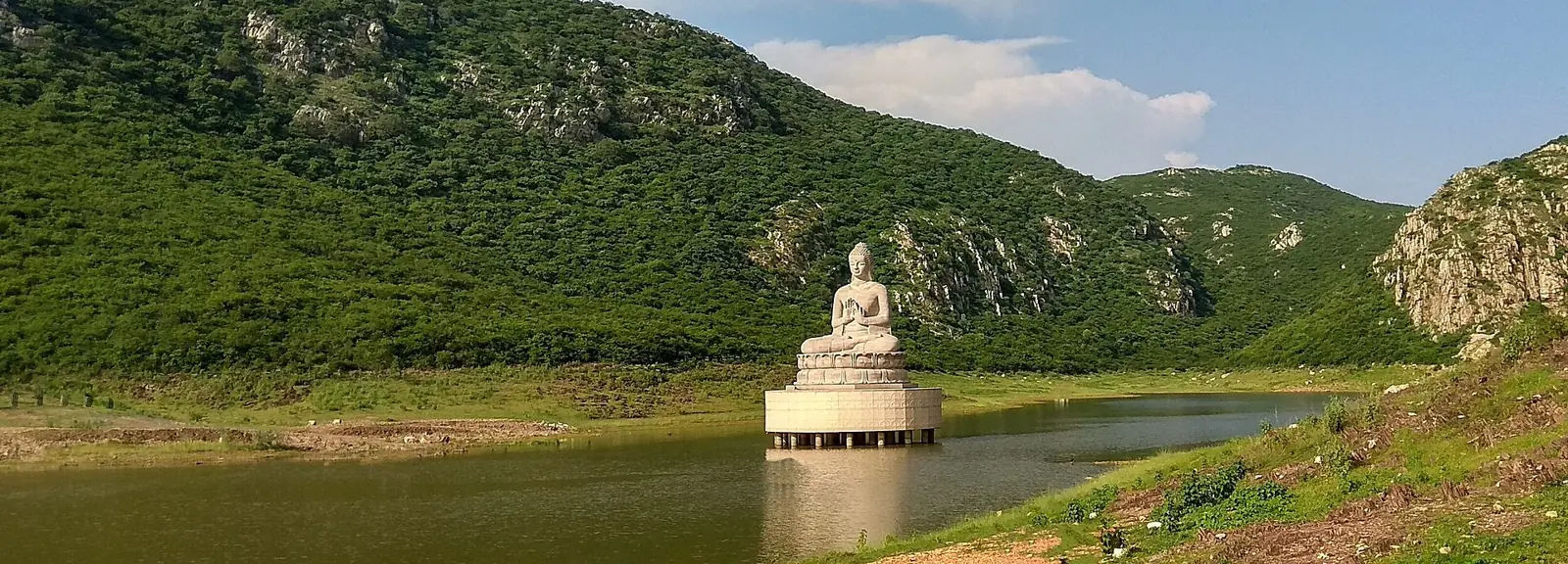
The lake of Ghora Katora, whose name means horse bowl, has hills on three sides and boating on the water. A large Buddha statue stands in the middle of it. The state portal calls the lake plastic-free, and tonga carts and bicycles take you to it. It is the best place of the day for a long, quiet sit before you drive back.
Season and getting there
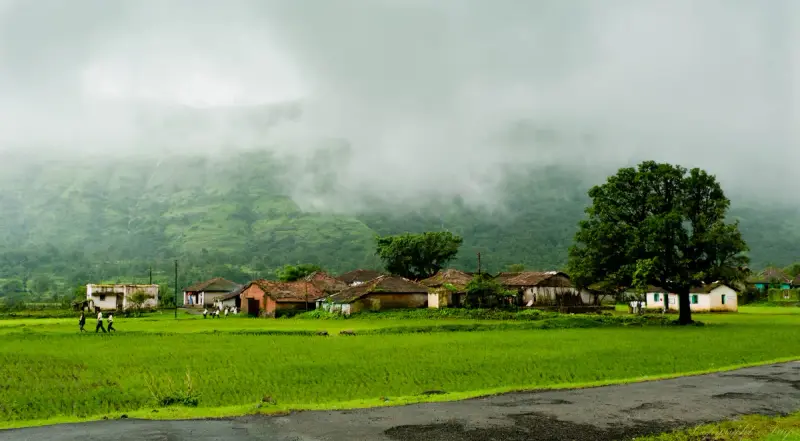
The state corporation gives October to March as the best season and notes rain from mid-June to mid-September. Summer maximums reach 40 degrees. Winter mornings dip to around 6, so carry a layer.
Patna airport is about 101 km from Rajgir, and Gaya is the convenient railhead at 78 km, though Rajgir has its own station. Road distances from Rajgir are given as Nalanda 12 km, Bihar Sharif 25 km, Pawapuri 38 km and Patna 110 km.
How Laladham plans it from Delhi
Bihar is a flight or an overnight train away. Laladham meets you in Delhi, at the airport, station, home or hotel, and plans the whole trip: tickets, a car and driver for Patna or Gaya onwards, rooms in Rajgir, and a morning order that puts the ropeway before the lunch break. Ask for a quote on the [book page](/book).
Questions, answered
How long should I spend at Nalanda?
Allow two to three hours for the ruins and the museum together. The ruins are open air and exposed, so go in the morning.
What does the ropeway at Rajgir cost?
The state corporation lists the chairlift at Rs 100 and the cabin at Rs 120 for Indians, with higher rates for foreigners. Check current fares at the lower station.
Can children ride the Rajgir ropeway?
The chairlift turns away under-eights, while the cabin accepts anyone from age 3.
When is the best time for Nalanda and Rajgir?
October to March. In the months before the rains the open ruins become uncomfortable by midday.
Can Laladham arrange this from Delhi?
Yes. Pickup in Delhi, tickets to Patna or Gaya, a driver on the ground and stays near Rajgir are all part of one plan.