This page is the chooser. Each region below points to a fuller guide, and ends with how to shape a plan starting from Delhi.
Mumbai and its island
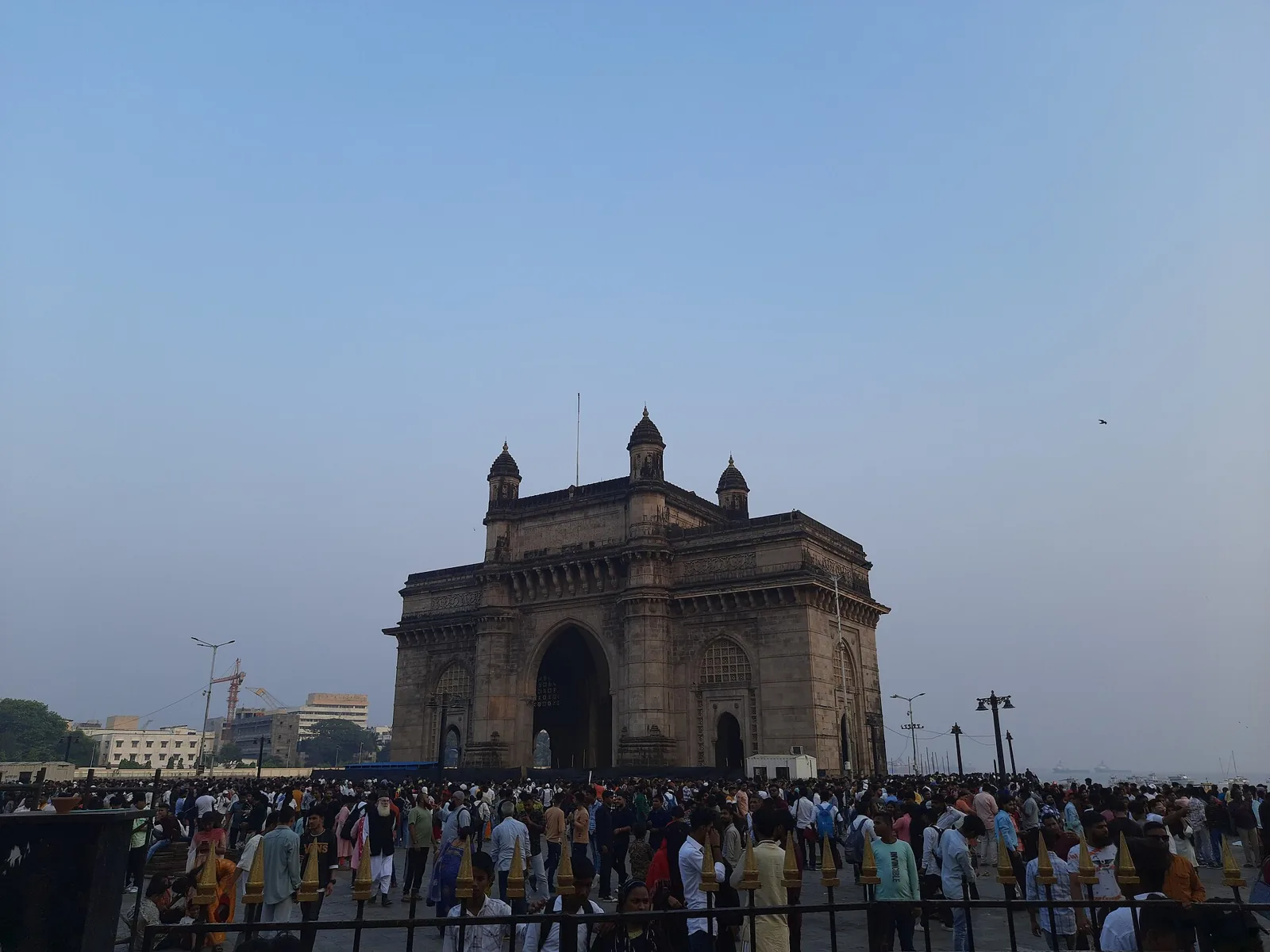
Most people start with the Gateway of India, built in 1924 for the visit of King George V and Queen Mary, per Outlook Traveller, and then boat across to the island of Elephanta, whose rock-cut Shiva sculptures date from the fifth to the eighth century. The same guide calls Chhatrapati Shivaji Terminus the city's most popular station and puts the international airport about 30 km from it. If you only have two or three days, base yourself near Colaba and Fort and let the neighbourhoods do the work. Two posts cover the walk, the ferry and the food in detail: the [three-day plan](/blog/mumbai-3-day-itinerary), plus the [Mumbai neighbourhood guide](/blog/mumbai-travel-guide).
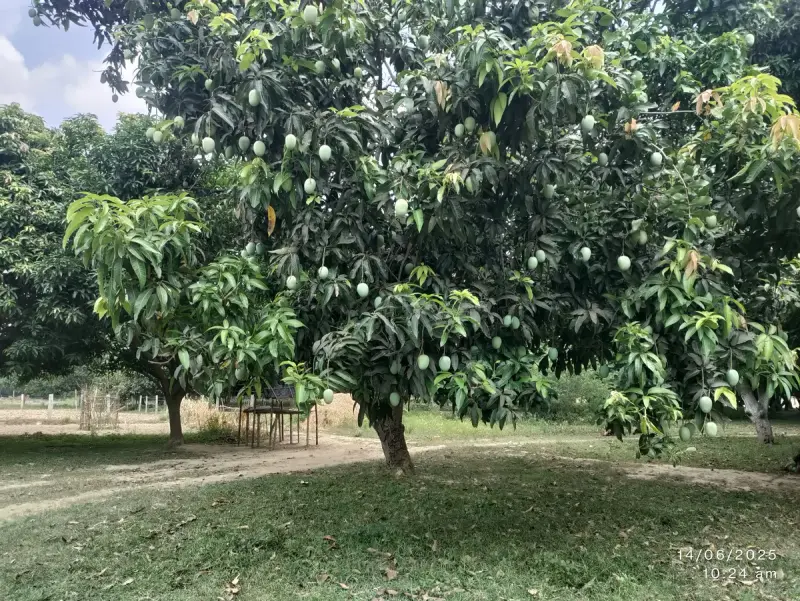
The cave country: Ajanta and Ellora
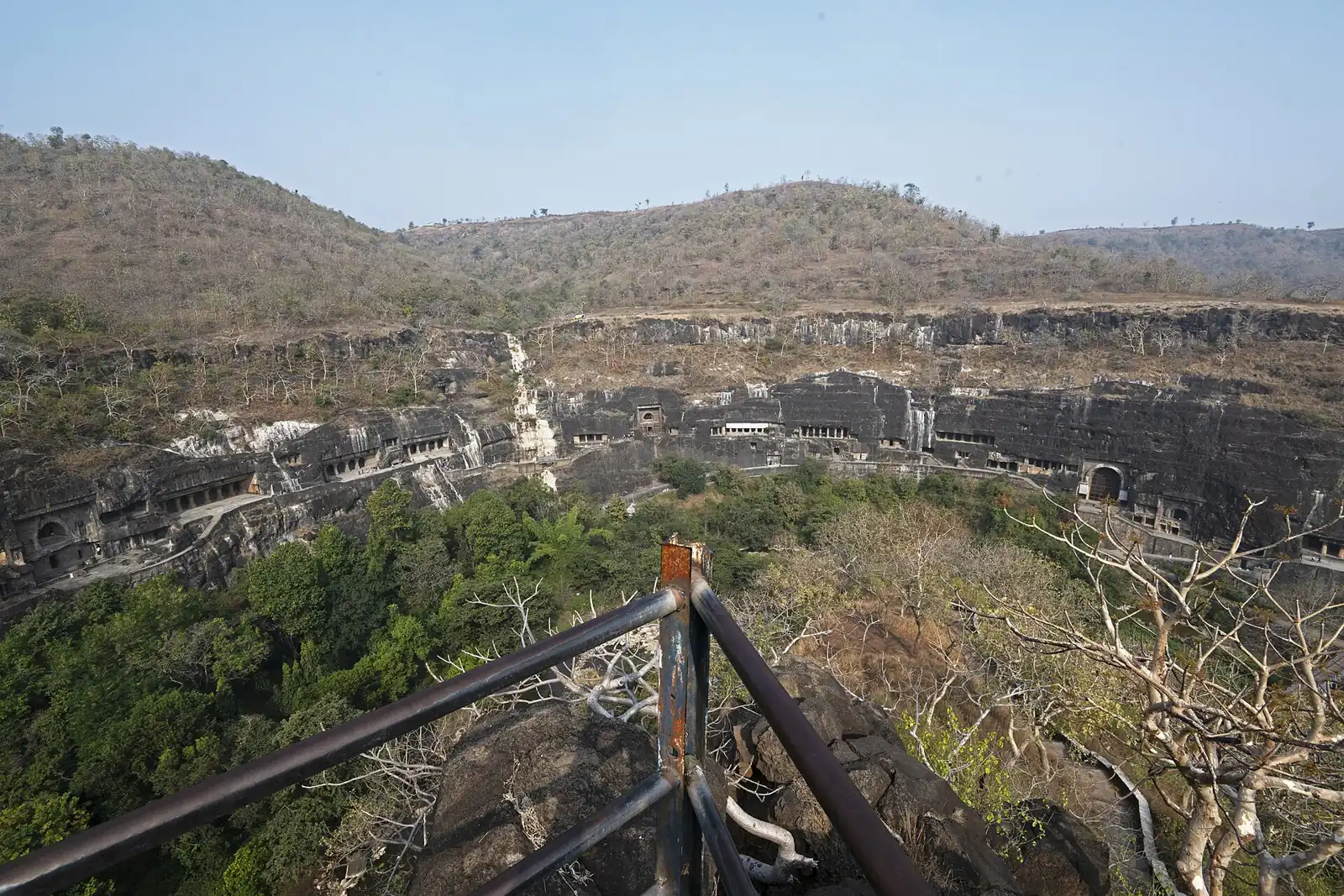
The cave country is the reason many travellers book Maharashtra. Incredible India lists Ajanta (Jalgaon district) and Ellora (Chhatrapati Sambhaji Nagar) as rock-cut Buddhist, Hindu and Jain art, both on the world heritage list. The ASI describes Ajanta as 30 excavations cut between the second century BCE and the sixth century CE, with the best paintings in Caves 1, 2, 16 and 17. It sits about 107 km north of Aurangabad, is closed on Mondays and opens at 9 am.
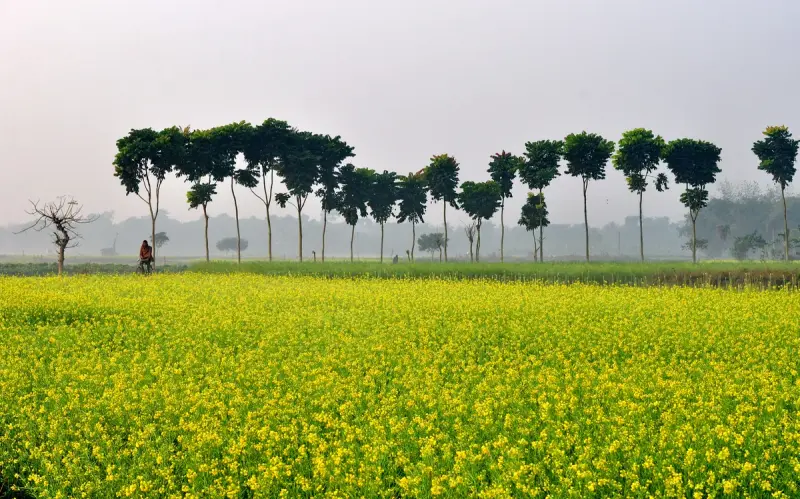
Ajanta and Ellora keep different closing days, and the fees differ, so read the [Aurangabad, Ajanta and Ellora guide](/blog/aurangabad-ajanta-ellora-travel-guide) before you set the date.
The Sahyadri hill towns
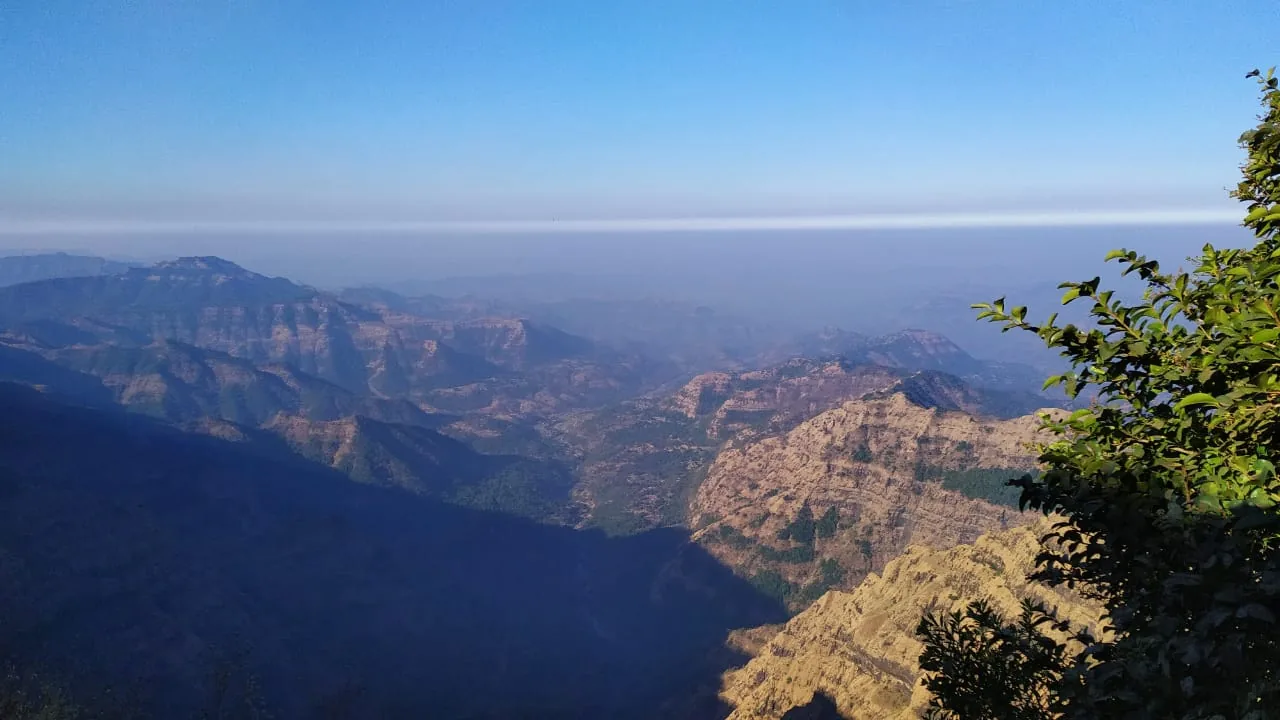
Incredible India describes the Sahyadri range as a country of green valleys, waterfalls, forests and treks, with Harishchandragad among the better-known walks. Outlook Traveller's guide to Malshej Ghat puts it about 126 km from Mumbai and 122 km from Pune, best from July to September when the falls run and flamingos stop over, but advises skipping any trail too slippery to walk. The plan to remember: the monsoon makes these hills spectacular and also makes the trekking dangerous.

For a gentler stay, see our [Lonavala and Mahabaleshwar guide](/blog/lonavala-and-mahabaleshwar-travel-guide), where the state's tourism listing mentions Pratapgarh Fort and the Krishnabai temple.
Pune, Kolhapur and the old Deccan
Pune, in Incredible India's list, has the Shaniwar Wada palace and the Osho Ashram; Kolhapur has the Mahalaxmi temple and the Shahu museum. Both are cities where history sits in the lanes rather than behind a ticket gate. Start with the [Kolhapur guide](/blog/kolhapur-travel-guide), then the [Pune guide](/blog/pune-travel-guide).
The Konkan coast
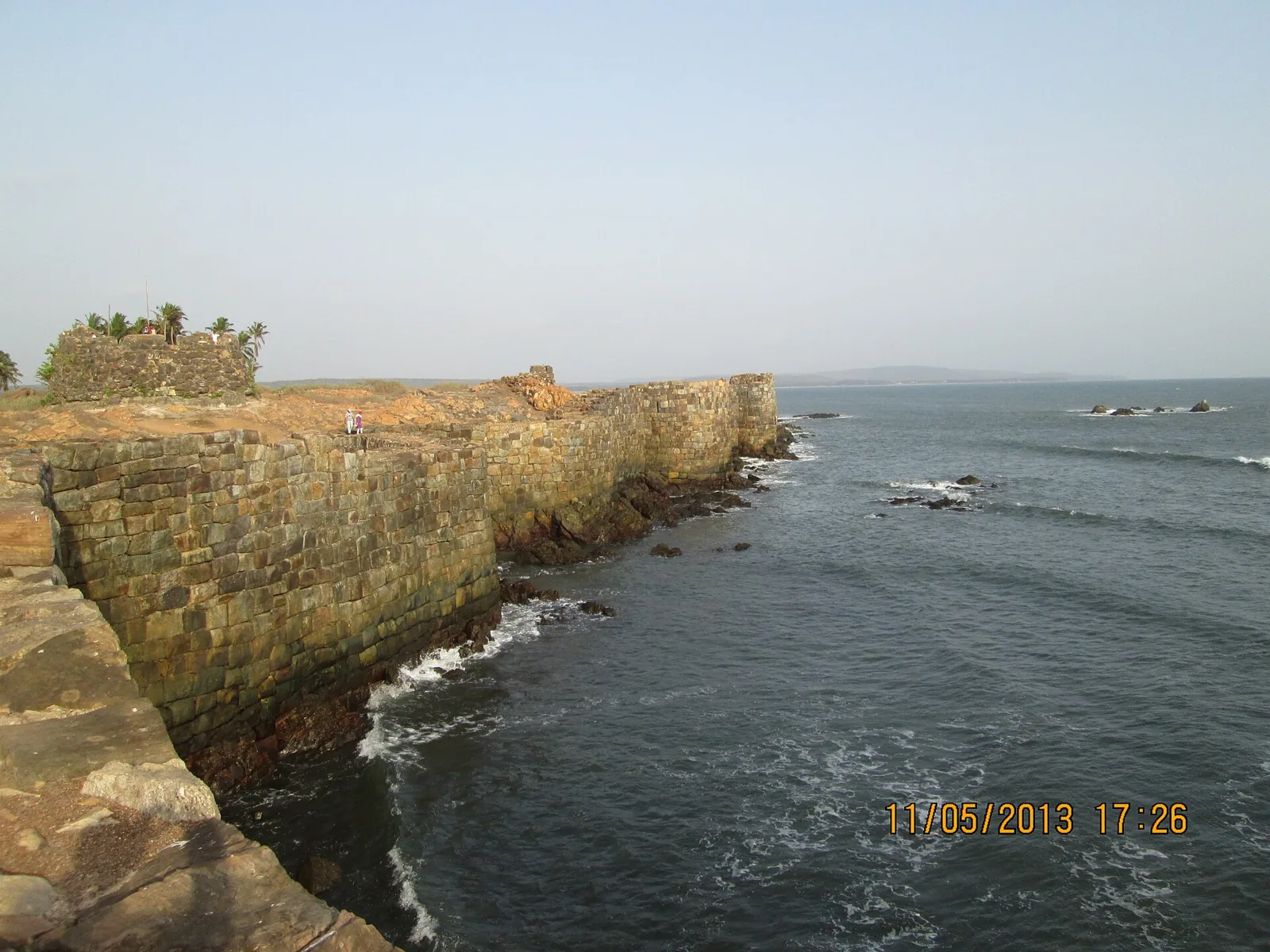
Along the Arabian Sea the state names Ganpatipule, Alibaug and Ratnagiri, the last known for its mangoes, and the tourism site lists the sea fort of Sindhudurg and the beach at Tarkarli. This is the quiet side of Maharashtra: long beaches, small fishing towns and basalt walls rising out of the water. We have no dedicated Konkan guide yet, so ask us when you want it planned.
Temples of the interior
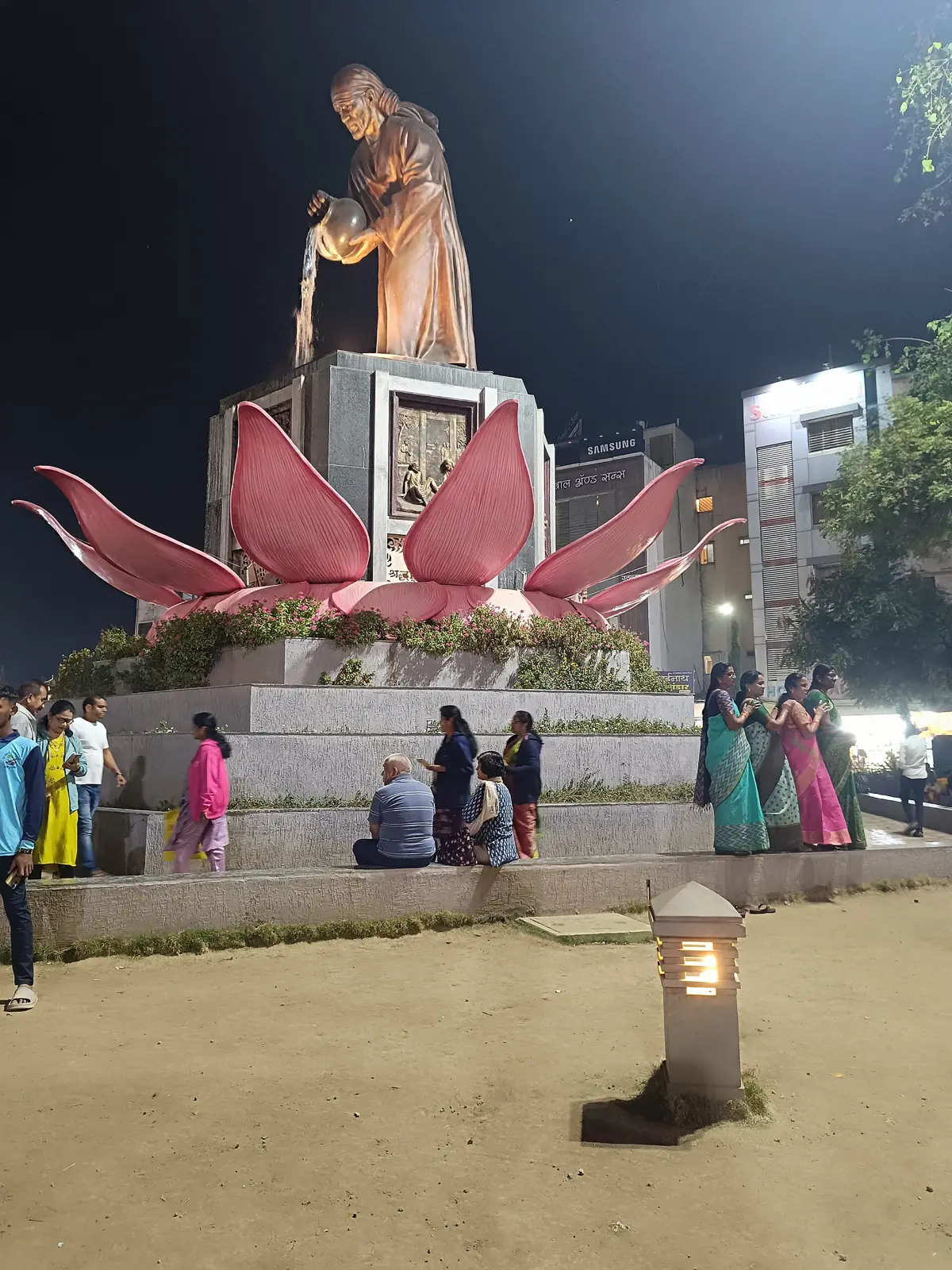
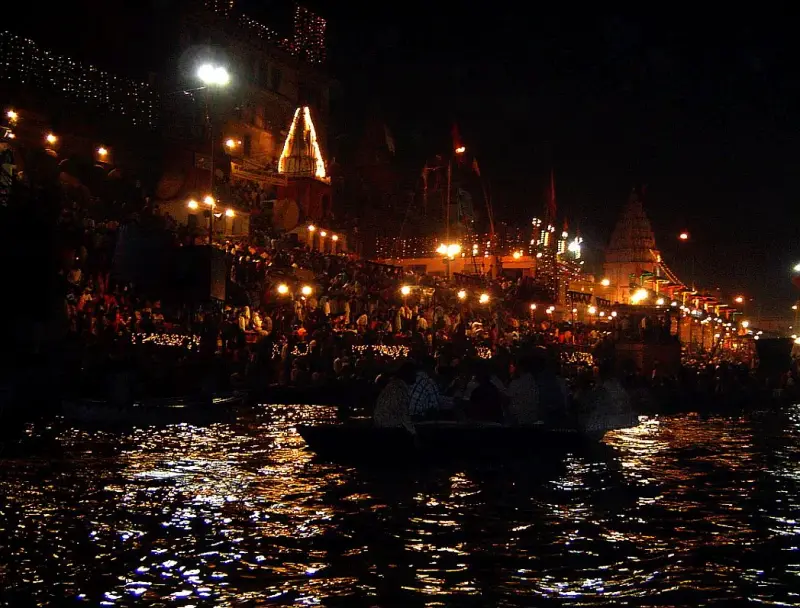
Nashik and Trimbakeshwar sit on the Godavari, and Shirdi is a day away across the plateau. Our [Nashik guide](/blog/nashik-travel-guide), [Shirdi guide](/blog/shirdi-travel-guide) and the [jyotirlinga trip](/blog/maharashtra-jyotirlinga-trip) go deeper. The state also lists the meteor crater of Lonar Lake in Buldhana district, a place few visitors reach and one worth asking about.
Vidarbha and the tigers
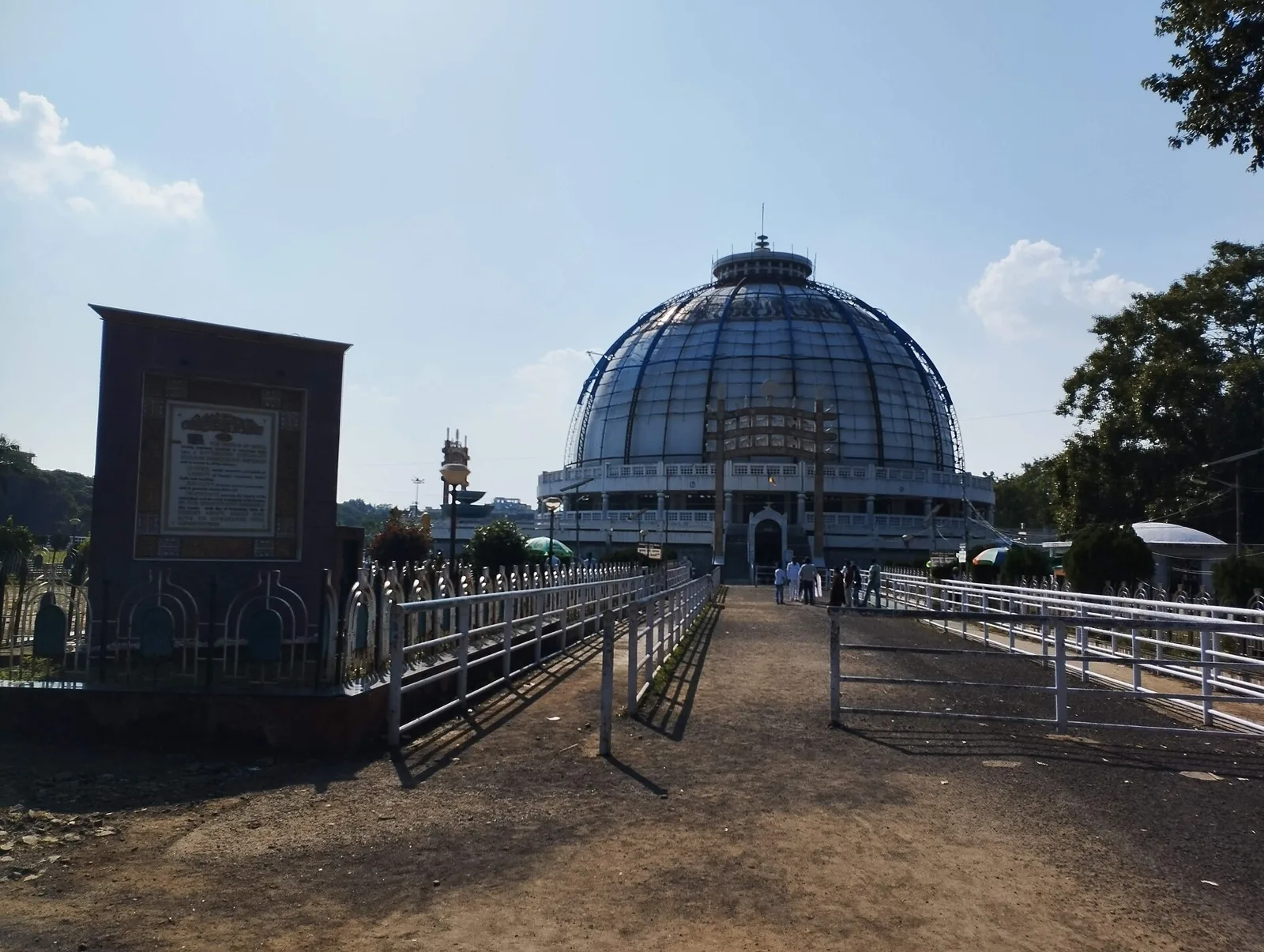
In the east, Nagpur gives you Deekshabhoomi and the gateway to Tadoba, which Incredible India places about 208 km south of the city, in the dry months the page recommends for tiger viewing. See our [Nagpur guide](/blog/nagpur-travel-guide).
Choosing, and getting there
The state lists four main airports: Mumbai, Nagpur, Pune's Lohegaon and Shirdi. From Delhi, that makes the starting point your decision. Fly into Mumbai for the coast and caves, Nagpur for the east, Pune for the hills. Our [seven-day Maharashtra route](/blog/maharashtra-7-day-itinerary) links Mumbai, Nashik, Ajanta and Pune if you want a single circuit.

A good rule: one region per trip of four to five days, two regions per trip of ten. Dates matter as much as places, because the monsoon changes the hills and the coast completely.
What the calendar changes
Season decides more than distance here. The hills and waterfalls peak in July to September, which is also when slippery trails and closed viewpoints catch out the unwary. Caves and cities are easiest in the cooler months, when you can walk a site at midday without a headache. Nagpur's April and May highs, listed by Incredible India at around 44 and 46 C, are the reverse of what the monsoon hills feel like. Tigers need the dry months, because the water holes pull the animals into view.
When your dates are fixed, choose the region that suits them. When your region is fixed, move the dates. Trying to force both usually ends with a wet trek or a hot cave.
Laladham from Delhi, anywhere in Maharashtra
Laladham collects you in Delhi from the airport, a station, your home or hotel, and plans the whole trip: flights or trains for the long leg, a driver who stays with you through the circuit, and rooms matched to the pace you want. Tell us your dates on the [book page](/book) and ask for a quote.
Questions, answered
How many days do I need for Maharashtra?
Pick one region. Four or five days covers Mumbai with the caves, or the hill towns, or Nagpur with a tiger reserve. A circuit takes seven or more.
Which are the main airports?
Incredible India lists Mumbai, Nagpur, Pune (Lohegaon) and Shirdi.
Is Ajanta open every day?
No. The ASI lists Monday as the closing day, with 9 am to 5 pm otherwise.
When is the monsoon worth it?
For waterfalls at Malshej Ghat, July to September, but trails turn slippery and some are best skipped.
Where are the tigers?
Tadoba, about 208 km south of Nagpur, from February to May, per Incredible India.