The two sites also feel nothing alike. Ajanta is a quiet horseshoe of Buddhist monasteries with painted walls. Ellora is a hillside of Buddhist, Hindu and Jain temples with one outrageous masterpiece. Plan one full day for each.
Ajanta: the painted caves
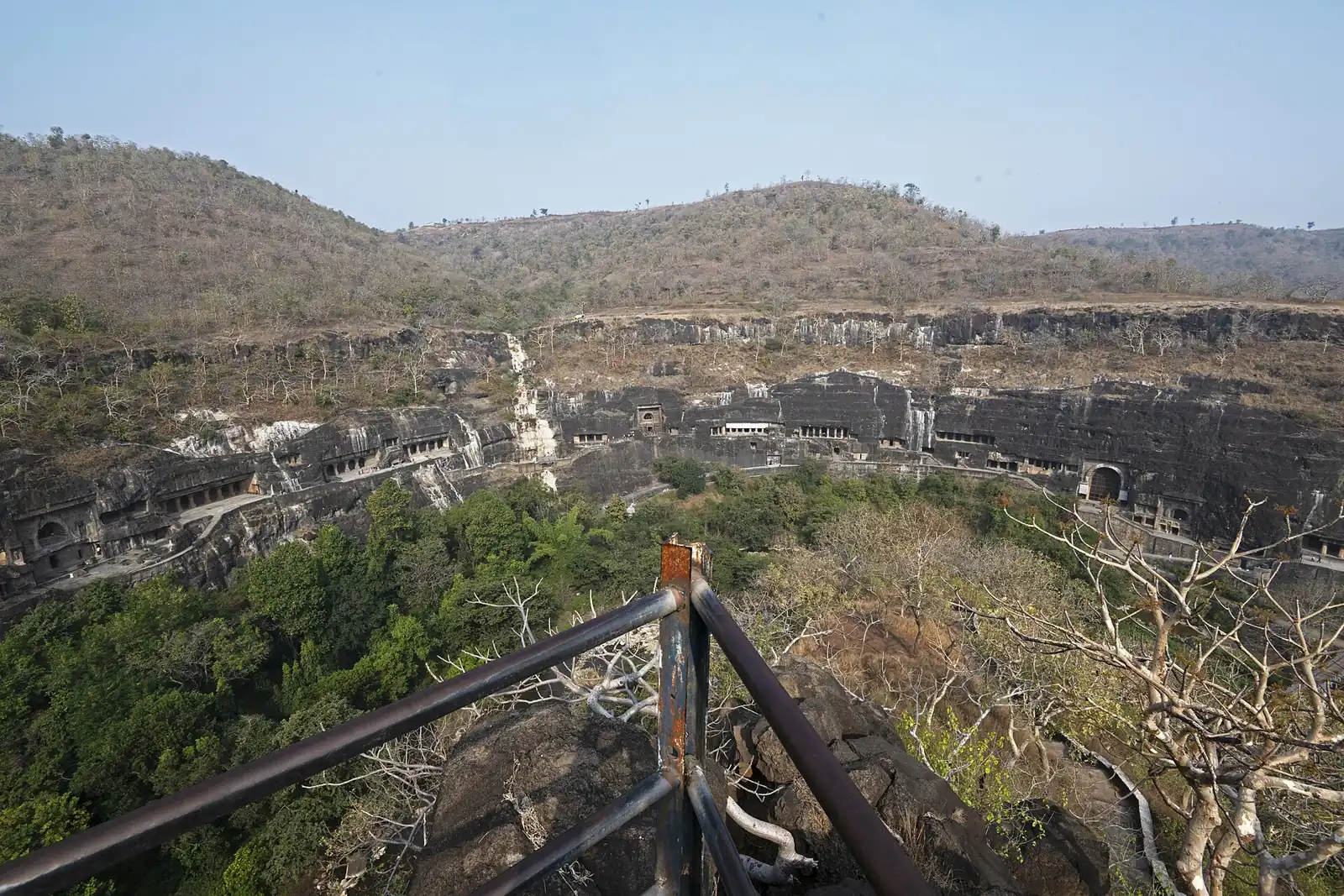
The Archaeological Survey of India lists Ajanta as open 9 am to 5 pm, closed on Mondays, about 107 km north of Aurangabad. Thirty excavations curve around a rock face nearly 76 m high above the Waghora stream. Five are chaityagrihas, the prayer halls, and the rest are viharas, the monastic dwellings. The work spans roughly the second century BCE to the sixth century CE, with Cave 10 the oldest.
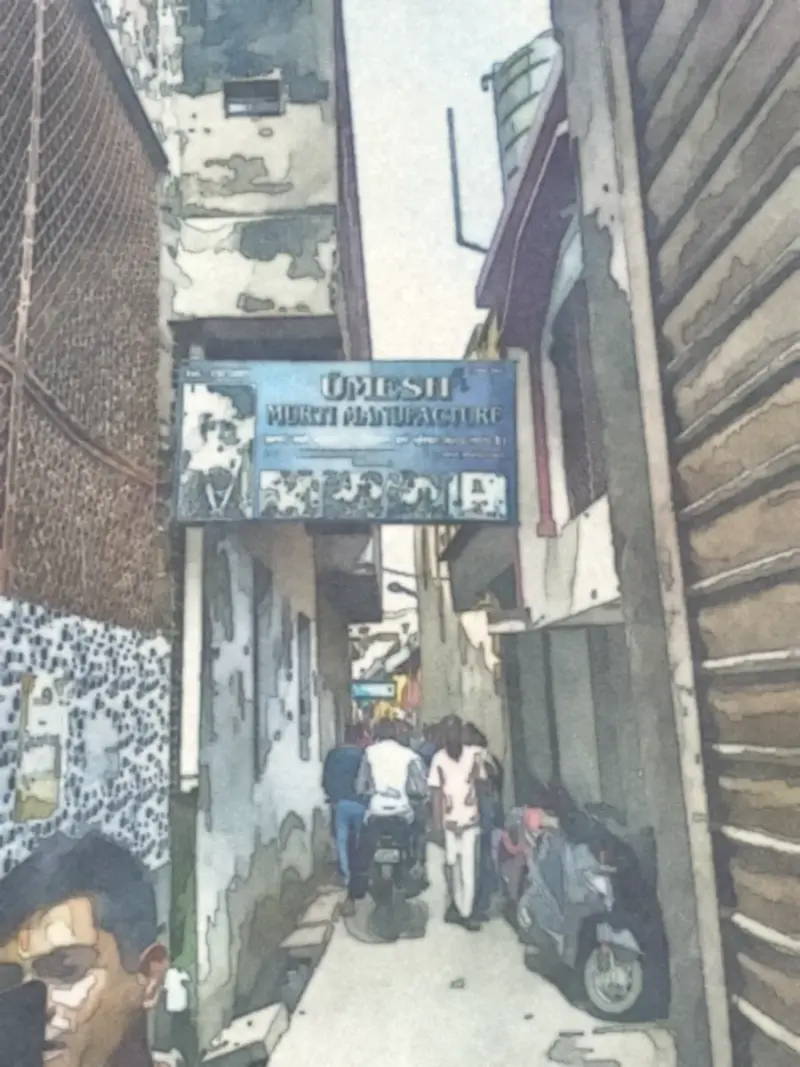
The paintings are the reason to come. The ASI says the earliest are in Caves 9 and 10, while the later, fifth to sixth century group is in Caves 1, 2, 16 and 17, showing Jataka tales, scenes from the Buddha's life and the life of the court. They are not true frescoes: the surveyors note they were painted with a binder rather than on wet plaster, using ochres, lapis lazuli, lamp black and kaolin.
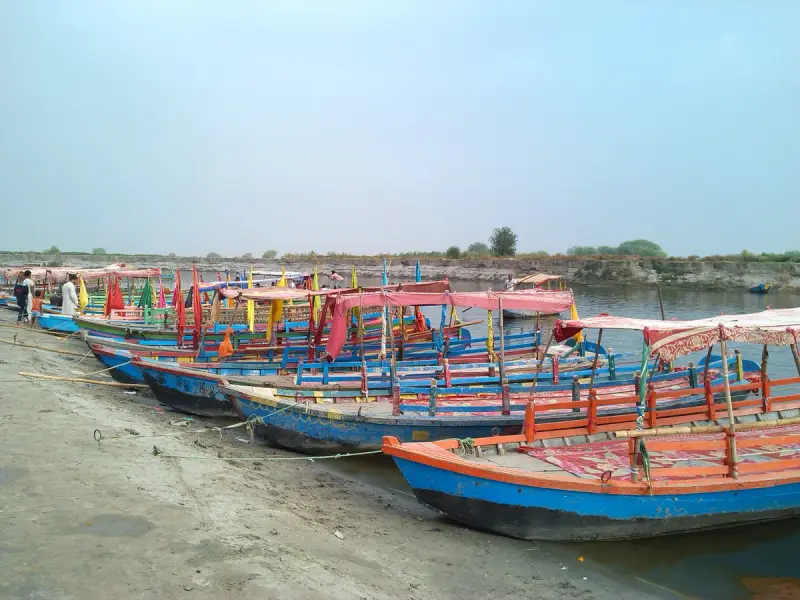
The caves were discovered in 1819 by a British officer on a hunting expedition. Audio guides in seven languages are available near the ticket counter. Outlook Traveller's advice is the best: slow down. The caves reward lingering, and a guide who knows the stories pays for himself.

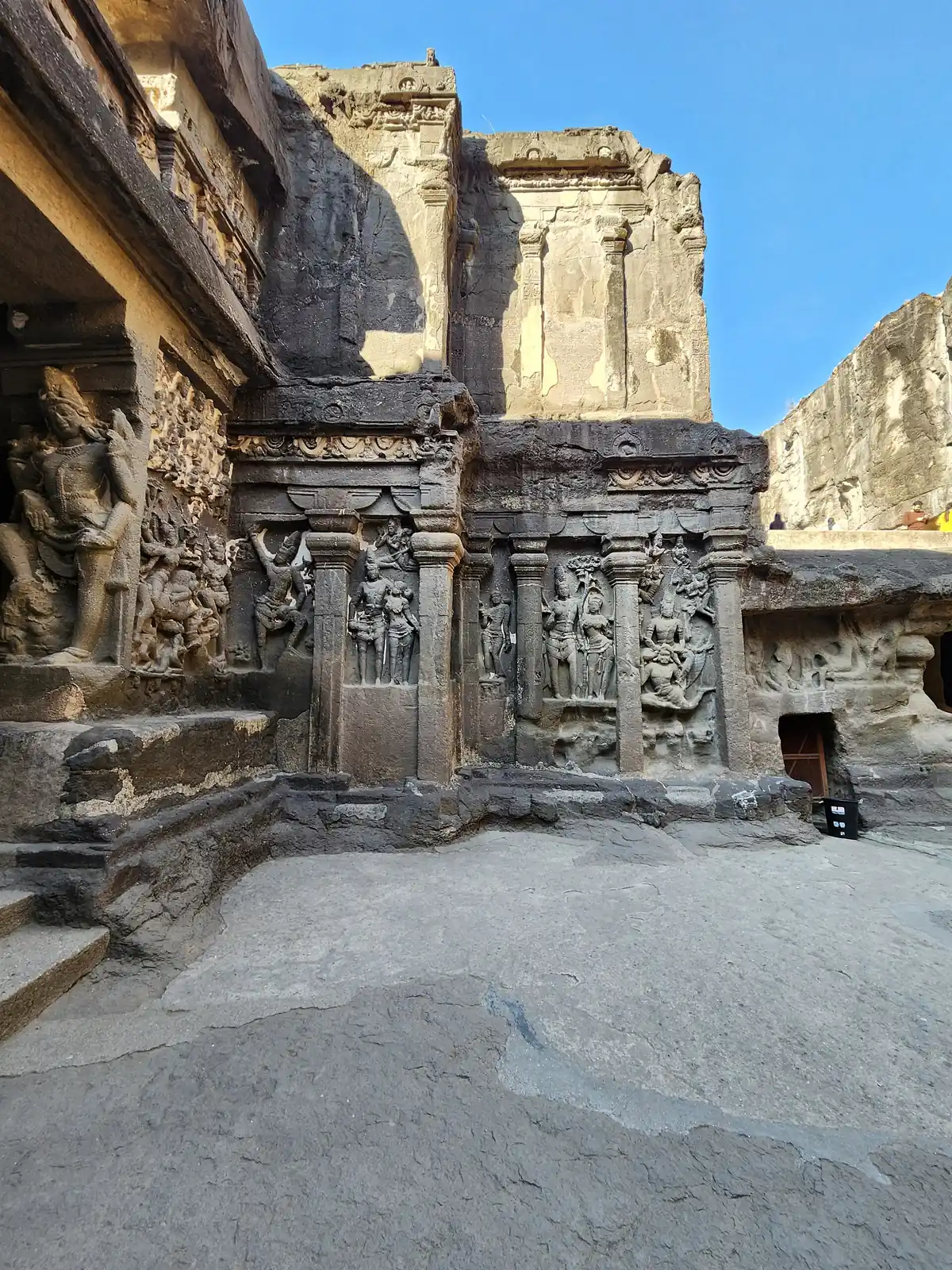
Ellora: one hill, three religions
Ellora lies on the Aurangabad-Chalisgaon road, about 30 km from the city. The ASI gives daylight hours and a Tuesday closure; Incredible India gives 6 am to 6 pm, so arrive early either way. Nearly 100 caves dot the hill, of which 34 are the ones visitors see: Caves 1 to 12 are Buddhist, 13 to 29 Hindu and 30 to 34 Jain.
Cave 16 is Kailasa, which the ASI calls the world's biggest excavation carved from one rock, attributed to the Rashtrakuta king Krishna I in the later eighth century. Incredible India says it replicates Mount Kailash and took over a century to complete. Stand at the entrance for a minute, then walk the lower level before climbing the side steps for the view from above.
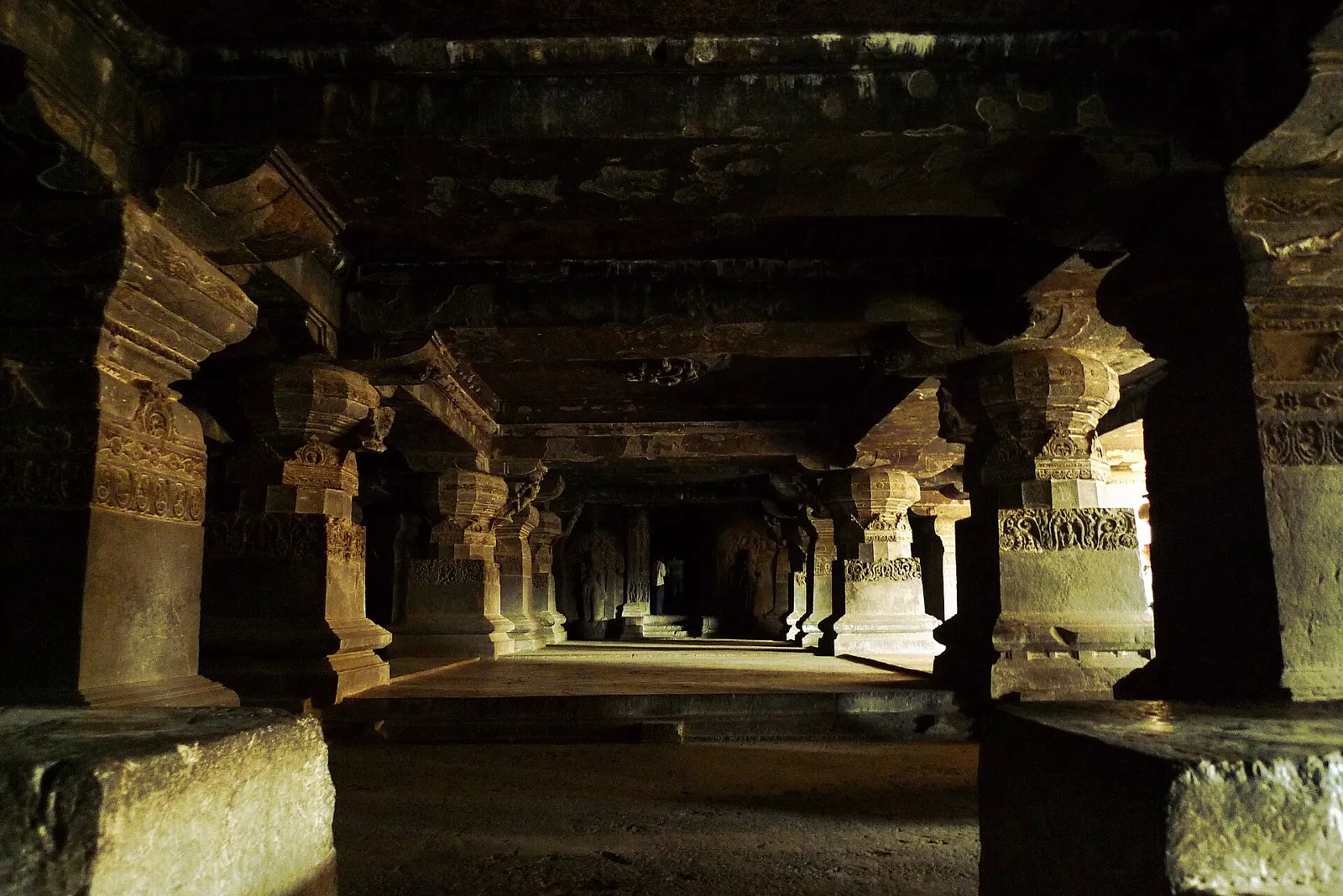
Outlook Traveller singles out the Vishvakarma cave for its acoustics and warns that some halls have bats. Go in with a torch if you are nervous.
Tickets, in plain numbers
Both survey pages list the same scale: children under 15 free, Rs 40 for Indian, SAARC and BIMSTEC visitors (Rs 35 if paid online), and Rs 600 for other foreigners (Rs 550 online). Outlook Traveller adds that Malik Ambar's tomb, Bani Begum Garden and Aurangzeb's tomb at Khuldabad are free to enter.
Fees change, so check the ASI site on the day you plan to go.
Daulatabad, Khuldabad and Bibi Ka Maqbara
Incredible India puts Daulatabad Fort about 15 km from the Ellora caves, which makes it the natural afternoon stop after the temples. Khuldabad, 27 km from Aurangabad per Outlook Traveller, holds the tombs mentioned above and is an easy taxi ride.
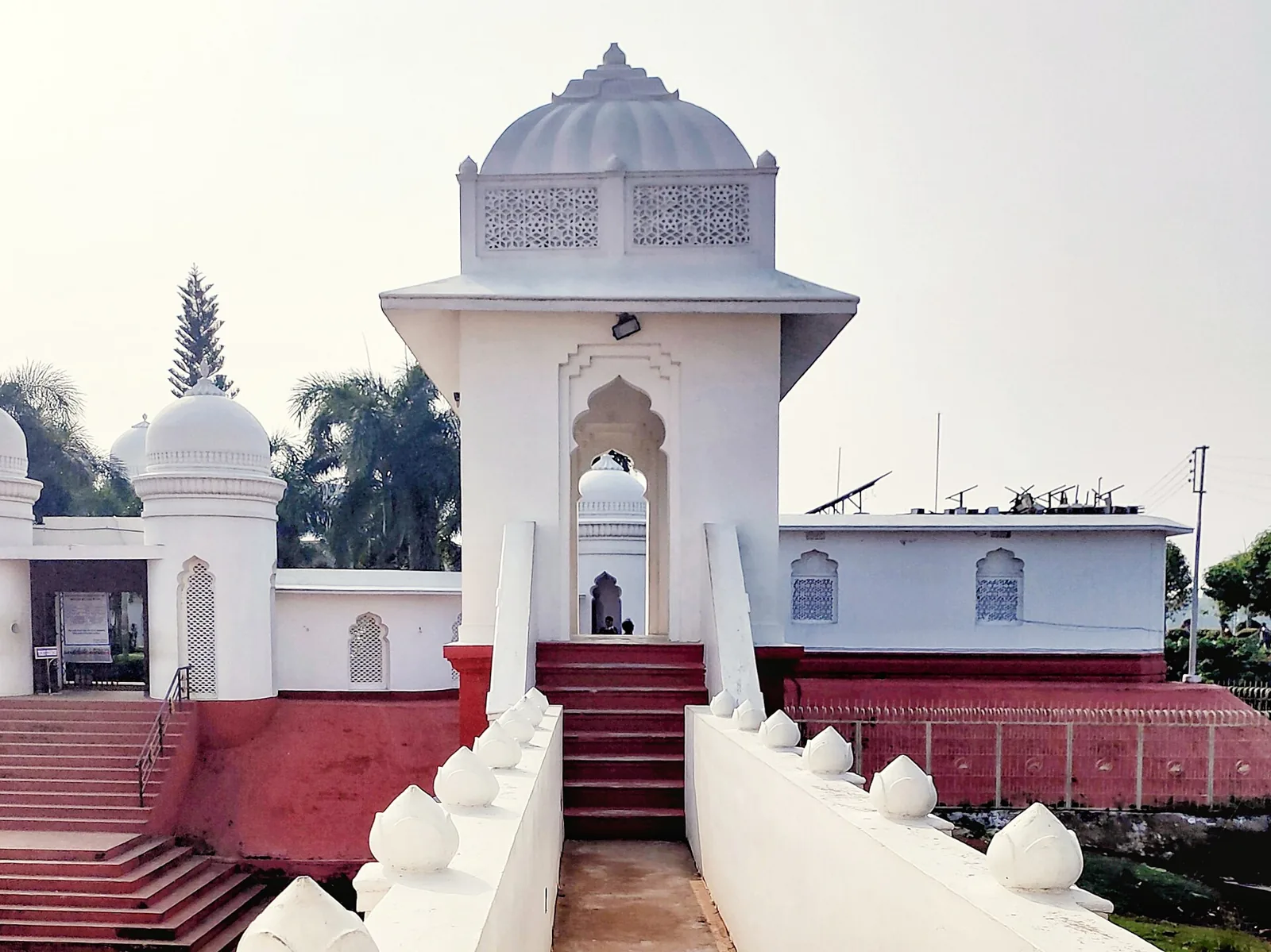
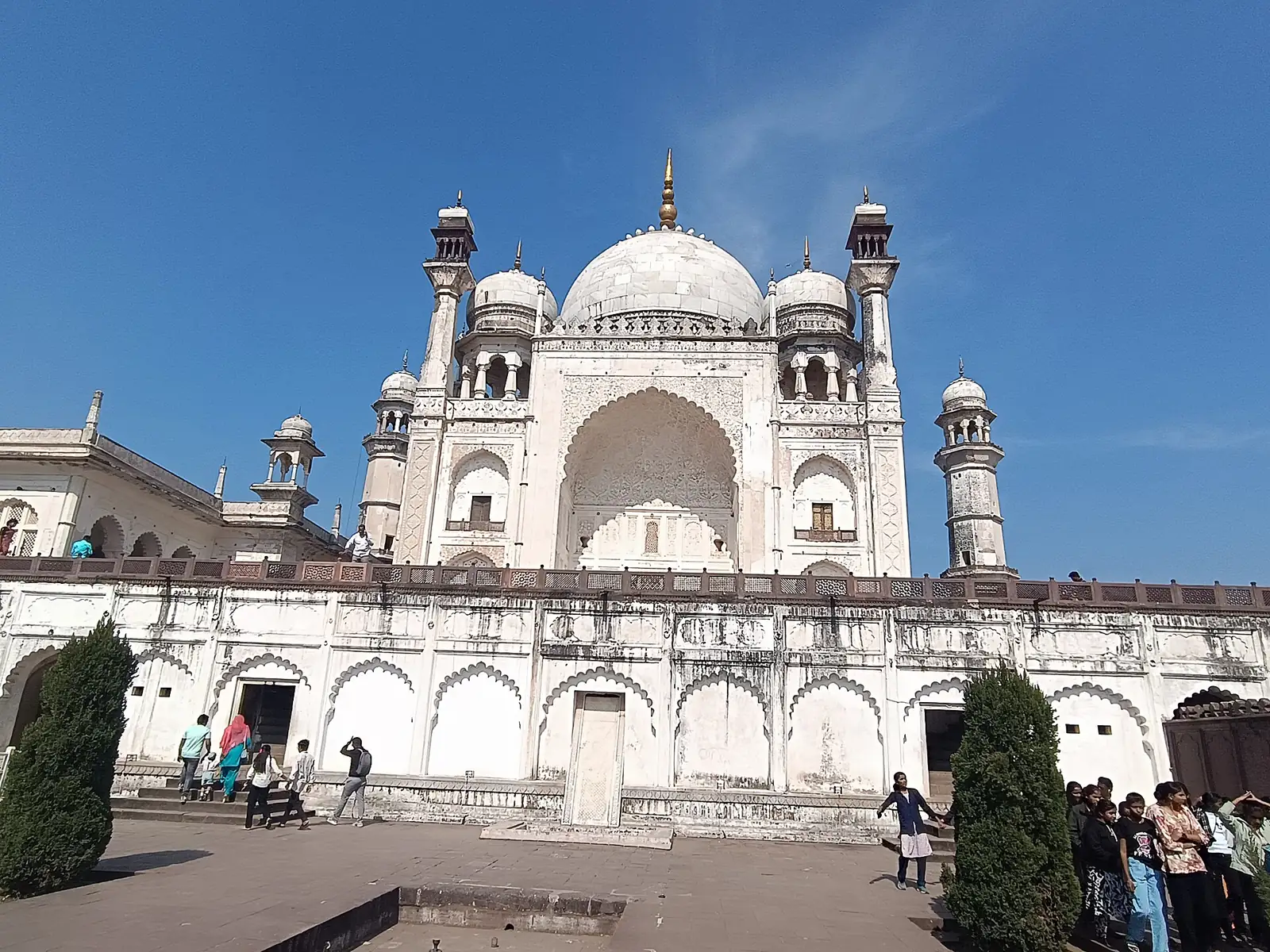
Back in the city, Bibi Ka Maqbara is the one to see at the end of a long day, with its lawns and white dome. Hours and tickets were not confirmed in the sources used here, so check locally.
When to go
Outlook Traveller calls October to February ideal and says the monsoon, from June to September, offers lush views and fewer tourists. Incredible India's temperatures show the cool window at 12 to 31 degrees from December to February, and highs up to about 40 in April and May.
The paintings and halls are indoors or shaded, so the heat is not the problem; the walking between them is. Carry water and a hat.
A two-day plan
Day one, Ellora in the morning and Daulatabad after lunch, with Bibi Ka Maqbara before dark. Day two, Ajanta, leaving Aurangabad early because the road north is the longer one. Keep the Tuesday rule in mind and swap the days if your dates fall on one of the closures.
Stay in the city rather than near either site, since it offers more choice of hotels and food.
Take cash for small purchases and tips, wear shoes that grip on smooth rock floors, and pack a torch or use your phone light inside the darker halls. Photography rules vary by cave, and flash is generally discouraged around paintings, so ask the attendants before you shoot. Break the day with a proper lunch rather than snacks, because both sites involve a lot of walking in the open.
From Delhi with Laladham
From Delhi you fly or take a train to Aurangabad, which has its own airport. Laladham collects you in Delhi, at the airport, a station, your home or a hotel, and runs the complete trip: transport to Aurangabad, a driver for Ellora and Ajanta, rooms and a plan that respects the closing days. Ask for a quote on the booking page.
Questions, answered

Which day is Ajanta closed?
Mondays, says the national survey body.
Which day is Ellora closed?
Tuesdays, and the site is open sunrise to sunset.
How far is Ajanta from Aurangabad?
About 107 km north of the city.
What is Cave 16 at Ellora?
The Kailasa temple, a temple carved out of a single rock mass.
When is the best time to visit?
October to February for comfortable weather, or the monsoon for greenery and smaller crowds.