What you get for going slowly is a former caravan capital with a nine-storey palace on the ridge, a white stupa for the evening, a wide old bazaar and a handful of monasteries a short drive up the Indus.
Do nothing on day one
The Ladakh tourism advisory is blunt: at least 48 hours of complete rest in Leh before you go higher. Its own plan is complete rest and light food on the first day, short easy walks in town on the second, and the palace and stupa only on the third. Higher passes start on day four, and the page caps the gain at about 500 m a day after that.
In practice that means a long lie-down, tea, and water in a steady stream, three to four litres across the day by the tourism page's count. Skip alcohol and smoking for the first two days, and do not take sleeping pills. Outlook Traveller adds a local warning: Leh's tap water is described as unreliable, so buy sealed bottles. A pulse oximeter is cheap insurance; the advisory treats readings above 90 per cent as normal, and says oxygen cylinders are held at select hotels and pharmacies, with emergency oxygen at SNM Hospital. Anything about Diamox is a conversation with your own doctor before you fly, because the official pages quote different doses.
Leh Palace and the ridge above it
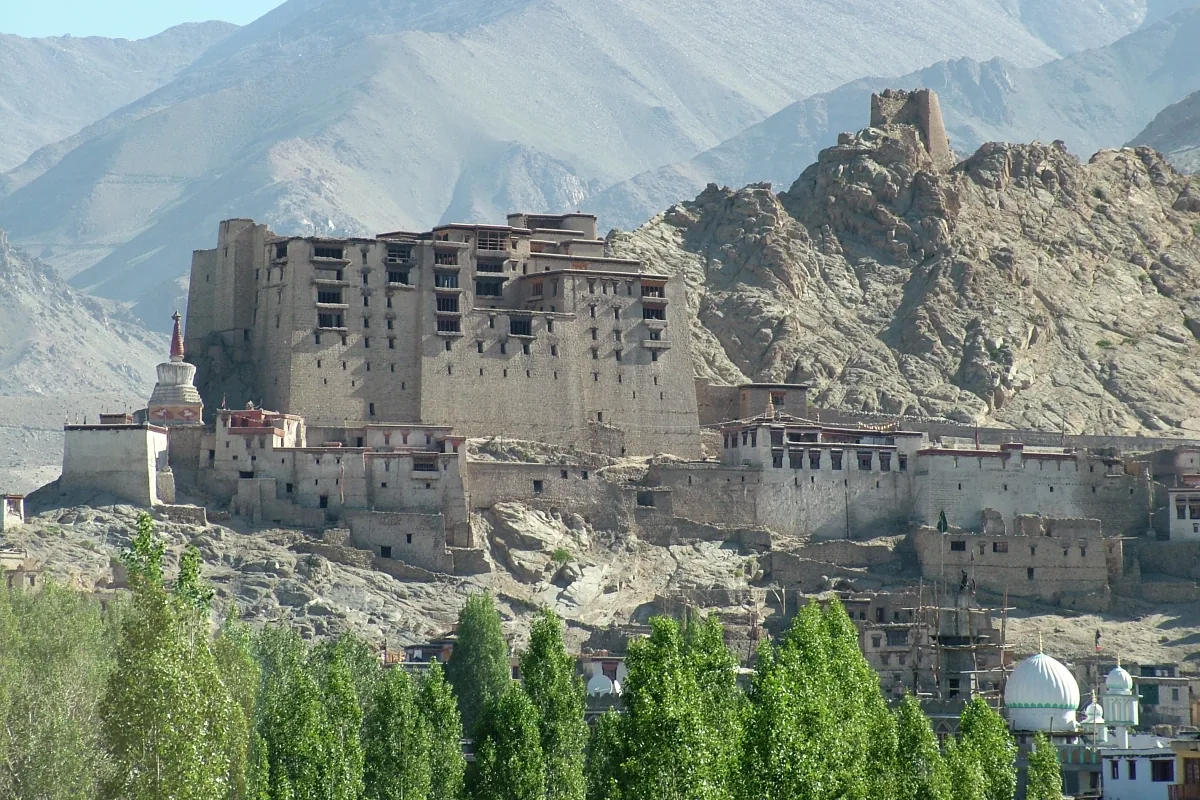
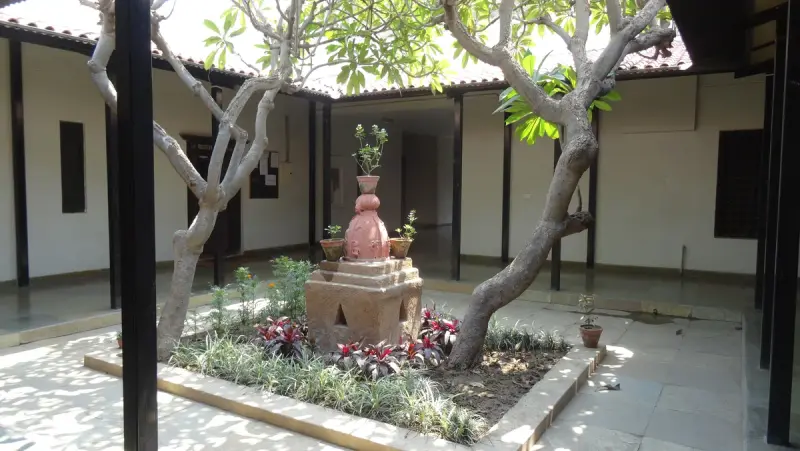
King Sengge Namgyal built the palace in the 1630s, nine storeys of mud brick and timber stepping up the rock, and Incredible India notes that it echoes the Potala in Lhasa, though it is older. The royal family moved across to Stok in 1846, so the rooms have been empty for a long time and parts have fallen in. You climb dark stairs over uneven floors, so carry a torch, then come out on the terrace above the main entrance with the whole town below.
Above the palace, the small Tsemo fort crowns the ridge, its walls now mostly prayer flags. Down by the palace entrance, three small gompas sit together: Soma Gompa, Chandazik with its bright murals, and the red Chamba Lhakhang dated to 1430. Opening hours and fees for the palace vary from source to source, so ask at your hotel the evening before.
Shanti Stupa in the late light
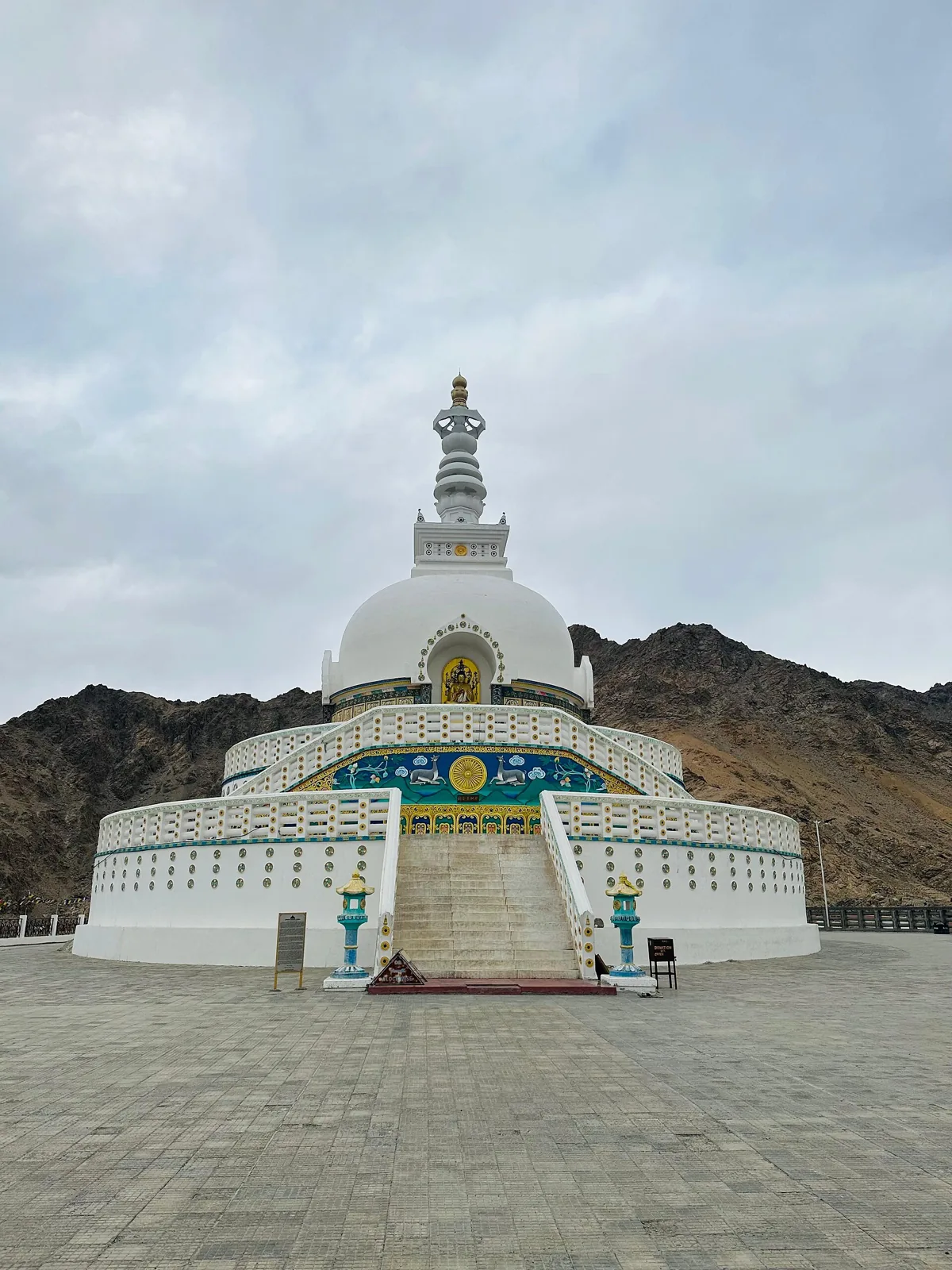
The white stupa on its hill was built in 1991 by the Japanese monk Gyomyo Nakamura, within the Peace Pagoda movement, to mark 2,500 years of Buddhism. Buddha relics sit at its base, enshrined by the Dalai Lama. The upper level carries a golden Buddha and a wheel flanked by deer, and people walk around it clockwise.
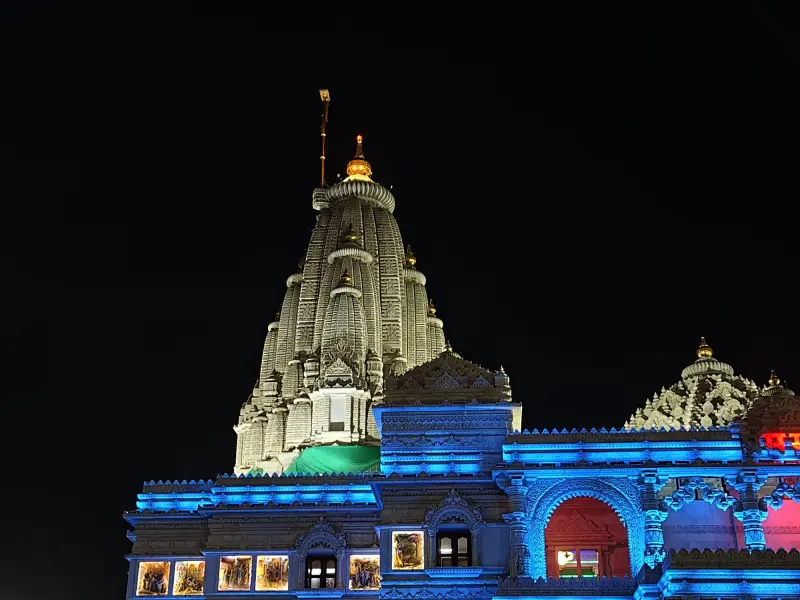
Lonely Planet suggests the climb from Changspa in the late afternoon, about fifteen minutes up, when the town is lit and the steps are in shade. By road it is easier, but the steps are the better way to feel your lungs working. Do this on day three, as the official plan says, not on arrival.
The bazaar, and what to eat
Leh was a caravan halt between Punjab and Central Asia and between Kashmir and Tibet until 1949, which is why the Main Bazaar is so wide: it was cut to let horses, donkeys and camels through. Today you walk it past tour desks, curio shops with prayer wheels and stones, and vegetable sellers from nearby villages sitting on the pavement. Nowshar, the lane area beside it, rewards slow wandering.
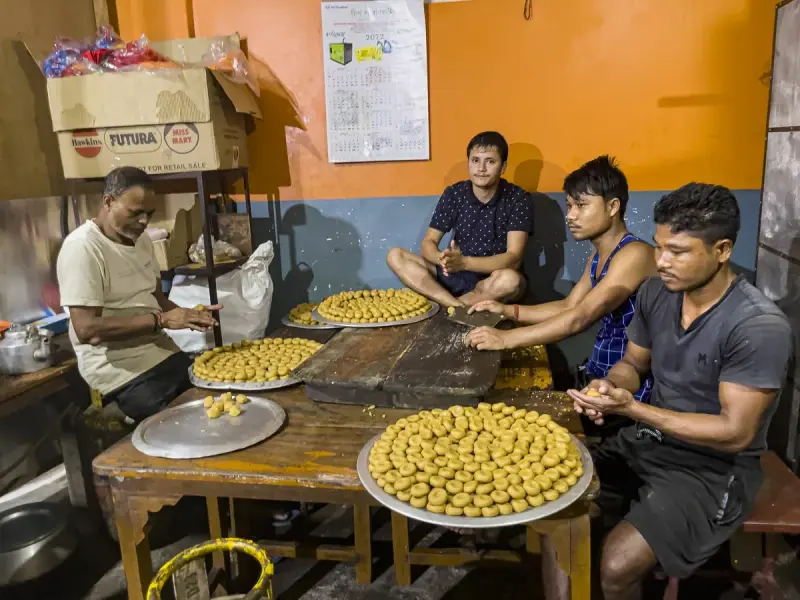
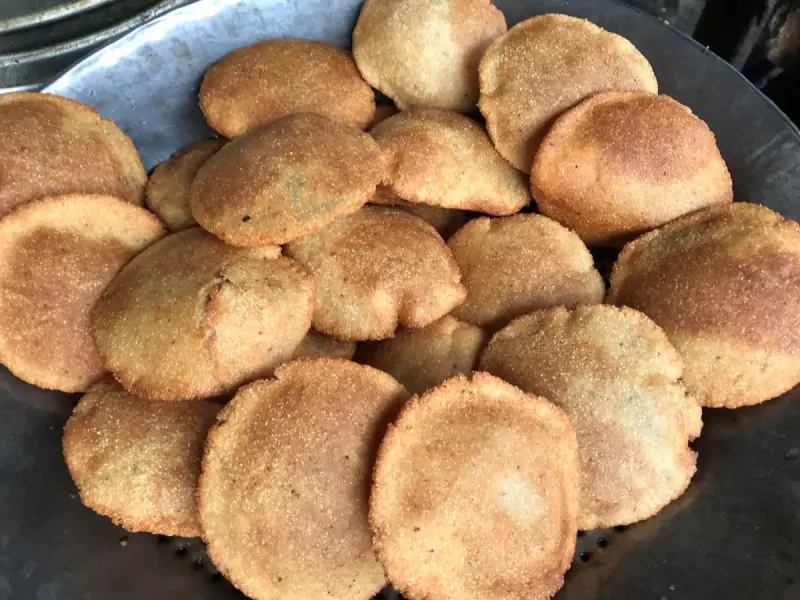
Ladakhi food goes beyond thukpa and momos. Outlook Traveller points you to thentuk, a thukpa with small flour dumplings, kothey, the fried momos, and gyakho, a chimney-broiled meal cooked in a pot at the table. Fort Road has a Tibetan kitchen serving it. The polo ground, said to be the highest in the world, hosts matches during the September Ladakh Festival.
Monasteries up the Indus
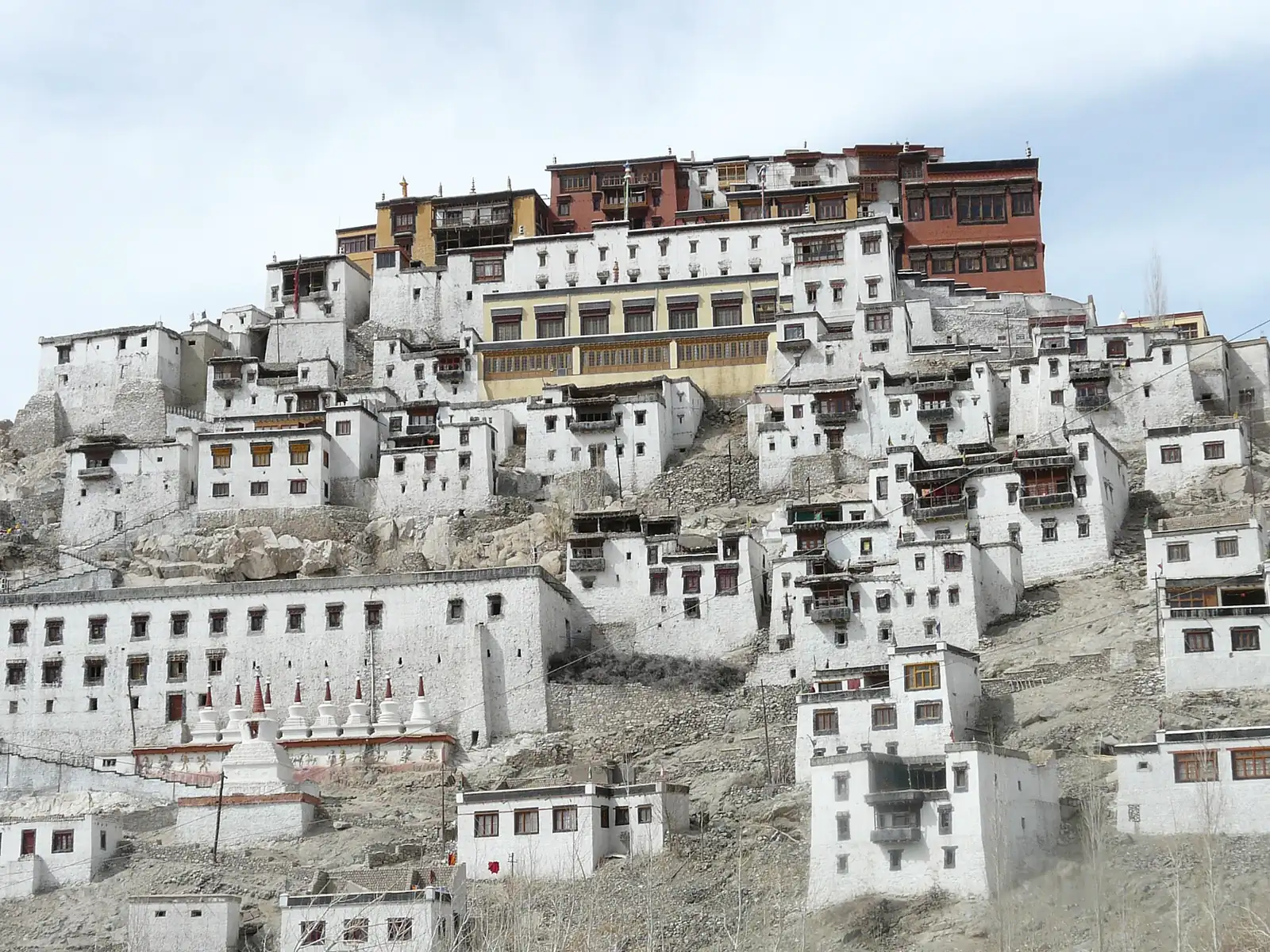
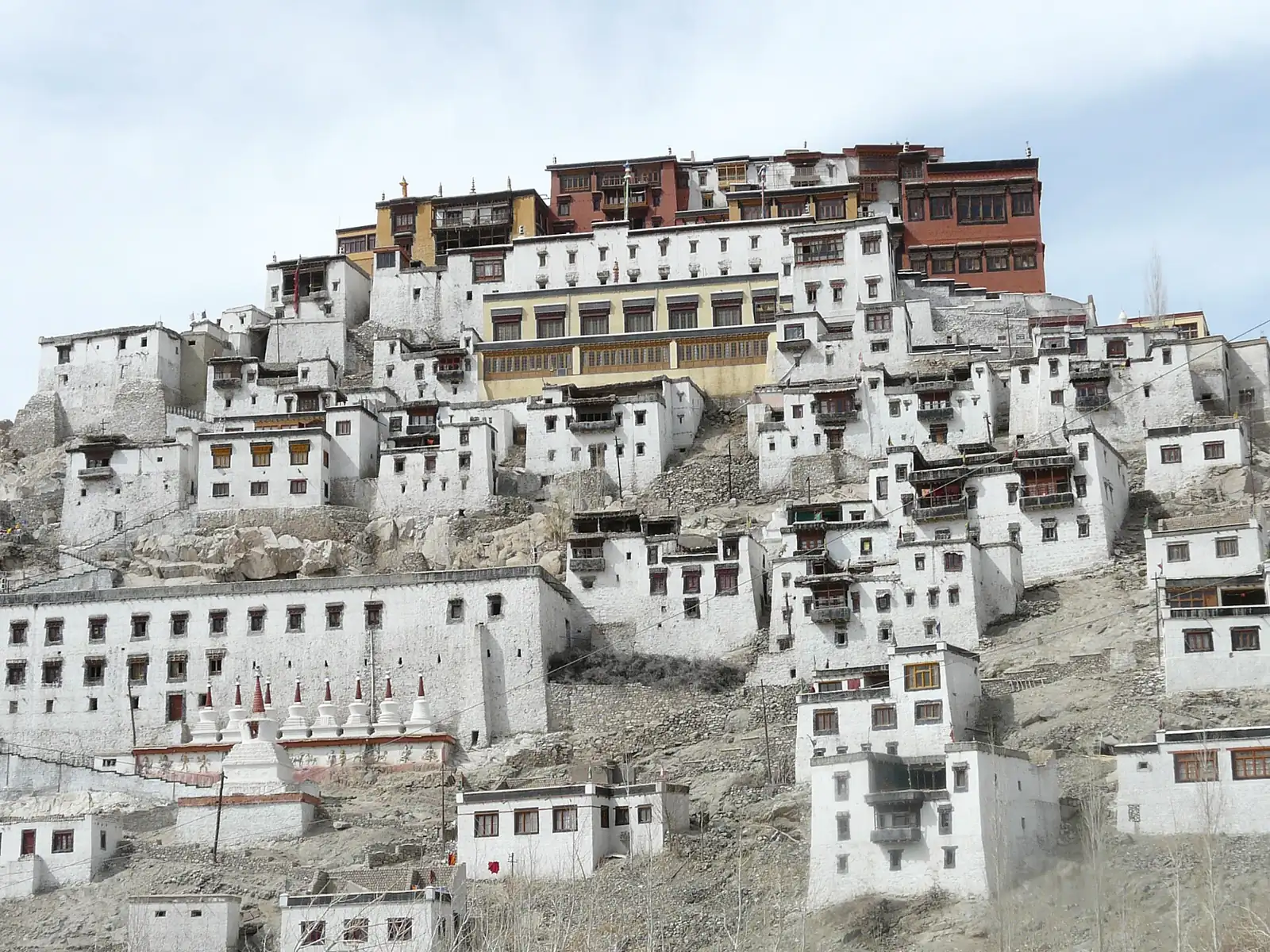
Once you have rested, the valley east of town holds the great gompas. Outlook Traveller puts Thiksey about 19 km from Leh, Stakna about 25 km and Hemis about 45 km. Thiksey climbs a hillside in tiers and houses a 15 m Maitreya Buddha, Ladakh's largest. Lonely Planet says the morning assembly starts around six in summer and runs about two hours, and visitors can sit in. Stakna is small, with around thirty monks and a silver-gilded chorten. Hemis is the largest and richest, with a broad courtyard; its festival comes in June or July with Cham dances.
Closer in, Shey was the former capital and keeps a large Buddha; Stok Palace is still the Namgyal family home, partly a museum; Matho, about 20 km out, is known for its oracles and a festival in late February or early March. Alchi's twelfth-century murals reward the longer drive.
Getting to Leh, and when
From Delhi the flight takes about an hour, with several airlines on the route, landing at the airport at 3,505 m. By road, the district portal gives 434 km from Srinagar via Drass and Kargil, open May to November or December, and 473 km from Manali over Rohtang, Baralacha-la and Taglang-La, open from May or June to September or October. Road arrivals climb gradually and tend to feel the altitude less; fliers feel it all at once.
Incredible India recommends spring and summer, February to October. July and August are warm by the town's standards, with highs above 30 C, and nights in November drop well below freezing. Pick your month around the roads you plan to use.
A first four days that works
Day one: land, lie down, sip water. Day two: an unhurried stroll in the bazaar and a cup of ginger tea. Day three: palace in the morning, stupa when the light turns. Day four: Thiksey at the six o'clock assembly, then Stakna or Hemis. After that, passes are open to you, and our [five-day plan](/blog/ladakh-5-days-itinerary) and [Leh by road from Manali](/blog/leh-manali-road-trip) pick up from here.
Laladham from Delhi to Leh
Laladham collects you in Delhi from the airport, a station, your home or hotel, and plans the whole trip with you: the flight or road to Leh, the rest days, a driver who knows the valley, and your stay. Send your dates on the [book page](/book) and ask for a quote.
Questions, answered
How long before I can go to the high passes?
Ladakh's tourism office wants two full days of doing very little: short walks on day two, sightseeing from day three.
How far are the monasteries from Leh?
Outlook Traveller gives about 19 km for Thiksey, 25 km for Stakna and 45 km for Hemis.
Is the Manali road or the Srinagar road better?
The Manali route is 473 km and the Srinagar route 434 km per that portal. Both close in winter, so check the month.
Who built Shanti Stupa?
A monk from Japan, Gyomyo Nakamura, finished it in 1991.
Can I drink tap water in Leh?
Outlook Traveller calls it unreliable. Stick to sealed bottles and drink plenty every day.