It starts from Delhi by air, because Leh is the sensible gateway, and it keeps one flexible day in the middle for weather, permits or a simple need to sit down.
Day 1: fly Delhi to Leh and do nothing
Delhi to Leh is a flight over the Himalaya. You land at about 3,500 m, and the tourism department's advisory is clear that the first day is for resting only. Check in, drink water, eat light and sleep early, and resist the pull of a first evening walk.
Day 2: short walks in town
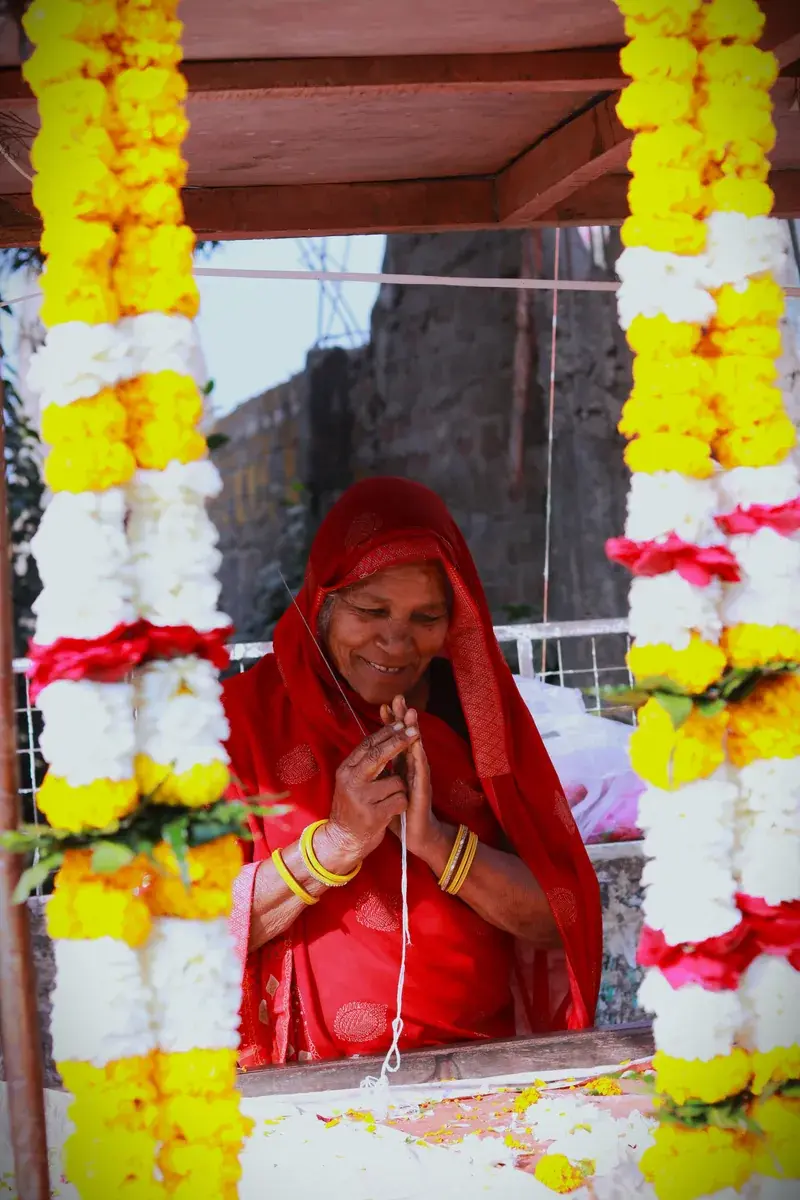
The advisory's second day is for short, easy walks in Leh, nothing more. Wander the market, look at pashmina and hand-carved trinkets under the prayer flags, and keep to the pace of the oldest person you can see. The rule of the whole trip is two full days in town before any climb.
Day 3: Leh Palace and Shanti Stupa
The third day is for sights at similar altitude. Leh Palace is a 17th-century royal residence with views over the valley. Shanti Stupa, the white dome built by Japanese monks, glows at sunset. Arrive in the late afternoon and let the light do the work. If you are well, you are now free to start moving higher.
Day 4: monasteries and the old road west
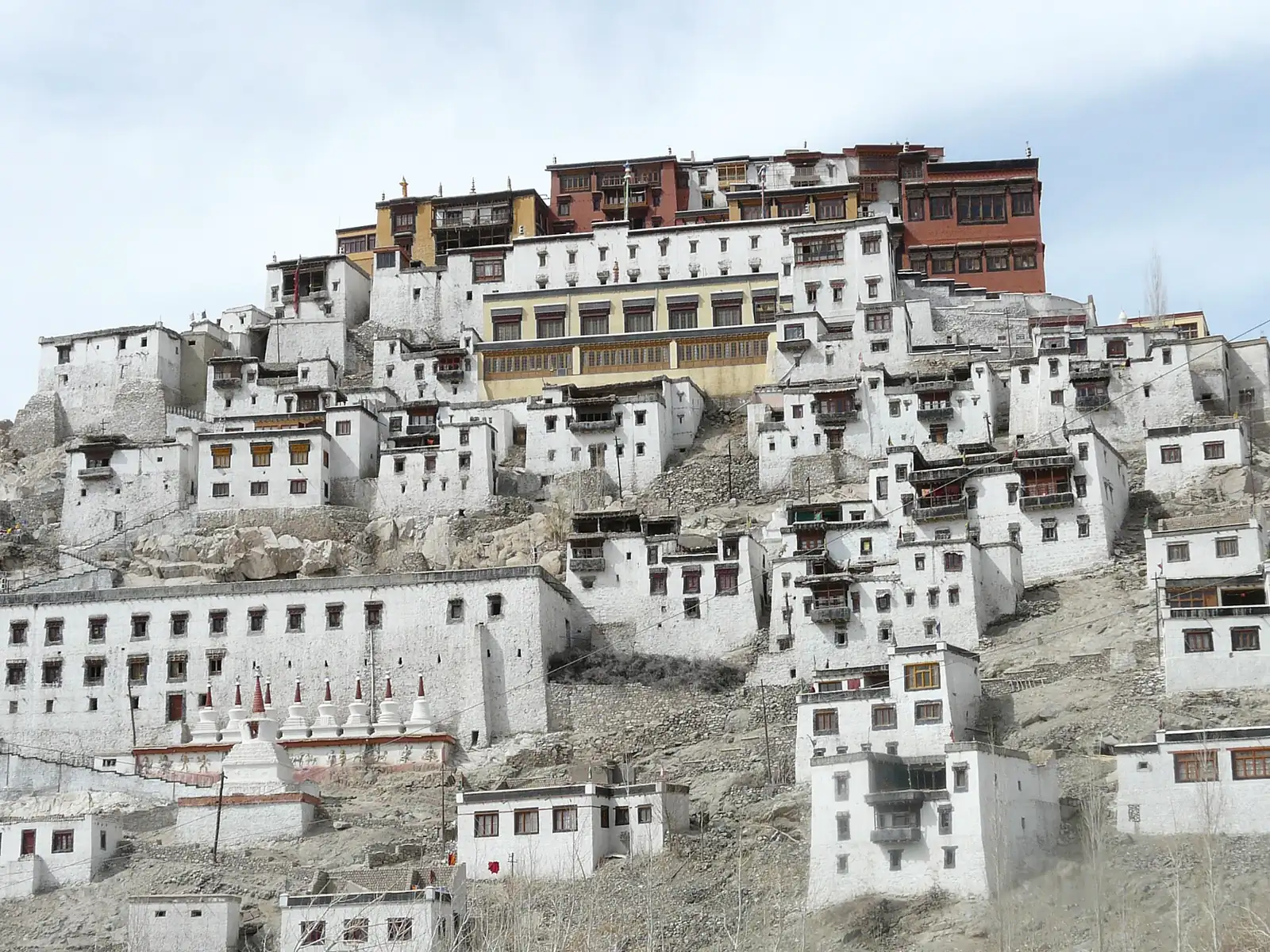
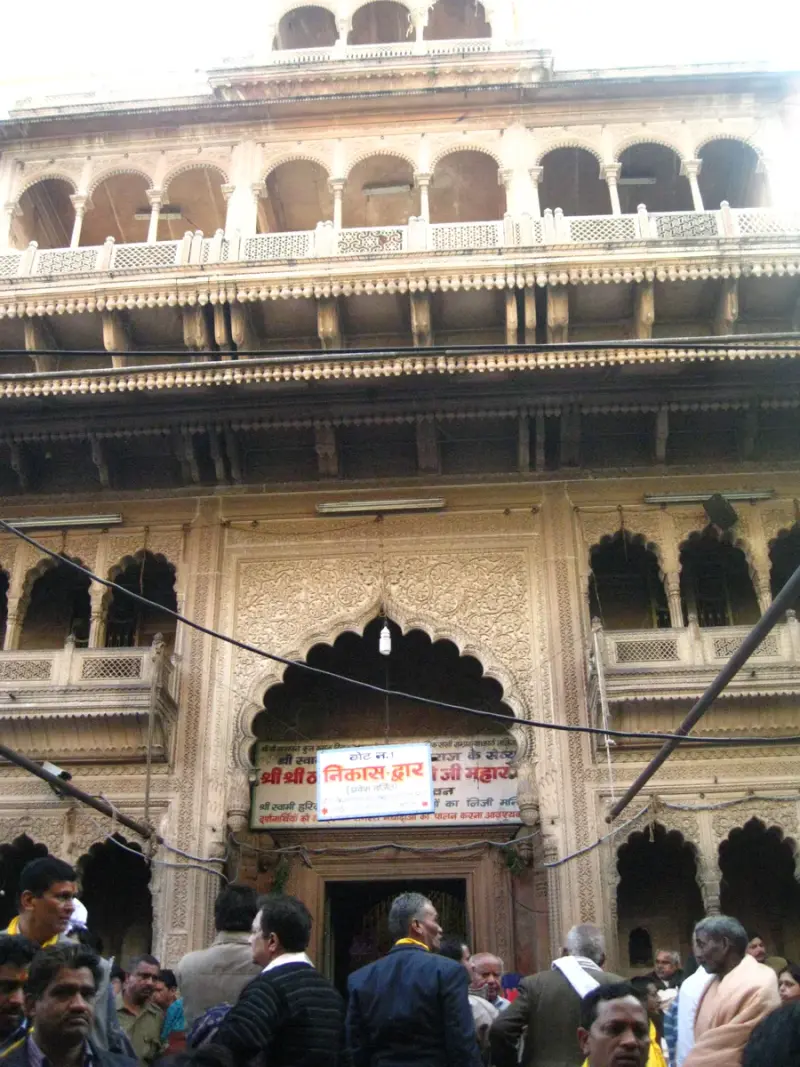
A monastery day works well at this stage. Hemis, Ladakh's largest and wealthiest monastery, is famous for its masked-dance festival. A longer loop west takes in Alchi, with its 11th-century murals and woodwork, Lamayuru in its moonlike landscape, and Magnetic Hill on the Leh-Kargil highway, an optical illusion in which parked vehicles seem to roll uphill.
The school at Shey, Druk Padma Karpo, is the one used as the Rancho School in the film 3 Idiots, and is a quick stop if you pass nearby. Choose either the Hemis and Shey side or the Alchi and Lamayuru side, not both.
Day 5: Leh to Nubra over Khardung La
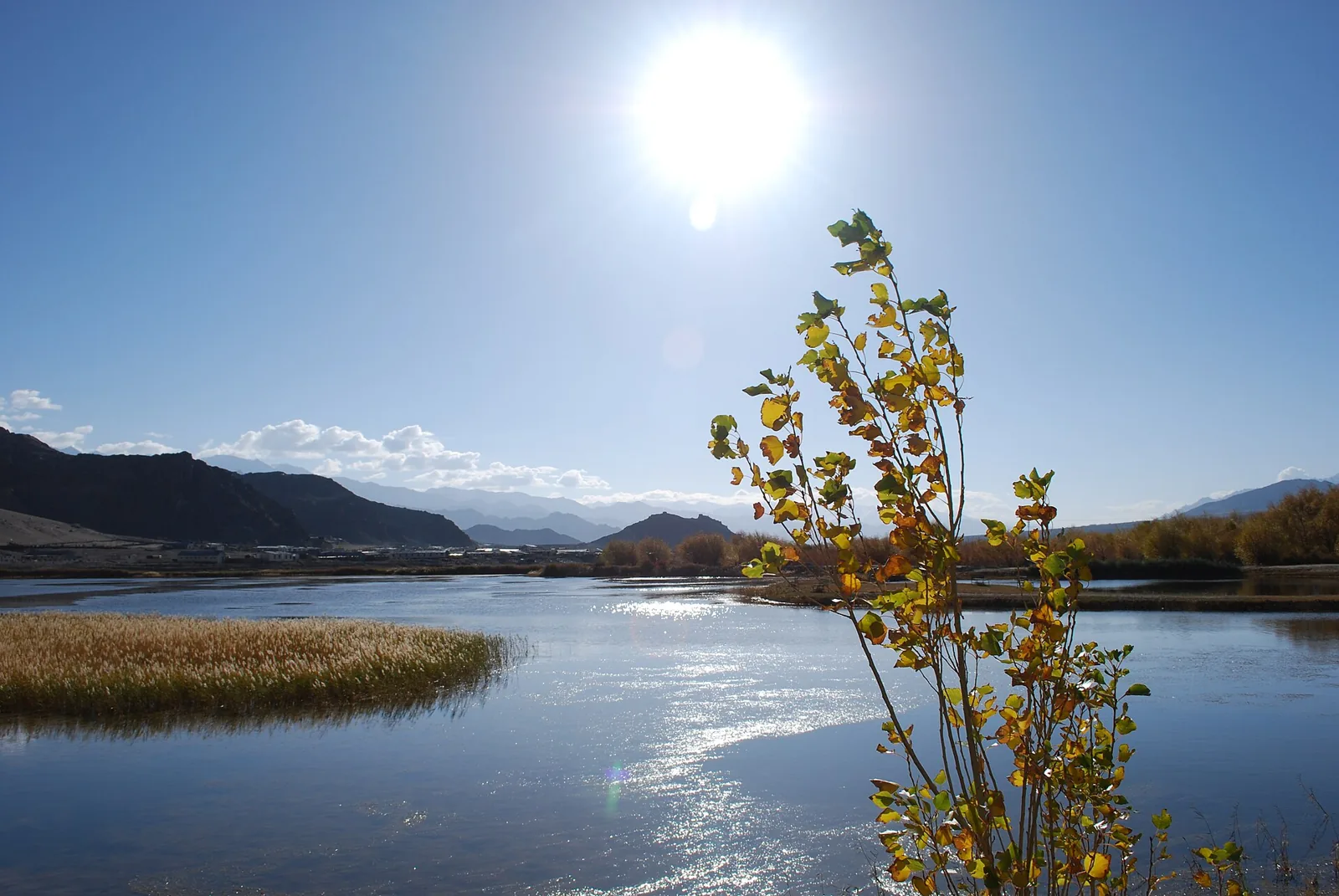
Nubra lies on the far side of Khardung La, one of the high passes where figures vary between about 5,359 and 5,602 m. Do not linger at the top. The advisory says to avoid sleeping much higher than where you spent the day and to descend if symptoms worsen, so get down to the valley floor for the night.
Permits are required here, and the Pangong paragraph below explains where Indian travellers apply. Arrange them before the day, not at the pass.
Day 6: Nubra, camels and a monastery
Nubra's golden dunes sit under snow peaks, and Hunder is the place for a ride on the double-humped Bactrian camel. Diskit Monastery has a large Maitreya Buddha statue looking over the Shyok river. Keep the day light, because it is the middle of the trip and tiredness accumulates.
Day 7: spare day, Turtuk or rest
This is the day you did not know you needed. Use it to rest, to extend into the farther Nubra villages, or to absorb a weather delay. If you have a day in hand elsewhere, homestays in Turtuk and Uleytokpo are an option the Outlook Traveller guide names.
Day 8: Pangong Tso
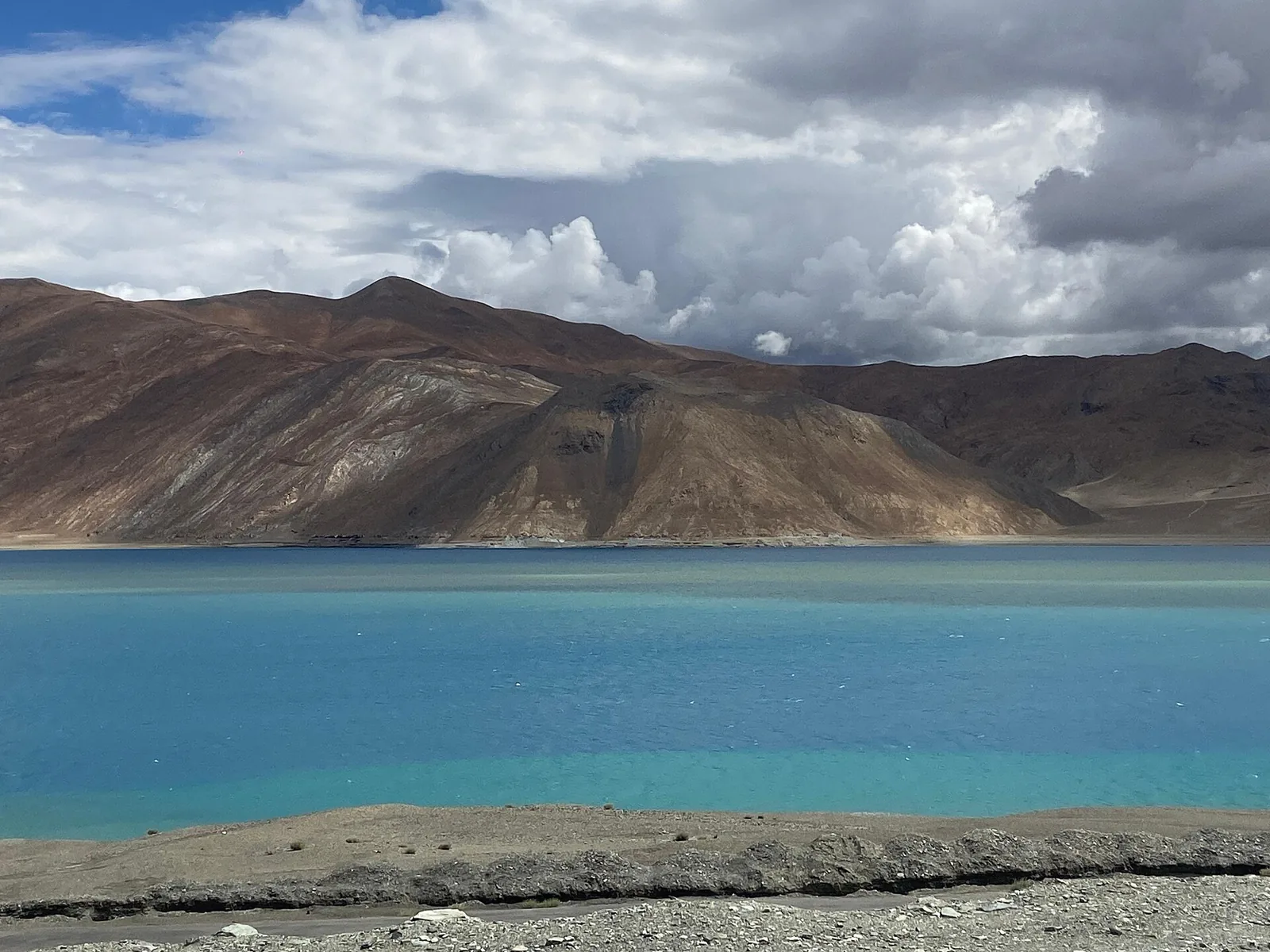
Pangong, over 14,000 ft, is a saltwater lake across the India-China border that moves from blue to green through the day. The Leh district administration's notice says visitors need the permit, available at the DC office in Leh near the Polo Ground and online. Camping under the stars is the classic way to spend the night, and the night is cold, so bring everything you own.
Choose a night at the lake only if you have slept well so far. If anyone in your group has a bad headache or breathlessness, descend rather than push.
Day 9: back to Leh, with a quiet evening
Return to Leh by road and keep the evening flat. Buy pashmina or trinkets in the market if you did not do it on Day 2, and have a last warm meal. Alternatives to Pangong, with the same rest-first logic, are Tso Moriri in Changthang, which is quieter and has black-necked cranes and bar-headed geese, or the stargazing village of Hanle.
Day 10: fly out
Take a morning flight from Leh. Leave a buffer for weather, because flights over the Himalaya can be delayed, and keep your return day free of fixed plans.
Season and kit
June to September is the main season, and the two long roads, from Manali and Srinagar, are generally open from May to October. Carry thermals, sun protection, a pulse oximeter if your doctor agrees, and any prescribed medication, and drink three to four litres of water a day.
Let Laladham run it
Laladham picks you up in Delhi, from the airport, station, home or hotel, and plans the complete trip: flights, permits, a driver for the passes, rest days built in and the stays at Leh, Nubra and Pangong. Ask for a quote on the [book page](/book).
Questions, answered
Why does the plan start with two rest days?
Because the state advisory wants two nights at 3,500 m before any climb, to keep altitude risk down.
Is ten days enough for Ladakh?
It is a comfortable length for the three headline areas with rest days. Add days if you want Zanskar or Tso Moriri.
Which permits do I need?
Indian travellers hold an Inner Line Permit, and foreigners a Protected Area Permit, for Nubra and Pangong.
What if the weather delays a day?
Day 7 is built as a spare day, and flexibility matters more than distance on this route.
What is the best season?
June to September, with the roads clear and the lakes in reach.
Can I add Zanskar?
Yes, as a separate leg after you are acclimatised. See the Kargil and Zanskar guide.