You do not do both in one rush. You pick a base for each valley, accept that the roads are slow, and let altitude set the pace. This guide is about how the two valleys differ, what the official pages say about them, and what you must confirm before you leave.
Chungthang, the fork in the road
Incredible India puts Chungthang at about 5,500 feet and describes it as the junction of the Lachen and Lachung rivers. The name comes from the Tibetan Tsemo Rinchen Thang, the top precious plain. There is a rock here with marks said to be the footprints of Guru Padmasambhava, and a monastery built in 1788 by Lepcha Buddhists.
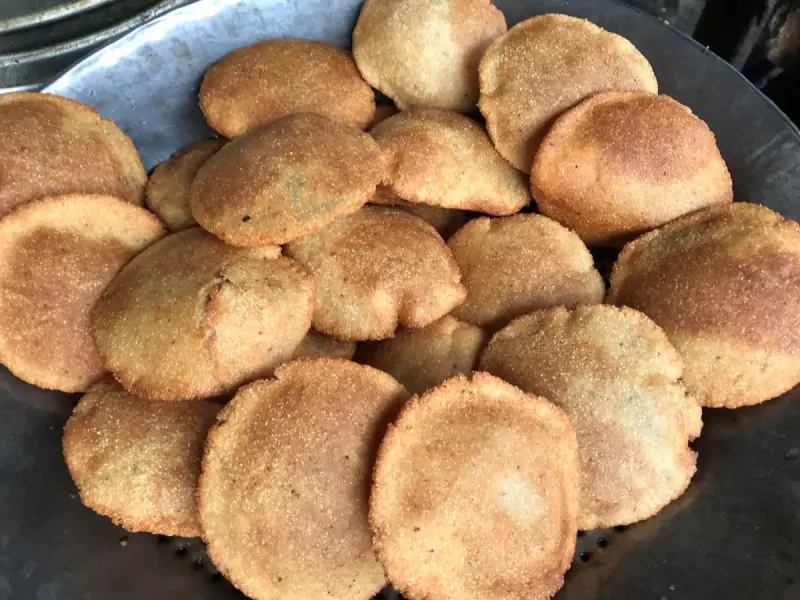
Treat it as a pause, not a destination. It is the best place to look at a map and commit to a valley. It sat on the old trade route between India and Tibet, and the page mentions rafting in the rapids and bowls of thukpa and momo at local eateries. Eat here, stretch your legs and decide which valley is next.
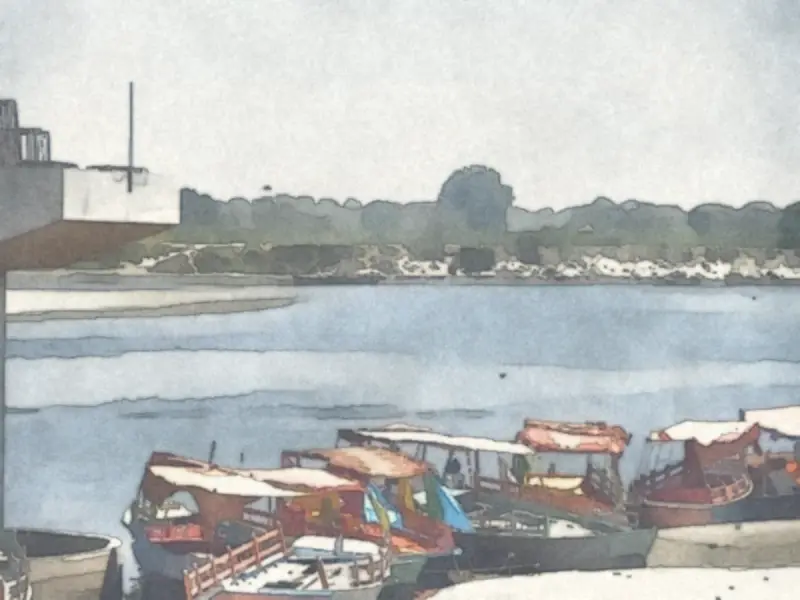
Lachung, and the flower valley
The tourism page calls Lachung the gateway to Yumthang, the Valley of Flowers. Spring is the reason to come. The Singba Rhododendron Sanctuary nearby holds over 40 species of rhododendron, and the page promises Khangchendzonga on the skyline above the Yumthang River. It also says red pandas and Himalayan black bears live in the sanctuary, so keep your voice down on the walking paths.
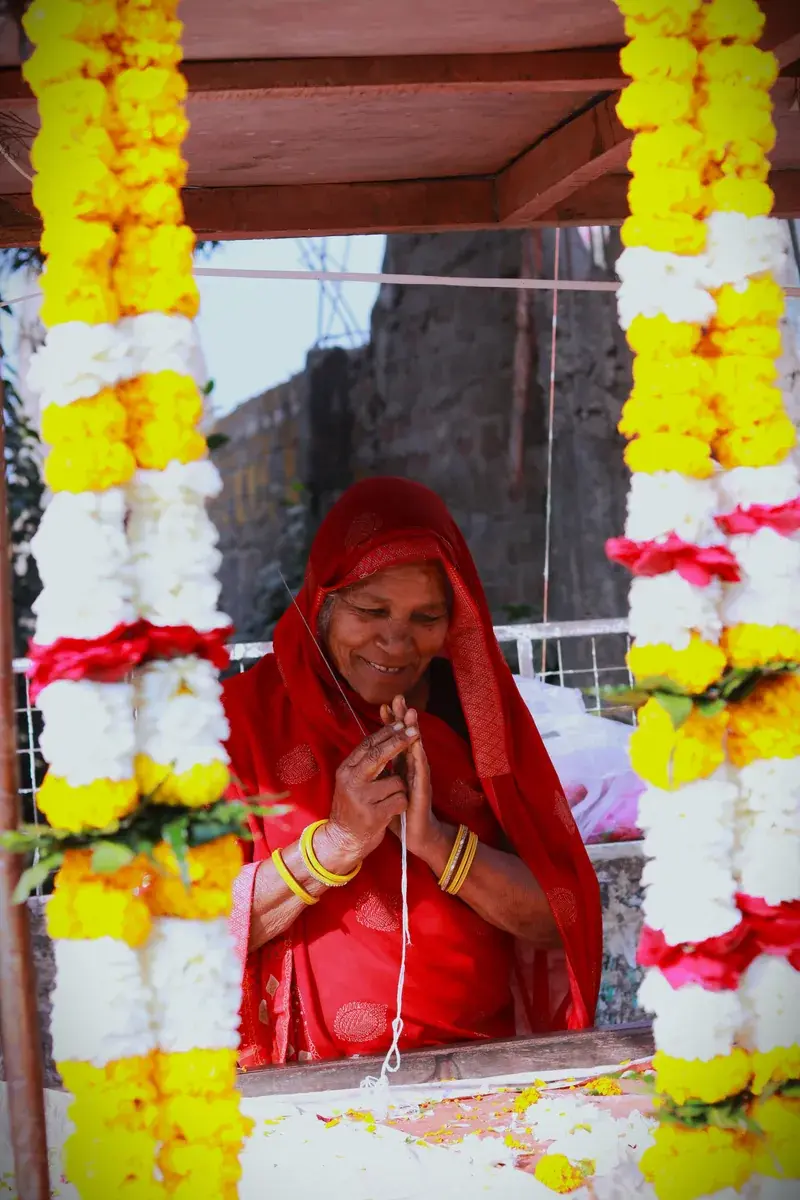
Two hot springs are named on the state page. Yumthang has a sulphur spring you can soak in, and Yume Samdong sits near the Donkia-la pass. Zero Point and the Yumesamdong meadow, which flowers in spring, are the other names you will hear. Your driver will know which of them are open when you arrive. In snow months, expect closures.
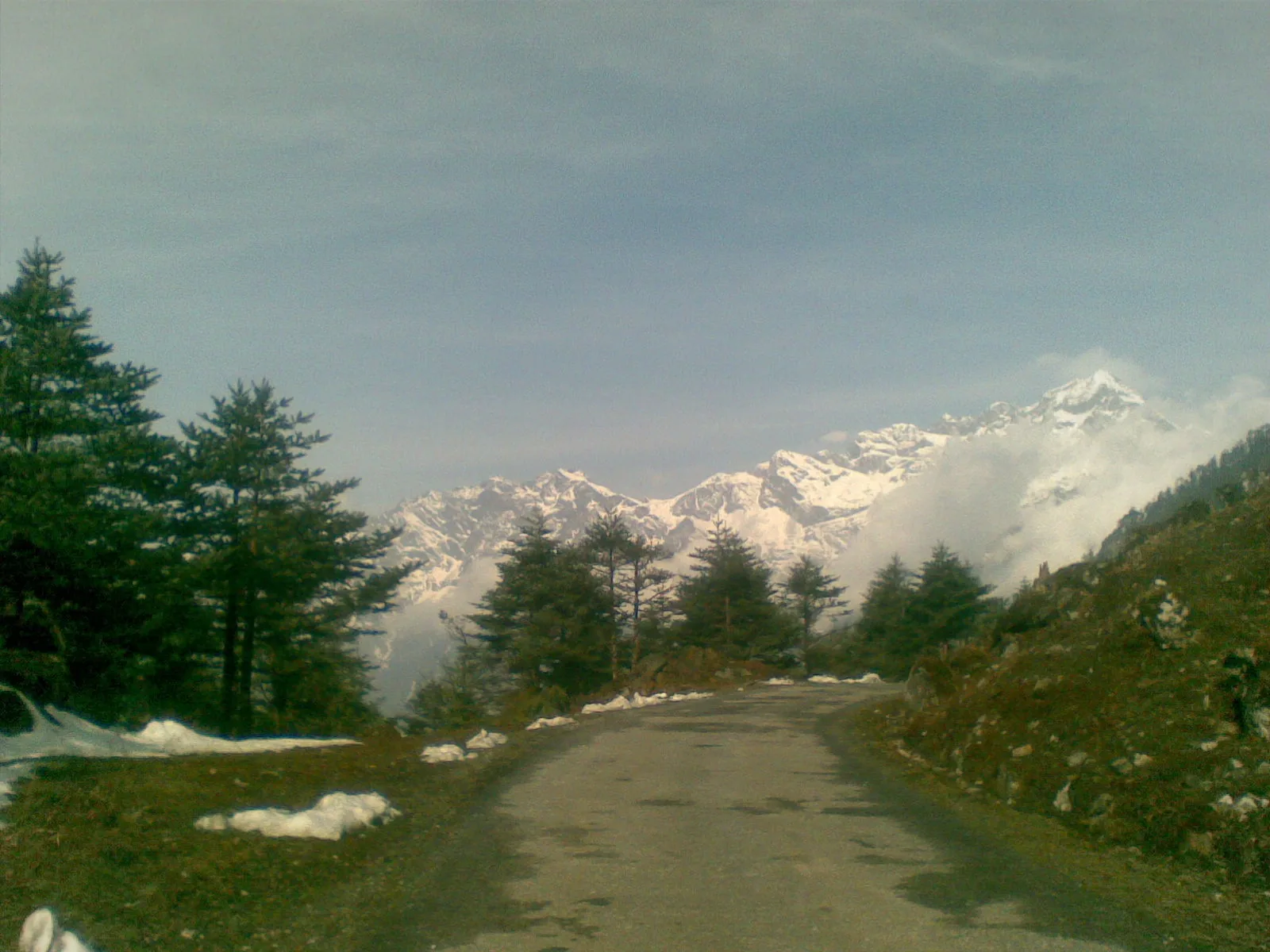
Lachen and the lake above it
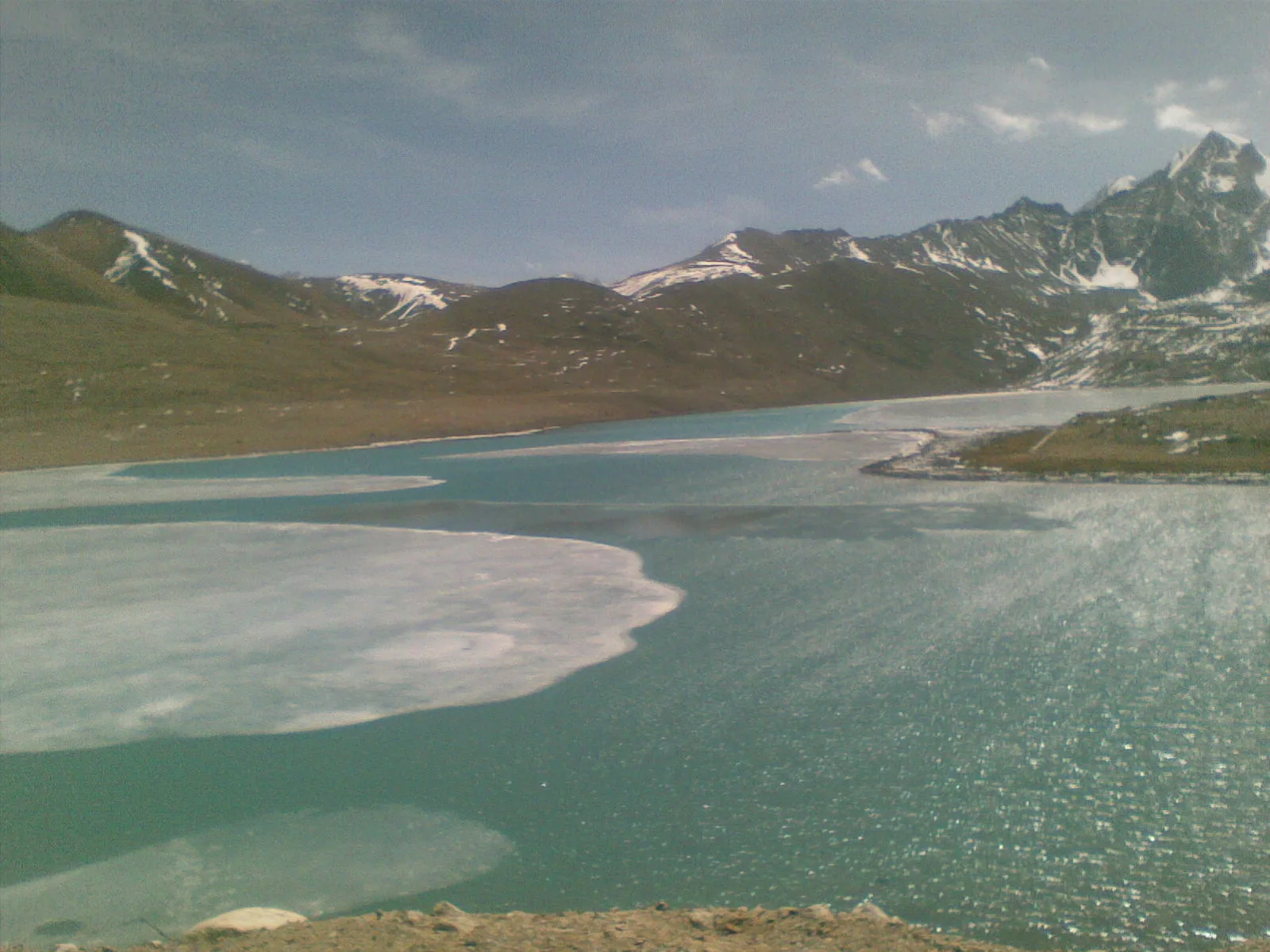
Lachen, per the Chungthang page, is known for its apple orchards and is the base for Gurudongmar Lake. The page puts the lake at 17,800 feet, while the newspaper piece cited below gives 5,183 metres and calls it the second highest lake in India, after Cholamu. That is thin air. Walk slowly, drink water, and do not plan to stay long at the shore.
Gurudongmar is holy to both Buddhists and Sikhs. Legend says Guru Padmasambhava blessed a part of it so it would never freeze, and the tourism page agrees that one section stays open while the rest ices over from October to March. A gurdwara beside the lake was built by the Sikh Regiment, as that newspaper piece tells it. Prayer flags tie the shore. The lake also feeds the Teesta river.
When to go, and what that means
The tourism page names November to June as the best time for Gurudongmar. For Yumthang, the flowers in spring and snow in winter pull in different crowds. The two choices are not the same trip. Spring gives rhododendron colour, and winter gives frozen lakes and white roads. If you only have one window, decide which of those pictures you came for, because no month gives you both.
What to eat and pack
Sikkimese food leans on rice, fermented soybean called kinema, wild ferns and bamboo shoot, and drinks such as chaang and tongba, according to the state page. Sikkim has also banned plastic water bottles, so carry a refillable one.
For the high lake, pack for wind and cold even if the plains were warm. Layers, a cap, sunglasses and any medicine your doctor recommends for altitude are worth carrying. Keep your pace slow on the first day above 10,000 feet.
A plan from Delhi
Delhi is far from here, so the usual way in is to reach Bagdogra airport or New Jalpaiguri station, which the tourism pages list as the gateways, then go up to Gangtok and on to Mangan, the town that serves as the entry to north Sikkim. Day one: Delhi to Bagdogra by air or NJP by train, then up to Gangtok. Day two: Gangtok to Chungthang and the first valley. Day three: the second valley. Day four: back to Gangtok, with a spare day against landslide delays. How long each leg takes changes with the road, so ask for the current timing at booking.
Planning it with Laladham
Laladham collects you in Delhi, at the airport, a station, your home or hotel, and plans the whole trip with a driver and stays on the ground in Sikkim. Share your dates on the [book page](/book) and ask for a quote.
Questions, answered
Where do the roads to the two valleys split?
At Chungthang, where the rivers meet. One road goes to Lachung and Yumthang, the other to Lachen and Gurudongmar.
How high is Gurudongmar Lake?
The state tourism page gives 17,800 feet, and the newspaper source gives 5,183 metres. Both place it among the highest lakes in India.
Does Gurudongmar freeze?
Mostly yes, in winter. One stretch is said to stay open by the guru's blessing.
When do the rhododendrons bloom at Singba?
In spring, according to the sanctuary page, which lists over 40 species.
Which airport and station serve north Sikkim?
Bagdogra and Pakyong airports and New Jalpaiguri station are the gateways named by Incredible India.