Four nights is enough: one in Bhuj, two at Dhordo, and one back in Bhuj so the craft villages and the road are not rushed.
Getting from Delhi to Kutch
Delhi to Bhuj is a very long road, so the honest answer is to fly to Bhuj or take a train to Ahmedabad. From Ahmedabad it is about 330 km and 5 hours by road to Bhuj. A driver is worth having from the arrival point onward, because Dhordo, Kalo Dungar and the craft villages sit far apart and public transport does not link them.
Night 1, Bhuj: the town before the desert
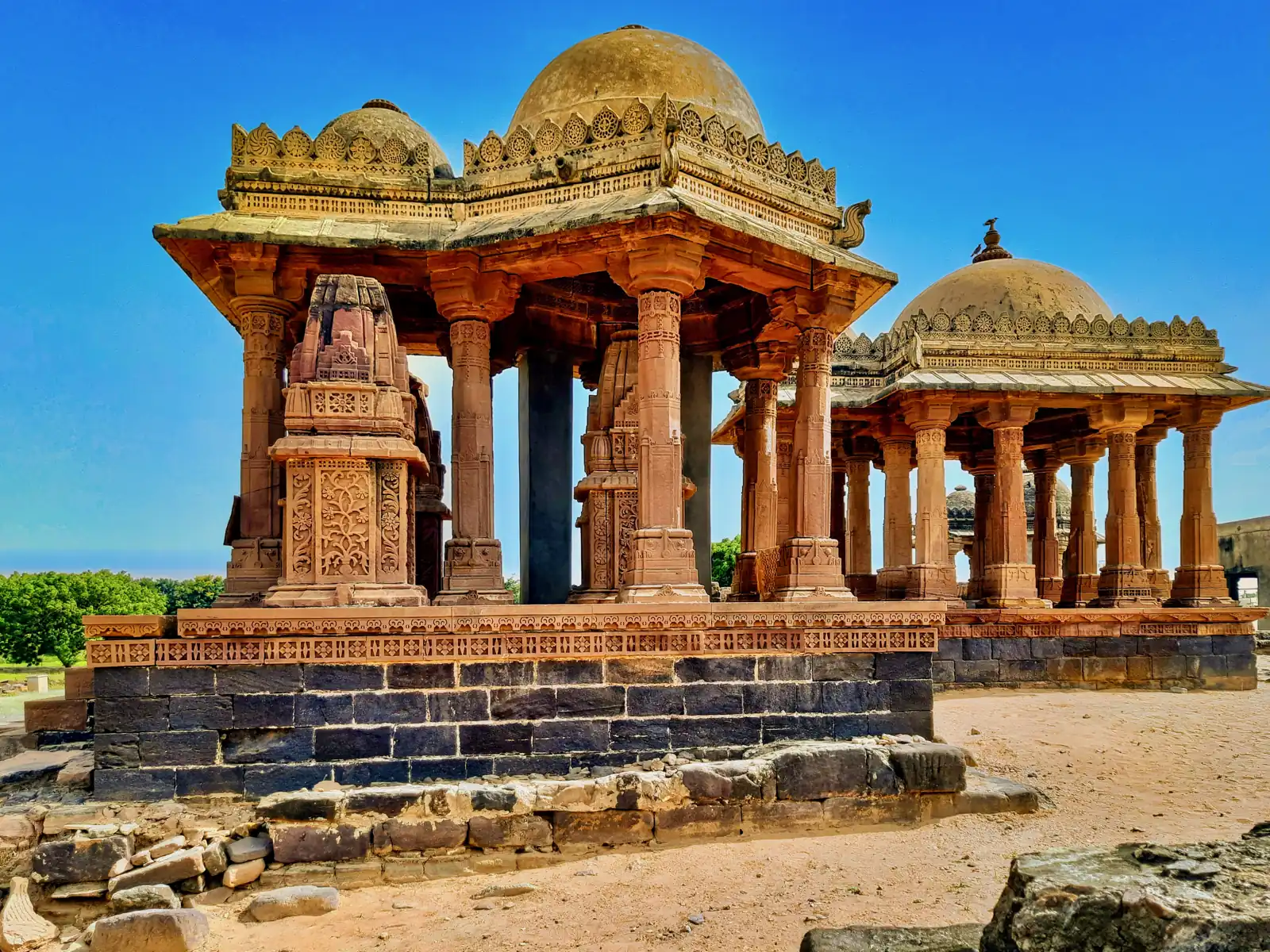
Spend the afternoon in the old town. The Kutch Museum, Aina Mahal and the Gothic Prag Mahal are the main set, and the royal chhatris near the lake are good for the last hour of light because they are usually uncrowded, though tripods are not allowed. The 2001 earthquake hit the cenotaphs hard, so a few look rebuilt. Ramkund stepwell is a quieter stop that most itineraries skip.
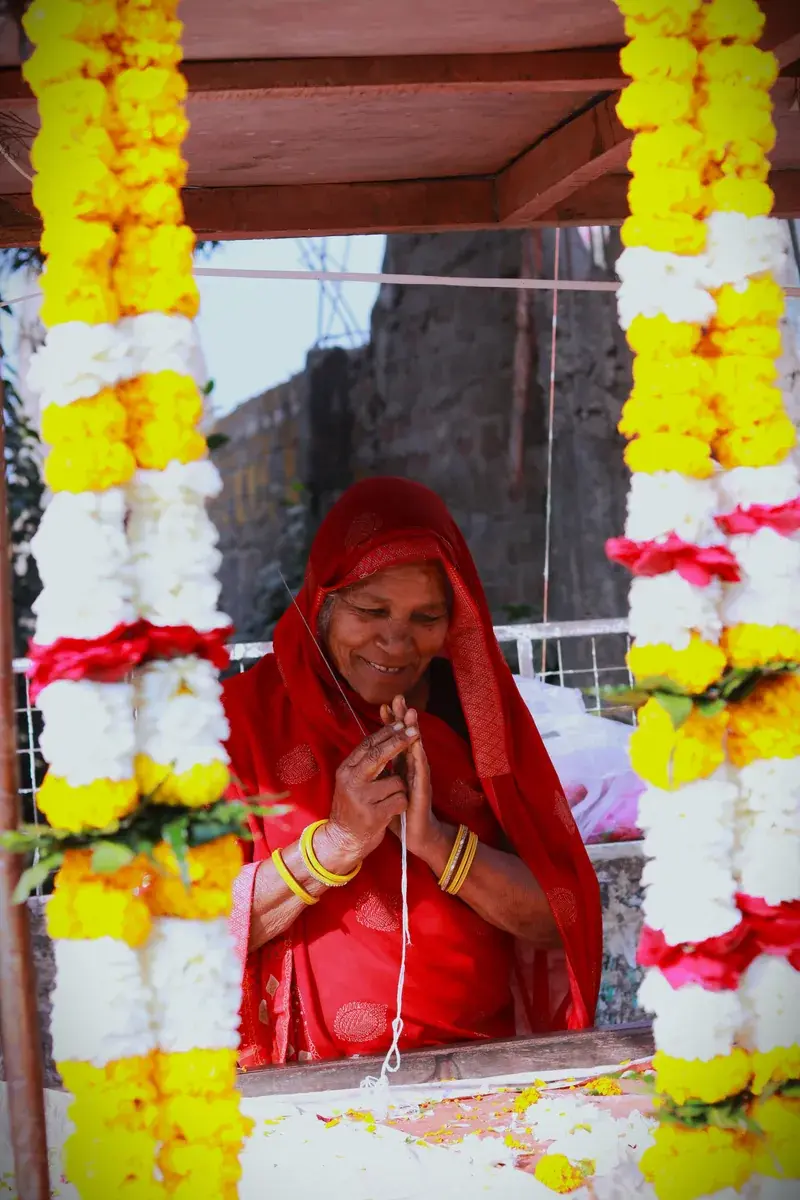
Bhuj bazaar sells a lot of factory imitation work. If you want a real piece, wait for the workshops in Bhujodi, Ajrakhpur or Anjar, where makers work on the premises.
Day 2: the road to Dhordo, with one craft stop
Dhordo is about 80 to 90 km from Bhuj, 90 minutes on the road, though one published guide says around three hours in busy season. Break the drive at Nirona, which the official tourism page names as the best single stop on the way: Rogan painting, copper bells and lacquerware, all made in the village. Hodko is the other village on the route.
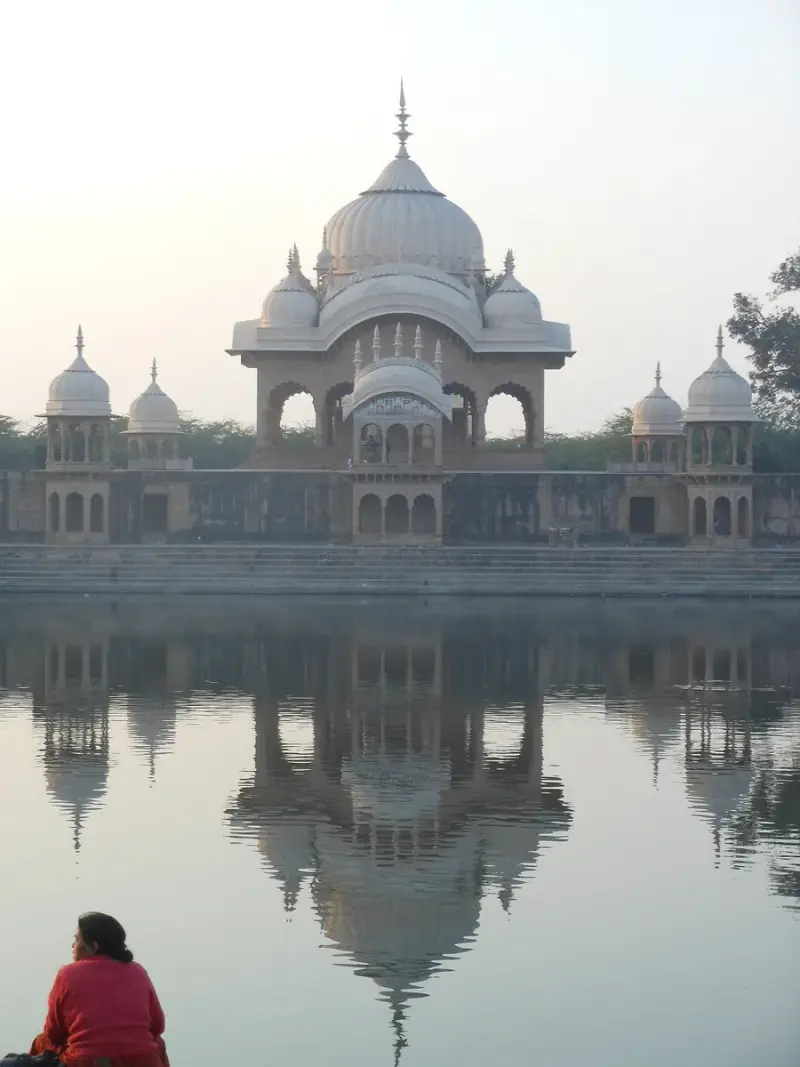
At the Gujarat Tourism tent city you check in at a big hall and receive meal coupons for breakfast, lunch, dinner and high tea. Meals are vegetarian and served in a dining hall near the tent clusters. Inside the grounds, rickshaws, decorated buggies and tractors move people between the clusters.
Night 2 and 3: how to spend the White Rann
The white flat is a short ride from the tent city, and it is busiest at sunset. Walk away from the main viewing crowd and you get space within ten minutes. The salt crust is hard in the dry season but described as wet and treacherous in the transition months, so stay on the jeep tracks and follow the guides.
On a full-moon night the camp stays up late with folk music and dance, and a handicraft haat sells Ajrakh, Bandhani, mirror work and Lippan art. Wednesday and Thursday are noticeably quieter than weekends. If darkness matters more to you than moonlight, aim for the new-moon dates of 9 November, 8 December, 7 January or 6 February instead.
Day two is for Kalo Dungar. At about 460 m, it is the highest point in Kutch, 25 km from the festival grounds, and the view over the Great Rann is the reason. Start after lunch and arrive 30 to 45 minutes before sunset. The sunset point is crowded and sells camel rides, so walk further along the ridge for a quieter spot. The Dattatreya temple at the top serves free food, and the priests feed jackals at noon, which draws a crowd of its own. Access beyond the military check-post is restricted, and you should pre-book the ride back so you are in time for dinner.

Permits and rules to confirm
Sources disagree about the White Rann permit. A national magazine says visitors heading to the White Rann at Dhordo need an entry permit and should arrange it before arriving; another says Indians need none for the tourist area. Border areas need extra coordination in either case, so the person running your trip should confirm it for the dates you travel.
Treat the salt flat as fragile: use the marked routes, do not litter or drive off the tracks, and ask before photographing people or their work. Buy directly from makers where you can.
Night 4: back through the villages
Take the return slowly. Ajrakhpur, near Bhuj, is where Ajrakh block printing is practised, and Bhujodi is the weaving village. If you have an extra half day, Mandvi is about an hour from Bhuj, with soft-sand beaches and the red-stone Vijay Vilas Palace built in 1920 as a summer retreat.

What to pack, and what to skip
Pack warm layers, because the desert gets cold after sunset even on bright days, plus sunglasses for the glare and walking shoes. The tent city's weekend rush at Diwali week, Christmas and New Year is the hardest part to book, so reserve early.
Dholavira, the Harappan site, is a full day and about 250 km from Bhuj, so it does not fit in a four-night plan. The Little Rann wild ass sanctuary is far away too. Leave both for a longer Kutch trip.
Let Laladham run it
Laladham starts from Delhi: we pick you up at the airport, station, home or hotel, arrange the flight or train to Bhuj or Ahmedabad, hold a driver for the road, and book tent or camp nights on the moon dates you choose. Ask for a quote on the [book page](/book).
Questions, answered
When does Rann Utsav run in 2026-27?
Published dates run from 1 November 2026 to about 7 March 2027, with one operator page showing slightly different start and end dates. Confirm before booking.
Which nights are best for moonlight on the salt?
Full-moon windows are 23 to 25 November, 22 to 24 December, 21 to 23 January and 19 to 21 February. They book out early.
Is a permit required for the White Rann?
Sources conflict. One national magazine says an entry permit for Dhordo is needed, a second guide reports no permit for Indian visitors in the tourist zone. Check the current rule when you book.
How far is Dhordo from Bhuj?
About 80 to 90 km, roughly 90 minutes in normal traffic and longer in the busy weeks.
When should I be at Kalo Dungar?
Be on the hill 30 to 45 minutes ahead of sunset. It is about 460 m high, and the light on the salt is richest in the last 20 minutes.
Can I do Dholavira in the same trip?
Not in four nights. It is about 250 km from Bhuj and needs a full day with 3 to 4 hours at the site.