Here is a plan for two days that puts the city first and the shrine second.
Raghunath temple and the old bazaar
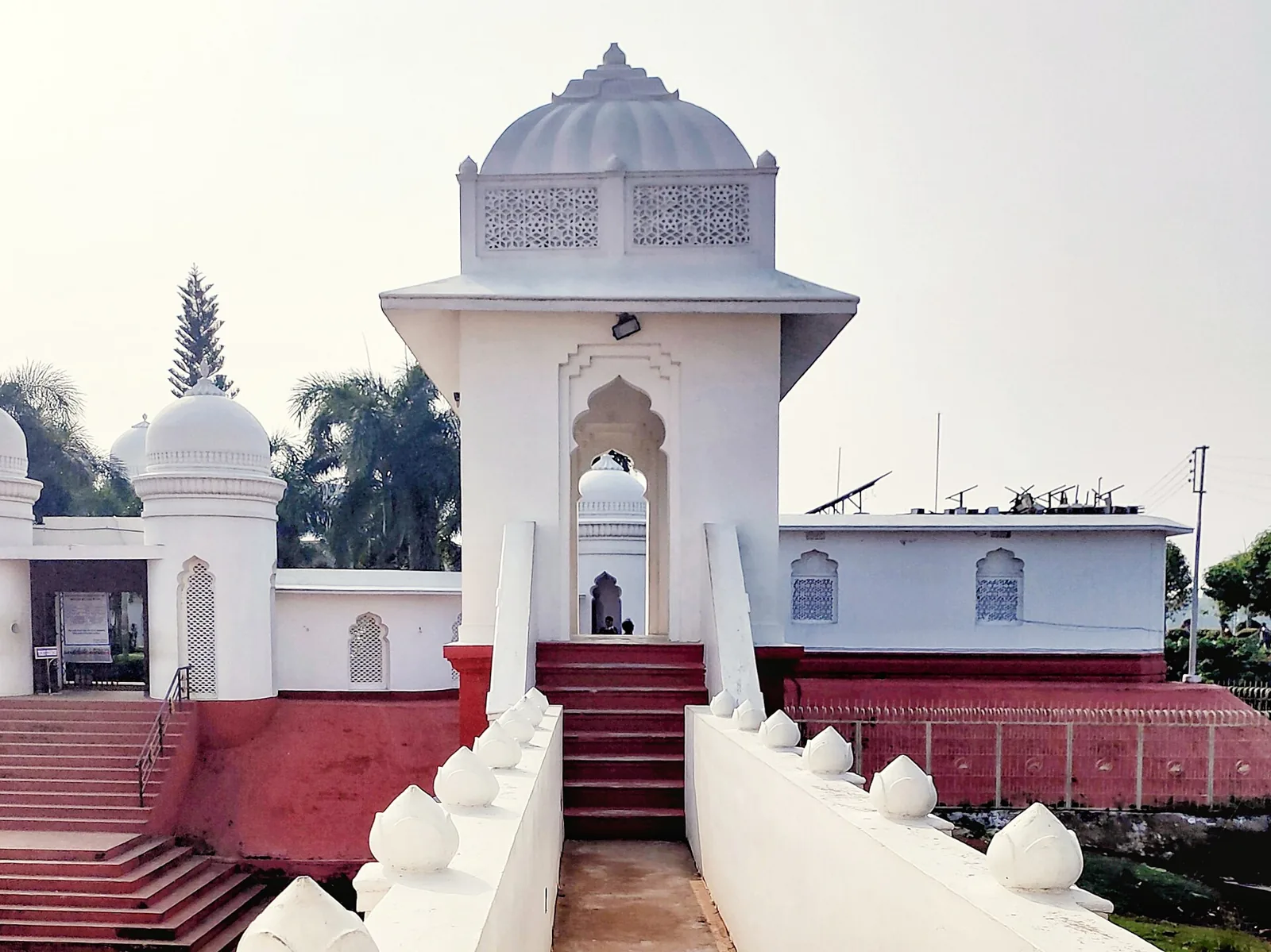
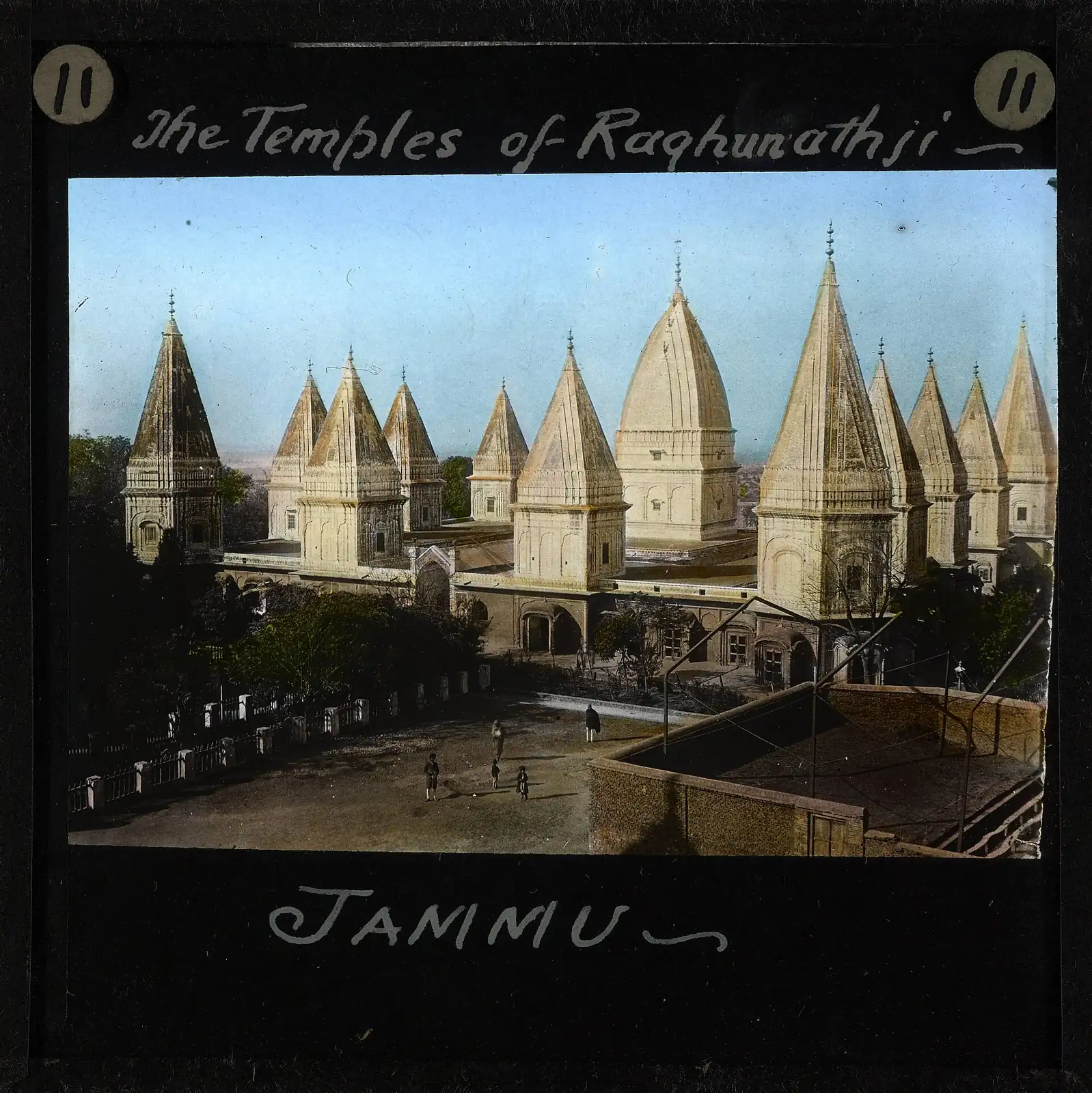
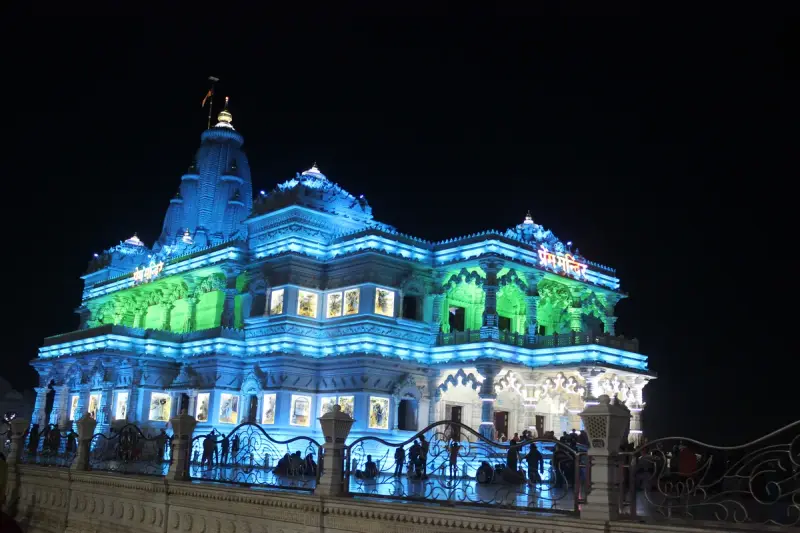
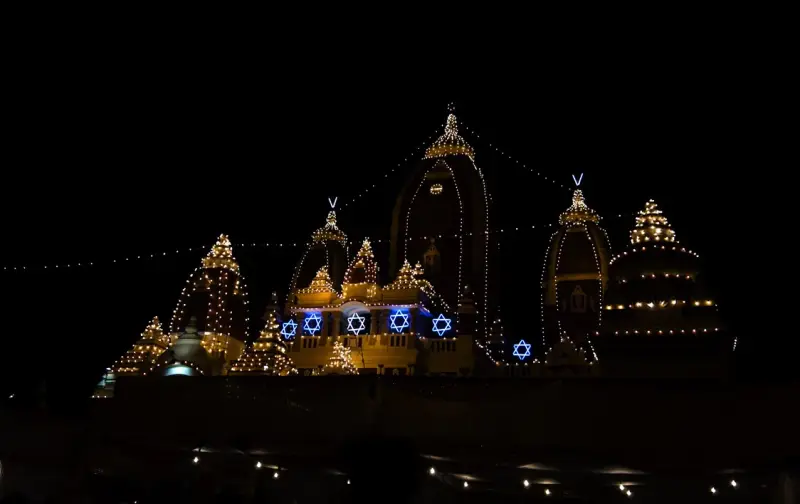
The Raghunath Temple, dedicated to Rama, sits in the old city bazaar that carries its name and is known for seven shrines. Outlook Traveller lists it open from 6 am to 8 pm. One source dates its construction to 1851. Go in the morning, dress modestly, remove shoes and keep your phone away from the sanctum. The bazaar outside is a good place for a first cup of tea.
Bahu Fort and the Tawi
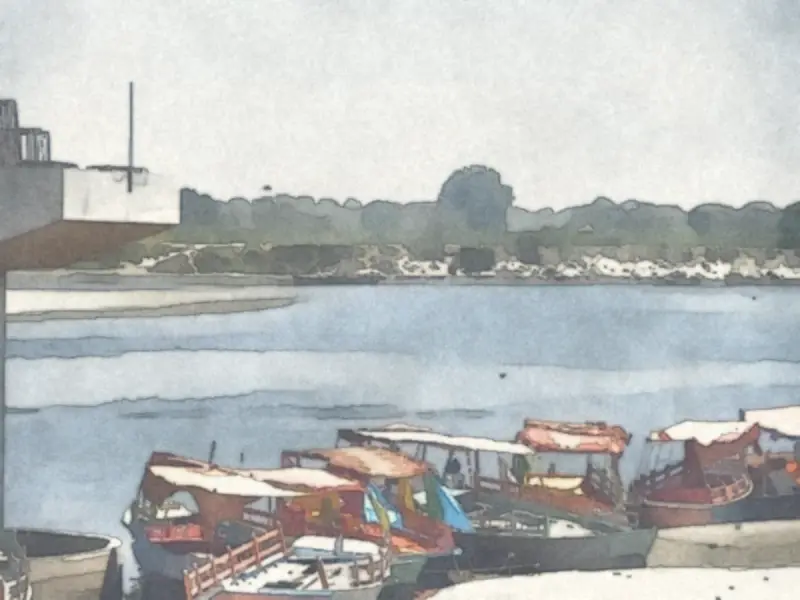
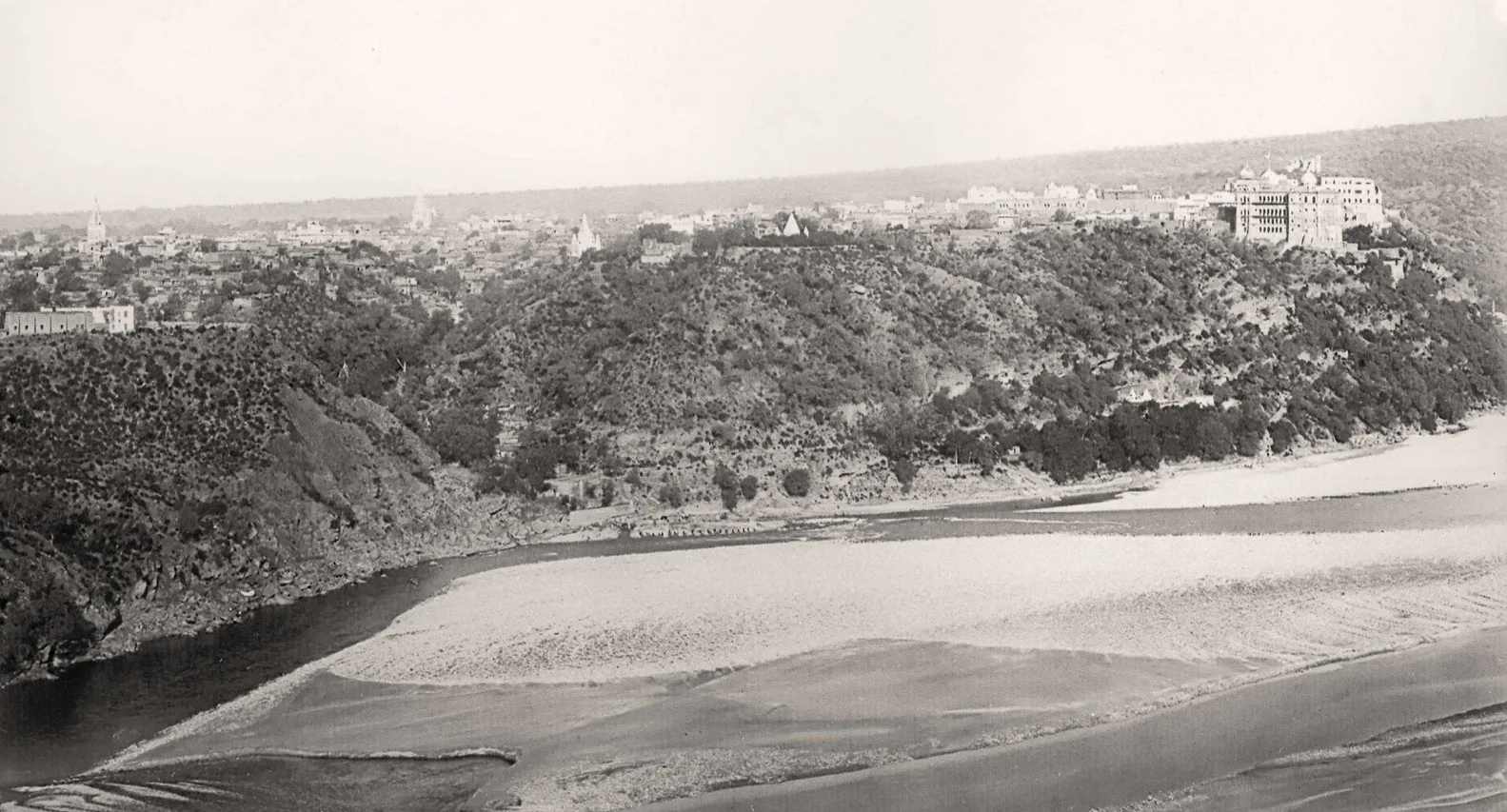
Bahu Fort stands on a hilltop across the Tawi, and inside it is the Bawe Wali Mata temple, dedicated to Kali, which some sources place second only to Vaishno Devi in devotion. The itinerary lists the fort as open from 5 am to 10 pm, with Bagh e Bahu nearby giving views of the river. Late afternoon is ideal, when the light softens and the terraces fill with families.
Amar Mahal and Mubarak Mandi
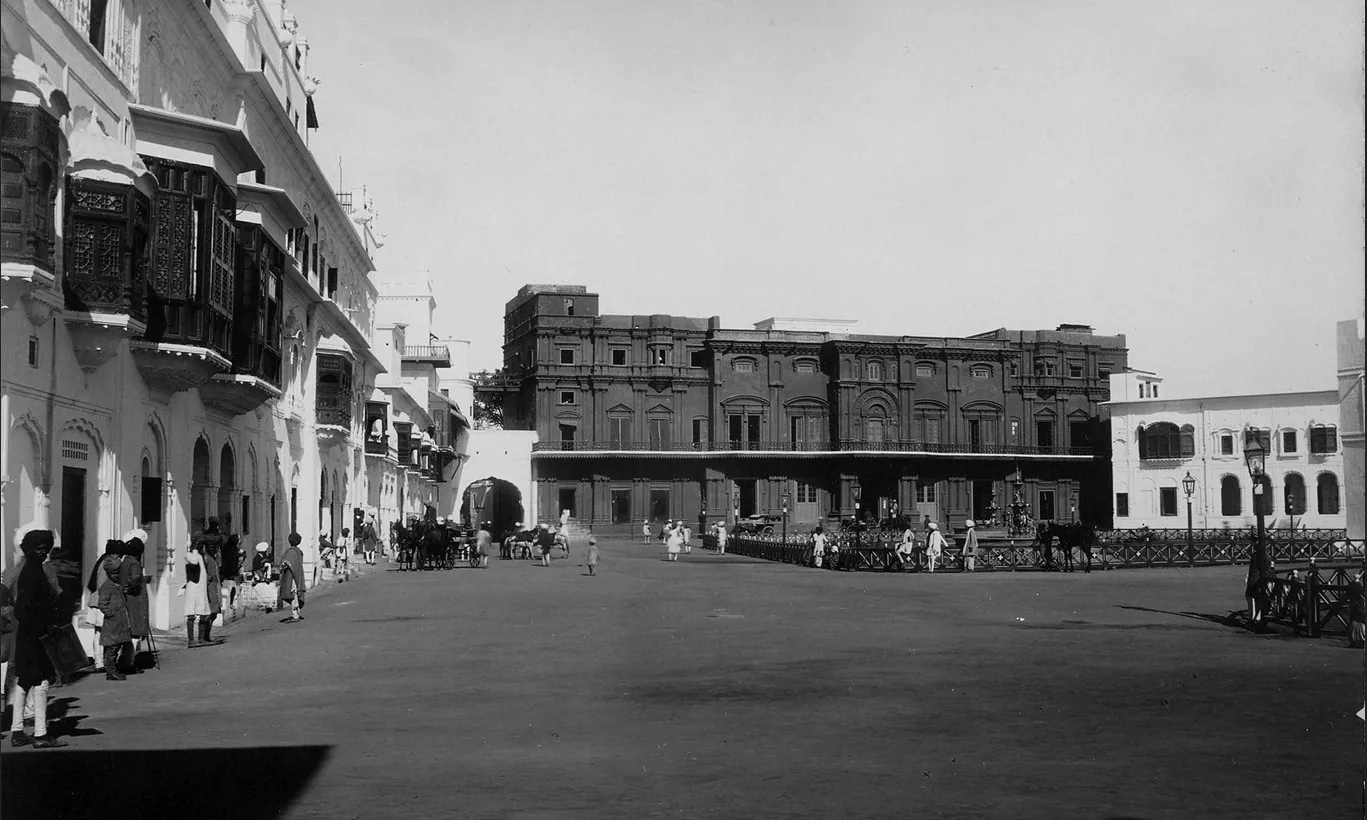
The Amar Mahal, a palace museum on a hillock above the Tawi valley, keeps 9 am to 1 pm and 2 pm to 5 pm hours, and holds the history of the former princely state, including a famed golden throne. The Mubarak Mandi complex has several sections and is open 9 am to 6 pm, plus a gallery of Dogra paintings and a restaurant serving the local cuisine. Together they take half a day.
Peer Kho cave temple
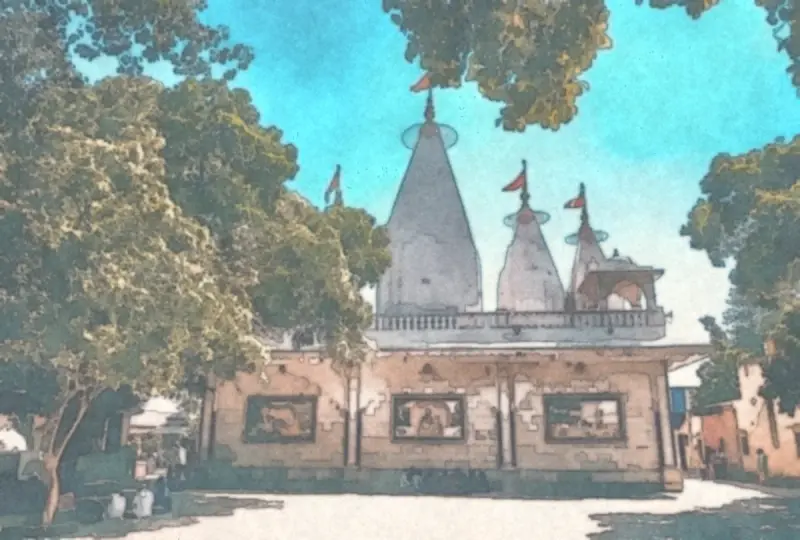
The Peer Kho shrine, linked by legend to Jamvant from the Ramayana, is listed open from 5 am to 7 pm and has gardens around it. It is a quiet evening stop and one of the pleasanter hours in the city.
Vaishno Devi as a day trip
Katra is about 50 km from Jammu, and the official guide says buses and taxis run from Jammu station and the bus terminal. Take your registration slip from the registration counter at the Tourist Reception Centre by the Katra bus stand, since the check post at Banganga will not let you through without it. The Shrine Board track is 13 km, a figure Incredible India rounds to 12, and the police guidelines list video cameras, tobacco, knives and lighters among items restricted beyond Banganga. A helicopter service runs from Katra to Sanjhi Chhat. The favoured times are May to June, New Year and the Navratri weeks. A night in Katra before the walk makes the day easier.
What to eat
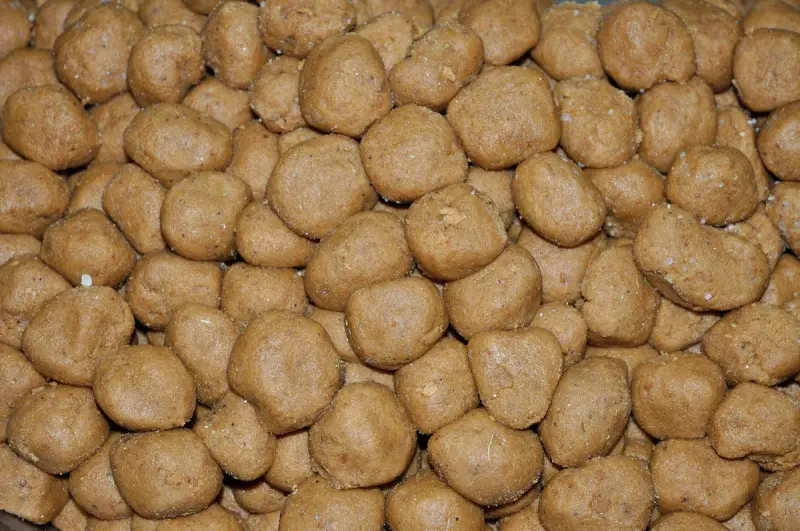
Outlook Traveller suggests kahwa with lavasa or sheermal for breakfast, regional food at Mubarak Mandi for lunch and vegetarian meals near the Vaishno Devi Bhawan. The city has local dining rooms serving Jammu cuisine, which is a good way to end a day of temples.
Dress, manners and small advice
Jammu's temples ask for the usual courtesies: cover shoulders and knees, remove footwear, cover the head where asked and keep voices low.
Carry small notes for offerings, and keep valuables out of sight in bazaar crowds.
Photography is restricted at several sanctums, so ask before raising a camera.
Water and sunscreen matter in the plains heat, and a light scarf serves for both a shrine and a hot afternoon.
If you are planning the shrine walk, pack light, wear shoes you have already broken in, and keep a small torch for early starts.
Getting there
Jammu has Satwari airport for domestic flights, Jammu Tawi junction for trains and National Highway 44 for road. From Jammu Tawi, Vande Bharat trains now run on to Srinagar in about 4 hours 40 to 50 minutes, with a weekly rest day for each pair, so Jammu works well as the first night before the valley. Check IRCTC for how you reach Jammu from Delhi.
A two day plan
Day one: the Raghunath Temple and its bazaar in the morning, lunch at Mubarak Mandi and the Dogra Art Museum, the Amar Mahal in the afternoon, and Bahu Fort at golden hour. Day two: an early start for Katra, with a night there if you intend to walk, or a day trip if you take the helicopter. Before you leave Jammu, leave heavy bags at your hotel, carry ID and your registration slip, and wear shoes that suit a long walk. Return in the evening for a late meal, and keep the cave temple for the next morning if you are staying on.
Season and stays
Jammu is hot in summer, so plan sightseeing early and late. Winter is gentler, and Navratri brings crowds to Katra. Hotels range from heritage stays to dharamshalas near the shrine routes, and the tourism pages suggest booking early in the busy weeks.
Laladham to Jammu and Katra
Laladham picks you up in Delhi from the airport, a station, your home or hotel, and plans the Jammu and Katra trip with a train or flight for the long leg and a driver on the ground. Share your dates on the [book page](/book) and ask for a quote.
Questions, answered
How far is Katra from Jammu?
About 50 km, by bus or taxi.
Do I need to register for the shrine?
Yes, before the walk begins, through the Shrine Board.
When is Bahu Fort open?
Outlook Traveller lists 5 am to 10 pm.
What is the Mubarak Mandi?
A former royal residence, now a gallery and dining spot.
Which airport serves Jammu?
Satwari, with Jammu Tawi as the main railway junction.
When should I avoid Vaishno Devi?
Incredible India advises avoiding late July to early September, and December and January are cold.
Is there a train from Jammu to Srinagar?
Yes, Vande Bharat trains take about 4 hours 40 to 50 minutes.