This is the planning page. It answers the questions people ask before they book, and points you on to the fuller four, five, six and eight day plans when you are ready.
Is it right for you?
The triangle suits first-time visitors, families with elders and anyone with a week or less. It does not suit people who dislike crowds, because the Taj and Amber are among the busiest monuments in India, and it can feel repetitive to those who have seen the three before.
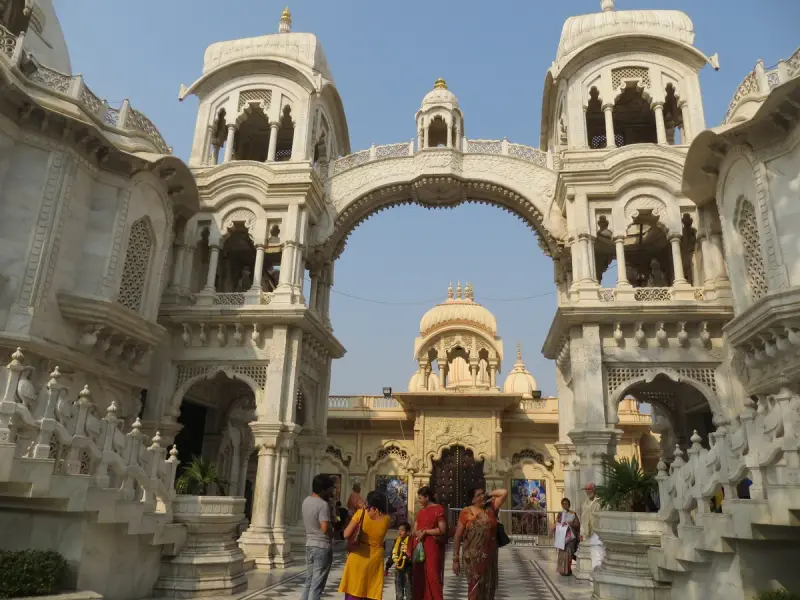
If you have been once, think about swapping Jaipur for Udaipur, or pairing Agra with Mathura and Vrindavan, which gives the loop a spiritual centre the standard route lacks.
The Taj: Friday, tickets and the one view worth the queue
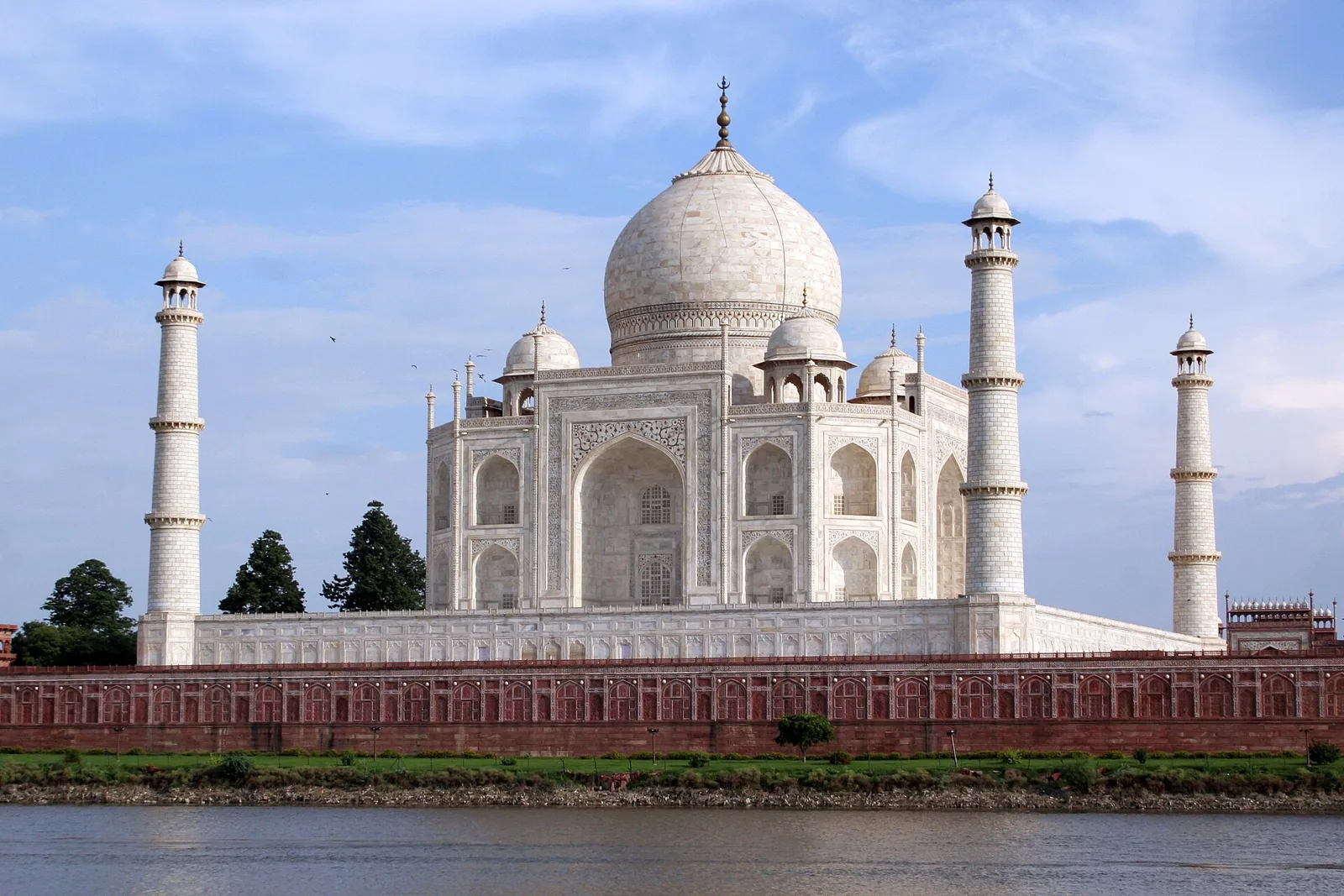
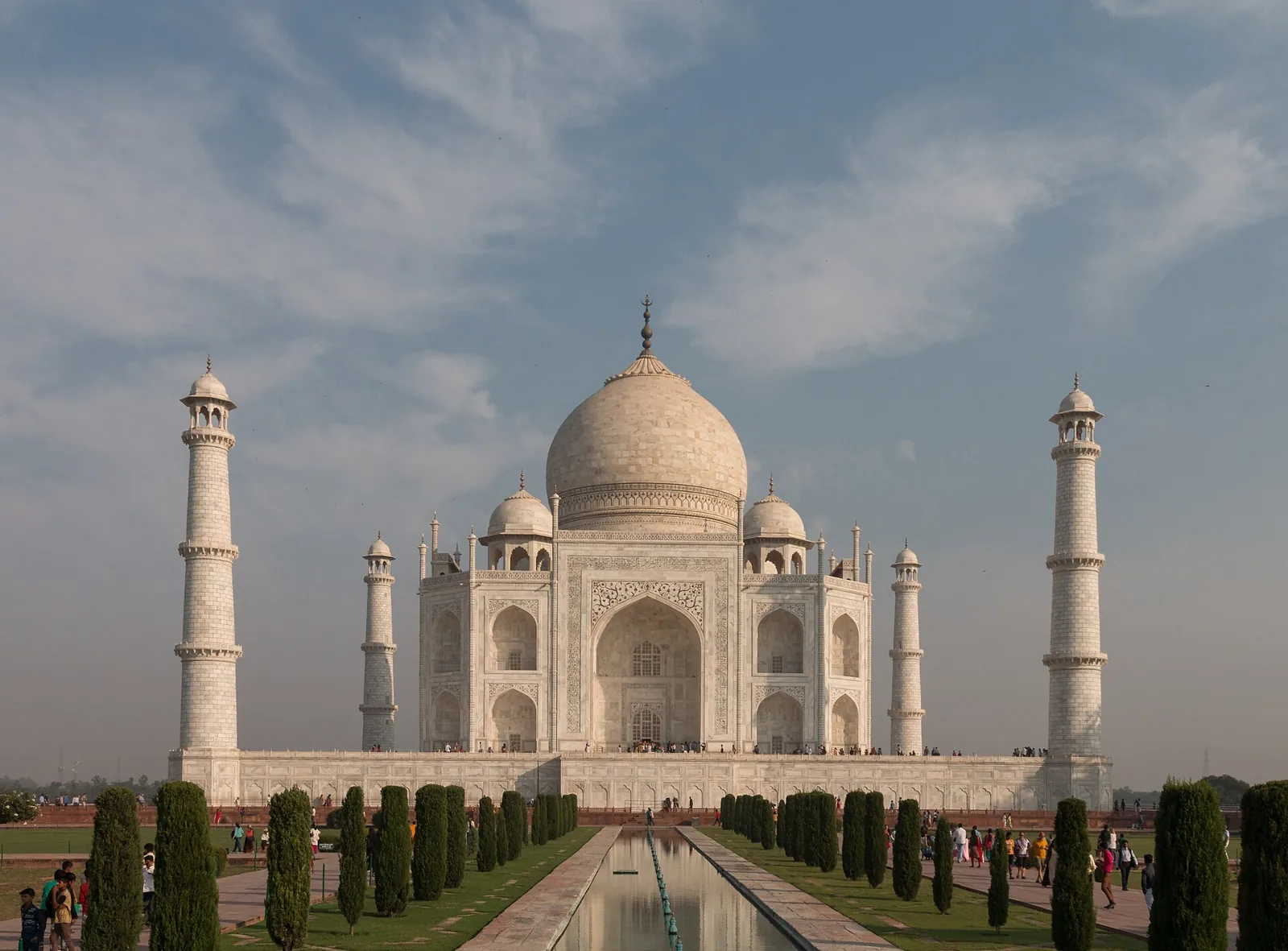
The Taj is open from sunrise to sunset and closed on Fridays except for a mosque prayer window in the middle of the day, which is the single fact that breaks more itineraries than any other. The site museum keeps shorter hours and is also shut on Fridays. A day ticket is cheap for Indian visitors, with an online discount, and much dearer for foreigners, with a separate extra charge to enter the mausoleum itself. Children under 15 are free. Confirm the figures on the ASI site, because they have been revised before.
Go at opening, not midday. Sunrise is when the light is soft and the crowd is the thinnest, and a half-hour later the line is already long. Night viewing is a different thing, held only around the full moon, in half-hour batches of 50. Press accounts say you are stopped at a distance of several hundred metres from the monument, and cannot get closer, so it is for the glow and not for photographs.
Agra Fort, and why to see it second
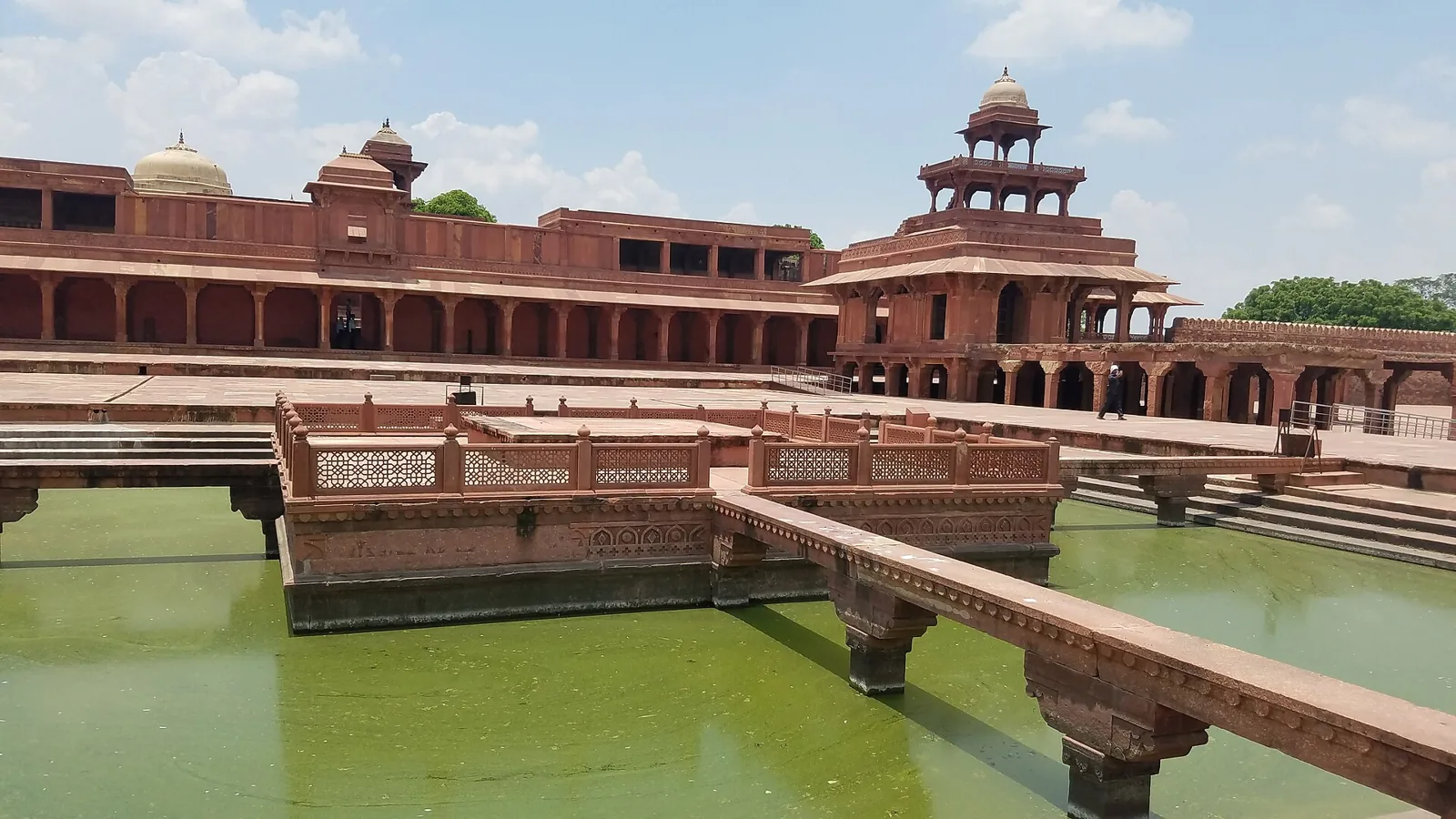
Agra Fort opens at 6 am and closes at 6 pm, stands on the Yamuna about 2.5 km from the Taj, and is the better place to understand the Mughal court. Look for Khas Mahal and the Musamman Burj, both with views back at the Taj, the Diwan-i-Khas that held the Peacock Throne, and the Sheesh Mahal with its mirrorwork. The fort had ventilation and an underground water system that cooled rooms in the hot months, which you can feel in the shade.
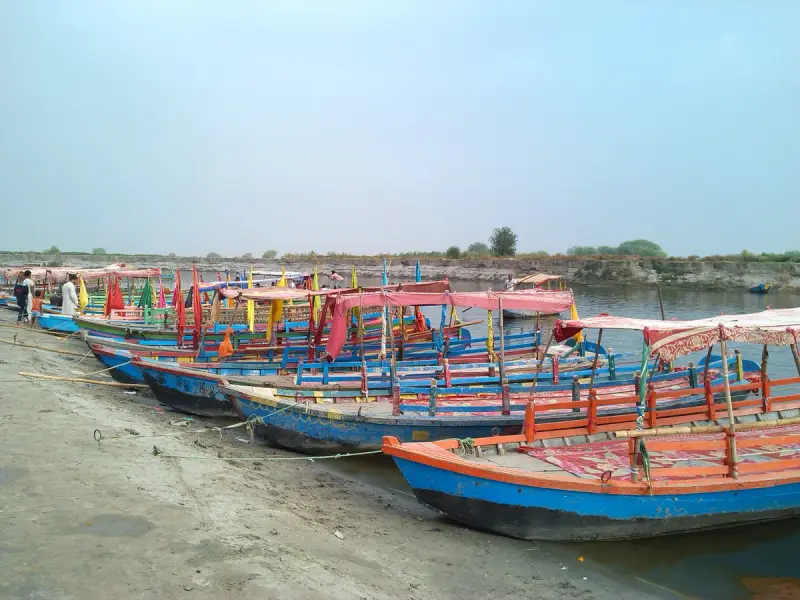
Take the Taj in the morning and the fort in the late afternoon, when the red stone turns, and you will have had both at their best.
Jaipur: three monuments and the bazaars
Amber Fort is listed from 8 am to 5:30 pm, with an Indian ticket around Rs 25 and a foreign one around Rs 550, though portals disagree on hours, so confirm. Visitors can ride up by elephant or jeep; welfare groups have urged people to avoid the elephant, and the jeep, around Rs 450 on one listing, is the easier choice. Inside are carved halls, mirror work and wide courtyards.

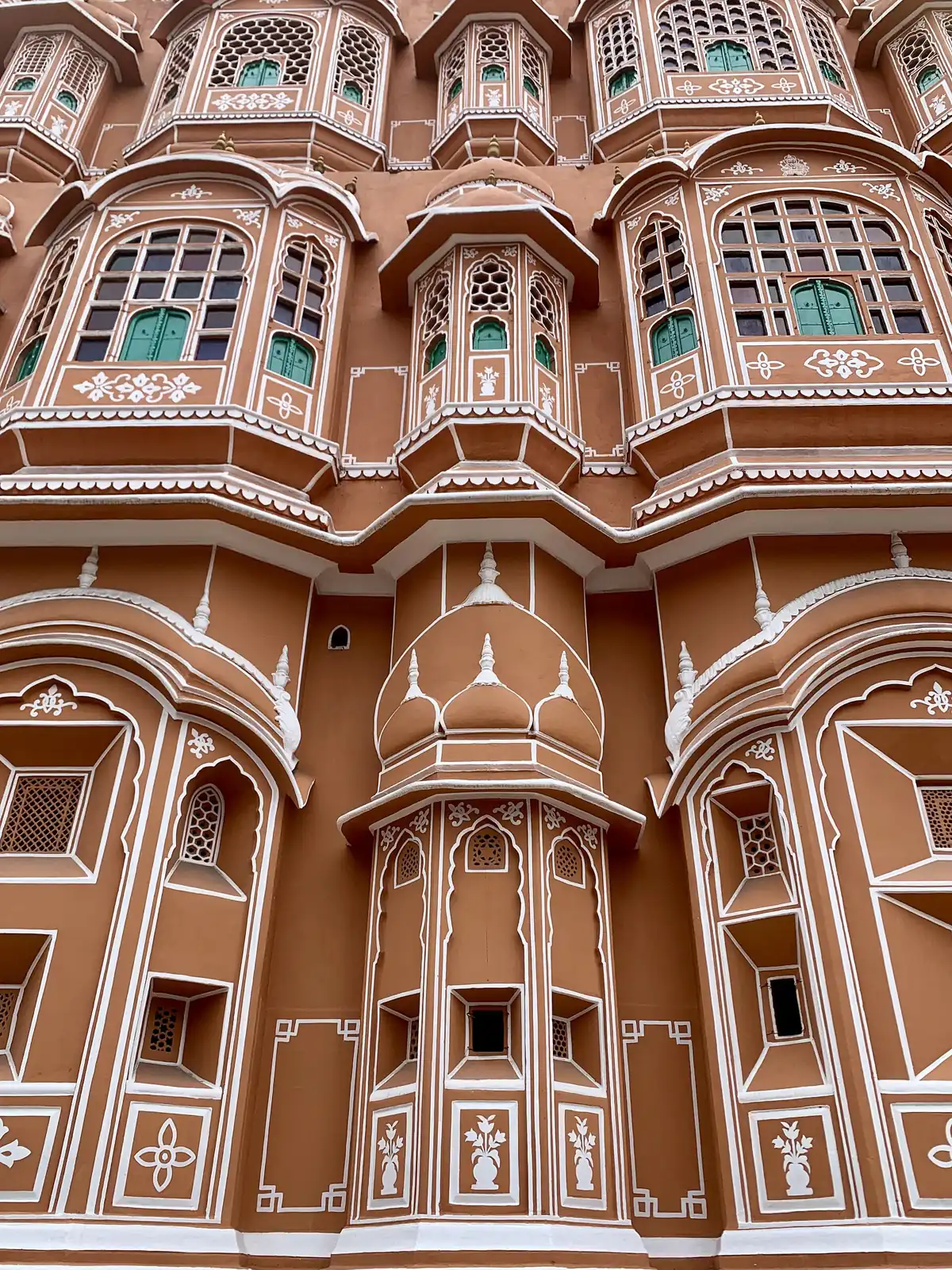
The Hawa Mahal, built in 1799 with 953 windows, is open 9 to 4:30 and best seen from across the street in the morning. The City Palace runs 9:30 to 7 and holds the Peacock Gate, the Mubarak Mahal and the Chandra Mahal. Then the bazaars: Johari for jewellery, Kundan and Meenakari, Bapu for textiles and jootis, and Tripolia for bangles, lac jewellery and ironware. Eat dal baati churma and ghewar at Laxmi Misthan Bhandar, pyaaz kachori at Samrat and lassi at Lassiwalla.
How many days
Four days is the minimum and feels like a sprint. Five works best, with a day in each city and two driving mornings. Six or seven adds Fatehpur Sikri and a slow Delhi day, or Mathura and Vrindavan. Fewer than four, do one city well instead. Give Agra at least a night so you can be at the Taj at opening.
When to go and how to move
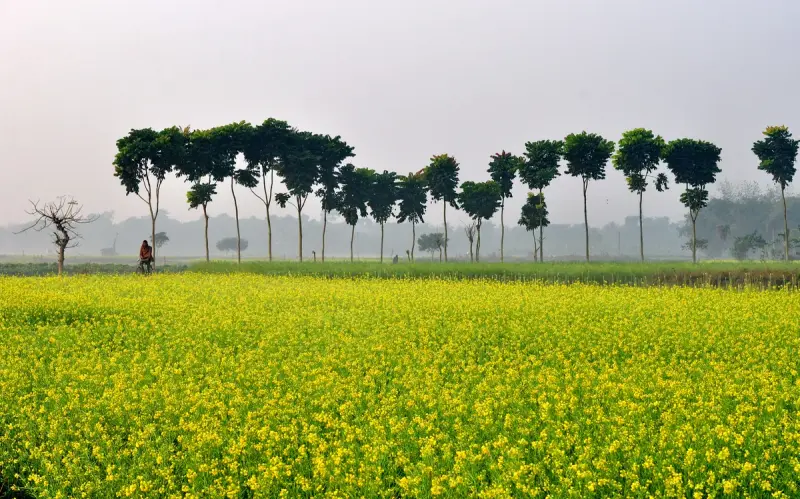
October to March has clear skies and gentle sun. December and January bring fog that can slow the early highway and delay flights, so leave a buffer. April to June is hot, and July to September is wet but green. The road from Delhi to Agra is a fast expressway, about 165 km and a morning's drive by the usual reckoning, and trains are good on the two legs that start in Delhi. Agra to Jaipur is easier by car, which also lets you stop at Fatehpur Sikri or Abhaneri.
One driver for the whole loop is simplest, and lets you shift the Taj to whichever day it is open.
What the days feel like
The first day is adjustment: you land, sleep badly, and step into traffic that seems to have no rules. By the second day your eyes have learned to read it. Agra then arrives as a calm marble pause, and Jaipur is the moment the trip lightens. Build in a loose last afternoon, because by then you have stopped trying to see everything and started to simply watch.
Let Laladham run the loop
Laladham picks you up in Delhi from your home, hotel, the airport or a station and runs the whole triangle with one driver: the Taj timed to its open day, stays chosen near the sights, and a route that follows your pace. Tell us your dates on the [book page](/book) and ask for a quote.
Questions, answered
Is the Taj Mahal closed on Fridays?
Yes, apart from a midday window for prayer in the mosque, so plan the Agra day for another weekday.
Can I see the Taj at night?
Only on a few moonlit nights a month, in small timed batches.
How far is Agra?
Roughly 165 km on the expressway, a morning drive.
How many days do I need?
Five suits the three cities well, while four is a sprint.
Should I ride the elephant at Amber?
Welfare groups advise against it. A jeep is the easier way up.
When is the best season?
October to March, though December and January fog can delay mornings.