This guide treats Gaya as a destination of its own: what Vishnupad is, who can enter, what else the riverbank offers, and which day trips matter. For the great Buddhist temple, see our [Bodh Gaya, Nalanda and Rajgir plan](/blog/bodh-gaya-nalanda-rajgir-3-days).
The river that does the work
The Phalgu, which the Ramayana calls Niranjana, is the reason for the town. Incredible India ranks Gaya with Varanasi and Allahabad as the trio of sites for last rites, and the district site records that Rama came here to perform pind daan for his ancestors. The Bihar tourism page adds the Ramayana story of Dasharatha's rites, with a mention in the Mahabharata.
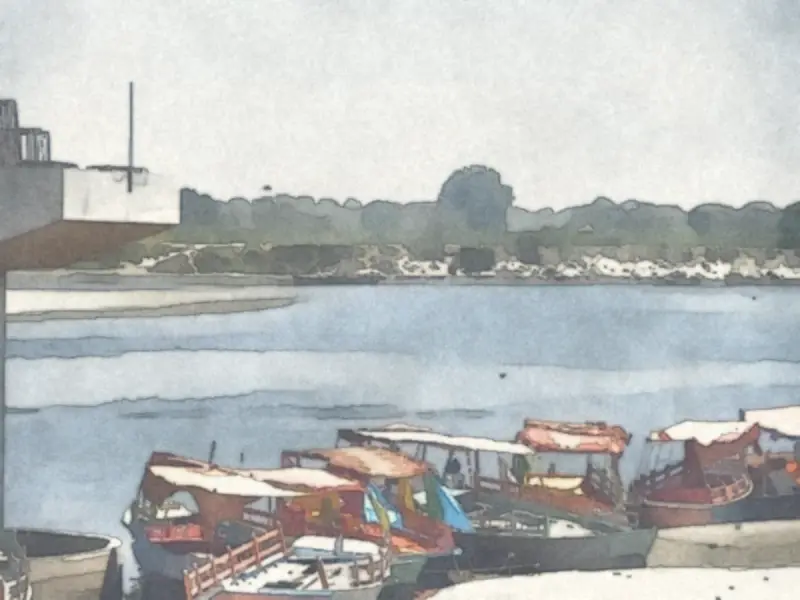
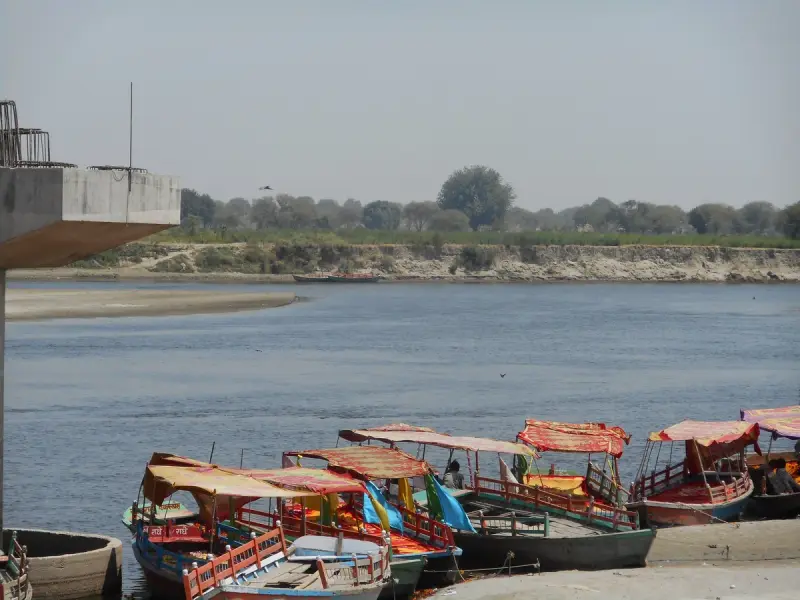
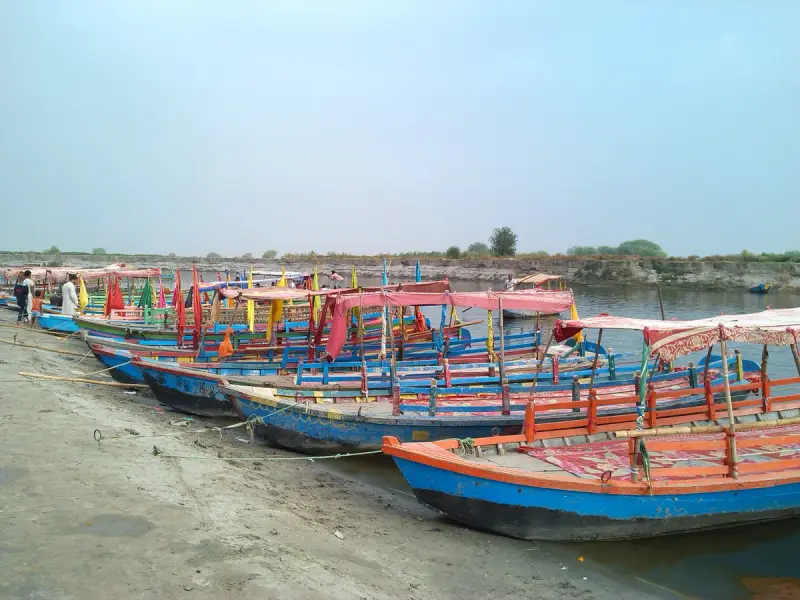
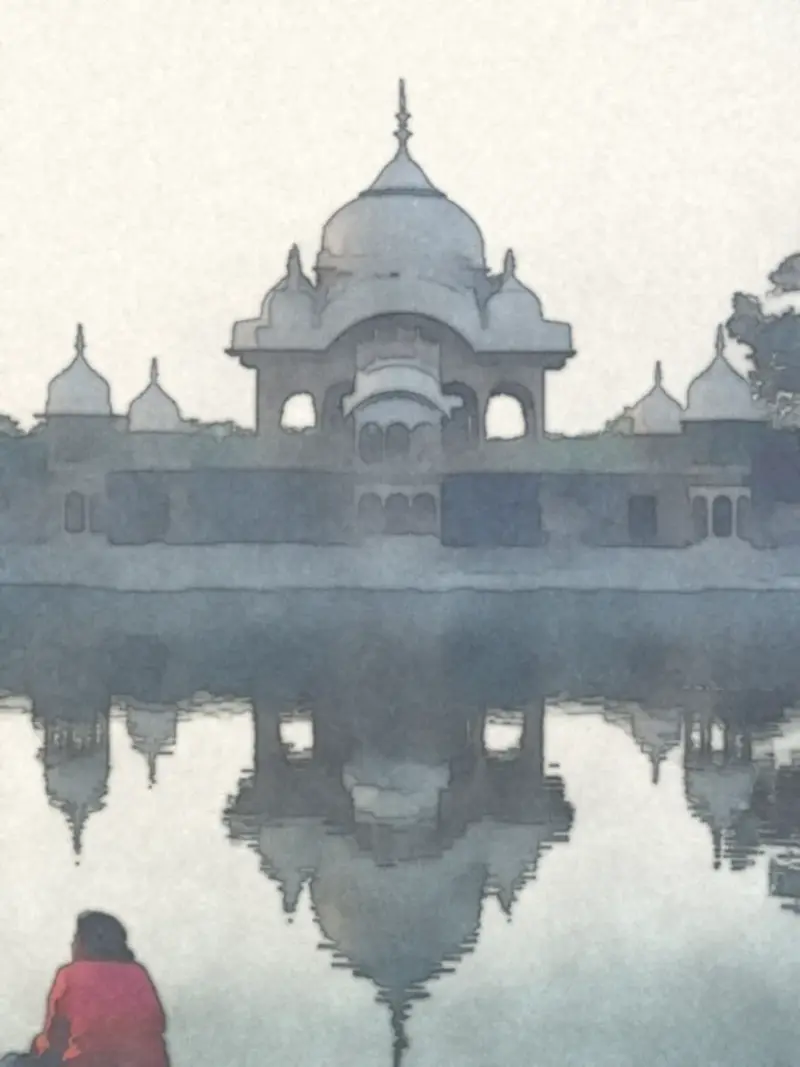
The river is often a wide, dry sandy bed outside the monsoon, as in the photograph above, and the ritual happens on its banks and at the riverside shrines. The portal says the ghats and shrines along the riverfront are open to anyone, which is useful because Vishnupad itself is not.
Vishnupad Temple, and who may enter
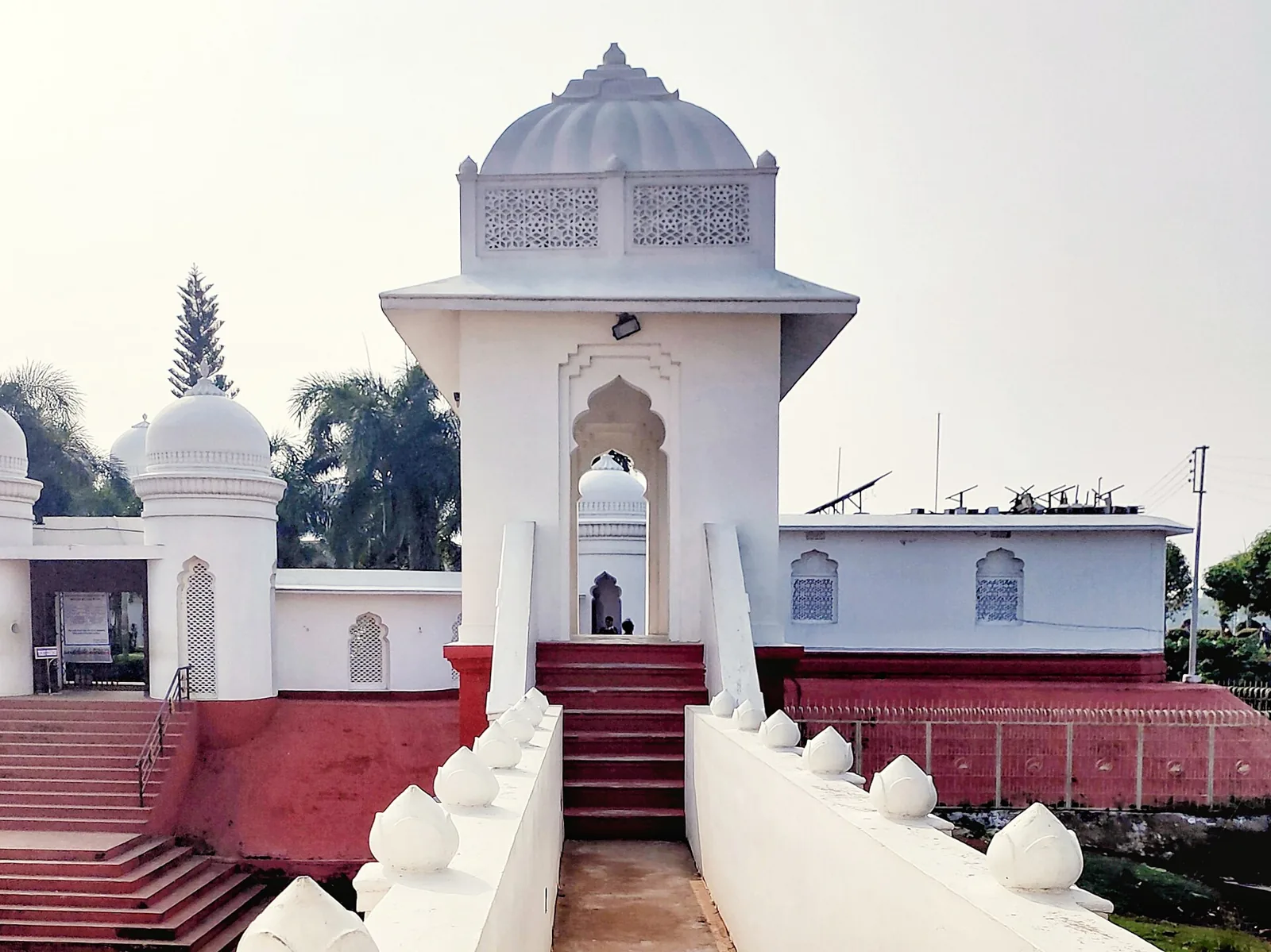
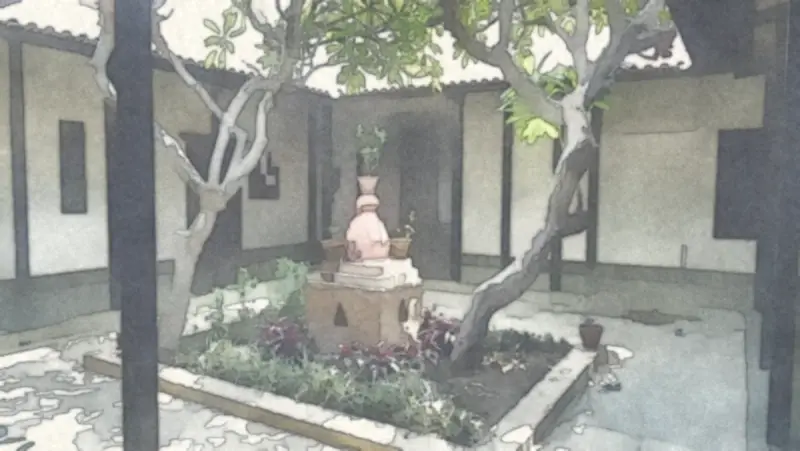
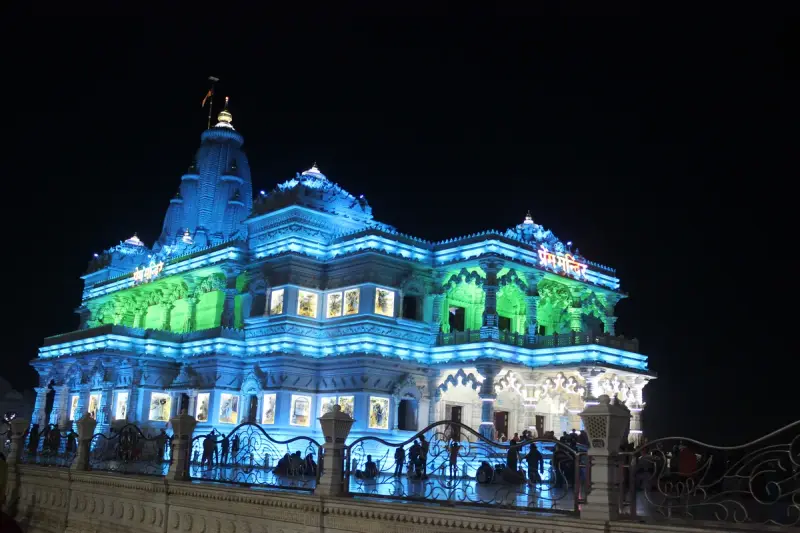
Vishnupad stands on the river bank, rocky ground on three sides and water on the fourth. Bihar Tourism says Queen Ahilyabai built the present temple in 1787. At its heart is a footprint of Vishnu cut into a block of basalt, tied to the story of Gayasur, whom Vishnu pinned with his foot. The district page notes that Buddhists read the same footprints as the Buddha's.
Incredible India states that the temple is not open to non-Hindus. If you are not Hindu, do not argue at the gate: walk the riverfront instead, where the portal says no such limit applies. For those who may enter, Bihar Tourism lists rules that are stricter than most: no mobiles, cameras or other gadgets, modest dress, bare feet and silence during prayers. Leave your phone with whoever is minding your shoes, or at your hotel.
Akshayavat, Mangla Gauri and the hills
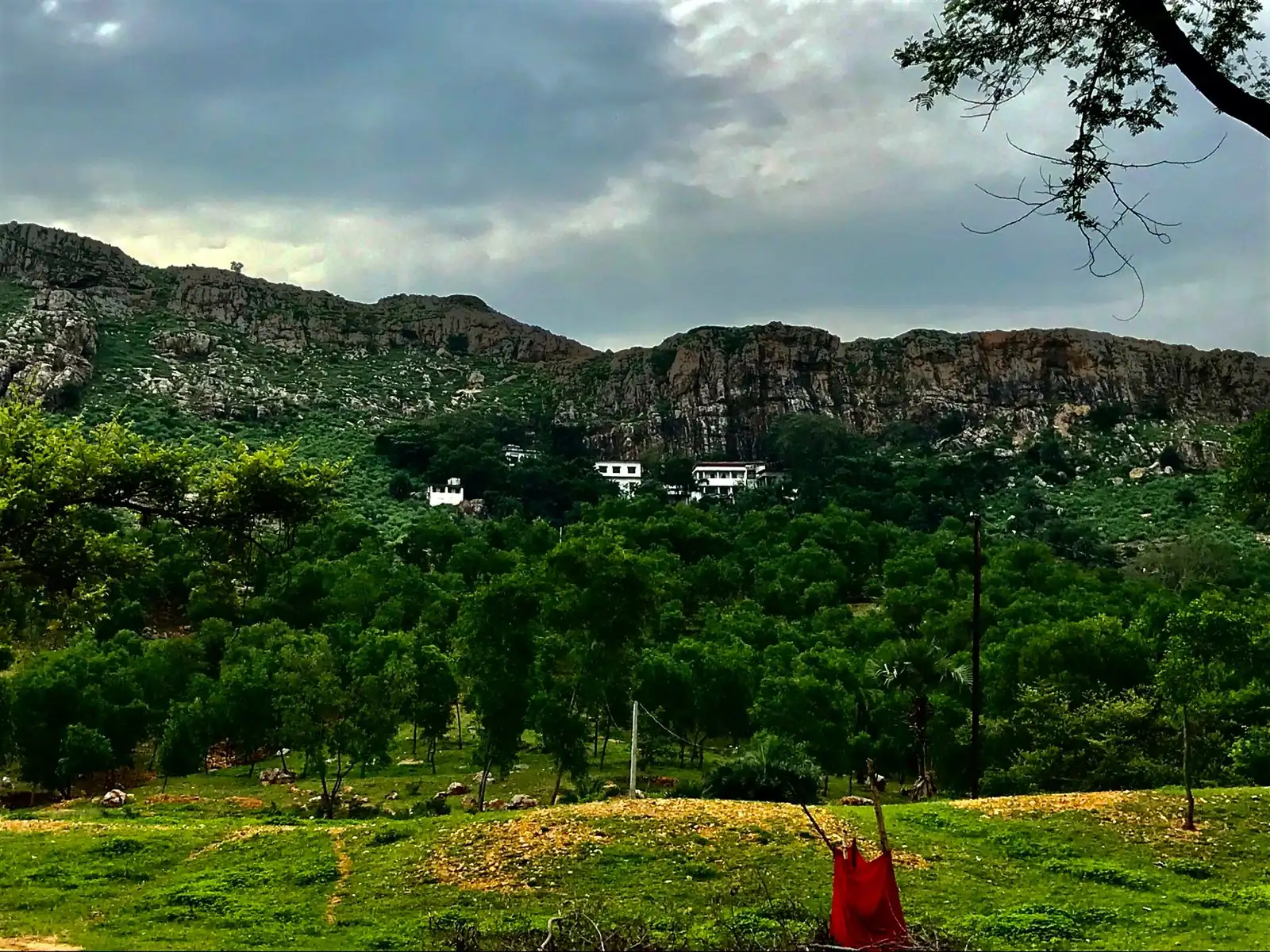
The district site lists the sights around Vishnupad. A peepal tree called Akshayavat on the Phalgu bank is held sacred by Hindus. Mangla Gauri is a hilltop shrine where two rounded stones symbolise the breasts of the goddess Sati. Beyond these, the hills named Mangala-Gauri, Shringa-Sthan, Ram-Shila and Brahmayoni enclose the city on three sides.
Do the hill stops early in the day and carry water, since none of them is a place to find shade at noon.
Pitripaksha, and the crowds you should expect
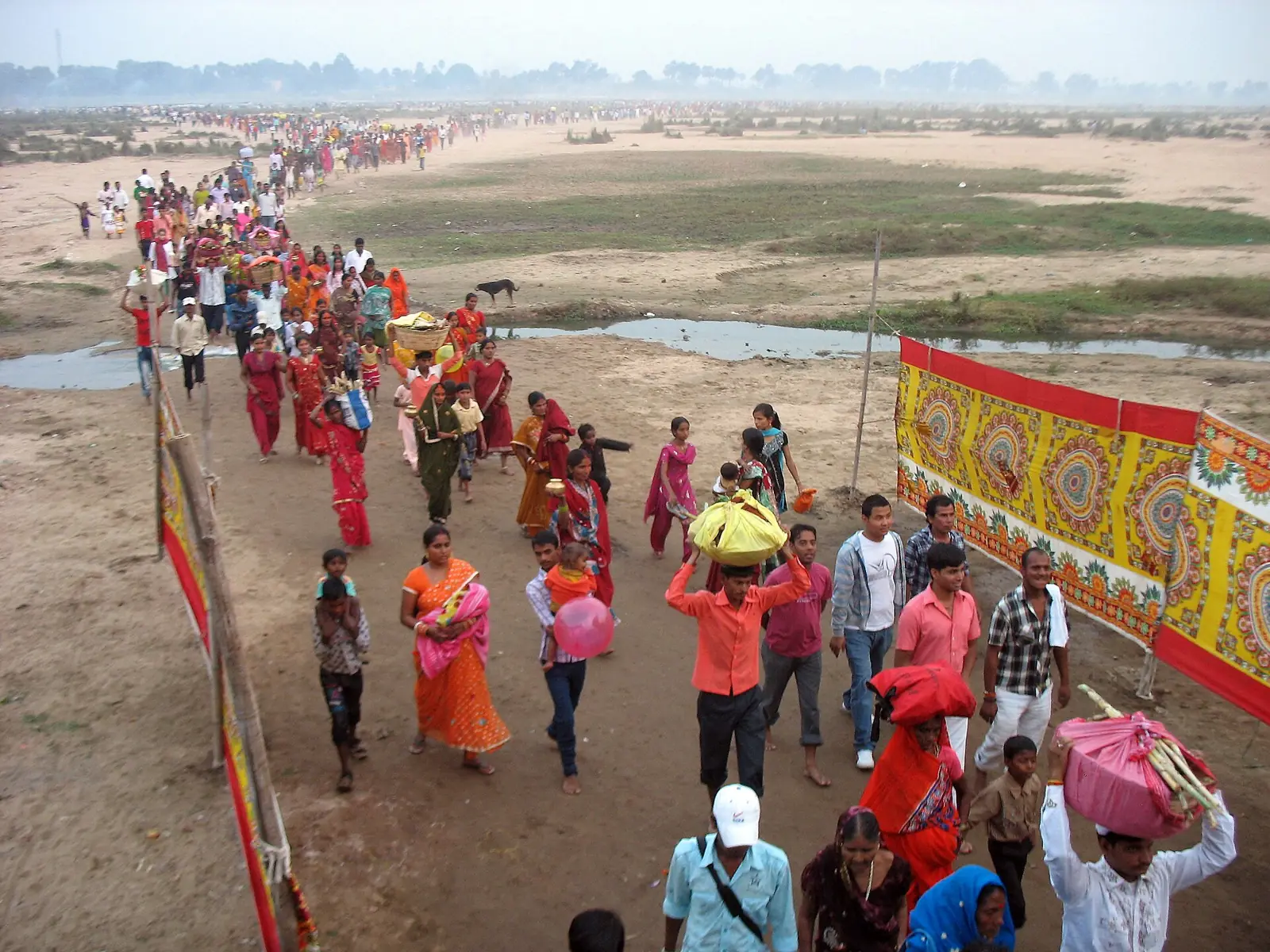
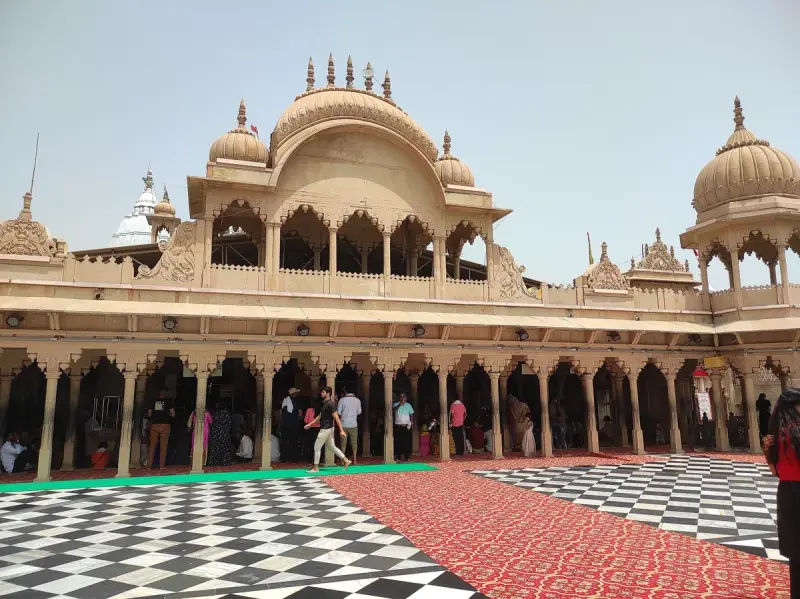
The Times of India reports that lakhs of people visit Vishnupad every year, particularly during the Pitripaksh Mela. If your dates fall near it, book rooms very early, expect the lanes around the temple to be shoulder to shoulder, and leave for the river before the sun is high.
The same report describes a planned Vishnupad Corridor: about Rs 61 crore for a 144-foot corridor from the Ghughritand bypass, a visitor facilitation centre, an entrance from the river and a bus stand across 1.28 acres. These are plans from 2025, so do not assume the approach looks the way it does in older photographs, and ask locally what is finished.
Barabar, the oldest rock-cut caves in India
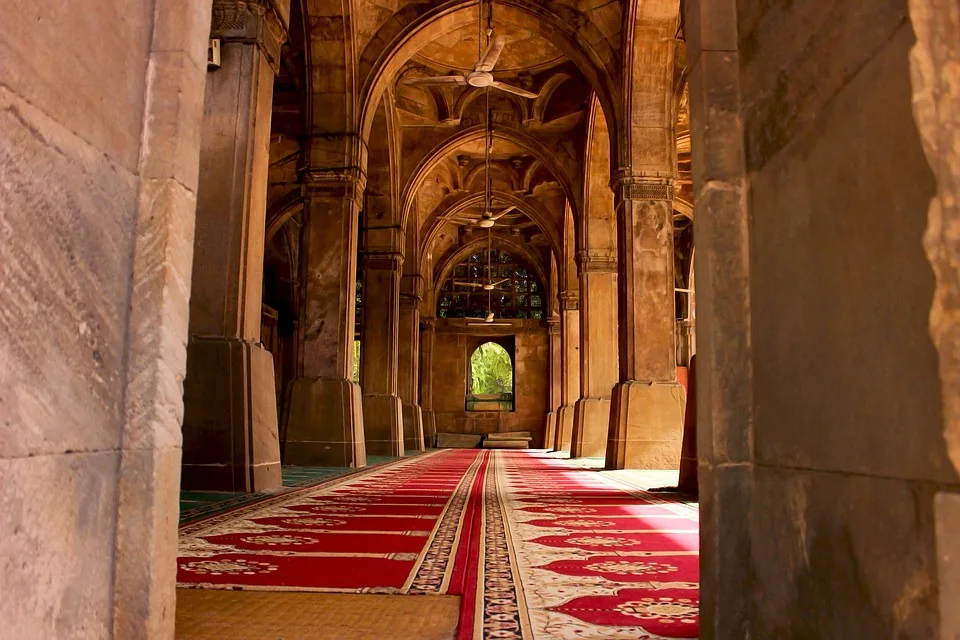
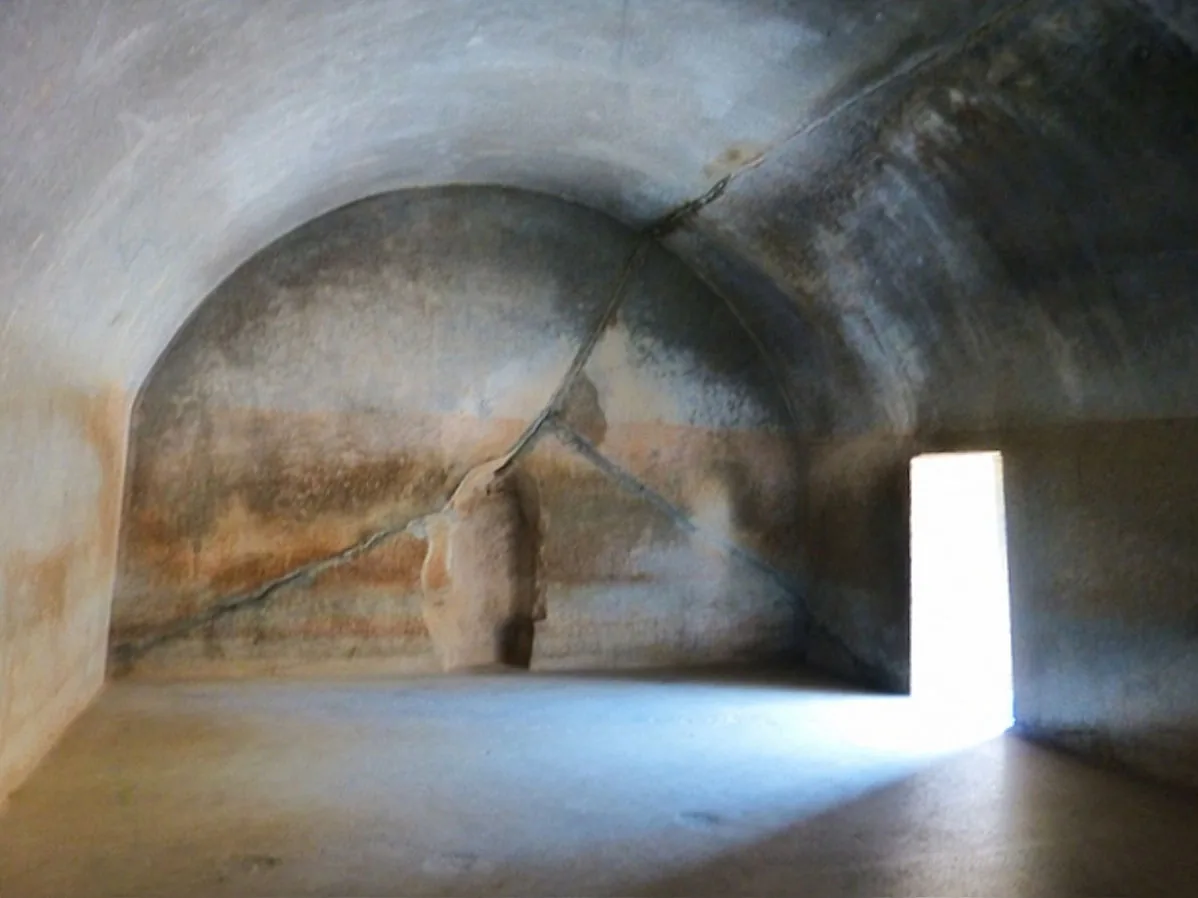
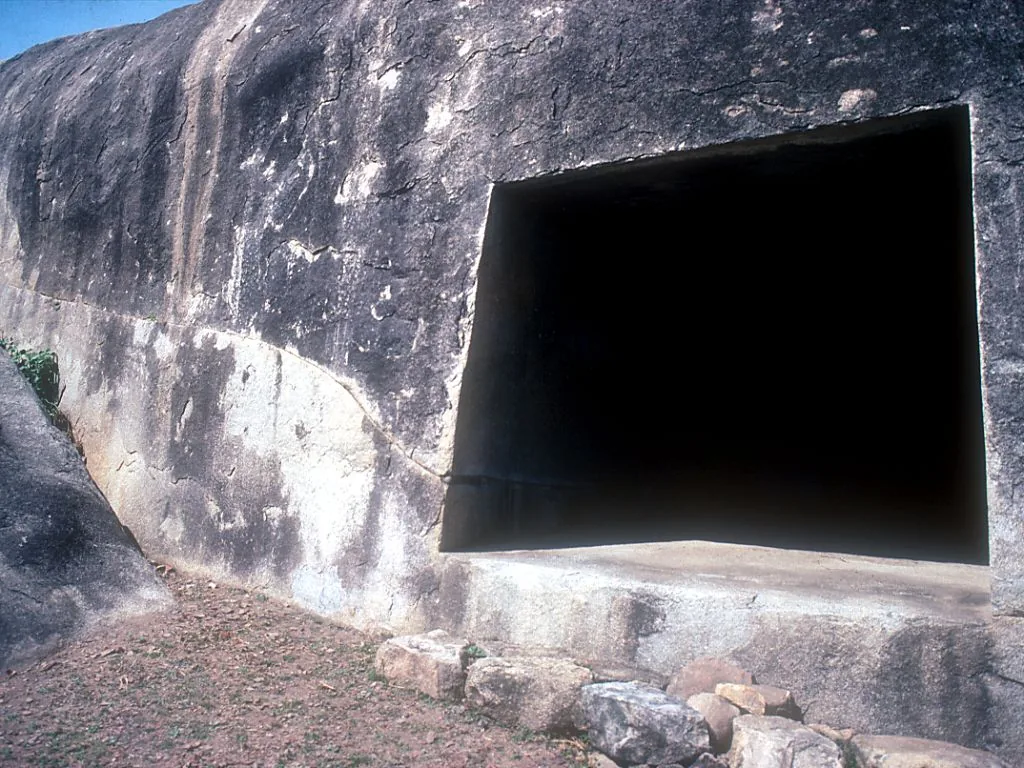
Barabar lies 24 km north of Gaya, along what the portal calls a bumpy jeep road. The four caves date from the third century BC and were cut for Ajivika ascetics on the orders of Ashoka. The two best are Lomas Rishi and Sudama. The stone inside is polished to a lustre, and the rooms copy round wood and bamboo huts, with grooves in the walls like strips of bamboo. The Lomas Rishi facade has latticework and a row of elephants honouring stupas.
E M Forster's Marabar Caves in A Passage to India were inspired by these, according to the portal. Go in the morning and bring a torch, because the interiors are dark and the echoes are strange. The track is the reason to hire a vehicle rather than rely on a shared one.
Dungeshwari Hills
Tradition says the Buddha meditated in a cave here for six years before he went to Bodh Gaya, and the caves now hold temples.
Local tradition
Dungeshwari lies 12 to 15 km from Gaya along the Falgu, per Incredible India. The Chinese traveller Hiuen Tsang mentions these hills in his writing. The Gaya district site puts the road distance at 22 km, so ask your driver which route the day will take.
Combine it with Sujata village, which the district page places 2 km from Bodh Gaya.
Bodh Gaya, briefly
The Mahabodhi Temple, the Bodhi Tree and the monasteries of many nations sit in Bodh Gaya, within the district. The district site gives the 80 ft Buddha statue's visiting hours as 7 am to 12 noon and 2 to 6 pm, and says the Archaeological Museum is generally closed on Fridays. A full day there is easy to fill, so treat it as a separate day from the Gaya sights.
When to go and how to get here
Bihar Tourism recommends September to April for Vishnupad, and winter is the comfortable time for the Barabar track too. Gaya is about 100 km from Patna per the district site, and there is an airport and a junction at Gaya itself. Rickshaws are the local transport inside the city.
For plans around Delhi, [trains from Delhi to Gaya](/trains/delhi-to-gaya) are the straightforward choice, and a night train saves a hotel.
Laladham for Gaya
Laladham can plan this from Delhi: pickup from the airport, a station, your home or a hotel, a flight or a train to Gaya, a driver for Barabar and Dungeshwari, and rooms to suit your family. Send your dates on the [booking page](/book) and ask for a quote.
Questions, answered
Why is Gaya important?
Hindu tradition makes it a place to honour ancestors, and the Ramayana has Rama doing exactly that here. Buddhists and Jains also have stories in the district.
Can non-Hindus enter Vishnupad Temple?
No, the portal says plainly that it is closed to them. Everyone can use the riverfront ghats and shrines.
Can I take my phone inside Vishnupad?
Bihar Tourism says no to mobiles and cameras there, so leave them at the hotel.
Is Barabar worth the rough road?
Yes if you care about early India. The caves have a mirror-like finish and are the earliest of their kind in the country.
How far is Gaya from Patna?
About 100 km, per the district website.