How CP was laid out
The district was designed by Robert Tor Russell, the Public Works Department's chief architect, after the architect first meant for it, W. H. Nicholls, left India in 1917. The site before it was a ridge of kikar trees with jackals and wild pigs, where people from Kashmiri Gate hunted partridge at weekends. Russell planned a two-storey development, shops below and homes above, around an Inner Circle, a Middle Circle and an Outer Circle, joined by seven radial roads. He also wanted a central park where shoppers could rest, and turned down a plan to put New Delhi's railway station inside it, suggesting Paharganj instead. That is why the park still sits in the middle and the trains stay away.
Getting in: the metro and which exit to take
Delhi Tourism suggests a bus, auto or taxi, but the metro is kinder: Rajiv Chowk lies beneath the park and Patel Chowk is the stop for Jantar Mantar. Underground, follow the gate signs, because exits drop you at different blocks and the wrong one can add ten minutes in the heat. Autos wait at every block; insist on the meter or use an app. At the station, ignore anyone who offers a free tourist office, which is not one.
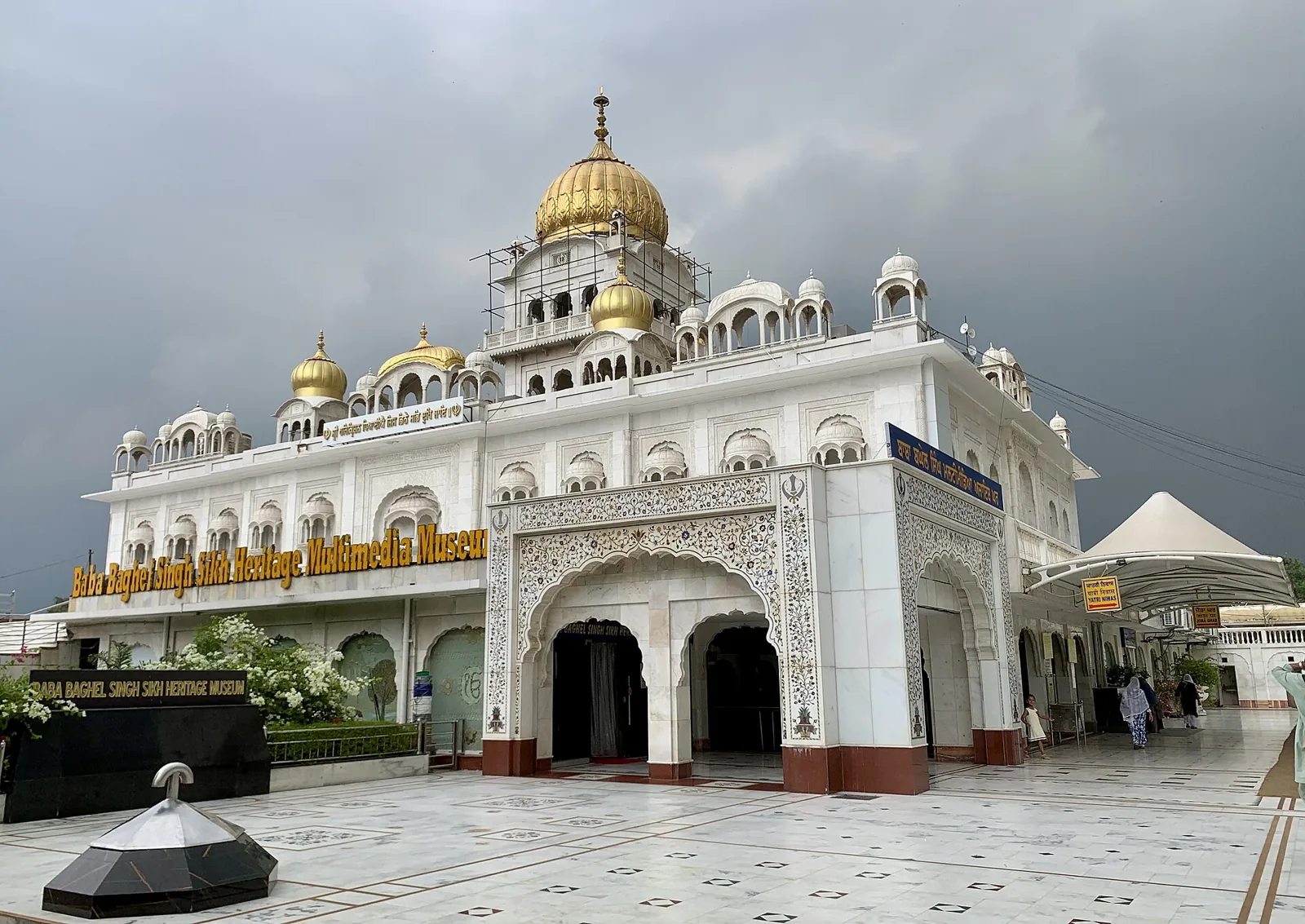
Jantar Mantar: the sky in red and white stone
Jantar Mantar is open every day from sunrise to sunset on Parliament Street, with a ticket of Rs 25 for Indian visitors and Rs 300 for foreigners; video costs Rs 25 extra and still photographs are free, according to Delhi Tourism. Maharaja Jai Singh of Jaipur built it in 1724, finding the instruments of his day too small for accurate readings, and later built observatories at Ujjain, Varanasi and Mathura. The name joins yantra, meaning instrument, and mantra, meaning formula. Tall buildings around it now block real observation, so treat it as sculpture and a lesson. Come in the morning, when shadows are long and the giant sundial's lines are easy to read.
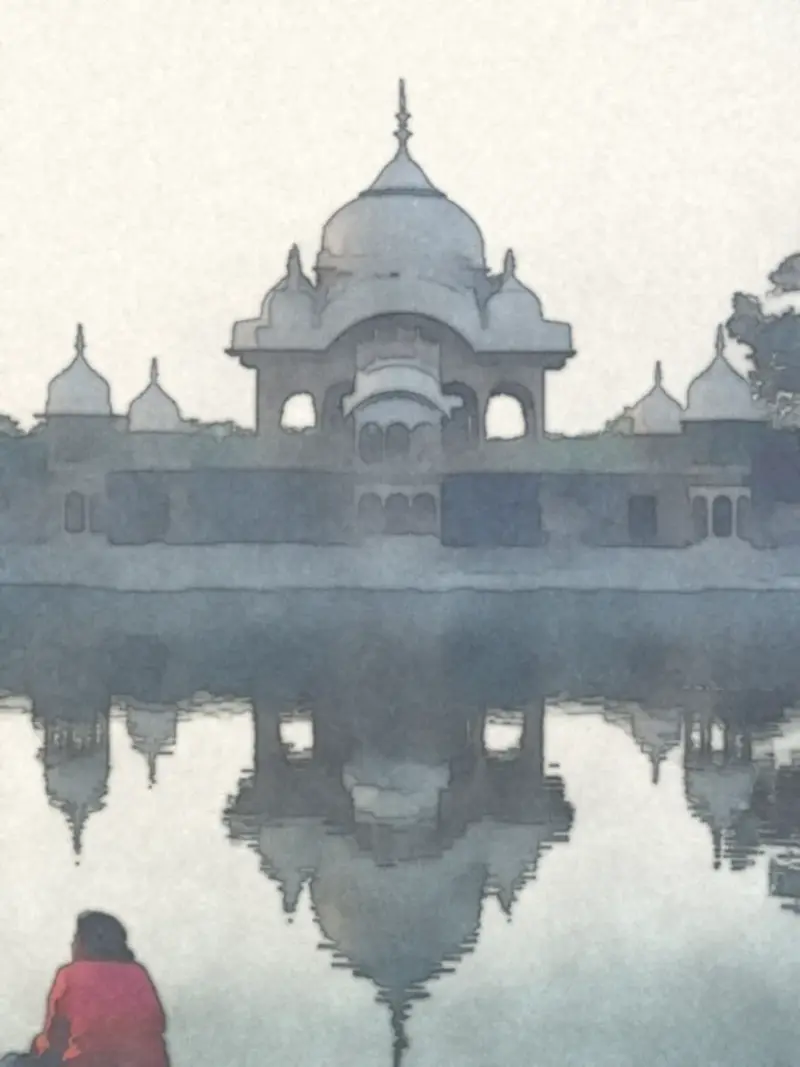
The stepwell among the towers
Agrasen ki Baoli is a fourteenth-century stepwell a short walk from Jantar Mantar, reached by a lane off Hailey Road just before the Consulate General of Malta. It is quieter than almost anything else in the centre. The stairs lead down into cooler air and rows of arched niches, and the contrast with the glass towers around it is the whole point. Allow half an hour. Check the timings and any ticket at the entrance, and wear shoes with grip, because the steps are worn.

Hanuman Mandir, and the churches and gurdwara nearby
The Hanuman Mandir stands along Baba Kharak Singh Marg, a couple of minutes from Jantar Mantar, in the same stretch of the city as the observatory. Tuesdays and Saturdays are Hanuman's days, so the line is longer then; on other days it moves fast. Leave shoes at the stand and buy flowers from the stalls outside if you want to make an offering. Behind the Cathedral of the Sacred Heart, near Gole Dak Khana, is Gurudwara Bangla Sahib, the white and gold gurdwara on Ashoka Road, and Delhi Tourism lists it among the city's Sikh holy places. Cover your head, remove your shoes and wash your feet on the way in, and scarves are available at the gate. The sarovar beside the main hall is where many visitors sit quietly, and the langar serves anyone who walks in; eat what you take. Further on, near Gole Market, the Birla Mandir (Laxmi Narain Temple) is the last easy stop.
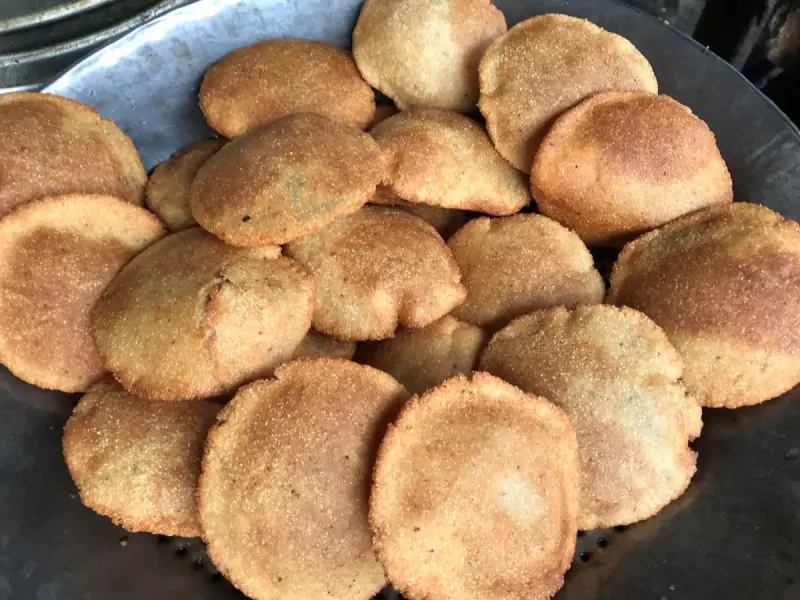
Where to eat and what to buy
CP has restaurants from budget to fast food, and the useful rule is to follow what is cheap and busy. Small places in the inner arcades do butter chicken and dal, sweet counters sell jalebi and chaat, and thali restaurants cover vegetarians. For souvenirs, Delhi Tourism points to the Central Cottage Industries Emporium and the Emporia Complex, both on that same avenue, which have fixed prices, and to Janpath for cheaper shopping where you bargain. Palika Bazaar below the Outer Circle is for electronics, with bargaining and caution.

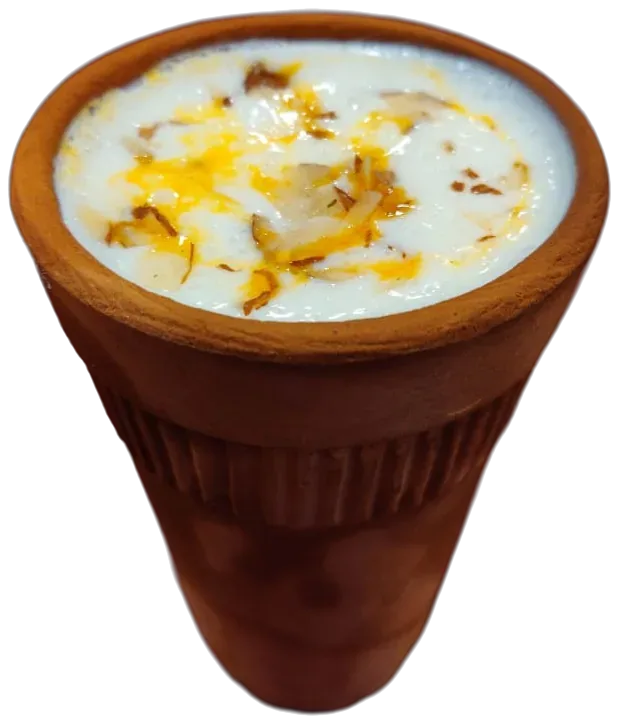

A half-day shape
Start at ten at Patel Chowk and walk to Jantar Mantar, then the baoli before the sun is high. Cross to the Hanuman Mandir, lunch in the arcades and rest. Spend the golden hour at Bangla Sahib and eat in the langar afterwards. A second half day can add the Birla Mandir and Gole Market, and the lawns around India Gate lie a few minutes south. Keep a hand on your phone in the crowded arcades and carry water.
Let Laladham run it
If CP is the start of a longer trip, Laladham meets you at the airport, station, home or hotel, drives the Delhi stops with a driver who knows where to park, and carries on to Agra, Jaipur or Mathura on the same booking. No fixed price is published for city tours, so ask for a quote on the book page.
Questions, answered
Why do people call it CP?
The full name is Connaught Place, the metro station beneath it is Rajiv Chowk, and on the street everyone simply says CP.
How long do I need around CP?
Half a day covers the observatory, stepwell, temple and gurdwara; a whole day if long meals and shopping join in.
What does Jantar Mantar cost?
Delhi Tourism lists Rs 25 for Indians and Rs 300 for foreigners, with video at Rs 25 extra.
Is the langar at Bangla Sahib free?
Yes, anyone can eat there, once the head is covered.
Which metro station is best for Jantar Mantar?
Patel Chowk, close to the exit gate.