This page explains how each park works on the ground: which zone gives which kind of day, what the safari hours are in each season, and where the permit rules catch people out. Wildlife is never a promise, only a good chance.
Bandhavgarh: three zones, three moods
Tala is the main zone, a landscape of rolling grass meadows, dense sal and rocky outcrops, and the one with the strongest reputation for tiger sightings. Magadhi is open grassland and bamboo thickets; tigers are seen less often, but it suits birdwatchers and photographers, with raptors, rollers and kingfishers. Khitauli is the quieter one, offering a slower style that suits shy animals such as barking deer and langurs.
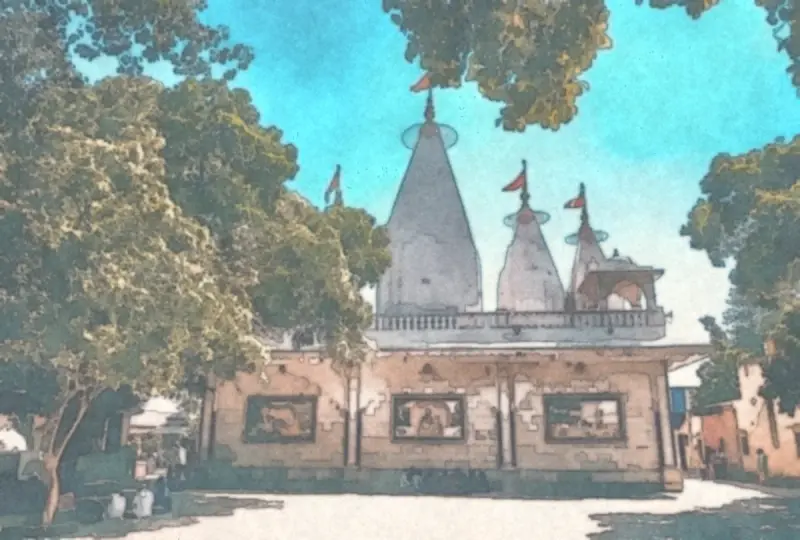
The old fort stands on a cliff inside the Tala zone, with man-made caves, inscriptions and rock paintings. Earliest records are placed around 300 CE, and the Baghel rulers shifted their capital to Rewa by 1617, after which the fort and its villages declined and the jungle took over. Visitors can also see a small Baghel museum and the old Ram Janki temple. Ask at the park about fort access before you plan around it, because rules can change.
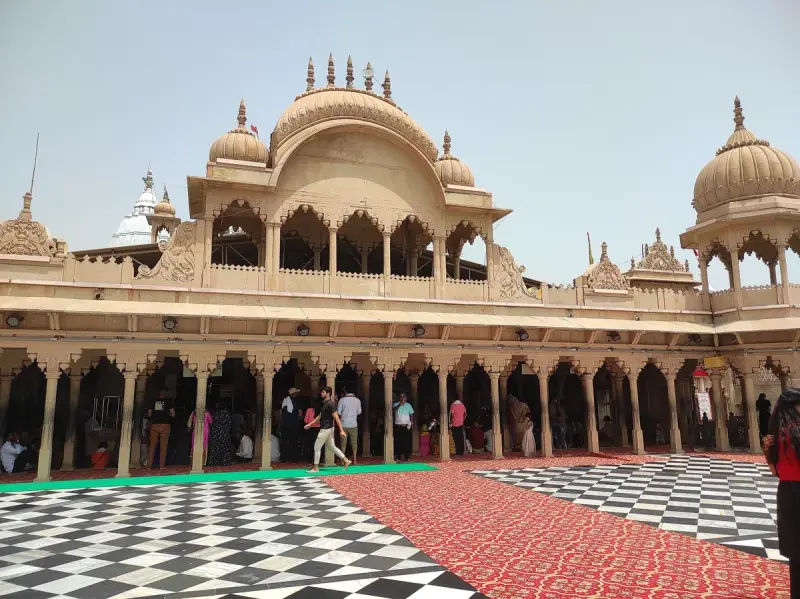
Bandhavgarh holds around 47 mammal and 250 bird species by one count, so a patient morning can turn up spotted deer, sambar, sloth bears and a leopard as well as the cats. The best months are October to June, and the Tala gate and ticket counter are where most days start.
Safari hours change by month
Tentative jeep timings from the state tourism board put the morning drive at 6 to 11:30 am in October and November and 5:30 to 11 am from April to June. The afternoon drive runs 3 pm to 6 pm for most of the season, stretching to 7 pm in the hottest months. A night drive exists only in the buffer zone and only as a private, non-sharing vehicle. The park management can change any of this without notice, so the booking confirmation is the real timetable.
Kanha: grass, sal and a deer found nowhere else
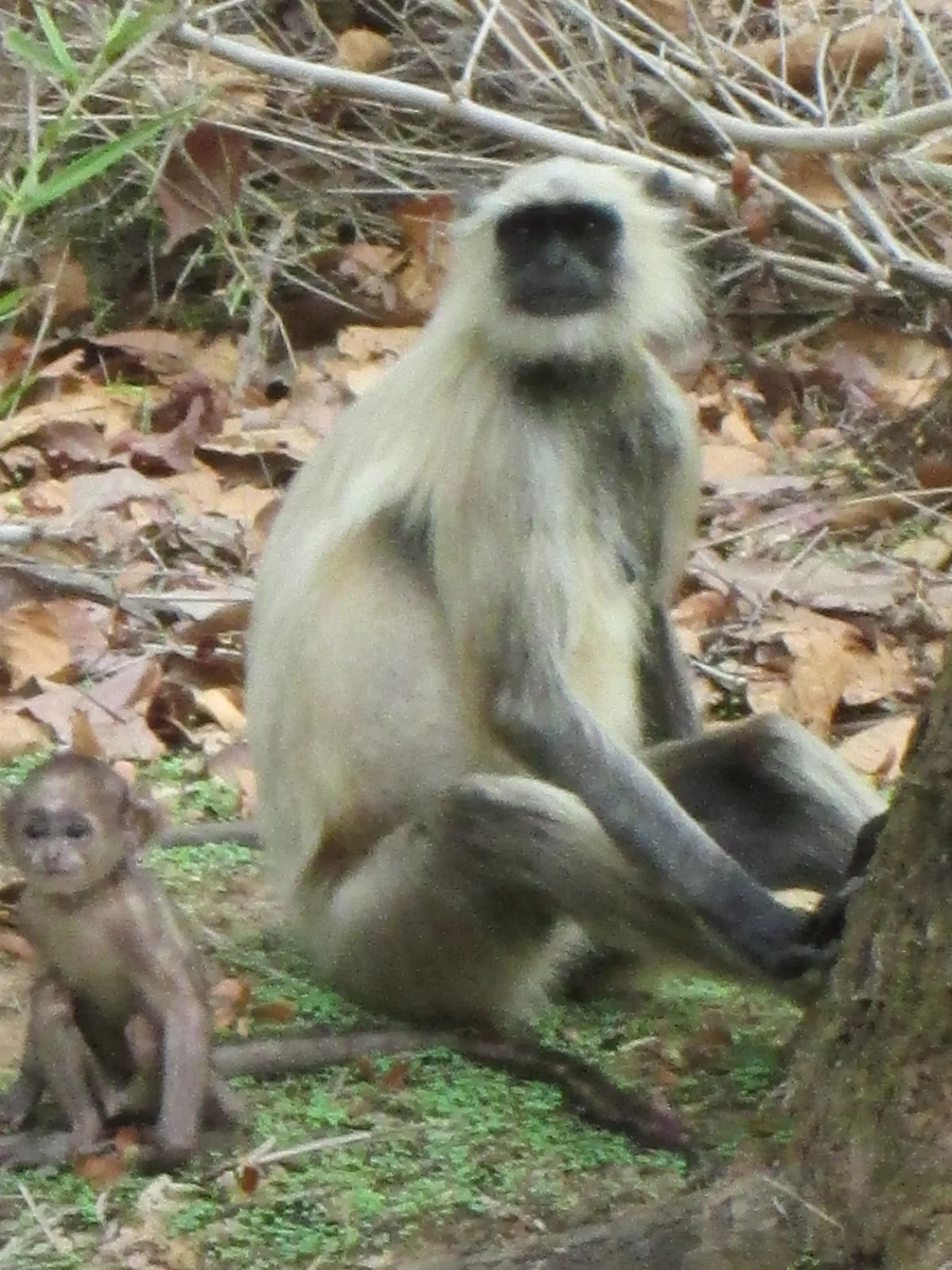
Kanha became a sanctuary in 1933 and a national park in 1955, and it is the only wild home of the hard-ground barasingha, the state animal of Madhya Pradesh. Around 250 bird species fly its meadows, and tigers, leopards, sloth bears, gaur and wild dogs live in the sal and bamboo.
Four core zones, Kanha, Kisli, Mukki and Sarhi, carry the best reputation. The buffer gates at Khatia, Khapa and Sijhora stay open through the monsoon and are easier to book. Kanha's winter mornings are brutal in an open gypsy, close to freezing, so bring a windproof layer, a beanie and gloves.
Choose your gate by where you sleep. Khatia and Sarhi are the natural options from Jabalpur, and Mukki is easier from Nagpur or Raipur.
Permits, ID and rules you cannot skip
Permits come from the forest department's single portal, forest.mponline.gov.in, on a rolling 120-day window that MP Tourism says opens daily at 11 am, and the core zones often sell out in minutes. Carry the Aadhaar card or passport you booked with, since MP Tourism warns that every digit must match the online ticket or entry may be refused. Online payment covers only the park entry permit; gypsy hire and the local guide are paid at the gate counter in cash or by QR. A beanbag on the rail steadies a long lens better than a tripod. The core zones close for about three months of monsoon, and have reopened on 1 October in recent years, while the buffer zones stay open.

The people who live at the edge
Creating these reserves meant relocating villages, and reports describe disputes over compensation for local communities including the Baiga. Treat a safari as a visit to a landscape where people also live, tip local guides fairly and respect village stays.
Season, and the road between
April to June is hot, but the tigers often come to the shrinking water. December to February is the comfortable window, if cold. Umaria is the nearest railhead for Bandhavgarh, and Jabalpur serves as the main air and rail hub for both parks. The Kanha to Bandhavgarh road is long, often quoted at 255 to 290 km, with five or six hours at the wheel, and Bandhavgarh back to Jabalpur is a long haul too. Leave early and keep the transfer day free of other plans.

Let Laladham run it
Laladham can pick you up in Delhi, at the airport, station, home or hotel, and run the whole trip through Jabalpur or Umaria with one driver and stays near each gate. Send your dates early, since permits drive everything. Ask for a quote on the book page.
Questions, answered
Which is better for tigers, Bandhavgarh or Kanha?
Bandhavgarh's Tala zone is the more famous for sightings, but neither park guarantees a tiger. Kanha is better for scenery and the barasingha.
When do the parks close?
Over the rains, while buffer gates stay open. The main season is October to June.
How far apart are Kanha and Bandhavgarh?
Roughly 255 to 290 km, and a full day of driving.
What time are the safaris?
Mornings start around 5:30 to 6:20 am depending on the month, afternoons about 3 pm. Hours change by season, so follow your permit.
Do I need ID to enter?
Yes, carry the identity document named on your booking.