It is also the place to understand why Sikh history has a martial side. If you are driving from Delhi, this is a long-day or overnight destination rather than a quick stop, and it fits neatly into a Punjab loop with Amritsar and Chandigarh.
A town bought by a Guru
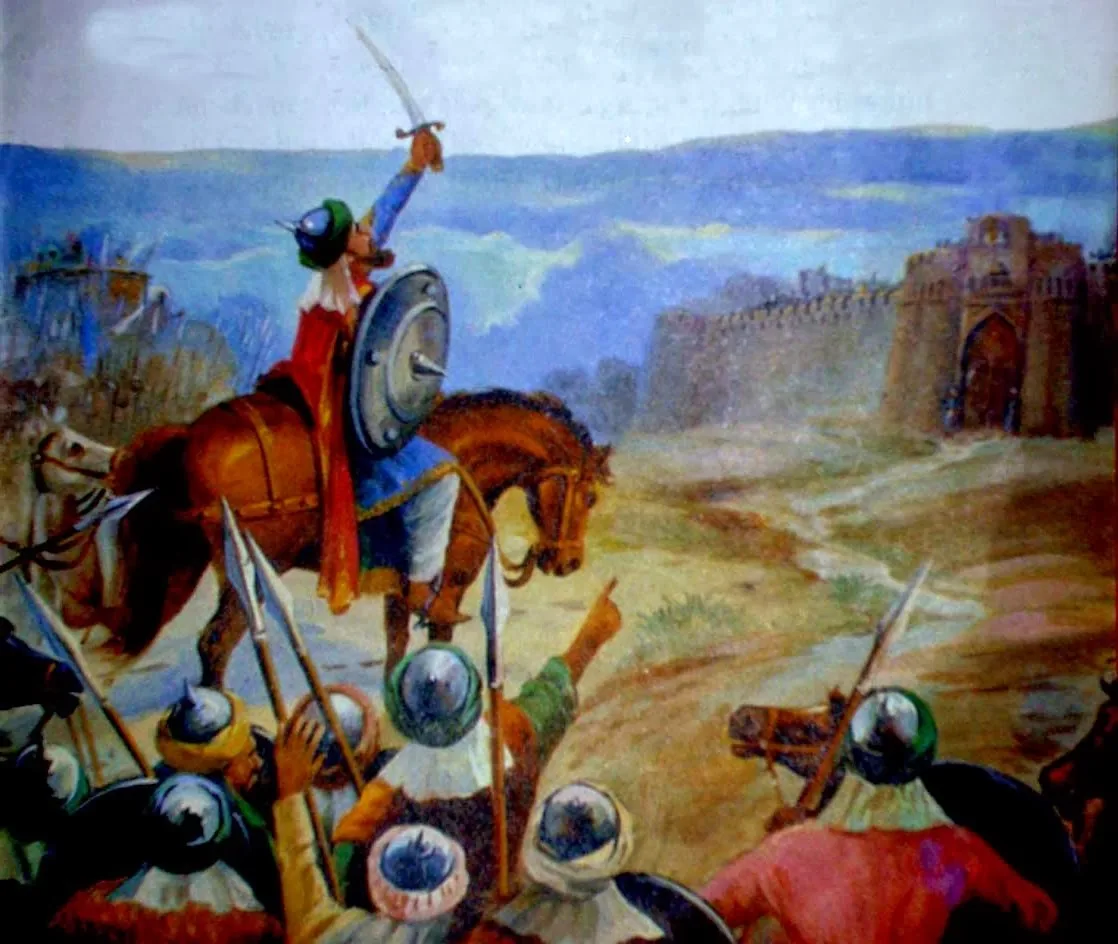
The record is plain: Guru Tegh Bahadur bought the land and began construction on 19 June 1665, calling the settlement Chakk Nanaki after his mother. It was renamed Anandpur Sahib later and is often described as second only to Amritsar in historical weight for Sikhs.
That history is not a backdrop. When you stand in the lanes you are inside the town the Gurus planned, which is why distances between its shrines are short and the best way to see them is on foot.
Start with Keshgarh Sahib
Takht Sri Keshgarh Sahib is the central shrine and a Takht, one of the five seats of Sikh authority. It stands where the Khalsa took shape on Baisakhi day in 1699, and Outlook Traveller describes it as the most important and best preserved of the fortress gurdwaras Guru Gobind Rai raised in 1688, with some old fortifications still standing.
Go early, before the tour groups, and let the first ten minutes be quiet. Cover your head, leave your shoes at the stand and move with the queue rather than against it. Official opening hours were not published on any source read for this guide, so treat timings as something to confirm on the day.
The ring of smaller gurdwaras
Once Keshgarh is done, a short loop covers a lot. Sisganj Sahib marks where Guru Tegh Bahadur's head was cremated after his martyrdom in Delhi in 1675. Guru De Mahal is the complex where Guru Gobind Singh lived with his family. Bhora Sahib is the spot for his meditation and hymn writing. Manji Sahib was his place of public audience.
Holgarh Fort is the one with festival importance: it hosted the Guru's fairs, and the Hola Mohalla procession ends there. Gurdwara Mata Jito Ji stands near it. If you have a car and an extra hour, Guru-Ka-Lahore is about 11 km on the Anandpur Sahib to Ganguwal route toward Himachal, the village where the tenth Guru's wedding took place on 25 January 1686. Bhai Ghanaiya, near Taragarh hill, commemorates the man who gave water and first aid to friend and enemy alike.
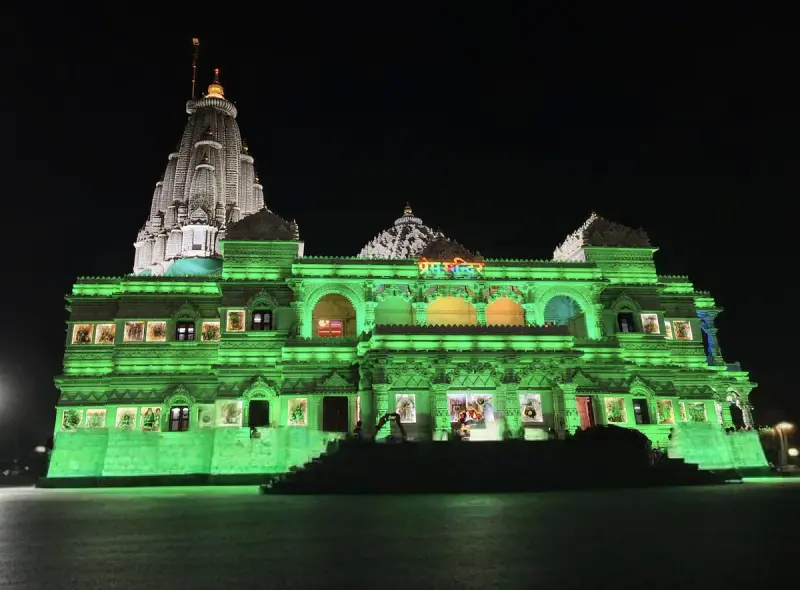
Virasat-e-Khalsa, the museum on the rise
Formerly called the Khalsa Heritage Memorial Complex, the Virasat-e-Khalsa was built to mark 500 years of Sikh history and the 300th anniversary of the Khalsa. Inside, paintings trace the lives of all the Gurus and the birth of the Khalsa, so it works well as a context hour between gurdwara visits.
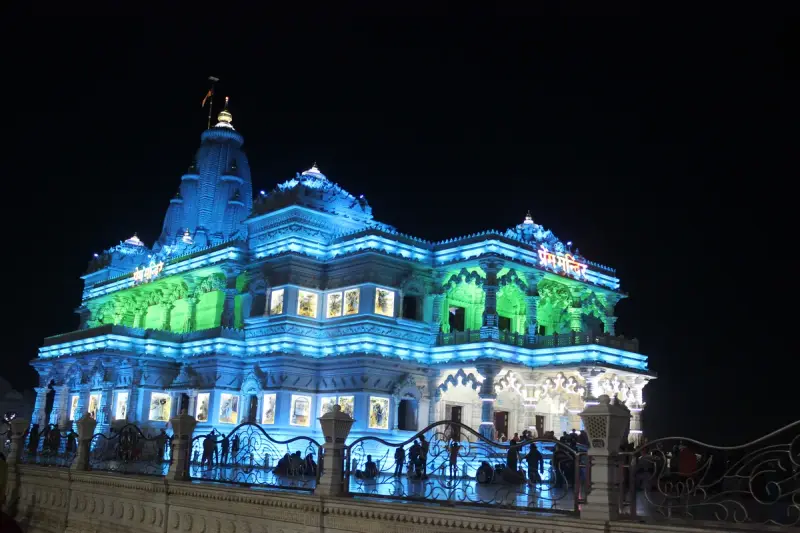
Listings disagree on its hours, and some mention a maintenance closure in the last week of January and July, plus Mondays. Because reports conflict, call the museum or check its official site before planning the afternoon around it, and keep Keshgarh as your fixed point if it turns out to be shut.
Hola Mohalla: three loud days in March
The festival begins the day after Holi and runs three days at Keshgarh Sahib. In 2025 All India Radio reported it opening on 13 March and continuing to 15 March, with the last day marked by colours. Outlook Traveller traces it to 1701, under Guru Gobind Singh, and says lakhs of people come for it, as they do for Baisakhi and Diwali.
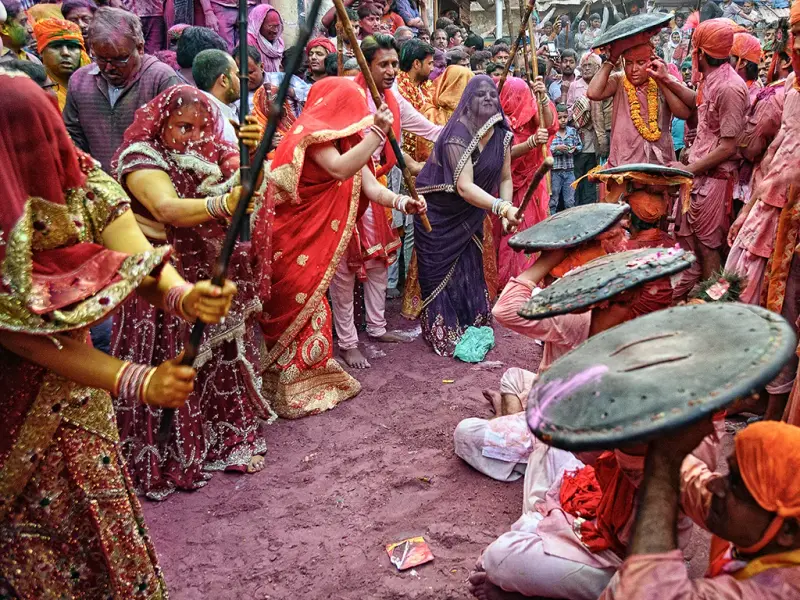
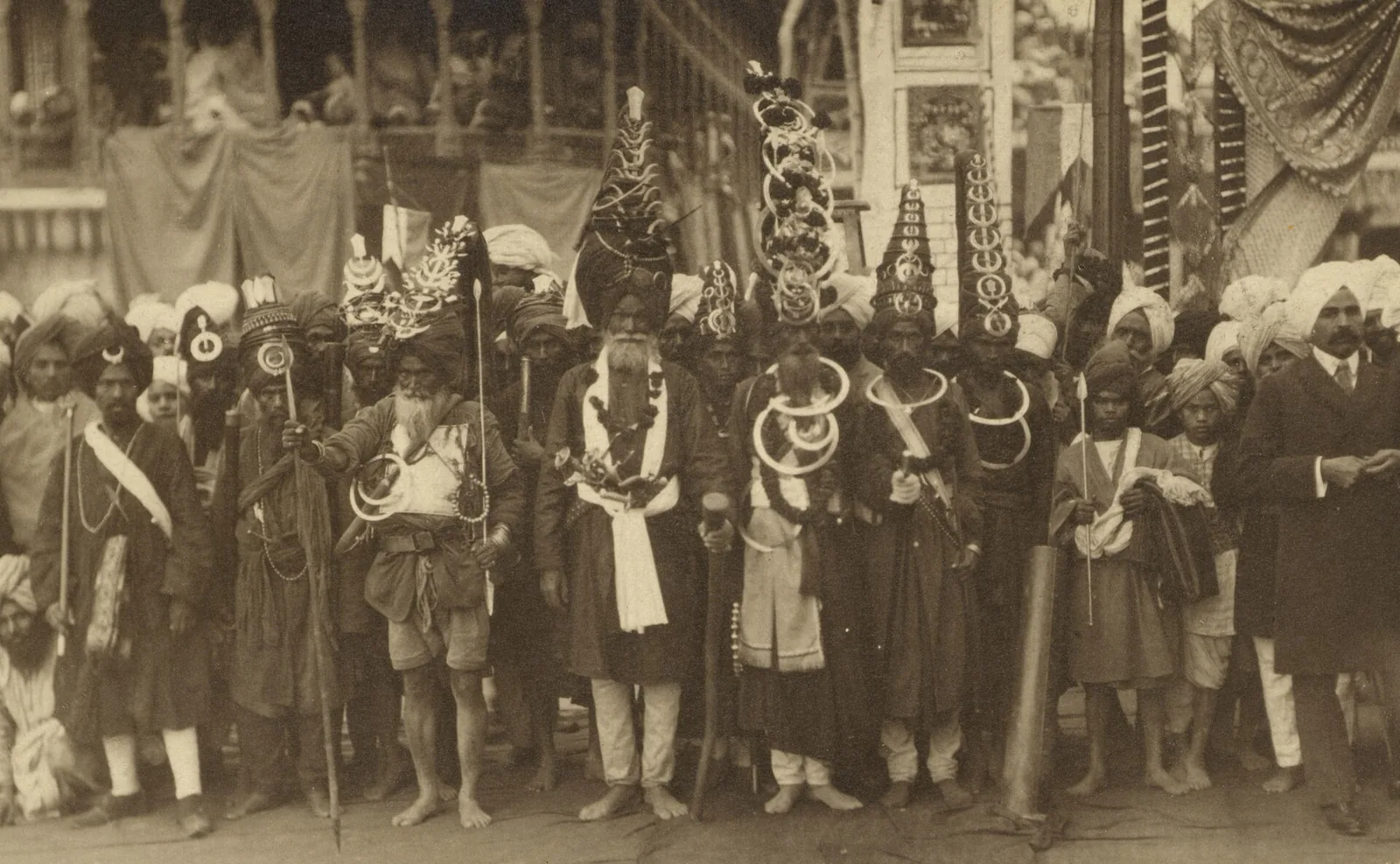
What you see is the Nihang order in blue, sword fighting, tent pegging, archery, horsemanship and gatka, the Sikh martial art, performed as mock encounters with real weapons. Hymns from the Guru Granth Sahib are read day and night, and langars run around the clock, with roadside tents offering free food on the way to Keshgarh. The procession ends at Holgarh Fort.
Book a room far in advance, expect road closures near the shrine, and plan to arrive on foot for the final stretch. If crowds are not your thing, come in the cooler months outside the festival when the lanes are calm and the gurdwaras are easy to enter.
Getting here from Delhi
Chandigarh airport is about 87 km away, and Anandpur Sahib has its own railway station with links to several cities. By road from Delhi, the drive is a full morning: you reach Chandigarh first and then continue roughly another 85 km into the foothills.
Trains to Chandigarh are the easier long-leg option if you do not want to drive, with a car meeting you there. A realistic plan is Delhi at dawn, Keshgarh by early afternoon, the museum or the gurdwara ring by late afternoon and an overnight stay, so you see the shrine in evening light.
What to carry and what to skip
Pack a scarf or bandana for your head, socks you do not mind wearing on cool marble, and cash for small offerings. Skip tight itineraries: the gurdwaras here reward sitting, not ticking off. Skip the idea that every shrine has fixed visiting hours posted online, because several do not, and plan with some slack.
Eat in the langar at least once. It is free, vegetarian, and the way the town feeds its visitors, so take what you will finish and leave your plate clean.
Let Laladham run it
Laladham picks you up in Delhi, from the airport, station, home or hotel, and runs the complete trip: the drive to Anandpur Sahib, an overnight stay close to the shrine, timed gurdwara visits and a plan around Hola Mohalla if you are going in March. Ask for a quote on the [book page](/book).
Questions, answered
How far is Anandpur Sahib from Chandigarh?
Roughly 85 km, and Chandigarh airport is listed at about 87 km. From Delhi you travel through Chandigarh first.
When is Hola Mohalla at Anandpur Sahib?
Every March, for three days starting just after Holi. In 2025 it ran from 13 to 15 March at the main shrine.
What is Keshgarh Sahib?
The central shrine of the town and a seat of Sikh authority, tied to the founding day of 1699.
Is the Sikh heritage museum open on Mondays?
Several listings say it is closed on Mondays and in maintenance weeks, but sources disagree on hours, so confirm before you go.
What should I wear at Anandpur Sahib gurdwaras?
Cover your head, remove shoes, and wear modest clothing that covers shoulders and knees.
Is Anandpur Sahib good for a day trip from Chandigarh?
It works as a long day, though staying over gives you the shrine at both ends of the day.