Ashtak · Shiv
Shivashtakam (Prabhum Prananatham) शिवाष्टकम् (प्रभुं प्राणनाथं)
Eight verses that begin with an open cry of names and end with the same line: Shiva, Shankara, Shambhu, Ishana, I praise you.
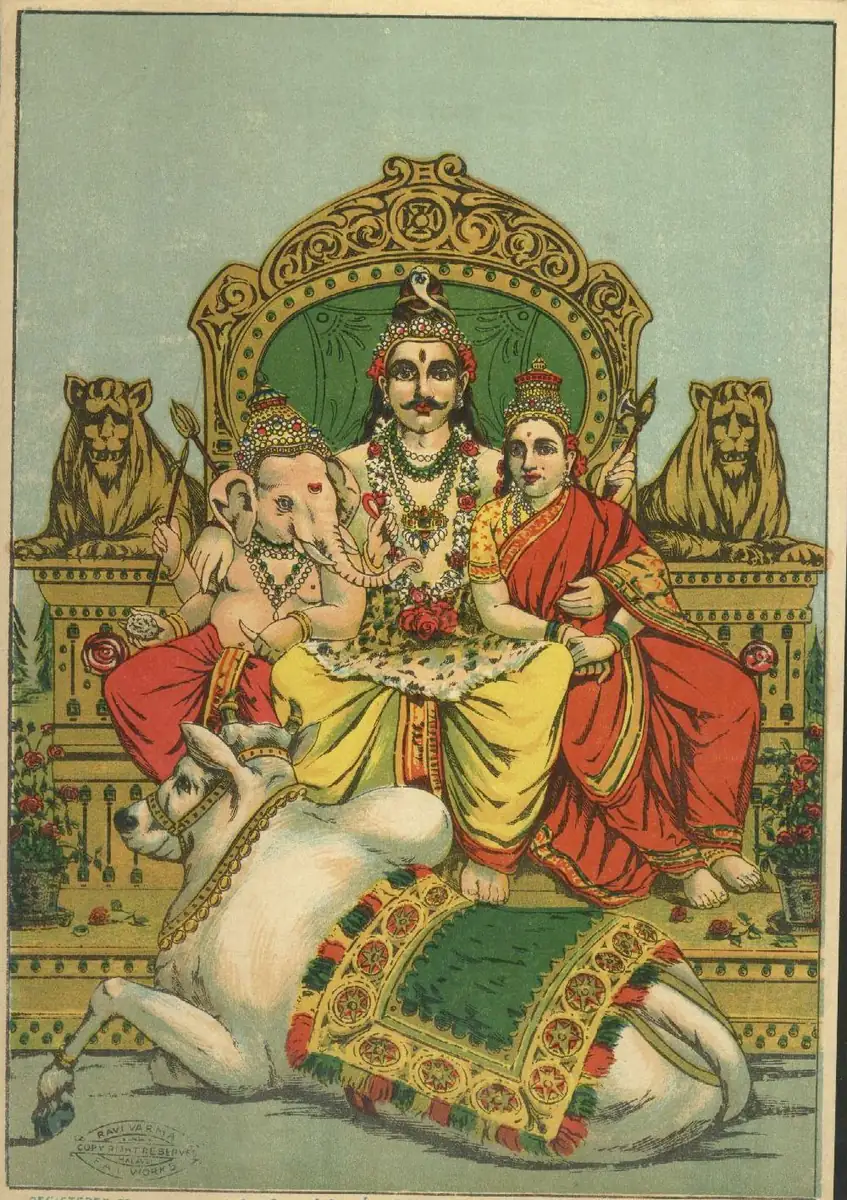
प्रभुं प्राणनाथं विभुं विश्वनाथं जगन्नाथनाथं सदानन्दभाजाम् ।
भवद्भव्यभूतेश्वरं भूतनाथं शिवं शङ्करं शम्भुमीशानमीडे ॥
गले रुण्डमालं तनौ सर्पजालं महाकालकालं गणेशादिपालम् ।
जटाजूटगङ्गोत्तरङ्गैर्विशालं शिवं शङ्करं शम्भुमीशानमीडे ॥
मुदामाकरं मण्डनं मण्डयन्तं महामण्डलं भस्मभूषाधरं तम् ।
अनादिं ह्यपारं महामोहमारं शिवं शङ्करं शम्भुमीशानमीडे ॥
वटाधोनिवासं महाट्टाट्टहासं महापापनाशं सदासुप्रकाशम् ।
गिरीशं गणेशं सुरेशं महेशं शिवं शङ्करं शम्भुमीशानमीडे ॥
गिरीन्द्रात्मजासंगृहीतार्धदेहं गिरौ संस्थितं सर्वदापन्नगेहम् ।
परब्रह्मब्रह्मादिभिर्वन्द्यमानं शिवं शङ्करं शम्भुमीशानमीडे ॥
कपालं त्रिशूलं कराभ्यां दधानं पदाम्भोजनम्राय कामं ददानम् ।
बलीवर्धमानं सुराणां प्रधानं शिवं शङ्करं शम्भुमीशानमीडे ॥
शरच्चन्द्रगात्रं गणानन्दपात्रं त्रिनेत्रं पवित्रं धनेशस्य मित्रम् ।
अपर्णाकलत्रं सदा सच्चरित्रं शिवं शङ्करं शम्भुमीशानमीडे ॥
हरं सर्पहारं चिताभूविहारं भवं वेदसारं सदा निर्विकारम् ।
श्मशाने वसन्तं मनोजं दहन्तं शिवं शङ्करं शम्भुमीशानमीडे ॥
स्वयं यः प्रभाते नरश्शूलपाणे पठेत् स्तोत्ररत्नं त्विह प्राप्यरत्नम् ।
सुपुत्रं सुधान्यं सुमित्रं कलत्रं विचित्रैस्समाराध्य मोक्षं प्रयाति ॥
॥ इति श्रीशिवाष्टकं सम्पूर्णम् ॥
What it means
Eight verses that begin with an open cry of names and end with the same line: Shiva, Shankara, Shambhu, Ishana, I praise you. The opening verse calls him lord, master of life, all-pervading, lord of the universe and the world, and the happiness of the always joyful. The next ones paint him in the cremation ground manner, a garland of skulls at the neck, snakes on the body, wild matted hair carrying the Ganga's waves, ash on the skin, a laugh that rings loud under the banyan tree, half of his body given to the mountain's daughter, a skull and a trident in the hands, the bull for a mount. The seventh gives him the moon-white body and the friend of Kubera, the eighth the one who burned Kama and walks the burning ground. A ninth verse says that whoever reads this treasure of a hymn at dawn gets good sons, grain, friends and a wife, and in the end freedom.
How it is sung
The refrain makes it easy to follow, since the second line of each verse ends on the same words, so a group can join in from the second verse onward. It is sung at a steady walking pace and is often used at the close of a Shiva puja or a Monday evening gathering.
Questions, answered
Who wrote this Shivashtakam?
No author is named in the text, and the claim that Adi Shankaracharya wrote it belongs to another hymn which opens 'Tasmai namah paramakaranakaranaya'. This one, 'Prabhum Prananatham', is best listed as traditional.
What does Shambhu Ishana mean?
Both are names of Shiva. Shambhu means the one who brings peace, and Ishana means the ruler or lord. Together with Shiva and Shankara they make the four names in the refrain.
Why do versions of the text differ?
Because it has been copied and sung for a long time without a fixed edition. A proofread edition and the version found on popular pages differ in a few words, for example the sixth verse's 'balivardhamanam' against 'balivardayanam', so check which one your temple follows.