Stotra · Ganesh
Sankat Nashan Ganesh Stotra संकटनाशन गणेश स्तोत्र
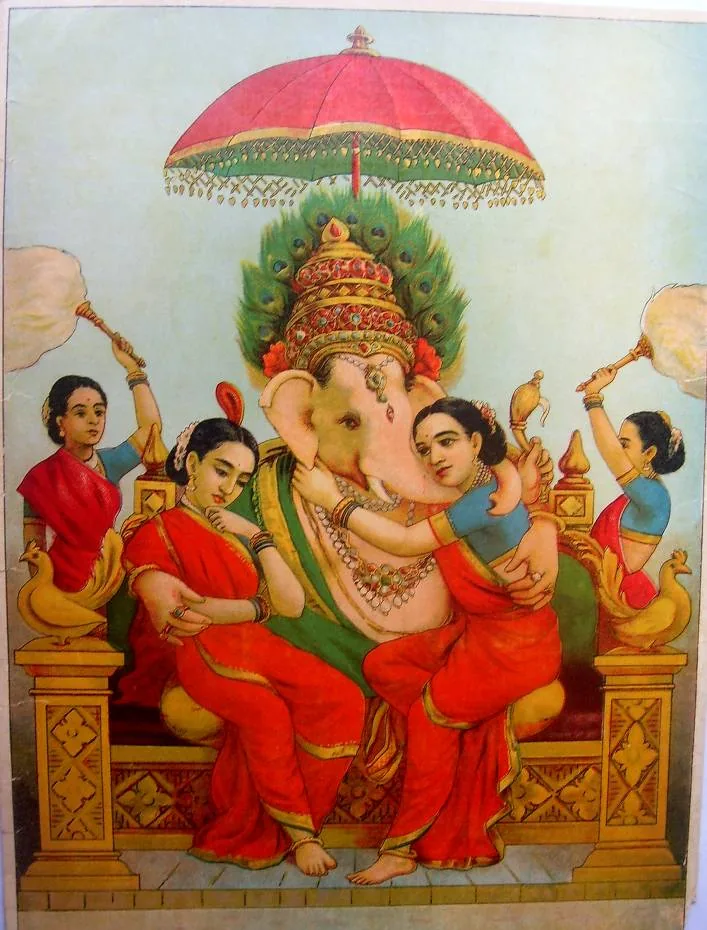
The sage Narada speaks, and the hymn is made of one simple idea: bow your head to Ganesha, son of Gauri, and remember him each day for long life, desire and wealth.
श्रीगणेशाय नमः । नारद उवाच ।
प्रणम्य शिरसा देवं गौरीपुत्रं विनायकम् ।
भक्तावासं स्मरेन्नित्यमायुःकामार्थसिद्धये॥
प्रथमं वक्रतुण्डं च एकदन्तं द्वितीयकम् ।
तृतीयं कृष्णपिङ्गाक्षं गजवक्त्रं चतुर्थकम्॥
लम्बोदरं पञ्चमं च षष्ठं विकटमेव च ।
सप्तमं विघ्नराजेन्द्रं धूम्रवर्णं तथाष्टमम्॥
नवमं भालचन्द्रं च दशमं तु विनायकम् ।
एकादशं गणपतिं द्वादशं तु गजाननम्॥
द्वादशैतानि नामानि त्रिसन्ध्यं यः पठेन्नरः ।
न च विघ्नभयं तस्य सर्वसिद्धिकरः प्रभुः॥
विद्यार्थी लभते विद्यां धनार्थी लभते धनम् ।
पुत्रार्थी लभते पुत्रान्मोक्षार्थी लभते गतिम्॥
जपेद्गणपतिस्तोत्रं षड्भिर्मासैः फलं लभेत् ।
संवत्सरेण सिद्धिं च लभते नात्र संशयः॥
अष्टभ्यो ब्राह्मणेभ्यश्च लिखित्वा यः समर्पयेत् ।
तस्य विद्या भवेत्सर्वा गणेशस्य प्रसादतः॥
॥ इति श्रीनारदपुराणे संकटनाशनं गणेशस्तोत्रं सम्पूर्णम् ॥
What it means
The sage Narada speaks, and the hymn is made of one simple idea: bow your head to Ganesha, son of Gauri, and remember him each day for long life, desire and wealth. The second to fourth verses are a list that counts the twelve names in order, one for each number. First comes Vakratunda, the curved trunk, then Ekadanta the one-tusked, then Krishnapingaksha, then Gajavaktra the elephant-faced, Lambodara of the large belly, Vikata, Vighnaraja the king of obstacles, Dhumravarna the smoke-grey, Bhalachandra with the moon on his forehead, Vinayaka, Ganapati and Gajanana. Whoever says these twelve names at the three junctures of the day, the verse says, has no fear of obstacles and gains success. The last verses promise that the seeker of learning gets learning, of wealth gets wealth, and that six months of recitation brings results and a year brings success.
How it is sung
The names make a list, so people say them aloud one after another at a calm pace, often counting them on the fingers. Morning, noon and evening are the three junctures it names, and Wednesday and the fourth lunar day, Chaturthi, are the favourites.
Questions, answered
What are the twelve names of Ganesha in this stotra?
Verses two to four give them in a fixed order, from Vakratunda at number one to Gajanana at number twelve, and the text counts them off with ordinals so nobody loses place.
Is it really from the Narada Purana?
The closing line says so, and most printed copies repeat that claim. Sanskrit Documents adds a note that it is not easily found in the printed Purana, so it is described here as attributed to it.
When is the best time to recite it?
The text itself says three times a day, at dawn, midday and dusk. In practice people read it at least in the morning and on Chaturthi.