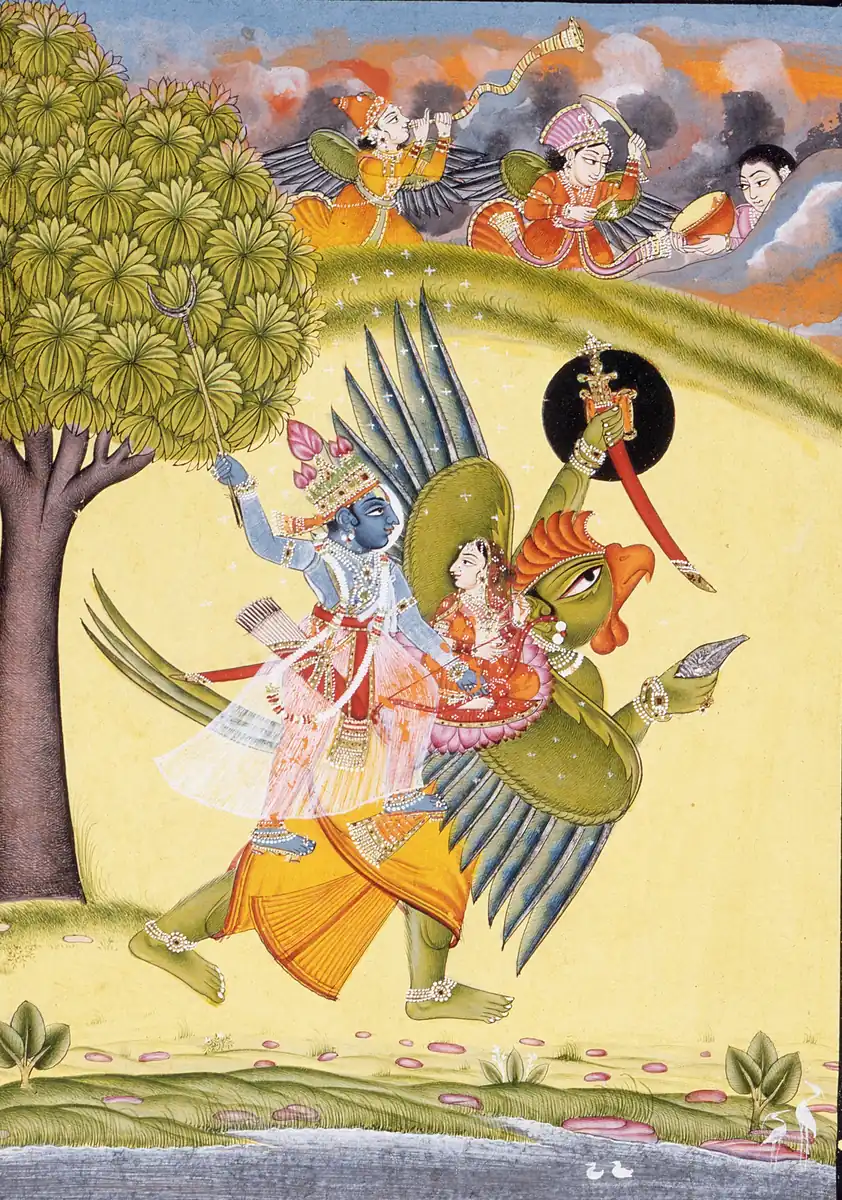
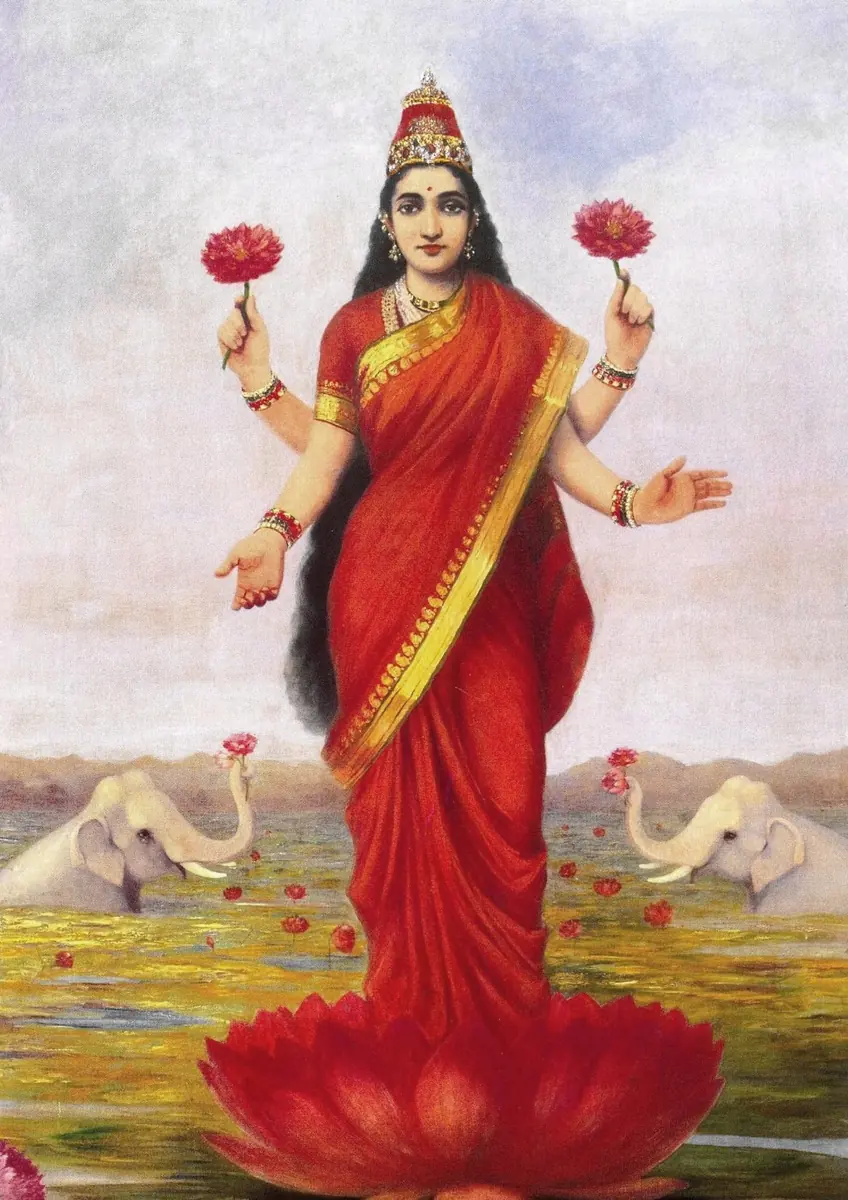
Aarti · Tulsi
Jai Jai Tulsi Mata (Tulsi Aarti) जय जय तुलसी माता (आरती)
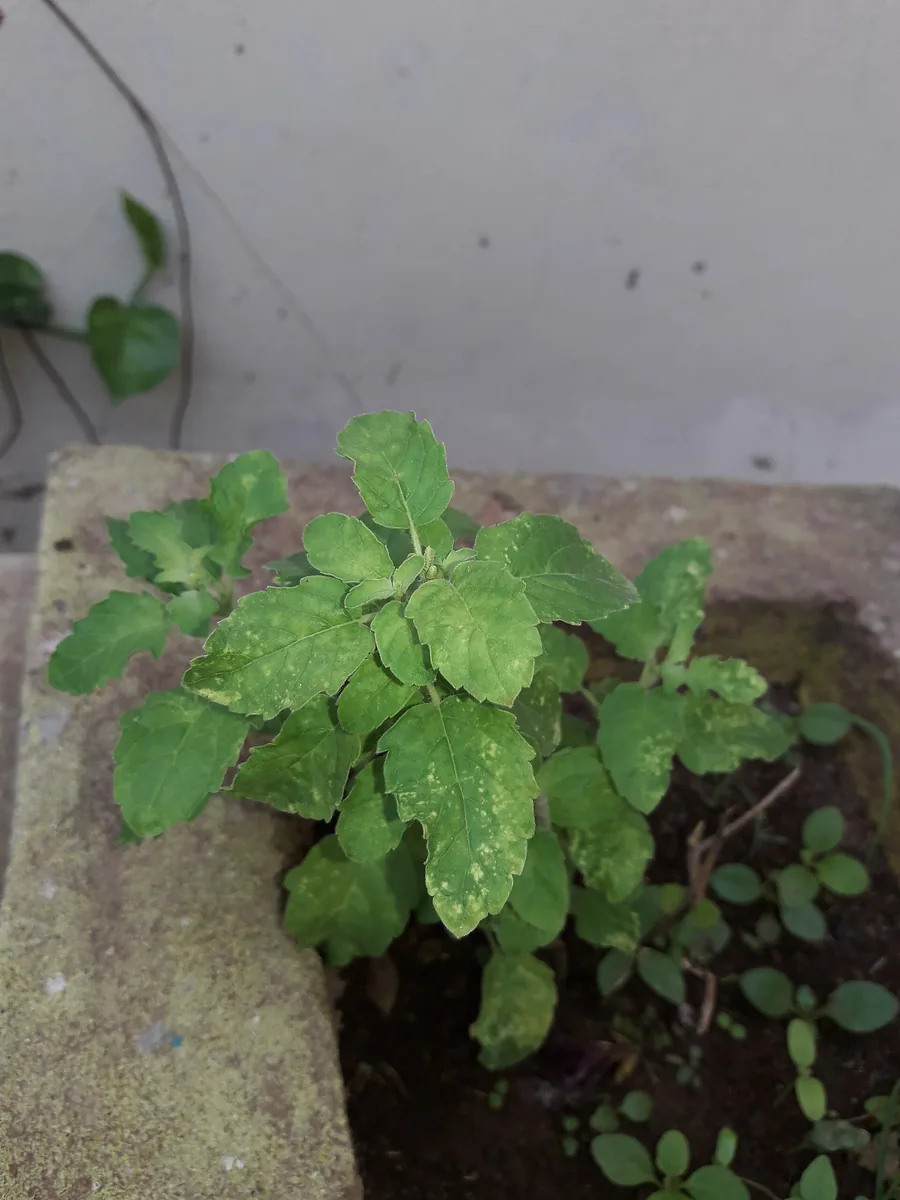
A homely aarti sung to the basil plant as a mother who gives joy to the whole world.
जय जय तुलसी माता,
मैया जय तुलसी माता ।
सब जग की सुख दाता,
सबकी वर माता ॥
सब योगों से ऊपर,
सब रोगों से ऊपर ।
रज से रक्षा करके,
सबकी भव त्राता ॥
बटु पुत्री है श्यामा,
सूर बल्ली है ग्राम्या ।
विष्णुप्रिय जो नर तुमको सेवे,
सो नर तर जाता ॥
हरि के शीश विराजत,
त्रिभुवन से हो वंदित ।
पतित जनों की तारिणी,
तुम हो विख्याता ॥
लेकर जन्म विजन में,
आई दिव्य भवन में ।
मानव लोक तुम्हीं से,
सुख-संपति पाता ॥
हरि को तुम अति प्यारी,
श्याम वर्ण सुकुमारी ।
प्रेम अजब है उनका,
तुमसे कैसा नाता ॥
What it means
A homely aarti sung to the basil plant as a mother who gives joy to the whole world. She stands above all illnesses and, by the dust around her roots, guards people and carries them across the cycle of rebirth. The third verse names her dark-skinned Shyama, a daughter of the forest and a creeper of the village, and says the one who serves her, Vishnu's beloved, crosses over. She sits on Hari's head, is honoured in the three worlds, and lifts up the fallen. Born in a lonely place she came to the divine house, and through her people receive wealth and comfort. The close wonders aloud at the strange, deep love that ties her to Hari.
How it is sung
It is sung at lamp-lighting beside the tulsi pot, with a small lamp turned in front of the plant, and a bell if one is at hand. It is most heard in the month of Kartik and on Tulsi Vivah, when the plant is dressed as a bride. Melody is the simple, rocking tune of a family aarti, the first two lines repeating after each verse.
Questions, answered
When is the Tulsi aarti sung?
At dusk by the plant, daily in many homes, and with extra care in Kartik and on Tulsi Vivah.
Who wrote Jai Jai Tulsi Mata?
It is a traditional aarti, printed for generations in household aarti books without a named author.
Why is the plant called Hari's beloved?
Because tradition says Vishnu is not worshipped without a tulsi leaf, and the aarti repeats that in several lines.