Stotra · Tulsi
Tulsi Stotram (Jagaddhatri Namastubhyam) श्री तुलसी स्तोत्रम् (जगद्धात्रि नमस्तुभ्यं)
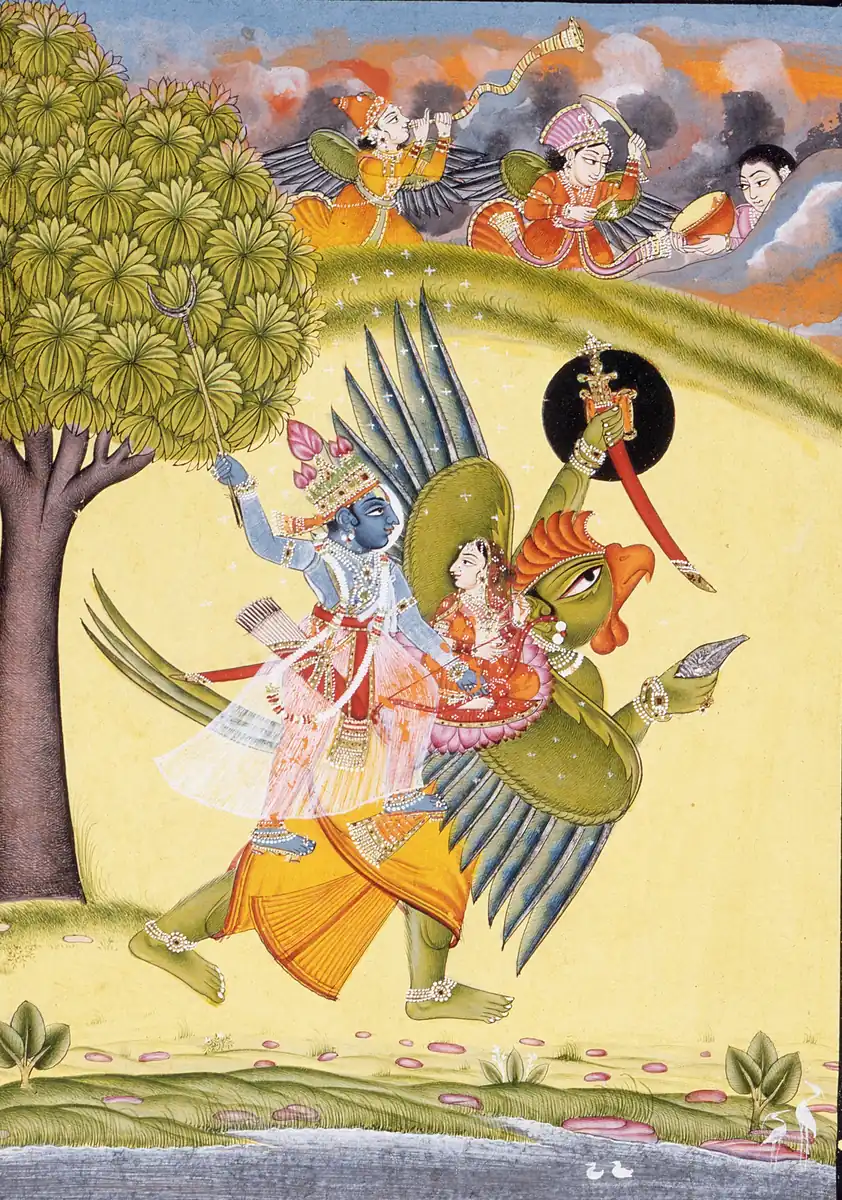
Pundarika, the old devotee whom the closing verses name as its singer, offers fifteen verses of thanks to Tulsi.
जगद्धात्रि नमस्तुभ्यं विष्णोश्च प्रियवल्लभे ।
यतो ब्रह्मादयो देवाः सृष्टिस्थित्यन्तकारिणः ॥ १॥
नमस्तुलसि कल्याणि नमो विष्णुप्रिये शुभे ।
नमो मोक्षप्रदे देवि नमः सम्पत्प्रदायिके ॥ २॥
तुलसी पातु मां नित्यं सर्वापद्भ्योऽपि सर्वदा ।
कीर्तितापि स्मृता वापि पवित्रयति मानवम् ॥ ३॥
नमामि शिरसा देवीं तुलसीं विलसत्तनुम् ।
यां दृष्ट्वा पापिनो मर्त्या मुच्यन्ते सर्वकिल्बिषात् ॥ ४॥
तुलस्या रक्षितं सर्वं जगदेतच्चराचरम् ।
या विनिहन्ति पापानि दृष्ट्वा वा पापिभिर्नरैः ॥ ५॥
नमस्तुलस्यतितरां यस्यै बद्ध्वाञ्जलिं कलौ ।
कलयन्ति सुखं सर्वं स्त्रियो वैश्यास्तथाऽपरे ॥ ६॥
तुलस्या नापरं किञ्चिद्दैवतं जगतीतले ।
यथा पवित्रितो लोको विष्णुसङ्गेन वैष्णवः ॥ ७॥
तुलस्याः पल्लवं विष्णोः शिरस्यारोपितं कलौ ।
आरोपयति सर्वाणि श्रेयांसि वरमस्तके ॥ ८॥
तुलस्यां सकला देवा वसन्ति सततं यतः ।
अतस्तामर्चयेल्लोके सर्वान् देवान् समर्चयन् ॥ ९॥
नमस्तुलसि सर्वज्ञे पुरुषोत्तमवल्लभे ।
पाहि मां सर्वपापेभ्यः सर्वसम्पत्प्रदायिके ॥ १०॥
इति स्तोत्रं पुरा गीतं पुण्डरीकेण धीमता ।
विष्णुमर्चयता नित्यं शोभनैस्तुलसीदलैः ॥ ११॥
तुलसी श्रीर्महालक्ष्मीर्विद्याविद्या यशस्विनी ।
धर्म्या धर्मानना देवी देवीदेवमनःप्रिया ॥ १२॥
लक्ष्मीप्रियसखी देवी द्यौर्भूमिरचला चला ।
षोडशैतानि नामानि तुलस्याः कीर्तयन्नरः ॥ १३॥
लभते सुतरां भक्तिमन्ते विष्णुपदं लभेत् ।
तुलसी भूर्महालक्ष्मीः पद्मिनी श्रीर्हरिप्रिया ॥ १४॥
तुलसि श्रीसखि शुभे पापहारिणि पुण्यदे ।
नमस्ते नारदनुते नारायणमनःप्रिये ॥ १५॥
॥ इति श्रीपुण्डरीककृतं तुलसीस्तोत्रं सम्पूर्णम् ॥
What it means
Pundarika, the old devotee whom the closing verses name as its singer, offers fifteen verses of thanks to Tulsi. She is the mother of the world and Vishnu's beloved, and the gods of creation themselves arise from her, so the first verse says. The middle verses carry the idea most households hold to: a glance at her clears sin, a touch purifies the body, a leaf set on Vishnu's head gathers every blessing, and all the gods live in her, so honouring her is honouring them. The last verses list sixteen of her names and finish by saying whoever recites them gains deep devotion and, at the end, Vishnu's own place.
How it is sung
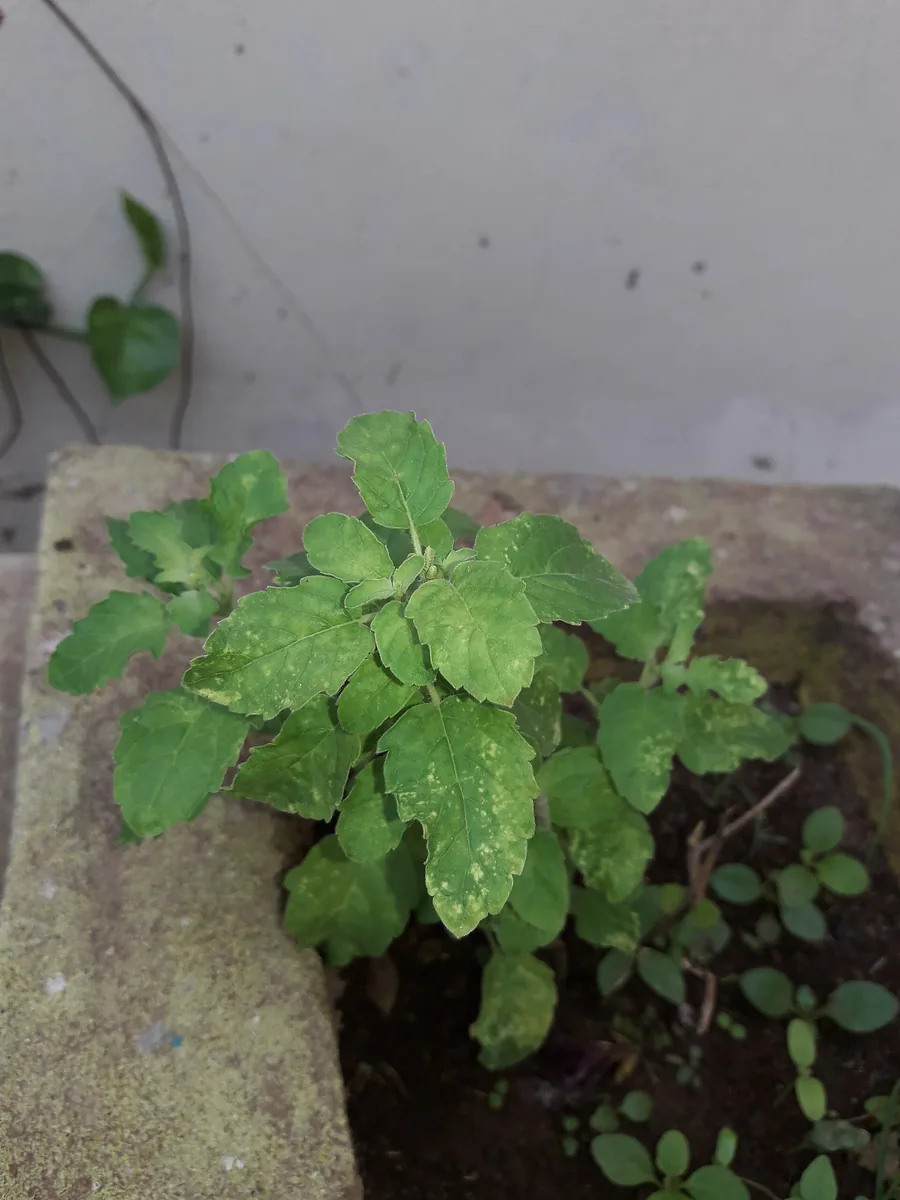
It is read in a clear, unhurried Sanskrit voice beside the plant, usually after the morning bath and the watering. In the month of Kartik and on Ekadashi it is read in full; on ordinary days many people read only the first verses. Some groups chant it in a call-and-response style, one voice leading and the rest answering.
Questions, answered
Who wrote the Tulsi Stotram?
The closing verses attribute it to Pundarika, a devotee, who is said to have sung it while worshipping Vishnu with tulsi leaves. It is old and traditional.
What are the sixteen names mentioned?
Verses twelve to fourteen list them: Tulasi, Shri, Mahalakshmi, Vidya, Avidya, Yashasvini, Dharmya, Dharmanana, Devi, Devidevamanahpriya, Lakshmipriyasakhi, Dyau, Bhumi, Achala, Chala and Padmini. Read them as the verses give them.
Can children read it?
Yes. It is a gentle hymn of thanks with no restrictions beyond a clean place and a quiet voice.