
Majuli is an island you reach by boat, and that single fact changes the pace of everything. The ferry leaves the muddy bank at Nimati Ghat, and somewhere in the next hour the Brahmaputra stops looking like a river and starts looking like a brown sea with sandbars. People who write about the crossing mention red tea on board, a crowd that grows toward departure time, and an honest unease about how few life jackets there seem to be. Nobody writes that it was dull.
What waits on the far side is a lived-in place rather than a sight list. Satras, the Vaishnava monasteries founded in the sixteenth century, hold prayers at dawn and dusk; some are celibate, some are families of mask makers. Potters shape clay without a wheel. Mishing villages keep their houses on stilts. The island has been shrinking for generations because of floods and erosion, which gives a quiet urgency to the whole visit and is the reason most writers wish they had stayed longer.
This trip keeps Jorhat at both ends, because flights come and go there, and adds one morning in the forest at Hoollongapar for the gibbons. It suits people who like to watch, listen and talk to makers, and who do not need a night out afterwards. It is a good one for photographers and for anyone who has had enough of crowds.
From your pickup
Same trip, four starting points. Road times are real driving times; a long drive becomes its own travel day so nobody arrives wrecked.
Day by day
Day 1 · night in Jorhat
Landing in Jorhat, a slow first evening
Jorhat airport into town, a short drive
The driver meets you at arrivals and takes you to the hotel in Jorhat. Treat the rest of the day as a buffer. The ferry window to Majuli closes in mid-afternoon, so unless your flight lands very early, it is wiser to cross tomorrow morning than to rush for the last boat and reach the island in the dark.
If you have energy left, take a walk through the town and eat something simple. A solo traveller who arrived in Jorhat at midnight without a booking and skipped lunch that day listed both as mistakes, so settle in properly tonight. Charge cameras, pack a small bag for the island and ask the hotel to hold the rest of your luggage while you are away.
- Jorhat
- Jorhat town walk
Day 2 · night in Majuli
The Nimati crossing and Majuli's mask makers
Jorhat to Nimati Ghat, about 45 minutes; ferry to Kamalabari about an hour to ninety minutes
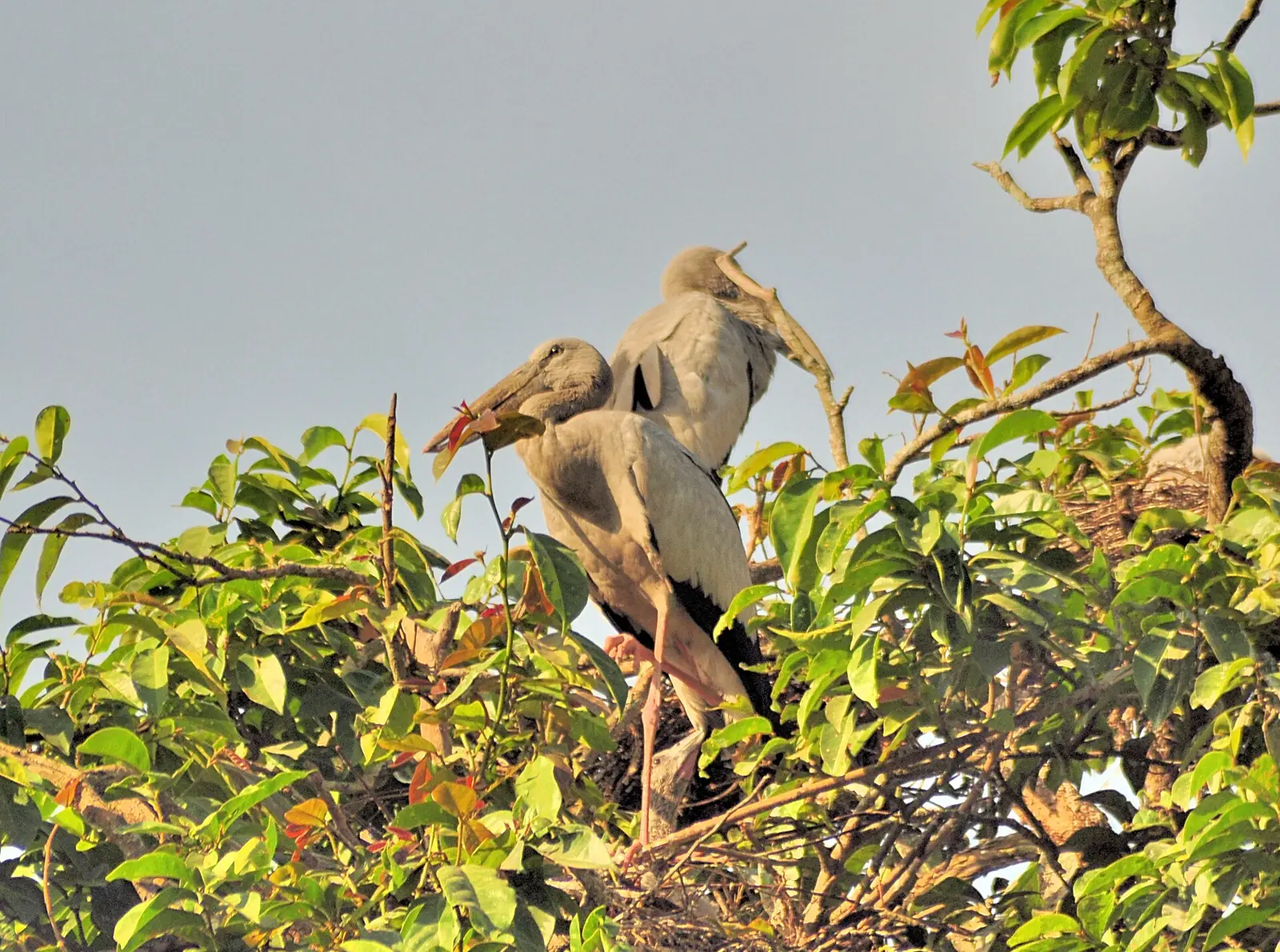
Leave early. Nimati Ghat is a slope of mud, a few shops and a small booth, and travellers advise arriving thirty to forty-five minutes before departure because boats fill up, especially on weekends and festival days. The crossing takes roughly an hour, sometimes longer when the river is low. Stand outside and look for birds on the water.
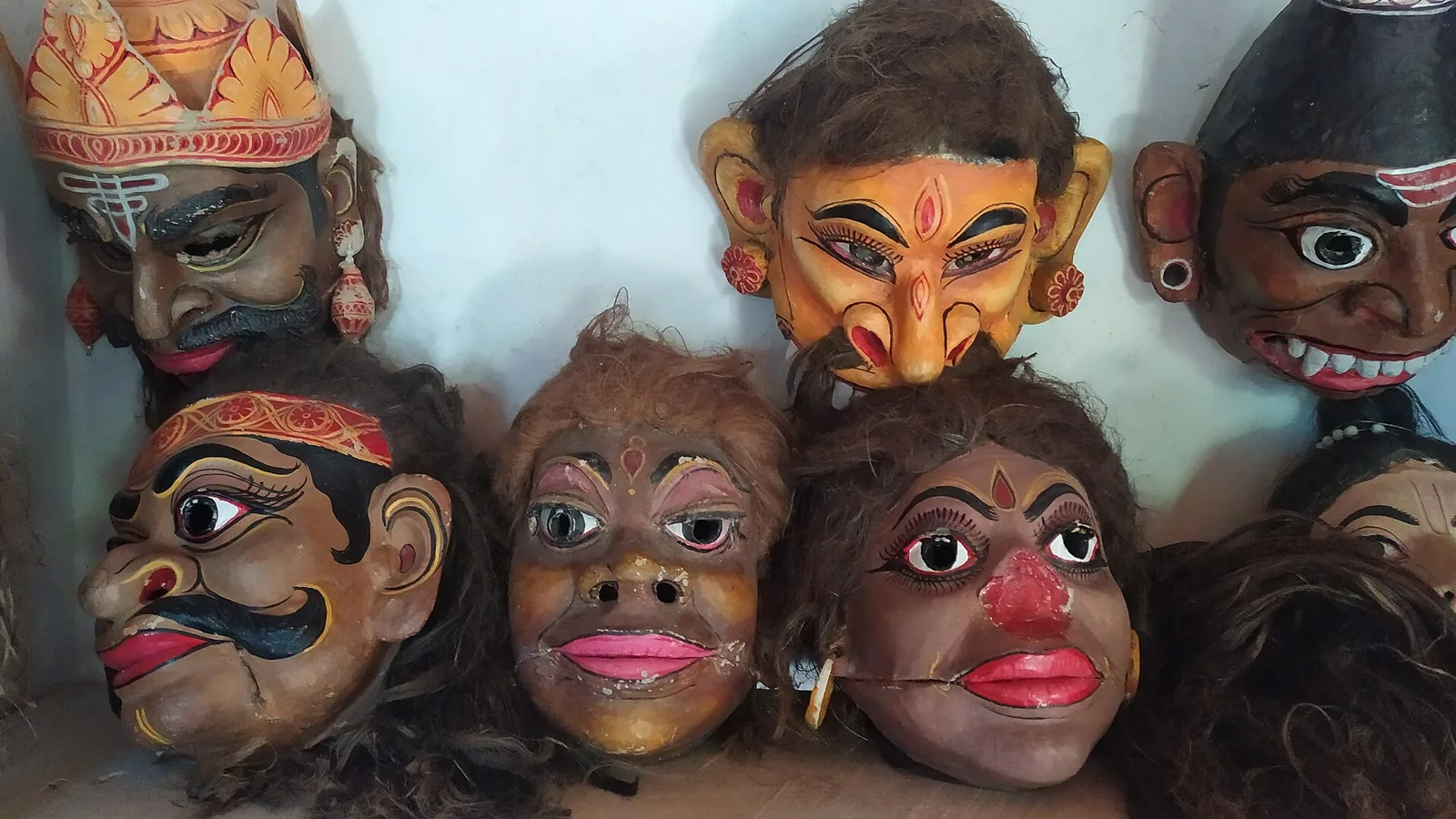
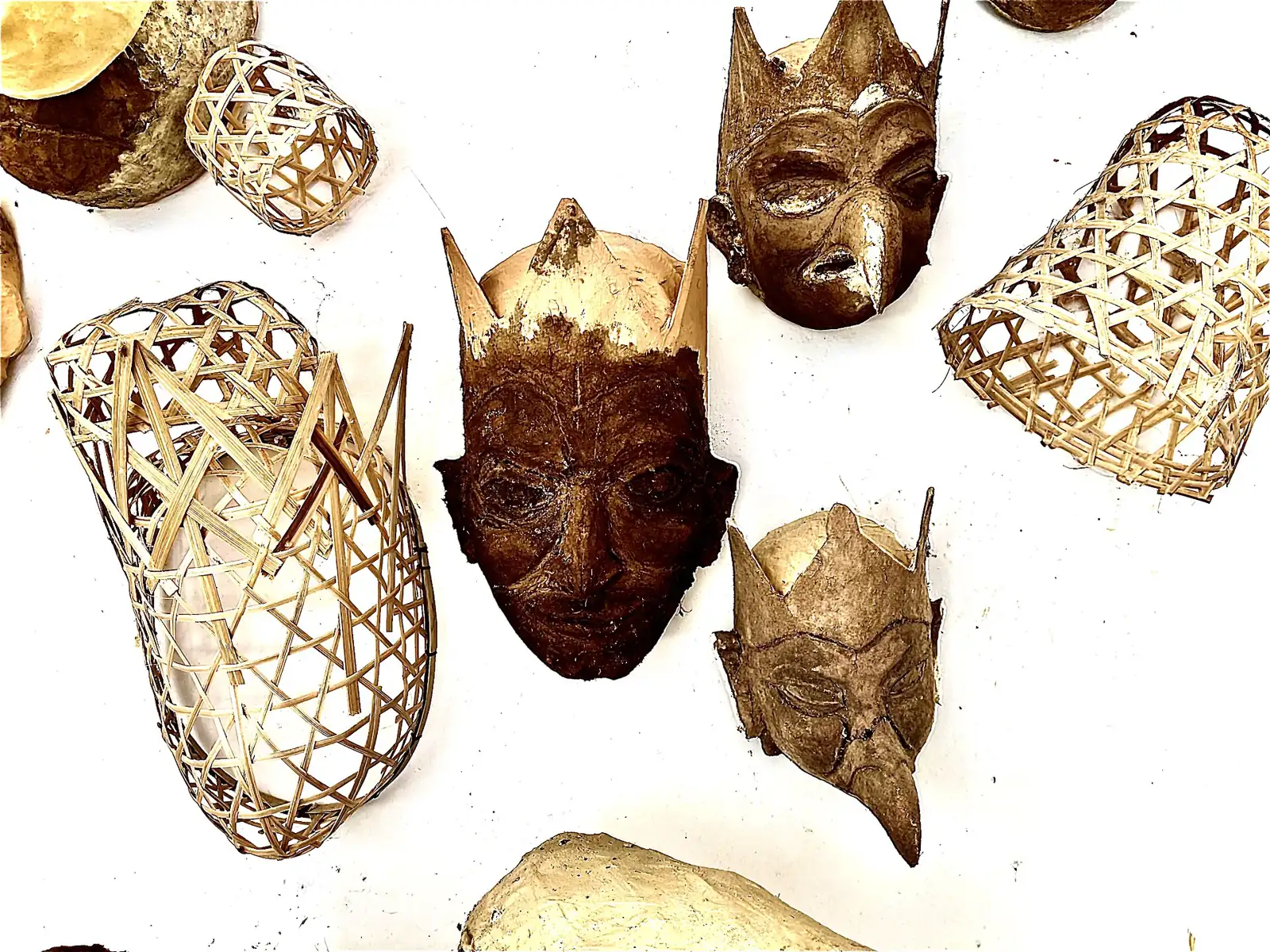
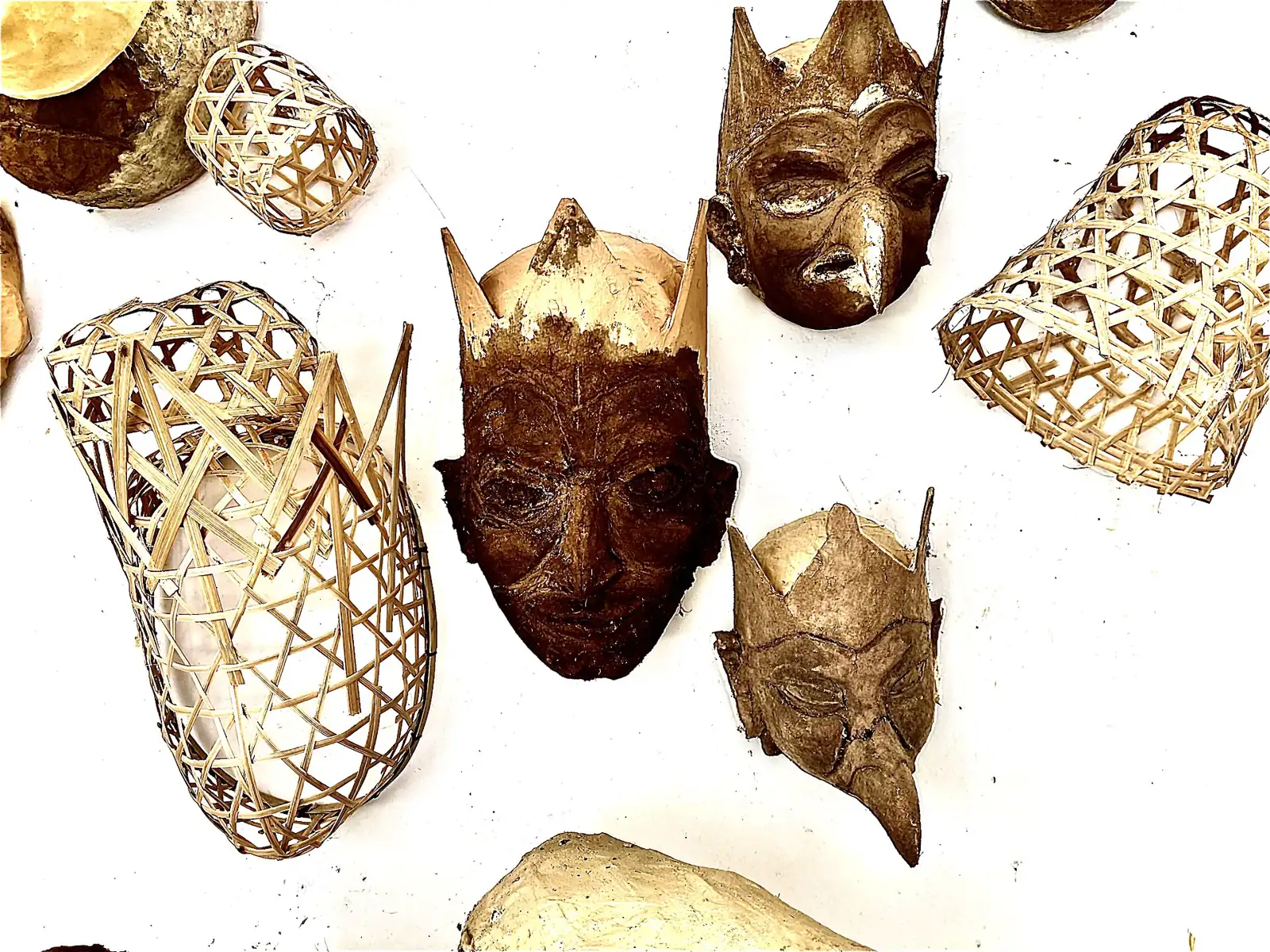
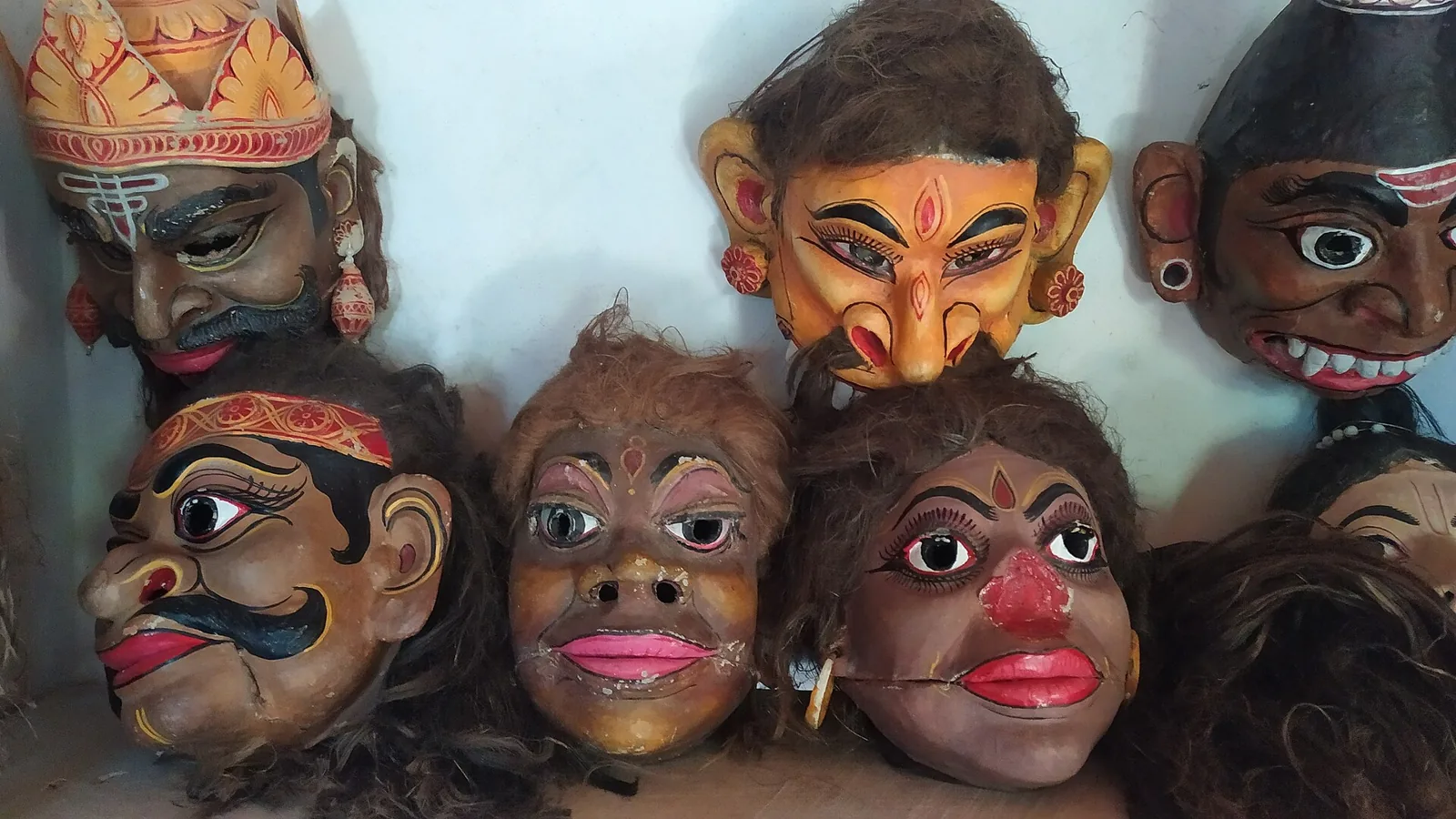
On the island, begin with Samaguri, the village known for masks. A family workshop there builds them from bamboo, clay and a binding that includes cow dung, and the faces are the demons, monkeys and kings of the Ramayana. One solo traveller watched a mask dance performed inside the workshop for another group and gave a donation in front of the largest figure. Ask what is being made now, because the masks are mostly for plays staged on the island.
Spend the afternoon without a schedule. Walk a village lane, look at the weaving frames under the houses, and be at a rocky riverbank an hour before sunset. One writer reached such a spot early and watched a boatman row straight toward the sun as the sky changed colour; the people who arrived later missed the best half hour.
- Nimati Ghat ferry
- Samaguri Satra
- Majuli sunset
Day 3 · night in Jorhat
Monks, a dance hall, potters and a Mishing village
Short local drives on the island; Majuli to Nimati by ferry, about an hour, then to Jorhat about 45 minutes
The best hour of the island is early. At Auniati Satra, visitors report a prayer with chanting and instruments, monks sitting with prasad in a corner and pigeons moving across the hall. It is a celibate order, with a museum and a lake, and one visitor was offered black tea by a monk after walking through the huts where the monks live. Dress modestly, remove shoes and move quietly.
Kamalabari Satra comes next. Its sanctum holds no idol; a sacred book is worshipped in its place. A traveller who arrived there just as Sattriya dance began wrote that the all-male troupe in white was full of energy, though you should not count on a performance on any given day. Then find the potters, who work without a wheel and are mostly women, and a Mishing hamlet where houses stand on stilts and weaving goes on beneath them.
Lunch is best arranged a day ahead at a local home: a plain vegetarian thali of dal, vegetables and rice. Aim to board a ferry back in the early afternoon, comfortably before the last departure, and you reach Jorhat for the night with time to spare. Do not push this: the boat timetable decides your day, not us.
- Auniati Satra
- Kamalabari Satra
- Majuli potters
- Mishing village
Day 4 · night in Jorhat
Gibbons at Hoollongapar, then the flight home
Jorhat to Hoollongapar about 25 km; sanctuary to the airport about the same again
Go to the forest at first light. Hoollongapar is a patch of evergreen forest where hoolock gibbons, India's only ape, live alongside six other kinds of primates. An armed guard from the forest department leads, and nobody drives in. A visitor in May wrote of a black male and a pale brown female moving so fast through the canopy that photographs were nearly impossible. Bring binoculars and be content to watch.
A railway line runs through the sanctuary and tea gardens press in on every side, so the forest is a fragment rather than a wilderness, but it is loud with birds. After the monsoon leeches are active, and travellers recommend socks or a salt and lemon rub. Keep the walk short and quiet.
The driver then takes you to Jorhat airport. Book a flight in the afternoon or later; a morning departure removes the gibbon walk, and we would sooner you saw them than the departure lounge.
- Hoollongapar Gibbon Sanctuary
- Jorhat airport
When to go, and when not to
The district's own page recommends October to March, with winter temperatures between about 7 and 18 degrees. Satra festivals cluster around the autumn months, and one writer suggests the November full moon for Raas Leela; it is the best time to see the island awake, but the ferry and stays fill up. A February visitor found the afternoons warm and the mornings cool.
Avoid the rains. The island is largely cut off then, and the dirt tracks that carry cars in December go under water. Ferry timings also change with the season and the river level.
What people get wrong about Majuli
The most common regret in trip reports is time. People plan a day, take a late boat out of Jorhat, and spend more of it on the water and the road than in the satras. A night on the island with an unhurried second morning is how this plan avoids that.
A second mistake is treating the monasteries as museums. They are working religious communities with rules about dress and shoes, and an Outlook feature notes allegations that some exclude women and lower castes. Go with the attitude of a guest, ask before photographing a person, and expect a different answer in each satra.
Small practical things from people who went
The island is dry of alcohol, which a cyclist discovered after carrying beer across from Nimati. ATMs exist but a cash buffer helps. Evenings are early and dark: one visitor reached the resort at four in the afternoon and found dusk half an hour away, so plan to arrive before then.
Carry a torch, a light jacket, a scarf for covering your head and shoulders, and a few small notes for donations at workshops.
What the price covers
- Car and driver from your pickup to the airport, and again from arrival to departure
- 3 nights in hand-picked stays
- Breakfast and dinner every day
- Local guide at the main sights
- Tolls, parking and fuel
- Flights and trains (we book them with you at the fare of the day)
- Lunches
- Monument tickets, permits and activity fees
- Personal shopping
Questions people ask
Is Majuli worth a night or is one day enough?
Almost every writer who tried a single day wanted more time. The crossing, the road and the satra schedules eat the hours, and the best moments are at dawn and sunset. One night gives you an afternoon for masks and an early morning for the prayers.
Can the car go on the ferry?
The district page says taxis can travel on the ferry, and the same feature mentions the boat carrying several large vehicles. Space on a particular boat is not guaranteed, so we plan the crossing with that in mind and keep a car and driver for you on the island.
What are the ferry timings?
The district page gives 7 am to 3.30 pm. A traveller who crossed in February listed several departures from Nimati between 8.30 am and 3.30 pm, and another said the last boat is around three. Treat all of that as indicative and confirm on the day at the ghat.
Will I definitely see a satra performance?
No. Some travellers happened to arrive during a prayer, a dance or a mask performance; others saw only the hall. Performances gather around the autumn festivals. A visit in other months is still worth it for the prayers and the workshops.
Can older parents do this trip?
Yes, with care. The ghat slope is muddy, the ferry means stepping across the bank and onto a boat, and the island tracks can be rough. The days themselves are gentle. Tell us about knees and stairs, and we keep distances short.
I live near Delhi, Agra, Mathura or Jaipur. How does this work?
Flights are yours to book, into Jorhat. If you like, Laladham drives you from your own town to the airport you fly from, and at Jorhat a driver stands at the arrivals gate with your name.
Are gibbons guaranteed at Hoollongapar?
No wildlife visit is guaranteed. The forest is entered on foot, and one writer found the animals too fast to photograph, so ask for an early start and keep expectations modest.
- Nimati and Kamalabari ferry timetable (district page says 7 am to 3.30 pm; blogs list different departures)
- Whether the Hoollongapar sanctuary is open and its morning entry time (sources disagree)
- Festival dates for Raas Leela and Paal Naam if you travel in October or November
- Whether satras allow photography on the day
 5 days
 4 days
 4 days