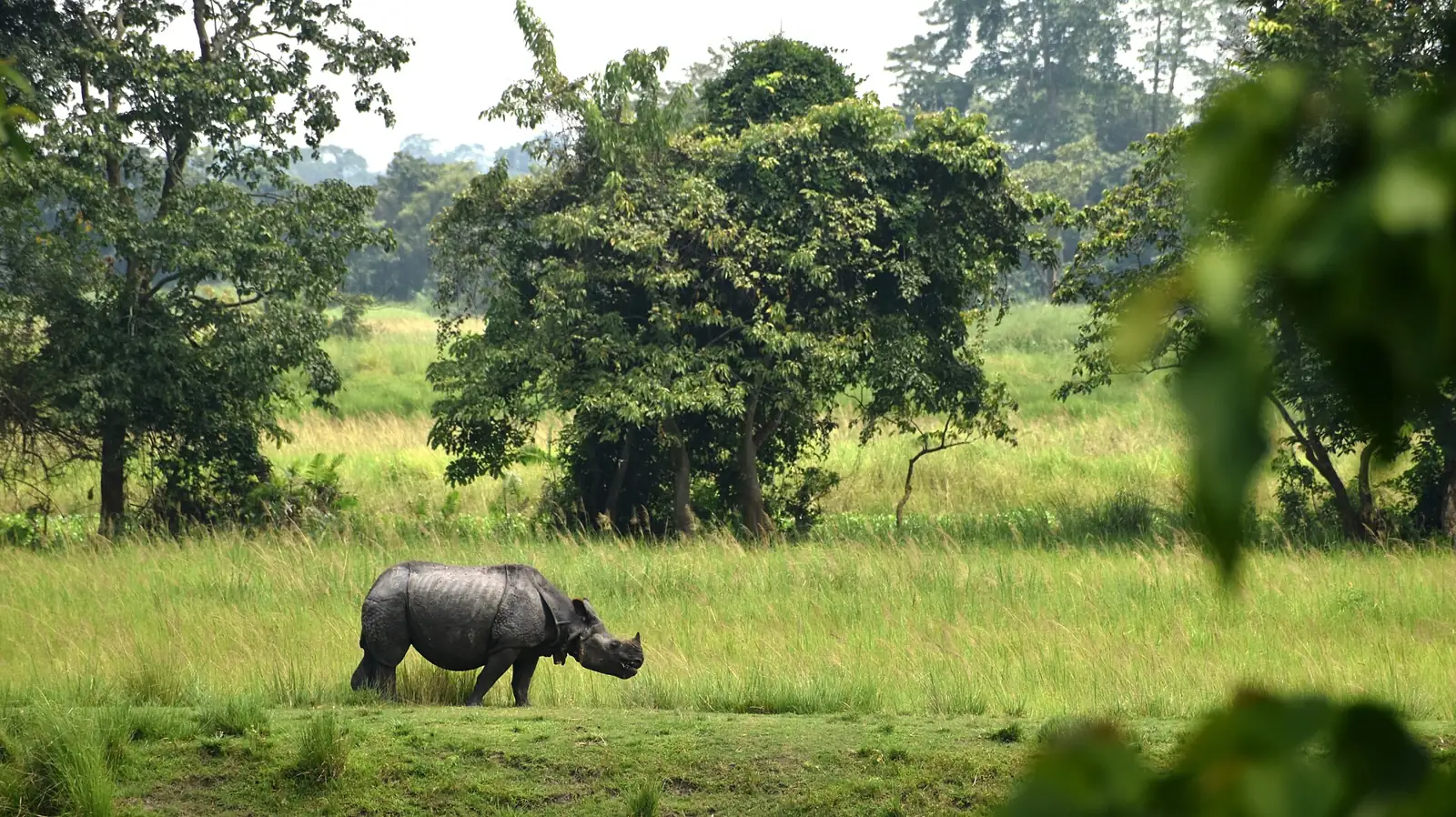
Reports from Kaziranga split into two kinds. In the first, people see rhinos within minutes of entering the park, ten or more in a morning, and call it easier than they feared. In the second, rhinos are pale, motionless specks in the grass, no tiger appears and a parent had to be warned in advance. The difference is rarely luck alone: it is the zone, the hour, and the time you give it. This plan gives it two safaris, in two different zones.
Guwahati comes first because that is where the flights land, and because Kamakhya temple on Nilachal hill is worth a half day of its own. Visitors describe the darshan queue there as long and, on a busy day, very long, so the plan puts it first thing, when the temple has just opened. The road to Kaziranga is about 220 km and takes most of a day, which is why the third day is the real wildlife day and the fourth is the return.
It suits families, couples and parents who like wildlife without a trek, and it works best between November and April. Flights are not included: you book your own into Guwahati, and the trip starts when you land.
From your pickup
Same trip, four starting points. Road times are real driving times; a long drive becomes its own travel day so nobody arrives wrecked.
Day by day
Day 1 · night in Guwahati
Landing in Guwahati and an easy evening by the river
Guwahati airport into the city, about forty minutes without traffic
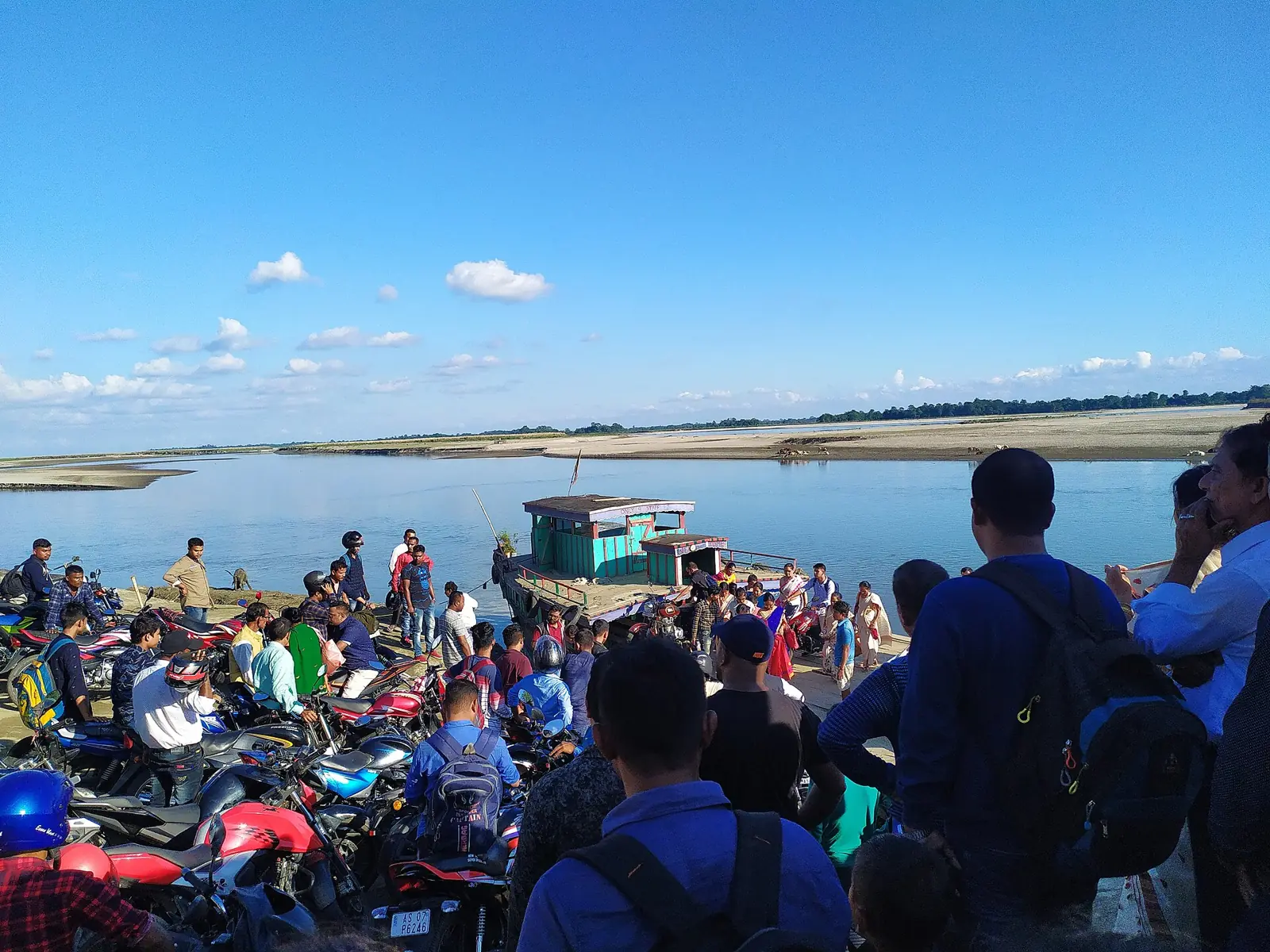
The driver waits at arrivals and takes you into town. Do nothing ambitious this afternoon: tomorrow begins early. If you land with energy to spare, spend the last hour of light by the Brahmaputra, the great river the city sits beside.
Walk, sit, watch the boats. Another option is the Kamakhya hill viewpoints, but those suit the next morning better: one writer who went to the hill saw views over the town but could not spot the river from there, so do not expect a sunset over water.
Eat early and sleep early, because tomorrow starts at the temple gate.
- Brahmaputra riverfront
- Guwahati

Day 2 · night in Kaziranga
Kamakhya at opening time, then the long road east
Guwahati to Kaziranga, roughly 220 km, five hours with stops
Be at Nilachal hill when the temple opens at six. The national tourism page gives six in the morning to seven in the evening, though one blog quoted different, shorter hours, so confirm with the temple. The road up from the main highway is three or four kilometres, and parking near the temple fills, so a walk of up to a kilometre is possible. One 2017 blogger found the queue so long that she skipped the darshan; paid special lines exist beside the free one, and weekdays are quieter than weekends.
The complex is lively. Goats tied for sacrifice, monkeys and cows wander the lanes, which surprises first-time visitors. Free meals are served and there is a free footwear stand. Animal sacrifice is part of the temple's old Tantric tradition, as the national page explains, so be ready for what you will see.
Head out by late morning across the plains. The road to the park runs through tea country and small towns; one writer on the Jorhat side described endless tea estates. Arrive, check in, and rest. Do not try to fit a safari into this afternoon: the afternoon slots start about half past one and you will not make them.
- Kamakhya Temple
- Nilachal hill
- Tea estates on the road east
Day 3 · night in Kaziranga
Two safaris, two moods
The jeep safari in the central range, Kohora, starts about half past seven in the morning, and travellers describe it as the calmer zone, with English-speaking staff and fewer crowds. One family in January 2026 entered the range around eight, saw three rhinos at once on entering and at least ten in all, and said river crossings and tall grass made the ride. Another family who went in March said the elephant ride, which runs earlier, covered only a small marshy patch and was not any better than the jeep for seeing animals. If you want to try it, the elephant slot begins around half past five.
In the afternoon go to Bagori, the western range. One March visitor saw the most wildlife there, including rhinos, wild elephants and buffalo, but said it was busy and hectic with local visitors. Book both zones ahead through the lodge. Carry the ID that the park asks for, wear earthy tones, a hat and sunglasses, and switch off flash.
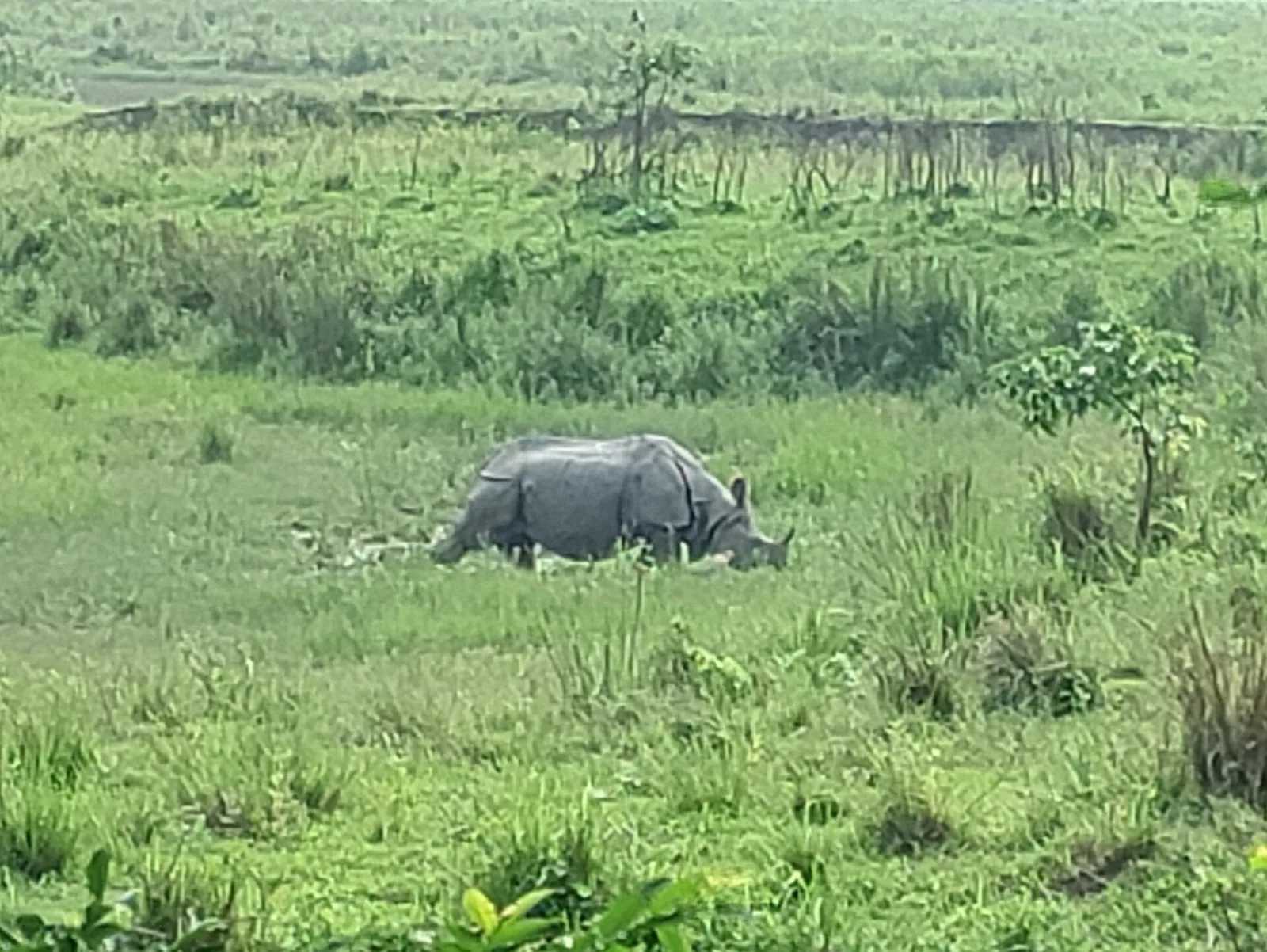
Be realistic about tigers. A solo traveller saw rhinos only as pale specks and was told a tiger had passed half an hour earlier. Another family saw one as a blurry orange shape even with a zoom lens. Binoculars matter: a writer without them regretted it, though another who rented them found them awkward on a moving jeep. Take your own and use them when the jeep stops.
- Kohora range
- Bagori range
- Watchtower
- Orchid park

Day 4 · night in Guwahati
A quiet morning, then back to Guwahati
Kaziranga back to Guwahati, same road, five hours or more
If you are a bird person, the early morning is the time. If not, sleep in. The Kaziranga Orchid and Biodiversity Park near the park has English-speaking guides, according to one family, and a cultural museum where cloth is woven. It is worth an hour, though that family wished they had more time for it, and the tea factory tour was not offered because they had not arranged it ahead.
Leave by about eleven. The road is the same one you took in, and your flight decides the exact hour. If the flight is in the evening, you still reach the airport with a margin. If it is early next day, stay one more night in Guwahati rather than push the drive.
Lunch on the road is usually a plain stop, so carry some snacks and water from the lodge.
- Orchid and biodiversity park
- Tea estates
- Guwahati airport
When the park is open, and when it is best
Entry runs from November to April, with the gates shut from May to October because of monsoon flooding, per Outlook Traveller. November to February has the most comfortable weather. March and April are warmer, but animals gather near water, so they are easier to see. One 2026 guide in a search summary gave 3 October 2026 as a reopening date, so check the booking portal for the exact season dates.
If you can choose a weekday for Kamakhya, take it: weekend queues are the long ones.

What people get wrong
Two mistakes come up in the trip reports. The first is expecting the elephant ride to be the premium option: a family called it generous to count it as a safari, and said they saw nothing they could not have seen from a jeep. The second is arriving late and then trying to do everything: a family who reached Kaziranga near midnight gave up the early elephant slot.
The third is assuming a guide will speak English. Several accounts found jeep guides spoke little of it, so someone who knows Hindi or Assamese helps.
For parents and children
Kamakhya involves a walk and a possible long queue, so choose a quieter hour. The jeeps are open and bumpy over river crossings. A private jeep is a flexible way to go, and a family said it suits small groups. Keep water and light snacks, but note that a family had a plastic container of sweets confiscated at the gate.
What the price covers
- Car and driver from your pickup to the airport, and again from arrival to departure
- 3 nights in hand-picked stays
- Breakfast and dinner every day
- Local guide at the main sights
- Tolls, parking and fuel
- Flights and trains (we book them with you at the fare of the day)
- Lunches
- Monument tickets, permits and activity fees
- Personal shopping
Questions people ask
How far is Kaziranga from Guwahati?
About 220 km per Outlook Traveller, and around five hours of driving by one guide's estimate. Jorhat airport is closer to the park, about 100 km, but Guwahati has the better flight links.
Which zone should we choose for the safari?
Kohora in the morning for the calmer ride and Bagori in the afternoon for the most wildlife, per travellers who did both. The park also has Agaratoli and Burapahar zones, which those families did not visit.
Is the elephant safari worth it?
Reports are mixed. It runs early and covers a small area. One family loved the misty morning and the close rhinos; another found it added nothing a jeep would not show and felt uneasy about it.
Can I see a tiger?
Possible, rarely certain. The park lists tigers among its big five, but travellers mostly report rhinos, elephants and buffalo, with a tiger seen at a distance if at all. Treat any tiger as a bonus.
Is the Kamakhya queue very long?
It can be. Blogs describe waits of several hours on busy days, and a special queue exists beside the free line. Go at opening time on a weekday. The temple says it opens at six.
Can we start from Delhi, Agra, Mathura or Jaipur?
Assam is a flight away from all four. Book into Guwahati; Laladham's driver meets you and the plan starts from that landing.
What should we wear and carry?
Earthy colours, hat, sunscreen and a camera with a long zoom, as the press guide says. Take binoculars, valid ID for the park, and a warm layer for the early drive.
- Kaziranga season dates and safari slots: Outlook Traveller gives jeep from 7:30, elephant from 5:30; other pages give different slots
- Kamakhya temple hours (official page says 6 to 7; one blog gave shorter hours) and the special queue arrangements
- Zone openings, since parts of the park close in flood or after rain
- Camera fees and what may be carried into the park
 4 days
 5 days
 4 days